
Reviewed · BALINESE COOKING CLASSES
Ubud : Regular or Vegetarian cooking class with market visit
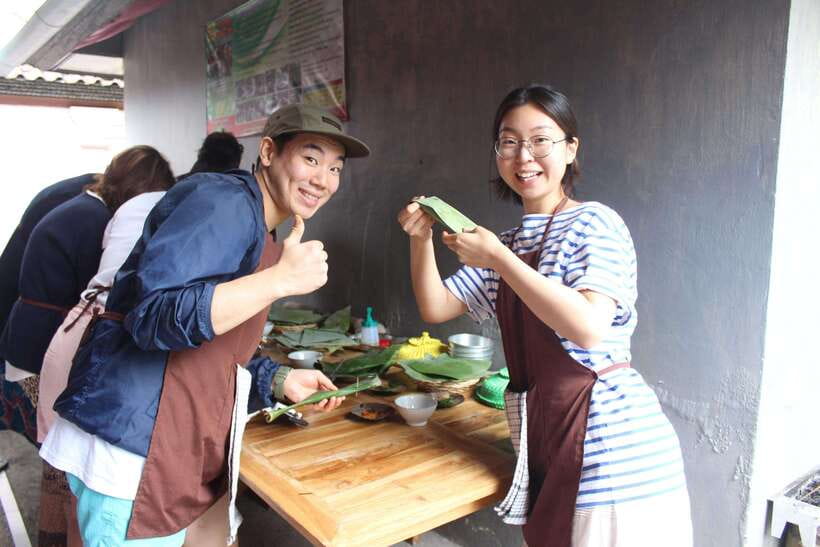
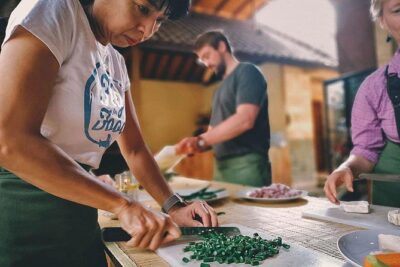
Cooking with your hands in Bali is fun. This Ubud class combines a morning market with hands-on Balinese cooking, so you learn the food and the local rhythm that feeds it. I like that you actually cook the dishes yourself (with teachers such as Komah, Tata, and Yogi) and then sit down to eat what you made, but the morning market can feel awkward if you’re very sensitive about animal welfare.
If you choose the morning option, expect a 7:30am pickup around Ubud (meeting at the front of Ubud Palace). The whole day runs on a simple flow: market context, rice field explanations, then a clean, well-run kitchen where you work step by step. One practical consideration: it’s not set up for wheelchair users due to short but steep steps leading to the cooking area.
You also get real flexibility for groups: the class is vegetarian and vegan focused, yet it can work even if your travel partner eats meat, because you’re making your own meals. Bring cash, plan for heat (it can get warm in the kitchen area), and you’ll get a lot more out of the experience by showing up hungry and ready to learn.
In This Review
- Key Points That Matter Before You Go
- Why This Ubud Vegetarian and Vegan Class Feels More Real Than a Demo
- Meeting at Ubud Palace and the 7:30am Start
- Morning Market + Rice Paddies: Ingredients With a Story
- The Kitchen Setup: Clean Workstations and Step-by-Step Teaching
- Cooking 8 Dishes by Hand (Plus Learning at Least 9 Recipes/Steps)
- Lunch or Dinner Buffet: Taste Your Work, Not Someone Else’s
- The Recipe PDF: Your Home-Cooking Safety Net
- Morning vs Afternoon: Market Tour or Canang Offering
- Price and Value for $23: What You Get for Less Than One Restaurant Meal
- Who Should Book This Ubud Cooking Class
- Should You Book This Ubud Vegetarian and Vegan Cooking Class?
- FAQ
- Is a vegetarian or vegan menu included?
- How much does it cost?
- Do I get picked up in Ubud?
- Is the market tour included?
- Do you visit rice paddies?
- How many dishes will I cook?
- Is lunch or dinner included?
- What’s included besides the cooking?
- What should I bring?
- What if I need to change plans?
Key Points That Matter Before You Go
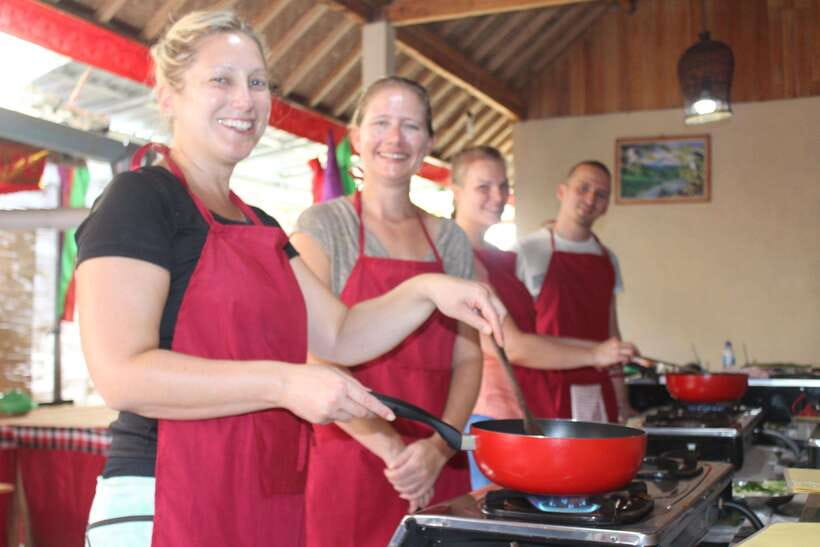
- You cook your own Balinese food. The class is designed around hands-on preparation, not watching.
- Market and rice fields come before cooking (morning only). You’ll see ingredients and learn how rice grows.
- English instruction with friendly, funny teachers. Names you may hear include Komah, Tata, Yogi, and Harry.
- You get a recipe PDF to take home. It’s a useful souvenir you can actually use for lunch or dinner later.
- Lunch or dinner buffet is included. There’s food tasting, then you eat as a group.
- Morning and afternoon options change what you do. Morning focuses on market + paddies; afternoon can include making Hindu offering canang.
Market basket to banana-leaf plate. More Ubud cook-alongs.
- Ubud Cooking Class Bali with Balinese Chef★ 5.0 · 1,609 reviews
- Ubud: Cooking Class with Transfers and Optional Market Visit★ 4.9 · 824 reviews
- PRIVATE Authentic Balinese Cooking Class in Ubud at Putu’s Home★ 5.0 · 644 reviews
- Balinese Ubud cooking school (9 Dish Cooking and Market Tour)★ 5.0 · 540 reviews
Why This Ubud Vegetarian and Vegan Class Feels More Real Than a Demo
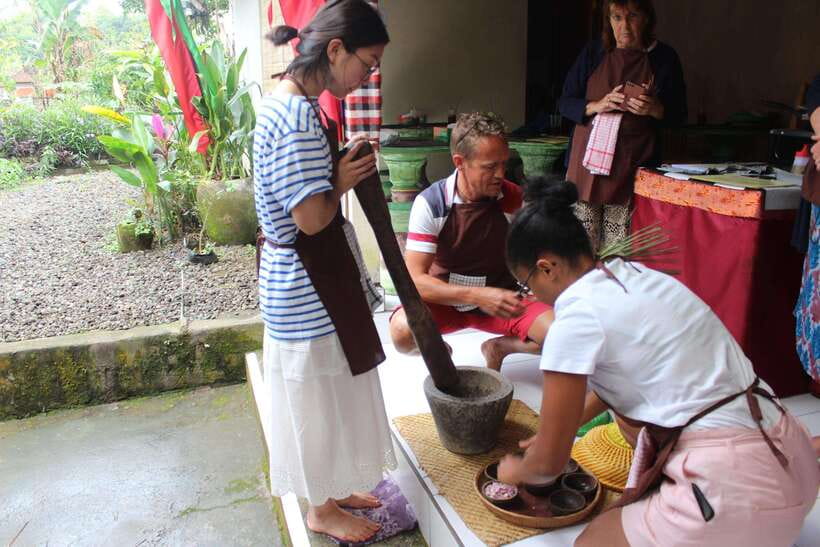
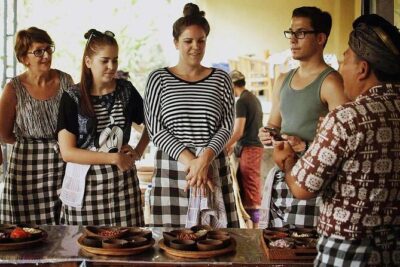
This isn’t one of those cooking classes where you stand back while someone else performs. The format is built around doing: you make the dishes yourself, with step-by-step guidance from a Balinese chef or instructor.
I also like that the tour isn’t only about recipes. Starting with a local market and rice fields (in the morning option) gives you context. You see how ingredients are sold and how rice fits into the island’s seasonal cycle, which helps the food feel less like a performance and more like something people actually eat every day.
Meeting at Ubud Palace and the 7:30am Start
Your day starts early. The pickup is at 7:30am in the Ubud area, and the guide waits at the front of Ubud Palace. If you’re staying outside the Ubud center, you’ll typically need to connect with the shuttle at the front Ubud Palace.
This timing matters because the market visit and rice field explanation are part of the morning class structure. If you love eating local, shopping like a local, and asking questions, the early start helps you get the most out of it before the heat ramps up.
Also note: the class isn’t suitable for wheelchair users. One kitchen review mentioned short but steep steps to reach the cooking area, so plan around that.
Morning Market + Rice Paddies: Ingredients With a Story
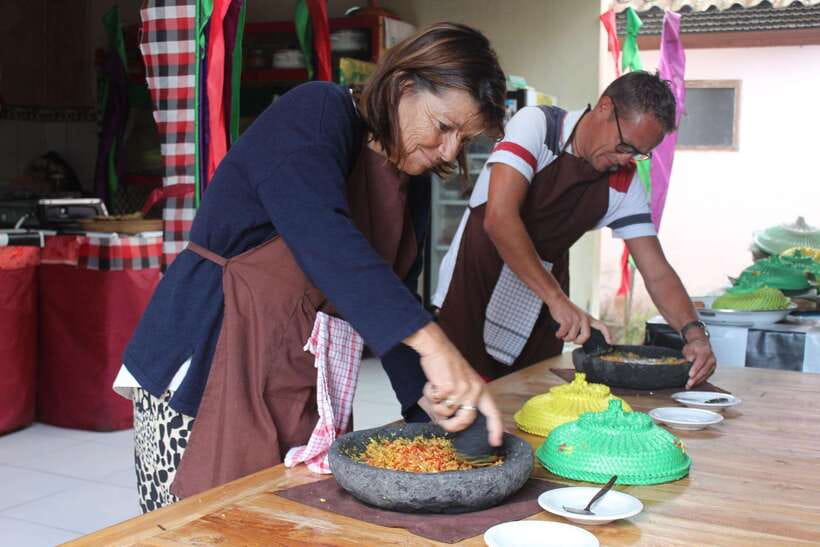
If you book the morning class, you’ll join the market tour for about 25–30 minutes. Then you’ll go to local rice paddies for an explanation of how rice grows, including how many kinds of rice are grown in Bali and how long harvesting takes.
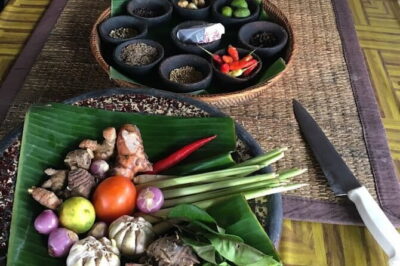
Here’s why this part is worth your attention: when you later cook, you’re not just memorizing a recipe. You’re translating what you saw in the market into what you chop, stir, and season. It helps you understand what “Balinese flavors” actually means in ingredient form.
Practical caution: one piece of feedback flags that the market experience may be upsetting for people with strong animal welfare concerns. If that’s you, consider choosing the afternoon option, since the market tour is morning-only.
Other Ubud tours and experiences to line up next
The Kitchen Setup: Clean Workstations and Step-by-Step Teaching
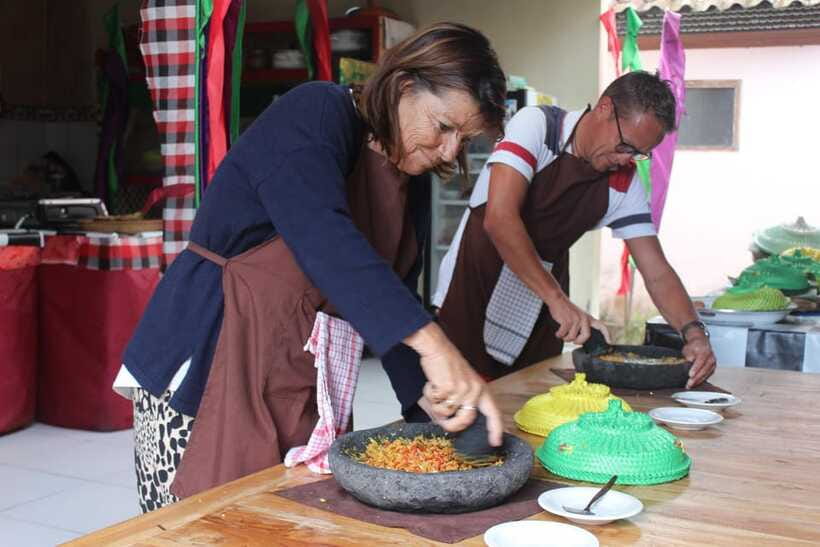
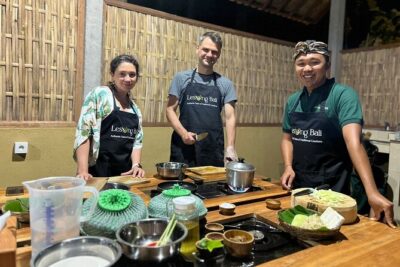
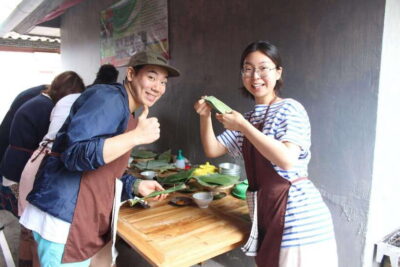
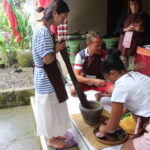
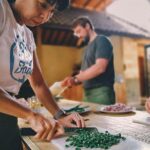
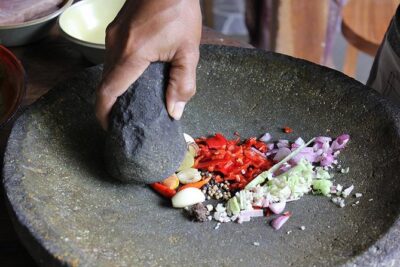
Once you arrive at the kitchen, you’re in the hands-on portion. The kitchen is set up with equipment for cooking, and the rhythm is practical: you prep, cook, and taste along the way.
I like that the class is described as organized and clean, with plenty of water available. That matters in Bali because the day can feel hot, and you’ll be standing, mixing, and tasting. One person even mentioned the vehicle being air-conditioned during transport, which is a nice buffer before you hit the warm cooking room.
Language is English, so you can ask why a seasoning works or how to adjust spice. In fact, you’ll likely find the instructors are used to mixed dietary groups. One example shared that vegan and non-vegan eaters can be in the same class, because you’re making your own meals.
Cooking 8 Dishes by Hand (Plus Learning at Least 9 Recipes/Steps)
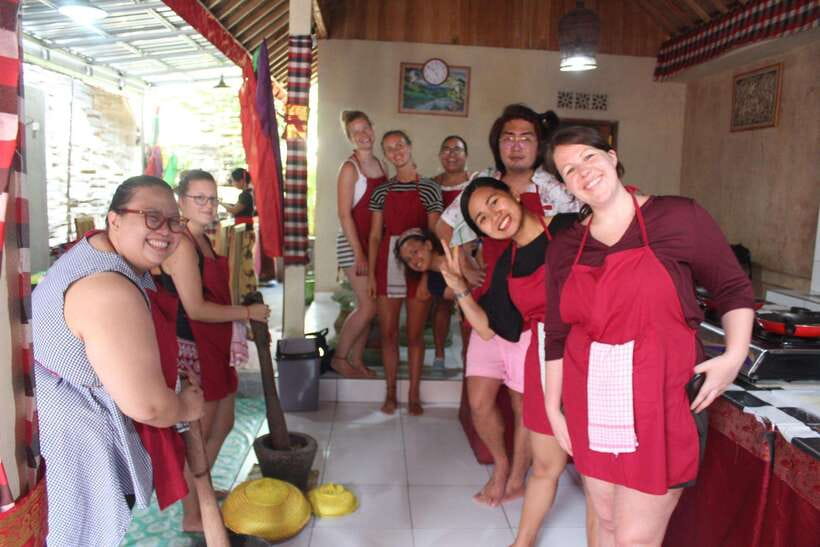
The class structure is built around making multiple Balinese dishes with your own hands. The summary calls out 8 dishes, while the program description also mentions learning at least 9 recipes/food preparations. In practice, that likely means you’ll cook a set number of dishes and cover additional recipe steps and techniques during the process.
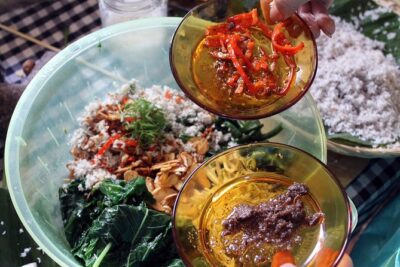
What to expect in terms of effort: the highlights are straightforward—your group makes the menu by hand, then you taste and enjoy it for lunch or dinner. This is not “light chopping and tasting.” You’ll actually contribute to the cooking, and you’ll see how ingredients transform from raw to plated.
A useful detail: laminated photos and clear materials help you follow the sequence. That kind of visual support is what makes the class feel less chaotic and more doable—especially if you’ve never cooked Balinese food before.
Lunch or Dinner Buffet: Taste Your Work, Not Someone Else’s
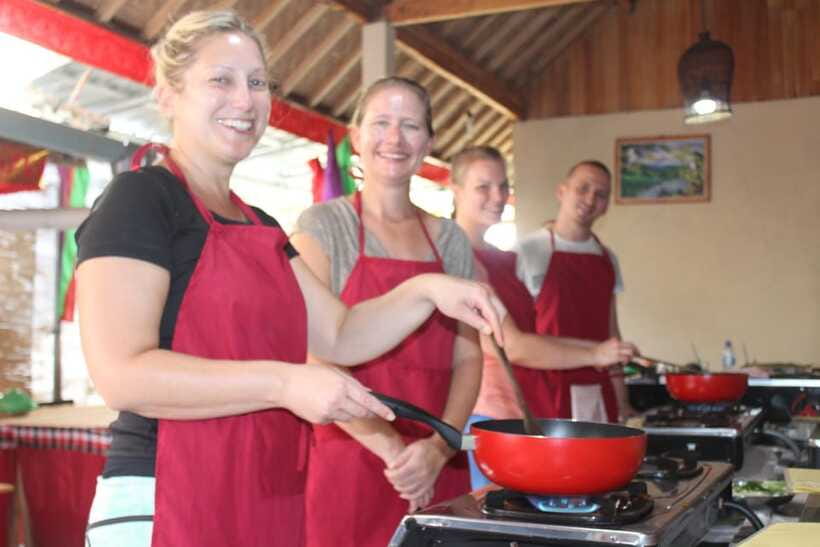
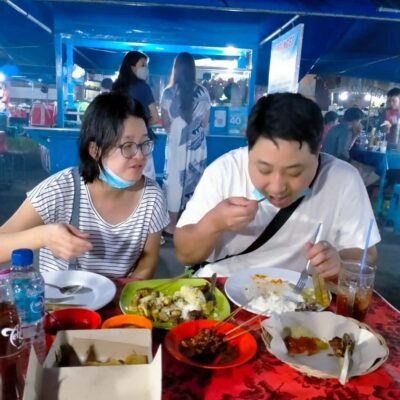
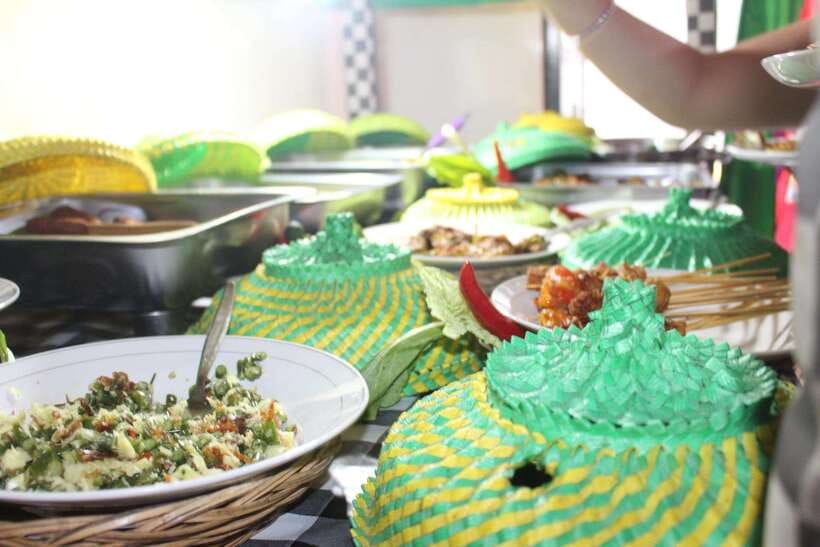
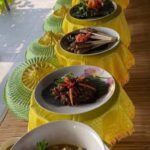
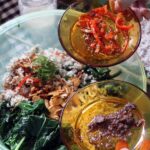
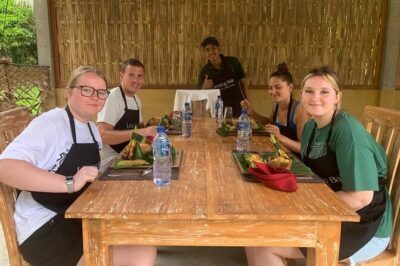
After the cooking session, you eat together. You’ll enjoy a buffet lunch or buffet dinner (depending on whether you choose the morning or afternoon class). Food tasting is included as well, so you’re not just waiting until the end to try what you made.
This part is surprisingly important. Cooking classes can turn into sugar-rushed souvenir hunts where you leave with photos but no connection to flavor. Here, the value comes from eating immediately—while the taste memory is fresh—so you can remember what worked and what you’d tweak later at home.
And yes, portion size can be generous. One review said they cooked so much they couldn’t finish it all. So plan on coming with an appetite and some patience for seconds.
The Recipe PDF: Your Home-Cooking Safety Net
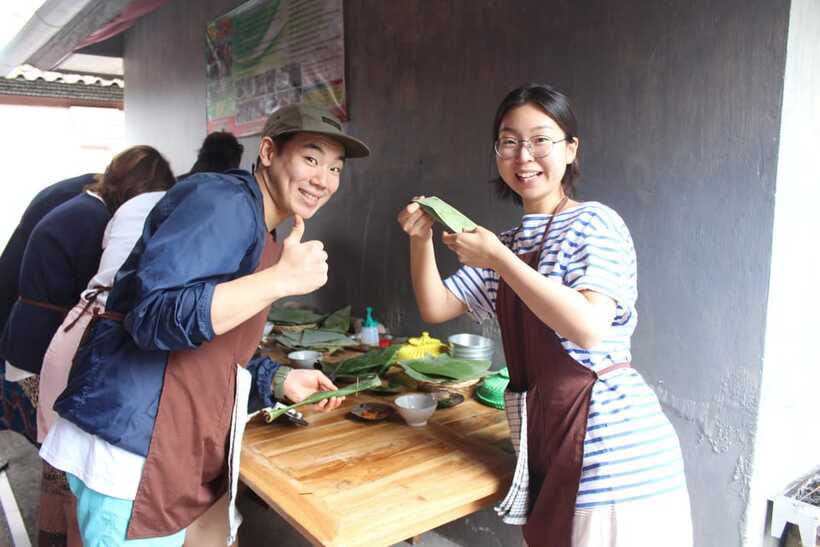
You don’t just get a verbal explanation and a vague memory. The class includes a copy of the recipes in PDF format.
I think this is one of the best “hidden values” in cooking classes. The real goal isn’t only to have a good meal in Ubud—it’s to take at least a few dishes back to your kitchen. With a PDF, you can rebuild the dishes for lunch or dinner later, without trying to guess at measurements after you return home.
Morning vs Afternoon: Market Tour or Canang Offering
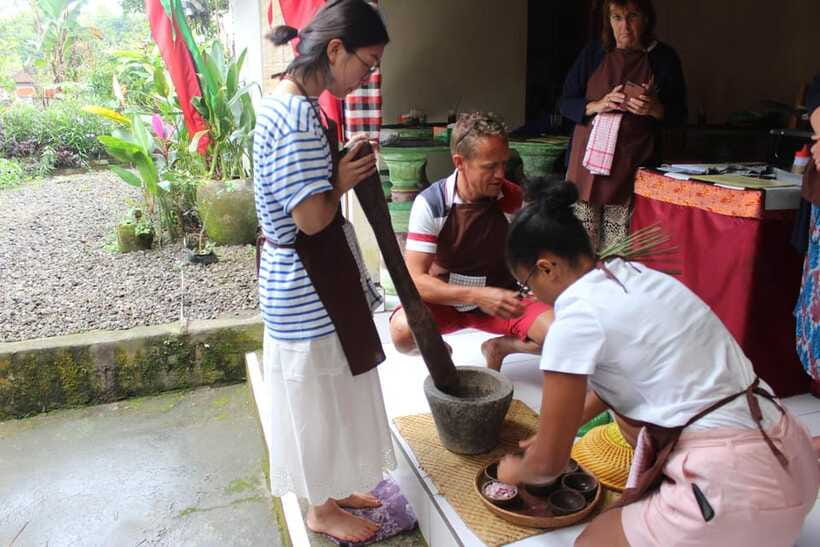
These classes aren’t identical day to day, so choose based on what you want most.
- Morning class option: includes the morning market tour (25–30 minutes) and the rice field visit. You’ll learn how rice grows and harvesting timelines, then cook your dishes.
- Afternoon class option: the market tour is not included. Instead, you may do making Hindu offering canang (a traditional Balinese offering) as part of the afternoon program.
If you want the ingredient story, pick morning. If you’d rather skip the market component and focus on cooking and cultural practice, afternoon can be the calmer choice.
Price and Value for $23: What You Get for Less Than One Restaurant Meal
At about $23 per person, this class is priced like a value outing, especially because it bundles more than cooking.
Included items you can actually translate into cost:
- pickup and drop-off in the Ubud area center (meeting at Ubud Palace)
- mineral water
- kitchen equipment
- food tasting
- lunch or dinner buffet
- a Balinese local guide/host
- market tour and rice paddies for morning classes
- canang offering for afternoon classes (when selected)
- a recipe PDF
What’s not included is also clear: alcohol drinks are not included, and you’ll need cash (at least for anything you choose to buy, since the tour doesn’t claim to cover personal expenses).
For $23, the biggest value is that you don’t just eat a meal—you get a full process: see ingredients, cook by hand, then eat what you made, with a recipe sheet to carry the flavors home.
Who Should Book This Ubud Cooking Class
This is a strong fit if you:
- want a Balinese vegetarian/vegan cooking experience in Ubud, not just a restaurant meal
- enjoy markets and rice field explanations and want the food connected to daily life
- want to cook with a group in a clean, structured kitchen rather than a loose demo
It may not be the best fit if:
- you need wheelchair accessibility due to steep steps to reach the kitchen area
- you’re very uncomfortable with the morning market segment, since that option includes a market tour
- you’re traveling with oversize luggage (oversize luggage is not allowed)
Should You Book This Ubud Vegetarian and Vegan Cooking Class?
Book it if you want a hands-on Ubud activity that actually teaches you something you can repeat. The combination of market context, rice field learning (morning), and cooking your own dishes is the reason this class feels practical—not just cultural entertainment.
Skip the morning if the market part could stress you out. In that case, the afternoon option can still give you a lot of what you came for: cooking time, food tasting, and a meal you built yourself, plus the recipe PDF.
FAQ
Is a vegetarian or vegan menu included?
Yes. The class is vegetarian and vegan focused, and it’s designed around making Balinese dishes with your own preparation.
How much does it cost?
The price is $23 per person.
Do I get picked up in Ubud?
Yes. Pickup is at 7:30am in the Ubud area, and the guide meets at the front of Ubud Palace. Drop-off is back in the Ubud area center.
Is the market tour included?
It depends on the class time. The market tour is available only if you book the morning class option.
Do you visit rice paddies?
For morning classes, yes. You’ll visit local rice paddies and get explanations about how rice grows and harvesting timelines.
How many dishes will I cook?
You will cook 8 dishes, and the program also notes learning at least 9 recipes/food preparations during the session.
Is lunch or dinner included?
Yes. You’ll have a lunch or dinner buffet included, along with food tasting.
What’s included besides the cooking?
Included items cover kitchen equipment, mineral water, a Balinese local guide/host, and a copy of the recipes as a PDF file.
What should I bring?
Bring cash. Oversize luggage is not allowed.
What if I need to change plans?
You can cancel up to 24 hours in advance for a full refund. The listing also offers Reserve & Pay Later to keep your plans flexible.
More Shopping Tours in Ubud

More Ubud Tours We Rate





Cook Balinese in Ubud
Just added around Ubud
- Ubud: White Water Rafting with visit Ubud Monkey Forest
★ 5.0 · 3 reviews - Private Guided Bali Car Charter
★ 5.0 · 3 reviews - East Bali and Lempuyang Temple Tour
★ 5.0 · 3 reviews - Bali Downhill Cycling and White Water Rafting
★ 5.0 · 3 reviews - Cave Tubing Adventure in Ubud
★ 5.0 · 3 reviews
Balinese Cooking Classes, compared.
 ★ 5.0Ubud Cooking Class Bali with Balinese ChefFrom $351,609 reviews
 ★ 4.9Cooking Class with Transfers and Optional Market VisitFrom $21824 reviews
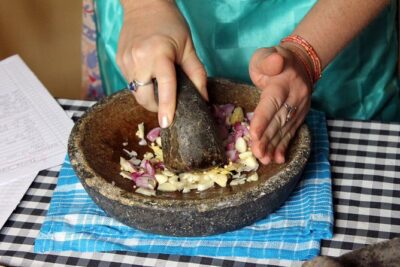 ★ 5.0PRIVATE Authentic Balinese Cooking Class in Ubud at Putu’s HomeFrom $75644 reviews
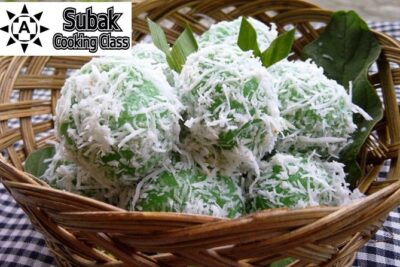 ★ 5.0Balinese Ubud cooking school (9 Dish Cooking and Market Tour)From $58540 reviews
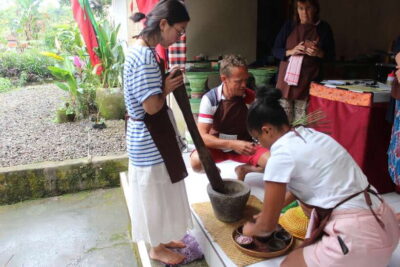 ★ 4.8Balinese Cooking Class and Market TourFrom $23531 reviews
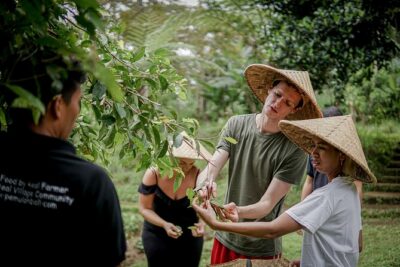 ★ 5.0Balinese Farm Cooking Class by Pemulan BaliFrom $39410 reviews
 ★ 5.0Balinese Authentic Cooking Class in UbudFrom $39239 reviews
 ★ 5.0PRIVATE Balinese Cooking Class in Ubud with Dewa with TransfersFrom $69213 reviews
Browse the lists this tour appears in