
Reviewed · BALINESE COOKING CLASSES
Ubud: Balinese Cooking Class and Market Tour
A Bali morning that smells like ginger and toasted spice. This Ubud experience pairs a real market tour with hands-on cooking led by a Balinese chef, so you learn flavors and techniques you can actually repeat at home. I like the way you make 9 dishes yourself and taste them together as a group, plus you get recipe PDFs for later. One thing to think about: the traditional market stop is truly local, so it may be a bit intense if you’re squeamish about tight spaces and the everyday sights and smells of food shopping.
This is also one of the better “do more than just watch” activities in Ubud. You’ll be moving through the process—buying ingredients, learning what they’re used for, then cooking and eating what you made. If you’re short on time, the 4-hour format is efficient, and the small group size (up to 14) keeps the pace friendly.
In This Review
- Key Highlights You’ll Care About
- A 4-Hour Ubud Balinese Cooking Class That Feels Like Daily Life
- Morning Market Tour: How the “Real” Ubud Food Starts
- Rice Paddies in Ubud: Why Rice Is More Than a Side Dish
- Inside the Family-Complex Kitchen: Hands-On, Step-by-Step
- The 9 Dishes You Make (and Eat) Together
- Afternoon Option: Cooking + Canang Offering Making
- Logistics That Actually Affect Your Day: Pickup, Group Size, and What to Bring
- Price and Value: Why $23 Can Make Sense in Ubud
- Who This Ubud Cooking Experience Is Best For
- Quick Decision Guide: Should You Book This Cooking Class?
- FAQ
- FAQ
- How long is the Ubud Balinese cooking class?
- Is there a market tour included?
- Do I visit rice paddies?
- What happens in the afternoon session?
- How many dishes will I cook?
- Is hotel pickup included?
- What language is the guide speaking?
- Is it suitable for kids or wheelchair users?
- Can I cancel and get a refund?
Key Highlights You’ll Care About
- 9 Balinese signature dishes you cook with your own hands, not a demo where you wait
- Morning market tour + local fruit tasting, led in English by a guide
- Rice paddies visit in the morning option, with context for why rice matters
- Afternoon option includes Canang offering making, so you still get cultural hands-on work
- Family-complex kitchen setup with step-by-step help, including assisted cooking
- Hotel pickup and drop-off in Ubud area, so you’re not wrestling transport
Market basket to banana-leaf plate. More Ubud cook-alongs.
- Ubud Cooking Class Bali with Balinese Chef★ 5.0 · 1,609 reviews
- Ubud: Cooking Class with Transfers and Optional Market Visit★ 4.9 · 824 reviews
- PRIVATE Authentic Balinese Cooking Class in Ubud at Putu’s Home★ 5.0 · 644 reviews
- Balinese Ubud cooking school (9 Dish Cooking and Market Tour)★ 5.0 · 540 reviews
A 4-Hour Ubud Balinese Cooking Class That Feels Like Daily Life
If you’ve ever watched cooking videos and thought, I could never do this in real life, this is a good fix. In Ubud, you’ll spend about 4 hours cooking Balinese dishes with guidance from a chef, then eat the results right there. It’s practical, not performative: you learn what you’re doing, why it matters, and how to put it together without stress.
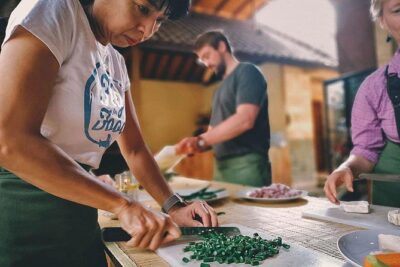
The best part for me is the balance of structure and freedom. You’re not just assigned one task and forgotten; you’ll work through multiple steps and dishes, then sit down to enjoy what you made. The small-group cap (up to 14) also means the staff can keep an eye on you when you’re chopping, mixing, and tasting.
A note on vibe: the market side (for morning sessions) is not staged for tourists. That can be a joy if you want the real Ubud food scene, or a challenge if you prefer your experiences clean and polished.
Morning Market Tour: How the “Real” Ubud Food Starts
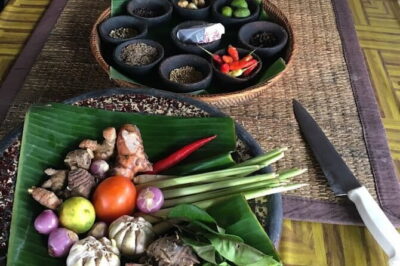
If you book the morning option, you’ll begin with a local market tour and tastings—especially local fruit. The guide helps you understand how ingredients are sold and chosen, which is useful because Balinese cooking leans heavily on fresh items and spice blends you can’t substitute blindly.
This is also where you start spotting how flavors build. You’ll likely see ingredients you’ve never bought before, and you’ll get context on what they’re used for. One practical win: when you taste fruits and treats during the market stop, you train your palate before you cook. That makes the later dishes easier to understand, especially sauces and sides.
One possible downside is the market setting itself. Expect a traditional market with tight quarters and the everyday reality of food shopping. A few people noted it can be off-putting if you’re very sensitive to sights and smells like you might find in any functioning local market. If that’s you, it’s still worth considering—just mentally prepare.
Rice Paddies in Ubud: Why Rice Is More Than a Side Dish
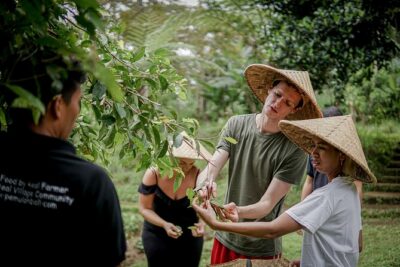
For morning sessions, the experience can include a stop at local rice paddies. Even if you’ve seen rice terraces on postcards, this kind of add-on helps you understand the cultural importance of rice in Bali. Rice isn’t just food here—it connects to daily routines, local farming, and household life.
What I like about this stop is how it bridges the gap between “food as ingredients” and “food as culture.” After the market visit, the paddies stop turns the cooking class from a fun meal into something with meaning. It also gives you a quick break from the intensity of the market so your brain can reset before the kitchen phase.
If you choose an afternoon class, you won’t get the market and rice paddies stops. The good news: you still get cultural hands-on work (more on that next).
Other Ubud tours and experiences to line up next
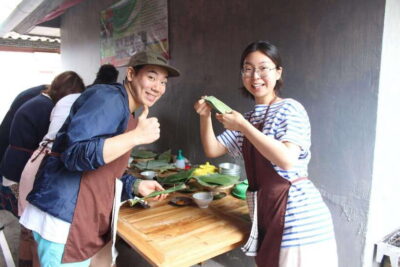
Inside the Family-Complex Kitchen: Hands-On, Step-by-Step
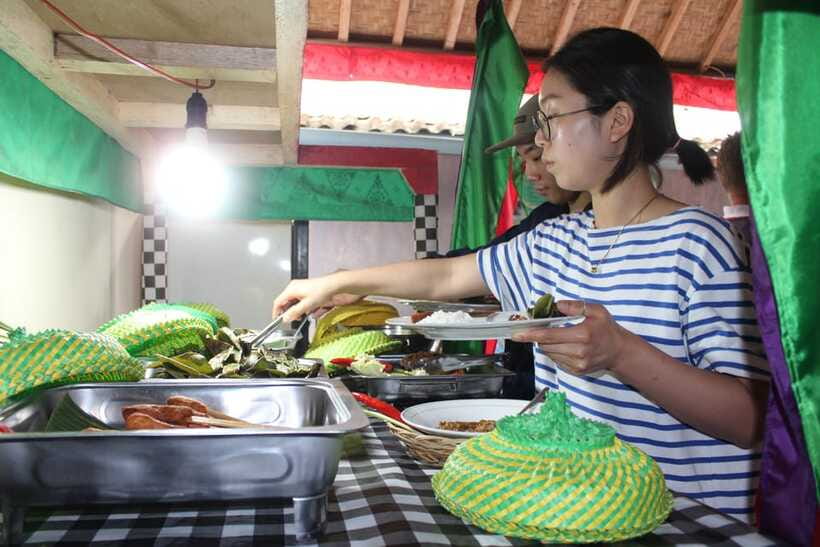
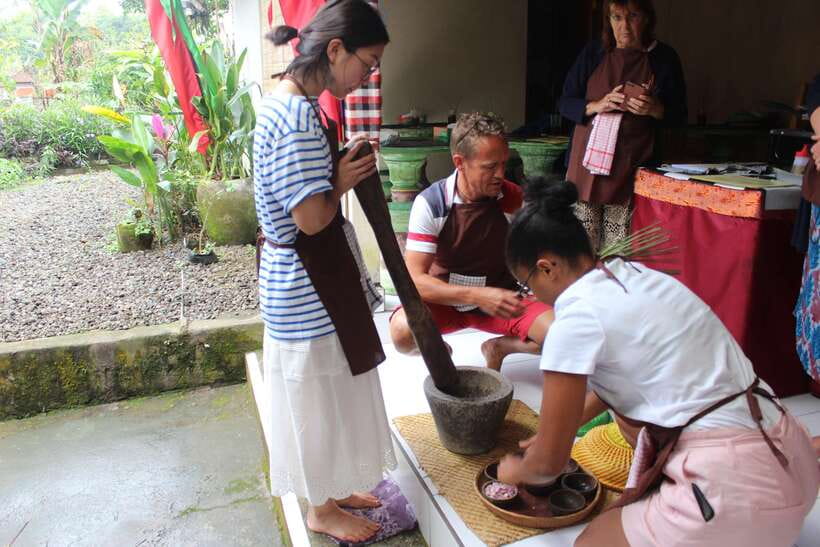
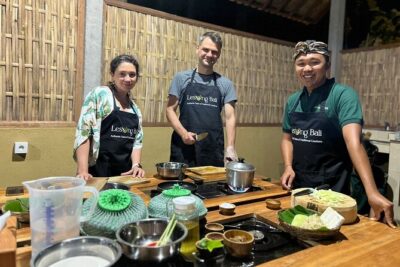
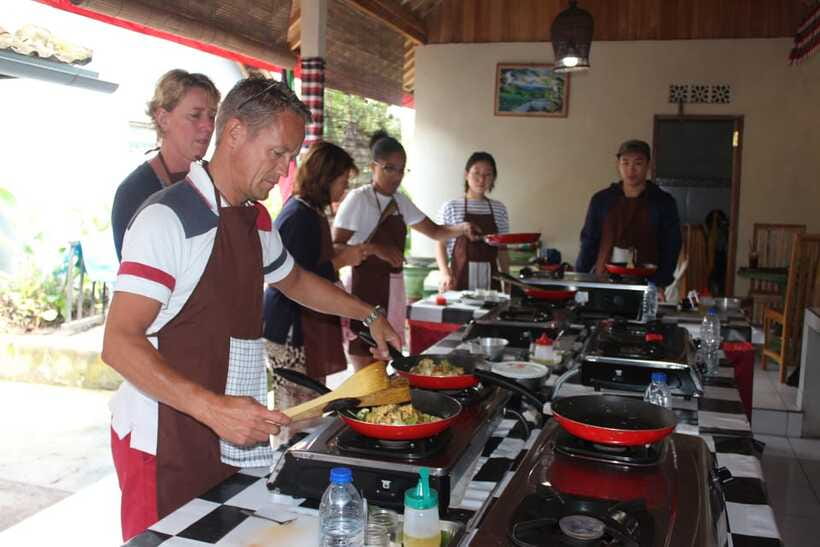
Your cooking happens in a family-run setup inside a compound-style kitchen area. That matters. Kitchens in Balinese cooking schools can vary from classroom-like to more home-based, and this one leans toward the home/kitchen rhythm. You’ll be guided through steps, which is a big deal if you don’t cook much at home.
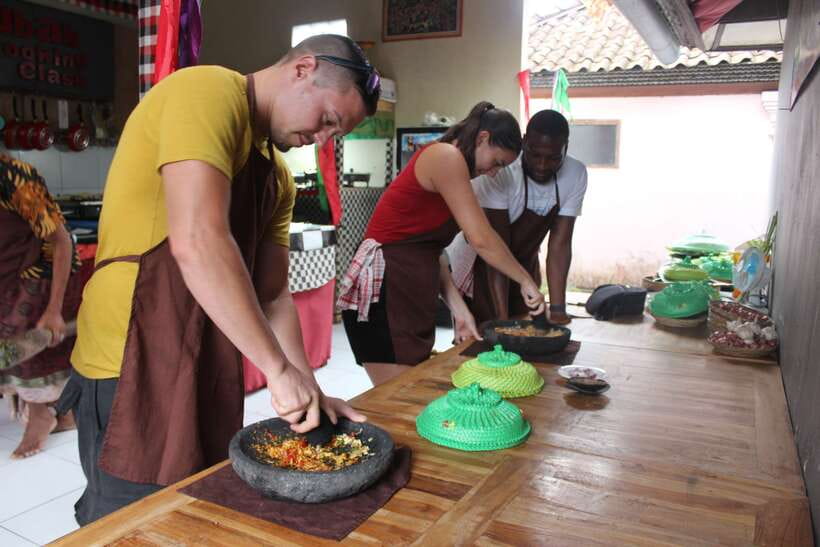
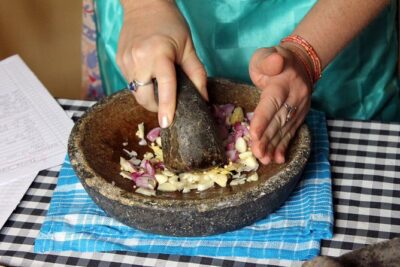
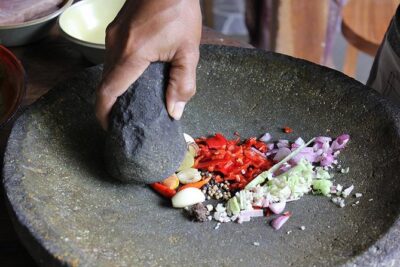
In practice, the class is designed so you don’t feel lost. You’ll be doing at least part of the work for each dish, but staff assistance keeps things from going sideways—especially with things like grinding, mixing, or timing a hot pan.
You may hear different names for your hosts and instructors depending on the session. People commonly mention guides such as Putu in the market phase, and chefs/instructors such as Wayan in the kitchen. Another host mentioned in some sessions is Butu (spelling can vary) or Tata. Whoever leads yours, the core promise stays the same: you cook, you taste, and you get help.
One tip from the experience format: bring your curiosity. Ask small questions as you go—what’s this ingredient for, what happens if it’s missing, how do I tell it’s ready? The pace is friendly, so you can actually use the answers.
The 9 Dishes You Make (and Eat) Together
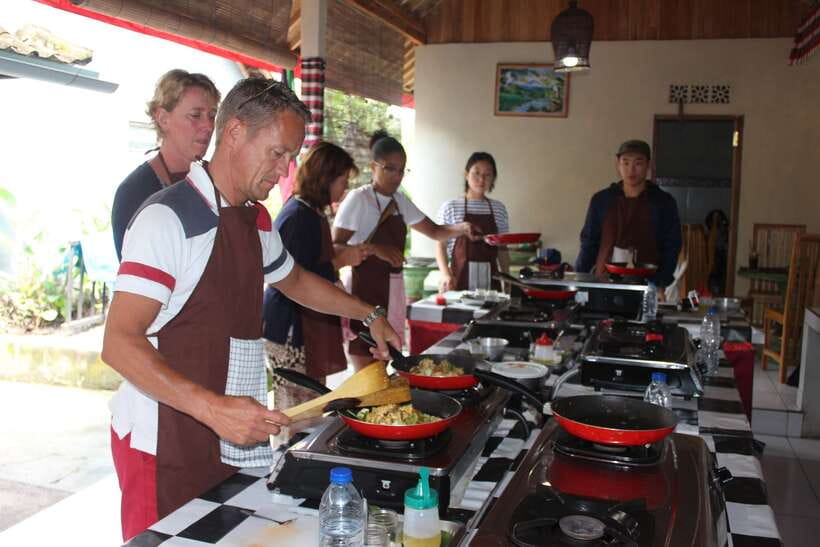
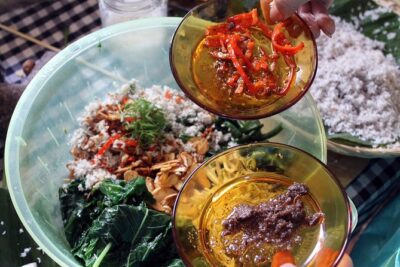
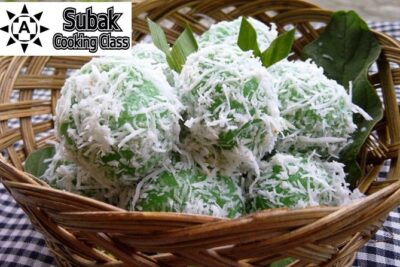
This is the heart of the value. The class includes 9 Balinese signature dishes, and you’ll cook them yourself. It’s not uncommon to go through a range—something saucy, a savory main, and even a dessert—so you get a broad taste of Balinese home-style cooking.
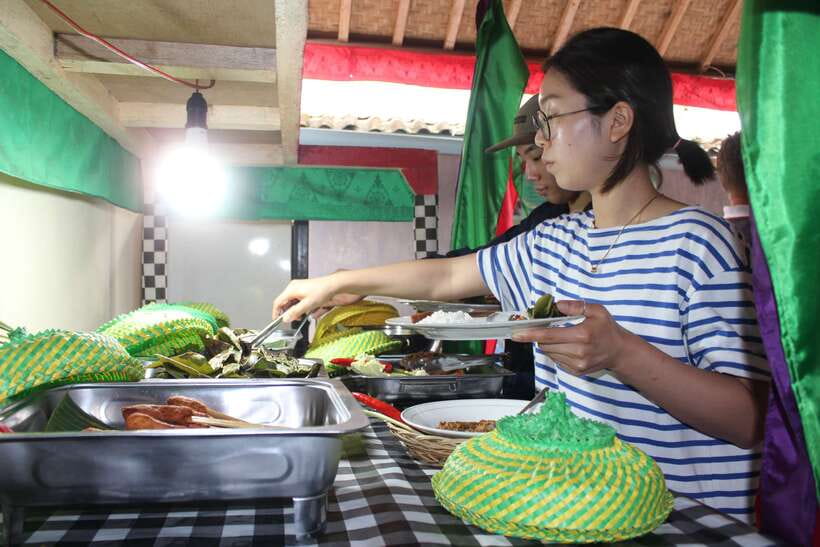
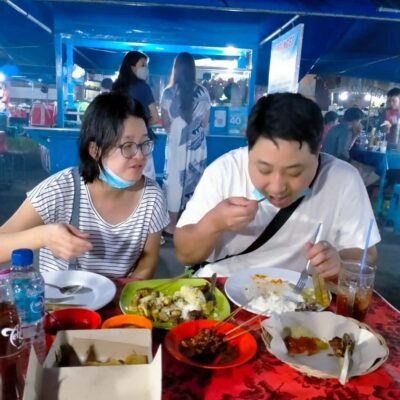
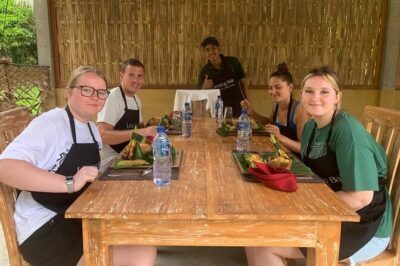
You also get a structured reason to taste: you’ll typically sample the food as you go, then sit down for the final meal together. That shared eating moment is part of the fun, because you’re not just learning recipes—you’re also confirming results with a group reaction. When it tastes right, it sticks in your head.
If you’re vegetarian or need a spice adjustment, you’re more likely to be able to work with the menu than in a rigid class. Some participants reported vegetarian/vegan options and non-spicy adjustments when allergies or heat sensitivity were involved. Just don’t wait until the last minute—ask ahead so they can plan.
And yes, the portion size can surprise you. Cooking 9 dishes means you’re not leaving hungry, and you don’t leave with a “tiny tasting menu” feeling.
Afternoon Option: Cooking + Canang Offering Making
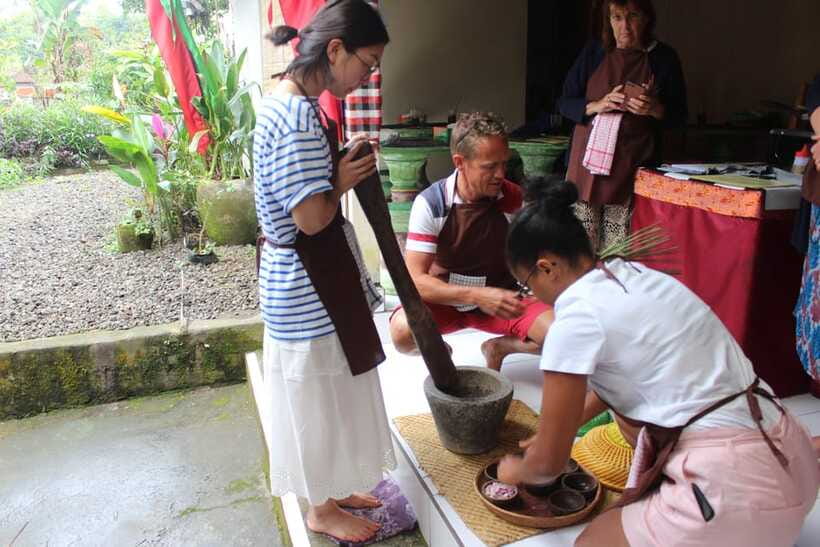
If you choose the afternoon class, the market and rice paddies portions are swapped out. Instead, you get Making set up Canang offering, which is Balinese cultural practice involving small offerings. It’s a hands-on activity that gives you a window into daily religious life without turning the experience into a lecture.
You’ll still cook in the kitchen and finish with dinner together, so the main “you cook, then you eat” structure remains. For many people, this is a good choice if mornings are busy with other Ubud plans, or if you’d rather skip the traditional market stop.
In short: morning = ingredients + market + rice paddies. Afternoon = cooking + Canang offering making + a shared meal.
Logistics That Actually Affect Your Day: Pickup, Group Size, and What to Bring
This is one of those tours that works better when you plan around its real constraints. Here’s what matters:
Pickup and drop-off
- Pickup and drop-off are included in the Ubud area.
- If you’re staying outside Ubud, you’ll need to meet the shuttle at the front (Ubud Palace) or go directly to the class.
- If you’re unsure, message in advance so you know where to be and when.
Small group size
- Limited to 14 participants, which helps you get guidance without spending half the time waiting for the chef to notice you.
Language
- English-speaking live guide.
What to bring
- Camera
- Headphones
- Cash
Headphones aren’t random here. Between guide talk and the sounds of a working market (for morning sessions), they can help you follow instructions without straining.
If you’re traveling with a picky schedule: the 4-hour window is tight but manageable. Wear comfortable clothes you don’t mind getting a little kitchen-used. You’ll be hands-on.
Price and Value: Why $23 Can Make Sense in Ubud
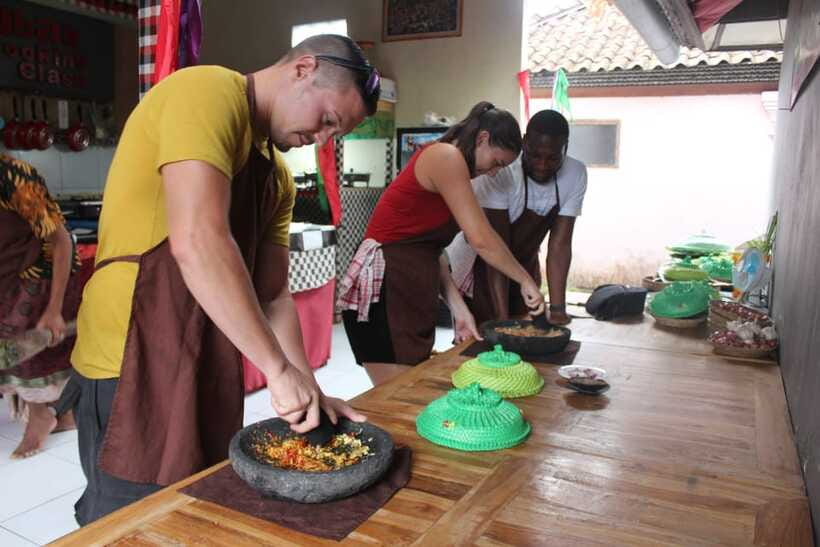
At $23 per person, this isn’t a “cheaper than nothing” deal, either. It’s priced to feel fair for what you actually do: market exposure (morning), rice paddies (morning), Canang offering making (afternoon), and a chef-led cooking class where you make 9 dishes and eat them.
The value is in the combination:
- Transportation support inside Ubud (pickup/drop-off) reduces friction.
- The small group size keeps the class feeling personal rather than assembly-line.
- The included welcome drink and the end meal round it out.
- The PDF recipe copy is the quiet MVP. Even if you forget how something tasted, you’ll have the steps and ingredients later.
If you’ve paid more for cooking classes in Bali that felt like you watched someone else work, this one’s better. The workload is on you—in a good way.
Who This Ubud Cooking Experience Is Best For
This class fits best if you:
- Want real Balinese food made with guidance, not a lecture
- Prefer hands-on learning where you can ask questions
- Like the idea of tasting while you cook, so you learn faster
It’s also a strong pick for solo travelers. The small-group format helps you feel included quickly. Couples and friends often pair well with the shared meal vibe too.
A couple clear “not for everyone” notes from the activity data:
- Not suitable for children under 6
- Not suitable for wheelchair users
If you’re traveling with an anxiety about messy markets, consider the afternoon option. You’ll keep the cooking (the core value) without the traditional market stop.
Quick Decision Guide: Should You Book This Cooking Class?
Book it if you want a Ubud activity that mixes culture and cooking without wasting time. The reason I’d choose it over a basic cooking demo is simple: you’re cooking 9 dishes, not just tasting, and you get recipe PDFs to take home.
Skip it or switch to the afternoon if the market setting sounds stressful. The market visit is real, and that’s exactly what makes it authentic—but not everyone enjoys dirt floors, flies, and the raw everyday look of a working market.
If you’re choosing between morning and afternoon: pick morning for market + fruit + rice paddies. Pick afternoon for Canang offering making and a calmer start.
FAQ
FAQ
How long is the Ubud Balinese cooking class?
The activity runs for 4 hours.
Is there a market tour included?
Yes, the local market tour is included for the morning class option only.
Do I visit rice paddies?
Rice paddies are included for the morning class option only.
What happens in the afternoon session?
The afternoon option focuses on cooking and includes making set up Canang offering, plus dinner together.
How many dishes will I cook?
You’ll cook 9 Balinese signature dishes.
Is hotel pickup included?
Hotel pickup and drop-off are included for hotels in the Ubud area.
What language is the guide speaking?
The live tour guide speaks English.
Is it suitable for kids or wheelchair users?
It is not suitable for children under 6 years old and not suitable for wheelchair users.
Can I cancel and get a refund?
Yes. You can cancel up to 24 hours in advance for a full refund.
More to See and Do in Ubud





More Ubud Tours We Rate

Cook Balinese in Ubud
Just added around Ubud
- Ubud: White Water Rafting with visit Ubud Monkey Forest
★ 5.0 · 3 reviews - Private Guided Bali Car Charter
★ 5.0 · 3 reviews - East Bali and Lempuyang Temple Tour
★ 5.0 · 3 reviews - Bali Downhill Cycling and White Water Rafting
★ 5.0 · 3 reviews - Cave Tubing Adventure in Ubud
★ 5.0 · 3 reviews
Balinese Cooking Classes, compared.
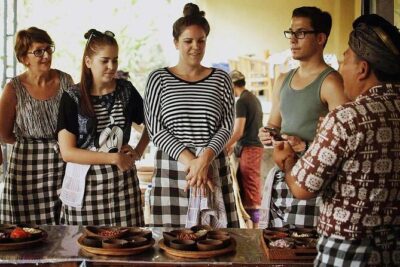 ★ 5.0Ubud Cooking Class Bali with Balinese ChefFrom $351,609 reviews
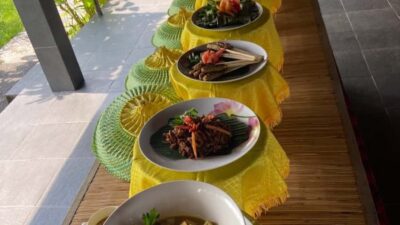 ★ 4.9Cooking Class with Transfers and Optional Market VisitFrom $21824 reviews
 ★ 5.0PRIVATE Authentic Balinese Cooking Class in Ubud at Putu’s HomeFrom $75644 reviews
 ★ 5.0Balinese Ubud cooking school (9 Dish Cooking and Market Tour)From $58540 reviews
 ★ 5.0Balinese Farm Cooking Class by Pemulan BaliFrom $39410 reviews
 ★ 5.0Balinese Authentic Cooking Class in UbudFrom $39239 reviews
 ★ 5.0PRIVATE Balinese Cooking Class in Ubud with Dewa with TransfersFrom $69213 reviews
 ★ 5.0Balinese Cooking class with traditional morning market visitFrom $35161 reviews
Browse the lists this tour appears in