
Reviewed · BALINESE COOKING CLASSES
Balinese Cooking Class with Traditional Market Tour
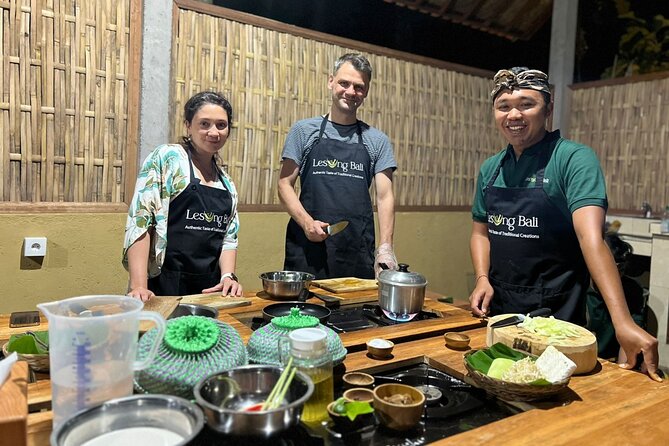
Balinese cooking starts long before the stove. This Ubud class takes you to a traditional market in the morning, then guides you through herb-and-spice prep and cooking in a traditional open kitchen.
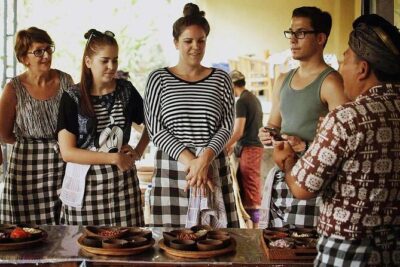
I really like the hands-on part: you’re not just watching. You’ll use traditional tools like a stone mortar, learn how paste and sauces are built, and then sit down to a lunch made from what you cooked yourself. I also like the size: you’re in a small group (up to 12), so it’s easier to get real help instead of feeling rushed.
One consideration: it’s an early start (market begins around 7:30am), and the cooking portion can feel full-on. If you’re sensitive to mornings or you want a super relaxed experience, plan around the schedule.
In This Review
- Key things to know before you go
- Morning Market in Ubud: what you’re really buying
- Spice garden breaks before the cooking gets serious
- Inside the traditional cooking compound: tools and technique
- Your 5-course lunch: why it feels like a real meal, not a tasting
- Transfers and timing in Ubud: how to make the day easy
- Price and value: why $58.16 can make sense
- Who should book this class (and who might not)
- FAQ
- FAQ
- How long is the cooking class and market tour?
- What time does the tour start in Ubud?
- Do they pick you up and drop you off?
- How many people are in the group?
- What do I eat during the experience?
- Do I visit a traditional market?
- What cooking skills do you learn?
- Is a certificate included?
- Should you book this Balinese Cooking Class and Market Tour in Ubud?
Key things to know before you go
- Traditional market timing: the market visit runs roughly from 7:30am to 8:00am, when it’s cooler outdoors.
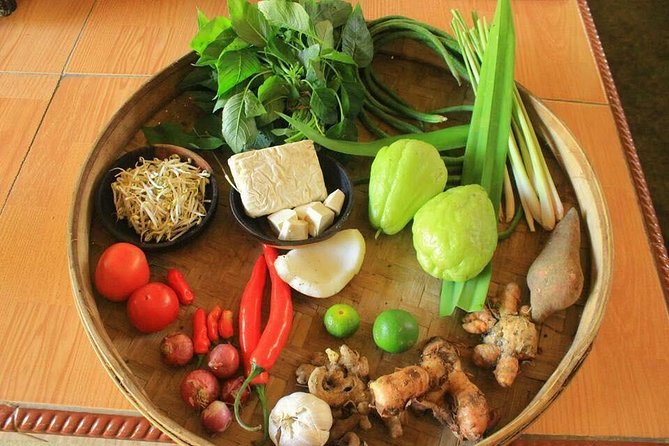
- Stone mortar + paste technique: you’ll focus on how Balinese spices become the base for dishes.
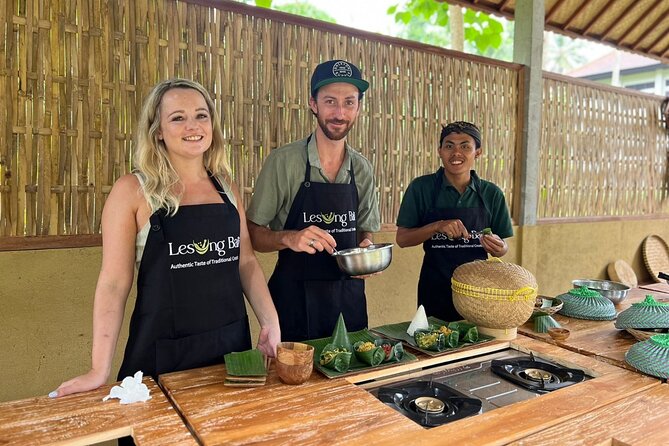
- Small group attention: class groups are typically up to 12 people, with personalized guidance.
- You eat what you make: expect a full 5-course lunch plus a dessert, all included.
- Door-to-door transfers: pickup and drop-off are included, which makes an early start easier.
Market basket to banana-leaf plate. More Ubud cook-alongs.
- Ubud Cooking Class Bali with Balinese Chef★ 5.0 · 1,609 reviews
- Ubud: Cooking Class with Transfers and Optional Market Visit★ 4.9 · 824 reviews
- PRIVATE Authentic Balinese Cooking Class in Ubud at Putu’s Home★ 5.0 · 644 reviews
- Balinese Ubud cooking school (9 Dish Cooking and Market Tour)★ 5.0 · 540 reviews
Morning Market in Ubud: what you’re really buying
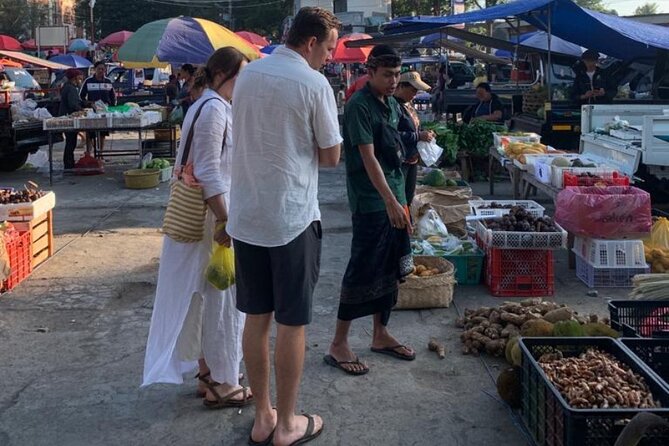
The day kicks off with pickup from your accommodation, then a direct drive to the traditional market. The start time is 7:30am, and the market visit is scheduled for that first hour when the heat is still manageable.
This isn’t just shopping for ingredients. It’s where you get your bearings on how Balinese cooks actually think: what’s in season, what families use most often, and how herbs and vegetables show up in daily meals. In the market, guides like Ron (noted for explaining local produce and traditions) help you connect what you’re buying to what you’ll later cook.
One practical tip for you: bring a little patience. Markets move fast, and you’ll be walking and learning at the same time. If you’re the type who likes to linger, you might still enjoy it, but you’ll follow the group rhythm.
Spice garden breaks before the cooking gets serious
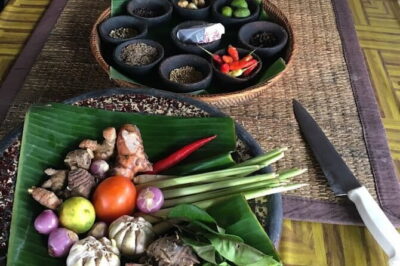
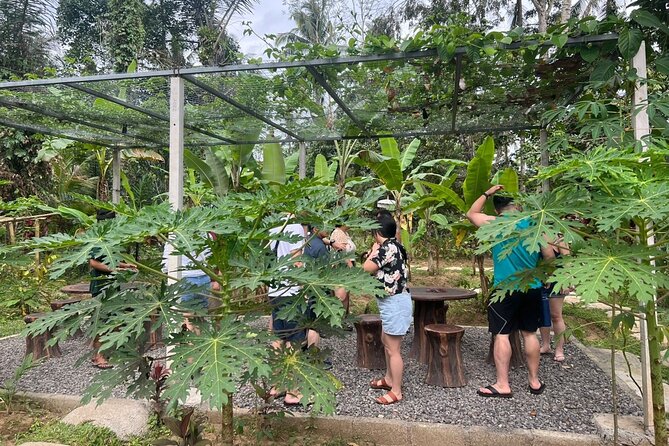
After the market, you move to the kitchen compound for the next stage: herbs and spices in an organic garden. This is where the lesson starts to make sense. Instead of treating spices like something mysterious in a jar, you’ll see them growing and learn what role they play.
You’ll also enjoy coffee and cake around this point. It’s a nice pacing moment that helps if you’re arriving hungry and a little groggy. Think of it as a reset before your hands start getting busy.
The garden time matters because it changes how you cook later. When you understand which ingredients are fragrant and which are grounding, the dishes feel less like recipes and more like techniques. And that’s the goal: you should be able to repeat what you learned after you’re home.
Inside the traditional cooking compound: tools and technique
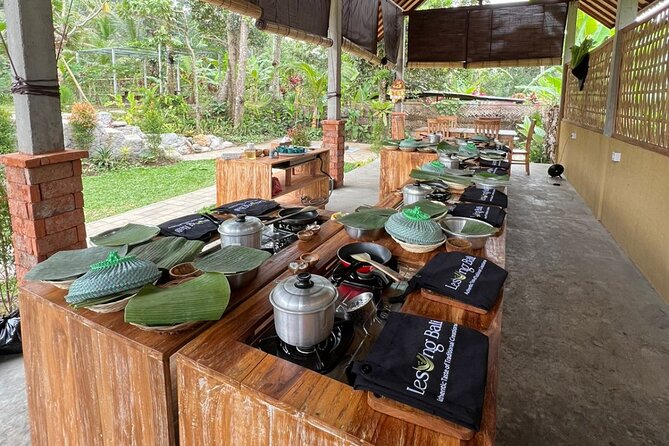
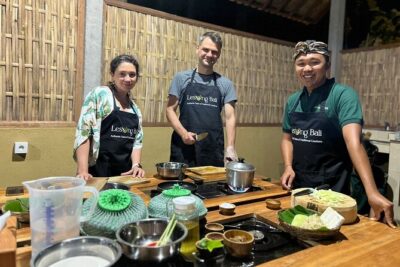
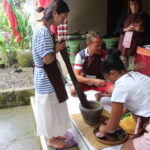
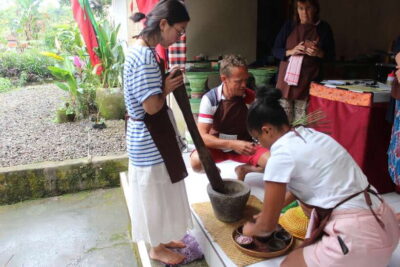
The cooking happens in a traditional setting—an open kitchen within a Balinese compound home. This is the part that turns a class into a real cultural experience, because you’re not insulated from the environment. You’re working in the same kind of space where cooking is part of everyday life.
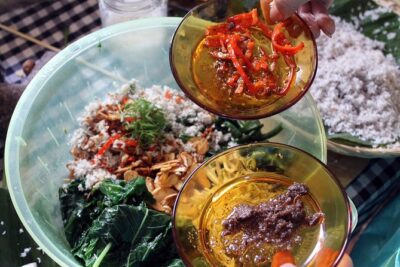
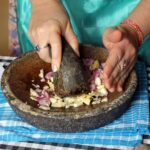
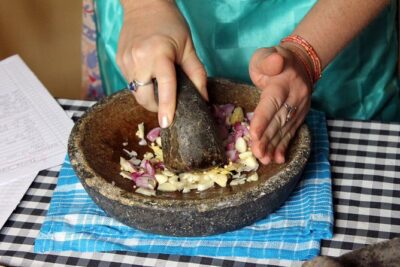
Here’s what you’ll focus on: Balinese cuisine relies heavily on spice pastes and sauces. You’ll learn two common prep styles—chopped on a wooden block and ground in a stone mortar—and then cooked in different ways depending on the dish. That stone mortar part is more than a gimmick. Grinding changes texture and aroma, and it affects how thick pastes cook down.
Expect a lot of hands-on prep. If you’ve done Western cooking classes before, this one feels more tactile. You’ll process ingredients, make pastes, and manage flavors as you go. It’s very much do-it-yourself, not watch-and-wait.
Also, if you’re curious about the culture behind the food, you’ll get it through the way the class is structured: kitchen knowledge comes with context about daily life. In reviews, guides like Nyoman are praised for walking people through Balinese ways of thinking while escorting them around the market.
Other Ubud tours and experiences to line up next
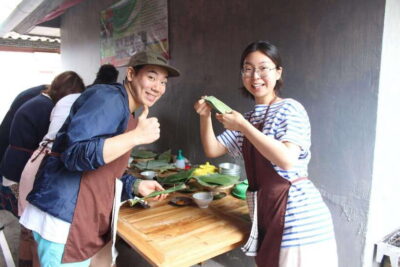
Your 5-course lunch: why it feels like a real meal, not a tasting
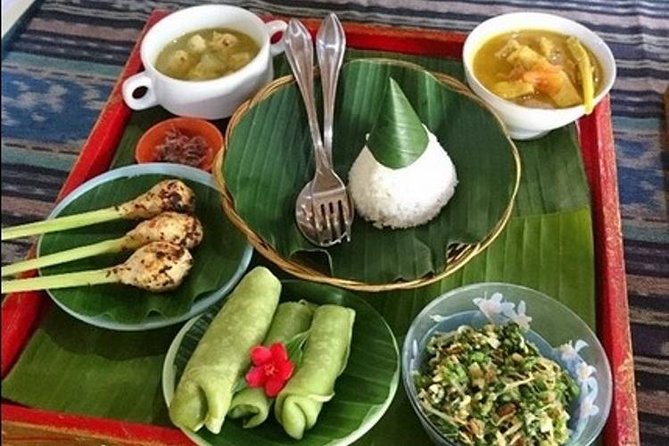
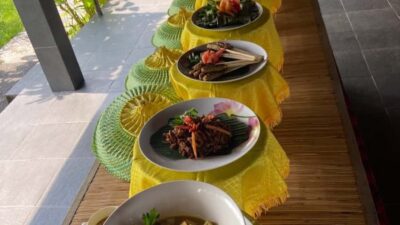
After cooking, you eat. This class includes a 5-course lunch and 1 dessert, and the lunch is made from the dishes you prepare during the lesson. That’s a huge value point, because it turns the class into something you actually leave satisfied from.
The order matters. You’re not just cooking one item and calling it lunch. You’ll build multiple dishes across courses, and you get to taste how the spice pastes behave as they move from prep to cooking. If you’ve ever wondered why Balinese flavors taste layered instead of one-note, this meal helps you figure it out.
One practical note: come hungry. Several people mention the portions are substantial, and you’ll likely want a full appetite so you don’t rush through your own cooking. You also get bottled water during the experience, which helps keep you comfortable while you work.
And yes, coffee and cake earlier on are included too—so the day has food moments stacked across the morning and lunch. Still, the main event is the meal you cook. It’s also the moment when the class shifts from learning to enjoyment.
Transfers and timing in Ubud: how to make the day easy
From start to finish, you’re looking at about 6 hours total from pickup to drop-off. The cooking class itself is approximately 2 hours 30 minutes, but the day includes travel time, market walking, garden prep, and the lunch.
The tour start is 7:30am, and the market visit runs until about 8:00am. That schedule is smart. It helps you shop and learn before the midday heat ramps up, and it keeps the kitchen session focused.
Door-to-door transfers are included, which is a big deal in Ubud if you don’t want to manage logistics at the start of the day. In one review, the driver was picked up exactly on time and spoke good English, which made the experience smoother from the first minute. You’ll also get a mobile ticket, which keeps things simple on the ground.
If you want to make the rest of your day effortless, plan for a lighter schedule afterward. Between early morning and hands-on cooking, you’ll likely want downtime.
Price and value: why $58.16 can make sense
At $58.16 per person, this class isn’t the cheapest activity in Ubud. But it’s not a basic cooking demo either. You’re paying for several things at once: market experience, instructor guidance, ingredient prep, a full included lunch, and round-trip transfers.
The market visit is part of the pricing logic. Markets are where food culture lives. They’re also where you learn what to look for, so you’re not just copying a dish—you’re learning a way of buying and choosing ingredients.
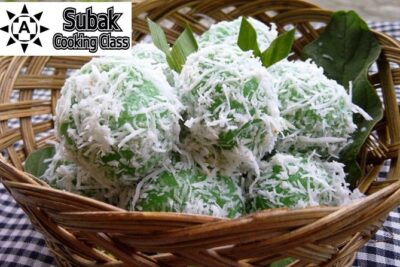
Then you get a structured cooking session: herb/spice garden learning, hands-on paste prep with traditional tools, and an open-kitchen setup. Finally, you get to eat the fruits of your labor: 5 dishes and 1 dessert included.
If you compare this to paying for a guide plus a meal plus a separate activity, it starts to feel more reasonable. The value is in the full arc, not one isolated moment. You end up with both knowledge and food, and you don’t have to plan transportation or ingredients.
One more value detail: there’s even a certificate of cooking class. It’s not essential, but it’s a nice touch that reinforces that you did something real, not just a quick tour.
Who should book this class (and who might not)
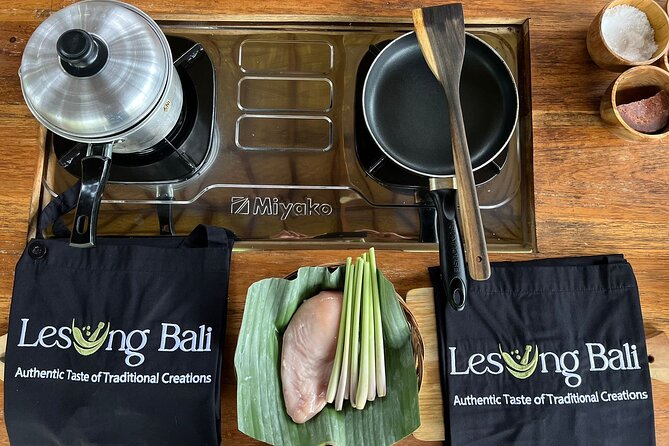
This is a great pick if you want to learn Balinese technique in a way you can actually use later. If you enjoy cooking, you’ll love the paste prep, the stone mortar workflow, and the chance to build multiple dishes for a full lunch.
You’ll also like it if you want a culture-rich morning without signing up for a complicated multi-stop tour. The flow is simple: pickup → market → garden → cooking → lunch → drop-off.
You might think twice if you want a slow-paced experience. The day starts early, and you’re doing a lot of hands-on prep. It’s also designed for groups (up to 12), so even with small-group attention, you’ll be following the class rhythm instead of going at your own pace.
If you have dietary needs, the data here doesn’t spell out customization. Your best move is to ask when booking so the instructor can confirm what’s possible.
FAQ
FAQ
How long is the cooking class and market tour?
The cooking class portion is approximately 2 hours 30 minutes, and the full experience is about 6 hours from pickup to drop-off.
What time does the tour start in Ubud?
Pickup starts in the morning, and the traditional market visit begins around 7:30am, running about until 8:00am.
Do they pick you up and drop you off?
Yes. Hotel pickup and drop-off are included, with door-to-door round-trip transfers.
How many people are in the group?
The class provides personalized attention in a group of four to 12 people. The booking can be capped at 6 people, and the class can accommodate up to 12 participants.
What do I eat during the experience?
You’ll enjoy a welcome drink and snack, coffee and cake as part of the garden stage, and a lunch of all the dishes you make plus 1 dessert (5 dishes and 1 dessert total).
Do I visit a traditional market?
Yes. You’ll visit a traditional market to buy cooking needs and get a feel for Balinese daily life.
What cooking skills do you learn?
You learn Balinese cooking techniques, including preparing spice pastes and sauces using traditional tools—such as chopping on a wooden chopping block and grinding in a stone mortar.
Is a certificate included?
Yes. A certificate of cooking class is included.
Should you book this Balinese Cooking Class and Market Tour in Ubud?
Book it if you want real food learning: market context, herb-and-spice garden basics, and hands-on Balinese techniques that end with a full meal. It’s especially worth it if you like cooking and want more than a quick tasting.
Skip it only if early mornings and hands-on prep would stress you out. If that sounds fine, you’ll leave with both a stronger understanding of Balinese flavors and a delicious lunch you made yourself.
More to See and Do in Ubud





More Ubud Tours We Rate

Cook Balinese in Ubud
Just added around Ubud
- Ubud: White Water Rafting with visit Ubud Monkey Forest
★ 5.0 · 3 reviews - Private Guided Bali Car Charter
★ 5.0 · 3 reviews - East Bali and Lempuyang Temple Tour
★ 5.0 · 3 reviews - Bali Downhill Cycling and White Water Rafting
★ 5.0 · 3 reviews - Cave Tubing Adventure in Ubud
★ 5.0 · 3 reviews
Balinese Cooking Classes, compared.
 ★ 5.0Ubud Cooking Class Bali with Balinese ChefFrom $351,609 reviews
 ★ 4.9Cooking Class with Transfers and Optional Market VisitFrom $21824 reviews
 ★ 5.0PRIVATE Authentic Balinese Cooking Class in Ubud at Putu’s HomeFrom $75644 reviews
 ★ 5.0Balinese Ubud cooking school (9 Dish Cooking and Market Tour)From $58540 reviews
 ★ 4.8Balinese Cooking Class and Market TourFrom $23531 reviews
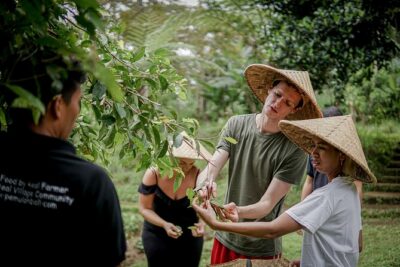 ★ 5.0Balinese Farm Cooking Class by Pemulan BaliFrom $39410 reviews
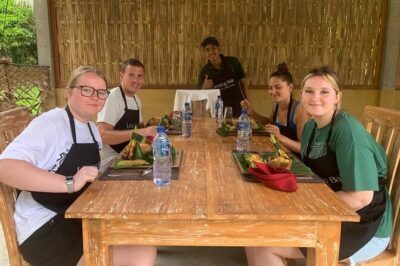 ★ 5.0Balinese Authentic Cooking Class in UbudFrom $39239 reviews
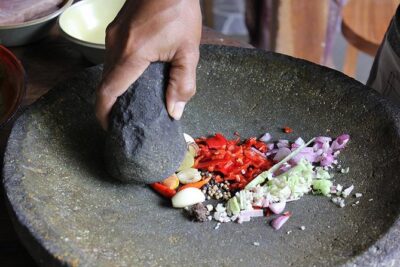 ★ 5.0PRIVATE Balinese Cooking Class in Ubud with Dewa with TransfersFrom $69213 reviews
Browse the lists this tour appears in