
Reviewed · BALINESE COOKING CLASSES
Ubud: Cooking Class with Transfers and Optional Market Visit
Fresh spices beat any souvenir.
This Ubud cooking class is interesting because you start with ingredients, then cook with local chefs and learn the meaning behind what’s on your plate. I like the hands-on pace (you really do the work), and I also like the small-group size, which makes it easier to get help while you chop, pound, and stir. One consideration: if you’re doing the market visit, you’ll want to plan for an extra early start, and the area you’re staying in can affect pickup cost.
You’ll be in English with a live guide, and the meal is included—so you’re not paying just to watch. The class runs about 2–3 hours, and you’ll leave with a completion certificate (and, from what I’ve seen, a small recipe card/booklet too). If you’re short on time, choose the timing that best fits your day, because this is more than a quick taste test.
In This Review
- Key things to know before you go
- Ubud pickup, the real meeting point, and timing that matters
- Market visit in Ubud Center: spices, fruits, and what to ask for
- The cooking school setting: family energy, clean tools, and working together
- What you’ll actually cook: curries, satay, sambal, and desserts
- Fragrant curries and spice blending
- Satay-style cooking
- Sambal and condiments
- Desserts
- Cultural meaning at the table: why the lessons aren’t just food facts
- Meal time: feast setup, sharing, and what to expect at the end
- Price and value: what $21 buys you in Ubud
- Who should book this (and who might skip it)
- Final thoughts: should you book this Ubud cooking class?
- FAQ
- How long is the Ubud cooking class?
- Is the market visit included?
- Where is the meeting point?
- Do I get hotel pickup and drop-off?
- What is the group size?
- What language is the guide?
- Is the meal included?
- Are there extra costs for some areas?
- Can the class accommodate dietary requirements?
Key things to know before you go
- Market visit (morning option only): You’ll browse fruits, vegetables, herbs, and spices with a guide before cooking.
- Small group (up to 10): Expect more hands-on time and more chances to ask questions.
- Family-style cooking setting: Many hosts cook in a home or family compound, which feels local and relaxed.
- You’ll cook a lot: Think multiple dishes, not just one trial recipe.
- Culture tied to the food: You may even learn about Hindu offerings and their role in daily life.
- Dietary options handled: The team can work around vegetarian needs and some allergies if you tell them.
Market basket to banana-leaf plate. More Ubud cook-alongs.
- Ubud Cooking Class Bali with Balinese Chef★ 5.0 · 1,609 reviews
- Ubud: Cooking Class with Transfers and Optional Market Visit★ 4.9 · 824 reviews
- PRIVATE Authentic Balinese Cooking Class in Ubud at Putu’s Home★ 5.0 · 644 reviews
- Balinese Ubud cooking school (9 Dish Cooking and Market Tour)★ 5.0 · 540 reviews
Ubud pickup, the real meeting point, and timing that matters
The biggest practical question is: how do you get there without adding stress to your day? If you choose the morning or afternoon option, hotel pickup and drop-off are included at Ubud Center. Pickup is optional, so if you don’t get picked up, plan to meet at the activity’s parking field meeting point. The listing notes this meeting point clearly, and the reason is simple: traffic at night can make arrivals unpredictable.
So here’s my advice: match your cooking class time to how your day is already moving. If you’re an early riser, a morning tour with the market visit can make the cooking lesson feel more grounded, because you’ll see ingredients while your guide explains what matters. If you’re not, an afternoon/evening slot keeps things easier, and you can still learn plenty from the cooking itself.
Another timing note: the total experience is about 2–3 hours. That means it fits well between temple visits, a rice-terrace walk, or a relaxed dinner plan. But it also means you should come hungry and ready to work a little. This isn’t a passive food show.
Market visit in Ubud Center: spices, fruits, and what to ask for
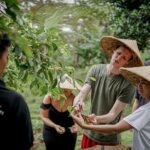
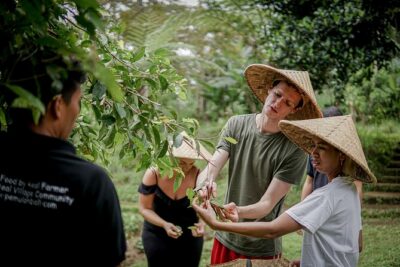
If you book the morning option, you’ll start at a local market with your guide. This is one of the most praised parts of the experience, because it turns what could be a vague lesson into something you can actually remember when you cook at home.
At the market, your guide helps you connect the dots:
- which ingredients are local and seasonal
- how herbs and spices are used in Balinese flavors
- why certain foods show up in traditional cooking
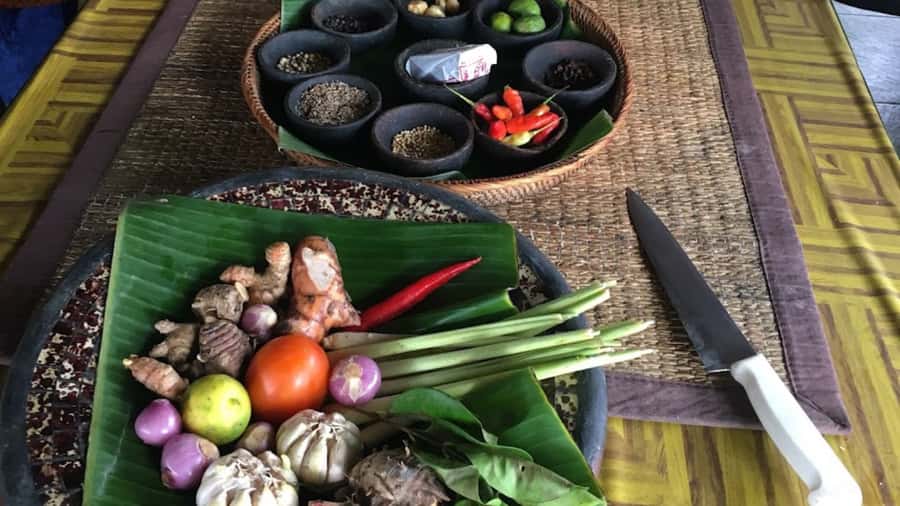
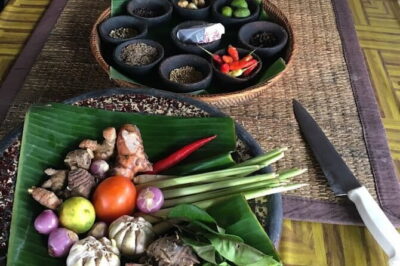
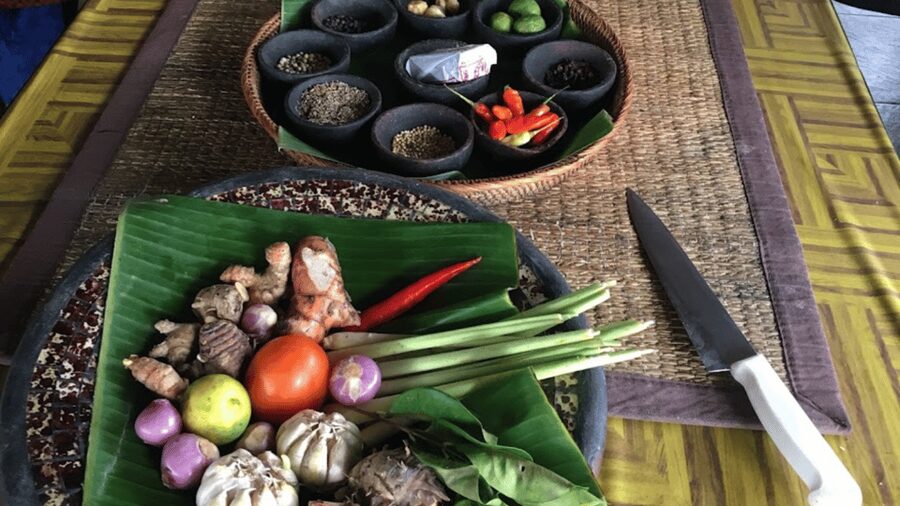
You’ll see piles of bright fruits and stacks of vegetables, but the useful part is learning what each item is for. Many chefs in Bali build dishes around fresh aromatics and spice mixes, and the market walk teaches you what those building blocks look like.
What I’d do during the market portion: ask your guide what the vendor is preparing today, and ask how they’d use that ingredient in the dishes you’ll cook later. You’ll get better at recognizing flavor profiles, not just ingredients.
Also, if you’re worried about dietary needs, this is a good moment to raise questions. One theme in the feedback is that the hosts can adapt for vegetarian diets and specific restrictions when given notice. Market context makes it easier for them to plan swaps.
The cooking school setting: family energy, clean tools, and working together
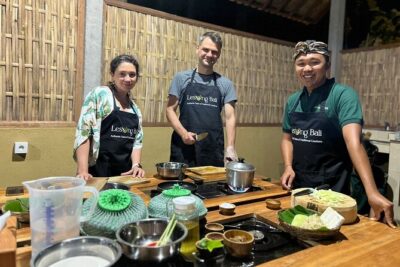
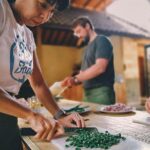
After the ingredients are chosen, you move to the cooking school. This is where the experience separates itself from cookie-cutter classes: a lot of the setting feels family-run, not industrial. You may be welcomed into a home-style compound, with greenery around you. Several hosts are described as extremely kind, organized, and calm, which matters because you’ll want to learn without feeling rushed.
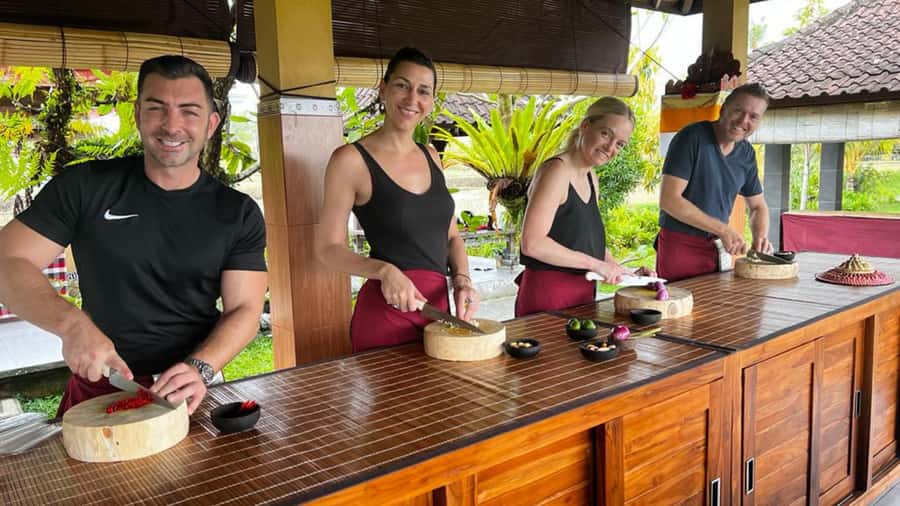
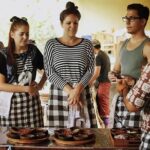
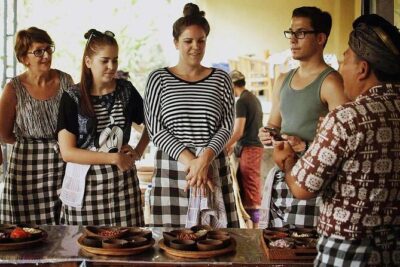
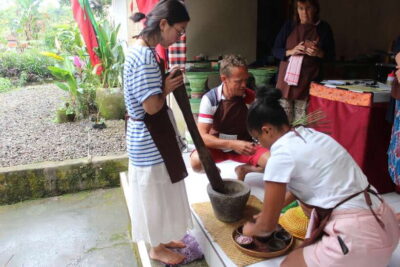
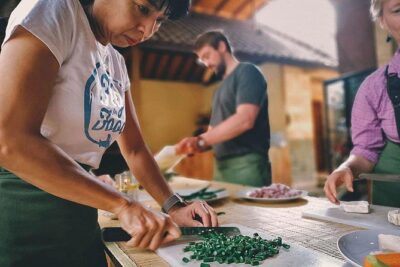
Expect a team setup. In the best classes, you spend time cooking, not waiting. The consistent message here is that instruction is clear and the pace is smooth—so you get hands-on time with minimal downtime.
What you’ll likely notice right away:
- clean prep areas and cooking tools
- helpers working alongside the main chef so dishes don’t lag
- lots of chances for everyone to do tasks like chopping, mixing, and assembling
And it’s not only about technique. Many hosts also talk about how family and religion influence food. In a few accounts, people mention making Hindu offering elements like canang offerings, plus explanations about what those offerings mean. Even if you’re not deeply familiar with Balinese Hindu practice, the way your chef connects it to daily meals makes the food lesson stick.
Other Ubud tours and experiences to line up next
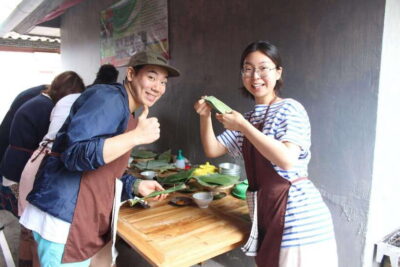
What you’ll actually cook: curries, satay, sambal, and desserts
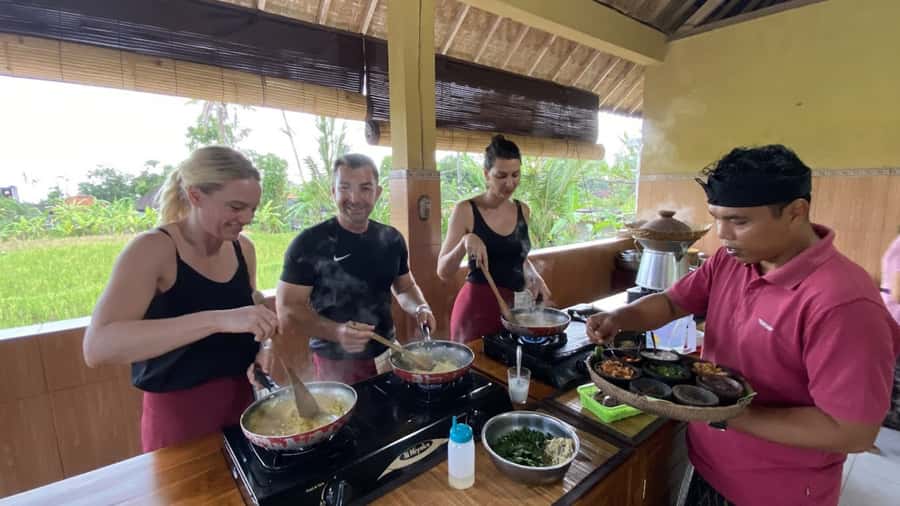
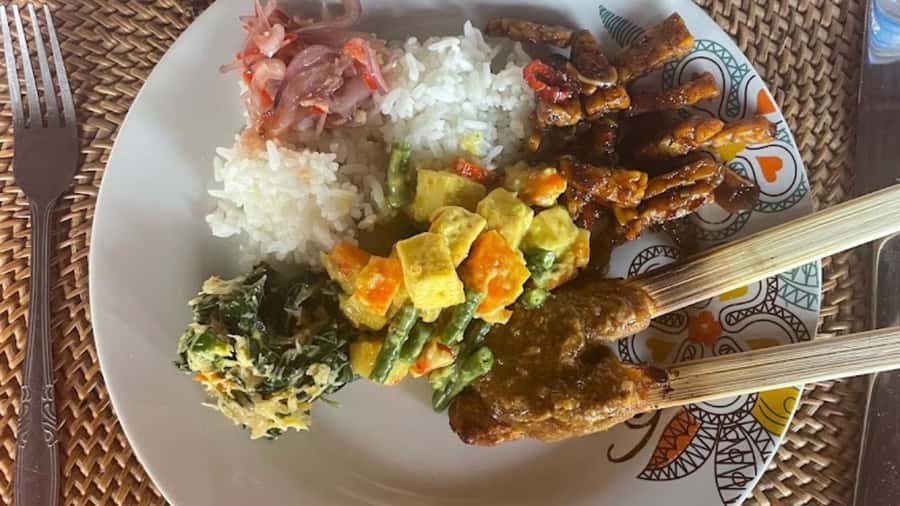
Here’s the core reason this class is worth your time: you don’t leave with a single dish and a vague memory. You typically cook around 10 dishes, then sit down to eat what you made.
Fragrant curries and spice blending
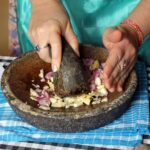
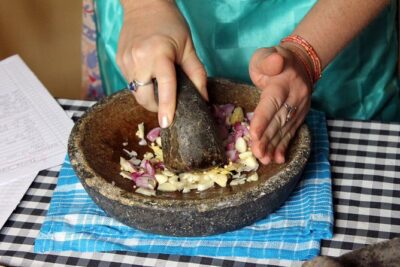
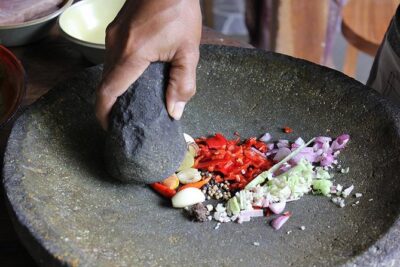
Balinese cuisine is built on layered flavor. In this class, you’ll learn the mechanics: how spices combine, how aromatics change the smell of a dish, and how the balance shifts as ingredients cook. Your guide will explain what to look for during preparation, so it’s not only recipe-following.
Satay-style cooking
Satay is more than just meat on a stick. In the class format, you learn how to prepare and season so it tastes like what you find in Bali—not bland or generic. This is a dish where small spice choices matter, so the hands-on part pays off.
Sambal and condiments
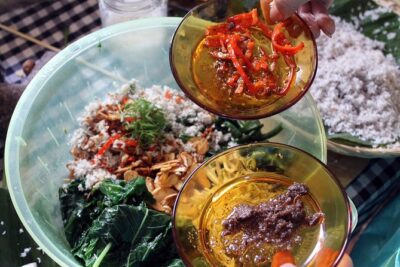
Several people mention learning and making sambal. Even if you’ve had spicy chili pastes before, Balinese sambal often tastes different because of the herbs, aromatics, and how it’s mixed. You’ll be able to taste the difference right away once it hits the table.
Desserts
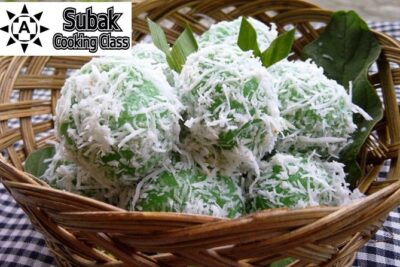
Dessert rounds out the class and makes it feel complete, not like you only trained savory cooking. The sweet items also help you understand how Balinese meals balance flavors across the whole table.
If you’re the kind of person who loves recreating restaurant food at home, desserts plus savory gives you more levers to pull when you cook later.
Cultural meaning at the table: why the lessons aren’t just food facts
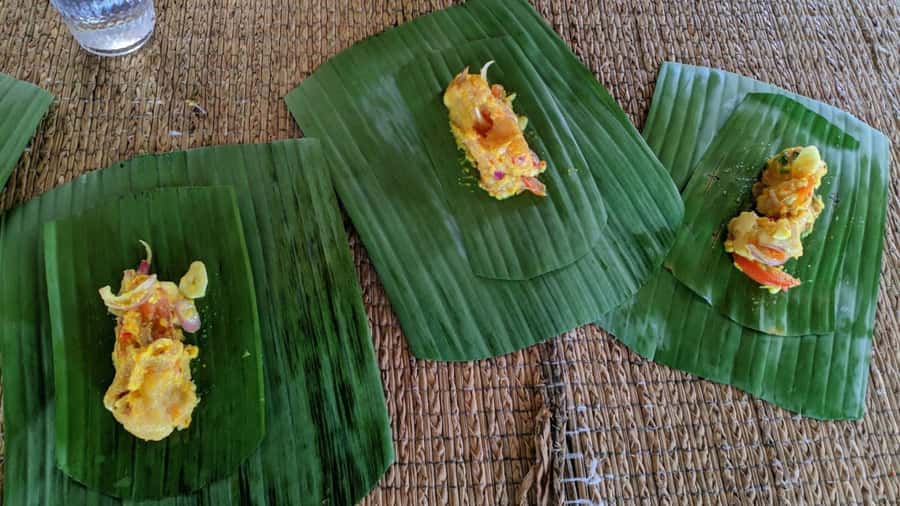
The cooking class includes more than recipes, and that’s why the ratings are so strong. The best part is how chefs explain the significance behind dishes and ingredients, showing that food in Bali is tied to daily life, family routines, and religious practices.
You’ll hear stories about:
- how offerings connect to meals
- why certain ingredients show up for specific occasions
- how cooking links to identity and community
This matters for you because it turns the class into something you can talk about after your trip. It’s not only about tasting. It’s about understanding what you’re tasting and why it’s served.
One practical bonus: when you know the why, you’re more likely to remember the how. If your chef explains a dish’s purpose, you’ll pay closer attention to steps like spice grinding, chopping style, and timing.
Meal time: feast setup, sharing, and what to expect at the end
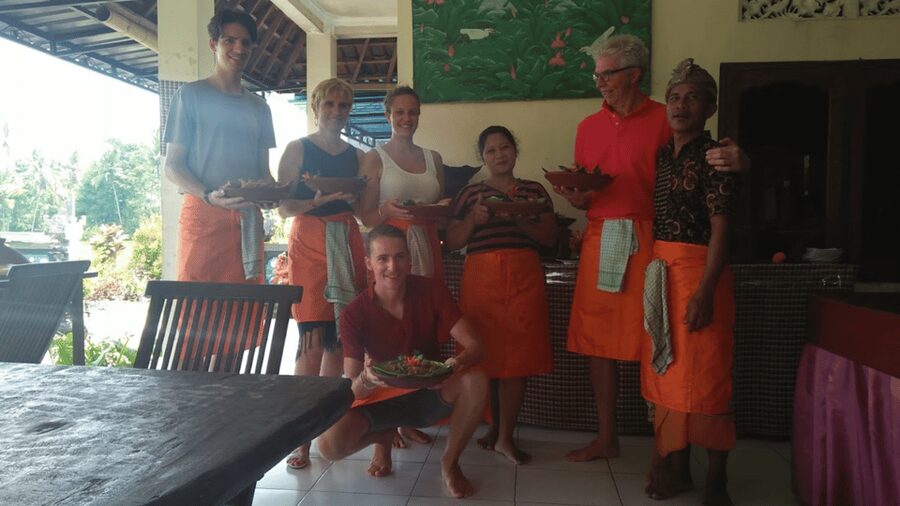
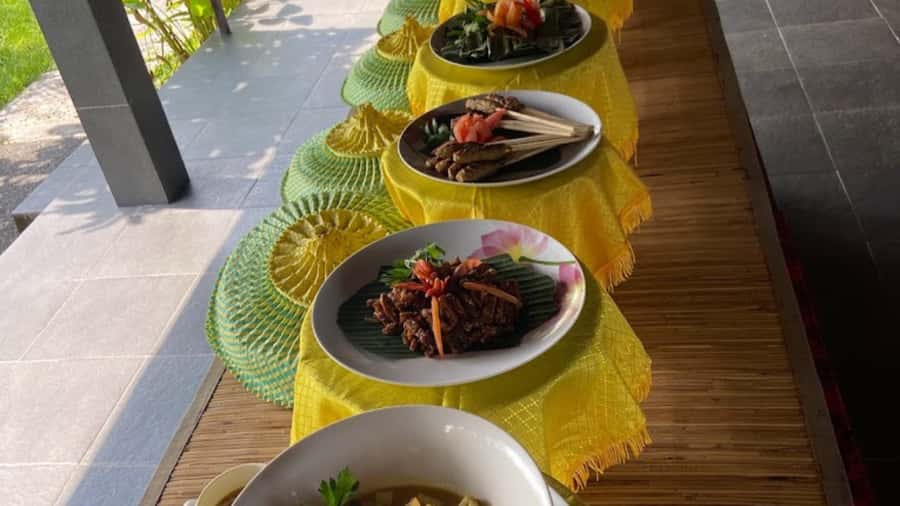
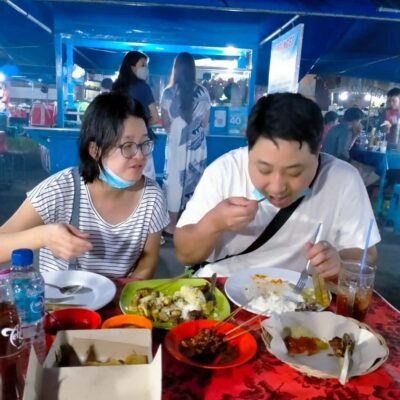
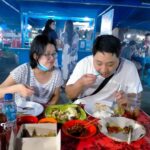
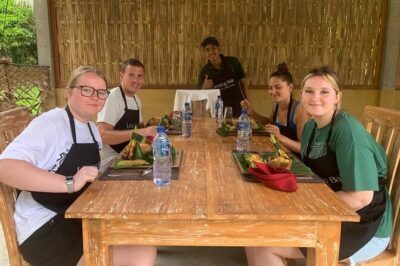
Once you finish cooking, you eat together. Most classes like this end with a sit-down meal, but here it’s part of the value: you get to taste the results while everything is still hot and freshly prepared.
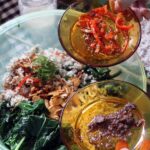
The table is usually a shared feast style. People mention buffet-style eating too, which is handy for trying more than one dish without overloading your plate with just one item.
If you’re with other people, this is also the social payoff. Several reviews highlight meeting new friends and working as a team during cooking. For solo travelers, that matters because you’re not eating alone, and the group work makes the conversation easier.
Two tips for meal time:
- Eat a bit slowly and keep notes in your head about which dishes you want to repeat at home.
- If you have dietary needs, confirm your plate before you start eating. The hosts have worked with restrictions in the past, but you’ll still feel better double-checking.
Price and value: what $21 buys you in Ubud
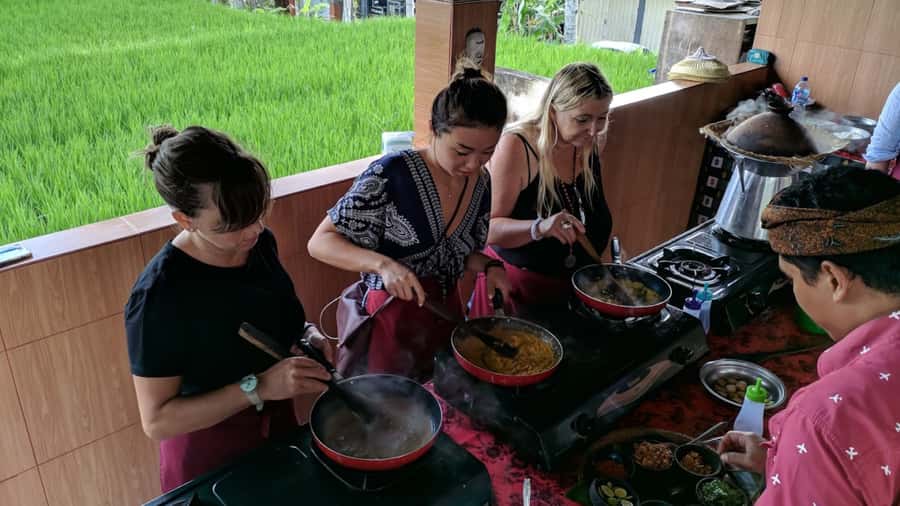
At about $21 per person for a 2–3 hour experience with transfers (when selected), a guide, market visit (morning only), the class itself, and a meal, this is priced like a true deal.
The value comes from several things working together:
- You cook multiple dishes, not one demonstration
- You eat what you make, so the meal isn’t an afterthought
- You learn context, so it feels cultural, not purely culinary
- You’re in a small group, which keeps instruction practical
One note on cost: there’s an extra charge of 50,000 per person for the Sebali or Keliki area. If you’re staying closer to Ubud Center, you’re more likely to avoid that add-on. If you’re outside those zones, ask your provider up front so you don’t get surprised later.
For most people in Ubud, this kind of class is one of the easiest “high value, low effort” activities. It doesn’t require tickets, rentals, or long travel time. It also delivers a full meal, so you can plan your budget accordingly.
Who should book this (and who might skip it)
This class is a great fit if you:
- want a hands-on activity rather than a walking tour
- care about food culture and not only recipes
- like small groups where it’s easier to get help
- want to eat a full meal that feels genuinely Balinese
It’s also a strong option for families. One review mentions attending with teenage children, and the experience still worked because everyone had tasks in the kitchen.
You might consider skipping or choosing a different format if:
- you want a purely sightseeing day with minimal mess and effort
- you hate spice and don’t want any cooking exposure (you can still watch, but the class is hands-on)
- you’re very sensitive to traffic and only have narrow time windows, since your pickup timing depends on the selected option and your location
In short: if you’re curious, this class rewards you. If you’re expecting a passive tasting lounge, you’ll be better off looking elsewhere.
Final thoughts: should you book this Ubud cooking class?
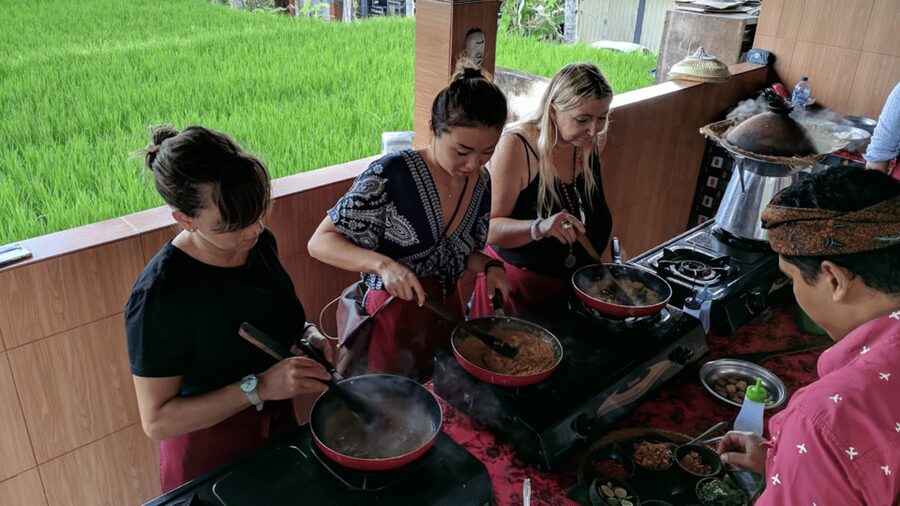
If you want one simple “do this in Ubud” experience, this cooking class is a strong choice. The combination of market context (in the morning), small-group attention, and the fact you cook around 10 dishes makes it feel like you’re learning for real. Add in cultural explanations—especially the offering-related parts—and it becomes more memorable than the typical dinner-and-a-show.
My decision rule is easy:
- Book it if you have 2–3 hours and want to leave with both skills and dinner.
- Double-check your pickup area fee if you’re staying in Sebali or Keliki.
- If you have dietary needs, mention them ahead of time so the team can plan swaps.
If you’re hungry for something real—spices, technique, and the meaning behind what’s served—this class is money well spent.
FAQ
How long is the Ubud cooking class?
It lasts about 2 to 3 hours.
Is the market visit included?
The market visit is included only with the morning option.
Where is the meeting point?
The meeting point is in the Parking Field (noted as a practical choice because of traffic at night).
Do I get hotel pickup and drop-off?
Hotel pickup and drop-off at Ubud Center are included if you select the morning or afternoon option. Pickup is optional; if you choose pickup, you wait in your hotel lobby.
What is the group size?
It’s a small group, limited to 10 participants.
What language is the guide?
The live tour guide and included audio are in English.
Is the meal included?
Yes, the meal is included.
Are there extra costs for some areas?
Yes. If the class transfer area is in Sebali or Keliki, there is an extra charge of 50,000 per person.
Can the class accommodate dietary requirements?
The class can accommodate dietary requirements and restrictions such as vegetarian needs and some allergies, with suggested alternatives mentioned in the experience feedback.
If you tell me your hotel area in Ubud (Ubud Center, Ubud outskirts, Sebali/Keliki, etc.) and whether you prefer morning or evening, I can help you pick the best option.
More Shopping Tours in Ubud

More Ubud Tours We Rate





Cook Balinese in Ubud
Just added around Ubud
- Ubud: White Water Rafting with visit Ubud Monkey Forest
★ 5.0 · 3 reviews - Private Guided Bali Car Charter
★ 5.0 · 3 reviews - East Bali and Lempuyang Temple Tour
★ 5.0 · 3 reviews - Bali Downhill Cycling and White Water Rafting
★ 5.0 · 3 reviews - Cave Tubing Adventure in Ubud
★ 5.0 · 3 reviews
Balinese Cooking Classes, compared.
 ★ 5.0Ubud Cooking Class Bali with Balinese ChefFrom $351,609 reviews
 ★ 5.0PRIVATE Authentic Balinese Cooking Class in Ubud at Putu’s HomeFrom $75644 reviews
 ★ 5.0Balinese Ubud cooking school (9 Dish Cooking and Market Tour)From $58540 reviews
 ★ 4.8Balinese Cooking Class and Market TourFrom $23531 reviews
 ★ 5.0Balinese Farm Cooking Class by Pemulan BaliFrom $39410 reviews
 ★ 5.0Balinese Authentic Cooking Class in UbudFrom $39239 reviews
 ★ 5.0PRIVATE Balinese Cooking Class in Ubud with Dewa with TransfersFrom $69213 reviews
 ★ 5.0Balinese Cooking class with traditional morning market visitFrom $35161 reviews
Browse the lists this tour appears in