
Reviewed · BALINESE COOKING CLASSES
Balinese Cooking class with traditional morning market visit
Start with smells, then you cook. This Ubud class pairs a morning market visit with a chef-led kitchen day and canang offerings before the stove heats up.
I love two things most: the small group cap of 8 (so you’re not shouting over a crowd), and the air-conditioned pickup/transport that keeps the day comfortable between stops.
One consideration: it runs in the morning, and you’ll do some walking through a real market and village setting—so plan for early hours, strong scents, and bring comfy shoes.
In This Review
- Key things I’d circle in your guidebook
- Ubud morning market to Laplapan kitchen: the real payoff
- Hotel pickup and the ride you actually appreciate
- Picking ingredients at the traditional morning market
- Laplapan village welcome: where the day turns cultural
- Making Balinese offerings before you cook (canang and more)
- The chef-led cooking class in a real kitchen setting
- What you’ll likely cook
- Sitting down to eat your dishes (not packing and dashing)
- How $35 stretches (and what you should expect included)
- Timing and comfort: the small details that matter
- Who this Balinese cooking class fits best
- Book it or skip it: my practical recommendation
- FAQ
- How long is the Balinese Cooking class with market visit?
- Where does this experience take place?
- Is hotel pickup included?
- What’s the group size limit?
- What do you do at the morning market?
- Do you learn how to make Balinese offerings?
- What do you cook and eat?
- Is dietary accommodation available?
- What’s included in the price?
- Can I cancel for a full refund?
Key things I’d circle in your guidebook
- Market-first ingredient picking so you cook with what you actually choose, not a demo-only shopping list
- Canang offering making (including the steps for the offering basket/equipment) before you touch recipes
- Max 8 people for hands-on cooking time and actual attention from the chef-teacher
- A/C hotel pickup and rides to save your energy for cooking, tasting, and taking notes
- Recipe take-home so the day doesn’t vanish after the meal
- Flexible food handling including vegetarian options and dietary adaptation when you have needs
Market basket to banana-leaf plate. More Ubud cook-alongs.
- Ubud Cooking Class Bali with Balinese Chef★ 5.0 · 1,609 reviews
- Ubud: Cooking Class with Transfers and Optional Market Visit★ 4.9 · 824 reviews
- PRIVATE Authentic Balinese Cooking Class in Ubud at Putu’s Home★ 5.0 · 644 reviews
- Balinese Ubud cooking school (9 Dish Cooking and Market Tour)★ 5.0 · 540 reviews
Ubud morning market to Laplapan kitchen: the real payoff
This isn’t a sit-and-watch cooking show. The structure is smart: you start out by learning what’s in Balinese cooking, then you shop for it, then you cook it, then you eat it. That flow matters. It turns food into something you can name, not just something you ate.
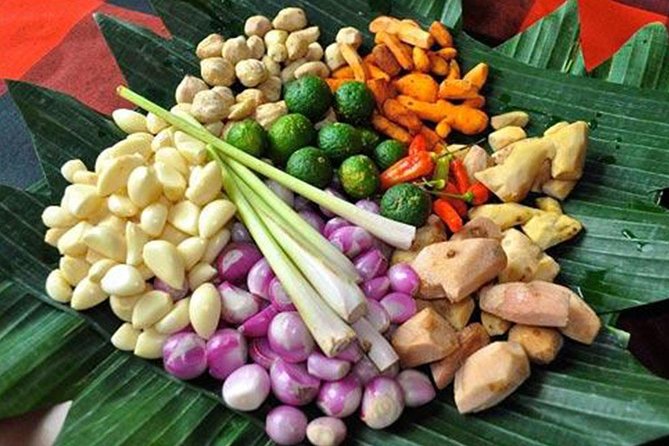
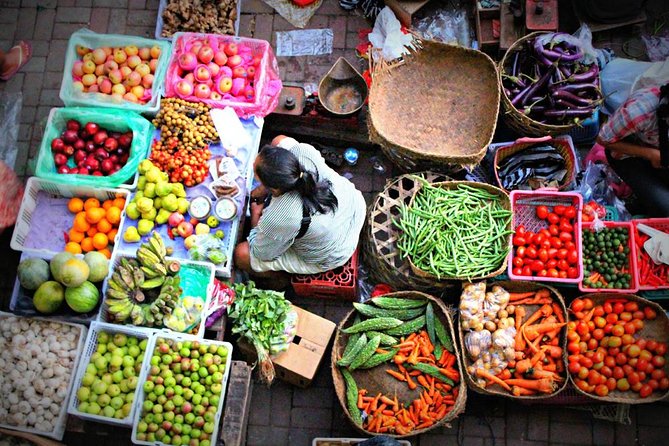
The morning market portion gives you a fast education in how Balinese cooks think—freshness, balance, and aromatics. You’ll get to select ingredients from what’s on display, and you’ll likely notice how much of the flavor comes from spice blends, herbs, and sambals that start with real ingredients, not powder alone.
Then you head to the traditional village of Laplapan. That’s the cultural switch: from the lively market to a warm village welcome, where you’re treated like the day’s learning guests.
Hotel pickup and the ride you actually appreciate
Your day starts with pickup from your hotel. The transport is air-conditioned, and that’s a practical detail that improves the whole experience. Ubud traffic can be unpredictable, but an A/C car means you arrive calmer, and you don’t feel half-wilted before you start tasting spices.
On the way, you’re moving between different “modes” of Bali: hotel zone to local market, then onward to a village setting and the cooking workshop area. The ride helps stitch the day together, and it also saves you from navigating multiple points on your own.
What I like here: the tour gives you convenience without turning it into a bubble. You still get real contact with local spaces—market tables, village welcomes, and the kitchen setting itself.
Picking ingredients at the traditional morning market
The market visit is where the class earns its keep. You’re not just walking past stalls for photos. You’re choosing ingredients that match what you’ll cook later.
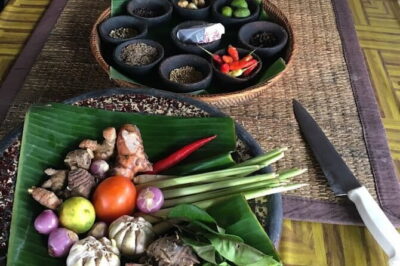
Expect to see and select things like vegetables and herbs, and you’ll be looking at meat and spices too. The best part is that you learn what each item is for, and you get context for why Balinese dishes rely on certain aromatics and spice combinations.
Also, you get little moments that make you feel oriented quickly. One review-style detail that shows up repeatedly: the guide points out unfamiliar foods and explains them in plain language, with chances to taste smaller items. That’s huge if you’ve never cooked with Balinese ingredients before.
A small caution: markets can be warm and fragrant, and early morning is still early morning. Your best move is to come with water and comfy shoes. The market is part of the learning, so don’t treat it like a quick photo stop.
Other Ubud tours and experiences to line up next
Laplapan village welcome: where the day turns cultural
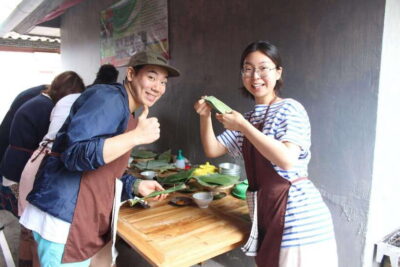
After the market, you continue to Laplapan, a traditional village where you’ll get a warm welcome on arrival. This part isn’t just decoration. It sets the tone that Balinese food isn’t only about taste—it’s tied to daily offerings, routines, and respect for the spiritual side of life.
That context matters later, because you’ll be making Balinese offerings yourself before cooking. If you skip that cultural step, the class can feel like a “spice lab.” With it, the food feels like something living, not just recipes on paper.
Making Balinese offerings before you cook (canang and more)
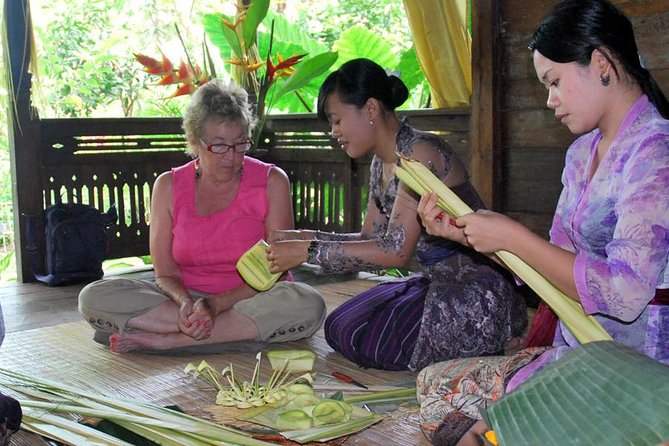
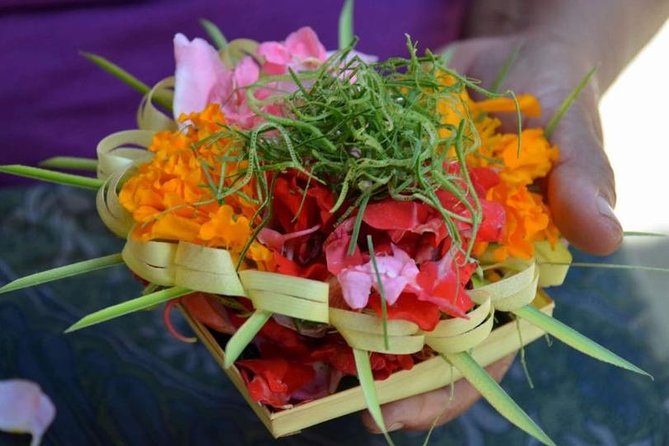
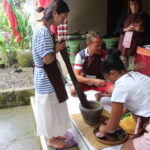
Before the actual cooking starts, the package includes learning how to make Balinese offerings—especially canang and other offering equipment. This is one of the most praised parts because it turns a “cooking class” into a full cultural food lesson.
You’ll be guided through the process, and you’ll also do the hands-on part yourself. In the same spirit as the market shopping, this works because your hands learn what your brain can’t pick up from a photo.
If you’re the type who likes meaning behind meals, this is your moment. You’re not just learning that offerings exist. You’re learning the steps and structure of how they’re made.
One practical tip: treat this like a careful craft. Even if your hands aren’t used to delicate arranging, the process is slow and guided. And once you’ve made one, the rest of the day’s flavors make more sense.
The chef-led cooking class in a real kitchen setting
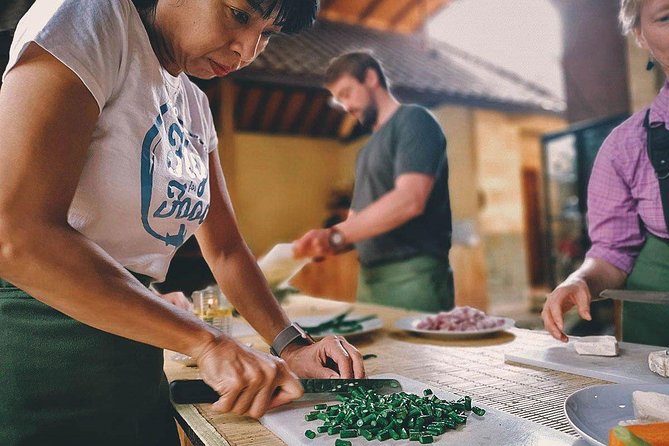
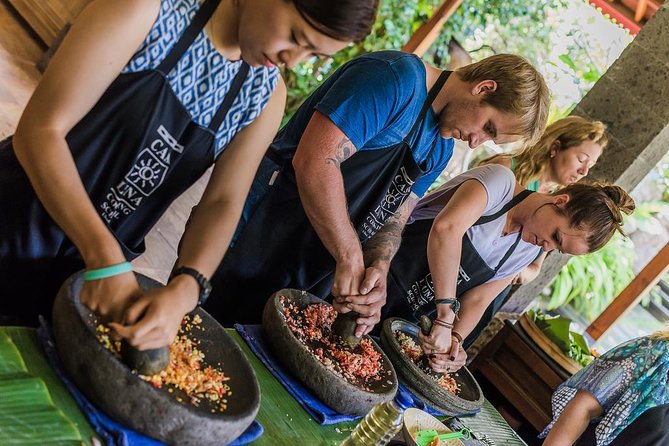
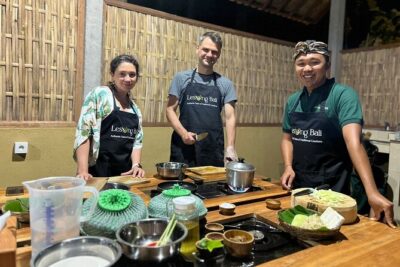
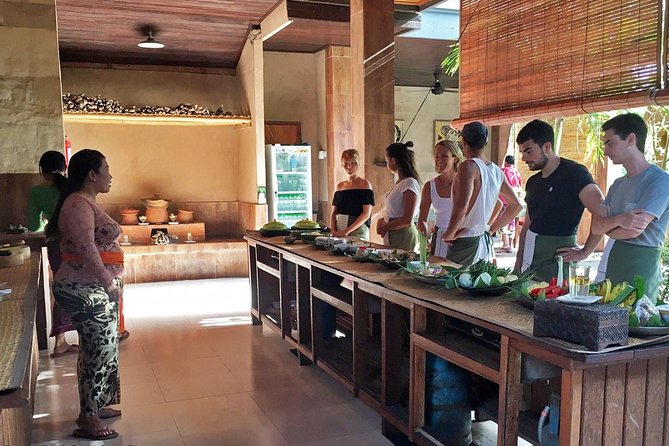
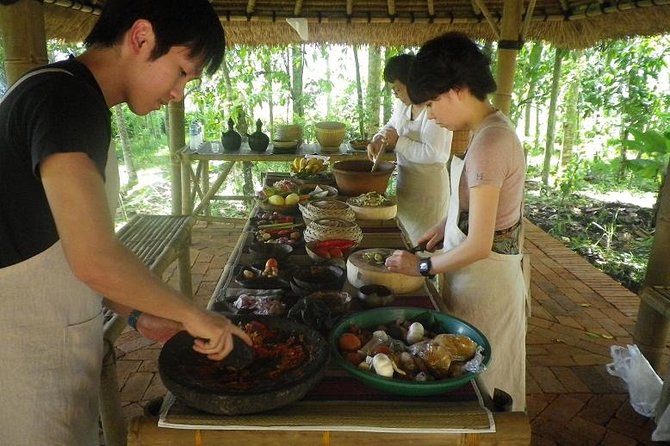
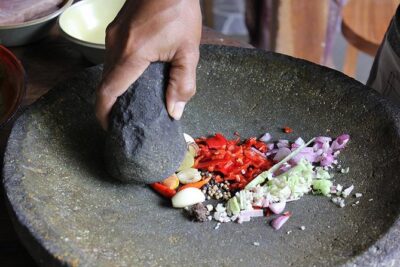
Now the stove. You’ll cook multiple dishes with expert guidance. The instruction style is hands-on and interactive, and it’s built around you doing the work: chopping, mixing, shaping, and assembling.
Many classes like this can end up feeling rushed. This one is designed to flow, with support from the chef-teacher as you work on starters, main courses, and an authentic dessert.
The teaching team is known by name in the experiences shared: you might be taught by chefs such as Wayan or Dewa, and you may also meet Putu or Puthu, depending on the schedule. What ties the names together is the teaching vibe—patient explanations, room for questions, and a focus on understanding technique, not just copying a dish.
Also worth knowing: this format often adapts. If you have dietary requirements, the team has been able to work with them, and vegetarian options have come up as a possibility. If you care about this, mention it when you book.
What you’ll likely cook
The course list isn’t just one dish. You’re set up to make several items, and some groups describe a multi-course spread (including a dessert). You’ll taste as you go, and you’ll finish by eating what you made.
That’s the point: you’re building a usable set of skills. Not “I ate Balinese food.” More like “I can make Balinese-flavored dishes with the right ingredients and method.”
Sitting down to eat your dishes (not packing and dashing)
After cooking, you sit down and eat your creations as a proper meal. This is a big deal for two reasons.
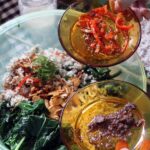
First, it lets you slow down and actually taste what you made—often with the guide nearby to answer why certain flavors ended up the way they did. Second, it turns the whole day into a complete experience rather than a series of activities.
Many cooking classes stop at production. This one ends in the payoff: the meal you made, ready on a table. Reviews-style details highlight that the presentation can be beautiful, and portions can be satisfying—so you’re not hungry again 30 minutes later.
If you’re someone who likes to travel with food as the theme of the trip, this meal is the best time to jot down flavors. You’re trying to remember ingredients, spice notes, and what you did at each step.
How $35 stretches (and what you should expect included)
At $35 per person for about 6 hours, this sits in the “good value” bucket because it includes the real components that usually cost extra elsewhere: air-conditioned vehicle transport, cooking equipment, class fees, and taxes.
That means you’re not nickel-and-dimed at the start. And because the group is capped at 8, the instruction time per person is typically higher than larger classes.
Here’s the value logic I’d use if I were booking for myself:
- You’re getting market ingredient education, not just a kitchen lesson
- You’re learning offering-making, which adds cultural depth
- You’re cooking multiple dishes with a chef-teacher, then eating them
- You get recipes to take home (a detail that comes up directly in experiences)
If you compare that to a basic cooking demo where you don’t shop, don’t offer-make, and don’t eat what you cooked, the value makes more sense.
One thing to budget for: personal expenses aren’t included. That’s vague enough to mean snacks, drinks, or anything you buy on your own at the market beyond what’s part of the class.
Timing and comfort: the small details that matter
Because it starts with a morning market and continues into the village and workshop, you should treat the day like an active half-day plus. Plan your earlier breakfast lightly—then you’ll likely be tasting and learning along the way.
Bring:
- Comfy shoes for market and village walking
- Water (market environments can be warm)
- A light layer if your A/C car ride chills you too much later
Also, don’t overpack your expectations. This is a hands-on class, so you might get flour-spice on your sleeves. That’s part of the fun if you come ready for it.
Who this Balinese cooking class fits best
This is a great match if you want:
- A hands-on experience with a real chef-teacher
- A food day that includes culture, not only cooking
- A smaller group setting (max 8) where you can ask questions
- A souvenir beyond photos: recipes you can use later
It’s especially good for foodie travelers who like to learn why flavors work, not just how a dish tastes. The market segment plus canang offering making are two reasons it feels more meaningful than a typical cooking class.
If you’re short on time, six hours is still a chunk of your day. But it’s a focused chunk. You’re getting the market, the village context, the cooking, and the meal without needing to plan those parts separately.
Book it or skip it: my practical recommendation
Book it if you want a true Ubud Balinese food day that starts with ingredients and ends with a sit-down meal you made yourself. The mix of market shopping, canang offering craft, and chef-led cooking makes the experience feel like more than a single skill workshop.
You might skip it if:
- You dislike early morning plans and want a late start
- You want zero walking and a fully seated experience
- You only care about eating, not learning the ingredients and techniques
If you’re on the fence, here’s the decision shortcut: if you’d enjoy learning spices, making an offering, and then cooking multiple courses with guidance, this class is built for you.
FAQ
How long is the Balinese Cooking class with market visit?
It lasts about 6 hours (approx.).
Where does this experience take place?
It’s based in Ubud, Indonesia, and includes a traditional village stop in Laplapan.
Is hotel pickup included?
Yes, pickup from your hotel is offered, and air-conditioned transport is included.
What’s the group size limit?
The maximum group size is 8 travelers.
What do you do at the morning market?
You visit a local fresh food market to choose ingredients for your cooking class, selecting items like vegetables, herbs, meat, and spices.
Do you learn how to make Balinese offerings?
Yes. Before the cooking class, you learn the process of making canang and other offering equipment.
What do you cook and eat?
You cook starters, main courses, and an authentic dessert, then you sit down to eat the meal you prepared.
Is dietary accommodation available?
The experience includes guidance and help from the chefs, and vegetarian options and dietary adaptation have been mentioned in the provided experiences.
What’s included in the price?
Cooking equipment, air-conditioned vehicle transport, cooking class fees, and taxes are included.
Can I cancel for a full refund?
Free cancellation is available. You can cancel up to 24 hours in advance for a full refund.
More Shopping Tours in Ubud
More Ubud Tours We Rate





Cook Balinese in Ubud
Just added around Ubud
- Ubud: White Water Rafting with visit Ubud Monkey Forest
★ 5.0 · 3 reviews - Private Guided Bali Car Charter
★ 5.0 · 3 reviews - East Bali and Lempuyang Temple Tour
★ 5.0 · 3 reviews - Bali Downhill Cycling and White Water Rafting
★ 5.0 · 3 reviews - Cave Tubing Adventure in Ubud
★ 5.0 · 3 reviews
Balinese Cooking Classes, compared.
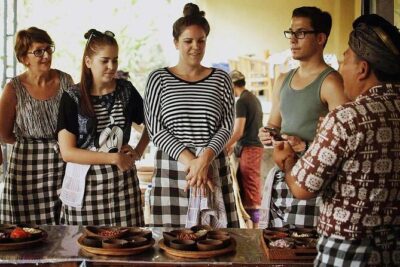 ★ 5.0Ubud Cooking Class Bali with Balinese ChefFrom $351,609 reviews
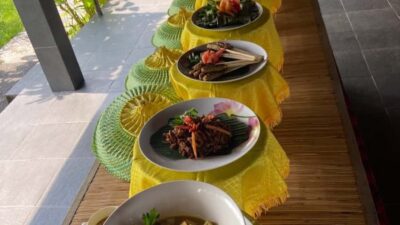 ★ 4.9Cooking Class with Transfers and Optional Market VisitFrom $21824 reviews
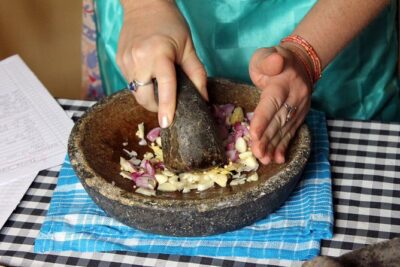 ★ 5.0PRIVATE Authentic Balinese Cooking Class in Ubud at Putu’s HomeFrom $75644 reviews
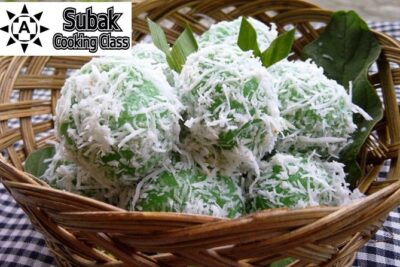 ★ 5.0Balinese Ubud cooking school (9 Dish Cooking and Market Tour)From $58540 reviews
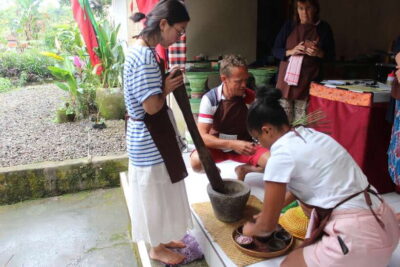 ★ 4.8Balinese Cooking Class and Market TourFrom $23531 reviews
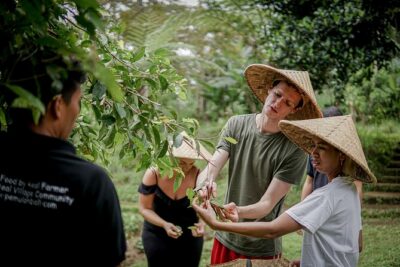 ★ 5.0Balinese Farm Cooking Class by Pemulan BaliFrom $39410 reviews
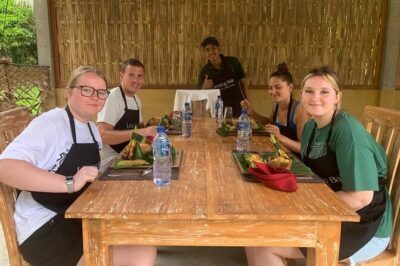 ★ 5.0Balinese Authentic Cooking Class in UbudFrom $39239 reviews
 ★ 5.0PRIVATE Balinese Cooking Class in Ubud with Dewa with TransfersFrom $69213 reviews
Browse the lists this tour appears in