
Reviewed · BALINESE COOKING CLASSES
Balinese Ubud cooking school (9 Dish Cooking and Market Tour)
Nine dishes, one very tasty Bali day. This Ubud cooking experience mixes a morning market tour with a hands-on kitchen class, so you learn where ingredients come from before you start cooking. You also get a local host-led slice of real Balinese food culture, not just a cooking room and a timer.
What I like most is that you’re not limited to a couple of dishes. You’ll work through at least 9 recipes, including classics like sambal matah and base gede, and you’ll eat what you make at the end. I also like that you leave with recipe copies (plus the instruction to take home the techniques), so the class isn’t just a one-day sugar rush.
One drawback to keep in mind: pickup is for the Ubud area only. If you’re outside Ubud, you’ll need an extra-arranged pickup and can expect additional charges, which can also add driving time and cut into your energy.
In This Review
- Key things that make this class worth your time
- Starting at Ubud’s market: where you learn to shop like locals
- Rice paddies and a local house visit: the food has a setting
- The kitchen workflow: cooking 9 recipes without feeling rushed
- What you’ll cook: the 9-dish menu (regular and vegetarian)
- Regular menu (10 items listed, with the main dishes served with white rice)
- Vegetarian menu (same structure, plant-based swaps)
- Eating what you cooked: lunch or dinner becomes part of the lesson
- Value for $58: what your money covers (and what it doesn’t)
- Logistics that can make or break your day
- Who should book this cooking-and-market experience?
- Should you book the 9 Dish Cooking and Market Tour in Ubud?
- FAQ
- How long is the Balinese Ubud cooking school tour?
- Is pickup included?
- Does the tour include a market visit?
- What dishes will I cook?
- Is there a vegetarian option?
- What’s included in the price?
- Are alcoholic drinks included?
- Where does the tour start and end?
- What should I bring?
Key things that make this class worth your time
- Market tour with tastings so you understand how people buy ingredients in everyday Bali
- Rice paddies visit focused on rice types and the harvest rhythm
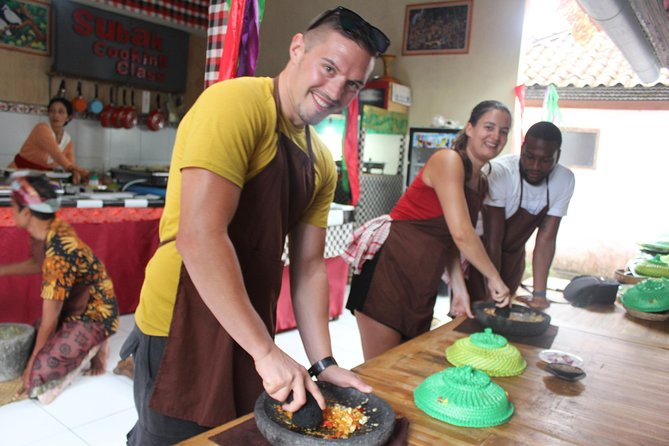
- At least 9 dishes cooked with step-by-step help from the chef
- Regular or vegetarian menu choices so you can match the food to your diet
- Food you cook becomes your lunch or dinner, not just a small bite at the end
- Small group size (max 14) which usually keeps the pace from feeling chaotic
Market basket to banana-leaf plate. More Ubud cook-alongs.
- Ubud Cooking Class Bali with Balinese Chef★ 5.0 · 1,609 reviews
- Ubud: Cooking Class with Transfers and Optional Market Visit★ 4.9 · 824 reviews
- PRIVATE Authentic Balinese Cooking Class in Ubud at Putu’s Home★ 5.0 · 644 reviews
- Balinese Ubud cooking school (9 Dish Cooking and Market Tour)★ 5.0 · 540 reviews
Starting at Ubud’s market: where you learn to shop like locals
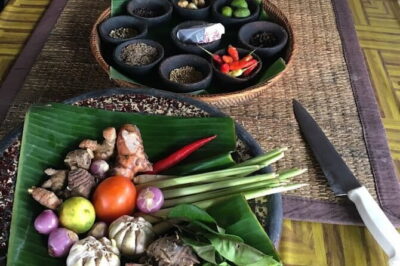
The best part of this experience is the sequence. You begin in the morning with a local market stop, led by your Balinese guide/host, so you can see ingredients up close before you cook. You’ll get to watch how fruit, vegetables, sweets, spices, and other staples get sold and chosen, and you’ll also do tastings along the way.
This matters because Balinese cooking depends on more than one “main” flavor. It’s built from combinations—fresh herbs, spice pastes, coconut, and sauces—plus ingredients that are easier to spot in a market than in a supermarket. If you’ve ever cooked from recipes and then wondered why it didn’t taste right at home, this is the part that helps you adjust your shopping and expectations.
Also, you’ll likely notice how the market feels like a real place, not a staged stop. One review mentions trying fruits they hadn’t seen before, and that’s exactly the point. Even if you only remember a few ingredient names, you’ll walk away with a better sense of what goes into Balinese classics.
Practical note: the market visit described as a traditional market is for the morning class. If you’re choosing the afternoon option, you’ll want to accept that the market piece may not be part of your schedule.
Rice paddies and a local house visit: the food has a setting
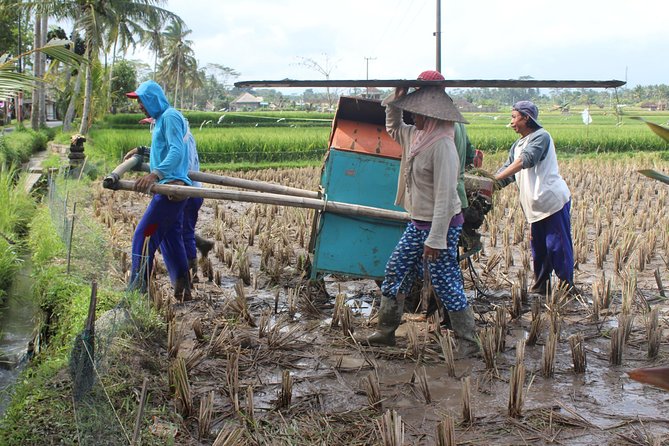
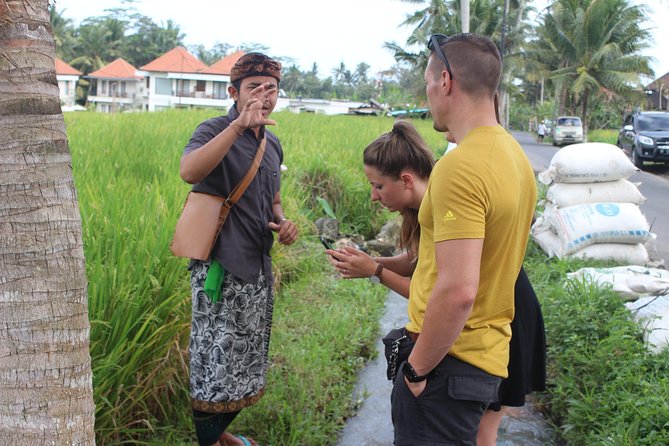
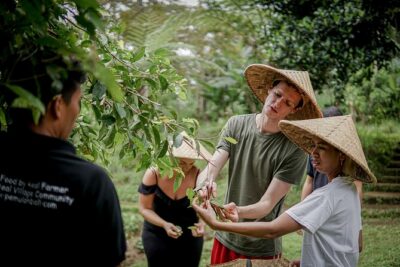
After the market, the day typically continues with a visit tied to how Bali grows food—especially rice. Your rice field stop includes learning about the rice types in Bali and how long the harvest season takes (with guidance from your host).
This isn’t just sightseeing. Rice is the backbone for the meal at the end, and Balinese cooking leans on timing and fresh inputs. When someone explains what’s happening in the fields and why rice matters here, it makes the final plate feel more connected than just “another lunch.”
You may also visit a local Balinese house. Based on what you’ll be taught during the day, that home stop helps you understand the daily rhythm behind food, including how offerings and household food culture connect to cooking and ingredients. There’s also mention of making Balinese offering in the afternoon option, so depending on which time slot you pick, you might get hands-on with that ritual too.
One small caution: this part is often photo-friendly, but you should treat it like learning time. Bring a camera, sure—but also listen. The host will be guiding the “why” behind the food steps, not only the “what.”
The kitchen workflow: cooking 9 recipes without feeling rushed
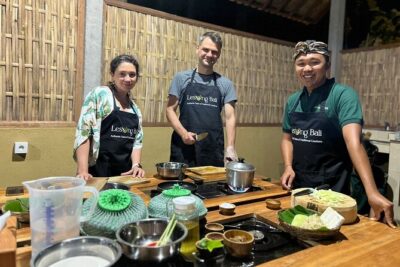
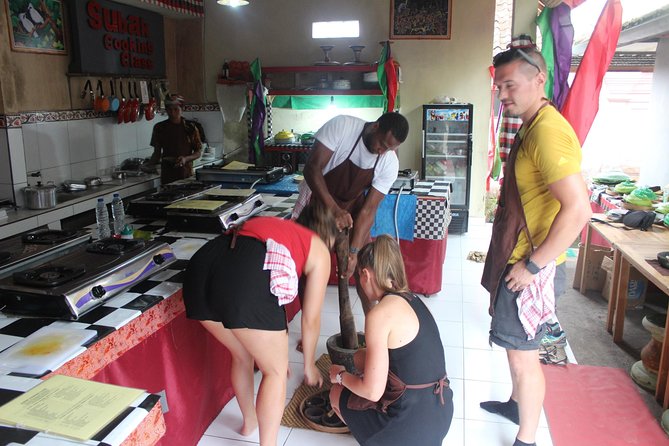
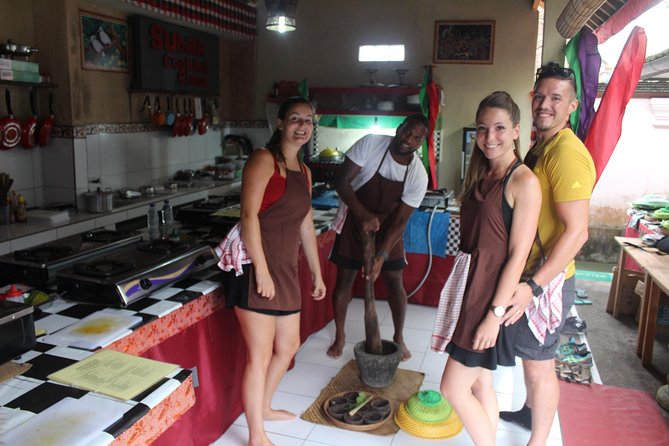
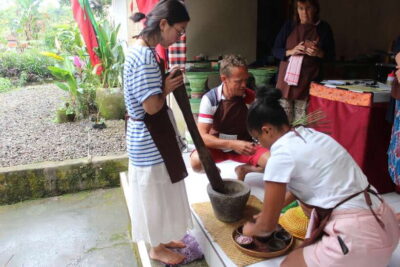
Back at the cooking school setup, the class shifts into stations and step-by-step coaching. The experience is designed so you don’t need prior cooking skill. Your chef teaches the process step by step, while kitchen staff keep things moving.
A lot of people love that the kitchen setup supports real participation. In reviews, I kept seeing comments about the class being fun, with enough stations that people weren’t stuck watching. You cook alongside your group, and you’ll rotate through a large menu rather than getting stuck repeating one dish all afternoon.
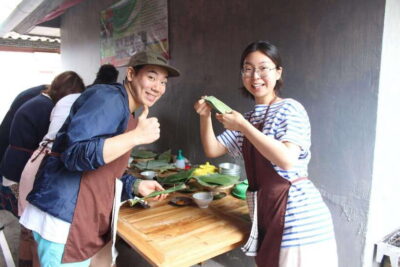
That said, one important realism check: some classes use partial prep to keep the 5-hour time window on track. If you’re hoping to chop everything from raw and totally start from scratch, you might notice ingredients are already prepared for you in certain steps. The upside is you spend more time learning the Balinese techniques—spice paste building, coconut-based cooking, assembling banana-leaf wraps, and making raw-style sambal—rather than just doing prep work.
Group size helps here. With a maximum of 14 travelers, the class tends to feel manageable. You should still plan to get a bit of warmth and spice in your day, since you’re cooking at multiple stations and then eating a buffet-like meal.
Other Ubud tours and experiences to line up next
What you’ll cook: the 9-dish menu (regular and vegetarian)
This is the heart of the value: the tour is built around learning at least 9 recipes of Balinese dishes. You’ll also do food tasting and then eat your lunch or dinner based on what you cooked.
Here’s the dish lineup, so you can picture what your kitchen time feels like:
Regular menu (10 items listed, with the main dishes served with white rice)
- Soup Sayur Bali (Balinese vegetable soup)
- Ayam santan Bumbu Bali (fried chicken with coconut milk)
- Tempe Manis (sweet fried tempe)
- Sate Lilit Bali (Balinese chicken satay)
- Pepes Ayam (grilled/steamed chicken in banana leaf)
- Lawar Bali (mix vegetable with Balinese spices)
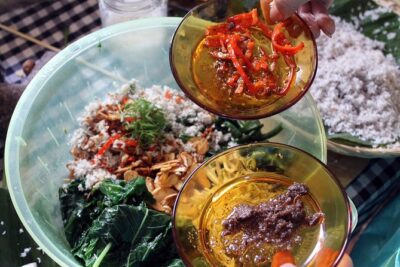
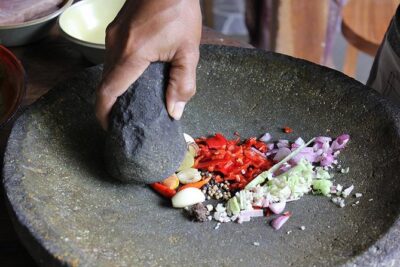
- Sambal Matah (raw spices with coconut oil)
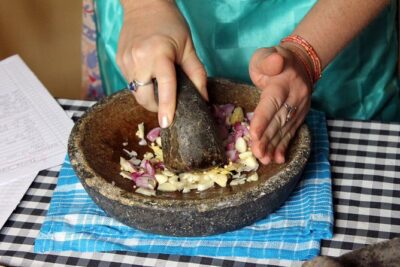
- Base Gede (basic spices paste)
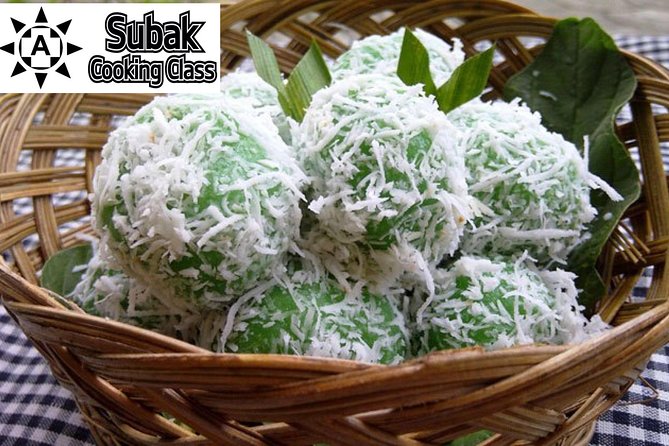
- Klepon Cake (boiled sticky flour circles with palm sugar)
- Main courses served with white rice
Vegetarian menu (same structure, plant-based swaps)
- Soup Sayur Bali
- Tofu Bumbu Bali (fried tofu with basic sauce)
- Tempe Manis
- Sate Tempeh (Balinese soybean cake skewer with peanut sauce)
- Pepes Tofu (grilled or steamed in banana leaf)
- Lawar Bali
- Sambal Matah
- Base Gede
- Klepon Cake
- Main courses served with white rice
Why this menu is smart for learning: it covers a full range of Balinese flavors and techniques. You’re not only making “one style” of food. You’ll see:
- coconut cooking (ayam santan),
- fried sweet-savory snacks (tempe manis),
- raw spice sauce (sambal matah),
- spice-paste fundamentals (base gede),
- banana-leaf cooking (pepes),
- and a palm sugar dessert (klepon).
And because you’ll repeat key flavor systems across dishes (especially base gede and how sambal flavors behave), the skills transfer better to your home kitchen.
Spice tip: the menu includes dishes that can be spicy by nature. Your best move is to tell the chef and host your comfort level and request regular or vegetarian when booking (the class supports both). Several people noted they made theirs with less spice, so the class culture seems to adjust.
Eating what you cooked: lunch or dinner becomes part of the lesson
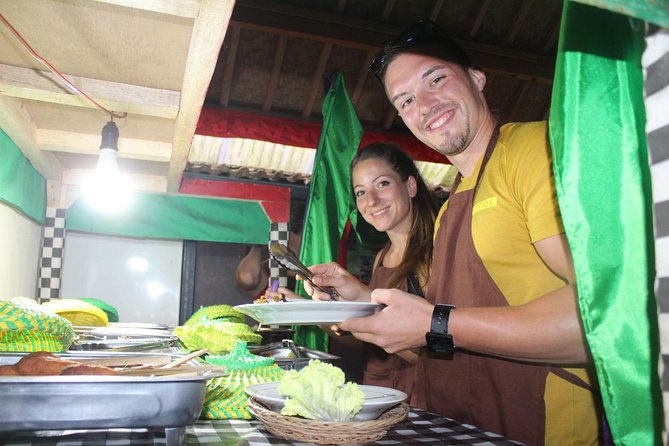
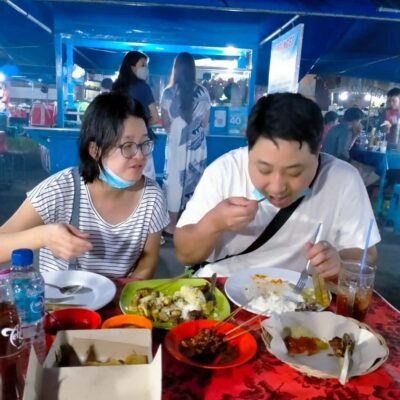
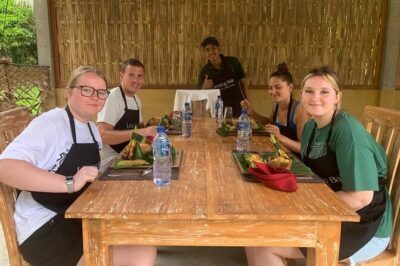
By the end, you’ll sit down for a lunch or dinner buffet that includes what you cooked, plus tasting along the way. This is more than just a meal. It helps you compare flavors while everything is fresh in your mind.
You’ll also likely get the chance to pack up food if you cooked more than you can finish. That’s a small practical perk that matters, especially with a nine-plus dish menu. Most likely, you’ll end up wanting to try everything even when you’re full—which is a good problem to have.
One more thing I appreciate: this format reduces the “food demo” feeling. You’re not only being shown how a dish should look. You’re eating the result of your own work, and that’s the real proof of technique.
Value for $58: what your money covers (and what it doesn’t)
For about 5 hours and a price of $58, the value comes from stacking several experiences into one package.
Included items you’re paying for:
- Pickup and drop-off within Ubud area only
- Bottled mineral water
- Kitchen equipment
- Copy recipes to take away
- Food tasting
- Lunch or dinner buffet using your cooked food
- A Balinese local guide/host, plus driver/guide support
- Market visit
- Rice paddies visit (morning option)
- Local Balinese house visit
- For afternoon options, there’s mention of making Balinese offering
Not included:
- Alcoholic drinks
- Pickup if you’re outside Ubud (additional charges apply, and they note you should request pickup if you stay out of the Ubud area)
Here’s the real way to think about it: in many places, cooking classes are mostly about kitchen time. This one starts earlier with sourcing (market) and context (rice and home visit). If you care about both food and culture, that’s where the extra value lives. If you only want to cook and you hate moving around, you may feel like you’re “touring” for a bit before you reach the stove.
For me, the strongest value signal is the recipe follow-through. Having written copies and being able to recreate at home is the difference between a fun day and an actual cooking upgrade.
Logistics that can make or break your day
This experience starts at Ubud Palace (listed address in Ubud) and ends back at the meeting point. The provider offers pickup, but the details are clear: pickup/drop-off is only for Ubud area unless you request otherwise.
A few practical reminders based on what you should expect:
- Bring your booking reservation (they ask you to show it).
- Bring a camera.
- Wear a normal uniform as indicated.
- If you’re outside Ubud, bring cash for additional transport if needed.
Also, plan your timing. One review mentioned a longer drive experience when coming from farther away. You don’t need to panic, but you should treat pickup location seriously. If your hotel is outside Ubud, message first and confirm the pickup plan so you’re not meeting at a different spot than expected.
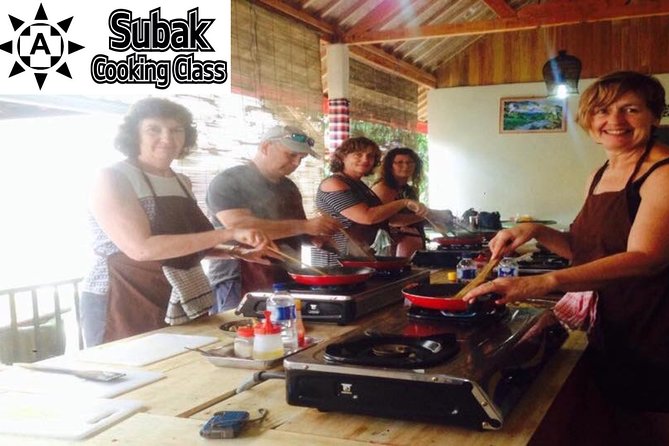
On the kitchen side, expect a relaxed but active environment. Several people mention humor and friendly teaching, and it’s a good idea to arrive ready to cook and taste. Also, come hungry. With nine recipes and a final meal, you’ll want room.
Who should book this cooking-and-market experience?
Book it if you:
- love food and want to learn multiple techniques, not just one dish,
- want a market-to-kitchen day (ingredients plus cooking),
- like cultural stops that connect to why rice and spices matter,
- prefer small groups (max 14) and step-by-step instruction,
- need a vegetarian option (it’s clearly offered).
You might consider skipping or choosing a different format if you:
- hate any driving and want a strictly kitchen-only schedule,
- want completely unassisted, from-scratch prep for every single ingredient (the class may include partial prep to keep pace),
- are extremely sensitive to spice and don’t feel comfortable asking for adjustments.
Should you book the 9 Dish Cooking and Market Tour in Ubud?
I think you should book this if your goal is to leave Bali with practical cooking skills you’ll actually use. The pairing of a morning market visit, a rice paddies stop, and a hands-on class cooking at least 9 dishes is the kind of structure that makes the food feel explainable, not mysterious.
If you’re staying in Ubud and can follow the pickup/drop-off area rules, the logistics look smooth. If you’re outside Ubud, sort pickup details early and plan for extra driving time.
Bottom line: for food lovers who want a real Balinese meal, plus the ingredient and culture context behind it, this is one of the most efficient ways to spend a single day in Ubud.
FAQ
How long is the Balinese Ubud cooking school tour?
It runs for about 5 hours.
Is pickup included?
Pickup and drop-off are included for the Ubud area only.
Does the tour include a market visit?
Yes. A traditional market visit is included for the morning class.
What dishes will I cook?
You’ll learn to prepare at least 9 Balinese recipes. The menu includes dishes like base gede and sambal matah, plus a sweet dessert (klepon).
Is there a vegetarian option?
Yes. You can choose a vegetarian menu when booking.
What’s included in the price?
Included are bottled water, kitchen equipment, recipe copies, food tasting, lunch or dinner buffet, a driver/guide and local host, plus market and rice paddies visits (morning), and a local Balinese house visit.
Are alcoholic drinks included?
No, alcoholic drinks are not included.
Where does the tour start and end?
It starts at Ubud Palace and ends back at the meeting point.
What should I bring?
Bring your camera, your booking reservation, and cash for additional transport if you’re staying outside Ubud. The tour also notes a normal uniform.
More to See and Do in Ubud





More Ubud Tours We Rate

Cook Balinese in Ubud
Just added around Ubud
- Ubud: White Water Rafting with visit Ubud Monkey Forest
★ 5.0 · 3 reviews - Private Guided Bali Car Charter
★ 5.0 · 3 reviews - East Bali and Lempuyang Temple Tour
★ 5.0 · 3 reviews - Bali Downhill Cycling and White Water Rafting
★ 5.0 · 3 reviews - Cave Tubing Adventure in Ubud
★ 5.0 · 3 reviews
Balinese Cooking Classes, compared.
 ★ 5.0Ubud Cooking Class Bali with Balinese ChefFrom $351,609 reviews
 ★ 4.9Cooking Class with Transfers and Optional Market VisitFrom $21824 reviews
 ★ 5.0PRIVATE Authentic Balinese Cooking Class in Ubud at Putu’s HomeFrom $75644 reviews
 ★ 4.8Balinese Cooking Class and Market TourFrom $23531 reviews
 ★ 5.0Balinese Farm Cooking Class by Pemulan BaliFrom $39410 reviews
 ★ 5.0Balinese Authentic Cooking Class in UbudFrom $39239 reviews
 ★ 5.0PRIVATE Balinese Cooking Class in Ubud with Dewa with TransfersFrom $69213 reviews
 ★ 5.0Balinese Cooking class with traditional morning market visitFrom $35161 reviews
Browse the lists this tour appears in