
Reviewed · BALINESE COOKING CLASSES
Jambangan bali cooking class with morning market tour
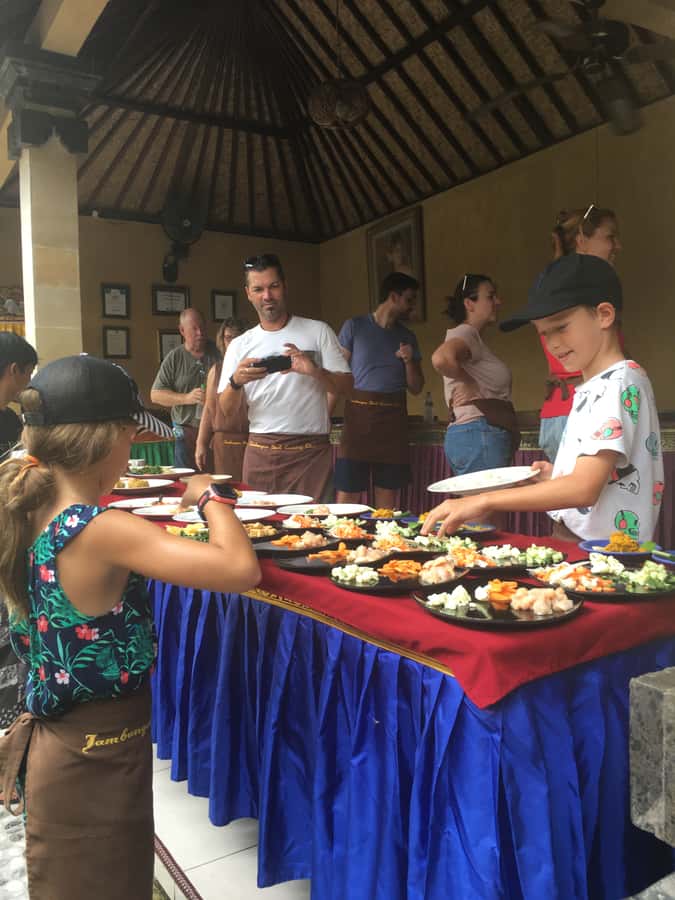
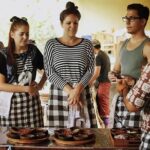
The day starts with spices and ends with lunch you actually made. You get a morning market tour to choose herbs, spices, veggies, and meat, then you cook in a Balinese home with English-speaking chefs who explain the why behind the flavors. I especially liked the warm family welcome from Putu and his family and the small-group feel that makes it easier to ask questions.
One thing to consider: this is a real home-based experience in a village setting, so it takes some early starts and walking around outside can be part of the day.
In This Review
- Key moments that make this class worth your time
- How the Morning Market Turns Shopping Into Flavor
- Rice Fields and Kelabang Moding Village: A Culture Lesson with Legs
- Entering a Balinese House: Family Life, Not a Performance
- Coconut Oil Processing and Daily Offerings: Why the Food Starts Earlier
- Hands-On Cooking with English-Speaking Chefs
- Eating Your Work: Lunch and Dinner in the Warung and Garden
- Price and Value: What $27 Really Buys You
- Logistics That Make or Break Your Morning
- Who This Experience Suits Best (And Who Should Skip It)
- Should You Book Jambangan Bali Cooking Class with Market Tour?
- FAQ
- How long is the Jambangan Bali cooking class with morning market tour?
- What’s included in the experience?
- Is hotel pick-up included?
- What language is the class taught in?
- What should I bring?
- Are there meals included?
- Is this tour wheelchair accessible?
- Is beer included?
- Is the tour suitable for everyone?
Key moments that make this class worth your time
- Market shopping in the morning to pick fresh aromatics, vegetables, and ingredients you’ll cook later
- Rice fields and rice farmer moments where you can see daily farm work and chat with locals
- Kelabang Moding village life with village temples, a school, and a look at everyday Balinese routines
- Coconut oil processing and daily offerings that go beyond cooking into cultural practice
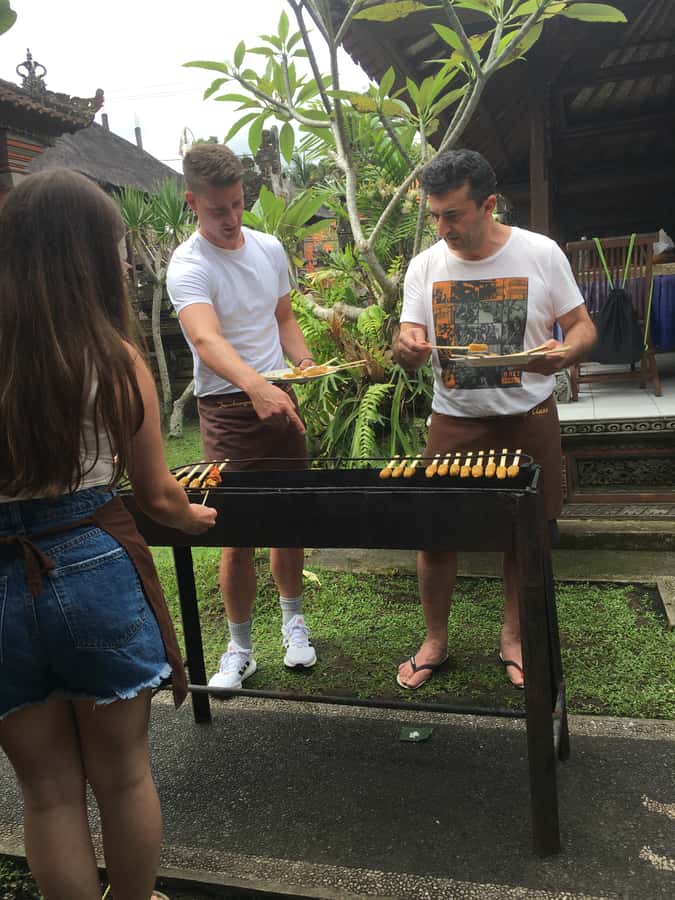
- Hands-on lessons in English with Balinese chefs, plus plenty of chances to participate
- Lunch and dinner in a warung and garden based on your own cooking, not a separate restaurant plan
Market basket to banana-leaf plate. More Ubud cook-alongs.
- Ubud Cooking Class Bali with Balinese Chef★ 5.0 · 1,609 reviews
- Ubud: Cooking Class with Transfers and Optional Market Visit★ 4.9 · 824 reviews
- PRIVATE Authentic Balinese Cooking Class in Ubud at Putu’s Home★ 5.0 · 644 reviews
- Balinese Ubud cooking school (9 Dish Cooking and Market Tour)★ 5.0 · 540 reviews
How the Morning Market Turns Shopping Into Flavor
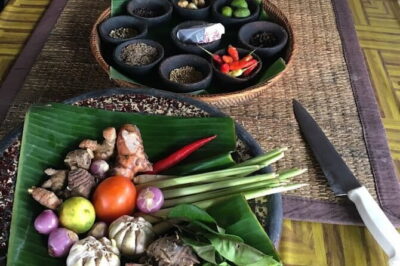
This tour is built on one smart idea: if you start with real ingredients, you understand the food. You head out early for a market run where you can pick out fresh herbs and spices, crisp vegetables, and choice cuts of meat. It’s not just shopping for the sake of shopping. It’s training your eyes and hands to recognize what good looks like, because you’ll use many of these items later.
A highlight here is the chance to talk with people who work with the food every day. In the market and afterward, you also get to see rice farmer daily activities. Even if you think you already know Bali is about rice, watching real farm work helps you connect food to place. You’re not just learning recipes; you’re learning the agricultural rhythm behind them.
Practical tip: bring camera and some cash. The cash part is mainly useful to handle small purchases or contributions that sometimes pop up in local settings, and you’ll want the option rather than scrambling.
Rice Fields and Kelabang Moding Village: A Culture Lesson with Legs
After the market, the day shifts from ingredients to context. You’ll return to Kelabang Moding village, where the itinerary naturally turns into a mini “day in the life” tour. You’ll pass village temples and a school, and you’ll get a clear sense of how traditional Balinese life works in a village setting.
This is one of those experiences that feels less like sightseeing and more like meeting a community. Instead of trying to cram big landmark photos into your day, you get a slower, grounded look at routines and spaces people use. The village stop matters because the cooking later isn’t presented as a standalone skill. It’s connected to the culture: how people prepare food, how they make daily offerings, and how family life shapes what’s on the table.
You’ll also head to a Balinese home setting with a beautiful environment. The day gives you space to notice details: the pace, the roles inside the household, and how welcoming the family atmosphere is.
Entering a Balinese House: Family Life, Not a Performance
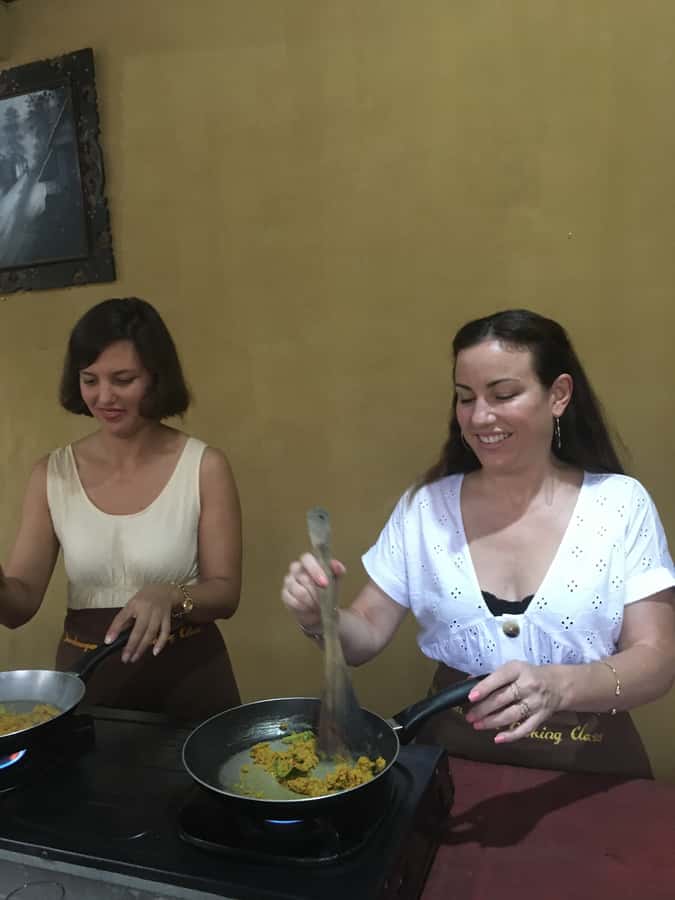
The class takes place at a Balinese home, and that changes everything. You’re not standing in a sterile studio with demo-only steps. You’re moving through a lived-in space, where food preparation and daily practices overlap. That’s why it feels authentic rather than staged.
In the reviews, the welcome from Putu and his family comes up again and again, and you can see what people mean once you arrive. This isn’t the kind of tour where you feel like an outsider hovering. You’re brought in like a learner in the family process. And because the chefs are Balinese and fully conversant with the food and culture, the explanations tend to feel practical rather than generic.
The language support is also a real plus: classes are conducted in English, so you don’t need to hunt for meaning. You can focus on technique, not translation.
If you’re sensitive to heat, note that water is provided, which helps you stay comfortable during outdoor parts of the day. That sounds small, but it makes a big difference when you’re moving between market, fields, and home.
Other Ubud tours and experiences to line up next
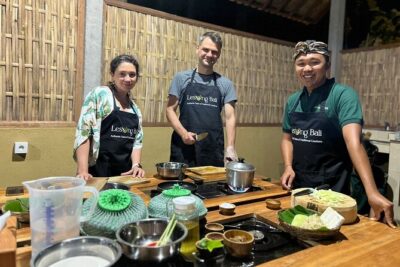
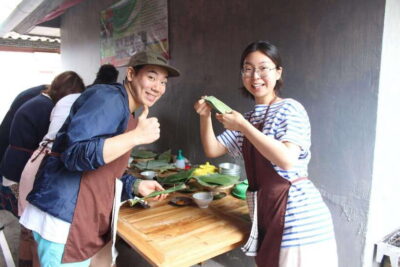
Coconut Oil Processing and Daily Offerings: Why the Food Starts Earlier
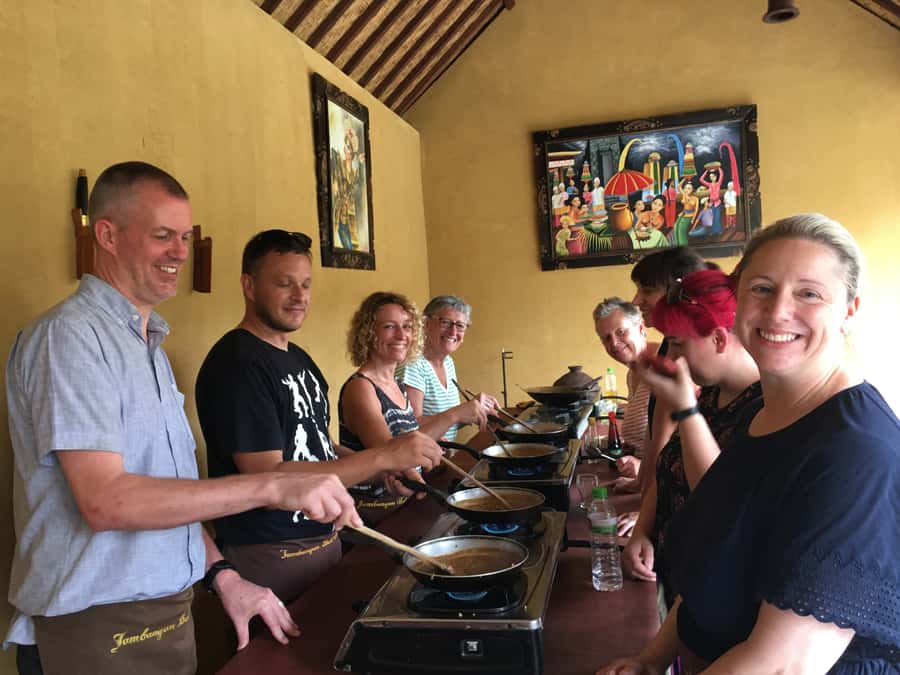
A lot of Bali cooking classes teach recipes. This one also shows the steps that come before cooking, including coconut oil processing and making daily offerings.
That matters because Balinese cuisine isn’t only about taste; it’s about timing and ritual. Seeing (and participating in) offerings gives you a clearer idea of how food and spirituality are tied together day to day. And coconut oil processing connects a simple ingredient to a whole local process. Instead of treating coconut oil as just a bottle from your supermarket shelf, you learn how it fits into household work.
This portion is also where you might feel the difference between “hands-on” and “hands-on.” You’re not just watching from a stool. You’re doing tasks that take attention and care, and you learn by trying, not by memorizing.
It’s also a good cultural reset. Even if you came for cooking alone, these practices help you understand why the cuisine tastes the way it does and why it’s treated with respect.
Hands-On Cooking with English-Speaking Chefs
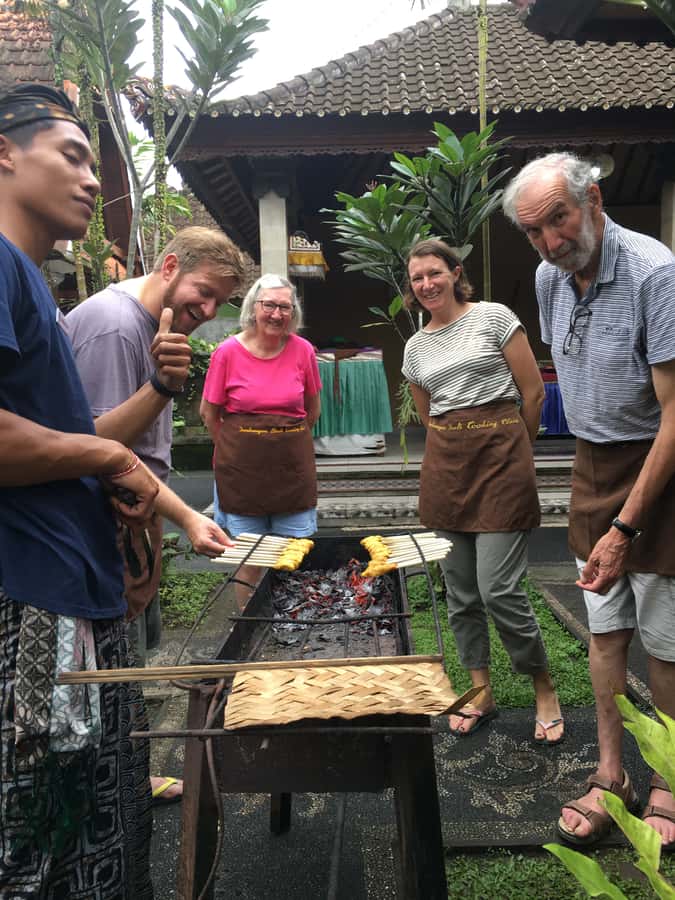
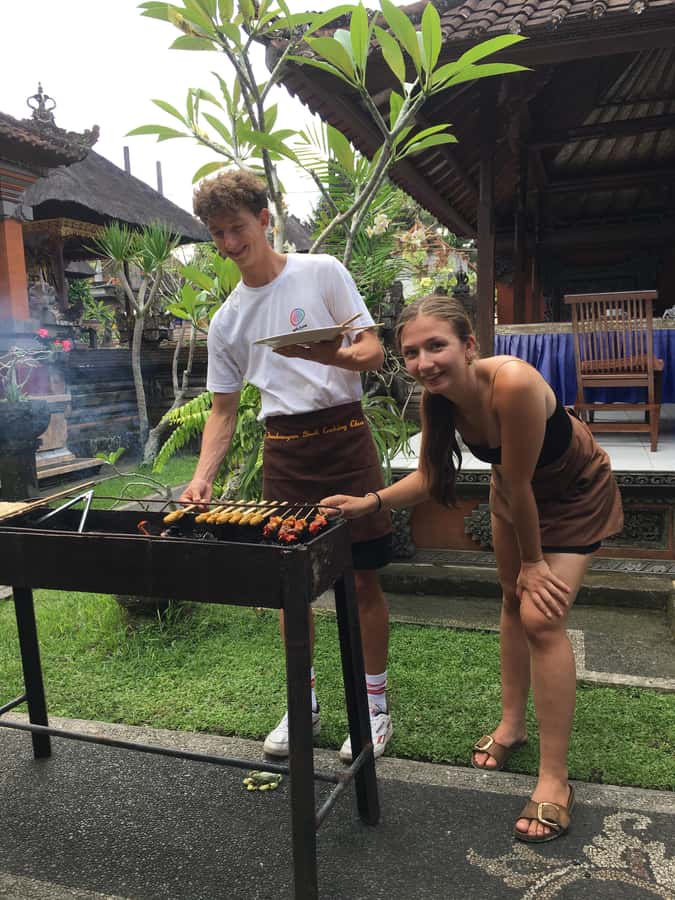
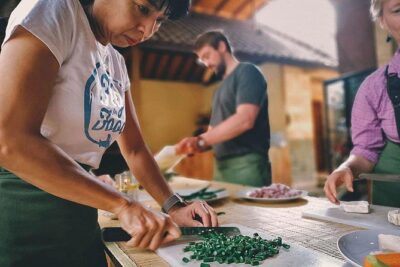
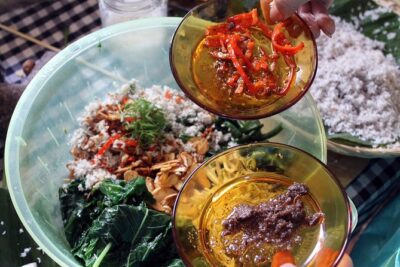
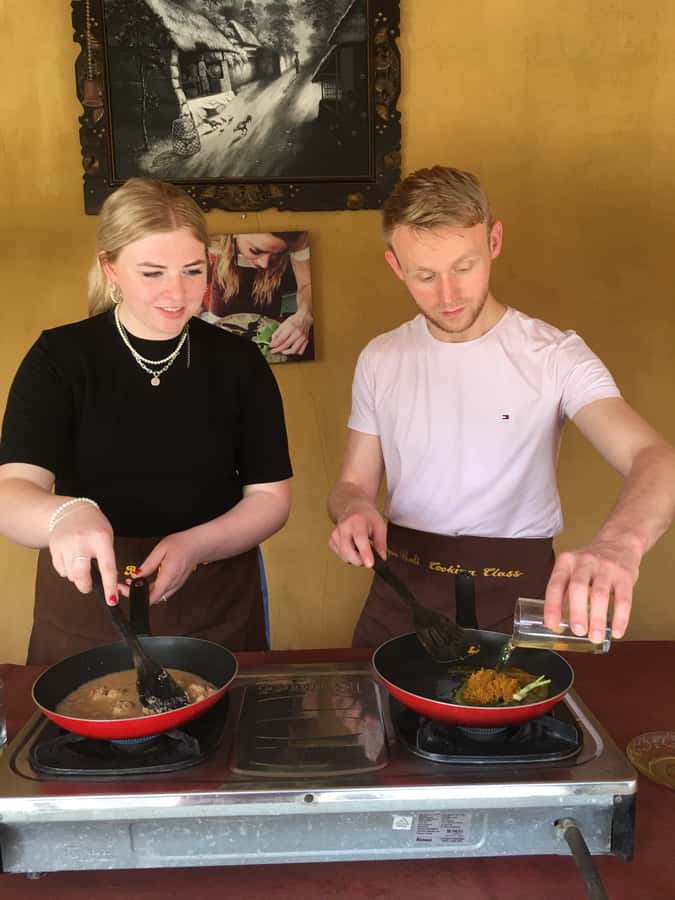
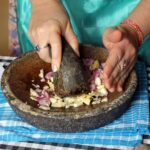
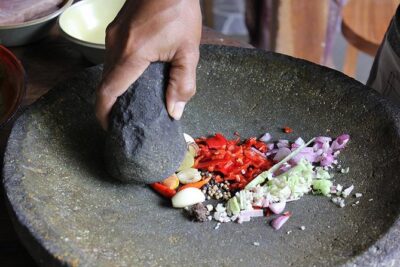
Now to the part you came for: cooking. All recipes are made by you, guided by Balinese chefs who explain traditional techniques and the cultural meaning behind what you’re doing.
The hands-on format is the value. You’re not eating someone else’s plan. You’re building your own lunch and dinner from ingredients you chose earlier. That turns the experience into something you can repeat at home: once you’ve touched the ingredients and followed the steps, you’re more likely to remember the process.
Because it’s in a small, friendly group, it also works better for questions. You can ask what something is used for, how to prep it, and how to recognize the right texture or balance. And since the class runs in English, you’re not constantly relying on guesswork.
A useful mindset for this part: treat it like a workshop, not a test. Your goal is to learn methods and flavor logic. Even if your final plate isn’t perfect, you’ll still come away with a clearer sense of how to cook Balinese dishes with fresh, local ingredients.
Eating Your Work: Lunch and Dinner in the Warung and Garden
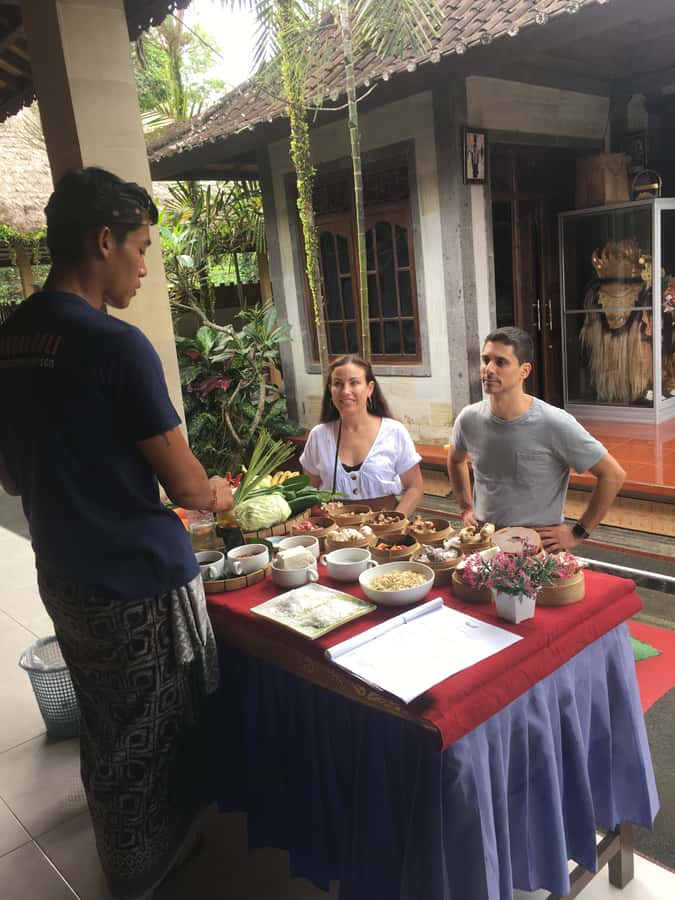
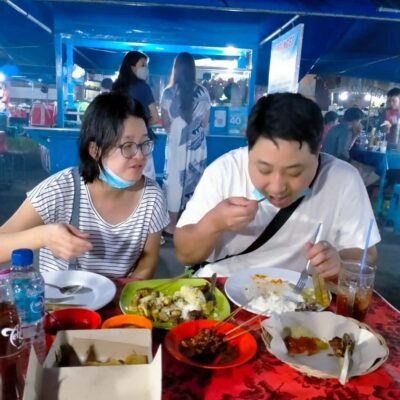
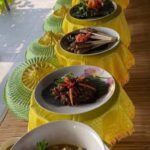
This is one of the best parts of the day: you savor the meal you made, and it’s not limited to a quick snack. The experience includes eating what you cook for lunch and dinner in a warung and garden setting.
That double-meal detail matters. It gives you time to enjoy the food after you’ve been working with it. You also get a full sense of how flavors evolve across the day, and you’re not rushed out the door right after cooking.
I like that it stays simple and real. This isn’t a “chef’s tasting menu” where your role is watching. It’s food you made and then shared, which makes it feel like part of the day rather than an activity that ends when the lesson ends.
Price and Value: What $27 Really Buys You
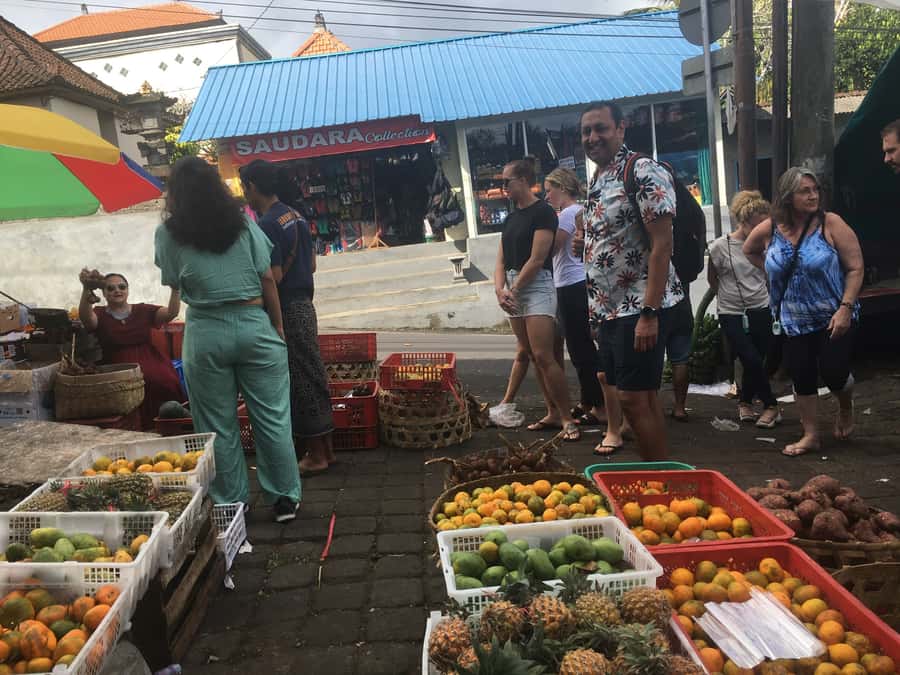
At about $27 per person for roughly 270 minutes, the price lands in the budget-friendly zone for a full morning out. What makes it good value is not just the cooking. It’s the bundle: market tour, rice fields, village life, coconut oil processing, daily offerings, cooking at a Balinese home, and meals you make.
You also get back home with your recipes and a certificate, which helps you remember what you learned and gives you something tangible if you cook again later. Those extras are the difference between a day trip that disappears from your memory and one that actually sticks.
What’s not included is also pretty clear. You may pay extra for transport outside the Ubud area, depending on where your hotel is. The activity also notes no included beer, and it cautions about expensive items. If you’re staying in central Ubud, the free pickup and drop-off are a big plus and help keep the final cost predictable.
Logistics That Make or Break Your Morning
Here’s what I’d plan around if you want the day to feel smooth.
Pickup: free pick-up and drop-off is only for hotels in the Ubud area. If you’re elsewhere, you might need an extra transport cost. Plan to wait in your lobby about 10 minutes before your scheduled pickup. The driver will come with your name.
Timing: the whole experience runs around 270 minutes, and since it’s a morning market start, you’ll want to be ready for an early departure.
What to bring: camera and cash. If you like taking photos of market goods and village scenes, you’ll definitely use your camera.
One more note: the tour will take place at the Balinese home setting, so you’re spending a meaningful chunk of time in a village environment rather than an urban classroom.
Who This Experience Suits Best (And Who Should Skip It)
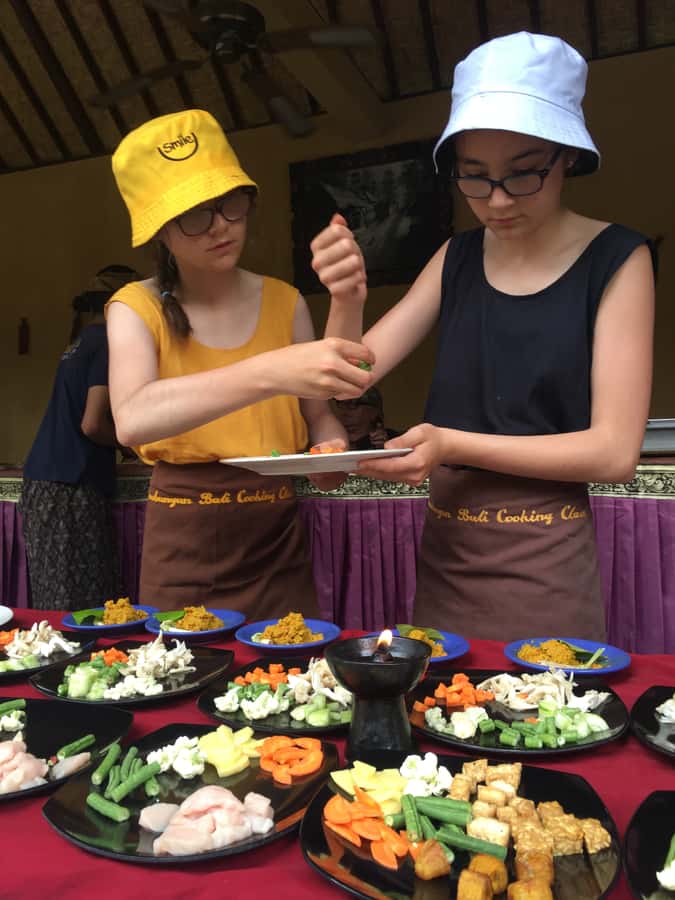
This is a great fit if you want more than cooking trivia. You’ll enjoy it most if you like practical food learning, you’re curious about cultural practice (offerings, household work), and you like a day that mixes agriculture with cooking rather than only eating.
It also works well if you want English instruction without feeling lost. The chefs are described as fully conversant with Balinese cuisine and culture, and the lessons are conducted in English.
If you’re traveling with limited mobility, the tour is listed as wheelchair accessible, which is helpful. Still, since you’ll move through different areas of the day, confirm the route details when you book so you can plan comfortably.
Not suitable for: people with altitude sickness and people over 95 years. If either applies, skip this one for safety and comfort.
Should You Book Jambangan Bali Cooking Class with Market Tour?
Yes, I’d book it if you want a cooking class that feels connected to real life in Bali. The strongest reasons are the morning market start, the hands-on cooking in a family home, and the extra cultural pieces like coconut oil processing and daily offerings. Plus, you get the practical payoff: you eat what you make, you leave with recipes and a certificate, and the whole day runs with English support and a friendly pace.
If you’re the type who hates early mornings or prefers to stay strictly in tourist facilities, then the village setting might feel like too much change for one day. But if you’re open, this is exactly the kind of experience that makes you feel like you learned a method, not just a meal.
FAQ
How long is the Jambangan Bali cooking class with morning market tour?
The duration is 270 minutes.
What’s included in the experience?
It includes free pick-up and drop-off in the Ubud area, a market tour (morning class only), rice fields, discover Balinese house, coconut oil processing, make daily offering, cooking at the Balinese home, and you go back home with your recipes and certificate.
Is hotel pick-up included?
Yes, pickup and drop-off are included only for hotels in the Ubud area.
What language is the class taught in?
The class is conducted in English.
What should I bring?
Bring a camera and cash.
Are there meals included?
Yes. After cooking, you savor what you made for lunch and dinner in the warung and garden.
Is this tour wheelchair accessible?
Yes, it is listed as wheelchair accessible.
Is beer included?
No, beer is not included.
Is the tour suitable for everyone?
No. It is listed as not suitable for people with altitude sickness and people over 95 years.
More to See and Do in Ubud





More Ubud Tours We Rate

Cook Balinese in Ubud
Just added around Ubud
- Ubud: White Water Rafting with visit Ubud Monkey Forest
★ 5.0 · 3 reviews - Private Guided Bali Car Charter
★ 5.0 · 3 reviews - East Bali and Lempuyang Temple Tour
★ 5.0 · 3 reviews - Bali Downhill Cycling and White Water Rafting
★ 5.0 · 3 reviews - Cave Tubing Adventure in Ubud
★ 5.0 · 3 reviews
Balinese Cooking Classes, compared.
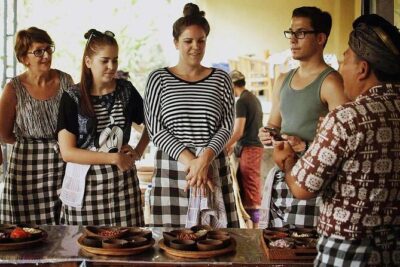 ★ 5.0Ubud Cooking Class Bali with Balinese ChefFrom $351,609 reviews
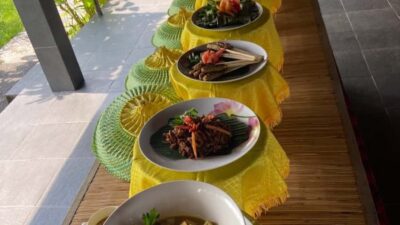 ★ 4.9Cooking Class with Transfers and Optional Market VisitFrom $21824 reviews
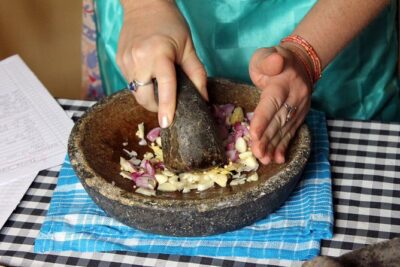 ★ 5.0PRIVATE Authentic Balinese Cooking Class in Ubud at Putu’s HomeFrom $75644 reviews
 ★ 5.0Balinese Ubud cooking school (9 Dish Cooking and Market Tour)From $58540 reviews
 ★ 4.8Balinese Cooking Class and Market TourFrom $23531 reviews
 ★ 5.0Balinese Farm Cooking Class by Pemulan BaliFrom $39410 reviews
 ★ 5.0Balinese Authentic Cooking Class in UbudFrom $39239 reviews
 ★ 5.0PRIVATE Balinese Cooking Class in Ubud with Dewa with TransfersFrom $69213 reviews
Browse the lists this tour appears in