
Reviewed · BALINESE COOKING CLASSES
From Ubud : Ubud Balinese cooking class with Market tour
Balinese cooking starts with a market checklist. In Ubud, this hands-on class is interesting because you learn flavor building at a local pace, not just watching dishes go by. I especially liked the small group size (up to 12) and the 9-recipe cooking focus, plus the chance to eat a buffet made from what you cook. One possible drawback: several dishes can come out very spicy, so plan for heat if that’s an issue for you.
If you want an easy day, the best part is how smoothly it fits into Ubud life. Hotel pickup and drop-off within Ubud center take the stress out of transport, and you’ll also leave with a PDF of the 9 recipes to repeat at home. The class runs about 5 hours, and the exact flow depends on whether you join the morning or afternoon session.
In This Review
- Key highlights worth planning around
- Why this Ubud class feels more like food culture than a demo
- Pickup and small-group logistics inside Ubud center
- Morning vs afternoon: market, rice paddies, and canang offerings
- Morning session: market + rice paddies
- Afternoon session: canang offering making
- Inside the Tampaksiring market stop: what you’ll actually learn
- Rice paddies time: scenery with a purpose (morning only)
- The real skill: balancing flavors with Balinese spice paste
- Cooking 9 Balinese recipes: what your hands will do
- Buffet lunch and tasting: you eat well, not just taste
- The take-home payoff: PDF recipes you can reuse
- Price and logistics: does $58 make sense?
- Who should book this class (and who should think twice)
- Should you book this Ubud Balinese cooking and market tour?
- FAQ
- What is the duration of the Ubud Balinese cooking class with market tour?
- Is hotel pickup included?
- Does the tour include a market visit?
- Do you visit rice paddies?
- Is canang offering making included?
- How many people are in the group?
- What will I cook during the class?
- Is there lunch or food included?
- Will I receive recipes to take home?
- Is alcohol included?
- Should I bring cash?
Key highlights worth planning around
- Morning market at Tampaksiring village: a classic shopping stop with plenty of sensory details.
- Rice paddies (morning only): scenic field time that changes the feel of the morning.
- Canang offering making (afternoon only): learn how offerings fit into daily Balinese life.
- Spice paste first, then 9 dishes: you learn the flavor base that shows up again and again.
- Outside kitchen energy and group support: you cook actively, with help while you go.
- Buffet lunch plus a take-home recipe PDF: you eat well, then keep what you learned.
Market basket to banana-leaf plate. More Ubud cook-alongs.
- Ubud Cooking Class Bali with Balinese Chef★ 5.0 · 1,609 reviews
- Ubud: Cooking Class with Transfers and Optional Market Visit★ 4.9 · 824 reviews
- PRIVATE Authentic Balinese Cooking Class in Ubud at Putu’s Home★ 5.0 · 644 reviews
- Balinese Ubud cooking school (9 Dish Cooking and Market Tour)★ 5.0 · 540 reviews
Why this Ubud class feels more like food culture than a demo
A lot of cooking classes teach steps. This one teaches the logic behind Balinese taste. You start by making a Balinese spice paste that becomes the base for multiple dishes, so the flavors connect across the whole meal instead of feeling like separate tricks.
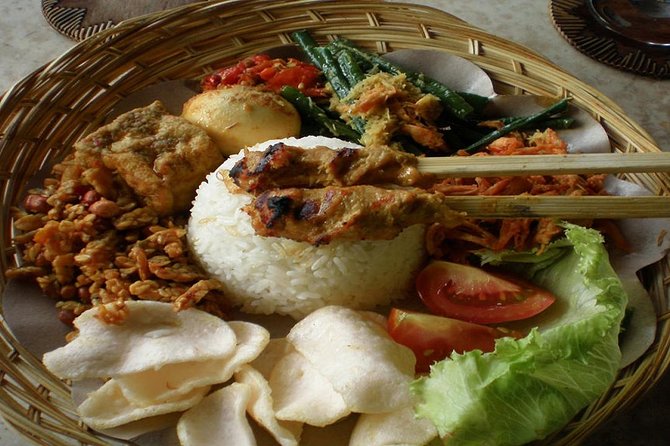
You’ll also get a structured menu: you’ll make 9 Balinese recipes (fried tempe, Balinese chicken, vegetable soup, and other dishes to complete the set). That makes it a good use of your time, especially if you’re trying to understand why Balinese food tastes the way it does.
And yes, it’s not only theory. You’ll be eating what you cook, with a buffet-style meal after the cooking session.
Pickup and small-group logistics inside Ubud center
This is one of those tours where logistics matter, because good food days run on timing. Pickup and drop-off are included only for Ubud center, so if you’re staying outside that zone, you’ll likely need an extra transport charge to join the pickup route.
You’ll ride in an air-conditioned vehicle, and the tour includes a driver and a local guide, so you’re not trying to translate everything on the fly. The class is limited to a maximum of 12 travelers, which is small enough to make questions feel normal.
Practical note: you’ll get a mobile ticket, and the tour includes bottled water. Also, bring some cash for small purchases or to handle any extra transport costs if you’re outside the included pickup area.
Morning vs afternoon: market, rice paddies, and canang offerings
The day structure changes based on the session you book, and that’s a key decision if you care about specific experiences.
Other Ubud tours and experiences to line up next
Morning session: market + rice paddies
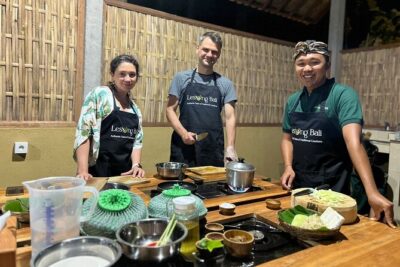
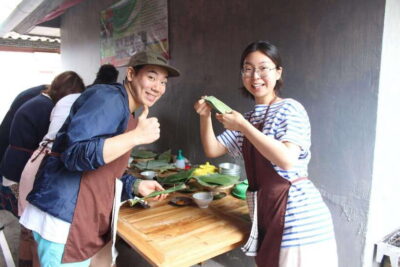
In the morning class, you’ll visit a traditional market in the Tampaksiring village area, and then you’ll head to local rice paddies. This is the route if you want your cooking class to start with ingredients and scenery.
The market stop is also where local context comes alive. In the experience, you’re not just looking at food—you’re learning what ingredients are and how they’re used, with help from the guide. One of the most praised parts here is the market visit feeling genuinely social and local, largely because the guide knows people there.
Afternoon session: canang offering making
If you choose the afternoon class, you’ll skip the market-and-paddy combo and instead include making a canang offering. Canang offerings are a meaningful part of everyday Balinese practice, so this option gives you cultural context that isn’t strictly about eating.
If you’re the type of traveler who likes food and ritual, the afternoon version can feel more complete. If your priority is ingredients and farm-to-table visuals, the morning version is the better fit.
Inside the Tampaksiring market stop: what you’ll actually learn
You’ll spend time at a traditional market before the cooking part begins (morning session). The purpose isn’t shopping for souvenirs; it’s about recognizing ingredients and understanding how they become part of Balinese dishes.
I like this setup because market visits can either feel forced or forgettable. Here, the market time is tied directly to the cooking you’ll do next. That makes it easier for you to connect what you’re seeing with what ends up on your plate.
A practical bonus: you get a welcome drink (cold ice tea), which helps a lot if you’re doing this early. And since the group is small, you can ask questions without feeling lost in a crowd.
Rice paddies time: scenery with a purpose (morning only)
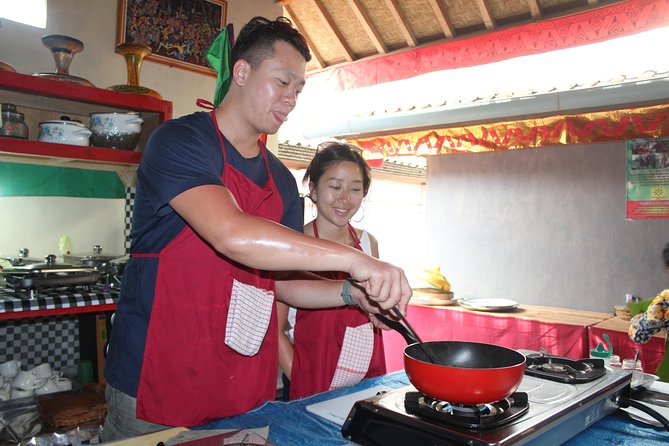
The rice paddies stop is morning only, and it gives your day a breath of fresh air before you start chopping and stirring. Even if you’re not a “nature photos” person, it helps you understand why Balinese cooking is so connected to local ingredients and daily rhythms.
This part is also a nice pacing reset. Cooking classes can feel rushed when you go straight from hotel pickup into the kitchen. Here, the rice fields add a pause that makes the hands-on part feel more intentional.
The real skill: balancing flavors with Balinese spice paste
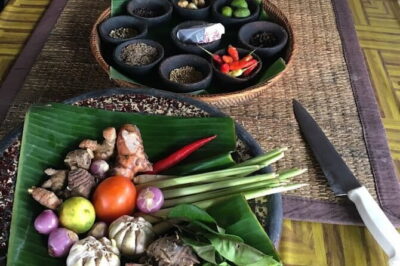
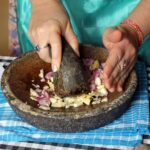
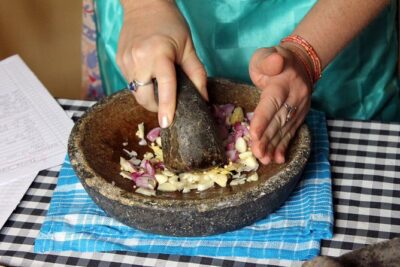
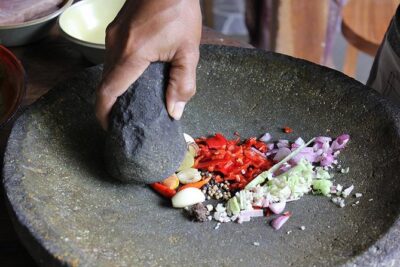
After market and/or paddies, you start the cooking sequence by making a Balinese spice paste. This is the heart of the class and the reason the dishes don’t feel random.
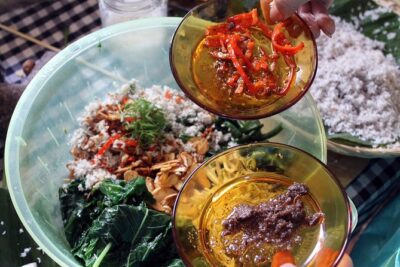
The paste becomes a base sauce used for many dishes, so you’re learning the flavor engine of Balinese cuisine, not just isolated recipes. What you’re really practicing is balance—how ingredients work together to create savory, aromatic, and spicy depth.
This is also where you’ll get the most “learn it once, apply it later” value. If you take any cooking class seriously, prioritize the spice paste steps. That’s what lets you recreate the taste at home rather than just copying a dish with unknown spices.
Cooking 9 Balinese recipes: what your hands will do
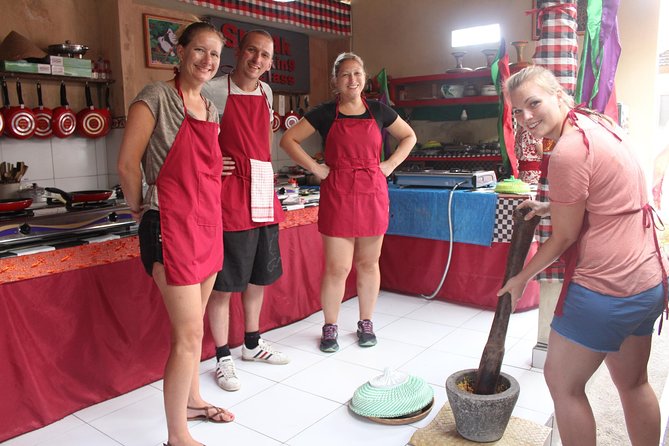
The class moves into making 9 Balinese dishes. The menu includes items like fried tempe, Balinese chicken, and vegetable soup, and the rest of the set rounds out the meal.
I like that the class includes a mix of textures and flavors. Fried tempe gives you crunch and the way coatings and seasoning work, chicken teaches how spice paste becomes sauce, and vegetable soup shows how flavors carry without turning everything into a heavy meal.
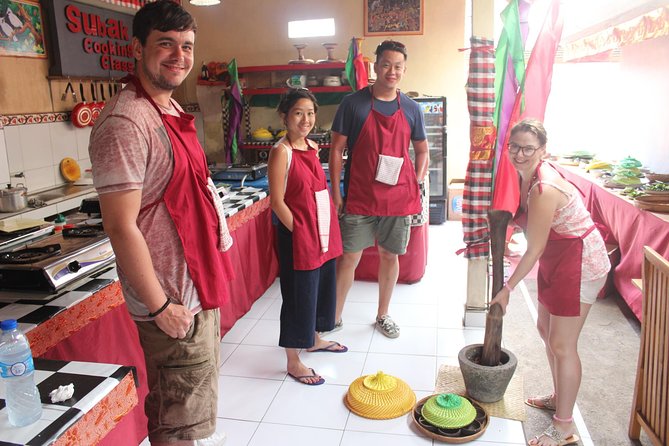
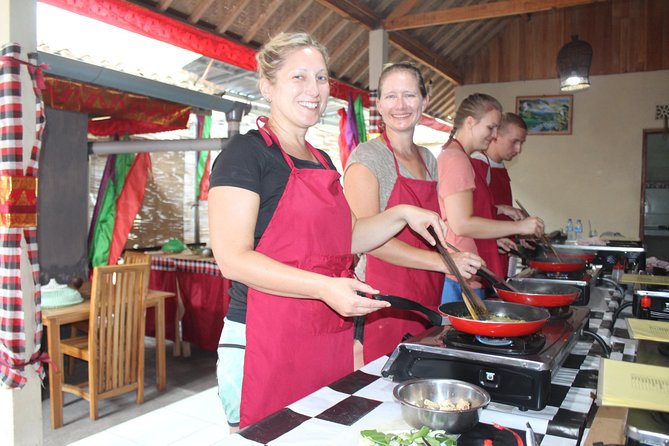
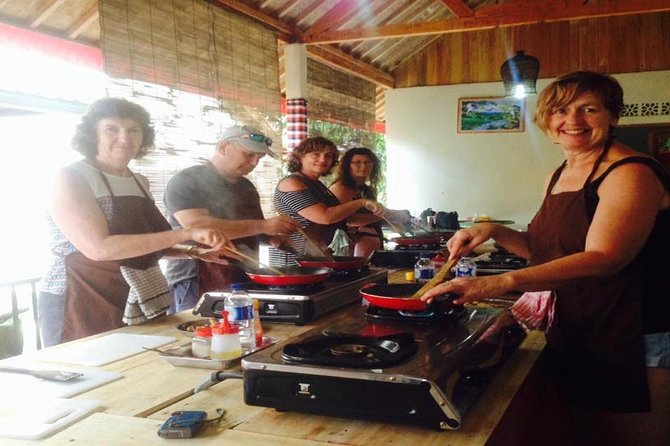
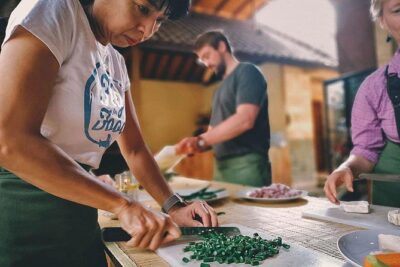
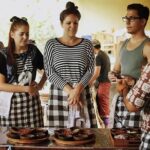
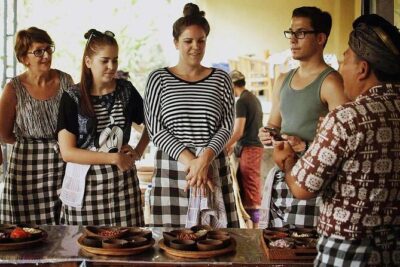
You’ll cook in a real kitchen setup with guidance and support. In the experience, the kitchen work is hands-on, and the group size helps you avoid the common problem of standing around. You also get opportunities to take pictures—there’s even a mention to bring a camera for photos.
One thing to plan for: spice level. Even if you love spicy food, this class may feel hotter than you expect. A previous participant noted that everything was too spicy to eat comfortably, even for people who usually handle heat. If you’re spice-sensitive, I’d take that warning seriously and be ready to adjust your expectations.
Buffet lunch and tasting: you eat well, not just taste
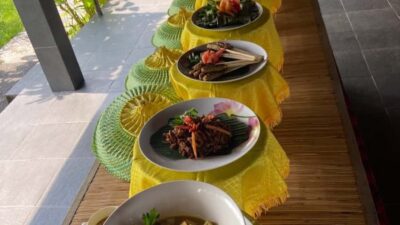
Once your cooking is underway, you’ll enjoy tasting along the way and then move into a buffet lunch at a Balinese house. This isn’t a tiny sample plate situation.
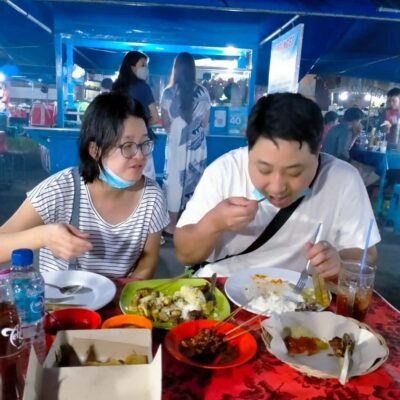
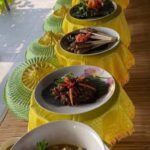
The buffet format matters for value because you’re not only learning how to make dishes; you’re also seeing how they work as a group meal. It’s the kind of meal that helps you understand what Balinese food feels like as a full table, not as individual cooking wins.
If you’ve ever left a cooking class hungry, you’ll appreciate the fact that the setup is explicitly built around eating your results.
The take-home payoff: PDF recipes you can reuse
After the cooking part, you’ll get a PDF with 9 recipe copies. This is one of the most practical parts for future-you. You can take photos while you cook, but written steps and ingredient lists are what let you recreate the dishes later.
I also like that the PDF matches the full set of dishes you cooked, so it’s not a generic recipe collection. If you want to practice one dish later, you can pick your favorite from the nine and go from there.
Price and logistics: does $58 make sense?
For about $58 and roughly 5 hours, this is good value if you want the full package: market context, hands-on cooking, and a meal.
Here’s what you’re effectively paying for:
- Hotel pickup and drop-off in Ubud center
- A driver and local guide
- Air-conditioned vehicle
- Welcome drink (cold ice tea), plus bottled water
- Food tasting and a buffet lunch
- Spice paste + 9 recipes cooking
- A PDF recipe guide
What’s not included is also clear: alcohol isn’t included (though it’s available to purchase), and if you’re outside the Ubud center pickup/drop-off zone, you may need to pay extra for transport.
If you compare this to booking a market tour plus a separate cooking class, this kind of combined schedule is often the smarter way to spend your day. You get both food discovery and cooking practice without juggling two providers.
Who should book this class (and who should think twice)
This is a strong match if:
- You want a small-group cooking experience where questions are doable.
- You enjoy learning flavor foundations like Balinese spice paste, not just recipe steps.
- You like family-style days: eat, cook, and then talk about what you learned.
It’s also a great option for families. One experience described a day trip for a couple with two children where the cooking class stood out as a highlight and created strong memories.
Think twice if:
- You’re very sensitive to spice. One review specifically said the food was too spicy to eat comfortably, even for spice lovers.
- You’re expecting a mild, kid-friendly menu by default.
- You want a fully private class. The group limit is small, but it’s still shared.
If you’re vegetarian, there’s a helpful note: you should request it one day before the class. That’s important, because the tour data doesn’t guarantee vegetarian adjustments without advance notice.
Should you book this Ubud Balinese cooking and market tour?
I’d book it if you want a real Balinese food day with hands-on cooking and a good chance of leaving with recipes you’ll use again. The mix of spice paste training, 9-dish cooking, and a buffet lunch gives you measurable value for a half-day schedule.
I’d only hesitate if heat is a dealbreaker for you. The best move is to go in expecting spice, and if you’re sensitive, speak up in advance so you’re not fighting your plate the whole time.
If you’re choosing between morning and afternoon, pick the morning if you want Tampaksiring market + rice paddies. Pick the afternoon if canang offering making feels like a priority. Either way, you’ll get the core cooking lesson: how Balinese flavors are built, one paste at a time.
FAQ
What is the duration of the Ubud Balinese cooking class with market tour?
The tour is approximately 5 hours.
Is hotel pickup included?
Yes, pickup and drop-off are included for Ubud center. If you are outside Ubud center, there may be additional charges for transport.
Does the tour include a market visit?
Yes, the traditional market visit is included for the morning class only, with a stop at the Tampaksiring village traditional market.
Do you visit rice paddies?
Yes, rice paddies are included for the morning class only.
Is canang offering making included?
Canang offering making is included for the afternoon class only.
How many people are in the group?
The group is limited to a maximum of 12 travelers.
What will I cook during the class?
You’ll cook 9 Balinese recipes. Examples listed include fried tempe, Balinese chicken, and vegetable soup, along with additional dishes to complete the 9 recipes.
Is there lunch or food included?
Yes. You’ll enjoy food tasting and a buffet lunch at a Balinese house.
Will I receive recipes to take home?
Yes, you’ll receive a PDF with 9 recipe copies.
Is alcohol included?
No. Alcoholic drinks are not included, but they are available to purchase.
Should I bring cash?
Yes, bring cash for buying something during the day and for any additional transport charges if you are outside Ubud center.
More to See and Do in Ubud





More Ubud Tours We Rate

Cook Balinese in Ubud
Just added around Ubud
- Ubud: White Water Rafting with visit Ubud Monkey Forest
★ 5.0 · 3 reviews - Private Guided Bali Car Charter
★ 5.0 · 3 reviews - East Bali and Lempuyang Temple Tour
★ 5.0 · 3 reviews - Bali Downhill Cycling and White Water Rafting
★ 5.0 · 3 reviews - Cave Tubing Adventure in Ubud
★ 5.0 · 3 reviews
Balinese Cooking Classes, compared.
 ★ 5.0Ubud Cooking Class Bali with Balinese ChefFrom $351,609 reviews
 ★ 4.9Cooking Class with Transfers and Optional Market VisitFrom $21824 reviews
 ★ 5.0PRIVATE Authentic Balinese Cooking Class in Ubud at Putu’s HomeFrom $75644 reviews
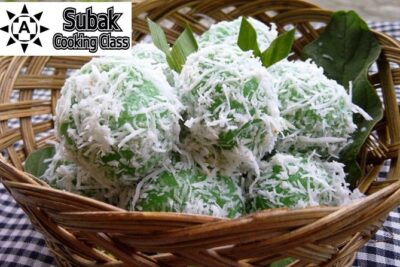 ★ 5.0Balinese Ubud cooking school (9 Dish Cooking and Market Tour)From $58540 reviews
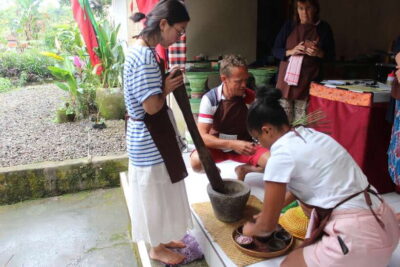 ★ 4.8Balinese Cooking Class and Market TourFrom $23531 reviews
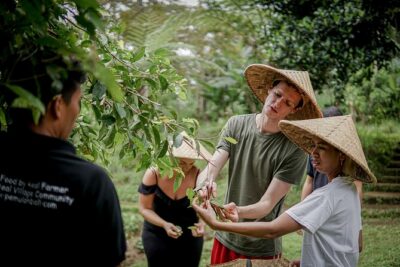 ★ 5.0Balinese Farm Cooking Class by Pemulan BaliFrom $39410 reviews
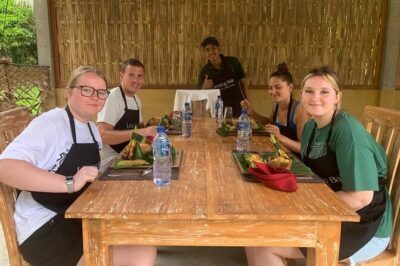 ★ 5.0Balinese Authentic Cooking Class in UbudFrom $39239 reviews
 ★ 5.0PRIVATE Balinese Cooking Class in Ubud with Dewa with TransfersFrom $69213 reviews
Browse the lists this tour appears in