
Reviewed · MARKETS
Ubud: Night Market Feast with Balinese Culinary Odyssey
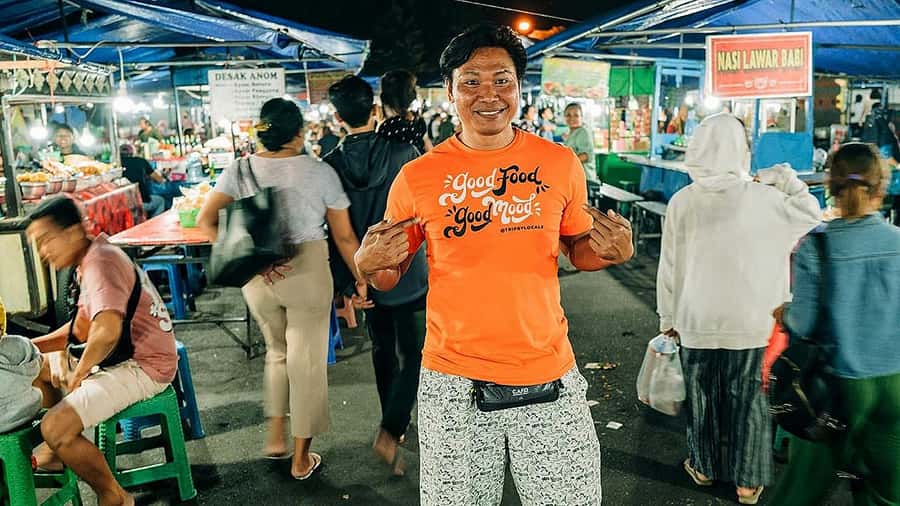
After-dark food in Ubud feels like insider access. This 2–4 hour walk with guide Nata takes you to a real night market in Gianyar where Balinese families eat after sunset, not a staged dinner. I love how the food is made fresh at the stalls, and I love that your guide helps you pick bites that actually fit what locals eat day-to-day.
The downside is the walking: the market gets crowded, it runs rain or shine, and you’ll want comfortable shoes and a flexible attitude about the pace.
In This Review
- Key things you’ll notice on this Balinese night market feast
- Why a Gianyar night market feels more local than dinner
- Your evening starts with herbal drinks and Balinese coffee
- Two hours of street food: how the market meal works
- The culture lesson: food tells you what daily life looks like
- Finding your comfort zone: private vs shared (and what changes)
- Private Transport option
- Shared group option
- Price and value: what $27 actually buys you
- Practical tips so the night market goes smoothly
- Bring cash
- Wear shoes you can walk in
- Dress for real weather
- Camera and phone
- Food allergies and dietary limits
- Use WhatsApp for coordination (especially for pickup)
- Who this tour is best for (and who should skip it)
- Should you book this Ubud night market feast?
- FAQ
- How long is the Ubud night market food experience?
- Is hotel pickup included?
- Do I need cash for this tour?
- Is the tour good for people with dietary restrictions or allergies?
- What should I bring and wear?
- Does it run in bad weather, and what’s the cancellation policy?
Key things you’ll notice on this Balinese night market feast
- A true after-sunset food stop: You’ll go where locals gather after work, school, and daily life.
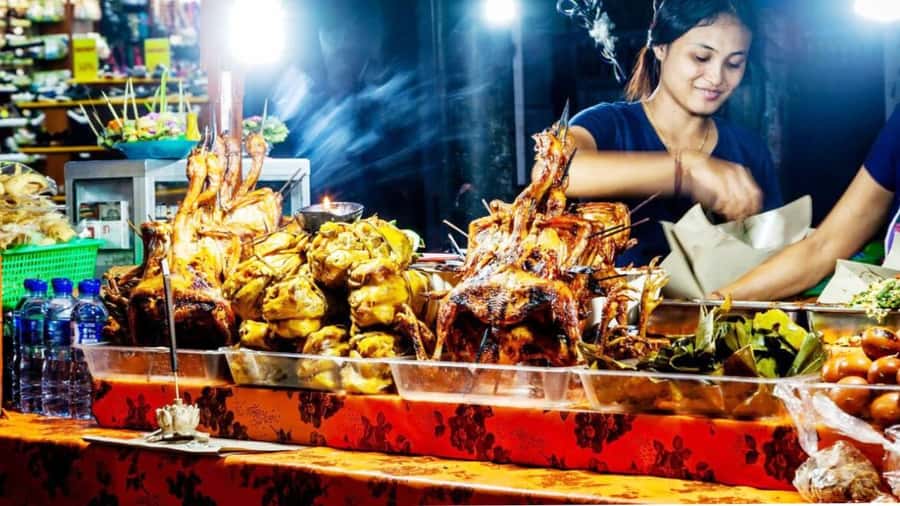
- Fresh cooking right in front of you: Vendors prepare food live at the stalls, so you taste what’s hot and just made.
- Herbal and coffee tasting to start: Traditional herbal tea and Balinese coffee tasting are included in the Private Transport option only.
- Culture explained through food: You’ll learn how herbs, spices, and simple ingredients show up in daily habits and traditions.
- Food choices guided in real time: Your host can adapt recommendations to preferences and dietary needs you share ahead of time.
- Two tour styles: Private (with optional pickup) or a shared group format where you meet at the meeting point.
Other Ubud tours and experiences to line up next
- Ubud: Cooking Class with Transfers and Optional Market Visit★ 4.9 · 824 reviews
- Balinese Ubud cooking school (9 Dish Cooking and Market Tour)★ 5.0 · 540 reviews
- Ubud: Balinese Cooking Class and Market Tour★ 4.8 · 531 reviews
- Balinese Cooking class with traditional morning market visit★ 5.0 · 161 reviews
Why a Gianyar night market feels more local than dinner
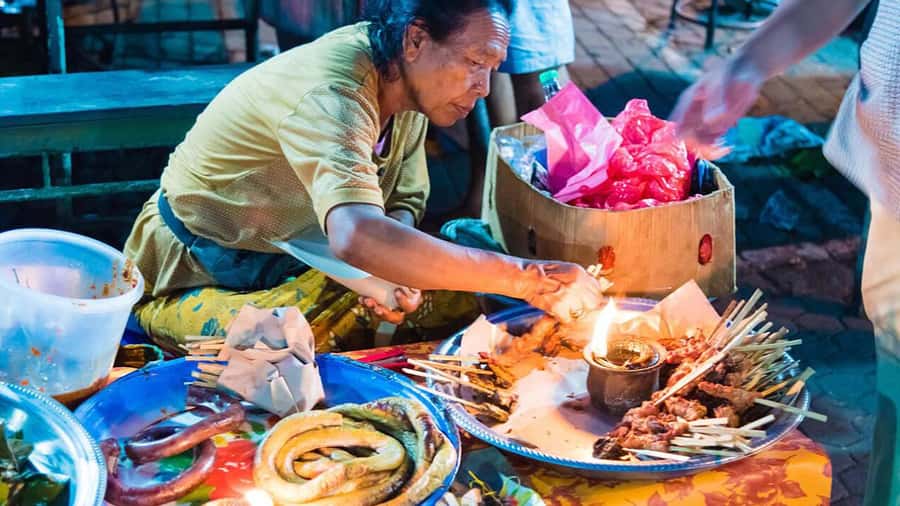
Ubud gets all the headlines, but the real food heartbeat often lives just outside it. This experience focuses on Gianyar’s evening food scene, where you’ll see families, workers, and students gathering after dark to eat like it’s part of their routine. That matters because Balinese food isn’t just about flavor—it’s tied to timing, community, and what people need after a long day.
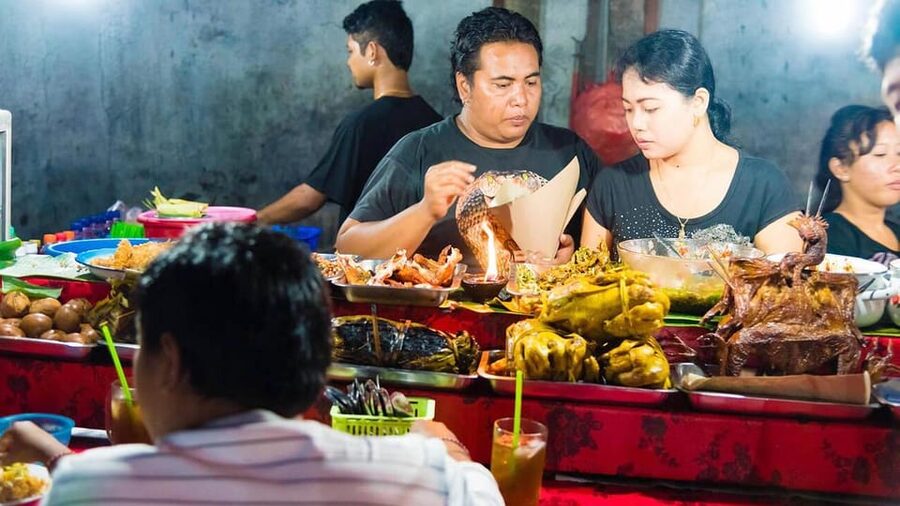
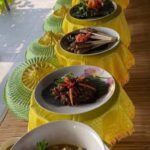
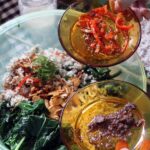
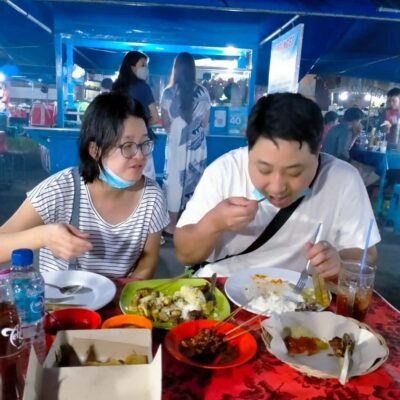
I like that you’re not stuck in one restaurant with a fixed menu. Instead, you walk through a working night market and sample a range of street foods, including grilled items, savory plates, and sweet treats. It’s the kind of dinner where you can actually watch how the food gets built, from ingredients to the final bite.
Your evening starts with herbal drinks and Balinese coffee
Before the night market action kicks in, you begin with a tasting of traditional Balinese herbal drinks and local coffee. Think warm, aromatic, and practical—this is the stuff locals enjoy as part of everyday life, not a one-time tourist gimmick.
A useful detail: the herbal tea and coffee tasting is listed as available in the Private Transport option only. If you choose the shared group format, don’t assume you’ll get this step—so check the option you book if coffee and herbal drinks are a must for you.
Your guide also sets context. You’ll hear how herbs, spices, and simple ingredients create Balinese flavors, and why those ingredients show up again and again. Even if you don’t know the names yet, you’ll start noticing patterns once you hit the stalls—earthy notes, fragrant spice blends, and the balance between savory and sweet.
Two hours of street food: how the market meal works
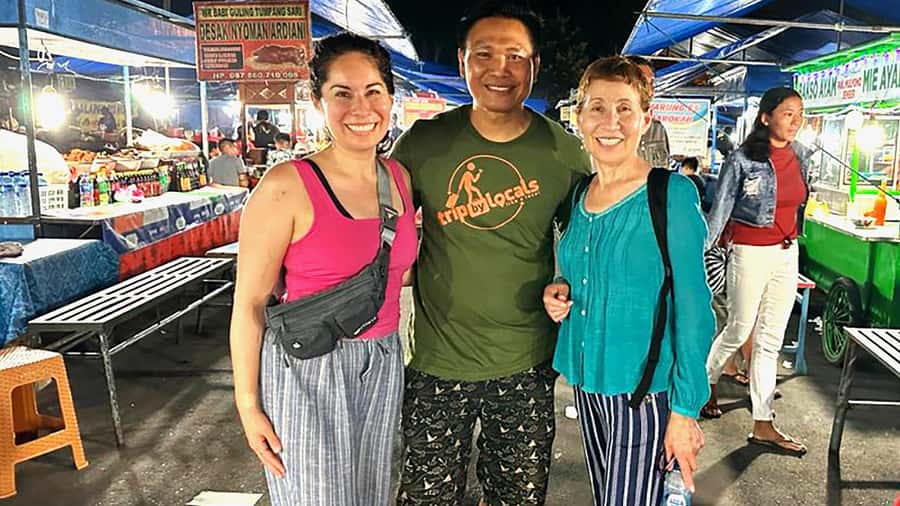
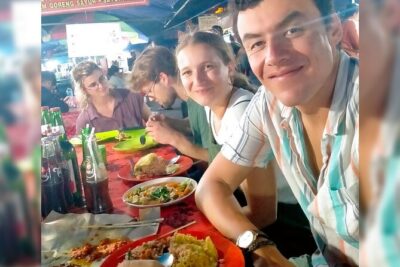
Once the evening is underway, you explore a real local night market where people eat after sunset. This isn’t a “look but don’t touch” situation. You’re there to taste, and the plan is built around variety and freshness.
Here’s what you can expect as you walk:
- You’ll sample a selection of local street food from nearby stalls.
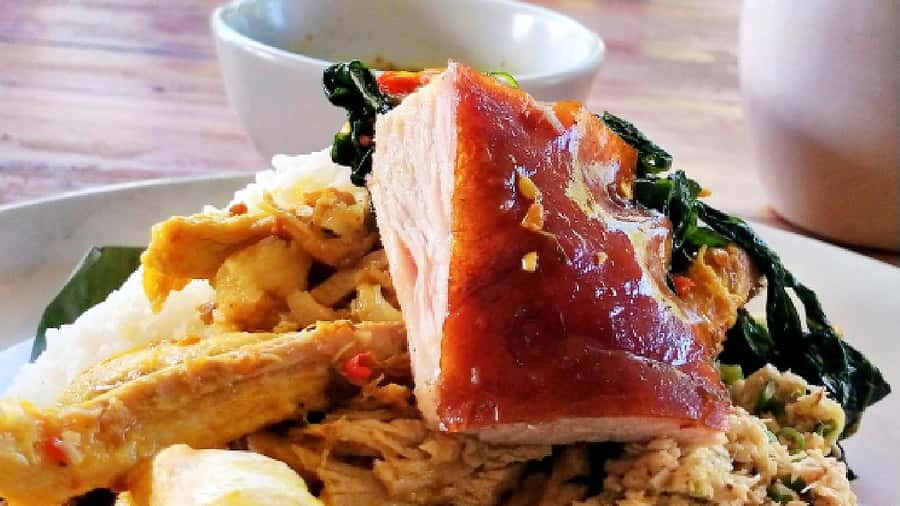
- You’ll likely try grilled items and savory dishes, plus desserts or sweet treats.
- Your guide explains what you’re eating—how it’s prepared, what it’s made from, and when locals usually eat it.
One of the highest-praise parts of the experience is the fact that you eat far beyond typical tourist expectations. The guide steers you toward favorites and foods you might not even notice on your own. With guide Nata specifically, the feedback highlights how helpful the explanations are and how much there is to taste when someone points the way.
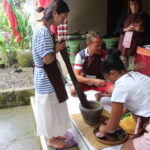
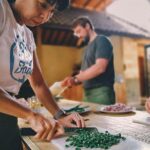
Also, you can often see vendors working right in front of you. That’s not just entertaining—it helps you understand why the flavors are what they are. You’re not guessing. You’re watching.
Other Ubud tours and experiences to line up next
The culture lesson: food tells you what daily life looks like
The best food tours don’t just hand you snacks. They explain the reason behind the snack. In this experience, your guide ties what you’re tasting to culture and daily tradition.
You’ll learn how Balinese food reflects everyday life, community routines, and cultural practices—including when certain dishes show up and what they mean in local life. Your guide also walks you through how recipes connect to herbs and spices used in everyday cooking, and you’ll hear how simple ingredients can create big flavor when they’re combined the Balinese way.
In plain terms, this is how you stop treating Balinese food like a mystery box. By the end, you’re better at reading menus, spotting ingredients, and understanding why certain flavors feel familiar even if you’ve never tried the dish before.
Finding your comfort zone: private vs shared (and what changes)
You’ll want to choose your style based on how you like to travel.
Private Transport option
The Private Transport option includes hotel pickup and drop-off (for private tours). It also includes the herbal tea and traditional Balinese coffee tasting as part of the experience. If you’re staying outside central Ubud, there may be an extra pickup/drop-off fee—so factor that in.
This format can be a good choice if you want a calmer pace, more flexibility with food choices, or if you’d rather not navigate meeting points at night.
Shared group option
The shared format has a more “show up and go” feeling. Hotel pickup isn’t included, and you meet at the designated meeting point. Since this option doesn’t include transportation, getting there on time is on you.
If you’re comfortable meeting people in the evening and you want the social vibe of a small group, this can still be a great value route.
Price and value: what $27 actually buys you
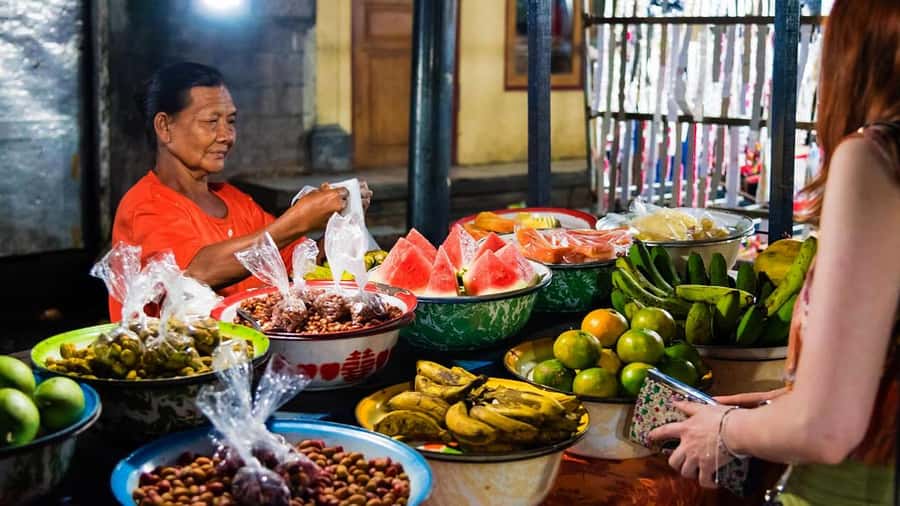
At $27 per person for a 2–4 hour experience, you’re paying for more than food. You’re paying for a local host, guided tastings across multiple stalls, and cultural context that helps the night market make sense.
Street food can be cheap if you’re brave and confident. The real cost is time—time to figure out what’s good, where to go, and what to order. This tour compresses that learning curve. It also adds value by helping you choose dishes you likely wouldn’t find on your own, especially in a busy market.
It’s also worth noting what isn’t included: alcohol (like beer) and any personal purchases. You should expect this to be a food-tasting experience rather than an all-you-can-drink bar night. You’ll taste selected items from stalls, and you may eat a satisfying amount—one review-style takeaway from the feedback is that people often end up eating more than they planned because everything is so tempting.
For me, the best way to judge value is this: if you want a guided night market dinner where you understand what you’re eating, $27 usually feels fair. If you’d rather just roam independently and pick favorites at your own pace, you may decide you can do it cheaper—but you’ll pay with guesswork.
Practical tips so the night market goes smoothly
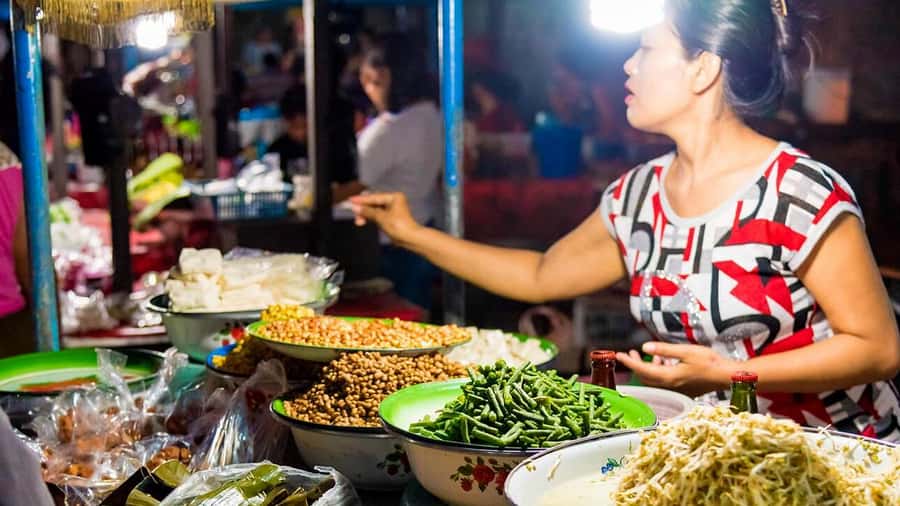
This is a street-food walk. A few prep steps make a big difference.
Bring cash
Most night market vendors do not accept cards, so bring cash. If you show up card-first, you risk missing tastings or needing to scramble to withdraw money.
Wear shoes you can walk in
You’ll be walking through a lively local night market that can get crowded. Comfortable shoes are not optional here. If you’ve got balance issues, back problems, or mobility limits, this may be a tough fit.
Dress for real weather
The experience runs rain or shine, except during major Balinese religious holidays. So bring comfortable clothes that handle humidity and sudden showers.
Camera and phone
Have your phone ready for photos, because you’ll be seeing food prep up close. And you’ll want to remember which stalls gave you your favorite flavors.
Food allergies and dietary limits
You should inform the operator in advance about any food allergies or dietary restrictions. The important catch: some foods may contain peanuts, spices, or coconut-based ingredients. And the experience is listed as not suitable for people with food allergies.
If you’re trying to be cautious rather than totally avoiding ingredients, still share your needs early. Your guide can adapt recommendations when possible, but if you have a true allergy, treat the official guidance seriously.
Use WhatsApp for coordination (especially for pickup)
For pickup coordination and live updates, you’ll be asked to provide an active WhatsApp number during booking. This matters because night logistics can change quickly.
Who this tour is best for (and who should skip it)
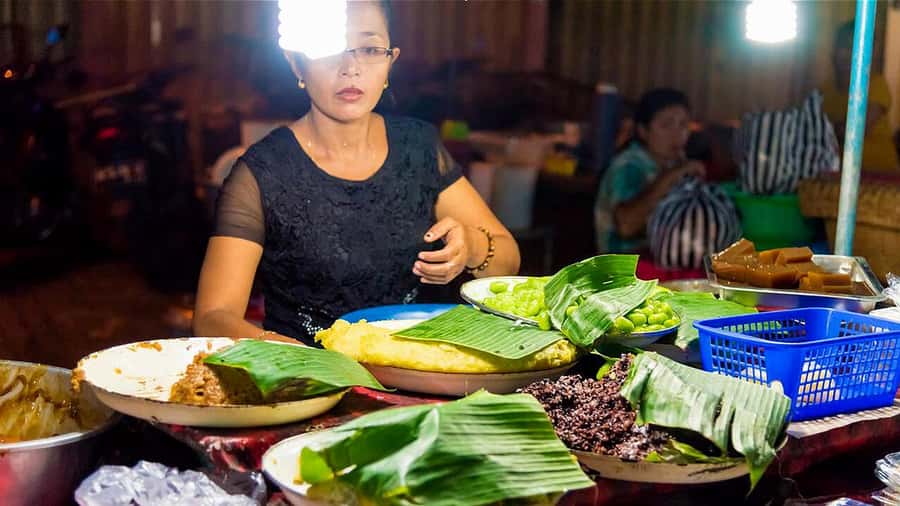
This is a great match if you want:
- Balinese street food that feels local, not generic.
- A guided experience so you know what to eat and why it tastes the way it does.
- A lively evening plan in Gianyar that connects food with culture and daily routine.
It may not be the best match if you:
- Need wheelchair access or have mobility impairments.
- Have back problems or heart problems that make crowded walking hard.
- Have food allergies (the tour is not suitable for them).
- Are traveling with very young children (not suitable for children under 3 years).
Should you book this Ubud night market feast?
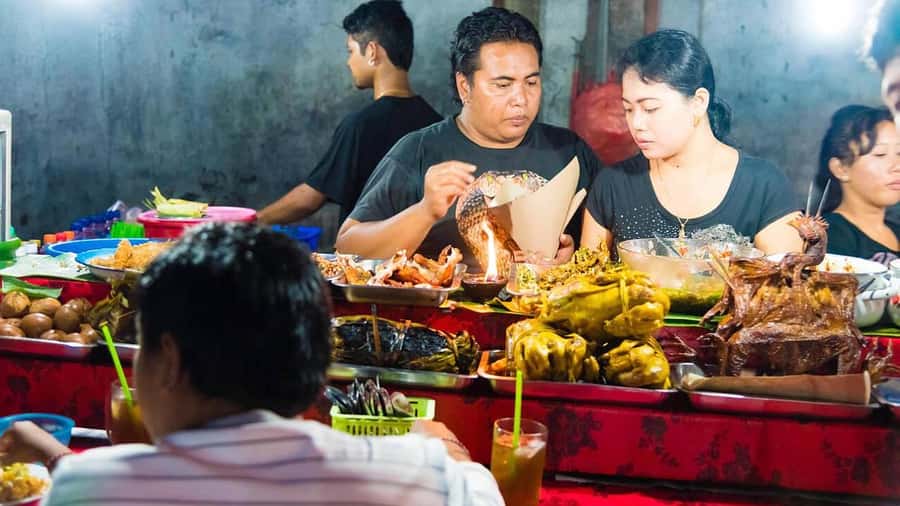
I’d book it if you like street food and you want more than just eating—you want understanding. The standout strength is the combination of fresh market cooking and a guide who explains how Balinese flavors connect to daily traditions. If you choose the Private Transport option, the herbal tea and Balinese coffee tasting is a nice extra start to the evening.
Skip it (or at least reconsider) if walking crowds are a major issue for you, or if you have a real food allergy. This is an after-dark market experience, so comfort and safety come first.
If you’re deciding between private and shared, ask yourself what matters more: pickup convenience and included coffee/herbal tasting, or a lower-commitment meet-at-the-point style. Either way, bring cash, wear good shoes, and go hungry.
FAQ
How long is the Ubud night market food experience?
The duration is listed as 2 to 4 hours, depending on the starting time and the option you choose.
Is hotel pickup included?
Hotel pickup and drop-off are included only for the Private Transport option. For the Shared Group option, hotel pickup is not included, and you meet at the designated meeting point.
Do I need cash for this tour?
Yes. Bring cash, since most night market vendors do not accept cards.
Is the tour good for people with dietary restrictions or allergies?
You should inform the operator in advance of any food allergies or dietary restrictions. Some foods may contain peanuts, spices, or coconut-based ingredients. The experience is also listed as not suitable for people with food allergies.
What should I bring and wear?
Wear comfortable walking shoes and comfortable clothes. Bring a camera (phone is fine), and bring cash. A bottle of water is provided.
Does it run in bad weather, and what’s the cancellation policy?
It runs rain or shine except during major Balinese religious holidays. There’s free cancellation up to 24 hours in advance for a full refund.
Market Mornings in Ubud

More Shopping Tours in Ubud
More Ubud Tours We Rate





Just added around Ubud
- Ubud: White Water Rafting with visit Ubud Monkey Forest
★ 5.0 · 3 reviews - Private Guided Bali Car Charter
★ 5.0 · 3 reviews - East Bali and Lempuyang Temple Tour
★ 5.0 · 3 reviews - Bali Downhill Cycling and White Water Rafting
★ 5.0 · 3 reviews - Cave Tubing Adventure in Ubud
★ 5.0 · 3 reviews
Markets, compared.
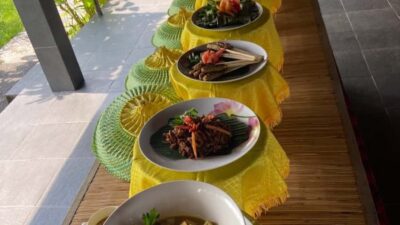 ★ 4.9Cooking Class with Transfers and Optional Market VisitFrom $21824 reviews
 ★ 5.0Balinese Ubud cooking school (9 Dish Cooking and Market Tour)From $58540 reviews
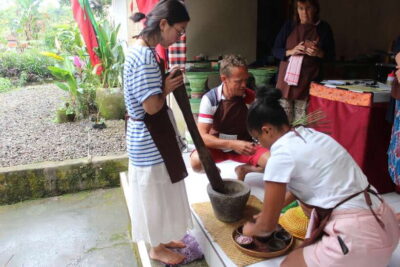 ★ 4.8Balinese Cooking Class and Market TourFrom $23531 reviews
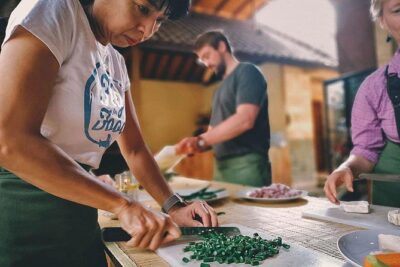 ★ 5.0Balinese Cooking class with traditional morning market visitFrom $35161 reviews
 ★ 5.0PRIVATE Ubud Market Tour & Balinese Cooking Class with PutuFrom $95125 reviews
 ★ 4.4Ubud Traditional Night Market Food Tour-All InclusiveFrom $4395 reviews
 ★ 5.0Ubud Cooking Class with Optional Market Visit Pickup IncludedFrom $1870 reviews
 ★ 5.0Balinese Cooking Class with Traditional Market TourFrom $5866 reviews
Browse the lists this tour appears in