
Reviewed · BALINESE COOKING CLASSES
Balinese Cooking Class / Market Buy ~ Cook ~ Eat.Learn to cook authentic Balinese food!With happy recipe / Round trip hotel transfer included
Cooking class hits different in Ubud. This Balinese experience is built around the full flow: shopping for ingredients (on the morning option), cooking step-by-step, then eating what you make—plus hotel round-trip transfers so you spend less time figuring things out.
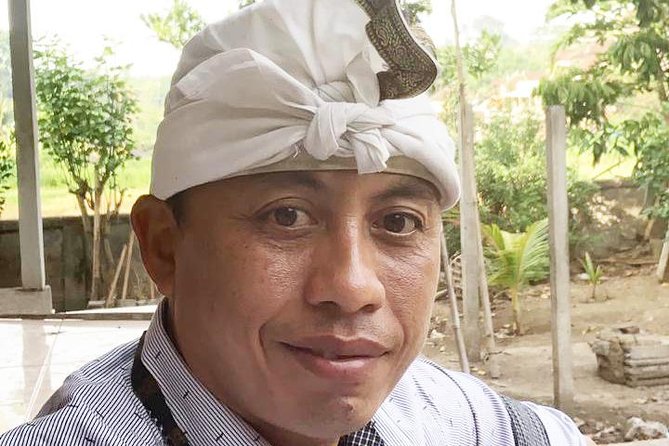
I especially like the hands-on teaching. The guide Art is singled out for clear explanations, fun stories, and even practical phone-camera tips, so you come away with both recipes and photos that don’t look like they were taken mid-tumble.
The one thing to watch: temple entrance fees and parking aren’t included, and you’ll be moving around places with stairs. Bring comfortable shoes and dress conservatively for temple areas, or you may be turned away at the gate.
In This Review
- Key highlights at a glance
- A market-to-pan class makes Balinese food click
- Price and what your $94.85 actually covers
- Pickup and timing: morning vs afternoon is a real decision
- Your cooking class: what you learn beyond the recipe
- Lunch with results: eating what you made
- Afternoon sightseeing after cooking: rice terraces and swings
- Tegallalang rice terraces
- Bali Swing area (optional parts)
- Luwak coffee (optional)
- Monkey Forest and Ubud’s temple-and-palace zone
- Monkey Forest Temple area
- Ubud Royal Palace
- Water Palace / Saraswati Temple
- Ubud market and Freedom Walk: easy extras, not must-dos
- Ubud Market
- Ubud Freedom Walk
- What to wear and bring for comfort (and to avoid gate trouble)
- Should you add a merukat-style bathing experience?
- Who this tour is best for
- Should you book this Balinese cooking class in Ubud?
- FAQ
- How long is the Balinese cooking class experience?
- Do I get hotel pickup and drop-off?
- Is the market shopping included?
- Is lunch included?
- Are temple entrance fees included?
- Is this tour private?
- What if the time runs over?
- FAQ
- Can I cancel for a full refund?
Key highlights at a glance
- Market shopping (AM class): you can pick ingredients at a local market before cooking when you choose the morning schedule.
- Private group setup: it’s only your group, so the pacing feels more personal than a packed bus tour.
- Real cooking methods: you learn how Balinese dishes are built, not just how to follow a recipe.
- Transfer included, even if hotels differ: pickup and drop-off can be different hotels—use the car efficiently.
- Optional Ubud add-ons (PM option): rice terraces, swings, Monkey Forest area, and more fit into the longer afternoon window.
- Guides with practical extras: Art’s phone-camera tips and Kutu’s extra guidance for other Balinese practices (if you choose to add them) are both mentioned.
Market basket to banana-leaf plate. More Ubud cook-alongs.
- Ubud Cooking Class Bali with Balinese Chef★ 5.0 · 1,609 reviews
- Ubud: Cooking Class with Transfers and Optional Market Visit★ 4.9 · 824 reviews
- PRIVATE Authentic Balinese Cooking Class in Ubud at Putu’s Home★ 5.0 · 644 reviews
- Balinese Ubud cooking school (9 Dish Cooking and Market Tour)★ 5.0 · 540 reviews
A market-to-pan class makes Balinese food click
Balinese cooking is not just about tasty results. It’s about timing, texture, and the way flavors are layered—often starting with fresh ingredients and spices you actually recognize. This experience is designed around that logic: you start with food and methods, then you cook it yourself, and you finally eat the finished dishes.
If you pick the morning class, you’ll also have market time. That matters because you’re not cooking with a vague idea of what you bought—you’re seeing the ingredients up close, then using them within the same day. It also gives you a more grounded feel for Ubud before you head into sightseeing.
In the afternoon option, the experience leans more toward cooking plus additional Ubud stops. You may miss the market element, but you still get the main point: learning how the food comes together and tasting it right away.
Price and what your $94.85 actually covers
At $94.85 per person, the value comes from what’s bundled. You’re not only paying for the cooking school. You’re also getting:
- Round-trip hotel transfers in an air-conditioned vehicle
- A driver who speaks Japanese and English
- A lunch included
- The cooking school fee
That’s important in Ubud, where “cheap” tours can turn expensive once you add cars, guides, and admission fees. Here, the transportation and core class cost are already built in.
What isn’t included is where you need to plan a little: temple entrance fees, parking fees, tolls (if any), dance fees, and souvenirs. That’s pretty standard for Bali sightseeing, but it’s still real money. If you want to spend time in temples and multiple stops, it helps to assume you’ll pay some extras on top.
Pickup and timing: morning vs afternoon is a real decision
This is usually a 5 to 8 hour outing, and timing affects how you’ll feel afterward.
Morning option (a typical flow):
- Pickup around 07:00
- Market shopping (only with the morning schedule)
- Cooking starts, then you return
Afternoon option (a typical flow):
- Pickup around 13:00
- Cooking starts, then you add sightseeing stops
You can also arrange things after the experience, especially with the morning class. The transportation is included, so you can use the car efficiently without feeling like you need to instantly return to your hotel and lose the rest of the day.
One more practical note: it’s set up as a private tour/activity for your group. That generally means less waiting around than group tours, and it makes it easier to ask questions without your guide tuning out to the next family’s schedule.
If the day runs long, there’s an extra 1,000 yen per hour charge. It’s not something you plan for, but it’s good to know if you’re the type who adds spontaneous detours.
Other Ubud tours and experiences to line up next

Your cooking class: what you learn beyond the recipe
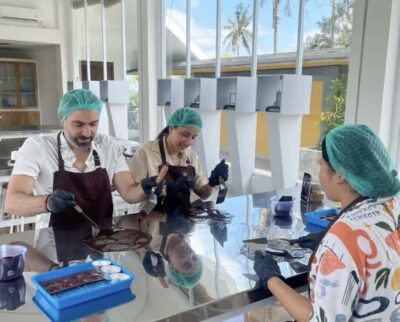
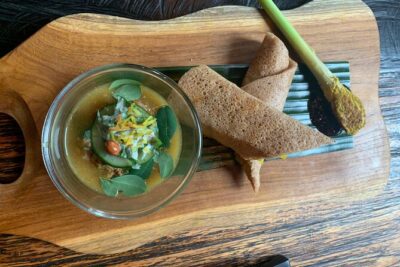
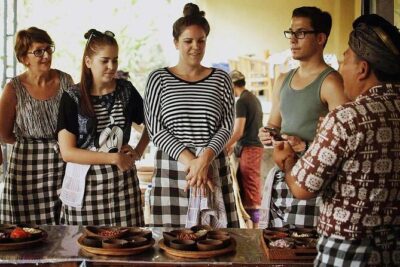
The core experience is straightforward in the best way: you learn Balinese cooking methods, cook your own food, and then you eat it. The “your own food” part is the difference between a cooking demo and a true class.
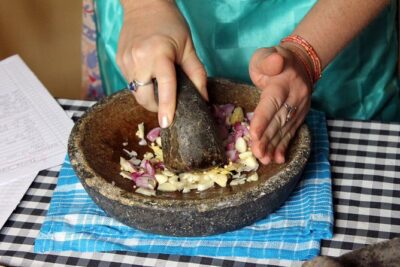
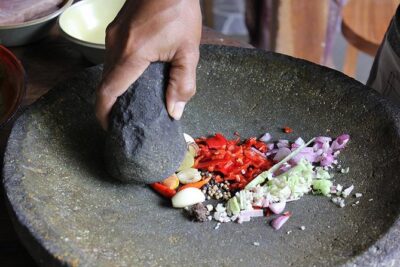
I like this format because it’s not just instruction. It’s muscle memory. When you stir, grind, season, and plate with guidance, the steps stop being theoretical. You’re also more likely to remember what to do next time at home.
The guide experience is another big deal. Art stands out for storytelling and facts, not dry lecture-style teaching. If you care about photography, that same guide also gave tips for using your phone camera so the class moment looks as good as the meal.
The setting also gets positive remarks for practical comfort. One review specifically mentioned very tidy toilets and a good pool area at the venue, which sounds like a small detail until you’re in a hot climate and want a place to reset between activities.
Lunch with results: eating what you made
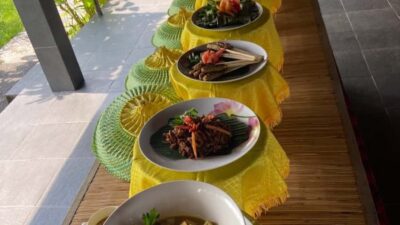
You’ll eat during the tour, and since you cooked it, lunch stops being “just lunch.” It becomes a feedback loop. You can taste the balance of spice, salt, and aroma, then ask your guide why a step matters.
That’s the kind of learning that sticks. Even if you don’t cook the exact same dish later, you’ll understand the method behind the flavor.
Also, because lunch is included, you don’t have that awkward search for food while everyone’s tired. You already have a plan, and the timing is built into the class.
Afternoon sightseeing after cooking: rice terraces and swings
If you choose the longer afternoon option, the cooking class is paired with Ubud sights. You’ll likely see:
Tegallalang rice terraces
Rice terraces in Bali are more than a photo backdrop. Standing there helps you understand why water, land shape, and farming traditions matter in daily life. The view is dramatic, but the practical side is that you’ll want good shoes. Uneven paths and steps can be real.
Bali Swing area (optional parts)
Swing experiences can be fun, and they also move quickly into “wear what you can jump in” territory. This portion is presented as optional, including Big Swing style activity. If you’re into that kind of thrill and you don’t mind straps and photo time, it can add energy to the day.
If you’re not a swing person, you can treat this as a viewpoint stop and move on without making it the whole trip.
Luwak coffee (optional)
Coffee stops in Ubud can be polarizing, but the listing here clearly frames it as optional. If you want a quick tasting story, you can go with it. If not, you don’t have to build your whole schedule around it.
Monkey Forest and Ubud’s temple-and-palace zone
A classic Ubud combo is temples plus nearby neighborhoods, and this afternoon route fits that mold.
Monkey Forest Temple area
Monkey Forest is famous for, well, monkeys—and for the temple setting. The key practical point is that you’ll be around an active environment. Expect small movements, some crowds in peak hours, and plenty of “look out” moments.
From a planning standpoint: keep your belongings secure and stay aware of the route. Also, bring patience for brief delays if people stop for photos.
Ubud Royal Palace
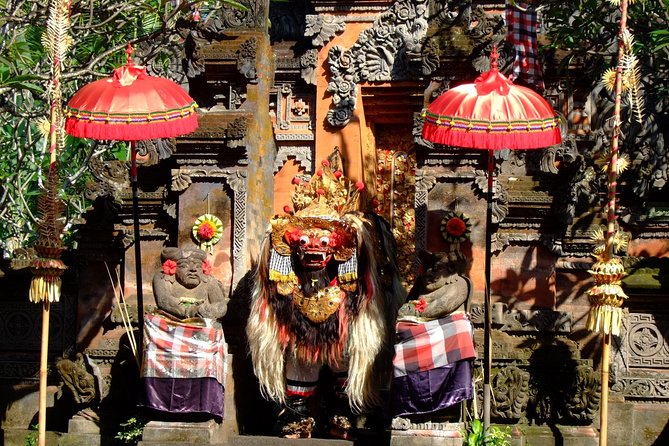
This stop brings cultural weight in a way that’s easy to understand just by looking around. It’s not just a building; it’s a reminder that the Ubud region has long been a center for ceremony and community life.
Water Palace / Saraswati Temple
This area is tied to water and learning symbolism. Even if you’re not chasing every meaning, it’s a calm pause in a busy day—good for photos and slower walking.
Temple etiquette matters here. The guidance is clear: avoid skin-exposed clothing in temple areas, and entrance may not be possible if you don’t dress appropriately. You don’t need fancy clothes. You do need covered shoulders and not-too-revealing outfits.
Ubud market and Freedom Walk: easy extras, not must-dos
You’ll also pass through:
Ubud Market
This is where shopping feels real—stuff people actually buy, not just a curated souvenir stand. If you want snacks, fruit, or small gifts, this can be a practical stop.
It’s also a good “reset” between temple areas. You can browse without a rigid schedule.
Ubud Freedom Walk
This is presented as part of the afternoon flow, and it’s one of those places that can feel more about the walk and the views than a single monument. It also ties to the note that the tour does not guarantee the effectiveness of the Power Spot idea. Translation: treat it as a fun, local belief or photo ritual, not something you should expect to work like a switch.
What to wear and bring for comfort (and to avoid gate trouble)
This experience includes temple visits in the afternoon option, plus sightseeing paths. So pack for movement.
- Wear comfortable shoes, especially if you’re worried about stairs.
- Avoid skin-exposed clothing in temple areas. If you show up dressed for the beach, you may be blocked.
- Bring water, even though the tour includes lunch. In Bali heat, you’ll still want it.
Also, since part of the route is optional (like swing and coffee), you can save energy. Don’t overbook yourself mentally for this day—choose what you actually feel like doing.
Should you add a merukat-style bathing experience?
One of the supplied notes mentions a merukat (ablution) experience with a guide named Kutu, described as rare and guided properly. That detail is useful because it highlights something about this kind of tour operator: they may help you find culturally respectful add-ons beyond the “big list” stops.
Still, don’t assume it’s part of this cooking tour package. If you’re interested, treat it as a possible add-on to arrange around your day once you’re in Ubud. The cooking class ending early (morning option) can make it easier to fit in an extra cultural experience.
Who this tour is best for
This is a great fit if you want:
- Hands-on learning and a meal you helped make
- A guide who can explain culture and methods in a way you can remember
- Hotel pickup that removes friction from your Ubud day
It’s especially useful if it’s your first trip to Ubud and you’d rather not plan transportation plus separate activities. The private-group setup helps keep things flexible.
If you’re strictly price-shopping and you already plan to hire a scooter or driver, the bundle might feel less necessary. But if you value time and ease, the included car and transfers can easily justify the cost.
Should you book this Balinese cooking class in Ubud?
Book it if you want a real cooking day with hotel transfers, lunch, and method-based instruction, and you like the idea of adding Ubud sights afterward if you choose the afternoon option.
Skip or rethink it if you’re mainly chasing temples and admissions already in your budget. Entrance fees and other extras aren’t included, so you’ll need to factor those in.
One final tip: pick the morning class if market shopping sounds like part of the story. Pick the afternoon class if you want a fuller Ubud sightseeing arc without organizing cars and timing yourself. Either way, you’ll leave with food skills you can actually use, not just a list of places you briefly passed.
FAQ
How long is the Balinese cooking class experience?
It runs about 5 to 8 hours, depending on the chosen schedule and what happens during the day.
Do I get hotel pickup and drop-off?
Yes. Round-trip transfers are included, and pickup and drop-off hotels can be different.
Is the market shopping included?
Market shopping is included only with the morning class option.
Is lunch included?
Yes. Lunch is included with the experience.
Are temple entrance fees included?
No. Temple entrance fees (and other fees like parking or souvenirs) are not included.
Is this tour private?
It’s set up as a private tour/activity, with only your group participating.
What if the time runs over?
If the tour time is over, an additional 1,000 yen per hour is required.
FAQ
Can I cancel for a full refund?
Yes. You can cancel up to 24 hours in advance for a full refund. Cancellation less than 24 hours before the start time is not refundable.
Bites & Drinks in Ubud

More Ubud Tours We Rate



Cook Balinese in Ubud
Just added around Ubud
- Ubud: White Water Rafting with visit Ubud Monkey Forest
★ 5.0 · 3 reviews - Private Guided Bali Car Charter
★ 5.0 · 3 reviews - East Bali and Lempuyang Temple Tour
★ 5.0 · 3 reviews - Bali Downhill Cycling and White Water Rafting
★ 5.0 · 3 reviews - Cave Tubing Adventure in Ubud
★ 5.0 · 3 reviews
Balinese Cooking Classes, compared.
 ★ 5.0Ubud Cooking Class Bali with Balinese ChefFrom $351,609 reviews
 ★ 4.9Cooking Class with Transfers and Optional Market VisitFrom $21824 reviews
 ★ 5.0PRIVATE Authentic Balinese Cooking Class in Ubud at Putu’s HomeFrom $75644 reviews
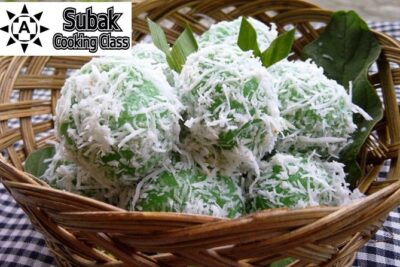 ★ 5.0Balinese Ubud cooking school (9 Dish Cooking and Market Tour)From $58540 reviews
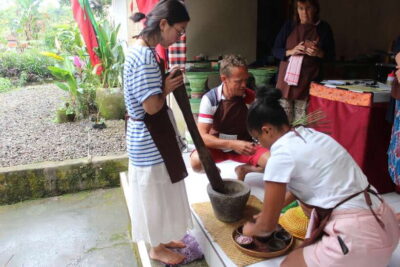 ★ 4.8Balinese Cooking Class and Market TourFrom $23531 reviews
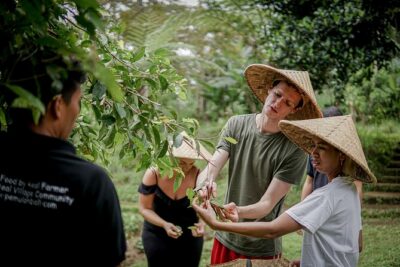 ★ 5.0Balinese Farm Cooking Class by Pemulan BaliFrom $39410 reviews
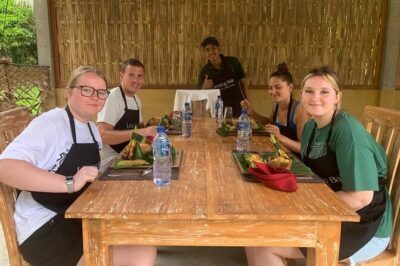 ★ 5.0Balinese Authentic Cooking Class in UbudFrom $39239 reviews
 ★ 5.0PRIVATE Balinese Cooking Class in Ubud with Dewa with TransfersFrom $69213 reviews
Browse the lists this tour appears in