
Reviewed · FOOD & DRINK
Ubud: Chocolate Workshop, Class & Tasting
Chocolate in Bali is nice. Learning how it’s made is better. At Tebasari Coffee & Chocolate in Ubud, you get a calm cacao plantation start and a hands-on chocolate-making class with a tasting that actually teaches you how to notice flavor and texture.
I especially like that the session is set up for real participation (melting, mixing, molding, topping) and not just watching. I also like the practical, friendly vibe from the English-speaking team, including how they handle kids when the weather turns wet. One possible drawback: if you’re expecting a long, slow, step-by-step, from-the-bean-to-bars experience, keep your expectations aligned and ask what the workshop covers before you go.
In This Review
- Key things to know before you book
- Where the chocolate experience starts in Ubud (Tebasari)
- The cacao plantation tour: what you learn and what to watch for
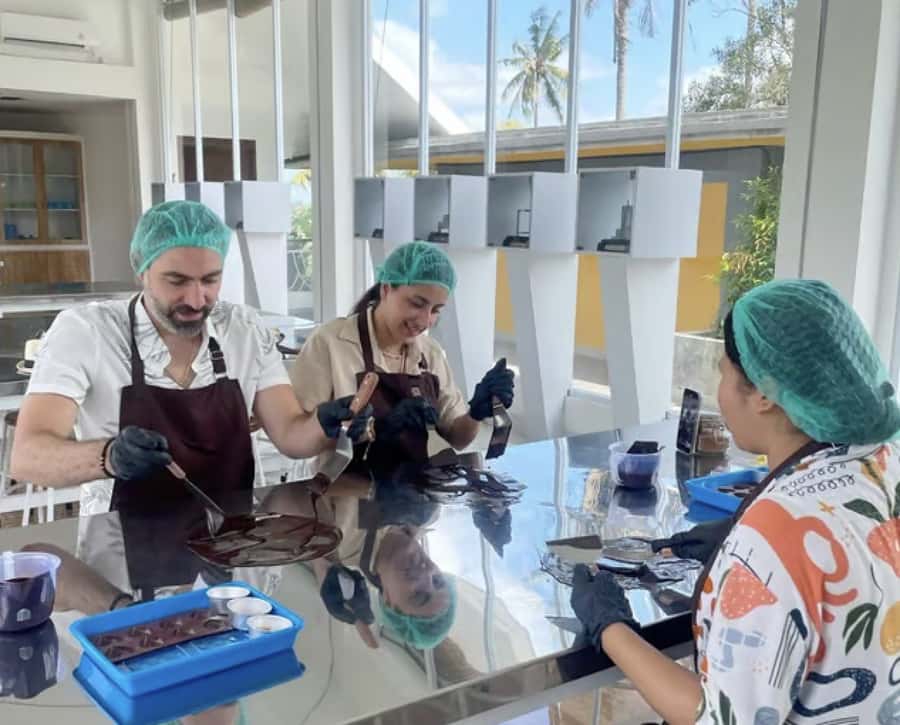
- Hands-on chocolate making: melt, mix, mold, and customize
- The topping bar that makes it feel personal
- Chocolate tasting: how to notice flavor and texture
- Kid-friendly in practice: chocolate painting and weather-proof fun
- When the day includes Ayung River rafting
- Price and value: what $24 really buys you
- Who should book this Ubud chocolate workshop
- Practical tips so your class goes smoothly
- Should you book? My decision guide
- FAQ
- How long is the chocolate workshop in Ubud?
- Where does the class take place?
- Is there hotel pickup in Ubud?
- Is the instructor and staff English-speaking?
- Is the activity wheelchair accessible?
- What should I bring and wear?
Key things to know before you book
- Tebasari Coffee & Chocolate as your base: photo stop plus a guided start right at the venue in Ubud.
- A real making section: melt, mix, and mold, plus you’ll create and drink chocolate.
- Tasting with a purpose: you’ll sample freshly made chocolate and learn to spot differences in flavor and texture.
- Kid-friendly activities: chocolate painting for kids uses no mold, plus topping options.
- Optional rafting time: some versions of the day add Ayung River rafting for about two extra hours.
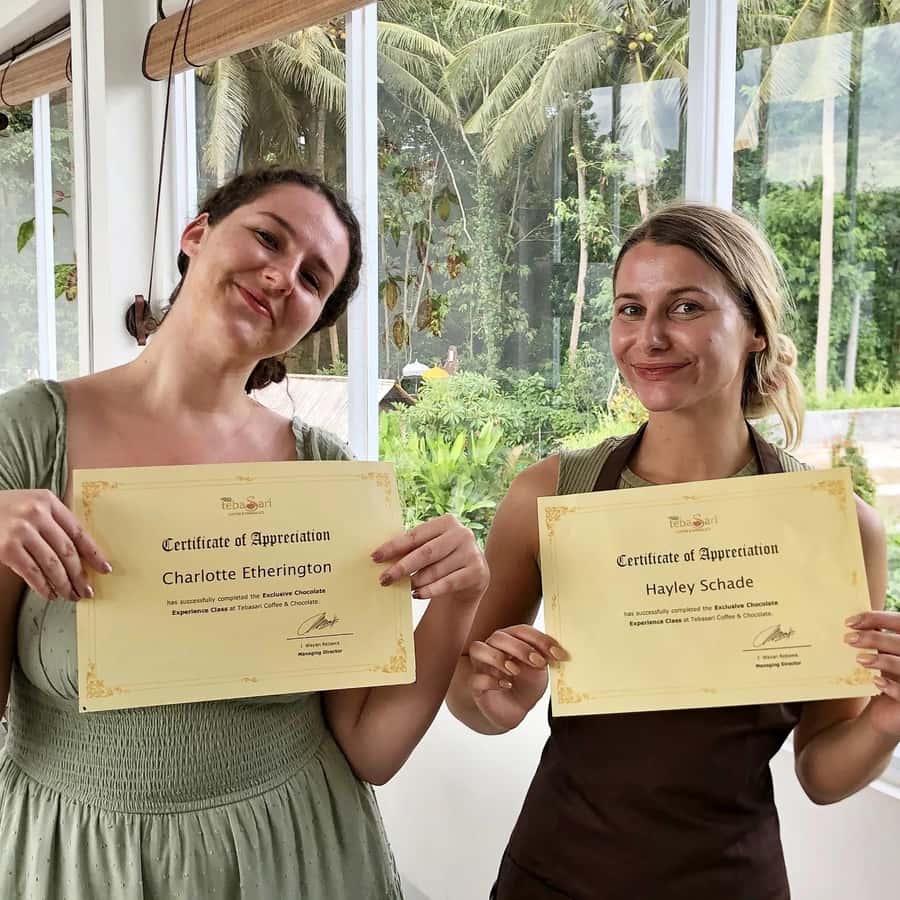
- English support + certificates: English-speaking staff and an appreciation certificate after the class.
Other Ubud tours and experiences to line up next
- Ubud Traditional Night Market Food Tour-All Inclusive★ 4.4 · 95 reviews
- Bali Food Tour: Savor Street Food and Night Market Adventures★ 5.0 · 46 reviews
- Ubud: Chocolate Workshop, Class & Tasting★ 4.1 · 18 reviews
- Bali – Ubud Night Market Food Tour★ 3.8 · 14 reviews
Where the chocolate experience starts in Ubud (Tebasari)
Your day typically begins at Tebasari Coffee & Chocolate, in the Lodtunduh area of Ubud. This is the kind of place where you’re not just dropped into a kitchen. You get a short introduction and a guided start right on-site, so the experience feels grounded in the local setting instead of being purely instructional.
The good news: you don’t need any previous chocolate skills. The class is designed to be relaxed, and the steps are broken into doable actions like melting, mixing, and molding. You’ll also want to dress for a warm, slightly humid environment—comfortable clothes and shoes matter here, especially if you’re walking between parts of the property.
If you select hotel pickup, coverage includes many common Ubud and nearby areas such as Tegallalang, Tampak siring, Sanur, Kuta, Seminyak, Canggu, and Benoa. Uluwatu is pricier by an additional fee, so check your pickup zone before you confirm. Arrive about 15 minutes early so the start doesn’t slip.
The cacao plantation tour: what you learn and what to watch for
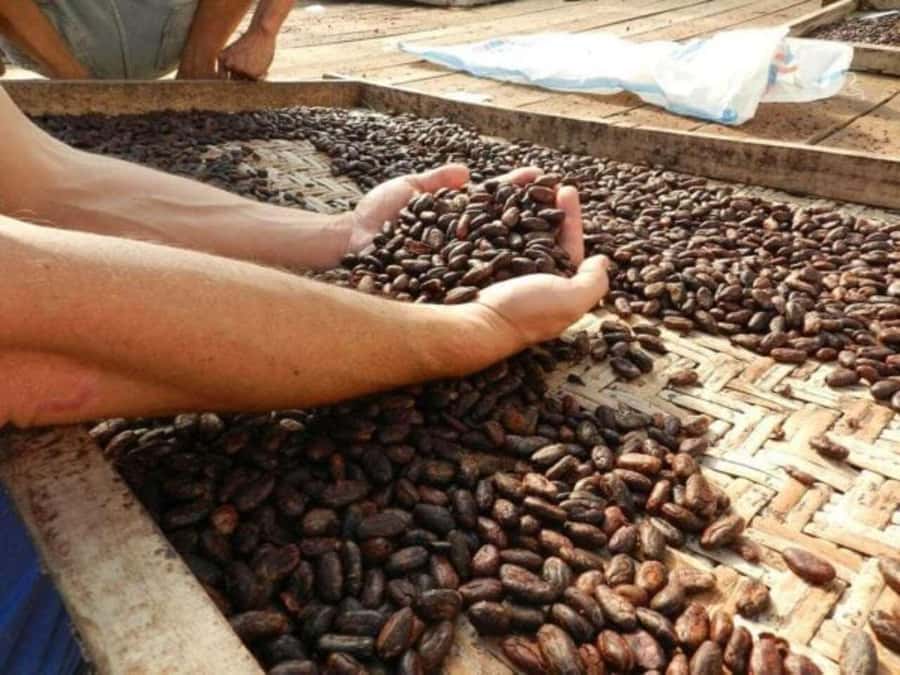
The workshop includes a guided cocoa plantation and chocolate experience for about one hour. That hour is meant to connect the dots: where cocoa comes from, how it’s grown, and how it gets turned into chocolate you can actually make and taste.
Here’s the practical angle: this is a guided overview, not a full-day deep farming program. You should expect explanation and visuals—enough to make the later chocolate steps make sense. Also, Bali weather can change quickly. If you’re there when rain comes through, plan on things happening a bit more quickly indoors and with more flexibility in outdoor time.
One important consideration based on real-world expectations: if you’re hoping for a very thorough, extended plantation walkthrough, double-check what your specific session includes. Some programs can feel more group-paced, and you’ll want to know whether your tour portion is brief or substantial.
Hands-on chocolate making: melt, mix, mold, and customize
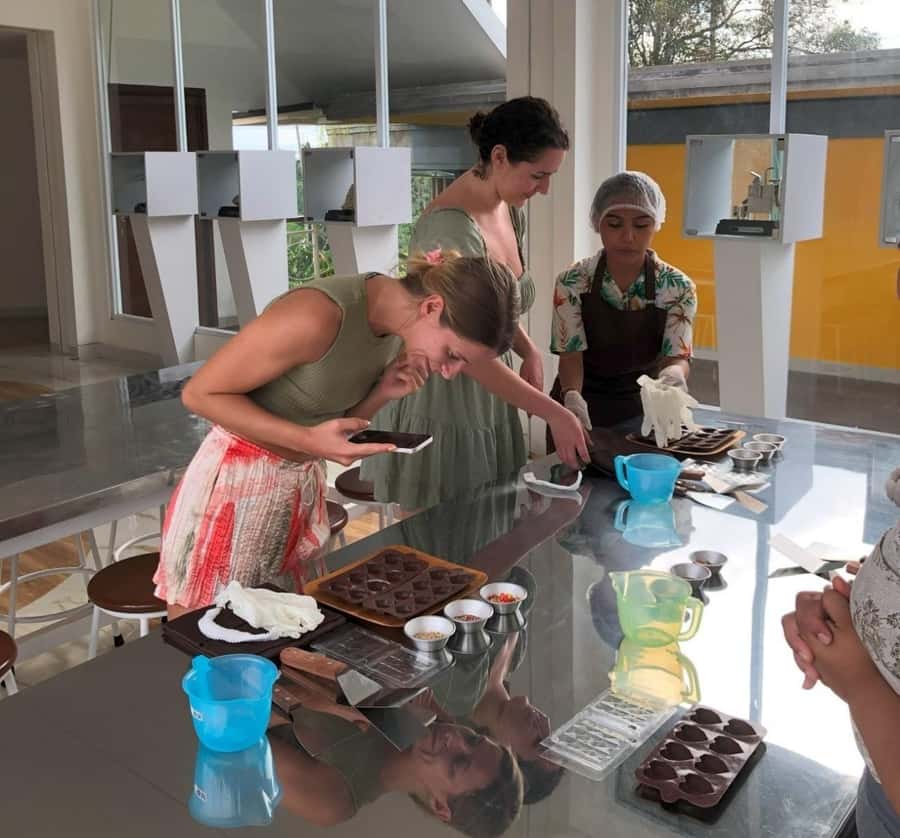
This is the part you’ll feel in your hands. You’ll start with basics—ingredients, flavor profiles, and the chocolate-making process—then jump into the steps. The core actions are simple enough for first-timers but still satisfying.
You’ll typically do the following:
- Melting and mixing: you’ll watch and then participate in key steps that turn ingredients into workable chocolate.
- Molding: you’ll pour or shape chocolate into forms so you can see it transform from liquid to set.
- Toppings and finish: you’ll add toppings after the chocolate is placed.
The experience also includes making a chocolate drink. That’s a nice bonus because it ties the classroom idea to something you can sip and compare right there, instead of only eating sweets at the end.
Adults also receive 150 grams of dark chocolate, which is a meaningful amount if you actually like to snack rather than just taste. Kids have a different creative track: fun chocolate painting with no mold, so it’s safer and simpler for little hands.


The topping bar that makes it feel personal
You won’t just get one generic chocolate. You’ll work with three topping options:
- Balinese peanut
- Chocolate sprinkles
- Chocolate chips
That matters because it changes the bite—saltiness and crunch from peanut, sweetness from sprinkles, and texture from chips. If you’re going with family, let each person choose a topping so you get a spread of flavors rather than everyone tasting the same thing.
Chocolate tasting: how to notice flavor and texture
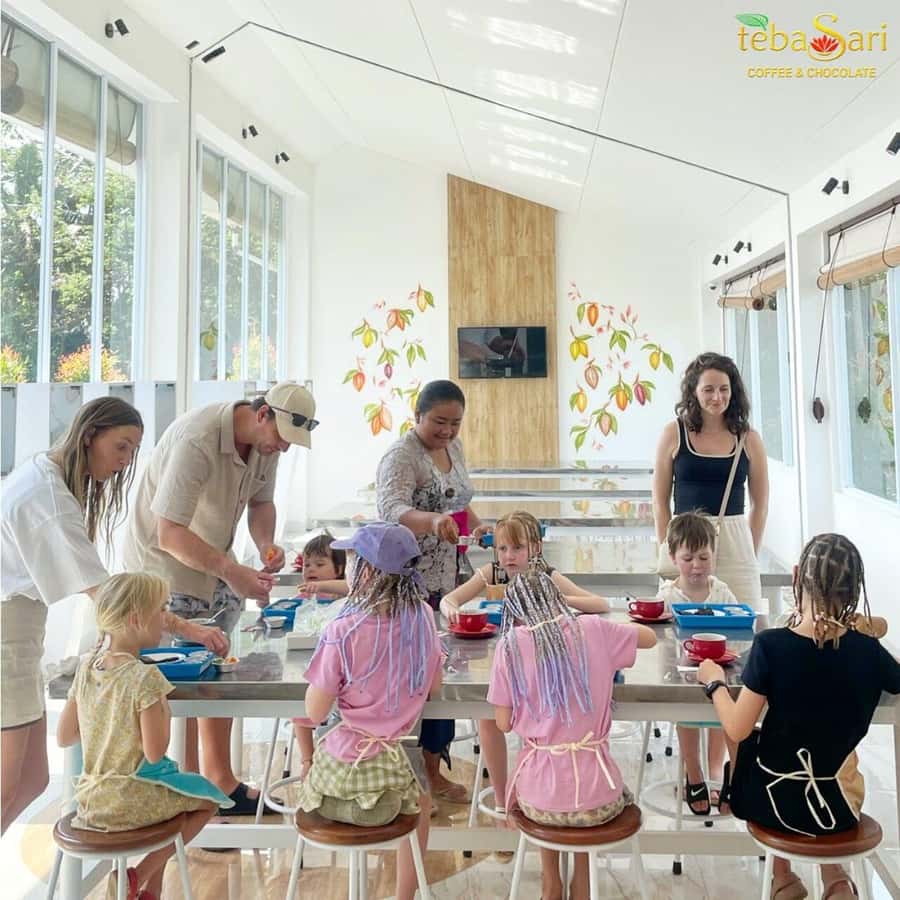
The tasting portion is more than sampling. The class guides you on how to identify flavors and textures in the chocolate you made. That turns the activity from eat-and-guess into eat-and-learn.
Here’s what you can actually focus on while tasting:
- Texture changes: how it melts versus how it holds shape after setting.
- Flavor differences: what feels more bitter, sweet, nutty, or warm and cocoa-forward.
- Aftertaste: the lingering taste, not just the first bite.
This is where your chocolate hobby brain can switch on without needing to be an expert. Even if you usually buy chocolate at random, you’ll leave with a better sense of what to look for next time—especially with dark chocolate.
And because you’re tasting chocolate you created (not only one packaged sample), you get a stronger sense of cause and effect. Melt, pour, top, set—then taste. It’s satisfying.
Kid-friendly in practice: chocolate painting and weather-proof fun
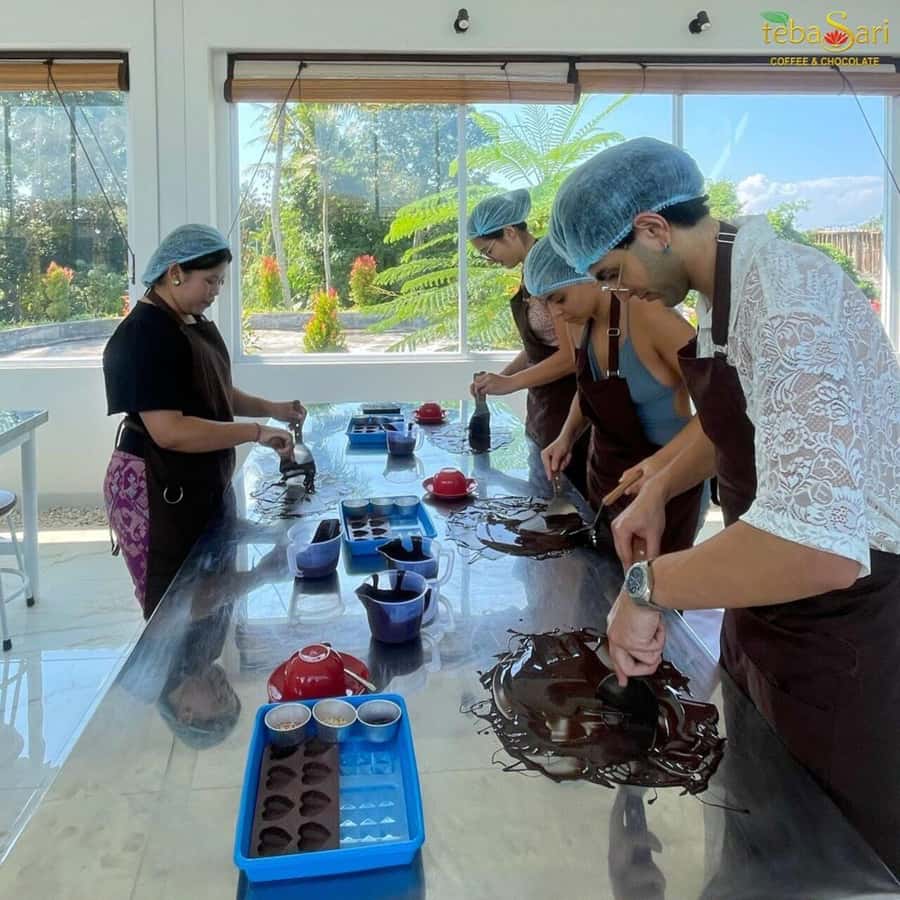
If you’re traveling with kids, this is one of the more sensible chocolate experiences in Ubud. Kids get a chocolate painting activity with no mold. That detail matters: it’s a creative task that doesn’t require the same precision as molding chocolate.
Also, the team is described as mindful with young nieces during sudden downpours. That’s a real-world benefit. When rain hits Bali, you don’t want a rigid program that falls apart. Here, the staff approach seems built to keep the activity moving and keep kids comfortable.
Still, do note: the experience isn’t recommended for people with chocolate allergy, and it’s not suitable for people with diabetes. If your group includes anyone with food allergies, this becomes a must-skip unless the provider confirms safe alternatives—your best move is to contact them directly before you go.
When the day includes Ayung River rafting
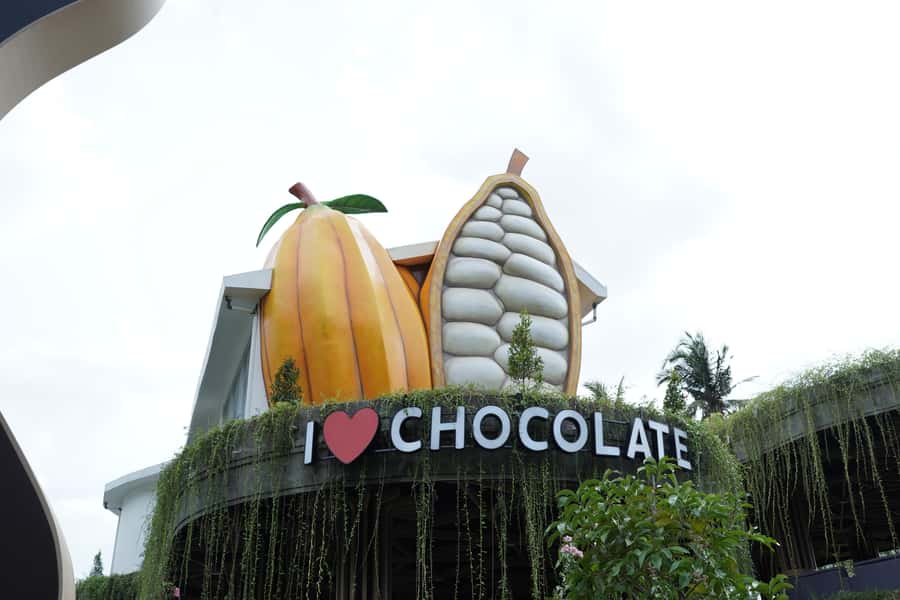
Your booking may also include Ayung River rafting, which adds about two hours. If your plan includes it, the schedule becomes more of a full day than a short workshop.
That’s not automatically bad—just plan for two things:
- Timing and energy: rafting is active, wet, and tiring. Save your chocolate making for after you’re properly settled, and don’t expect to feel fresh and dry immediately after.
- Comfort with changing conditions: you may go from river to workshop. Wear layers you can manage, and consider bringing a small change of clothes if your day runs long.
If your goal is purely a relaxing chocolate class, you may prefer the workshop-only version and skip rafting.
Price and value: what $24 really buys you
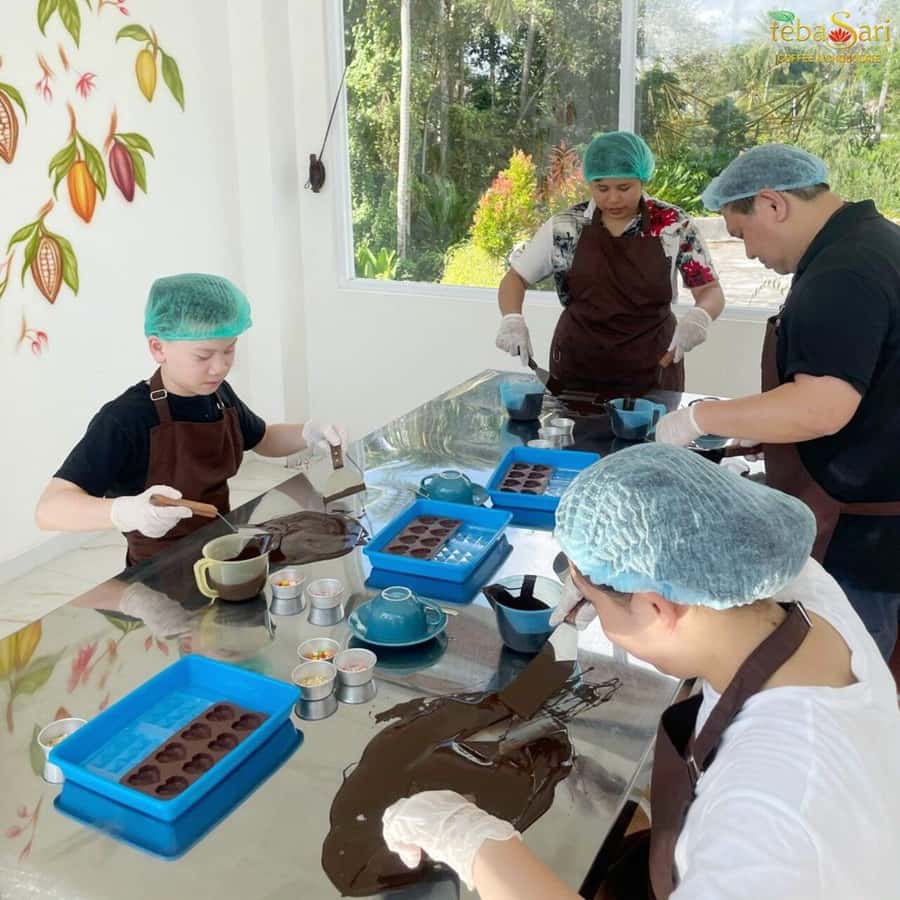
At about $24 per person, this isn’t an expensive Bali “tourist event.” For that price, you get more than a quick tasting.
You’re paying for:
- Admission to the Tebasari setup
- A one-hour guided cocoa plantation and chocolate experience
- Hands-on chocolate-making steps
- Chocolate drink creation
- A guided chocolate tasting
- A certificate of appreciation after the class
- A meaningful portion of dark chocolate for adults (150 grams)
- Kids’ chocolate painting activity plus topping options
The value swings most depending on what you expected from the workshop. If you’re happy with a guided overview plus real participation, you’ll likely feel it’s fair. If you expected something that feels like a long, from-scratch workshop with heavy emphasis on plantation walking, then you may feel shortchanged. The safest move is to read the class description carefully and, if you’re very specific about the level of hands-on or the depth of the plantation time, ask the provider what the one-hour experience includes.
Who should book this Ubud chocolate workshop
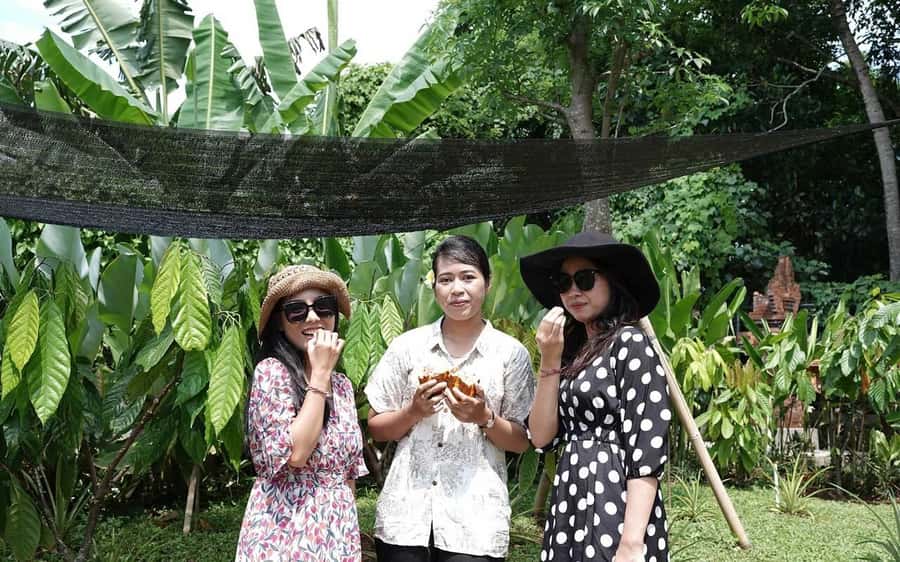
You’ll love this if:
- You’re a chocolate lover who wants to do something, not just watch
- You want a family-friendly Ubud activity with kids’ participation built in
- You like learning in a practical way—watch, then make, then taste
- You’re okay with a guided overview format rather than a long agricultural trek
You might want to skip it if:
- You have a chocolate allergy or food allergies (the activity isn’t recommended for these conditions)
- Diabetes is part of your travel planning
- You’re expecting a full-length, detailed tour that matches a serious artisan training program
Practical tips so your class goes smoothly
A few small choices can make the difference between a fun workshop and an awkward scramble.
- Wear comfortable shoes. Even a short walk around a cacao property can involve uneven ground.
- Plan for warm, humid conditions and possible rain. Bring light layers that you can adjust quickly.
- Arrive 15 minutes early. This keeps the schedule calm and your intro on time.
- If you care about how hands-on it feels, ask ahead: you’ll want clarity on what’s pre-prepared versus what you actively do during the session.
- If you’re traveling with kids, ask what age ranges the chocolate painting suits best. The no-mold approach is meant to make it easy, but you still want it to fit the child’s comfort level.
Should you book? My decision guide
Book it if you want a short, guided chocolate experience in Ubud that includes making, tasting, and real participation in a cacao setting. It’s a solid pick for couples and families who want something different from temples and markets—without needing a big time commitment.
Skip it or ask extra questions first if you’re the type of traveler who expects a very long plantation tour or a slow, deep from-the-bean-to-bars style class. This experience is structured as an approachable workshop, and the best outcomes come when your expectations match that style.
If your group includes someone with diabetes, chocolate allergy, or food allergies, don’t treat this as a “maybe.” The data is clear on those limits—contact the provider for guidance if you’re unsure, or choose a different activity.
FAQ
How long is the chocolate workshop in Ubud?
The activity duration is listed as 1 to 3 hours, with the cocoa plantation and chocolate experience lasting about 1 hour.
Where does the class take place?
The meeting point is Tebasari Coffee & Chocolate: Jl. Raya Gelogor, Lodtunduh, Kecamatan Ubud, Kabupaten Gianyar, Bali 80571, Indonesia.
Is there hotel pickup in Ubud?
Pickup is optional. Round-trip transfers cover Ubud and nearby areas such as Tegallalang, Tampak siring, Sanur, Kuta, Seminyak, Canggu, and Benoa. Uluwatu has an additional fee of 150,000 IDR.
Is the instructor and staff English-speaking?
Yes. The instructor is listed as English, and the activity includes English-speaking staff.
Is the activity wheelchair accessible?
Yes, it is wheelchair accessible.
What should I bring and wear?
Bring comfortable shoes and comfortable clothes. You should also plan to arrive about 15 minutes before the scheduled start time.
Bites & Drinks in Ubud



More Ubud Tours We Rate



Just added around Ubud
- Ubud: White Water Rafting with visit Ubud Monkey Forest
★ 5.0 · 3 reviews - Private Guided Bali Car Charter
★ 5.0 · 3 reviews - East Bali and Lempuyang Temple Tour
★ 5.0 · 3 reviews - Bali Downhill Cycling and White Water Rafting
★ 5.0 · 3 reviews - Cave Tubing Adventure in Ubud
★ 5.0 · 3 reviews
Food & Drink, compared.
 ★ 4.4Ubud Traditional Night Market Food Tour-All InclusiveFrom $4395 reviews
 ★ 5.0Bali Food Tour: Savor Street Food and Night Market AdventuresFrom $3546 reviews
 ★ 3.8Bali – Ubud Night Market Food TourFrom $3614 reviews
 ★ 4.7Gianyar Night Market Food Tour with up to 17+ TastingsFrom $3213 reviews
 ★ 5.0Ubud Food and Cultural TourFrom $6912 reviews
 ★ 5.0Ubud Night Traditional Market Food TourFrom $4511 reviews
 ★ 5.0Plant Based Food Tour in UbudFrom $6911 reviews
 ★ 5.0Balinese Traditional Food Cooking Class with Ubud Monkey Forest and SPAFrom $1356 reviews
Browse the lists this tour appears in