
Reviewed · BALINESE COOKING CLASSES
Balinese cooking class/Go shopping at the market, cook, eat
A Balinese cooking class turns meals into skills. You’ll start with a market ingredient hunt (morning) and end by eating what you make, with recipes included so it’s not just a one-day outing. Two things I especially like: the hands-on cooking setup, and the fact you can choose normal or vegetarian without losing the full experience. One possible drawback: the schedule is hotel-pickup based, so you’ll need to be ready in the lobby during the pickup window.
This is the kind of activity that works well when you want Bali food culture, not just a photo stop. You’ll learn dishes like yellow-spice bumbu kunyit styles, coconut curry, and banana-leaf wrapped fish, then take home an easy way to recreate them. If you hate being near a kitchen heat level for long stretches, consider choosing the class time that feels most comfortable for you.
In This Review
- Key points to know before you go
- A fun start: getting picked up and choosing your class vibe
- The market stop that makes the recipes make sense
- What you’ll cook: a Balinese menu with variety
- Hands-on cooking: where you actually learn
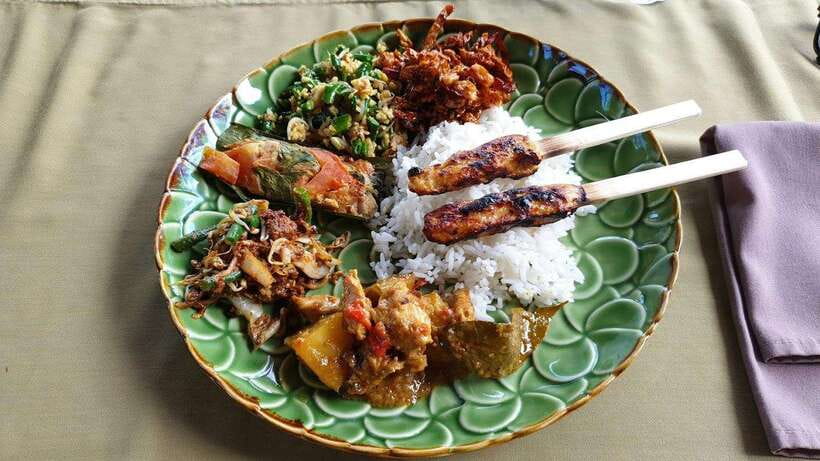
- The meal you cook: eating together like a home table
- Choice and comfort: normal vs vegetarian and two dayparts
- Price and value: $35 that covers more than cooking
- Logistics that affect your day: transfers, pickup windows, and timing
- Who this works best for (and who might prefer something else)
- What you’ll take home: skills, flavors, and a home cooking plan
- Should you book this Bali cooking and market class?
- FAQ
- How long is the Balinese cooking class?
- What are the pickup times?
- Does the tour include hotel transfers?
- Is there a market visit?
- Can I choose a vegetarian menu?
- What dishes are on the menu?
- What languages are available?
Key points to know before you go
- Market-first experience (morning only): pick vegetables, fruit, herbs, and spices with guidance.
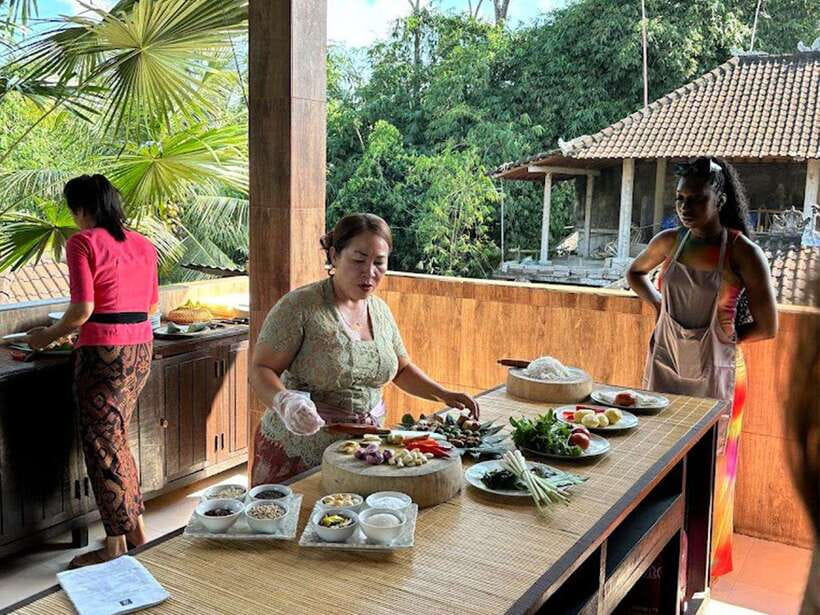
- True hands-on cooking: tools and materials are provided so you can cook even with zero experience.
- Vegetarian option: you can choose normal or vegetarian for the same class flow.
- Class choices: Morning/Lunch or Afternoon/Dinner, depending on your day.
- Receipe booklet take-home: you get printed recipes to help you recreate dishes later.
- Round-trip hotel transfer: pickup/drop-off covers many Bali areas.
Market basket to banana-leaf plate. More Ubud cook-alongs.
- Ubud Cooking Class Bali with Balinese Chef★ 5.0 · 1,609 reviews
- Ubud: Cooking Class with Transfers and Optional Market Visit★ 4.9 · 824 reviews
- PRIVATE Authentic Balinese Cooking Class in Ubud at Putu’s Home★ 5.0 · 644 reviews
- Balinese Ubud cooking school (9 Dish Cooking and Market Tour)★ 5.0 · 540 reviews
A fun start: getting picked up and choosing your class vibe
This tour is built around a simple rhythm: pickup, local market (in the morning), cook together, then eat your meal. It runs about 6 hours, with hotel pickup windows listed as 07:00–08:00 for the morning option and 13:00–14:30 for the afternoon option.
Your pickup areas cover a lot of popular bases: Nusa Dua, Jimbaran, Kuta, Legian, Seminyak, Kerobokan, Canggu, Sanur, and Ubud are named, with the option to check for other areas by contacting the provider. Practically, that means you don’t need to figure out rides or deal with parking while you’re concentrating on ingredients and cooking.
You also get two big forks in the road that affect the whole day: Morning/Lunch vs Afternoon/Dinner, plus normal vs vegetarian menus. If you want a more active start, pick morning so you can shop first. If you prefer a later, slower day, the afternoon option still gives you the full cooking + meal.
The market stop that makes the recipes make sense
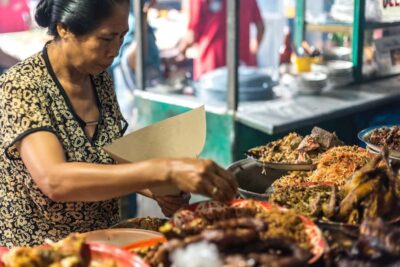
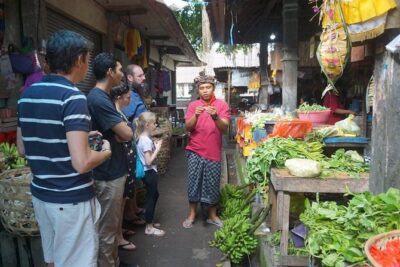
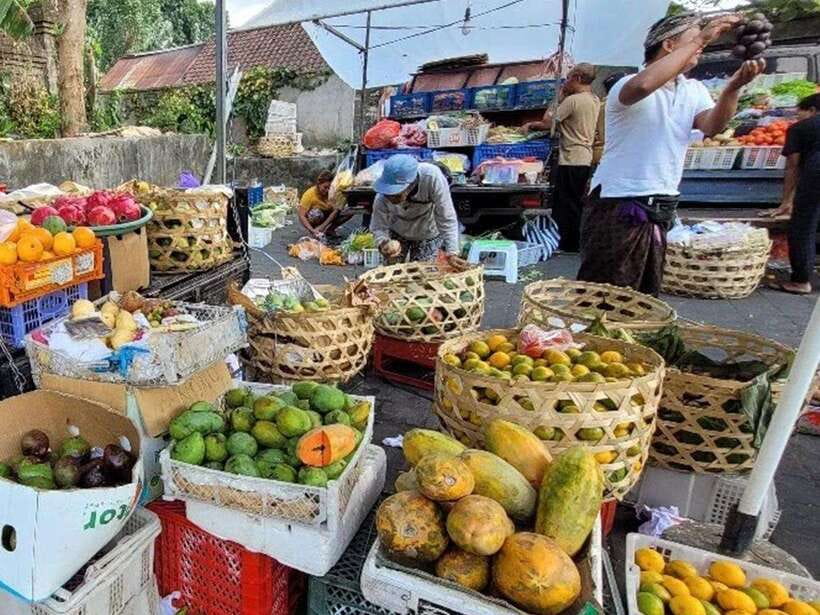
If you book the morning class, your first real activity is a visit to a local fresh food market. This is more than sightseeing. You’re selecting ingredients you’ll use later: vegetables, fruit, herbs, meat, and spices tied to Balinese cooking.
Here’s why this matters. When you see and smell ingredients in context, the later cooking lessons stop feeling like memorizing steps. You also learn what the flavors are supposed to do—sweet, spicy, herbal, and savory—before anything hits the pan.
You’ll likely walk through stalls with a guide who keeps the shopping practical. Expect to focus on the ingredients that show up in your menu, not just random souvenirs. If you’re picky about food quality, the market approach helps you understand why certain ingredients are important in Balinese home cooking.
What you’ll cook: a Balinese menu with variety
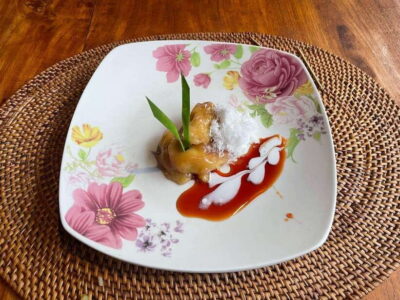
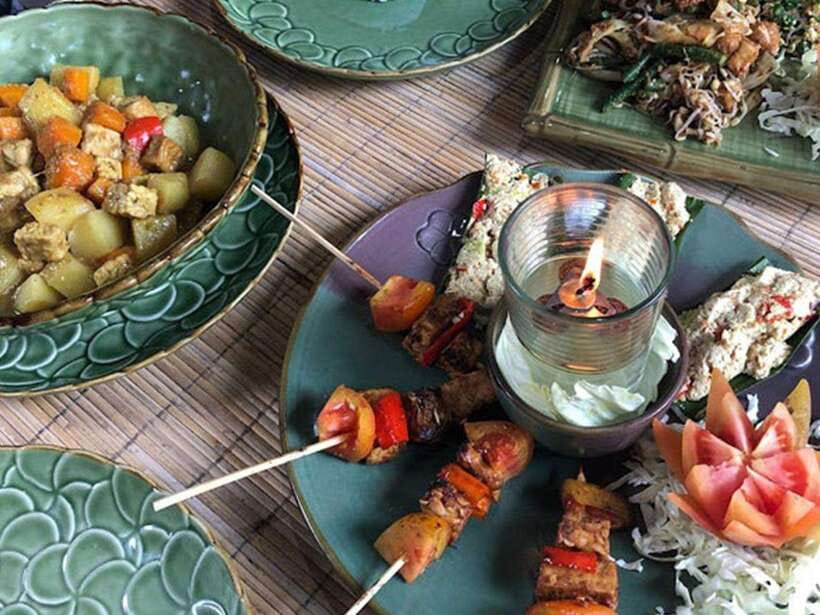
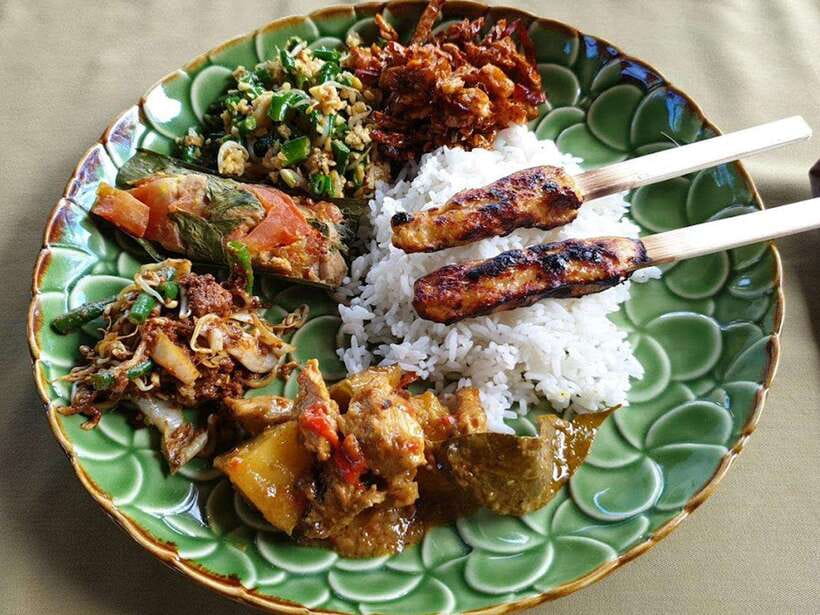
The class menu rotates through a set of Balinese dishes, and you’ll cook and then eat what you make. The listed options show a great mix of soups, curries, salads, grilled items, sweets, and vegetable or fish-based plates.
Here’s what you can expect from the menu list:
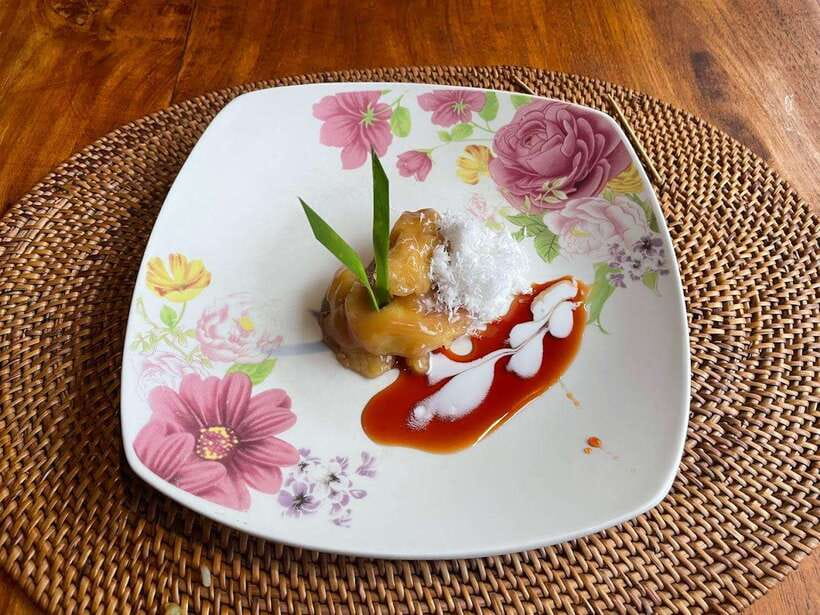
- Kolak Pisang (Banana Compote)
- Bumbu Kuning (Yellow Spices)
- Sup Jamur (Mushroom & Vegetable Soup)
- Kare Ayam (Chicken Coconut Curry)
- Pepes Ikan (Steamed Fish Wrapped in Banana Leaves)
- Jukut Urab (Coconut and Snake Bean Salad)
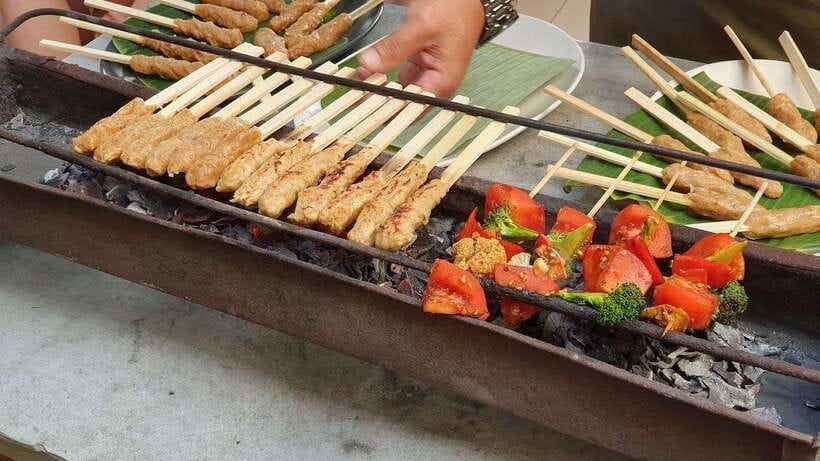
- Sate Lilit Ayam (Grilled Fish Meatball Skewers)
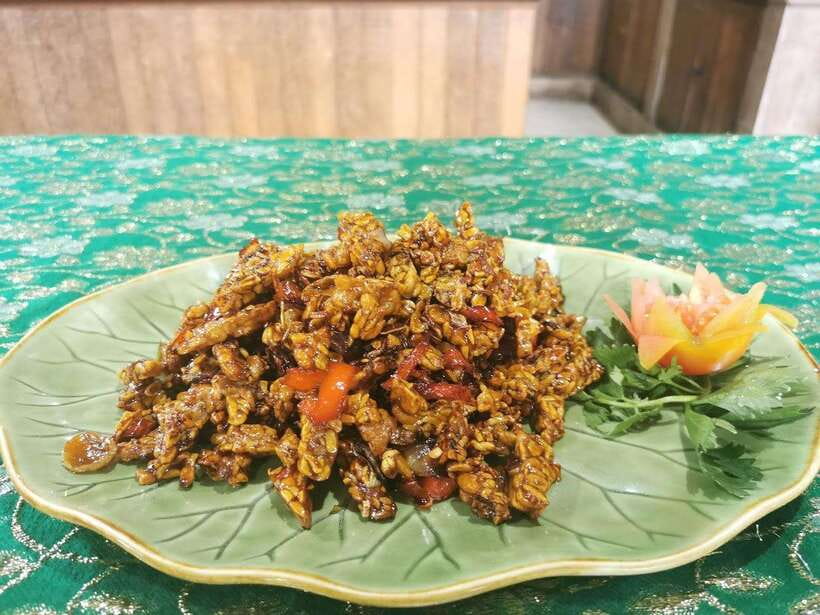
- Tempe Kering (Sweet and Salty Tempeh Stir-Fried)
- Gado Gado (Warm Vegetables with Sweet and Spicy Peanut Sauce)
A couple of practical notes from the way this class is described. The menu is heavy on flavors and textures that Balinese cooks use at home, like coconut-based sauces, peanut sweetness, and wrapped steaming in banana leaves. You’ll also get both savory and sweet, so you’re not stuck with one-note cooking.
Also, the tour explicitly offers a vegetarian choice. That’s a big deal for food classes, because it means you don’t just replace meat at the last second. You can plan your day knowing you’ll get a full plate you can eat comfortably.
Other Ubud tours and experiences to line up next


Hands-on cooking: where you actually learn
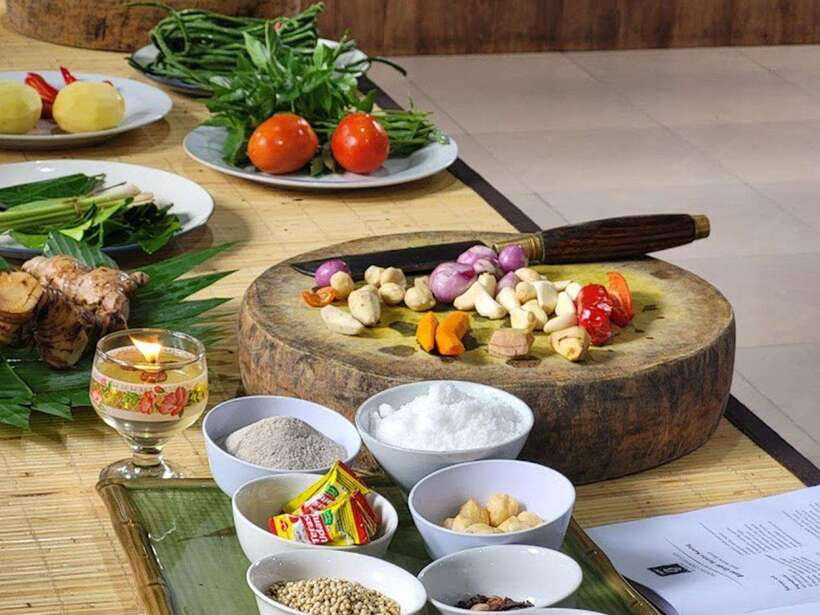
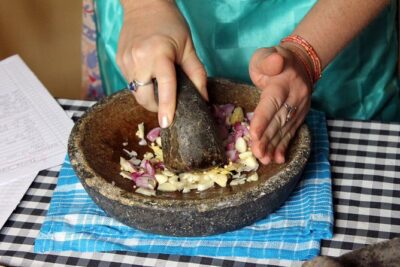
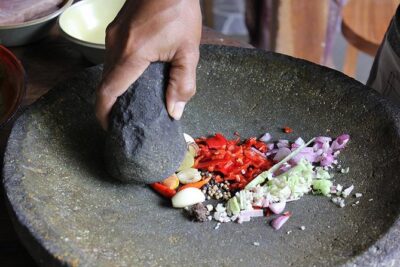
The best part of a cooking class is when you stop watching and start doing. This experience is set up so you can cook even if you’ve never cooked Balinese food before, because all materials and tools are provided. That detail matters more than it sounds. You won’t lose time hunting for equipment, and you can focus on technique.
The class is guided by an instructor who supports guests in English, Indonesian, and Japanese, depending on the session. That language range is useful if you’re traveling with family members who don’t speak English. It also helps you ask questions without fear that you’ll misunderstand the steps.
From what you’re given, you’ll learn how to build key flavor elements, not just assemble final dishes. For example, the presence of a dish centered on bumbu kuning (yellow spice) signals that you’re likely learning the spice blend logic behind many Balinese preparations. Same idea with the coconut and peanut components that show up across different dishes.
The meal you cook: eating together like a home table
This class isn’t just about cooking. You finish by enjoying the food you prepared. That shared meal is part of why these lessons stick, because you taste the results while the steps are still fresh in your head.
When you eat what you cooked, you naturally pay attention to things you’d normally ignore at restaurants. You notice balance: sweetness against spice, coconut richness against herbs, and how the garnish or sauce changes the whole plate.
Also, you’ll be eating at the end of either the lunch-based morning class or the dinner-based afternoon class. That matters if you’re planning your day around other activities. In most cases, this kind of meal simplifies your schedule: you’re not hunting for food right after you’ve been running around Bali.
One of the nicer touches is how the class setup is described as comfortable during cooking time. A cooler outdoor cooking area makes a big difference in Bali heat, especially if you’re spending hours moving between chopping, stirring, and assembling dishes.
Choice and comfort: normal vs vegetarian and two dayparts
The ability to choose normal or vegetarian is one of the most important value-adds here. It means the class is designed for different diets rather than forcing everyone into the same meat-centered menu. If you’re traveling with a mixed group, this option saves stress and avoids the awkward, separate-meal scenario.
Then there’s the daypart choice. If you do Morning/Lunch, you’ll get the market visit plus a meal that lands around lunchtime. If you do Afternoon/Dinner, you skip the market and shift into a later schedule. Either option still includes the core learning: cooking, eating, and taking home the recipes.
My practical advice: pick morning if you want the ingredient story and like waking up early. Pick afternoon if you prefer a slower start or you have beach time planned earlier in the day.
Price and value: $35 that covers more than cooking
At $35 per person, this is priced like an activity, but it includes a lot of practical extras. You’re paying for the cooking school fees, plus the round-trip hotel transfer, plus the instructor support. In other words, you’re not spending extra time or money on getting there and back.
You also get the printed recipe material. In the feedback shared for this experience, guests mention receiving a recipe booklet they can take home. That’s the real value lever for cooking classes: the moment you can replicate dishes later, the price feels like a purchase, not a ticket.
If you compare it to doing a cooking class without transfers and without take-home recipes, this feels more complete. The whole point is to leave Bali with both a memory and a way to cook the food again.
Logistics that affect your day: transfers, pickup windows, and timing
Because pickup happens through a hotel lobby, your main responsibility is timing. The pickup windows are specified as 07:00–08:00 and 13:00–14:30, and the total duration is about 6 hours. Build a little buffer into your morning or afternoon plans so you’re not rushing your way to the lobby.
The transfer is round-trip, so you don’t need to negotiate return rides after the class. That’s especially helpful in Bali when traffic can vary a lot by time of day.
One more practical detail: the provider lists multiple pickup and drop-off areas, including Jimbaran, Sanur, Ubud, Legian, Seminyak, Kuta Selatan, Kerobokan, Kuta, and Canggu. You’ll want to make sure you’re in a covered zone. If you’re staying outside the named areas, the tour notes you should contact them for pickup arrangements.
Who this works best for (and who might prefer something else)
This cooking class style is ideal for:
- Families and groups who want a shared activity with a meal at the end
- Food lovers who want more than a restaurant tasting
- Travelers who like learning by doing, even if they’re not confident in the kitchen
- Anyone who wants a repeatable home-cooking result, thanks to the recipe booklet
It might be less ideal if:
- You prefer very short activities. Six hours is a real block of time.
- You’re sensitive to kitchen heat or long standing time.
- You only want to eat. This one is hands-on by design.
If you’re on a tight schedule, consider how this fits with your other plans. Morning fits well with a light beach afternoon. Afternoon fits well if you want to tour in the morning and cook after.
What you’ll take home: skills, flavors, and a home cooking plan
The headline benefit is simple: you’ll learn Balinese techniques you can repeat. The menu also gives you a broad taste range—coconut curry, banana-leaf steaming, peanut sauce vegetables, and sweet banana compote. That variety makes it easier to recreate one or two dishes at home without feeling like you’re repeating the same flavor profile.
The other takeaway is confidence. A class that provides materials and tools, teaches step-by-step, and ends with you eating your own dishes reduces the fear factor. You don’t need to be a chef. You need curiosity and a willingness to taste as you go.
And because the recipes are included, you can turn the experience into a cooking routine. If you want to recreate Bali for friends later, this is one of the best ways to do it without trying to translate spice names from memory.
Should you book this Bali cooking and market class?
Yes, if you want the best kind of souvenir: a meal you can recreate. The combination of market ingredients (morning only), hands-on cooking, a vegetarian option, and a recipe booklet gives you a complete experience for $35, especially with round-trip transfers handled for you.
I’d especially book it if you’re traveling with family or friends and you want a shared activity that feels local. It’s also a strong pick if you’re staying in areas like Seminyak, Canggu, Sanur, Jimbaran, or Ubud, where pickup and drop-off coverage is explicitly listed.
Only hesitate if you’re short on time or not comfortable with spending several hours in a cooking environment. Otherwise, this is a practical, satisfying way to learn Balinese home cooking and bring the flavors home.
FAQ
How long is the Balinese cooking class?
The total duration is listed as 6 hours.
What are the pickup times?
Morning pickup is listed as 07:00–08:00, and afternoon pickup is listed as 13:00–14:30.
Does the tour include hotel transfers?
Yes. Round-trip hotel transfers are included.
Is there a market visit?
Yes, but it’s described as included for the morning class only. (Afternoon focuses on cooking and dinner.)
Can I choose a vegetarian menu?
Yes. You can choose between normal and vegetarian.
What dishes are on the menu?
The listed menu includes items such as Kolak Pisang, Bumbu Kuning, Sup Jamur, Kare Ayam, Pepes Ikan, Jukut Urab, Sate Lilit Ayam, Tempe Kering, and Gado Gado.
What languages are available?
The instructor languages listed are English, Indonesian, and Japanese.
More Food in Ubud



More Ubud Tours We Rate





Cook Balinese in Ubud


Just added around Ubud
- Ubud: White Water Rafting with visit Ubud Monkey Forest
★ 5.0 · 3 reviews - Private Guided Bali Car Charter
★ 5.0 · 3 reviews - East Bali and Lempuyang Temple Tour
★ 5.0 · 3 reviews - Bali Downhill Cycling and White Water Rafting
★ 5.0 · 3 reviews - Cave Tubing Adventure in Ubud
★ 5.0 · 3 reviews
Balinese Cooking Classes, compared.
 ★ 5.0Ubud Cooking Class Bali with Balinese ChefFrom $351,609 reviews
 ★ 4.9Cooking Class with Transfers and Optional Market VisitFrom $21824 reviews
 ★ 5.0PRIVATE Authentic Balinese Cooking Class in Ubud at Putu’s HomeFrom $75644 reviews
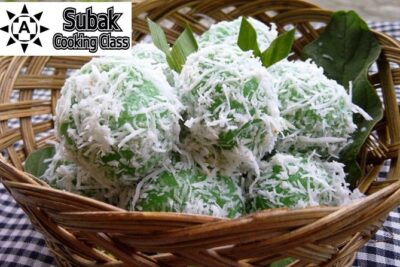 ★ 5.0Balinese Ubud cooking school (9 Dish Cooking and Market Tour)From $58540 reviews
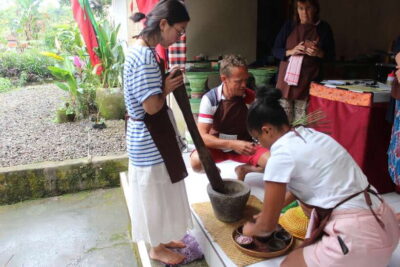 ★ 4.8Balinese Cooking Class and Market TourFrom $23531 reviews
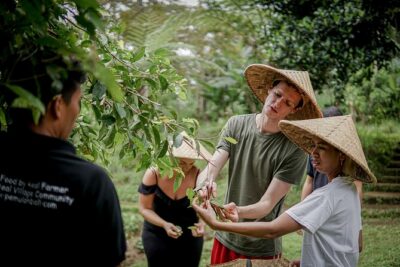 ★ 5.0Balinese Farm Cooking Class by Pemulan BaliFrom $39410 reviews
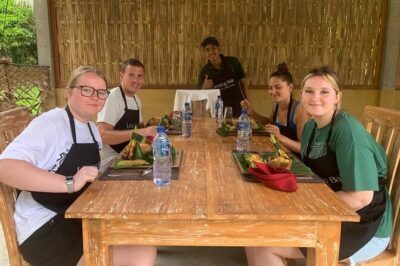 ★ 5.0Balinese Authentic Cooking Class in UbudFrom $39239 reviews
 ★ 5.0PRIVATE Balinese Cooking Class in Ubud with Dewa with TransfersFrom $69213 reviews
Browse the lists this tour appears in