
Reviewed · BALINESE COOKING CLASSES
Ubud Cooking : All Inclusive Cooking Class
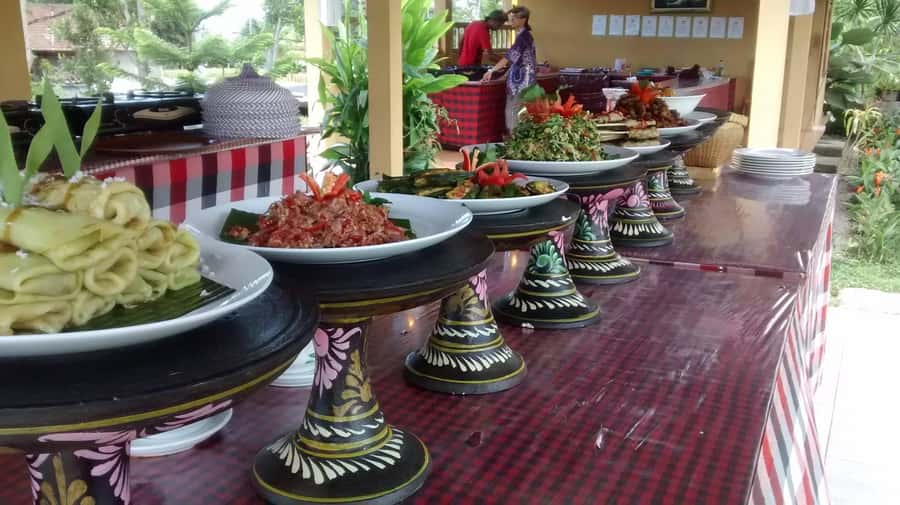
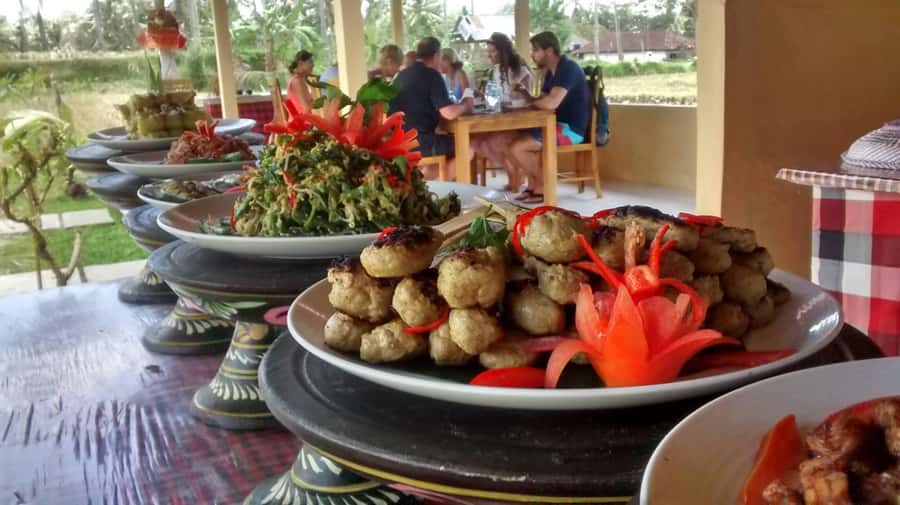
Cooking in Bali starts with the market. I love the morning market stop at Pasar Pejeng and the way you cook your own Balinese dishes with fresh ingredients (then taste what you make). One thing to think about: the food can be delicious but it may not feel like a full meal, so I suggest planning a snack or a proper lunch after.
You’ll get Ubud-area pickup and drop-off, plus an English-speaking guide who keeps things clear and step-by-step. The best part is that this is real “do the work, eat the results” cooking, not just watching someone else plate dishes for you.
In This Review
- Quick hits before you go
- Morning starts, but it’s worth it in Ubud
- Pickup and timing: what the 5 hours actually feels like
- Pasar Pejeng market walk: fruit tasting and ingredient education
- From paddy fields to real compound cooking
- Cooking at your pace: making at least 8 Balinese signature dishes
- Diets and allergies: how flexible is this class?
- Tasting your food as you cook: learn flavor while it’s fresh
- The take-home recipe PDF: how useful it really is
- Price and value: why $24 can make sense
- Who should book this Ubud cooking class
- Should you book? My straight answer
- FAQ
- How long is the Ubud cooking class?
- Is a market visit included?
- How many Balinese recipes will I cook?
- Does it include pickup and drop-off in Ubud?
- What language is the instructor?
- What do I need to bring?
- Can this class handle vegan or vegetarian cooking and allergies?
- Is alcohol allowed?
Quick hits before you go
- Pasar Pejeng morning market: a short walk to see and sample local produce, including fruit.
- 8-plus Balinese recipes: you actively make each dish, not just learn techniques.
- Paddy fields included: you’ll spend time outdoors in rice-field scenery, not only indoors.
- English instruction: the class is taught in English and works well for mixed groups.
- Take-home recipe PDF: you get instructions you can use for a special lunch or dinner later.
Market basket to banana-leaf plate. More Ubud cook-alongs.
- Ubud Cooking Class Bali with Balinese Chef★ 5.0 · 1,609 reviews
- Ubud: Cooking Class with Transfers and Optional Market Visit★ 4.9 · 824 reviews
- PRIVATE Authentic Balinese Cooking Class in Ubud at Putu’s Home★ 5.0 · 644 reviews
- Balinese Ubud cooking school (9 Dish Cooking and Market Tour)★ 5.0 · 540 reviews
Morning starts, but it’s worth it in Ubud
This is a 5-hour Ubud experience built around one simple idea: learn Balinese food the way locals do it—through the ingredients, the prep, and the cooking itself. The morning format matters because you’re seeing what’s actually coming in and going out of the market, when things are fresher and the rhythm of the day feels more real.
The day is paced like a friendly lesson with just enough movement. You start with pickup options around Ubud, then you head to a local market area, then you move into cooking mode with your guide. Expect hands-on time, plus tasting as you go so you can adjust seasoning and understand flavors while they’re still in front of you.
Pickup and timing: what the 5 hours actually feels like
The class is scheduled for about 5 hours total, which is a sweet spot in Bali. Long enough to shop, cook, and eat, but not so long that you lose your entire day.
Pickup and drop-off are handled within the Ubud area, with multiple convenient meeting points. On the pickup side, options include Kantor Kecamatan Ubud, Dewangga Ubud, Coco Supermarket, Yulia Village Inn, and Bintang Supermarket Ubud. Drop-offs mirror the same general area, which makes it easy to build this into your Ubud itinerary without complicated backtracking.
A practical note: if you’re staying outside Ubud, there’s an extra pickup cost. For some people, that small added fee is still worth it, but it can change the value if you’re far away.
Pasar Pejeng market walk: fruit tasting and ingredient education
The first on-the-ground stop is the Pasar Pejeng local market, where you’ll spend about 30 minutes. It’s not a long shopping spree, so it works best if you treat it like a guided ingredient orientation.
What I like about this part is the focus. You’re not just looking at stalls—you’re learning how locals buy and sell cooking ingredients. You also get context around rice in Bali: types of rice grown there, how it’s cultivated, and the harvesting process. Even if you’ve cooked rice before at home, the goal here is to help you understand why Balinese meals taste the way they do.
And yes, there’s sampling. You’ll try local fruits during the market portion, which is a good “palate warm-up” for the flavors you’ll be cooking shortly after.
Tip for getting more out of the market stop: take note of the ingredients you don’t see often back home. These are usually the same ones that make Balinese cooking feel different once you start making dishes yourself.
Other Ubud tours and experiences to line up next
From paddy fields to real compound cooking
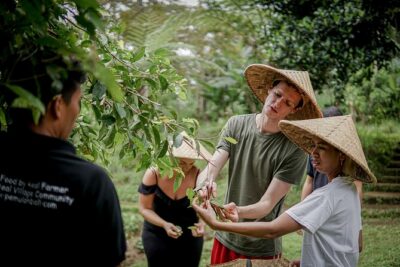
After the market, you’ll spend time exploring the rice fields. This isn’t just a scenic break. In Bali, food and farming connect closely, and seeing the paddies helps you make sense of the rice story you heard earlier.
Then you move into a cooking setup in a Balinese compound. That phrase matters because it signals a hands-on learning environment rather than a commercial kitchen with a strict no-touch vibe. Your guide is with you throughout, so questions don’t feel like a bother—they feel part of the lesson.
If you’re the kind of person who likes to understand where things come from, this “outside to inside” flow is one of the strengths of the experience. You get the environment first, then the cooking skills second.
Cooking at your pace: making at least 8 Balinese signature dishes
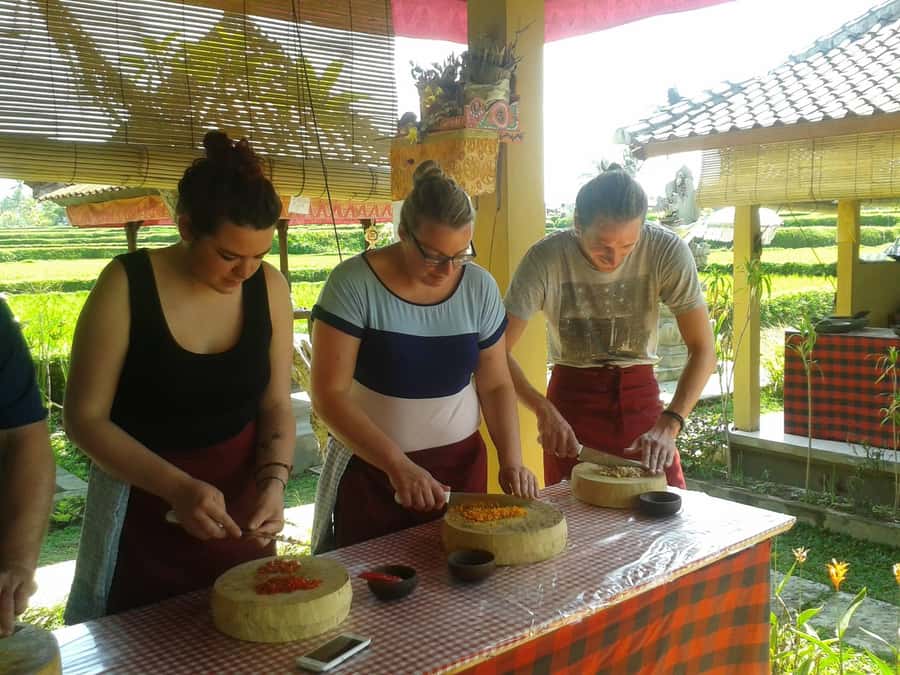
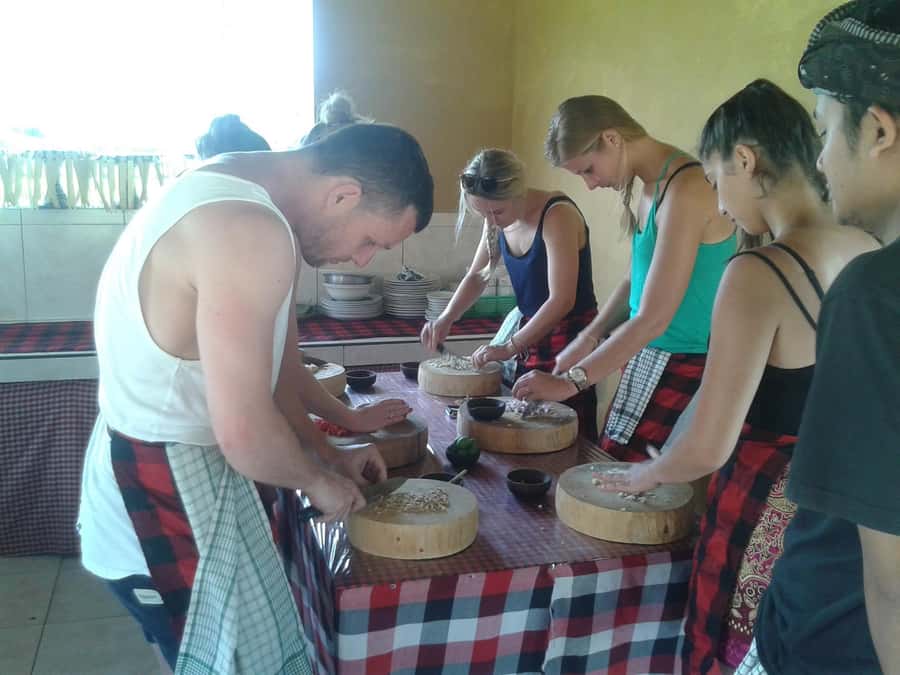
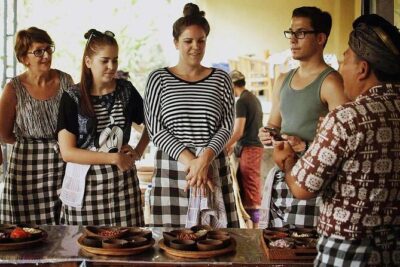
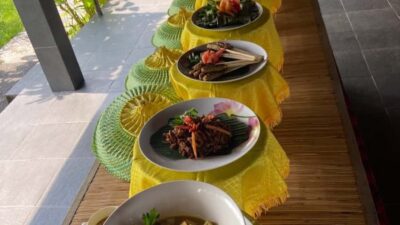
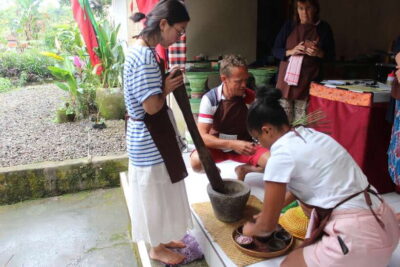
Now for the main event: you’ll learn to cook Balinese food and make at least 8 signature recipes yourself. This is a key point for value. Cooking classes can range from show-and-tell to serious hands-on practice. Here, you’re actively involved in preparing the menu items, then tasting the results.
Your guide walks you through each process step by step, and the cooking time is structured around teaching technique, not just handing you a list of ingredients. The class length for the cooking portion is about 2 hours, which means you’ll likely work on multiple dishes without feeling stuck doing only one thing for too long.
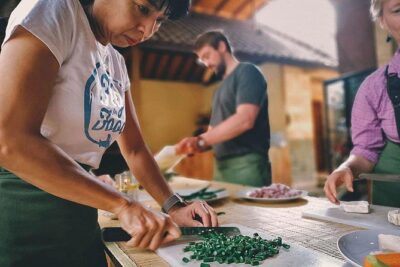
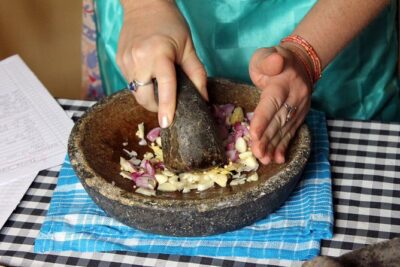
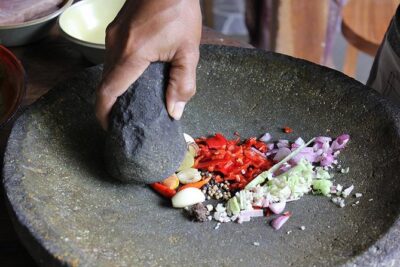
From a practical perspective, 2 hours can still be intense in a good way. You’ll be doing chopping, mixing, and cooking tasks while learning how Balinese flavors are built. If you want to leave with something you can actually repeat at home, this kind of “do it yourself” setup is what makes that possible.
One detail worth calling out: the experience is offered in English, and your guide is there to keep the steps clear. That’s especially important if you’re not familiar with Balinese ingredients or cooking methods.
Diets and allergies: how flexible is this class?
This kind of class works best when it can adapt to your needs. The information here includes cooking guidance for vegan and vegetarian cooking, and there’s evidence that allergies can be handled with care (for example, peanut allergy accommodation). If you have dietary needs, tell the operator in advance so they can plan substitutions and keep you comfortable during prep and tasting.
Tasting your food as you cook: learn flavor while it’s fresh
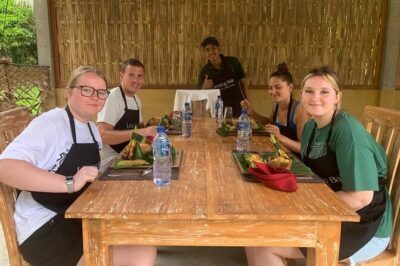
One small detail with big impact: you taste your food at the same time. That changes the learning experience. Instead of waiting until the end and guessing what happened, you get feedback while flavors are still hot and seasoning is fresh.
This matters because Balinese cooking is all about balance—spice, aromatics, salt, sweetness, and the way ingredients combine. Tasting as you go helps you connect the steps to the final flavor, which is what you’ll need if you want to recreate dishes later.
Also, tasting early makes the cooking feel rewarding. You’re not just working with your hands; you’re confirming that you’re doing it right.
The take-home recipe PDF: how useful it really is
At the end, you receive a copy of the recipes in a PDF file. This is one of the most practical parts of the experience because it gives you a roadmap after the trip ends and your memory fades.
I like that the PDF isn’t just a generic list. It supports the idea that you can make a special lunch or dinner for family later, using what you learned while the steps are still in your head.
Here’s how to make that PDF work for you:
- Take a few quick photos during cooking (just enough to jog your memory).
- Once you’re home, cook one dish first, not all of them. You’ll build confidence faster.
- Keep the ingredient notes in mind—those are often the difference between “tastes close” and “tastes spot-on.”
Price and value: why $24 can make sense
At $24 per person for a 5-hour class, the price stacks up well when you compare it to what you’re getting. You’re paying for:
- hotel pickup and drop-off within Ubud
- a guide accompanying you throughout
- a market visit (morning option)
- cooking instruction for 8-plus dishes
- a welcome drink
- exploration of the rice fields
- recipe PDF take-home materials
That’s a lot bundled into one morning. The only real cost pressure is pickup outside Ubud, which adds an extra charge. If you’re staying within Ubud, the overall value is easier to justify because you’re not adding transport costs on top.
For me, the best value comes from the hands-on focus. You’re not just learning recipes in theory—you’re actually doing the work, and you taste the results. That’s when a cooking class stops being a fun activity and becomes a skill you can use again.
Who should book this Ubud cooking class
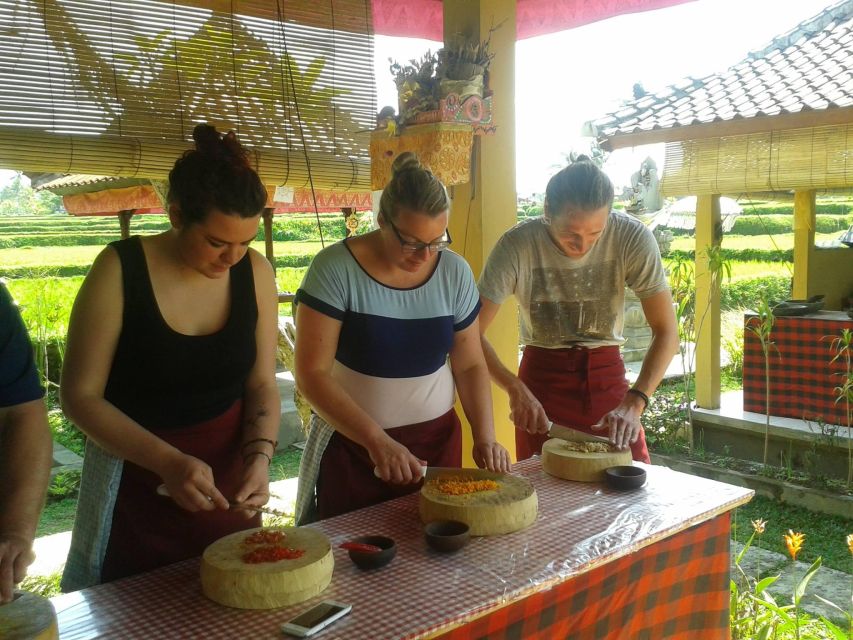
Book this if you want a practical Balinese cooking experience with real ingredients and step-by-step help. It’s a great fit for:
- food lovers who like learning how flavors build
- couples and small groups who want a shared activity
- travelers who want something more hands-on than a standard sightseeing day
- anyone who likes morning plans, since the market stop is a major highlight
If you’re coming for a restful afternoon, you might want a different Ubud plan. This is active and focused. Also, keep in mind the experience is not suitable for people with altitude sickness.
Should you book? My straight answer
I’d book this if you’re in Ubud and you want more than a photo-op meal. The mix of Pasar Pejeng market plus hands-on cooking (8-plus dishes) plus paddy field scenery gives you both context and skills. At $24 with pickup in Ubud, it’s also priced in a way that feels realistic for what you get.
Skip it if you’re only looking for a big sit-down lunch, or if you prefer passive activities where you don’t cook. And if you have a dietary issue, plan to communicate it ahead of time so the kitchen can adapt smoothly.
FAQ
How long is the Ubud cooking class?
The experience lasts 5 hours total.
Is a market visit included?
Yes, the morning option includes a local market visit at Pasar Pejeng.
How many Balinese recipes will I cook?
You’ll learn to cook 8 Balinese signature dishes, and the class is described as covering at least 8 recipes.
Does it include pickup and drop-off in Ubud?
Yes. Pickup and drop-off are included for the Ubud area only, and there are multiple pickup and drop-off locations listed around Ubud.
What language is the instructor?
The class is taught in English.
What do I need to bring?
Bring cash.
Can this class handle vegan or vegetarian cooking and allergies?
The class can cater for vegan and vegetarian cooking, and there is evidence of accommodation for peanut allergy.
Is alcohol allowed?
No, alcohol is not allowed during the activity.
More Cooking Classes in Ubud
More Ubud Tours We Rate





Cook Balinese in Ubud
Just added around Ubud
- Ubud: White Water Rafting with visit Ubud Monkey Forest
★ 5.0 · 3 reviews - Private Guided Bali Car Charter
★ 5.0 · 3 reviews - East Bali and Lempuyang Temple Tour
★ 5.0 · 3 reviews - Bali Downhill Cycling and White Water Rafting
★ 5.0 · 3 reviews - Cave Tubing Adventure in Ubud
★ 5.0 · 3 reviews
Balinese Cooking Classes, compared.
 ★ 5.0Ubud Cooking Class Bali with Balinese ChefFrom $351,609 reviews
 ★ 4.9Cooking Class with Transfers and Optional Market VisitFrom $21824 reviews
 ★ 5.0PRIVATE Authentic Balinese Cooking Class in Ubud at Putu’s HomeFrom $75644 reviews
 ★ 5.0Balinese Ubud cooking school (9 Dish Cooking and Market Tour)From $58540 reviews
 ★ 4.8Balinese Cooking Class and Market TourFrom $23531 reviews
 ★ 5.0Balinese Farm Cooking Class by Pemulan BaliFrom $39410 reviews
 ★ 5.0Balinese Authentic Cooking Class in UbudFrom $39239 reviews
 ★ 5.0PRIVATE Balinese Cooking Class in Ubud with Dewa with TransfersFrom $69213 reviews
Browse the lists this tour appears in