
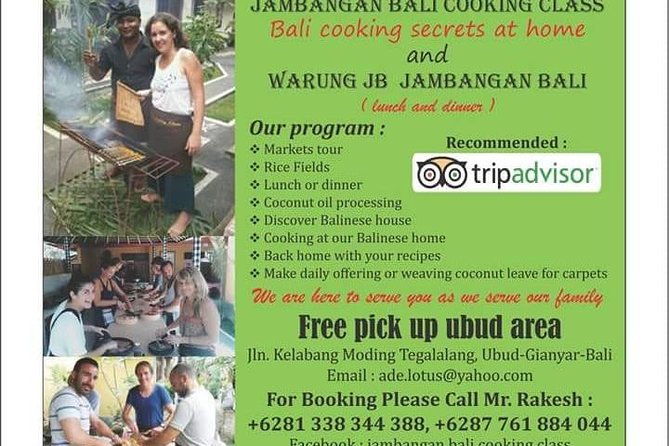
Reviewed · BALINESE COOKING CLASSES
Jambangan Bali Cooking Class
A morning market visit changes your whole cooking class. You start early in the traditional market, pick spices and produce, then head to a Balinese home where you cook on an open kitchen setup and eat your own meal in the garden. For $34 and about 5 hours, it’s a strong mix of food, daily Hindu life, and practical instruction.
What I like most is the market-to-meal flow: you’re choosing ingredients (herbs, spices, and even the meat/vegetables) before you cook, instead of arriving with everything already prepared. I also like the cultural add-ons that aren’t just side chatter, like learning about household offerings and trying rindik music made from bamboo.
The only real consideration is timing: the schedule depends on good weather, and market access can be affected if you book a later session.
In This Review
- Key Things You’ll Notice
- Why Starting at the Market Makes This Class Worth It
- In a Balinese Home: What the Open Kitchen Really Feels Like
- The Cooking Class Flow: From Ingredients to Your Own Lunch
- Cultural Hands-Ons You’ll Actually Remember
- Coconut oil processing
- Making a simple offering
- Rindik bamboo music
- Lunch in the Garden: Eating Your Work Without Rush
- Price and Time: Is $34 Good Value?
- Best Fit: Who Will Enjoy This Most
- A Note on Weather and Scheduling
- Should You Book Jambangan Bali Cooking Class?
- FAQ
- How long is the Jambangan Bali Cooking Class?
- Where does the experience start?
- Does the class include lunch?
- Can I choose between a lunch or dinner class?
- What language is the class taught in?
- How big are the groups?
- What else do you do besides cooking?
- Is alcohol included in the price?
- What if the weather is bad?
- What is the cancellation policy?
Key Things You’ll Notice

- Early market start for herbs, spices, and ingredient choices that affect your final dishes
- English-speaking Balinese chefs teaching you in a way that stays practical and clear
- Open kitchen in a family home instead of a classroom or restaurant kitchen
- Coconut oil processing and simple offerings you can understand and repeat at home
- Rindik bamboo music and short traditional music experiences
- Small group size (max 15) that makes it easier to ask questions while you cook
Market basket to banana-leaf plate. More Ubud cook-alongs.
- Ubud Cooking Class Bali with Balinese Chef★ 5.0 · 1,609 reviews
- Ubud: Cooking Class with Transfers and Optional Market Visit★ 4.9 · 824 reviews
- PRIVATE Authentic Balinese Cooking Class in Ubud at Putu’s Home★ 5.0 · 644 reviews
- Balinese Ubud cooking school (9 Dish Cooking and Market Tour)★ 5.0 · 540 reviews
Why Starting at the Market Makes This Class Worth It
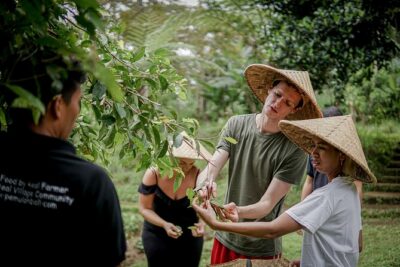
If you’ve ever taken a cooking class that starts after the ingredients are already sorted, you know the feeling: it can become mostly recipe-following. Here, your day begins at the traditional market, where you pick fresh herbs and spices first—then choose the cut of meat and the vegetables you’ll use.
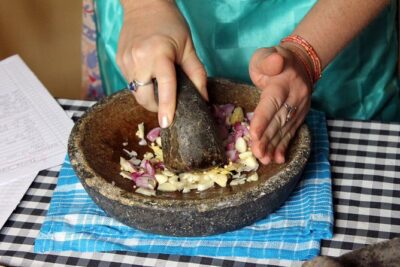
That small shift matters. When you’re buying ginger, aromatics, chilies, or fragrant leaves yourself, you start understanding how Balinese flavor builds. You also learn what ingredients are actually normal here—what’s common, what’s seasonal, and what you can realistically find without turning your kitchen upside down at home. Even if you don’t cook every day, you’ll likely remember what those ingredients smell like and why they matter.
There’s also a nice visual way the day opens up. After the market, you’ll see a rice farmer doing their daily activities. It’s not just pretty scenery; it sets context for how central rice and daily rhythms are in Balinese life.
In a Balinese Home: What the Open Kitchen Really Feels Like
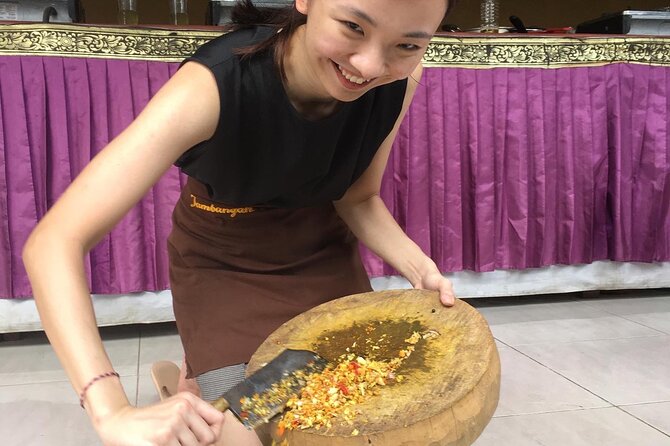
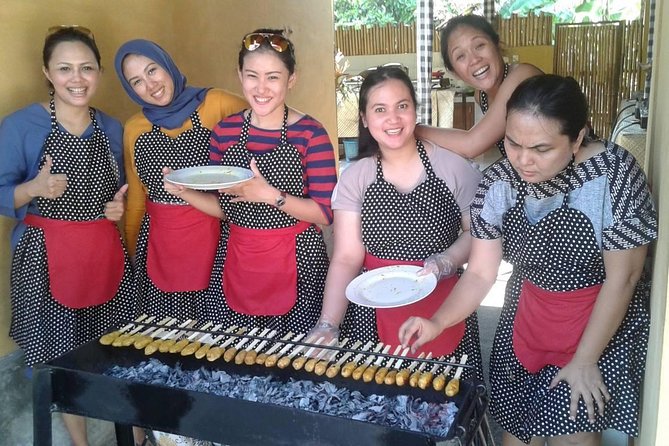
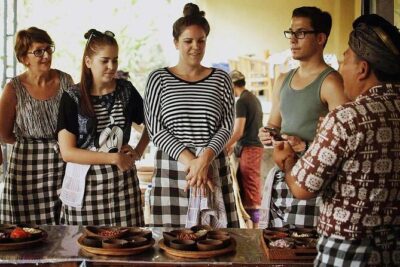
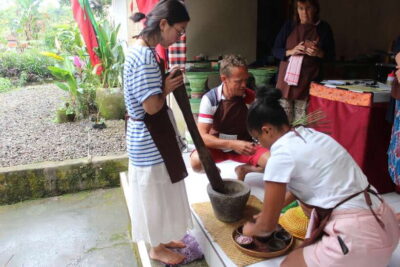
After the market, you’re welcomed into a Balinese house with a home setting you’ll feel in your body, not just see in photos. The cooking takes place at an open kitchen, so you’re not shut in behind a wall while someone else cooks.
This format is one of the best parts for me, because it makes the class feel like you’re learning from people, not consuming a performance. You can watch techniques while you’re also doing your own work—chopping, mixing, seasoning, and assembling.
You’ll also get time to discover Balinese family life in a more everyday way than you get at most restaurants. It’s especially good if you’re traveling with kids or you just want something hands-on that doesn’t require museum-level patience. The vibe is meant for food lovers, but it’s also designed to be approachable.
The Cooking Class Flow: From Ingredients to Your Own Lunch
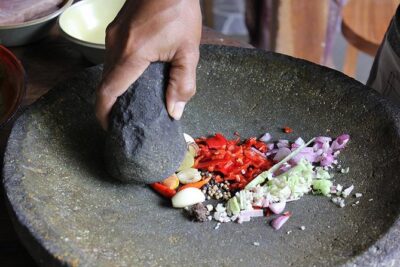
This is not a sit-and-watch session. You’ll make the recipes yourself, and then you get to savor what you cooked—served as lunch in the garden setting.
The class is taught in English, and the chefs are described as fully conversant with Balinese cuisine and culture. That’s important because Balinese food isn’t just about flavor; it’s also about the way ingredients and routines connect. When your teacher can explain not only what you’re doing but why, the recipe becomes more usable after you’re back home.
What you cook depends on the class menu, and the info you have here says you can choose between a lunch or dinner class. The experience length stays around 5 hours, so plan for an active morning rather than a casual wander-and-snack day.
One practical plus: multiple people note that you’re not only taught the food, you also get material to take home—so you can recreate it later instead of guessing from memory.
Other Ubud tours and experiences to line up next
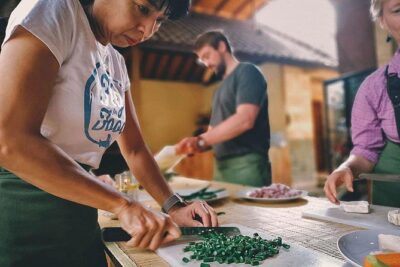
Cultural Hands-Ons You’ll Actually Remember
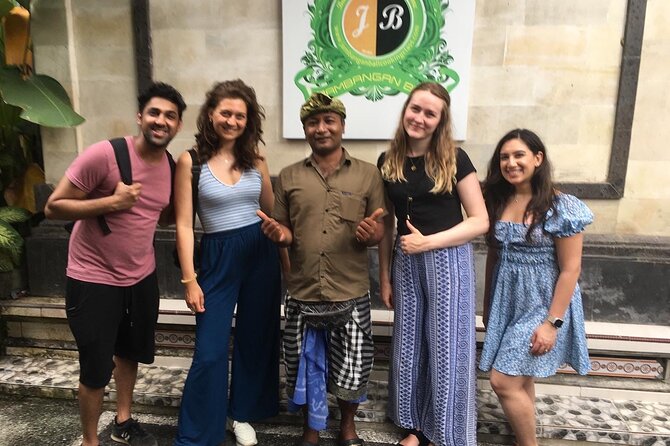
Cooking is the main event, but what makes this feel like more than a meal is the household culture you’re shown while you’re already in the right mindset.
Coconut oil processing
One of the listed experiences is authentic coconut oil processing. Even if you’ve cooked with coconut oil before, this is different: you learn how it’s made locally, using the process and tools tied to daily life rather than a bottle from a supermarket.
Making a simple offering
You’ll learn how to make a simple offering, and you’ll also witness the daily household Hindu offering. This is the kind of cultural context that helps you understand what you’re seeing across Bali—especially if you notice temples, baskets, flowers, and offerings during your trip.
Rindik bamboo music
You’ll also experience traditional Balinese activities at the home, including playing Balinese music (rindik) made from bamboo. It’s not presented as a formal concert. It’s more like a short, interactive taste of sound and tradition—often the kind of memory that sticks better than another photo stop.
These moments matter because they connect food to everyday practice. You’re not just learning dishes; you’re learning the rhythm of the place.
Lunch in the Garden: Eating Your Work Without Rush
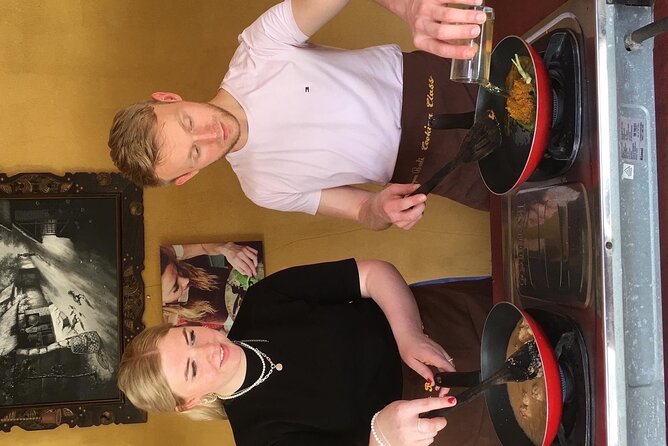
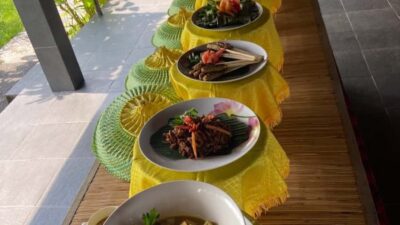
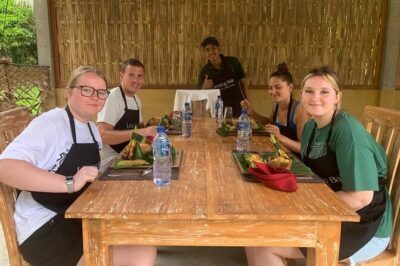
After you cook, you’ll savor your meal in a garden setting. That’s a small detail, but it affects the experience. Eating right after cooking means you still remember the steps, the flavors, and what you adjusted while cooking.
Also, the class includes lunch in the provided details, and alcohol isn’t included. If you like pairing your food with a drink, budget for it separately—or skip alcohol if you’d rather keep the day focused on learning and tasting.
Price and Time: Is $34 Good Value?
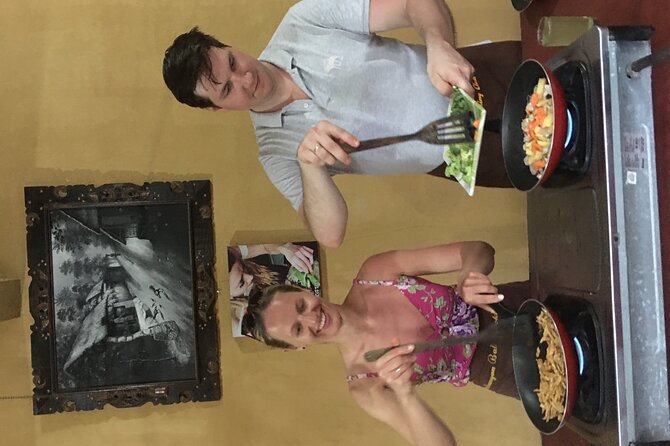
At $34 for about 5 hours, the value is strong, especially because it includes more than just a recipe lesson. You get:
- an early market ingredient selection,
- cooking instruction while you do the work,
- a meal (listed as lunch),
- and extra cultural experiences like offering-making, coconut oil processing, and rindik music.
In other words, you’re paying for labor, instruction, access (a family home setting), and the time it takes to walk you through ingredients and routines. For a small group (max 15), it’s also a better chance of actually getting help while cooking rather than being passed tools and left to it.
If you’re the type who likes food adventures but doesn’t want to spend a full day in traffic, this is also a time-efficient option.
Best Fit: Who Will Enjoy This Most
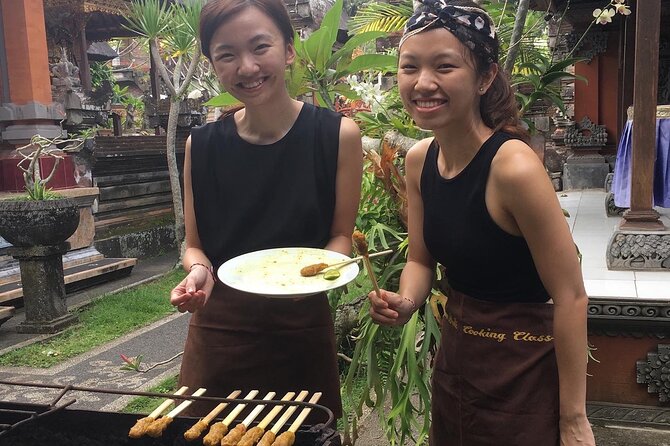
This class is a great match if:
- you care about Balinese ingredients and want to understand them before cooking,
- you like hands-on activities and learning by doing,
- you want culture that connects to daily life, not just landmarks,
- you’re traveling with family and want something calmer than a long tour bus day.
Because it’s taught in English and capped at 15 people, it’s also a reasonable option if you want personal attention without needing special skills.
If you’re short on time in Ubud, plan your day around it. It starts early, so you’ll want energy for the market part and the cooking part—not a late breakfast plan.
A Note on Weather and Scheduling
The experience requires good weather. If weather is poor, you’ll be offered a different date or a full refund. That matters because a market-and-outdoor-food setup works best when the day is dry and comfortable.
Also, keep an eye on whether you choose lunch vs dinner timing. One class experience didn’t work as planned when the market was already closed, and the schedule shifted toward a different tea/coffee tasting option. So choose your time based on what you want most—market shopping or a later pace.
Should You Book Jambangan Bali Cooking Class?
Book it if you want more than a meal ticket. This is a smart-value cooking class that teaches you Balinese food with real context: you shop for ingredients first, cook on-site in a family home open kitchen, and learn cultural pieces like offerings, coconut oil processing, and rindik music.
Skip it only if you’re strongly weather-sensitive, or you hate early mornings. Otherwise, it’s the kind of Ubud experience that leaves you with both a full stomach and a better understanding of what you’re tasting.
FAQ
How long is the Jambangan Bali Cooking Class?
The class is listed as lasting about 5 hours.
Where does the experience start?
It starts at Warung JB Jambangan Bali, on Jln kelabang moding no 713, Tegallalang, Ubud area, Bali.
Does the class include lunch?
Yes. The experience includes lunch, and alcohol is not included.
Can I choose between a lunch or dinner class?
Yes. You can choose between a lunch or dinner class.
What language is the class taught in?
All classes are conducted in English by Balinese chefs.
How big are the groups?
The maximum group size is 15 travelers.
What else do you do besides cooking?
Besides cooking, you can experience coconut oil processing, make a simple offering, witness the daily household offering, and play rindik (Balinese bamboo music).
Is alcohol included in the price?
No. Alcohol is not included.
What if the weather is bad?
The experience requires good weather. If it’s canceled due to poor weather, you’ll be offered a different date or a full refund.
What is the cancellation policy?
You can cancel for a full refund up to 24 hours before the experience starts. If you cancel less than 24 hours before, the amount paid is not refunded.
More Cooking Classes in Ubud


More Ubud Tours We Rate





Cook Balinese in Ubud
Just added around Ubud
- Ubud: White Water Rafting with visit Ubud Monkey Forest
★ 5.0 · 3 reviews - Private Guided Bali Car Charter
★ 5.0 · 3 reviews - East Bali and Lempuyang Temple Tour
★ 5.0 · 3 reviews - Bali Downhill Cycling and White Water Rafting
★ 5.0 · 3 reviews - Cave Tubing Adventure in Ubud
★ 5.0 · 3 reviews
Balinese Cooking Classes, compared.
 ★ 5.0Ubud Cooking Class Bali with Balinese ChefFrom $351,609 reviews
 ★ 4.9Cooking Class with Transfers and Optional Market VisitFrom $21824 reviews
 ★ 5.0PRIVATE Authentic Balinese Cooking Class in Ubud at Putu’s HomeFrom $75644 reviews
 ★ 5.0Balinese Ubud cooking school (9 Dish Cooking and Market Tour)From $58540 reviews
 ★ 4.8Balinese Cooking Class and Market TourFrom $23531 reviews
 ★ 5.0Balinese Farm Cooking Class by Pemulan BaliFrom $39410 reviews
 ★ 5.0Balinese Authentic Cooking Class in UbudFrom $39239 reviews
 ★ 5.0PRIVATE Balinese Cooking Class in Ubud with Dewa with TransfersFrom $69213 reviews
Browse the lists this tour appears in