
Reviewed · BALINESE COOKING CLASSES
Ubud: Balinese Cooking Class with Hotel Transfers
Ubud cooking turns recipes into stories. This 5-hour class pairs hotel pickup with real market ingredients, so you start learning before you even touch a cutting board. You’ll follow an English-speaking instructor through classic Balinese dishes and then eat what you make.
I especially like the way the day connects food to place: a paddy field visit and a look at daily life on a family property, not just a kitchen demo. And because it ends with lunch in the garden, the whole experience feels like a complete meal, not a quick activity.
One consideration: if you’re traveling with a lot of baggage, plan ahead. There’s no large bags, and the market stop is for the morning class only.
In This Review
- Key Highlights
- Hotel Transfers That Make Ubud Feel Effortless
- The Market Walk: Fresh Spices You Can Actually Taste Later
- Paddy Field Footsteps: Rice Farming in Plain Sight
- Welcome Drink, Family Home Setting, and Garden Lunch
- The Cooking Portion: From Soup to Mains to Dessert
- The Real Skill: Turning What You Learn into What You Cook
- Price and Value: Why $26 Feels Light for What’s Included
- Who This Cooking Class Fits Best (And Who Might Skip)
- The Bottom Line: Book It If You Want Food With Context
- FAQ
- How long is the Ubud Balinese cooking class?
- Do I get hotel pickup and drop-off?
- Is the market visit included in the cooking class?
- What language is the class taught in?
- What’s included besides the cooking?
- Can I choose vegetarian options?
- What should I bring and wear?
- Is there anything I can’t bring?
- What’s the cancellation and payment policy?
Key Highlights
- Hotel pickup and drop-off included, with a short wait time at the lobby
- Morning market visit to choose herbs, spices, vegetables, and meat cuts
- Paddy field visit that shows rice farming as part of everyday life
- English-led cooking in a local home setting, with a welcome drink
- Lunch in the garden where your dishes become the main event
- Vegetarian or meat options offered at the start of the day
Market basket to banana-leaf plate. More Ubud cook-alongs.
- Ubud Cooking Class Bali with Balinese Chef★ 5.0 · 1,609 reviews
- Ubud: Cooking Class with Transfers and Optional Market Visit★ 4.9 · 824 reviews
- PRIVATE Authentic Balinese Cooking Class in Ubud at Putu’s Home★ 5.0 · 644 reviews
- Balinese Ubud cooking school (9 Dish Cooking and Market Tour)★ 5.0 · 540 reviews
Hotel Transfers That Make Ubud Feel Effortless
In Ubud, getting around can eat up your energy. This class fixes that problem by picking you up directly from your hotel or villa lobby, then returning you afterward. You don’t need to find a ride, haggle, or worry about timing once you’re ready to eat.
Pickup works like this: you wait in the lobby about 10 minutes before your scheduled time. The driver waits no longer than 5 minutes after the pickup time, so it’s worth being ready. That “short wait” rule is actually good for you. It keeps the schedule tight and helps the group move smoothly from one part of the day to the next.
Once you’re dropped off again, you can leave when you’re ready. In at least some sessions, people note they get collected about an hour and a half after the cooking part, then returned whenever they wanted to depart. That flexibility is a nice fit for a busy Ubud itinerary.
If you hate rigid plans, this is the style to choose: a guided morning or afternoon block, but with real breathing room around the edges.
The Market Walk: Fresh Spices You Can Actually Taste Later
If you book the morning class, your start includes a local market visit. This is one of the biggest value add-ons, because it changes the whole cooking class from generic to personal. Instead of being told what ingredients are, you’re seeing them first—fresh herbs, crisp vegetables, and choice cuts of meat.
The practical payoff is huge. When you’re later building flavor with spice mixes and aromatics, you remember what you picked up and why it worked. That makes your cooking at home easier, because you’re not just following instructions—you’re matching flavors you already understand.
Also, the market stop gives you a quick window into local food culture. You’ll be walking with a guide who can connect the ingredients to Balinese cooking choices. Even if you don’t speak much Indonesian (and you don’t need to), the experience is organized around what you can see, smell, and compare.
One note to plan around: the traditional market visit is only included for the morning class. If you’re choosing a later departure time, don’t expect the market portion to appear. Morning is the best option if you want that full “ingredients to lunch” arc.
Paddy Field Footsteps: Rice Farming in Plain Sight
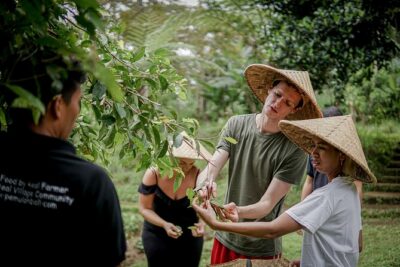
After market time, the program includes a visit to the rice paddies. This isn’t just a photo stop. It’s meant to show you how rice farming fits into local routines—what farmers do during their daily activity, and why rice matters so much on the island.
For me, this is the quiet highlight of the day. You can spend hours in Ubud temples and art galleries, but rice paddies connect food to the ground it comes from. It helps you see Balinese cooking as part of an island system, not a standalone culinary trend.
You’ll likely find conversation easier here too, because the guide can point out what you’re seeing and explain the rhythm of farming work. It’s also a good mental reset before you head into the home kitchen and start cooking with both hands.
Wear comfortable shoes. You’ll be moving around, and it’s better to treat it like an outdoor walk even if the pace feels relaxed.
Other Ubud tours and experiences to line up next
Welcome Drink, Family Home Setting, and Garden Lunch
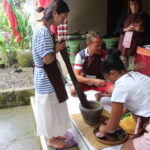
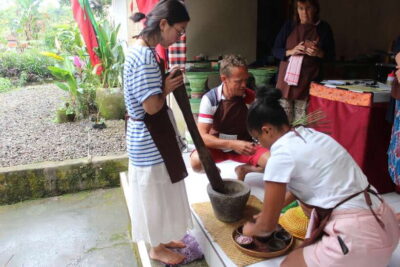
Once shopping and field time are done, you’ll be welcomed into a local home with a garden setting. The setting matters. Cooking classes can feel like a showroom—clean, staged, and slightly distant. Here, you’re stepping into a real family property environment, which makes the whole day feel more like a shared meal than an activity you rushed through.
In some sessions, people describe being greeted with complimentary coffee while waiting in the garden before class starts. That small touch sets the tone: you’re not being ushered straight into a lesson. You’re settling in.
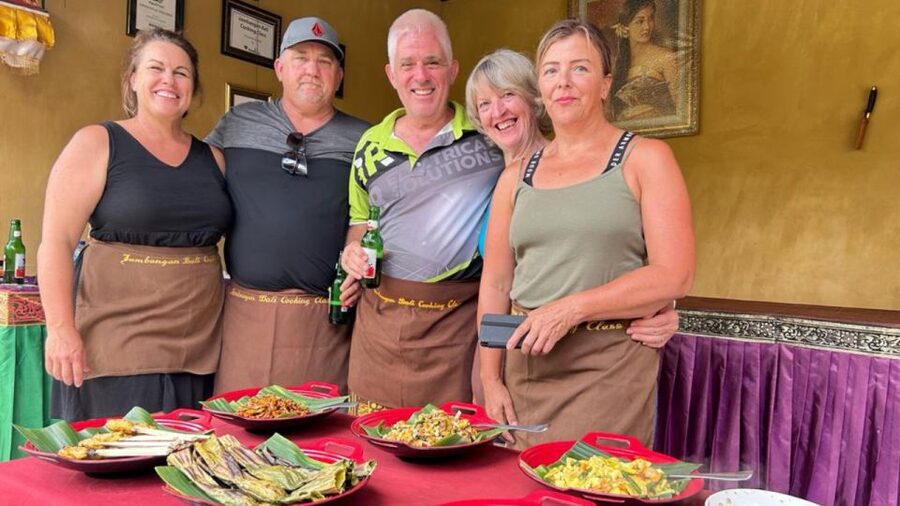
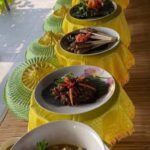
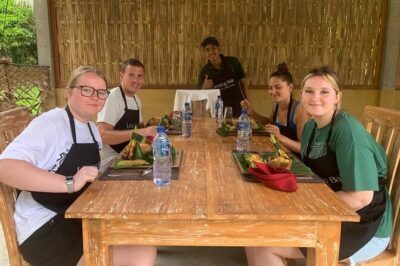
Then comes the best payoff: lunch in the garden with the food you made. That might sound obvious, but it’s not always true for cooking classes. Here, the program is built so your work becomes your meal. You’ll get to taste your results while the flavors are still fresh in your memory—and you can ask questions while your plate is in front of you.
If you care about atmosphere and not just food, this part is worth choosing the tour over a kitchen-only option.
The Cooking Portion: From Soup to Mains to Dessert
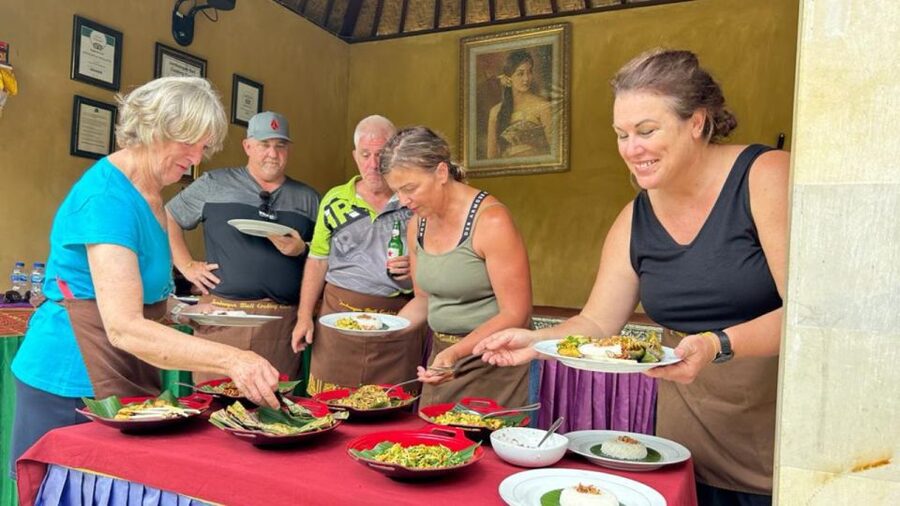
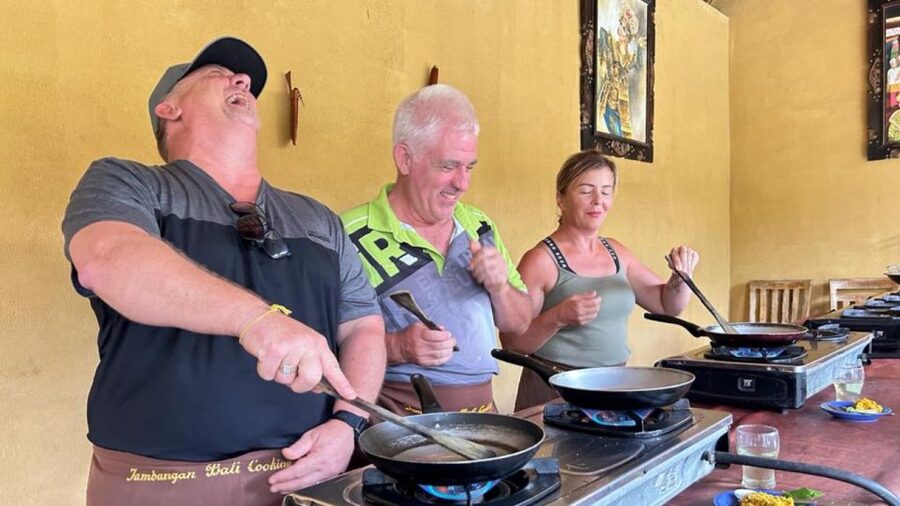
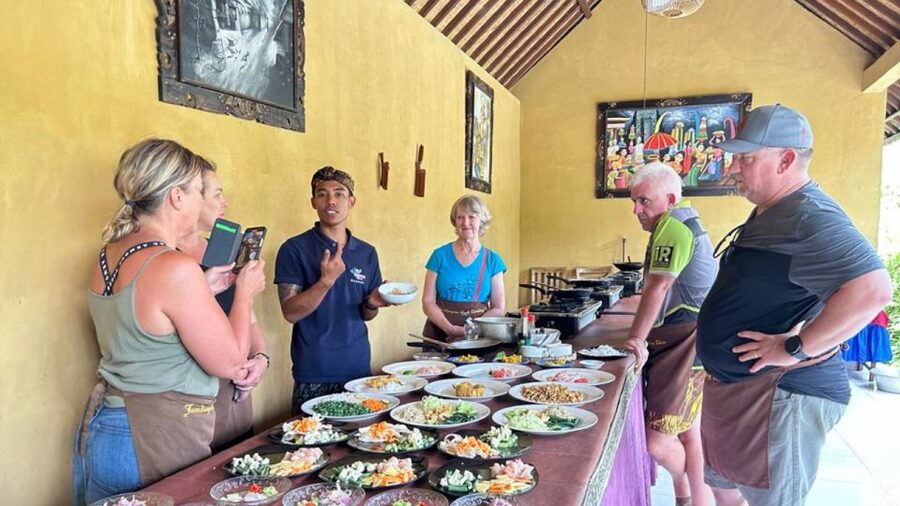
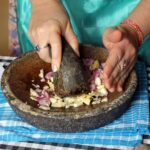
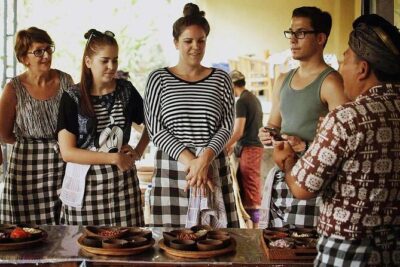
The heart of the experience is cooking several quintessential Balinese dishes, guided in English by local chefs familiar with the cuisine. The class pacing is structured, so you’re not standing around waiting for someone else to do everything.
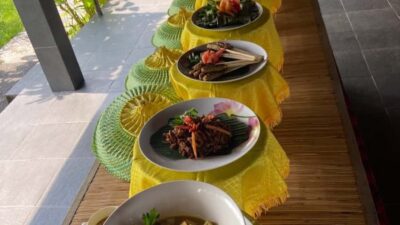
From descriptions of the day, the cooking lineup often includes:
- 1 soup
- 6 mains
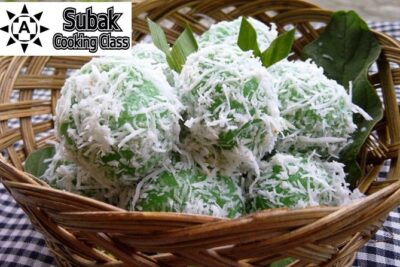
- 1 dessert
And at the start, you’re initially given the choice of vegetarian or meat options. That’s a big deal if you eat plant-forward or if your group has mixed preferences. It also means you’re not stuck making only one version of a dish while everyone else makes the “real” one.
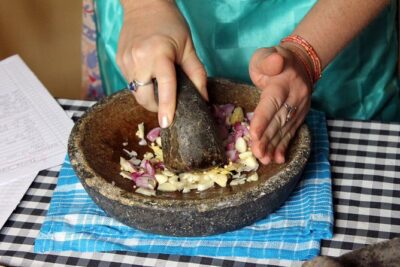
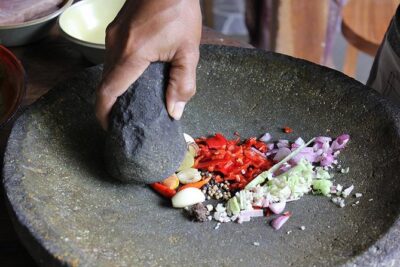
What makes this setup practical is that you’re learning multiple techniques across your menu: building flavor with herbs and spices, combining ingredients for mains, and then finishing with something sweet. It’s less about memorizing a single recipe and more about understanding how Balinese cooking builds layers.
A good cooking class also gives you context for why certain ingredients show up together. Even when the ingredient list is short, Balinese flavor patterns tend to rely on balance—aromatics, texture, and the right heat level. Being guided step-by-step in English helps you translate what you’re doing into what you can repeat later.
The Real Skill: Turning What You Learn into What You Cook
After a great cooking class, you should be able to make something at home without guessing. This one tends to work for that reason: you’re involved in choosing ingredients early (market time), seeing how they connect to rice farming and daily life (paddy field visit), and then cooking in a local home environment.
That “from source to plate” flow makes the recipes stick. If you’re the kind of person who likes to recreate meals for friends, you’ll likely appreciate that you leave with more than taste memories. You leave with a clearer sense of how Balinese dishes are assembled.
One detail I’d treat as a win: the instruction is in English. That reduces friction. You can ask questions without your brain translating everything first, and you can follow ingredient and technique explanations accurately.
And because you finish with your own meal, you can taste-test your choices immediately. If a dish needs adjusting, you learn that within the same day, not weeks later when you’re already home and improvising.
Price and Value: Why $26 Feels Light for What’s Included
At $26 per person for about 5 hours, this is priced like a serious deal—especially because it includes more than just the cooking. Your package includes:
- Hotel pickup and drop-off
- Balinese food (your lunch)
- A welcome drink
- A traditional market visit (morning class only)
- A paddy field visit
When you compare cost to the “real” expenses in Ubud—rides, meals, and paid entry to experiences—this package can feel efficient. You’re not just paying for instruction. You’re paying for a guided food journey that covers shopping and local context, then ends with eating what you cooked.
Is it the fanciest culinary school? The goal here is not to impress you with equipment. It’s to make you comfortable in a true Balinese cooking routine, with local hosts, local ingredients, and a full lunch payoff.
If you want a value-first Ubud food experience, this is in the right category.
Who This Cooking Class Fits Best (And Who Might Skip)
This class is a strong match if you want:
- hands-on cooking in an English-friendly setup
- a market-to-meal structure
- an experience that connects food to Balinese daily life
It also tends to work well for couples, small friend groups, and solo travelers who like activities with an easy narrative arc: you go out, shop and learn, then come back and eat.
It’s not suitable for children under 12, and it’s not suitable for people over 95. If you’re traveling with a lot of gear, remember there’s no luggage or large bags allowed, so pack light.
If you’re the type who hates outdoor walking, pay extra attention to the market and paddy field portions. The tour includes those spaces, so your comfort depends on your willingness to move around in everyday outdoor settings.
The Bottom Line: Book It If You Want Food With Context
Should you book this Ubud Balinese cooking class with hotel transfers? If you care about authenticity and you want more than a single recipe session, I’d say yes. The best part is the structure: market ingredients for flavor accuracy, a rice farming glimpse for perspective, then cooking and eating in a family home garden setting.
Skip it only if you’re not up for a market walk, you’re traveling with large luggage, or you’re missing the morning class and were hoping for the market stop.
If your ideal Bali day includes real food, real people, and a meal you can recreate, this is a practical choice that feels worth the money.
FAQ
How long is the Ubud Balinese cooking class?
The experience runs for 5 hours.
Do I get hotel pickup and drop-off?
Yes. Hotel pickup and drop-off are included.
Is the market visit included in the cooking class?
It’s included for the morning class only.
What language is the class taught in?
The cooking class is conducted in English.
What’s included besides the cooking?
You get hotel transfers, Balinese food, a welcome drink, a market visit for morning classes, and a paddy field visit.
Can I choose vegetarian options?
You’re initially given a choice of vegetarian or meat options for the recipes.
What should I bring and wear?
Wear comfortable shoes and comfortable clothes.
Is there anything I can’t bring?
Luggage or large bags aren’t allowed, and alcohol and drugs aren’t allowed.
What’s the cancellation and payment policy?
You can cancel up to 24 hours in advance for a full refund, and you can reserve now and pay later (pay nothing today).
More Cooking Classes in Ubud

More Ubud Tours We Rate





Cook Balinese in Ubud
Just added around Ubud
- Ubud: White Water Rafting with visit Ubud Monkey Forest
★ 5.0 · 3 reviews - Private Guided Bali Car Charter
★ 5.0 · 3 reviews - East Bali and Lempuyang Temple Tour
★ 5.0 · 3 reviews - Bali Downhill Cycling and White Water Rafting
★ 5.0 · 3 reviews - Cave Tubing Adventure in Ubud
★ 5.0 · 3 reviews
Balinese Cooking Classes, compared.
 ★ 5.0Ubud Cooking Class Bali with Balinese ChefFrom $351,609 reviews
 ★ 4.9Cooking Class with Transfers and Optional Market VisitFrom $21824 reviews
 ★ 5.0PRIVATE Authentic Balinese Cooking Class in Ubud at Putu’s HomeFrom $75644 reviews
 ★ 5.0Balinese Ubud cooking school (9 Dish Cooking and Market Tour)From $58540 reviews
 ★ 4.8Balinese Cooking Class and Market TourFrom $23531 reviews
 ★ 5.0Balinese Farm Cooking Class by Pemulan BaliFrom $39410 reviews
 ★ 5.0Balinese Authentic Cooking Class in UbudFrom $39239 reviews
 ★ 5.0PRIVATE Balinese Cooking Class in Ubud with Dewa with TransfersFrom $69213 reviews
Browse the lists this tour appears in