
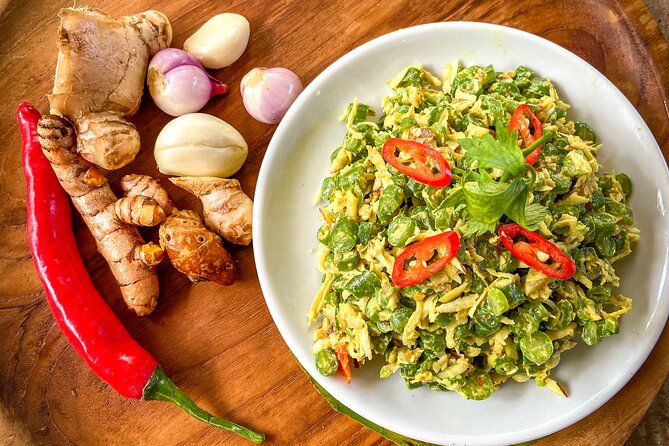
Reviewed · BALINESE COOKING CLASSES
Be a real Balinese with Traditional Balinese Cooking Class
A family kitchen beats the tourist buffet. This private Balinese cooking class in Ubud pairs hands-on cooking with a sacred water blessing at Tirta Empul Temple and a stop at a local coffee plantation. You’ll be picked up (and brought back) from your Ubud hotel area, then spend a few hours learning, eating, and asking questions.
I really like two things here: first, you cook with a family in Delodsema Traditional Village, not in some detached demo kitchen. Second, the meals are treated like a real local event, including guidance on how to eat like local and a lunch setup that’s meant to be experienced, not just photographed.
One thing to consider: Tirta Empul temple entry is not included (you pay the entrance yourself), and Balinese custom means women who are menstruating can’t enter the temple or bathe there.
In This Review
- Key things to know before you go
- Delodsema Traditional Village: cooking with a real Balinese household
- From offerings to Tirta Empul: how the purification ritual works
- After the ritual: lunch with rice-terrace views
- Coffee plantation stop: taste Indonesian coffee the local way
- Price and value: what $30 covers and what costs extra
- Who this fits best in Ubud
- Should you book this Balinese cooking class in Ubud?
- FAQ
- How long is the experience?
- Where does the tour start and end?
- Is pickup from Ubud included?
- What’s included with the class?
- Do I need to pay for Tirta Empul Temple admission?
- Who can participate in the purification ritual at the temple?
Key things to know before you go
- Private group, family-style setting: you only share the experience with your own group, and the cooking is done with a local household
- Tirta Empul ritual comes with real rules: temple entry is separate, and menstruating women can’t enter or bathe
- You eat the way locals eat: dishes are served in a simple, local format, and you’ll get pointers on proper eating
- Coffee plantation tasting is included: you tour the plantation and taste Indonesian coffee
- Value is strong for the price: lunch, bottled water, and Balinese coffee or tea are part of the package
Market basket to banana-leaf plate. More Ubud cook-alongs.
- Ubud Cooking Class Bali with Balinese Chef★ 5.0 · 1,609 reviews
- Ubud: Cooking Class with Transfers and Optional Market Visit★ 4.9 · 824 reviews
- PRIVATE Authentic Balinese Cooking Class in Ubud at Putu’s Home★ 5.0 · 644 reviews
- Balinese Ubud cooking school (9 Dish Cooking and Market Tour)★ 5.0 · 540 reviews
Delodsema Traditional Village: cooking with a real Balinese household
Your day starts at Delodsema Traditional Village (Taro, Tegallalang area). This is the kind of place where you can feel the rhythm of daily life. Delodsema is described as a tight community, with only around 60 families living there, so your visit doesn’t feel like a theme park stop.
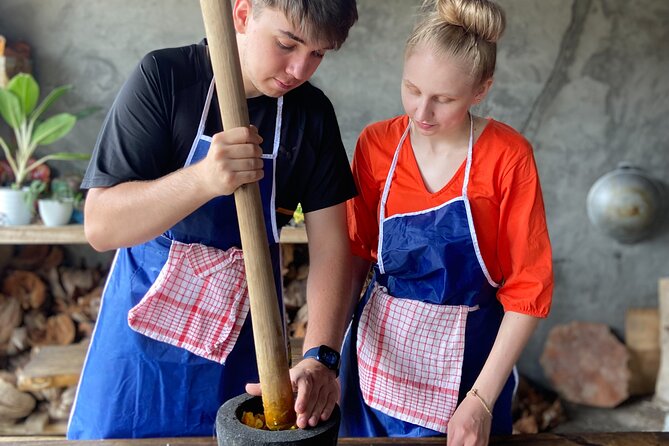
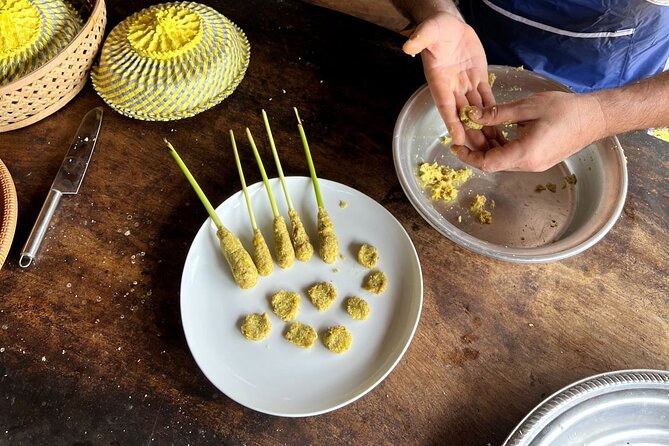
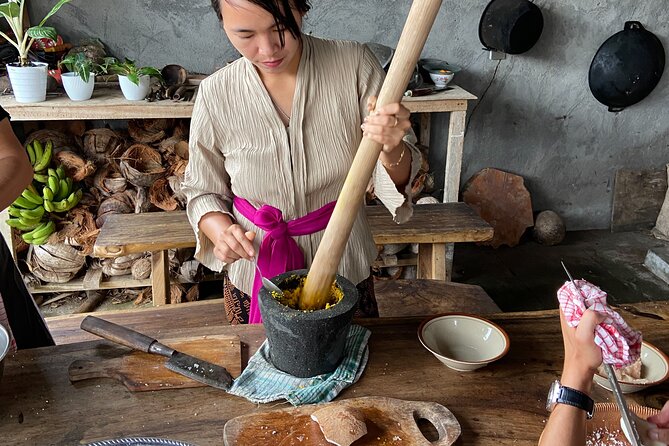
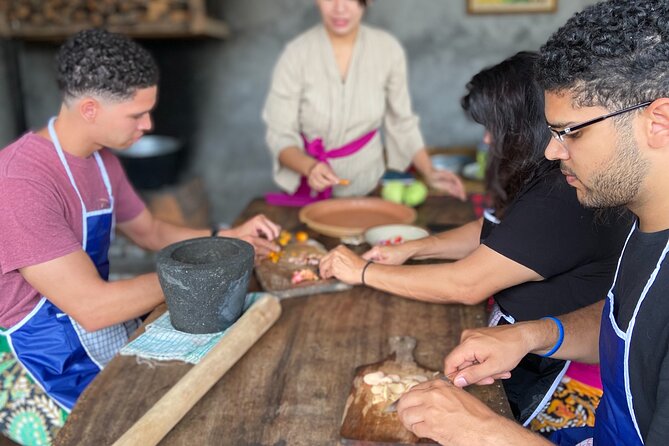
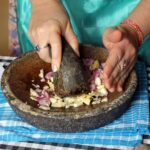
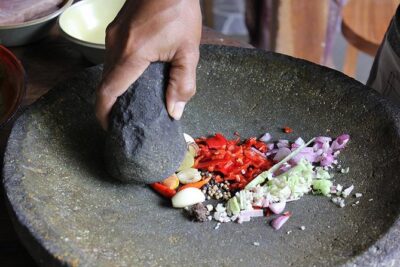
After meeting up, you’ll be welcomed and served a Balinese drink right away. Then the cooking portion begins with a hands-on flow: you’ll hold fresh ingredients used for the meal, while your hosts explain spices and traditional herbs. The idea is simple but smart. Instead of memorizing a recipe from a card, you learn what ingredients matter and why.
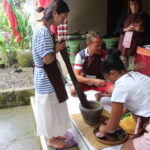
The hosts also explain how the meal is prepared using a local cooking style. You won’t just watch from a chair. You’re in the mix: cooking alongside the family, working with ingredients, and learning the steps that make Balinese flavors recognizable. The experience is also set up so you can eat like you’re part of the household.
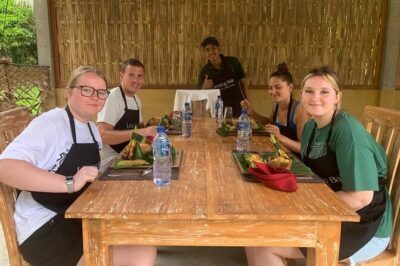
One extra detail I appreciate is that your lunch setup is described as being placed on the ground. That usually changes the whole experience. It’s slower, more communal, and you get guidance on how should you eat like local while you’re there. You’re also taken around to see a temple and a house during the village visit, so you get a broader sense of how the community is arranged around daily worship and home life.
If you’re the type who likes learning through doing—chopping, mixing, tasting as you go—this is where the class earns its keep.
From offerings to Tirta Empul: how the purification ritual works
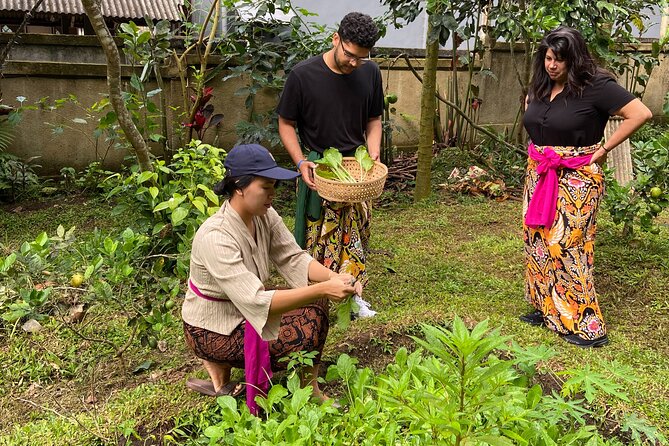
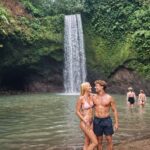
After Delodsema, you shift from cooking mode to ritual mode. You gather offerings and incense with your guide and head to Tirta Empul Temple for the purification water blessing ritual.
This part is the most spiritually formal segment of the day. It’s not presented as a quick photo opportunity. You’ll be guided through the process of making offerings and incense, and then you’ll purify yourself in the sacred waters at Tirta Empul. Your guide’s role matters here because the steps are part instruction, part cultural context.
A key consideration: the temple entrance fee is at your own expense. That means your $30 price covers the guided ritual experience, but you should budget separately for admission.
Also, please note the temple rule: Balinese custom does not allow women who are menstruating to enter the temple and bathe. If that affects you, you’ll want to plan accordingly.
Practical tip: bring an open mind and keep your clothing respectful. You may be provided a sarong as part of the experience, but the safest approach is to wear something easy to adjust. If you want to be comfortable after the water ritual, you might also want to carry a small bag for changing clothes, since water is involved and you’ll likely be moving around afterward.
After the ritual: lunch with rice-terrace views
Once you’ve finished the purification, the day moves into food territory again—this time with the atmosphere of a feast.
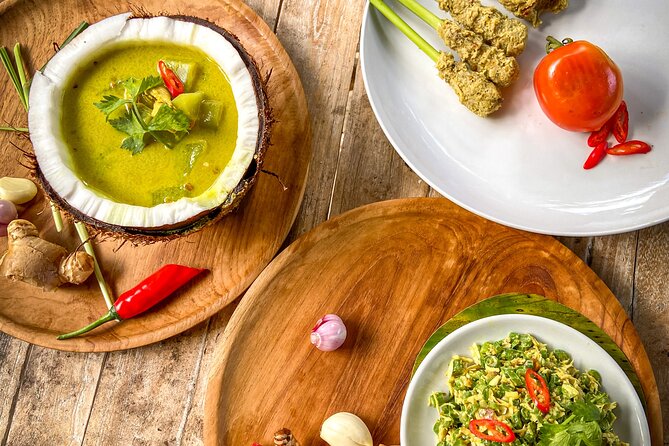
Lunch is described as a Balinese meal with views over rice terraces. That matters more than you’d think. The cooking part can be very tactile and busy, while the lunch portion gives your brain a break so you can actually taste and understand what you made earlier (and what you’re about to learn next through flavors and repetition).
The meal is also set up as more than just a plate. You’ll sample a variety of dishes. The experience emphasizes eating like local people—so you’re not left wondering which parts you’re supposed to eat first or how to handle the food. That guidance is valuable, especially if you’re used to a Western style meal format.
This is also where the included drinks come in: you’ll have bottled water plus Balinese coffee or tea. It’s a small line item, but it’s the kind of practical comfort that makes the difference in the heat and humidity of Bali.
If you enjoy food as a story, this timing works well. The ritual sets a reflective tone, and the lunch brings it back to everyday life—cooking, sharing, and eating together.
Other Ubud tours and experiences to line up next
Coffee plantation stop: taste Indonesian coffee the local way
After lunch, you’ll tour a coffee plantation and taste Indonesian coffee. This isn’t just a walk-by-and-shop stop. The experience is described as a plantation tour with tasting, so you get at least some connection to how the coffee world fits into Bali’s farming and daily routines.
You’ll taste Indonesian coffee as part of the program. That’s the key. Many coffee stops turn into a lecture with a product pitch. Here, the structure is simple: tour first, then taste.
One practical note: coffee tasting can be strong. If you’re sensitive to caffeine, ask what’s included and how the tasting is paced. If you’re a coffee fan, this is a nice way to round out the day after working with spices in the village and eating a full Balinese lunch.
Price and value: what $30 covers and what costs extra
At $30 per person, this experience is priced to feel accessible while still delivering real cultural content: village cooking, a guided purification ritual at Tirta Empul, lunch, and a coffee plantation tasting.
Here’s what you do get included:
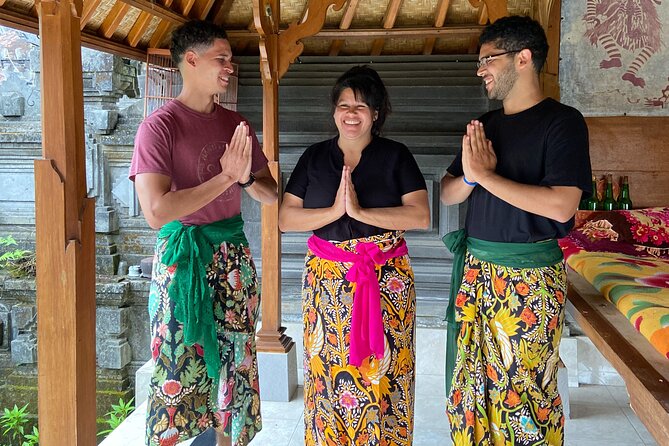
- a welcome snack, plus Balinese sarong and welcoming
- hands-on cooking in Delodsema and a lunch that includes a variety of dishes
- bottled water and Balinese coffee or tea
What you might pay separately:
- Tirta Empul temple entrance (explicitly at your own expense)
- additional transport cost if you need pickup beyond the Ubud central area
The transfers are a big part of the value equation. You’re offered door-to-door private 2-way transfers from Ubud hotels, which is huge in Bali. Driving yourself—or figuring out timing—adds stress you don’t want during a ritual-focused day.
The experience length is also reasonable: about 2 to 3 hours. It’s long enough to cook, learn, and do the purification segment, but short enough that you won’t feel like your whole day is consumed.
Two more practical details matter:
- It’s a private activity, only your group participates.
- Minimum age is 18, and there’s a minimum of 2 people per booking.
Who this fits best in Ubud
This is a good match if you want a Balinese cooking class that’s about people, not just food. The village setting in Delodsema makes it feel grounded. If you like learning by doing—handling ingredients, cooking with guidance, then sitting down to eat properly—this should land well.
It also suits you if you care about the spiritual side of Bali Hinduism, not just the aesthetics. The Tirta Empul water blessing ritual is a real cultural practice, and the day’s flow is built around that sequence: offerings, purification, then lunch and coffee.
You might want to rethink the booking if:
- you don’t want to pay a separate temple entrance fee
- you’re affected by the menstruation rule for temple entry and bathing
Should you book this Balinese cooking class in Ubud?
I’d book it if you’re looking for a hands-on Balinese cooking experience that stays close to local life, then pairs it with a meaningful Tirta Empul ritual and an included lunch. The value is strong because it bundles cooking, eating, drinks, and coffee tasting into one smooth private format.
If you’re already planning to spend time in Ubud, this is a smart choice because the day is organized, guided, and not too long. Just go in with the right expectations: it’s not a cinematic show, and it’s not a factory-style cooking class. It’s a family-centered experience with cultural rules you’ll want to respect.
FAQ
How long is the experience?
It’s about 2 to 3 hours.
Where does the tour start and end?
It starts at Delodsema Traditional Village (Delodsema Road, Taro, Tegallalang, Gianyar Regency, Bali 80561, Indonesia) and ends back at the meeting point.
Is pickup from Ubud included?
Pickup is offered with door-to-door private 2-way transfers from Ubud hotels. If you need transport from the Ubud central area, there is an additional cost of IDR 350k roundtrip.
What’s included with the class?
You get a Balinese sarong, a welcome snack, bottled water, and Balinese coffee or tea. You also eat lunch at the end and sample a variety of dishes.
Do I need to pay for Tirta Empul Temple admission?
Yes. Tirta Empul entrance is listed as at your own expense.
Who can participate in the purification ritual at the temple?
Balinese custom does not allow women who are menstruating to enter the temple & bathe. The minimum age for participation is 18.
More Cooking Classes in Ubud
More Ubud Tours We Rate


Cook Balinese in Ubud
Just added around Ubud
- Ubud: White Water Rafting with visit Ubud Monkey Forest
★ 5.0 · 3 reviews - Private Guided Bali Car Charter
★ 5.0 · 3 reviews - East Bali and Lempuyang Temple Tour
★ 5.0 · 3 reviews - Bali Downhill Cycling and White Water Rafting
★ 5.0 · 3 reviews - Cave Tubing Adventure in Ubud
★ 5.0 · 3 reviews
Balinese Cooking Classes, compared.
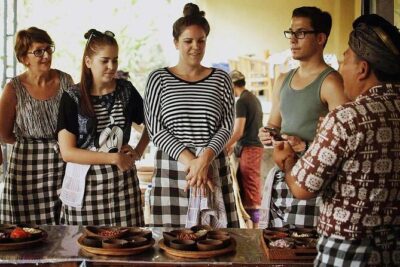 ★ 5.0Ubud Cooking Class Bali with Balinese ChefFrom $351,609 reviews
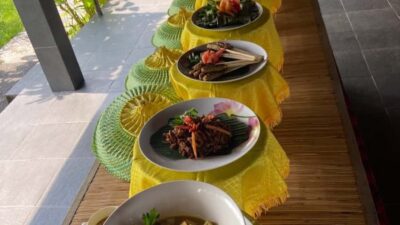 ★ 4.9Cooking Class with Transfers and Optional Market VisitFrom $21824 reviews
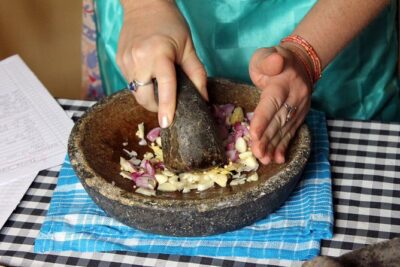 ★ 5.0PRIVATE Authentic Balinese Cooking Class in Ubud at Putu’s HomeFrom $75644 reviews
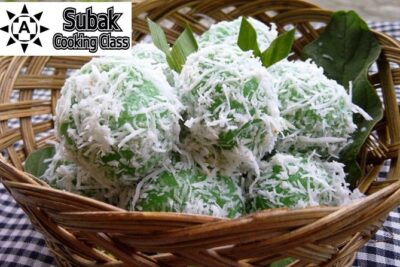 ★ 5.0Balinese Ubud cooking school (9 Dish Cooking and Market Tour)From $58540 reviews
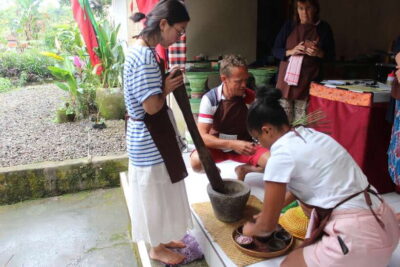 ★ 4.8Balinese Cooking Class and Market TourFrom $23531 reviews
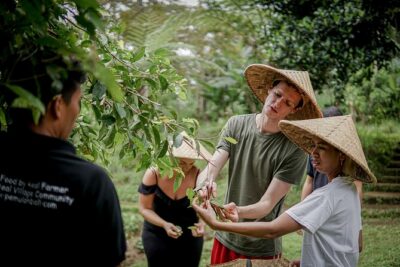 ★ 5.0Balinese Farm Cooking Class by Pemulan BaliFrom $39410 reviews
 ★ 5.0Balinese Authentic Cooking Class in UbudFrom $39239 reviews
 ★ 5.0PRIVATE Balinese Cooking Class in Ubud with Dewa with TransfersFrom $69213 reviews
Browse the lists this tour appears in