
Reviewed · BALINESE COOKING CLASSES
Balinese Cooking Class at Organic Farm
Six dishes, picked from the farm, cooked on fire. At Mai Organic Farm outside Ubud, you get a real Balinese cooking class with a traditional wood-fired stove, plus time in the gardens and a walk tied to Bali’s UNESCO-protected Subak system. I love the farm-to-table part where you pick herbs and ingredients first, and I love the small-group setup (capped around eight, with a hard max of ten) that keeps the cooking hands-on.
The one drawback to plan for: it’s about 5 hours in a rural setting with walking and outdoor cooking. Also, the experience depends on good weather, so if rain rolls in you may be offered a different date or a refund.
In This Review
- Quick hits before you go
- Why Mai Organic Farm feels different from a typical cooking class
- Ubud pickup and timing: what to expect logistically
- Stop at the farm: welcome drink, organic farming, and the Subak walk
- Picking herbs and ingredients: why it matters for your cooking
- Cooking six Balinese dishes on a wood-fired stove
- Drinks included: juice, infused water, herbal sips, coffee, and tea
- Lunch in a tranquil gubuk hut: eating with the group
- Price and value: is $40 a good deal here?
- Who should book this (and who might want another option)
- Should you book? My practical take
- FAQ
- What dishes will I cook during the class?
- How long is the Balinese cooking class?
- Is pickup included from Ubud?
- How many people are in the group?
- What drinks are included?
- Do I pick ingredients from the farm?
- Where does the experience take place?
- What if it rains or the weather is bad?
- What is the cancellation policy?
Quick hits before you go
- Mai Organic Farm cooking uses a traditional wood-fired stove
- You pick ingredients on the organic farm before cooking
- Learn about the UNESCO World Heritage–protected Subak system
- The menu includes sate lilit kebab, tuna sate, and corn fritters
- You’ll drink sip juice, infused water, herbal drinks, plus Balinese coffee and lemongrass tea
- Pickup and drop-off from central Ubud hotels and rentals are included
Market basket to banana-leaf plate. More Ubud cook-alongs.
- Ubud Cooking Class Bali with Balinese Chef★ 5.0 · 1,609 reviews
- Ubud: Cooking Class with Transfers and Optional Market Visit★ 4.9 · 824 reviews
- PRIVATE Authentic Balinese Cooking Class in Ubud at Putu’s Home★ 5.0 · 644 reviews
- Balinese Ubud cooking school (9 Dish Cooking and Market Tour)★ 5.0 · 540 reviews
Why Mai Organic Farm feels different from a typical cooking class
I like cooking classes where the food has a story behind it. This one starts with the land. You’re not just chopping onions in a classroom kitchen. You’re walking the farm, learning how the produce is grown, then collecting what you’ll cook with.
What makes the experience land well is the mix of hands-on work and real context. You get an introduction to organic farming, plus a look at Bali’s Subak system, which is UNESCO World Heritage–protected. Then you move into the practical part: tasting, cooking, and eating what you made.
The other thing I appreciate is that the vibe stays relaxed. You can participate as much or as little as you want during the cooking. That matters for couples and families, especially if someone in your group wants to hover and taste more than they want to chop.
Ubud pickup and timing: what to expect logistically
This runs for about 5 hours. It’s designed to be easy from the Ubud area because round-trip transfers are offered from central Ubud hotels and rentals. That means less stress about getting a driver to a rural address in Pejeng.
You’ll meet at Mai Organic Farm Bali, Subak Kana, Banjar Panglan, F7RW+M98, Pejeng, Kec. Tampaksiring, Kabupaten Gianyar, Bali 80552, Indonesia. Since you’re leaving Ubud and ending back at the same meeting point, plan on a good chunk of your day being “one activity” rather than hopping between places.
Wear something you can move in. The farm portions include walking along community plots, and later you’re cooking outdoors. Light layers help because you’re in a shaded farm area at first, then you’re around food prep and heat at cooking time.
Also, keep your schedule flexible. The experience requires good weather. If conditions are poor, they may reschedule you or offer a full refund.
Stop at the farm: welcome drink, organic farming, and the Subak walk
The experience begins on the farm with a welcome drink. You’ll get situated in a shaded area while the team explains the community movement and how they grow their organic produce.
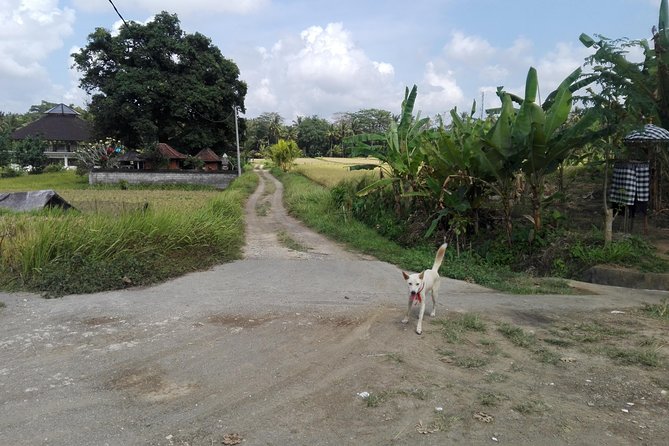
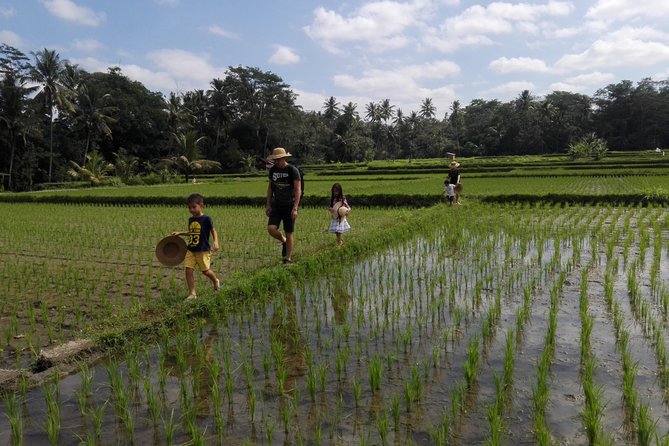
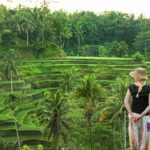
Then you walk along the community farm and learn about organic farming and Bali’s UNESCO-protected Subak system. Even if you don’t remember every detail, the lesson sticks because it’s tied to what you’ll later cook: herbs, fruits, and vegetables pulled from the garden.
This part is more than a short lecture. You’re walking through the environment where ingredients come from. You get to see the rhythms of farming in this area, and you also get a sense of what the community is trying to do: support local farmers’ income and provide resources to improve quality of life.
One small practical point: you’ll be moving through farm areas before cooking starts, so bring water if you tend to get thirsty. The tour includes drinks, but you’ll still want to stay comfortable during the walk.
Other Ubud tours and experiences to line up next
Picking herbs and ingredients: why it matters for your cooking
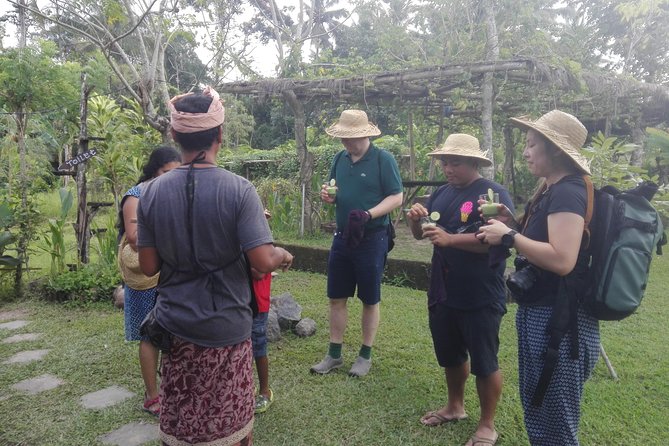
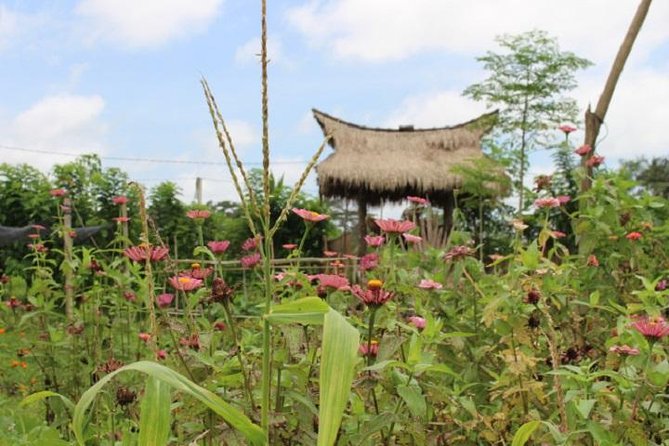
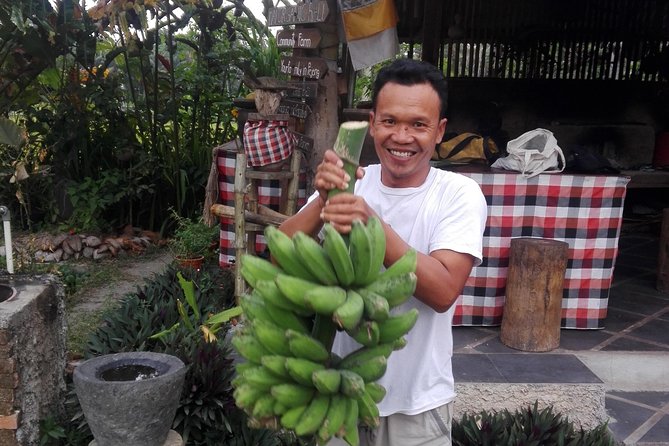
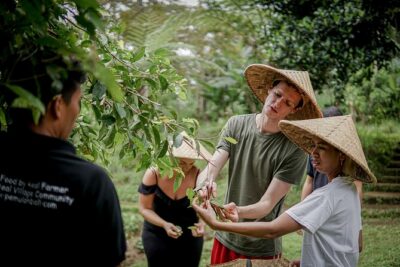
After you arrive at the center of the community, you’ll pick ingredients for your class. This is the real farm-to-table moment. Instead of reading a recipe and guessing what fresh herbs should smell like, you grab the ingredients yourself.
The payoff is how much easier cooking feels when you’ve seen the source. When you harvest the herbs and vegetables you’ll use later, you understand why certain flavors work together. You also start recognizing textures and aromas in a way that stays with you after the meal.
It’s also a fun break from Ubud’s usual rhythm. Ubud is great, but it can be easy to feel like every day is a vehicle ride to a new viewpoint and back. Here you’re outdoors doing something simple and physical. And it builds appetite fast.
Cooking six Balinese dishes on a wood-fired stove
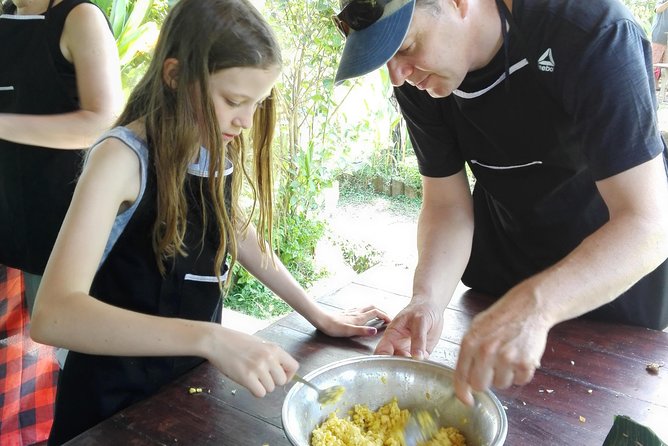
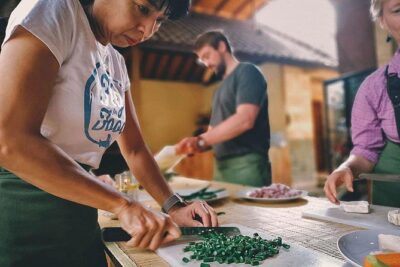
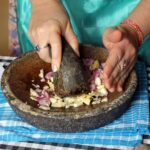
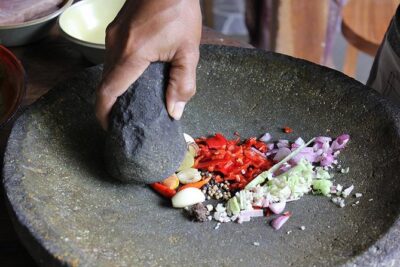
Once you reach the main cooking area, the class shifts into prep and hands-on cooking. The tour is built around six different Balinese dishes, including sate lilit kebab and other regional favorites. From what’s described, you’ll also make tuna sate and corn fritters.
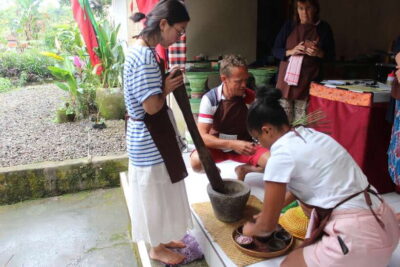
The traditional piece here is important. You’re cooking using a wood-fired stove, not a modern indoor range. That changes the whole feel. Fire affects timing and flavor. You learn how Balinese cooking uses heat and method, not just ingredients.
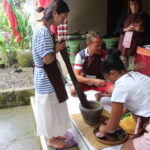
The class approach is friendly and flexible. Students can participate as much or as little as they want, so you won’t feel pressured to perform. That works well if you’re traveling with kids or if you simply want to watch and then join in when it’s your turn.
Taste and adjust as you go. This is a cooking class where the goal isn’t perfection. The goal is getting your hands on the process: mixing, shaping, and learning the basics behind Balinese flavors. When you finish, you’re not just eating lunch. You’re also leaving with the muscle memory of how the dishes come together.
Drinks included: juice, infused water, herbal sips, coffee, and tea
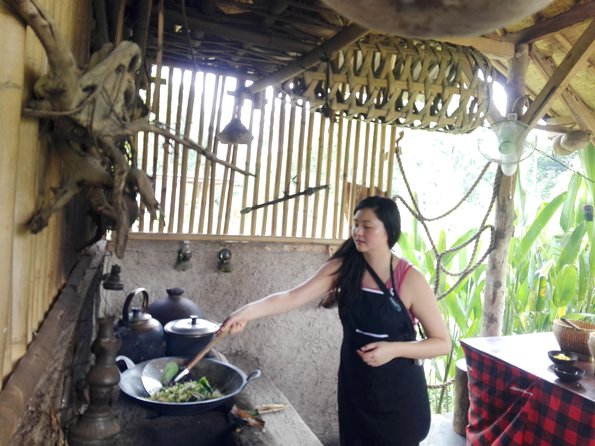
Food is the center of the experience, but the drink lineup is part of the education too. You’ll enjoy sip juice, infused water, and herbal drinks.
Later, you’ll also get to taste Balinese coffee and lemongrass tea. The structure makes sense: cool or refreshing drinks start things off, then you move toward warming drinks after you’ve done farm work and cooking.
One practical tip: if you’re someone who easily gets full from drinks, pace yourself. There’s enough going on that you’ll want to leave room for the meal you cooked in the gubuk hut.
Lunch in a tranquil gubuk hut: eating with the group
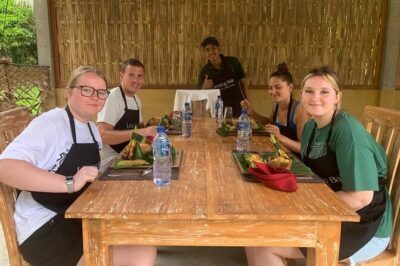
After cooking, you’ll eat together in a tranquil gubuk (hut). The atmosphere is communal but calm, like everyone’s settled in for the point of the day: the meal.
This is where the experience clicks. You taste the food with context. You know which ingredients came from the garden. You remember the cooking steps. The flavors land differently because they’re tied to your own work.
If you like meals where you can talk through what you made, this is the setting. The class is capped at a small size, so you get more real conversation than the typical large-group tour.
And because the dishes are Balinese and made with farm ingredients, the lunch feels more than a Western-style cooking class lunch. It’s a proper meal, built around local dishes and local produce.
Price and value: is $40 a good deal here?
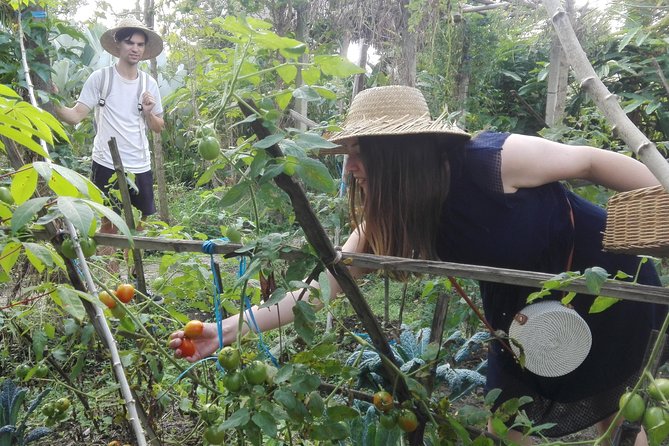
At $40 per person, this class is priced in the “worth it if you care about food” category. What you get isn’t just cooking instruction.
You’re paying for:
- A 5-hour experience with farm time
- Round-trip pickup from central Ubud hotels and rentals
- A small group (capped around eight, with a max of ten)
- Ingredients gathered on-site for your dishes
- Cooking with a traditional wood-fired stove
- Drinks including juices, infused water, herbal drinks, plus Balinese coffee and lemongrass tea
- Lunch in a gubuk setting with the food you prepared
When you break it down, it’s not only “a meal.” It’s access: to the farm, to the cooking setup, and to the process. If you’ve done generic cooking classes before where everyone makes the same dish in the same kitchen, this is closer to learning how Balinese cooking starts from the land.
Who should book this (and who might want another option)
This fits best if you want a food day that feels grounded. I’d book it if you like:
- Hands-on cooking rather than watching a demo
- Organic farming and how ingredients are grown
- A small group experience with pickup from Ubud
- Trying Balinese flavors like sate lilit kebab, tuna sate, and corn fritters
It may be less ideal if you hate outdoor activities or you need strict indoor comfort. There’s walking on the farm side and cooking around fire. Also, weather matters, so you’ll want to keep your plan flexible on the day you choose.
Families can do well here too. The class format is interactive but not pushy, and kids often enjoy ingredient picking because it’s visual and hands-on.
Should you book? My practical take
Yes, I think you should book this if your Bali trip has room for one truly hands-on food experience. The value comes from the full loop: organic farm walk, ingredient harvesting, and cooking on a wood-fired stove, then eating the meal you made in a calm hut setting.
It’s also a smart choice if you’re staying in or near Ubud and don’t want to coordinate transport. The round-trip pickup makes the day feel simple, even though you’re heading out of town.
Before you go, pick a day when you expect decent weather and wear clothes you don’t mind getting a little farm-dust on. If you do that, this class has a good chance of becoming one of those meals you remember because you helped create it.
FAQ
What dishes will I cook during the class?
The class teaches you to cook six different Balinese dishes, including sate lilit kebab, as well as dishes like tuna sate and corn fritters. You’ll also make dishes that pair with the drinks served during the experience.
How long is the Balinese cooking class?
The experience lasts about 5 hours.
Is pickup included from Ubud?
Yes. Round-trip transfers are offered from central Ubud hotels and rentals.
How many people are in the group?
The class is kept small, capped at about eight travelers, with a maximum of 10 travelers.
What drinks are included?
You’ll have sip juice, infused water, herbal drinks, Balinese coffee, and lemongrass tea.
Do I pick ingredients from the farm?
Yes. You walk the farm and pick the ingredients you’ll use for the cooking class.
Where does the experience take place?
You’ll start at Mai Organic Farm Bali, Subak Kana, Banjar Panglan, Pejeng (Tampaksiring, Gianyar), Bali. The activity ends back at the meeting point.
What if it rains or the weather is bad?
This experience requires good weather. If it’s canceled due to poor weather, you’ll be offered a different date or a full refund.
What is the cancellation policy?
You can cancel for a full refund up to 24 hours before the start time. If you cancel less than 24 hours before, the amount paid is not refunded.
More Cooking Classes in Ubud
More Ubud Tours We Rate




Cook Balinese in Ubud
Just added around Ubud
- Ubud: White Water Rafting with visit Ubud Monkey Forest
★ 5.0 · 3 reviews - Private Guided Bali Car Charter
★ 5.0 · 3 reviews - East Bali and Lempuyang Temple Tour
★ 5.0 · 3 reviews - Bali Downhill Cycling and White Water Rafting
★ 5.0 · 3 reviews - Cave Tubing Adventure in Ubud
★ 5.0 · 3 reviews
Balinese Cooking Classes, compared.
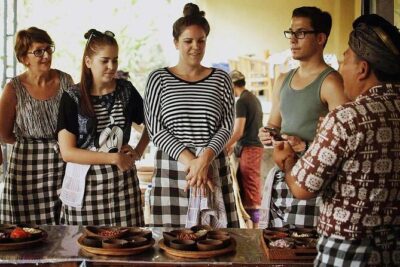 ★ 5.0Ubud Cooking Class Bali with Balinese ChefFrom $351,609 reviews
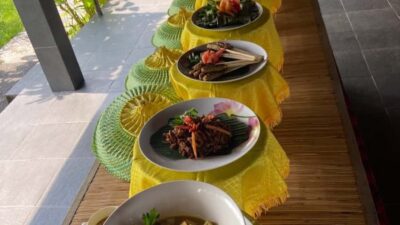 ★ 4.9Cooking Class with Transfers and Optional Market VisitFrom $21824 reviews
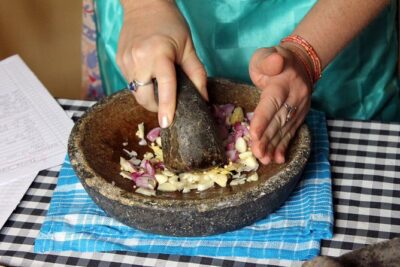 ★ 5.0PRIVATE Authentic Balinese Cooking Class in Ubud at Putu’s HomeFrom $75644 reviews
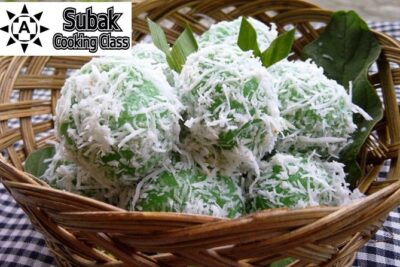 ★ 5.0Balinese Ubud cooking school (9 Dish Cooking and Market Tour)From $58540 reviews
 ★ 4.8Balinese Cooking Class and Market TourFrom $23531 reviews
 ★ 5.0Balinese Farm Cooking Class by Pemulan BaliFrom $39410 reviews
 ★ 5.0Balinese Authentic Cooking Class in UbudFrom $39239 reviews
 ★ 5.0PRIVATE Balinese Cooking Class in Ubud with Dewa with TransfersFrom $69213 reviews
Browse the lists this tour appears in