
Reviewed · BALINESE COOKING CLASSES
Bali Ubud Paon Cooking Class
Ubud’s cooking lesson starts with a market stop, not a demo. I really like the small-group format and the fact that you shop for ingredients first, so the class feels practical and connected to real Balinese food. I also love that Ubud hotel transfers are included, which keeps the day from turning into a taxi scavenger hunt.
One thing to consider: the included transfer coverage is Ubud area only. If you’re staying farther out, pickup/drop-off outside Ubud may cost extra, so check your lodging location before you book.
In This Review
- Key highlights you’ll care about
- Ubud’s Traditional Market Stop: How You Learn to Shop for Balinese Flavors
- Paon Bali Cooking Class: A Real Home-Kitchen Style Lesson
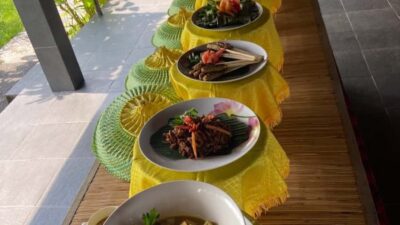
- What You Cook and Eat: Banana-Leaf Fish and Minced Chicken Satay
- The 5-Hour Plan: Transfers, Timing, and What the Day Feels Like
- Price and Value: Why $44 Can Make Sense in Ubud
- Certificate, Recipes, and Cooking Skills That Actually Transfer Home
- Who This Cooking Class Is Best For (and Who Should Think Twice)
- Should You Book Paon Bali in Ubud?
- FAQ
- Does the Ubud cooking class include hotel pickup?
- Is there a market visit?
- What dishes are you likely to make and eat?
- How long is the cooking class?
- What’s included in the price?
- Is the tour refundable if my plans change?
- How big is the group?
Key highlights you’ll care about
- Morning market shopping (only on the morning session) so you learn what to buy and why
- Small group up to 15 travelers, which tends to make the class more hands-on
- Ubud hotel transfers included (within the Ubud area only)
- Lunch included after you cook dishes like banana-leaf fish and minced chicken satay
- Recipes and support are part of the experience, with some participants noting recipe sharing via WhatsApp
Market basket to banana-leaf plate. More Ubud cook-alongs.
- Ubud Cooking Class Bali with Balinese Chef★ 5.0 · 1,609 reviews
- Ubud: Cooking Class with Transfers and Optional Market Visit★ 4.9 · 824 reviews
- PRIVATE Authentic Balinese Cooking Class in Ubud at Putu’s Home★ 5.0 · 644 reviews
- Balinese Ubud cooking school (9 Dish Cooking and Market Tour)★ 5.0 · 540 reviews
Ubud’s Traditional Market Stop: How You Learn to Shop for Balinese Flavors
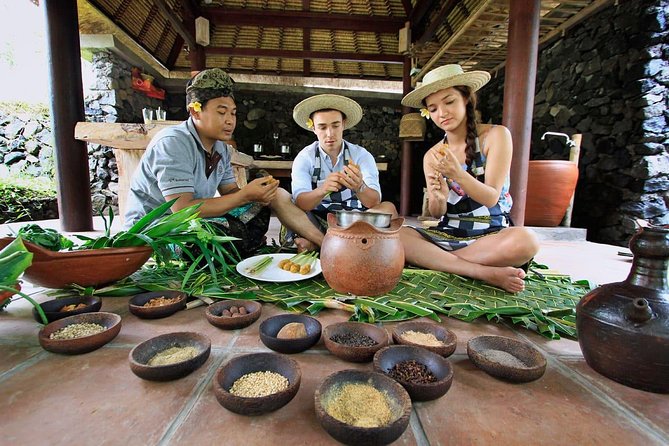
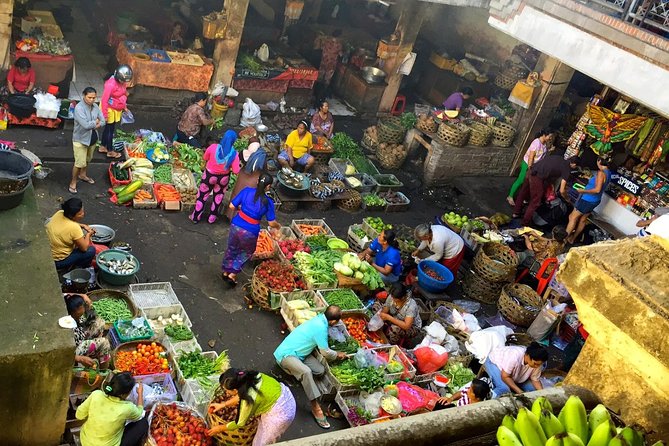
If you can only pick one part of the experience to prioritize, it’s the market time. The morning session includes a visit to the Ubud Traditional Art Market, and that shift matters: you’re not just learning recipes, you’re learning ingredients and spice logic.
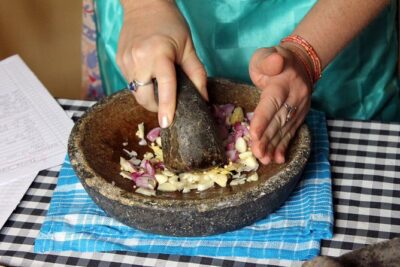
Here’s what this kind of market stop does for you. In Bali, a lot of the flavor comes from fresh aromatics—things that are hard to replicate with imported pantry staples. In the classroom, you’ll be dealing with that reality. If you’ve already seen the produce and spices in person, you’ll understand what substitutions make sense when you cook at home.
The market visit also sets the pace. You start the day in a local setting, then move into the cooking portion with momentum. That flow is a big reason people rate this class so highly: it feels organized, not rushed, and not like a take-a-photo event.
Practical tip: if you’re choosing between sessions, the morning one is the better value because the market visit is explicitly included there. If you pick an afternoon option, you’re likely skipping that market component.
Paon Bali Cooking Class: A Real Home-Kitchen Style Lesson
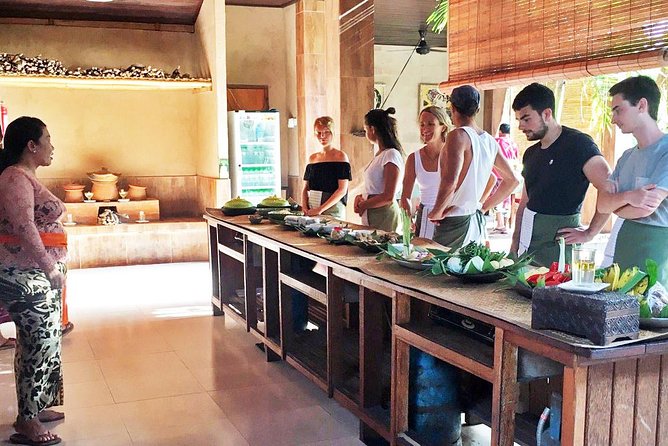
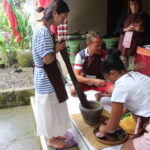
The cooking class happens at Paon Bali, described in feedback as a beautiful setup with views toward the forest. That matters more than it sounds. When a place is pleasant and well-run, you’re more likely to absorb the small technique details—how sauces are built, how spice mixes are handled, and how ingredients get treated before heat.
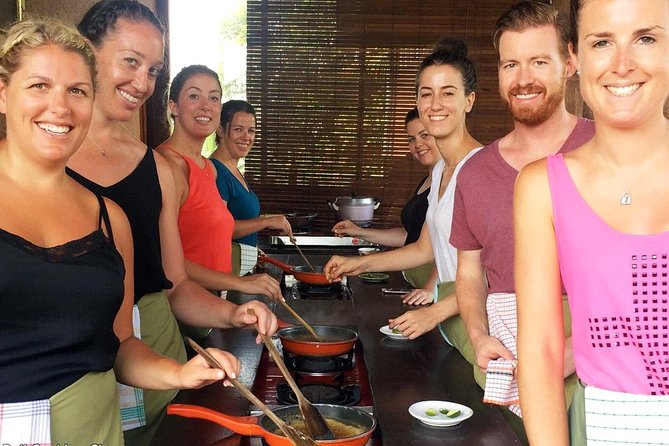
This is designed as a small-group class. The tour lists a maximum of 15 travelers, and the reviews repeatedly point to warmth, fun energy, and good organization. That combination usually means you’re not stuck watching. You should expect hands-on participation and clear guidance while you’re cooking.
A few things to watch for during the class:
- Technique beats memorization. You’ll learn processes, not just ingredient lists. That’s what helps when you’re shopping later back home.
- Support staff are present. Multiple reviews mention there’s adequate help, which typically reduces waiting time and keeps the class moving efficiently.
- The host approach feels personal. One review mentions cooking at Wayan’s wonderful home, reinforcing that this isn’t a faceless studio.
Why this approach is valuable: Balinese cooking can feel confusing at first because it uses spice combinations in ways that aren’t always obvious from the outside. A class in a home-style setting (with coaching) helps you understand what each step is trying to achieve.
What You Cook and Eat: Banana-Leaf Fish and Minced Chicken Satay
Food is the whole point, and the lineup here gives you a good mix of recognizable and truly Balinese techniques.
From the tour description and the strongest recurring points in feedback, expect dishes such as:
- Banana-leaf fish
- Minced chicken satay
These two dishes teach different skills. Banana-leaf cooking is about wrapping and gentle cooking—flavor stays inside and aromas bloom as it heats. Satay teaches seasoning depth and how a minced mixture is shaped and cooked until it tastes balanced, not just spicy.
And yes, you eat what you make—lunch is included. That’s a key value factor. Some cooking tours feel like you do a lot of work but the meal is modest. Here, the emphasis is on you tasting the results right after cooking, which makes the lesson stick.
Another practical win: you’re learning dishes you’ve probably tasted on your trip, but now you understand what’s going on behind the scenes. If you’ve tried Bali’s unique cuisine and thought, I’d like to recreate this, this format is built for that goal.
Other Ubud tours and experiences to line up next
The 5-Hour Plan: Transfers, Timing, and What the Day Feels Like
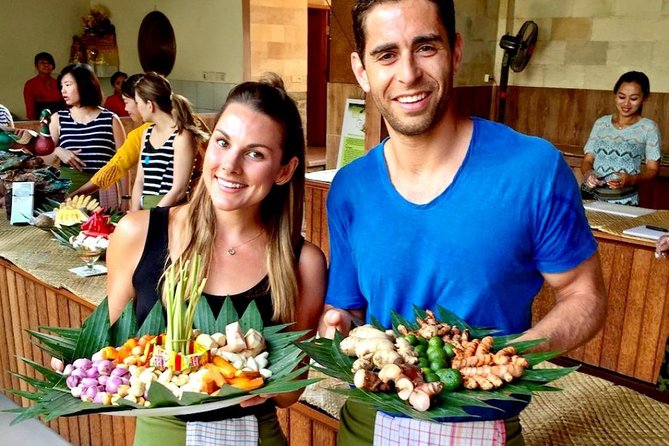
This experience runs about 5 hours. For many people, that’s a sweet spot: long enough to shop, cook, and eat, but not so long that it steals your whole day.
Transport is part of why it feels easy. The tour offers pickup/transfer services in the Ubud area. If you’re in a rental and near the Ubud zone, the setup is meant to work for you. If you’re outside that area, pickup/drop-off is not included and may carry an additional charge, so it’s worth checking.
The tour also includes a mobile ticket, and confirmation is provided within 48 hours of booking, based on availability. That’s useful if you’re planning around other Ubud stops like temples or rice terrace viewpoints.
Group size matters for timing. With a maximum of 15 travelers, you can expect the schedule to stay controlled. That often means shorter bottlenecks, quicker instruction, and less time waiting while someone else handles the prep.
One more scheduling reality: the market stop is only for the morning session. If you want the market experience, don’t accidentally book the afternoon option.
Price and Value: Why $44 Can Make Sense in Ubud
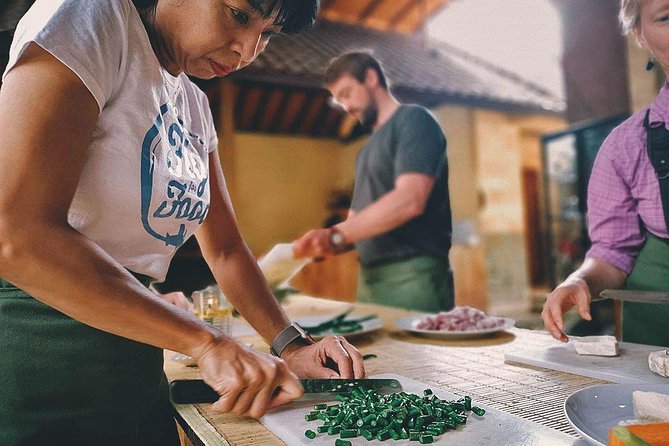
At $44 per person, you’re paying for more than cooking instruction. You’re getting:
- A market visit (morning session only)
- A cooking class with a professional Balinese cook
- Lunch
- A cooking class certificate
- Hotel transfers within Ubud
That “bundle” is the value story. Cooking classes without market time often feel like you’re missing the ingredient context. Here, the market component makes the cooking portion more meaningful—especially for spices and fresh aromatics.
Also, the class is rated extremely high, with a 96% recommended figure and an average rating of 4.9 based on 117 reviews. While ratings aren’t a substitute for your preferences, they do suggest consistent execution, and the reviews repeatedly call out organization, fun, and how delicious the food is.
Timing-wise, it’s also booked about 18 days in advance on average. That implies it’s a popular Ubud activity, so you’ll have a smoother experience if you book early rather than waiting until the last minute.
Certificate, Recipes, and Cooking Skills That Actually Transfer Home
A cooking class is fun in Bali, but it only earns its keep if it helps you cook later. This tour includes a cooking class certificate, which is more meaningful than it sounds because it reflects a structured class approach. You’re not just doing a casual meal; you’re completing an actual teaching experience.
More importantly, your ability to reproduce the dishes is where the class shines. Feedback highlights hands-on steps and clear explanations, plus ingredients and techniques that are easier to apply when you understand the logic behind them.
Some people also note recipe sharing through WhatsApp, and that’s exactly the kind of practical follow-up that helps at home. If you can get ingredient lists and step guidance, you’re much more likely to remake banana-leaf fish or satay without improvising blindly.
What I’d recommend you do during the class:
- Take notes on spice mixes and texture, not just names
- Ask how to adjust flavors if you’re missing a specific ingredient
- Pay attention to timing—Balinese cooking often depends on getting heat and simmering right
That’s how you turn the day into a long-term skill, not a one-time meal.
Who This Cooking Class Is Best For (and Who Should Think Twice)
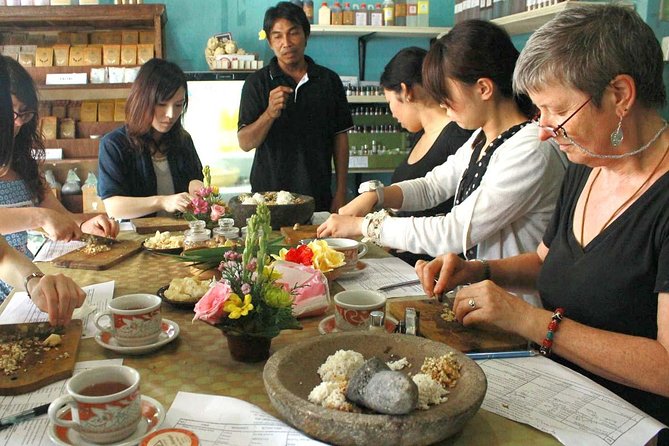
This is a great fit if you want:
- A hands-on Balinese cooking class rather than a passive food tour
- A morning activity in Ubud that includes real shopping at a traditional market
- A small group experience with personal attention
- The chance to eat what you cook, at a reasonable $44 price point
It’s also a strong option for couples, friends, and solo travelers who like structured activities and don’t mind working together in a small group kitchen.
Who might think twice:
- If you’re outside the Ubud transfer zone, the included transfer services won’t cover you, and extra fees may apply.
- If you don’t want to start with market shopping, choose based on the session you book. The market is only included on the morning tour.
One more gentle note: this is a cooking experience, so plan for some time on your feet and around a kitchen setup. Wear comfortable clothes you don’t mind getting a little warm or spice-scented.
Should You Book Paon Bali in Ubud?
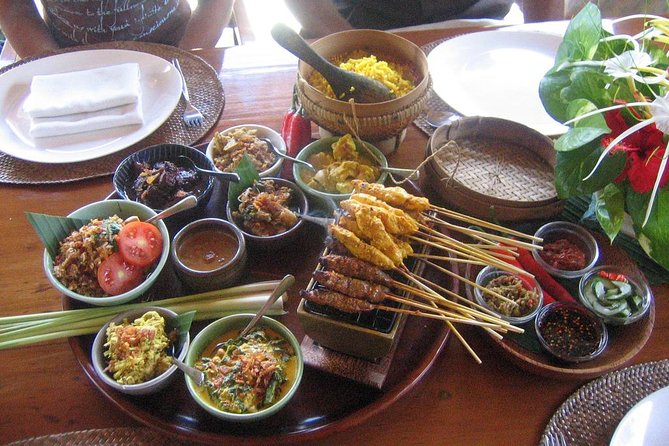
Book it if you’re in Ubud and want a cooking class that links market ingredients to real dishes. The morning market stop is the biggest differentiator, and the overall execution looks consistently strong: small group size, organized instruction, warm energy, and food people describe as deeply delicious.
Skip or reconsider if you’re very budget-tight after factoring in possible extra transport outside Ubud, or if you’re choosing a session that omits the market and you specifically wanted that ingredient-shopping experience.
If you do book, here’s my “make it smooth” checklist:
- Choose the morning session if you want the market included
- Confirm your pickup area is within the Ubud area only coverage
- Set aside a full block of about 5 hours so you don’t feel rushed
- Plan to follow up at home by saving any recipes you can get during/after class
FAQ
Does the Ubud cooking class include hotel pickup?
Yes, hotel transfer services are included within the Ubud area only. Pickup/drop-off outside Ubud may cost extra.
Is there a market visit?
Yes, the traditional market visit is included only on the morning session.
What dishes are you likely to make and eat?
The tour description highlights dishes such as banana-leaf fish and minced chicken satay, and lunch is included.
How long is the cooking class?
It runs for about 5 hours (approx.).
What’s included in the price?
Included are lunch, the cooking class, a market visit on the morning session, a cooking class certificate, and hotel transfers within Ubud.
Is the tour refundable if my plans change?
No. The experience is non-refundable and cannot be changed for any reason.
How big is the group?
The class has a maximum of 15 travelers.
More Cooking Classes in Ubud


More Ubud Tours We Rate





Cook Balinese in Ubud
Just added around Ubud
- Ubud: White Water Rafting with visit Ubud Monkey Forest
★ 5.0 · 3 reviews - Private Guided Bali Car Charter
★ 5.0 · 3 reviews - East Bali and Lempuyang Temple Tour
★ 5.0 · 3 reviews - Bali Downhill Cycling and White Water Rafting
★ 5.0 · 3 reviews - Cave Tubing Adventure in Ubud
★ 5.0 · 3 reviews
Balinese Cooking Classes, compared.
 ★ 5.0Ubud Cooking Class Bali with Balinese ChefFrom $351,609 reviews
 ★ 4.9Cooking Class with Transfers and Optional Market VisitFrom $21824 reviews
 ★ 5.0PRIVATE Authentic Balinese Cooking Class in Ubud at Putu’s HomeFrom $75644 reviews
 ★ 5.0Balinese Ubud cooking school (9 Dish Cooking and Market Tour)From $58540 reviews
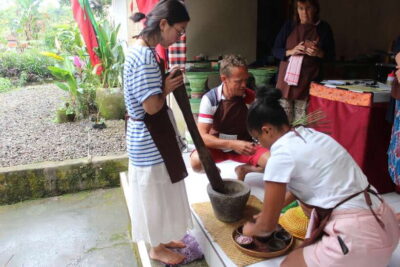 ★ 4.8Balinese Cooking Class and Market TourFrom $23531 reviews
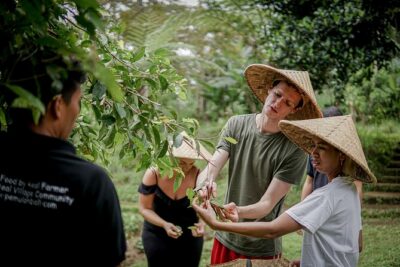 ★ 5.0Balinese Farm Cooking Class by Pemulan BaliFrom $39410 reviews
 ★ 5.0Balinese Authentic Cooking Class in UbudFrom $39239 reviews
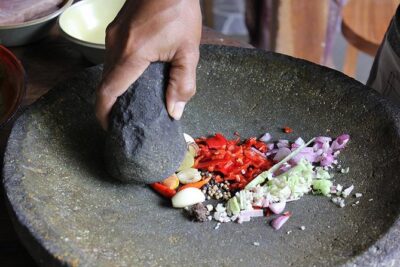 ★ 5.0PRIVATE Balinese Cooking Class in Ubud with Dewa with TransfersFrom $69213 reviews
Browse the lists this tour appears in