
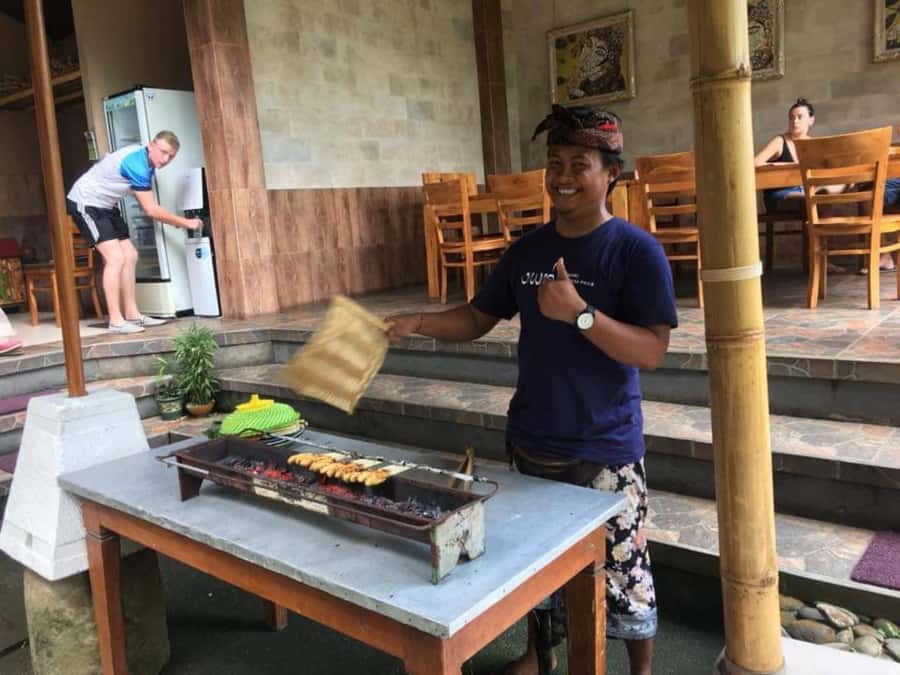
Reviewed · BALINESE COOKING CLASSES
Bali : Experiences of Ubud Paon Cooking Class
A spice hunt, then real cooking. This Ubud Paon Cooking Class mixes a morning market run with hands-on Balinese cooking in a fully equipped community-village kitchen, so it feels practical from the first minute. I love the way you shop for ingredients yourself at the Ubud markets, not just watch someone else cook. You’ll learn how Balinese flavors are built, step by step.
I also like the way the class teaches you to make the dish, not just memorize a recipe. Your host, Puspa, guides you in Laplapan village after you cook, and you leave with a recipe book and enough confidence to recreate the food later. The main drawback to consider is that the class puts spicy food front and center—if you prefer mild, be ready to communicate your comfort level early.
In This Review
- Key Moments That Make This Class Worth Your Time
- From Ubud Markets to the Paon Kitchen: What the Day Feels Like
- How the Market Run Teaches Real Balinese Flavor
- The Community Village Kitchen Setup (Paon) and Why It’s Better Than a Demo
- Spicy Food First: Learning Balinese Heat Without Guesswork
- Meet Puspa in Laplapan Village: The Culture Part That Actually Counts
- Lunch on Your Schedule: Eating What You Make
- Price and Value: Why $40 Feels Fair for What You Get
- Getting There Without Headaches: Transfers, Pickup Zones, and Meeting Point
- Who This Ubud Paon Cooking Class Suits Best
- Should You Book This Cooking Class in Ubud?
- FAQ
- Where is the meeting point?
- How long is the Ubud Paon cooking class?
- Is lunch included?
- Do you offer hotel pickup?
- What if I’m outside the pickup areas?
- What language is the host?
- Is there flexibility with booking and cancellation?
Key Moments That Make This Class Worth Your Time
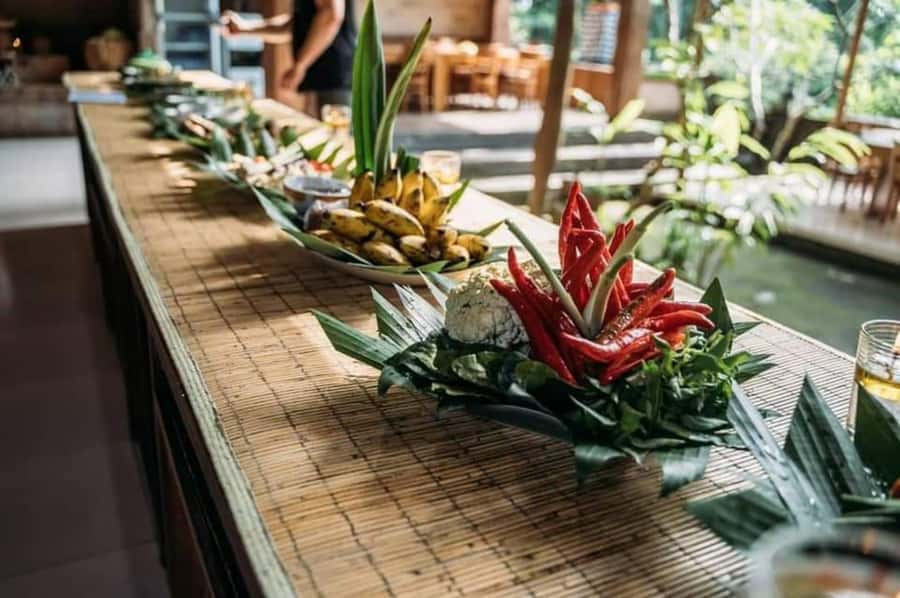
- Ubud markets ingredient picking: herbs, spices, crisp vegetables, and meat choices that shape your final dishes
- A real paon kitchen setup: cooking in a fully equipped community village kitchen, not a demo-only setup
- Hands-on cooking throughout: you’ll switch between stations so you actually do the work, not just stand by
- Spice-first approach: learn Balinese techniques with heat in mind, plus how to balance flavors
- Cook, then eat lunch together: you get to enjoy the food you make right after the class
- Home-cooking practical tips: guidance and ingredient alternatives so you can cook it outside Bali
Market basket to banana-leaf plate. More Ubud cook-alongs.
- Ubud Cooking Class Bali with Balinese Chef★ 5.0 · 1,609 reviews
- Ubud: Cooking Class with Transfers and Optional Market Visit★ 4.9 · 824 reviews
- PRIVATE Authentic Balinese Cooking Class in Ubud at Putu’s Home★ 5.0 · 644 reviews
- Balinese Ubud cooking school (9 Dish Cooking and Market Tour)★ 5.0 · 540 reviews
From Ubud Markets to the Paon Kitchen: What the Day Feels Like
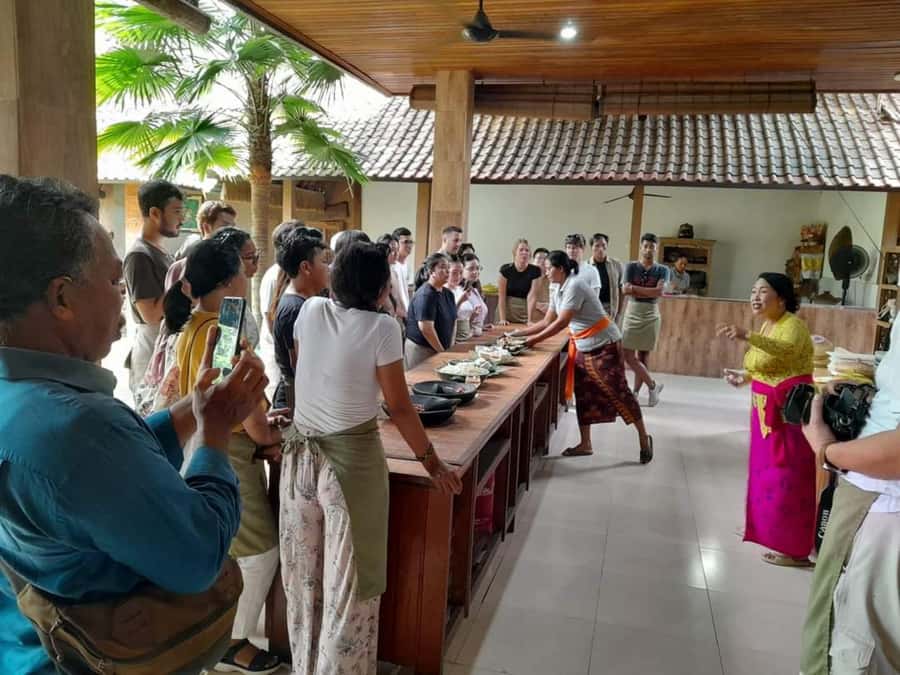
Timing matters here. If you choose the morning option, you start around 8 am, meeting at the Ubud markets. That early start is more than convenience—it’s when you can actually see, touch, and smell the ingredients you’ll later cook with. It also sets the mood: you go from ordering ingredients in a restaurant to understanding what they do in real Balinese cooking.
After that market time, you head to the paon kitchen location for the cooking class itself. This is where the experience becomes hands-on and focused. You’re not drifting through a souvenir demo; you’re working in a kitchen environment designed for cooking with traditional ingredients and methods.
One small-but-important detail: the day is only 3 to 4 hours, so you’ll move efficiently. That means you get a full taste of Balinese cooking techniques without losing half your day to logistics. If you’re trying to pack in Ubud experiences, this one fits well.
How the Market Run Teaches Real Balinese Flavor
The market portion isn’t just a warm-up. It directly explains why Balinese food tastes the way it does.
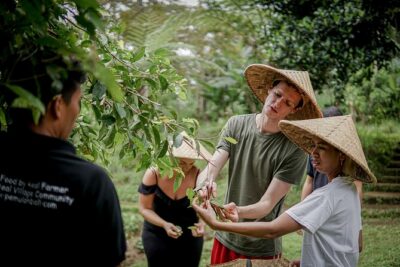
You’ll pick from fresh herbs and spices, crisp vegetables, and choice cuts of meat. That selection time is where you start learning what each ingredient brings to the dish—aroma, texture, heat, and balance. When you later chop, grind, and cook with the same ingredients, everything makes more sense.
Also, I like that you get to choose. Even when you’re following the same class recipes, ingredient choices affect flavor. So instead of thinking you need exact items from Bali to succeed, you build understanding: what you’re looking for, how ingredients behave, and what substitutions can still work.
If you’re the type who reads menu descriptions like “spicy sambal” and wonders what that actually means, this market part answers it fast. You’ll come away knowing what to buy and what to watch for back home.
The Community Village Kitchen Setup (Paon) and Why It’s Better Than a Demo
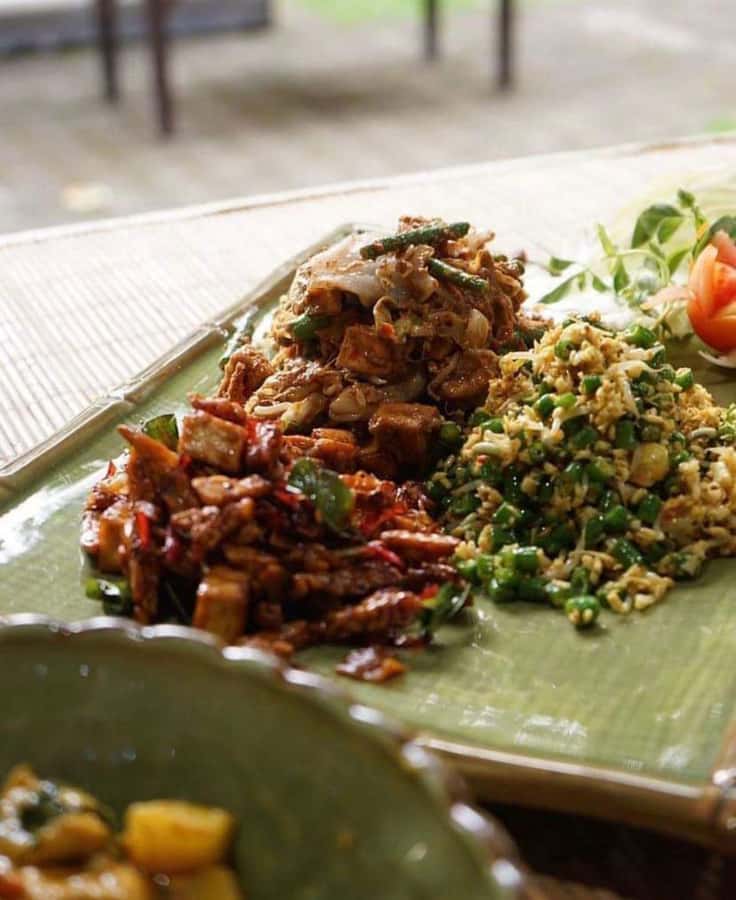
The class happens in a fully equipped community village kitchen. That detail matters because it changes how the session feels.
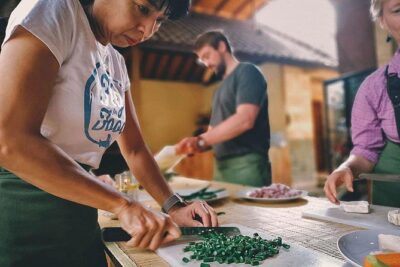
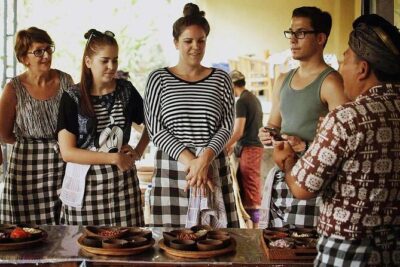
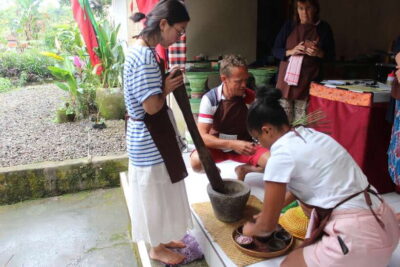
In a typical cooking demo, you might watch for a while, then do one small step at the end. Here, the structure is built for participation. You’ll work through cooking stages and, importantly, you’ll have chances to do everything yourself as the group rotates through stations.
The reviews point out that participants swap between stations, and that’s exactly the kind of format that keeps the learning real. When you’re switching tasks—prepping ingredients, handling spice mixtures, assembling or cooking—you gain muscle memory for the steps. That’s what turns a one-time meal into something you can repeat.
You’ll also get the sense that the kitchen isn’t staged only for tourists. The vibe stays practical and community-focused, which helps the food culture message feel credible, not scripted.
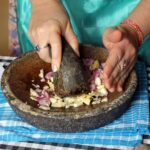
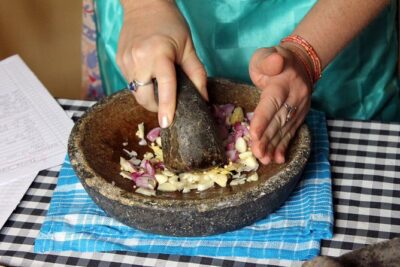
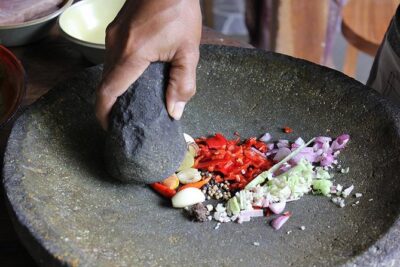
One more note: the ingredient preparation gets a lot of attention. That matters because with Balinese cooking, flavor starts before heat hits a pan. If you enjoy the “hands-on prep” part of cooking, you’ll likely find this section satisfying.
Other Ubud tours and experiences to line up next
Spicy Food First: Learning Balinese Heat Without Guesswork
The class makes spicy food a priority. That’s stated clearly, and it shows in how the instructions are framed.
Balinese cooking often relies on layered spice and aromatic ingredients. Here, you’re learning how to handle that heat through technique—how to work with the spices, how to combine them, and how to keep the result flavorful rather than only painful.
If you love spicy food, you’ll probably have a great time here. If you don’t, don’t panic—you can still learn the fundamentals. Just plan to be honest with your host. If you prefer mild, ask for adjustments during the process rather than hoping it will happen automatically.
What I found most useful is the idea that you’re learning skills rather than chasing a single exact flavor. Heat can be balanced. Once you understand the approach, you can scale it up or down at home.
Meet Puspa in Laplapan Village: The Culture Part That Actually Counts
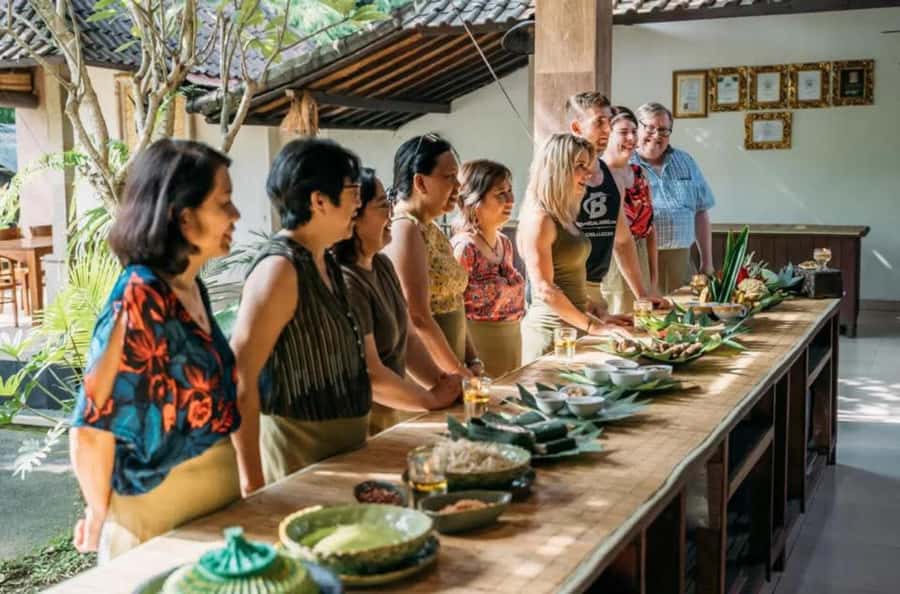
After the cooking session, you return to Laplapan village. That handoff—leaving the kitchen and being welcomed back into village life—turns the class into more than just food instruction.
Your host, Puspa, guides you in local tradition and food culture. Even if you’ve eaten Balinese food before, this is the part that helps you understand why the cooking practices matter in everyday life. It’s about spirit and routine: how people work together, how flavors are prepared, and how food fits into community rhythm.
The guidance doesn’t feel like a lecture. It’s linked to what you just cooked. That’s the best way to learn culture: tied to a real activity you can remember.
And yes, there’s room for humor and charm. One review mentioned something like a kitchen fairy moment, which fits the overall tone—practical instruction with light, fun energy so people stay engaged.
Lunch on Your Schedule: Eating What You Make
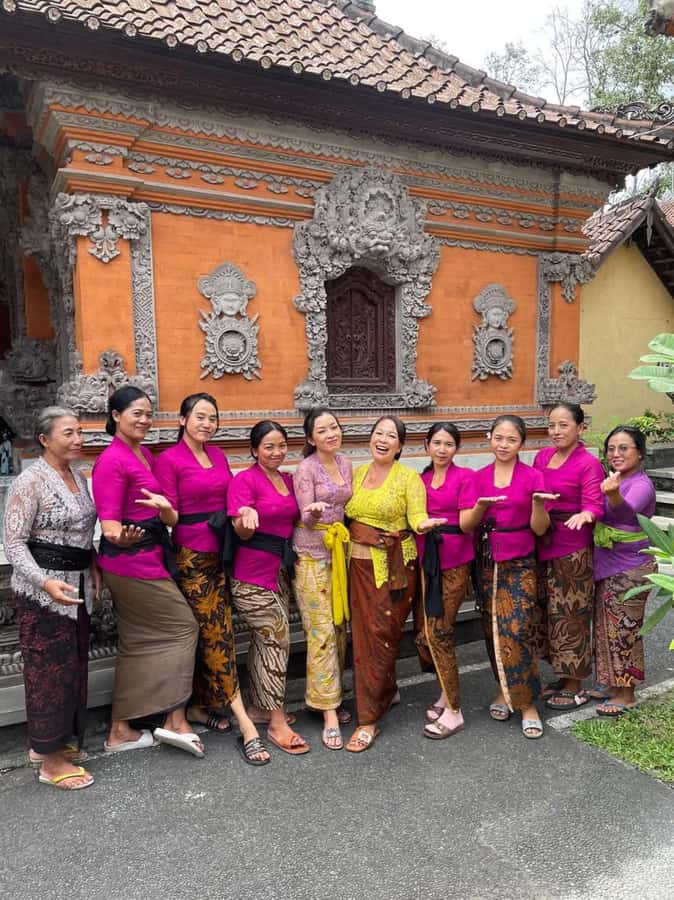
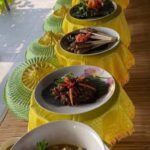
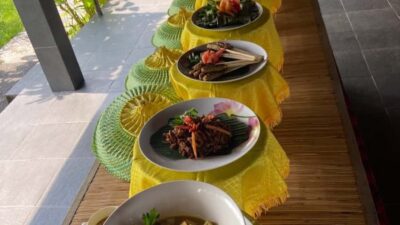
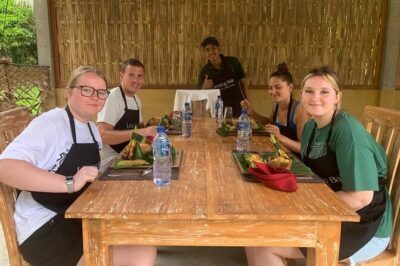
The day ends with you enjoying the food you cook. That’s a simple detail, but it’s huge for value.
When you eat what you prepared, you notice things you’d miss otherwise: how the spice level settled, how the texture turned out, and which part of the prep made the biggest difference. If your dish came out a little off, you can also ask questions while the kitchen steps are still fresh in your mind.
Lunch is included in the price, which helps you avoid the common problem where a cooking class turns into a “buy extra meal later” situation. Here, you already have lunch built into the experience.
Also, if you’re traveling with kids or friends who like food but don’t want a full-day activity, this format can work nicely because the reward (the meal) arrives before the tiredness sets in.
Price and Value: Why $40 Feels Fair for What You Get
At $40 per person and about 3 to 4 hours, the pricing is easiest to judge by what’s included.
You get:
- Transfer and return from your hotel (if that option is selected)
- Admission for the cooking class
- Lunch
That means you’re paying not just for instruction, but for the full “experience package”: getting to the market and kitchen, learning in a small setting, and eating a meal you made.
If you’ve taken cooking classes before that cost more but feel like a brief demo, this one’s value comes from hands-on time and the rotation between stations. That’s where the money turns into learning you can use later.
You’ll also appreciate the small-group angle. Small groups usually mean more guidance, more chances to ask questions, and less waiting around.
Getting There Without Headaches: Transfers, Pickup Zones, and Meeting Point
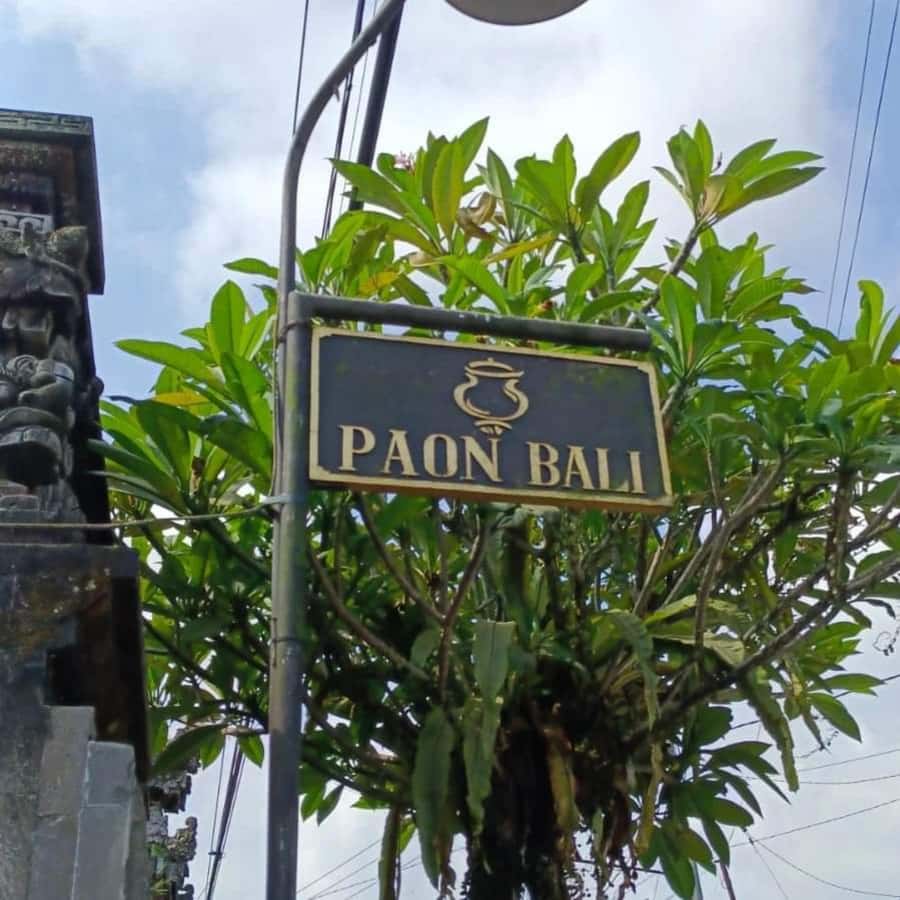
This activity gives you two main ways to handle the logistics.
If you selected hotel transfer, you’ll have transfer and return included, and pickups are offered around Ubud, Canggu, and Sanur. If you’re outside those areas, there’s an additional charge listed as $5 per person.
If you didn’t choose pickup, you meet at the location. In that case, plan to arrive about 10 minutes before the activity starts. That buffer keeps you from rushing when it’s hot and busy.
If you’re staying in central Ubud, this is usually smooth. If you’re based in another area of Bali, double-check whether pickup is included so you don’t lose time on the day.
Who This Ubud Paon Cooking Class Suits Best
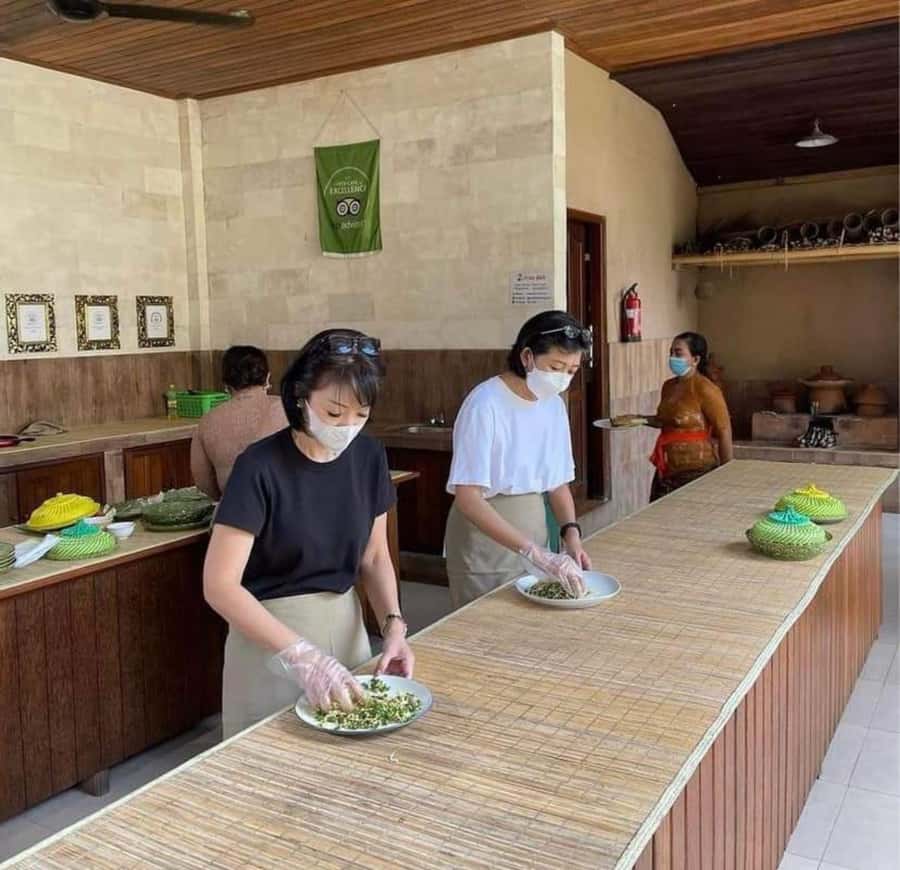
This class fits best if you want food skills, not just a photo stop.
You’ll likely love it if:
- you enjoy cooking and want a technique-based takeaway
- you like spicy food or are curious how Balinese cooks build heat and flavor
- you want a small-group experience with real participation
- you want the culture story connected to what you actually cook
If you’re the type who gets bored when instruction is slow, the short duration and station rotation can work well. If you dislike spice completely, you can still enjoy the class—just be clear about your comfort level so the experience stays enjoyable.
Should You Book This Cooking Class in Ubud?
I’d book it if you’re looking for a practical Bali food experience that teaches you how to cook, not just what to eat. The combination of market ingredient selection, hands-on work in the Paon Kitchen, and lunch you make yourself creates strong value for the time spent.
Skip it only if spicy food is a hard no for you and you don’t want to adjust anything during cooking. Otherwise, this feels like one of the most satisfying ways to understand Balinese food culture in a few hours.
If you’re aiming to cook at home afterward, this class is especially useful because you’re given a recipe book and you learn approaches that don’t require you to duplicate every single Bali ingredient perfectly.
FAQ
Where is the meeting point?
You meet at the activity location. Arrive about 10 minutes before the start time.
How long is the Ubud Paon cooking class?
The experience lasts about 3 to 4 hours.
Is lunch included?
Yes. Lunch is included in the experience.
Do you offer hotel pickup?
Pickup is optional. Transfers are included if you select the option, and pickup is available in the Ubud area, Canggu, and Sanur.
What if I’m outside the pickup areas?
If you’re outside the listed pickup areas, there is an additional charge of $5 per person.
What language is the host?
The host or greeter speaks English.
Is there flexibility with booking and cancellation?
You can reserve and pay later, and you can cancel up to 24 hours in advance for a full refund.
If you tell me your preferred start time (morning 8 am or other) and where you’re staying in Bali, I can help you think through the cleanest way to fit this into your day.
More Cooking Classes in Ubud

More Ubud Tours We Rate





Cook Balinese in Ubud
Just added around Ubud
- Ubud: White Water Rafting with visit Ubud Monkey Forest
★ 5.0 · 3 reviews - Private Guided Bali Car Charter
★ 5.0 · 3 reviews - East Bali and Lempuyang Temple Tour
★ 5.0 · 3 reviews - Bali Downhill Cycling and White Water Rafting
★ 5.0 · 3 reviews - Cave Tubing Adventure in Ubud
★ 5.0 · 3 reviews
Balinese Cooking Classes, compared.
 ★ 5.0Ubud Cooking Class Bali with Balinese ChefFrom $351,609 reviews
 ★ 4.9Cooking Class with Transfers and Optional Market VisitFrom $21824 reviews
 ★ 5.0PRIVATE Authentic Balinese Cooking Class in Ubud at Putu’s HomeFrom $75644 reviews
 ★ 5.0Balinese Ubud cooking school (9 Dish Cooking and Market Tour)From $58540 reviews
 ★ 4.8Balinese Cooking Class and Market TourFrom $23531 reviews
 ★ 5.0Balinese Farm Cooking Class by Pemulan BaliFrom $39410 reviews
 ★ 5.0Balinese Authentic Cooking Class in UbudFrom $39239 reviews
 ★ 5.0PRIVATE Balinese Cooking Class in Ubud with Dewa with TransfersFrom $69213 reviews
Browse the lists this tour appears in