
Reviewed · BALINESE COOKING CLASSES
Bali Cooking Class with Culture Experience
Smell the spices, then cook them. This Ubud food class turns a morning market into a full Balinese meal you can remake at home, taught by a professional chef and hosted in a family setting. You’ll shop for herbs and aromatics with a Family Host, then cook your way through an appetizer, several traditional entrees, side dishes, and dessert.
I especially liked how the class feels practical—ingredient by ingredient, not just recipe copying—and how the staff keep things moving while still sharing culture. One thing to consider: it starts early at 7:30 am, and you’ll be out for about 6 hours, so plan for the morning energy hit.
In This Review
- Key points if you’re choosing a Ubud cooking class
- Morning market first: where the flavors start
- 7:30 am pickup and meeting Dewa at the home base
- Inside the cooking pavilion: the full Balinese menu you’ll make
- Coffee, herbs, and the culture lessons that stay practical
- Lunch you made: when the meal turns into a lesson
- The take-home booklet: your ticket to cooking again
- Price and group size: is $62 good value?
- Who should book this Bali cooking class in Ubud?
- Should you book Lobong Culinary Experience?
- FAQ
- Where does this Bali cooking class take place?
- How long is the experience?
- What time does the class start?
- Do you offer pickup from hotels?
- Is this a small group?
- What happens at the beginning of the class?
- What food and drinks are included?
- Will I get recipes to take home?
- Do I receive a confirmation after booking?
- Can I cancel for a full refund?
Key points if you’re choosing a Ubud cooking class
- Market shopping with a Family Host so you understand what you’re buying and why
- Chef-led cooking pavilion session that produces a full menu, not just one dish
- Hot drink + banana fritters (pisang goreng) as a tasty pre-cooking kickoff
- Balinese home-and-life context, including talk about families and home shrines
- Take-home illustrated booklet with photos, directions, tips, and space for notes
- Small group max 12 with hotel pickup in central Ubud
Market basket to banana-leaf plate. More Ubud cook-alongs.
- Ubud Cooking Class Bali with Balinese Chef★ 5.0 · 1,609 reviews
- Ubud: Cooking Class with Transfers and Optional Market Visit★ 4.9 · 824 reviews
- PRIVATE Authentic Balinese Cooking Class in Ubud at Putu’s Home★ 5.0 · 644 reviews
- Balinese Ubud cooking school (9 Dish Cooking and Market Tour)★ 5.0 · 540 reviews
Morning market first: where the flavors start
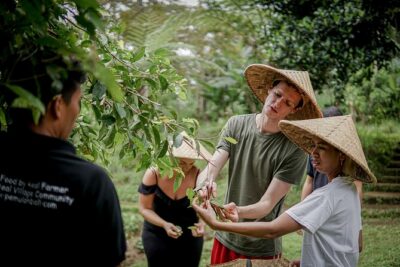
The experience begins the way good cooking should: you don’t start with a stove, you start with ingredients. In the local morning market, your Family Host shops for the fresh herbs, spices, fruits, and vegetables used in the class. That matters because Balinese cooking is built on layers—scent first, then flavor—so learning what looks similar but tastes different can save you later.
You’ll also get the story behind the items, not just a list. Think of it like learning the cast before the movie. When the chef later uses those aromatics in your dishes, you’ll recognize them, and you’ll know what they’re meant to do: brighten, warm, balance, or deepen.
Practical tip: bring your appetite and your questions. Even if you’re not buying ingredients to take home, walking through the stalls helps you build a real sense of what fresh should smell and look like. That’s the kind of knowledge that doesn’t fade when your spices end up in a cupboard.
7:30 am pickup and meeting Dewa at the home base
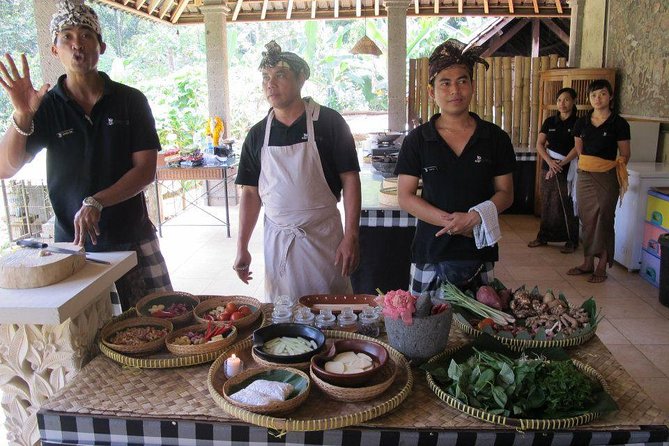
After the market, you head to the home cooking pavilion where you’ll be greeted by Dewa with a piping hot cup of coffee or tea, or mineral water, plus his famous Pisang Goreng (crispy banana fritters). It’s not just a snack—it’s a reset. You get something warm and crunchy while the team checks that everything is ready.
While you’re eating, you’ll also get cultural context from the family and staff. You hear about Balinese life, including families and home shrines, while the cooking space gets prepared behind the scenes. This is one of the best parts for me: the food isn’t treated like a museum artifact. It’s presented as something made at home, with routines and beliefs that make sense inside daily life.
One consideration: this is hosted from a family compound and home-style setting. That usually means you may spend some time walking around the property and moving between areas of the home. If you’re the type who prefers perfectly uniform restaurant seating and zero steps, plan for a more “real life” flow.
Inside the cooking pavilion: the full Balinese menu you’ll make
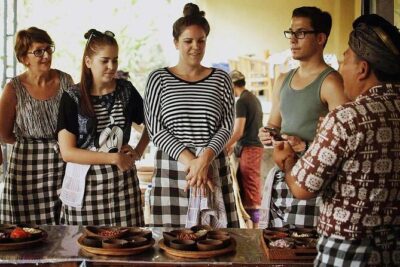
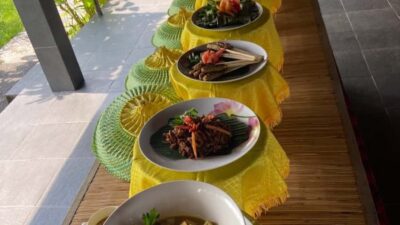
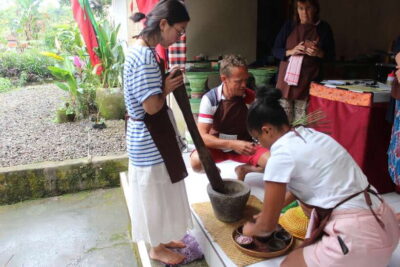
The core of the class happens at the cooking pavilion, where you join a professional chef and learn to prepare a complete menu. You’re not stuck waiting around while someone else does the work. You’ll be guided through cooking that includes an appetizer, multiple traditional entrees, accompanying dishes, and a dessert.
What I like about the structure is that it mirrors how people actually eat: you get variety, not just a single centerpiece. Balinese meals often balance flavors and textures, so you’ll work with different ingredients and techniques across dishes. That makes the final lunch feel substantial—like you cooked a real meal, not a demonstration.
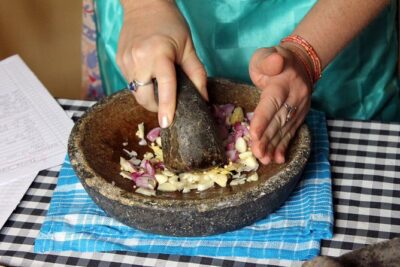
Why the chef-led portion is such good value: the market shopping gets you the raw ingredients, but the chef’s guidance is what turns them into something you can repeat. When you understand the logic behind the seasoning and the sequence, you’ll be less likely to end up with one great dish and three “mystery attempts.”
Other Ubud tours and experiences to line up next
Coffee, herbs, and the culture lessons that stay practical
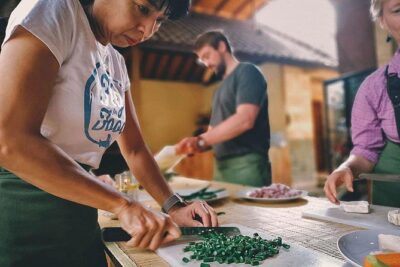
This is one of those experiences where the cultural bits aren’t tacked on. Between bites and while everything is being set up, you’ll learn about herbs, spices, and other ingredients used in Balinese cooking, plus how they connect to daily life.
From the way the hosts explain things, you get a sense of how food fits into routines: family rhythms, home shrines, and the idea that hospitality is part of cooking. In a review, someone noted there’s even a ritual of gratitude after the meal. If that’s included in your session, it’s a meaningful moment—quiet, respectful, and tied directly to the act of eating, not something staged for a photo.
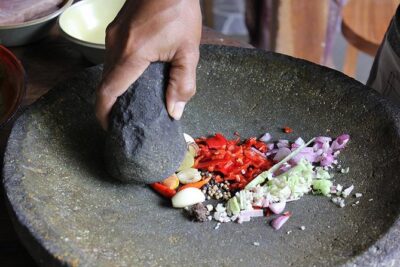
A small, useful note for your own expectations: pay attention when they show you what to smell and what to taste as you build flavor. Those cues help you cook by senses, not just measurement, which is the difference between following a recipe and truly learning it.
Lunch you made: when the meal turns into a lesson
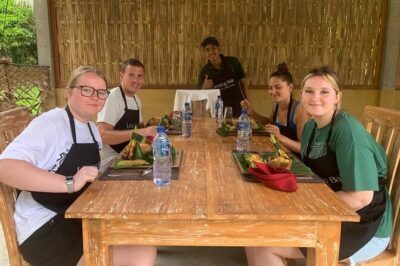
Once your dishes are ready, you eat what you’ve cooked. Lunch includes the meal you prepared during the class, and the experience is designed so that you don’t just taste your final course—you taste the results of earlier steps.
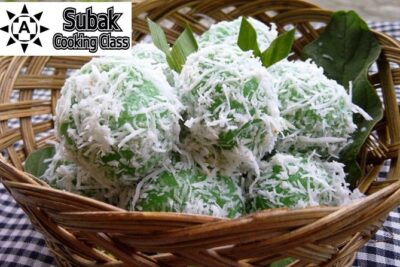
You’ll also finish with freshly made dessert, so you get a complete end-to-end cooking arc: appetizer energy, entrée satisfaction, side balance, and then something sweet to close.
What this does for you as a home cook is simple: your brain gets a reference point. When you later try to recreate these flavors, you can ask yourself, Does this taste like the right stage? Does my spice mix smell right? Did I build the base correctly? That’s the hidden value of eating the whole menu you made on-site.
The take-home booklet: your ticket to cooking again
The best souvenir here isn’t a magnet. It’s the illustrated instructional gift booklet you leave with.
You’ll get a menu and recipes, plus directions and photos. There are also tips and even space for personal notes, which is great if you want to tweak flavors later. I love that this isn’t just “here’s what we did.” It’s built to help you remember how to do it again.
For anyone cooking after the trip: start by cooking just one dish from the booklet first. If it comes out well, you’ll build confidence for the rest of the menu. The market part taught you what to look for; the booklet helps you reproduce it step-by-step once you’re back home.
Price and group size: is $62 good value?
At $62 for roughly 6 hours, the value comes from how much is included, not just the headline price. You get:
- Hotel pickup from central Ubud
- A morning market ingredient walk
- Hot drink and banana fritters
- A full cooking session with a professional chef
- Lunch made by you
- Dessert made by you
- The take-home booklet
- A small group size (max 12 travelers)
If you price out the ingredients and a chef instruction session separately, this typically makes more sense as a bundled experience. The small group cap also matters. With fewer people, you’re more likely to get help when you hit a step that’s confusing.
One gentle reality check: a cooking class isn’t the same as a restaurant meal. It takes time, and your schedule will feel structured. If you want lots of free wandering time, this isn’t that kind of tour. This is built for learning and eating, in a set flow.
Who should book this Bali cooking class in Ubud?
This fits well if you want more than a food photo. You’ll likely enjoy it if you:
- Like cooking and want to understand ingredients, not just copy dishes
- Enjoy cultural context tied directly to everyday life
- Prefer small-group experiences with hands-on guidance
- Want a recipe resource you can actually use after you get home
It may be less ideal if you’re short on time in Ubud, hate early mornings, or want a purely sightseeing day. The schedule is centered on cooking and eating, with the market serving as the ingredient learning foundation.
Also, it’s great for couples and friends who want shared activity. The meal you make becomes a shared story: which ingredient surprised you, which step you nailed, what dessert you finished with.
Should you book Lobong Culinary Experience?
If you’re on the fence, here’s the decision rule I’d use: book it if you want hands-on Balinese cooking plus a market-based ingredient education, and if you’re okay with a 7:30 am start. This experience is built around repeatable skills, and the take-home booklet is the kind of bonus that turns your day in Ubud into ongoing dinners.
I’d skip it only if you strongly prefer late starts, very independent travel, or zero “schedule” structure. Otherwise, this is the sort of class where the value is earned by doing the cooking, smelling the spices, and eating what you created—then leaving with clear directions to try again.
FAQ
Where does this Bali cooking class take place?
It takes place in Ubud, Indonesia.
How long is the experience?
The duration is about 6 hours.
What time does the class start?
The start time is 7:30 am.
Do you offer pickup from hotels?
Yes. Pickup is offered from central Ubud hotels.
Is this a small group?
Yes. The experience has a maximum of 12 travelers.
What happens at the beginning of the class?
You start with a typical morning market tour where you shop for ingredients.
What food and drinks are included?
You’ll have a hot drink and banana fritters (pisang goreng), and you’ll enjoy lunch and dessert that you prepare.
Will I get recipes to take home?
Yes. You leave with an illustrated instructional booklet with menu, recipes, directions, photos, and tips (plus space for notes).
Do I receive a confirmation after booking?
You receive confirmation within 48 hours of booking, subject to availability.
Can I cancel for a full refund?
Yes. You can cancel up to 24 hours in advance for a full refund, using the experience’s local time for the cutoff.
More Cooking Classes in Ubud
More Ubud Tours We Rate





Cook Balinese in Ubud
Just added around Ubud
- Ubud: White Water Rafting with visit Ubud Monkey Forest
★ 5.0 · 3 reviews - Private Guided Bali Car Charter
★ 5.0 · 3 reviews - East Bali and Lempuyang Temple Tour
★ 5.0 · 3 reviews - Bali Downhill Cycling and White Water Rafting
★ 5.0 · 3 reviews - Cave Tubing Adventure in Ubud
★ 5.0 · 3 reviews
Balinese Cooking Classes, compared.
 ★ 5.0Ubud Cooking Class Bali with Balinese ChefFrom $351,609 reviews
 ★ 4.9Cooking Class with Transfers and Optional Market VisitFrom $21824 reviews
 ★ 5.0PRIVATE Authentic Balinese Cooking Class in Ubud at Putu’s HomeFrom $75644 reviews
 ★ 5.0Balinese Ubud cooking school (9 Dish Cooking and Market Tour)From $58540 reviews
 ★ 4.8Balinese Cooking Class and Market TourFrom $23531 reviews
 ★ 5.0Balinese Farm Cooking Class by Pemulan BaliFrom $39410 reviews
 ★ 5.0Balinese Authentic Cooking Class in UbudFrom $39239 reviews
 ★ 5.0PRIVATE Balinese Cooking Class in Ubud with Dewa with TransfersFrom $69213 reviews
Browse the lists this tour appears in