
Reviewed · BALINESE COOKING CLASSES
Bali Amazing Cooking Class
Smell the market, then cook it. This Ubud cooking class turns a morning or late-afternoon sightseeing loop into a practical, food-first day—market, rice fields, a local home kitchen, then eating what you make. I love how it mixes Balinese daily life with real cooking steps, and I also like that you get recipes so the experience doesn’t end when the last dish is gone. One possible drawback: the market stop can feel smaller or less busy than you might hope, depending on the day.
In a Balinese home, you’ll cook with traditional tools and follow instructions at a pace that’s meant for learning, not just watching. And yes, the best part is eating your own food in a Balinese-style setting, not rushing off to find lunch elsewhere.
For some people, the cooking portion may feel straightforward rather than super fancy. If fried rice or simpler dishes are your main goal, set expectations accordingly—and bring a camera and a little patience for a full, structured 5-hour flow.
In This Review
- Key things that make this cooking class worth your time
- Entering the day: Ubud pickup, timing, and what “5 hours” feels like
- Traditional market walk: more than ingredients, a look at daily routines
- Rice fields visit: learning how rice ties into the island’s rhythm
- In a Balinese home kitchen: tools, welcome moments, and the offering-basket step
- The hands-on cooking lesson: around 10 dishes and clear steps
- Eating what you make: Balinese-style lunch or dinner and portion sanity
- Price and value: why $34 feels fair (and when it won’t)
- Logistics that matter day-of: what to bring and how to avoid stress
- Who this cooking class suits best in Ubud
- Final verdict: should you book Bali Amazing Cooking Class?
- FAQ
- How long is the Bali Amazing Cooking Class?
- Is hotel pickup included?
- What’s included in the price, and what isn’t?
- Do I get recipes to cook at home?
- What should I bring?
- What if the weather is bad, or I need to cancel?
Key things that make this cooking class worth your time
- Market + rice fields as context: you’re not just cooking blind; you get explanations tied to Balinese daily routines and rice growing
- A home-kitchen setup: you cook in a local house setting, not a showroom classroom
- Hands-on meals plus recipes: you eat what you make, and you’re given the recipe cards to recreate dishes later
- Small-group feel (max 25): the class size is capped at 25, which usually keeps the experience more personal
- Traditional touches before cooking: some days include an offering-basket moment for the gods before you start cooking
- Hotel pickup in Ubud area: free pickup helps you spend more time in the cooking story, less time navigating
Market basket to banana-leaf plate. More Ubud cook-alongs.
- Ubud Cooking Class Bali with Balinese Chef★ 5.0 · 1,609 reviews
- Ubud: Cooking Class with Transfers and Optional Market Visit★ 4.9 · 824 reviews
- PRIVATE Authentic Balinese Cooking Class in Ubud at Putu’s Home★ 5.0 · 644 reviews
- Balinese Ubud cooking school (9 Dish Cooking and Market Tour)★ 5.0 · 540 reviews
Entering the day: Ubud pickup, timing, and what “5 hours” feels like
This experience is designed for a full half-day, usually around 5 hours. You’ll have two possible start windows: a morning pickup around 8:00–8:30am, or an afternoon pickup around 3:00–3:30pm.
The morning option tends to be the classic rhythm: you start in the cool hours, visit the market and rice fields, cook, eat, and then head back to your hotel about 1:30pm (based on the schedule provided). That means you can still have a normal afternoon after, instead of losing an entire day.
Practical note: pickup is free only for the Ubud area. If you’re staying outside that zone, you’ll need to coordinate pickup with the provider. The good news is you’re not on your own for the main logistics inside Ubud.
And because this is Bali, plan for weather. The experience requires good conditions—if it’s called off for poor weather, you’ll be offered another date or a full refund.
Traditional market walk: more than ingredients, a look at daily routines
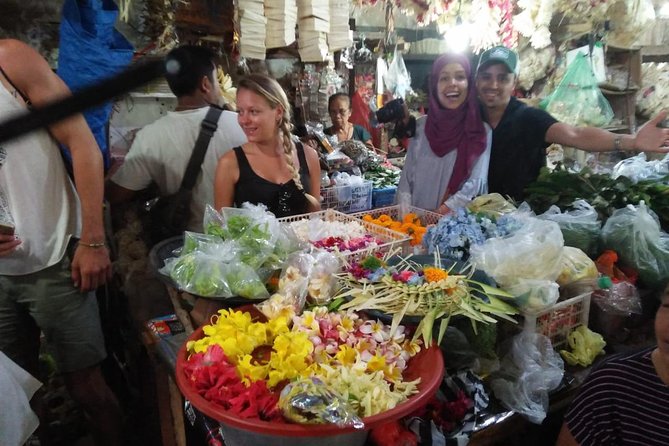
The market stop is where the class earns its “culture” badge. The day’s flow includes a traditional market visit where you get explanations about Balinese daily activity. Even if you’re not shopping much, you’re learning how ingredients connect to everyday life.
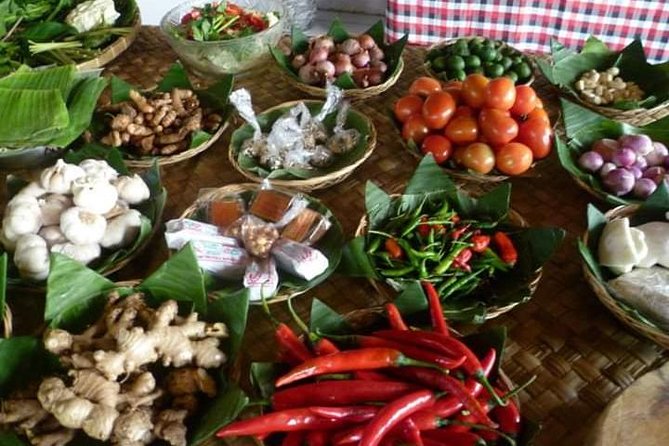
What I like about this approach: it helps you understand why Balinese flavors use certain aromatics, herbs, and staples in the way they do. You’re not memorizing a recipe just to follow it—you’re building intuition for the food.
That said, here’s the consideration. The market experience can vary. Some people have found the market stop less impressive than expected (for example, fewer stalls than they hoped to see). If your priority is a big, crowded market photo-op, you might want to keep your expectations flexible. If your priority is learning ingredient logic for cooking at home, this stop is still useful.
Rice fields visit: learning how rice ties into the island’s rhythm
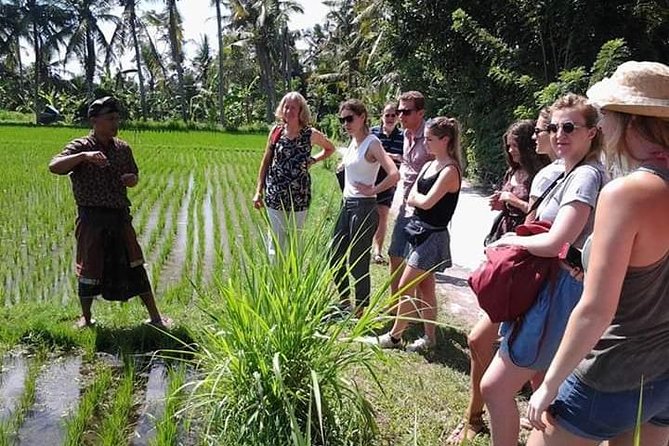
After the market, the itinerary moves to the rice fields, with explanations about how rice is grown. This part matters because Balinese cooking is rooted in ingredients that are tied to land, water, and timing.
You’ll get a guided look at rice production—enough to help you connect what’s on your plate to where the food comes from. It also gives you a break from kitchen intensity. Think of it as your scenic palate reset before you start chopping and mixing.
Practical tip: bring sun protection and a camera, but don’t treat it like a long hike. You’re moving through the day on a schedule, so wear something you can walk in comfortably.
Other Ubud tours and experiences to line up next
In a Balinese home kitchen: tools, welcome moments, and the offering-basket step
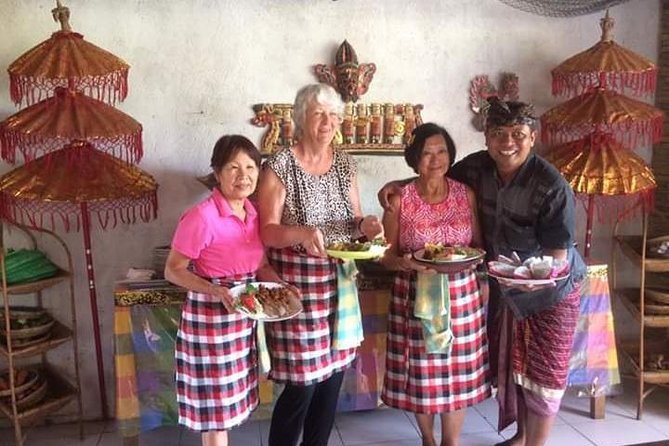
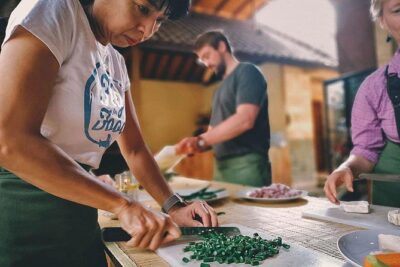
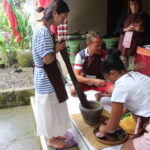
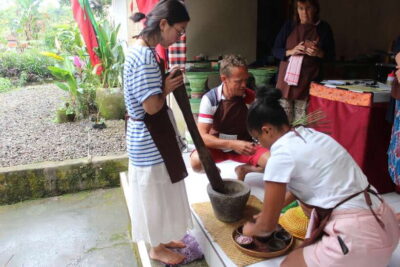
The cooking class happens in a Balinese home, not a commercial cooking studio. That home setting is a big part of the value here. It changes how the class feels: more personal, less staged, and more connected to how people actually cook and host.
Before cooking starts, you may also get small welcome elements depending on the day—one common highlight from participants is a welcome drink and homemade cake. And in some sessions, you may make a traditional basket offering to the gods before the cooking begins. Even if you don’t get every ceremonial step, the intention stays the same: you’re introduced to the context of Balinese food culture.
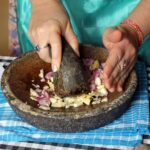
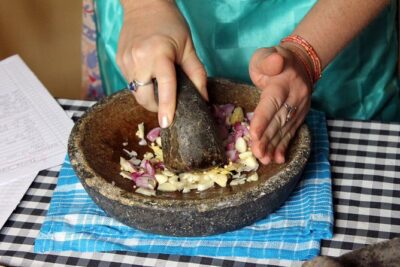
The cooking itself uses traditional cooking tools. That’s a fun learning curve. It slows you down just enough to understand technique—how ingredients are combined, how flavors develop, and how the food is meant to be eaten.
The hands-on cooking lesson: around 10 dishes and clear steps
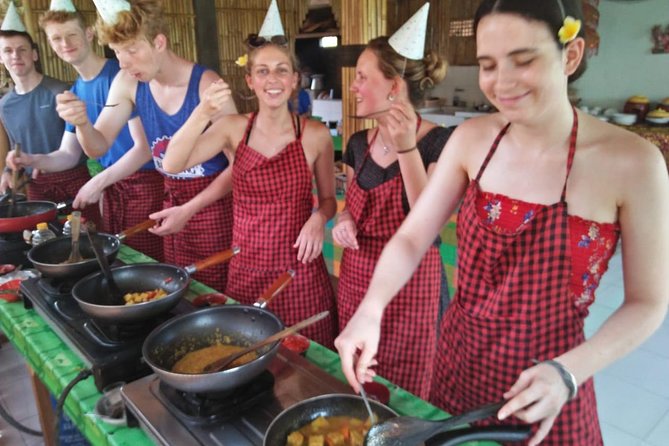
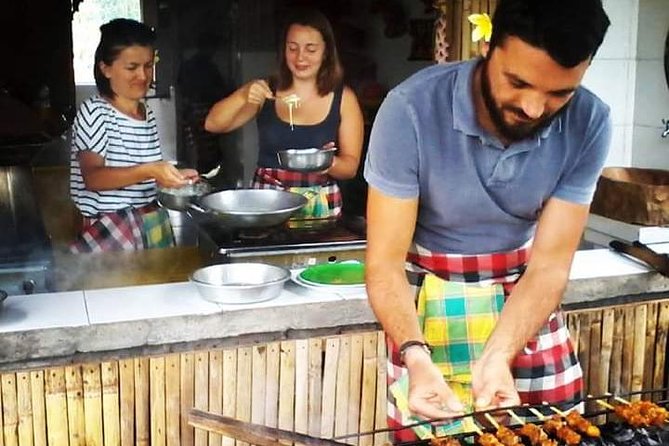
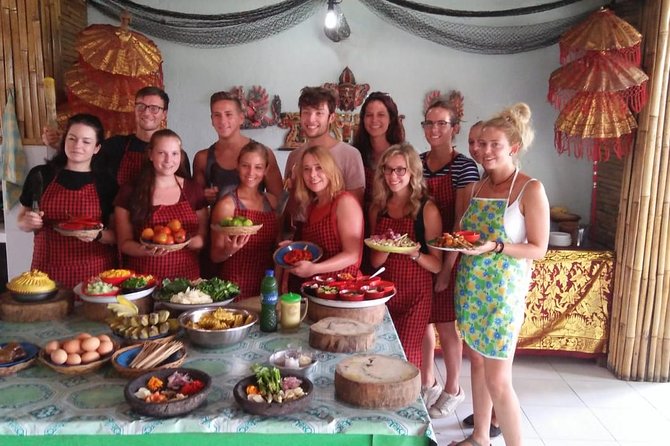
The class is built to be hands-on, not watch-only. You’re meant to actually cook, with a balance of instruction and doing. One big selling point from past participants is that they learned roughly 10 different Balinese dishes, and in some cases it can reach 11 dishes including dessert.
You can also expect that the instructor-led guidance focuses on recreating the results at home. Multiple participants highlighted that they received recipes at the end, which is the real difference-maker for value. A great class is fun while you’re there, but the best ones give you tools you can use again.
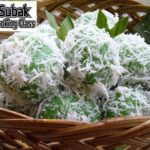
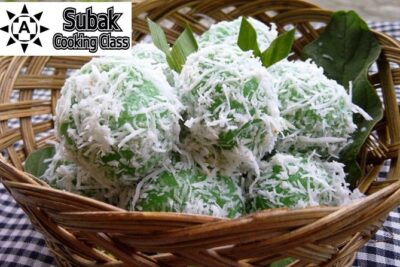
What about dessert? Banana dumplings come up as a favorite. Even if dessert isn’t your priority, it’s a nice sign that the class doesn’t only chase savory “tourist hits.” It aims to cover more of the typical Balinese meal experience.
Now for the potential mismatch to consider: a couple of people described some dishes as more ordinary than they expected, including a less-than-perfect fried rice. If you’re the type who wants complicated, chef-level technique every minute, this may feel more like practical home learning. If you want a solid, repeatable Balinese foundation—and recipes—you’ll likely be satisfied.
Eating what you make: Balinese-style lunch or dinner and portion sanity
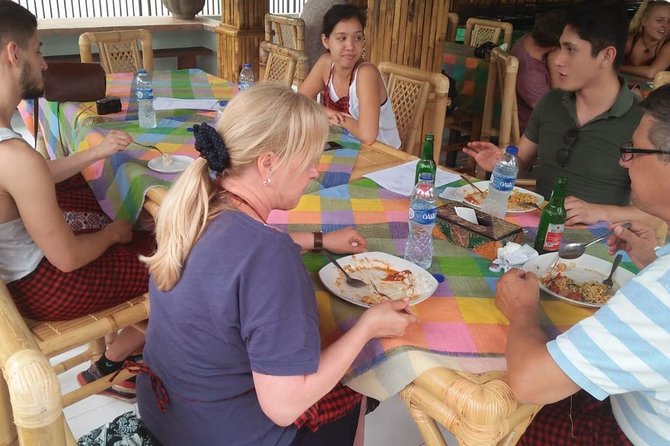
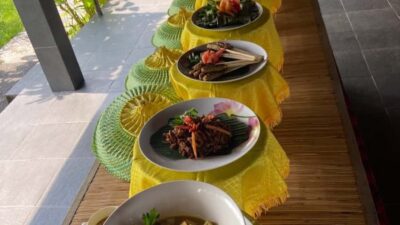
This is one of those classes where the best moment is built in: you finish by eating together in a Balinese style meal format. Lunch or dinner is included, and bottled water is also provided.
One thing I appreciate about this structure is that it prevents the classic cooking-class problem: you spend the morning cooking, then you’re hungry and scrambling for food later. Here, you cook, you plate, and you eat your creations before you go.
Also, the servings tend to be substantial. People have described not going home hungry, which matters when you compare classes across Bali. A cooking class that feeds you well is simply a better deal—especially at this price point.
Price and value: why $34 feels fair (and when it won’t)
At $34 per person, this Bali Amazing Cooking Class sits in the midrange for Ubud cooking activities. What makes it feel like good value is the bundle you get:
- hotel pickup in the Ubud area
- market and rice-field sightseeing
- a home-kitchen cooking session with traditional tools
- lunch or dinner
- bottled water, fees/taxes, and an air-conditioned vehicle
- cooking equipment and facilities
- recipes to take home (highlighted by multiple participants)
So you’re not paying just for chopping onions. You’re paying for an organized half-day that includes both “where ingredients come from” and “how to make the food.”
When might it not feel like a steal? If you’re mainly chasing a gourmet culinary experience with restaurant-level complexity, you may find the cooking a bit more basic than you hoped. And if the market is smaller on your day, you might feel like one part of the itinerary didn’t match your expectations.
Still, for most people, the mix of sightseeing context + hands-on cooking + included meal is the sweet spot.
Logistics that matter day-of: what to bring and how to avoid stress
Because this class moves through multiple stops, you’ll want to pack smart for comfort:
- bring a camera
- apply sun cream (rice-field sun is real)
- take some cash
- bring a small backpack
- wear shoes (you’ll be walking around)
You’ll also be asked to share your hotel/room number and the right pickup point, plus a contact number that’s easy to reach. Do yourself a favor and send that information quickly after booking. It keeps pickup smooth and saves time.
One more small note: alcoholic beverages aren’t included, so if you want drinks, plan on paying separately.
Who this cooking class suits best in Ubud
This experience is a great fit if you want:
- a hands-on Bali cooking lesson you can repeat
- a realistic look at Balinese daily life through the market and rice fields
- a morning activity that doesn’t vanish your entire day
- included food and a structured itinerary that’s easy to follow
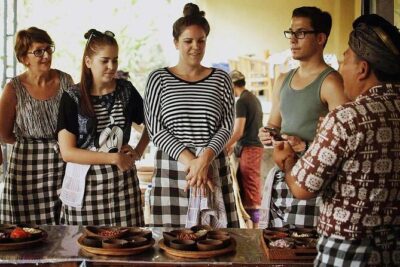
It’s also a good choice for couples and small groups because the class has a maximum of 25. That tends to keep things from becoming too chaotic.
If you’re someone who wants a quieter, high-end private culinary workshop, you may find the group style less your speed. And if you’re only interested in tasting, not learning, you might prefer a pure food tour where you don’t spend time cooking.
Final verdict: should you book Bali Amazing Cooking Class?
I’d book this if your goal is practical learning—Balinese cooking you can recreate—and you like the idea of pairing the kitchen with the ingredient story. The combination of market + rice fields + home cooking + recipes + included meal makes the $34 price feel grounded, not inflated.
I’d hesitate only if you’re very sensitive to itinerary variation, especially the market stop quality, or if you’re expecting every dish to be complex and restaurant-level technical. In that case, consider whether your main priority is sightseeing context or pure culinary intensity.
FAQ
How long is the Bali Amazing Cooking Class?
The cooking class lasts about 5 hours (approx.). Morning tours typically start with pickup around 8:00am, and return is about 1:30pm; the afternoon option starts pickup around 3:00–3:30pm.
Is hotel pickup included?
Yes. Free hotel pickup is included for the Ubud area. If you’re outside Ubud, the provider notes that you should contact them for other pickup arrangements.
What’s included in the price, and what isn’t?
Included: all cooking equipment and facilities, lunch (or dinner), all fees and taxes, bottled water, an air-conditioned vehicle, and free hotel pickup (Ubud area). Not included: personal expenses and alcoholic beverages.
Do I get recipes to cook at home?
Yes. The experience is described as providing recipes at the end so you can recreate the dishes later.
What should I bring?
Bring a camera, sun cream, some cash, a small backpack, and shoes.
What if the weather is bad, or I need to cancel?
The experience requires good weather; if it’s canceled due to poor weather, you’ll be offered a different date or a full refund. If you cancel, you can cancel up to 24 hours in advance for a full refund. The experience can also be canceled if a minimum number of people isn’t met, with an option to reschedule or receive a full refund.
More Cooking Classes in Ubud
More Ubud Tours We Rate





Cook Balinese in Ubud
Just added around Ubud
- Ubud: White Water Rafting with visit Ubud Monkey Forest
★ 5.0 · 3 reviews - Private Guided Bali Car Charter
★ 5.0 · 3 reviews - East Bali and Lempuyang Temple Tour
★ 5.0 · 3 reviews - Bali Downhill Cycling and White Water Rafting
★ 5.0 · 3 reviews - Cave Tubing Adventure in Ubud
★ 5.0 · 3 reviews
Balinese Cooking Classes, compared.
 ★ 5.0Ubud Cooking Class Bali with Balinese ChefFrom $351,609 reviews
 ★ 4.9Cooking Class with Transfers and Optional Market VisitFrom $21824 reviews
 ★ 5.0PRIVATE Authentic Balinese Cooking Class in Ubud at Putu’s HomeFrom $75644 reviews
 ★ 5.0Balinese Ubud cooking school (9 Dish Cooking and Market Tour)From $58540 reviews
 ★ 4.8Balinese Cooking Class and Market TourFrom $23531 reviews
 ★ 5.0Balinese Farm Cooking Class by Pemulan BaliFrom $39410 reviews
 ★ 5.0Balinese Authentic Cooking Class in UbudFrom $39239 reviews
 ★ 5.0PRIVATE Balinese Cooking Class in Ubud with Dewa with TransfersFrom $69213 reviews
Browse the lists this tour appears in