
Reviewed · BALINESE COOKING CLASSES
authentic Balinese organic cooking class in Ubud
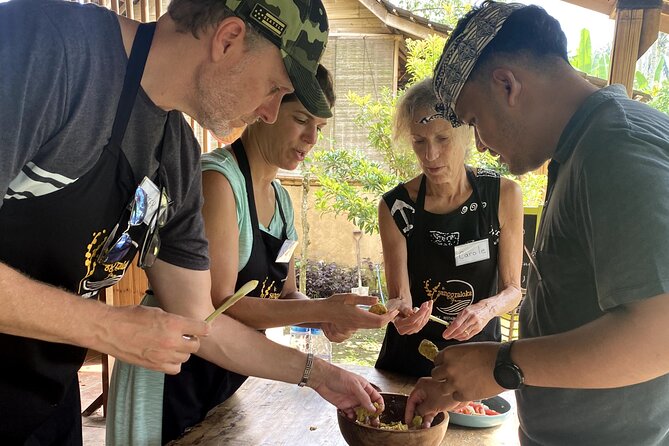
Pick vegetables, cook Balinese food, eat your work. This organic cooking class in Ubud is built around the ingredients themselves, so you learn what makes Balinese flavors work. Pickup, a welcome drink, and a small group keep the day relaxed and easy to follow.
I love starting in the garden and harvesting staples right when they are ready, not just watching from the sidelines. I also like the hands-on cooking pace with manual tools, plus clear teaching about how ingredients function in Balinese dishes. In at least one session, the teacher Ninek is noted for explaining ingredients, how to pick them, and even other medicinal uses.
One consideration: it runs in an outdoor farm/garden setting and depends on good weather, so if you dislike heat, bugs, or getting a little dusty during farm prep, plan accordingly.
In This Review
- Key things you’ll notice right away
- Organic Cooking in Ubud: It’s More Like Ingredient Training
- Pickup, welcome drink, and meeting the chef
- The farm-to-garden part: harvesting staples the right way
- Cooking in a garden kitchen with mostly manual tools
- Lunch with what you cooked, plus Ubud views
- Optional swing or waterfall: what to expect as extras
- Timing, group size, and how to dress for the day
- Is it worth $47? Here’s how I’d judge the value
- Who should book this organic Balinese cooking class?
- Should you book Amara Bali Family Tour’s cooking class?
- FAQ
- Where is the cooking class located?
- How long does the class last?
- Is pickup from my accommodation included?
- What’s included in the experience?
- How big is the group?
- Do I need good weather?
- What if I cancel?
- Are there any optional activities besides cooking?
Key things you’ll notice right away
- Farm picking happens in real time, so you connect ingredients to season and freshness
- Chef-led teaching on ingredient function, not only step-by-step recipes
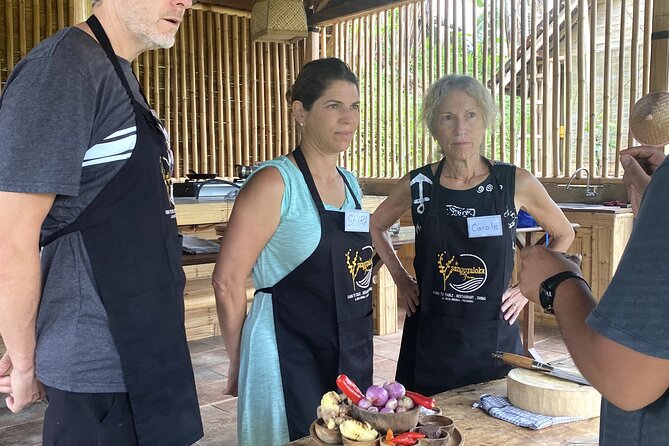
- Mostly manual cooking tools, which makes the process feel traditional and focused
- Small group size (up to 10 travelers) for more personal attention
- You eat what you cook, turning lunch into part of the lesson
- Optional extras may be available, like a swing or a natural waterfall
Market basket to banana-leaf plate. More Ubud cook-alongs.
- Ubud Cooking Class Bali with Balinese Chef★ 5.0 · 1,609 reviews
- Ubud: Cooking Class with Transfers and Optional Market Visit★ 4.9 · 824 reviews
- PRIVATE Authentic Balinese Cooking Class in Ubud at Putu’s Home★ 5.0 · 644 reviews
- Balinese Ubud cooking school (9 Dish Cooking and Market Tour)★ 5.0 · 540 reviews
Organic Cooking in Ubud: It’s More Like Ingredient Training
A typical cooking class can feel like you’re racing through steps. This one feels different. You start by learning the organic ingredients you’ll actually cook with, and you connect each one to what it does in Balinese food—flavor, texture, balance, and sometimes even everyday uses. That’s why it’s so satisfying: by the time you’re holding tools and stirring pots, you already understand why the dish tastes the way it does.
In Ubud, the cooking scene is everywhere. What makes this class stand out is the farm-and-garden focus. You’re not just learning recipes in a kitchen. You’re learning how ingredients grow, what they look like when they’re ready, and how they end up on your plate.
If you like practical learning—how to identify ingredients, how to pick them, and how to use them—you’ll probably get more out of this than a class that’s mostly about copying the final result.
Pickup, welcome drink, and meeting the chef
The day starts with pickup from your accommodation. That simple detail matters more than people think. Ubud traffic can be unpredictable, and you don’t want your cooking class to turn into a stress test. With pickup, you can arrive calm, ready to learn, and not worry about timing.
Before you begin cooking, you’ll get a welcome drink and an explanation of how the class works. The chef lays out what you’ll do and what you’ll learn, which sets you up for success later when you’re harvesting and then cooking your lunch.
One thing I appreciate is that the class is structured as a full loop: transport to the farm, orientation, garden activities, cooking, and then drop-off back to your accommodation. You’re not left wondering what happens next.
The farm-to-garden part: harvesting staples the right way
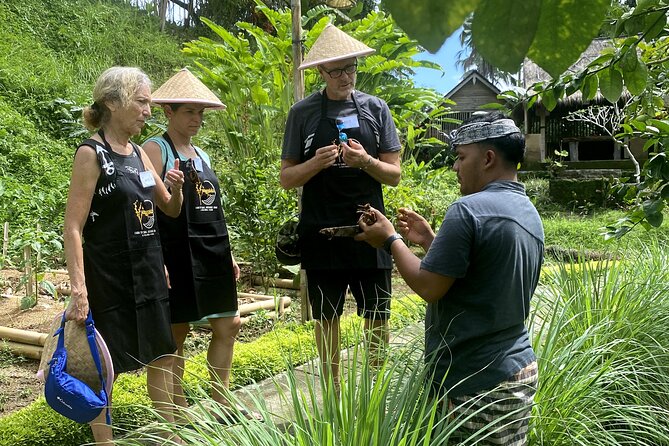
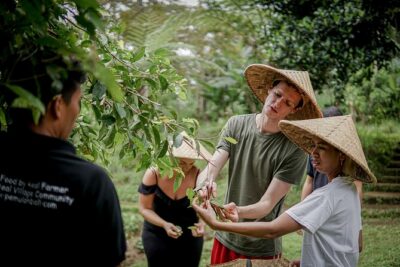
After the initial briefing, the pace shifts outdoors. You’ll be taken to the garden where plants are grown specifically for ingredients—spices as well as staple foods used in Balinese cooking.
What you’re looking for here isn’t just photos. The value is in the process. You’ll hear about Balinese food ingredients and their functions from the start, and then you actively help gather staples during harvesting time. The class is set up so that you can pick directly from the farm when ingredients are ready, and then those staples are processed in the kitchen.
That means your learning isn’t theoretical. If you’re the type of traveler who remembers best by doing, this section is where the class clicks.
A practical tip: bring a sense of humor. Farm harvesting is not a museum. It can be warm, it can involve careful handling of plants, and you may get a bit involved with food preparation. If you’re open to that, you’ll have a much better time.
Other Ubud tours and experiences to line up next
Cooking in a garden kitchen with mostly manual tools
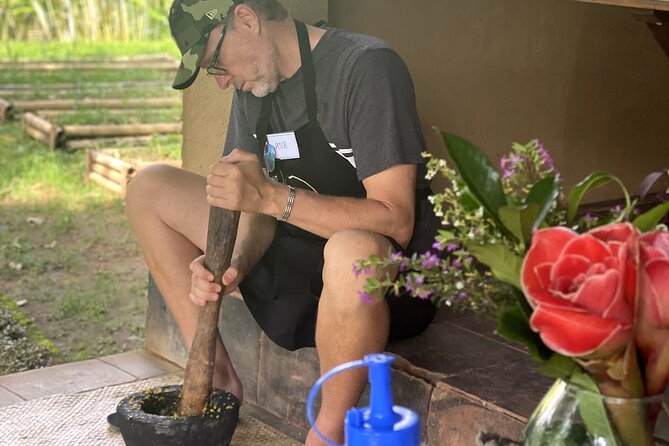
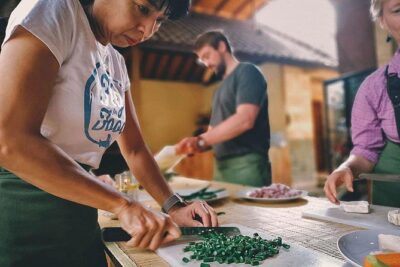
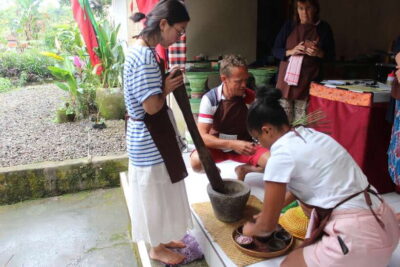
Once the ingredients are gathered, you move into cooking and start building your meal. The class uses tools that are almost all manual, which changes the feel of the experience. Instead of watching machines do the work, you do the work.
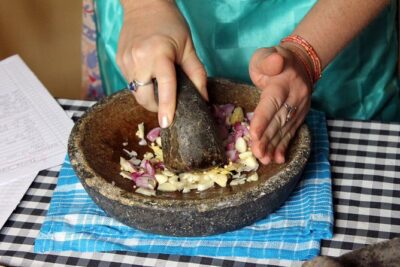
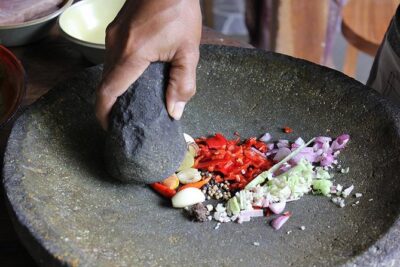
That hands-on approach also slows you down in the best way. You learn the rhythm of ingredient prep. You notice texture changes. You get a feel for how spices and staples behave when handled traditionally. And because you were taught ingredient function earlier, you’re not just following a vague recipe—you’re using knowledge.
Balinese cooking often relies on ingredient combinations where each component matters. When you’re taught how ingredients work from the beginning, you’re more likely to recreate the flavors later at home rather than just remembering what step came next.
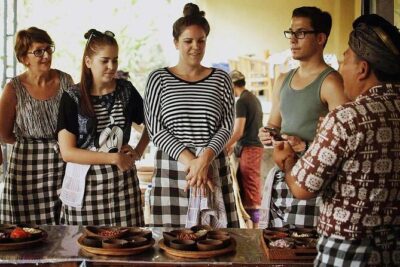
The teaching approach is also very practical. You get guided instruction through the dishes you make, with the chef explaining ingredients and how they’re used. In one example, a group was guided through the creation of six different dishes. Even if your exact dish count varies, you can expect multiple dishes built from the farm ingredients you picked.
If you’re a foodie who enjoys understanding why, not only how, this is the strongest part of the experience.
Lunch with what you cooked, plus Ubud views
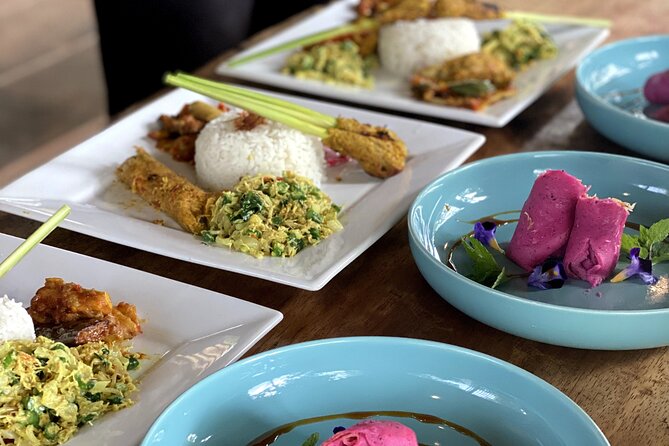
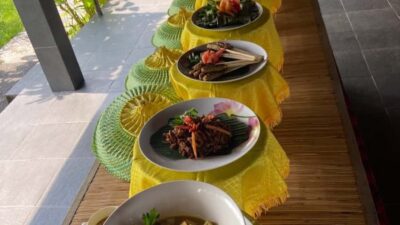
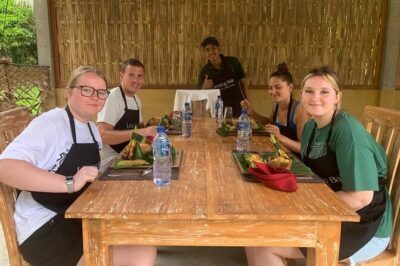
At the end, you enjoy your original cooking lunch—your own dishes after you’ve prepared them. That’s not just convenient; it’s how the lesson lands. You can taste what you made while the explanations are still fresh in your mind.
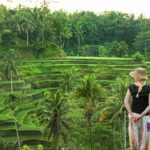
There’s also mention of lunch happening with rice-terrace style scenery, which can add a calm, memorable setting to the meal. Even if you’re not chasing scenic moments, it helps to eat your hard work somewhere pleasant rather than back-to-back with travel logistics.
One more note: since the class is built around fresh farm ingredients, your lunch tastes like something you understand—not just something you ordered. It’s the kind of meal that makes you want to ask questions about what you’re eating and how to repeat it later.
Optional swing or waterfall: what to expect as extras
Some versions of the experience may include optional add-ons such as a swing or a natural waterfall. Whether you’ll have time for these depends on timing and conditions, but it’s good to know that the day can sometimes turn into more than just cooking.
If you’re short on time or you prefer to keep the day focused on cooking, you can treat these as optional. The core value remains the cooking class plus the ingredient harvesting and lunch.
Timing, group size, and how to dress for the day
This is a four-hour class, about. That time window is long enough to do real learning and cooking, but short enough that you don’t lose the rest of your Ubud day.
Group size is limited to a maximum of 10 travelers. For me, that’s a big plus. Small groups tend to mean more attention from the chef, less waiting around, and smoother kitchen flow while you’re learning manual processes.
Weather matters too. The experience requires good weather. If conditions are poor, the organizer will offer a different date or a full refund, so you’re not stuck.
For what to wear, base it on farm reality:
- light, breathable clothes you don’t mind getting a little messy
- closed-toe shoes for garden walking and cooking prep
- insect repellent if you’re sensitive to bites
- a small towel or extra shirt can be useful, since harvesting and cooking can get hands-on
If you’re traveling with kids or anyone who dislikes outdoor activities, this might feel more intense than a purely indoor class. But if everyone is good with a hands-on farm day, it’s a fun match.
Is it worth $47? Here’s how I’d judge the value
$47 per person is a fair price for what you get here, especially in a place like Ubud where cooking classes can range widely.
You’re not just paying for a meal. The value includes:
- pickup from your accommodation and drop-off afterward
- a welcome drink
- organic ingredient harvesting from the farm/garden during the right harvesting time
- guided cooking using mostly manual tools
- eating the lunch you cook
That’s a lot bundled into a short, structured experience. If you’ve ever done food tours where you pay for a guide and end up with a small snack, this is different. You leave with a full lunch and a better understanding of how Balinese flavors work.
If you want a cooking class where the focus is on ingredients, seasonality, and traditional technique, $47 looks like a good deal. If you want a highly polished, restaurant-style class with no outdoor farm time, you might decide it’s not the best fit.
Who should book this organic Balinese cooking class?
This class is a strong choice if you:
- want hands-on learning about organic ingredients and their function in Balinese dishes
- enjoy outdoor farm experiences, even if it gets a little warm and messy
- prefer small groups (max 10) and more direct instruction
- want a cooking experience that ends with you eating what you made
It may be less ideal if you:
- need a mostly indoor, low-activity day
- have limited tolerance for heat or insects during garden time
- dislike any chance of the experience being affected by weather
Should you book Amara Bali Family Tour’s cooking class?
I’d book it if you want a genuine Balinese food experience that connects ingredients to the final taste, with real harvesting and a chef-led approach. The combination of farm picking, manual cooking tools, and eating your own dishes makes it feel complete, not just performative.
If you’re already deep into Ubud exploring and you want one activity that teaches you something you’ll actually use—how ingredients behave, how they’re prepared, and why flavors balance—it’s a great candidate.
And because pickup and drop-off are included, it’s also a low-stress choice. You’ll spend your energy learning and cooking, not figuring out transport.
FAQ
Where is the cooking class located?
The experience takes place in Ubud, Indonesia, with visits to the farm and garden used for ingredient harvesting and cooking.
How long does the class last?
The duration is approximately 4 hours.
Is pickup from my accommodation included?
Yes, pickup is offered, and you’re also dropped off back to your accommodation at the end.
What’s included in the experience?
It includes a welcome drink, instruction from the chef, organic ingredient harvesting, the cooking class (using mostly manual tools), and lunch made from what you cook.
How big is the group?
The tour/activity has a maximum of 10 travelers.
Do I need good weather?
Yes. The experience requires good weather. If it’s canceled due to poor weather, you’ll be offered a different date or a full refund.
What if I cancel?
Free cancellation is available, with a full refund if you cancel at least 24 hours in advance of the experience’s start time.
Are there any optional activities besides cooking?
Some versions of the experience may offer optional activities such as a swing and a natural waterfall, depending on the day and schedule.
If you want, tell me your travel dates and whether you prefer morning or afternoon plans in Ubud, and I’ll help you fit this into a realistic day schedule.
More Cooking Classes in Ubud
More Ubud Tours We Rate




Cook Balinese in Ubud
Just added around Ubud
- Ubud: White Water Rafting with visit Ubud Monkey Forest
★ 5.0 · 3 reviews - Private Guided Bali Car Charter
★ 5.0 · 3 reviews - East Bali and Lempuyang Temple Tour
★ 5.0 · 3 reviews - Bali Downhill Cycling and White Water Rafting
★ 5.0 · 3 reviews - Cave Tubing Adventure in Ubud
★ 5.0 · 3 reviews
Balinese Cooking Classes, compared.
 ★ 5.0Ubud Cooking Class Bali with Balinese ChefFrom $351,609 reviews
 ★ 4.9Cooking Class with Transfers and Optional Market VisitFrom $21824 reviews
 ★ 5.0PRIVATE Authentic Balinese Cooking Class in Ubud at Putu’s HomeFrom $75644 reviews
 ★ 5.0Balinese Ubud cooking school (9 Dish Cooking and Market Tour)From $58540 reviews
 ★ 4.8Balinese Cooking Class and Market TourFrom $23531 reviews
 ★ 5.0Balinese Farm Cooking Class by Pemulan BaliFrom $39410 reviews
 ★ 5.0Balinese Authentic Cooking Class in UbudFrom $39239 reviews
 ★ 5.0PRIVATE Balinese Cooking Class in Ubud with Dewa with TransfersFrom $69213 reviews
Browse the lists this tour appears in