
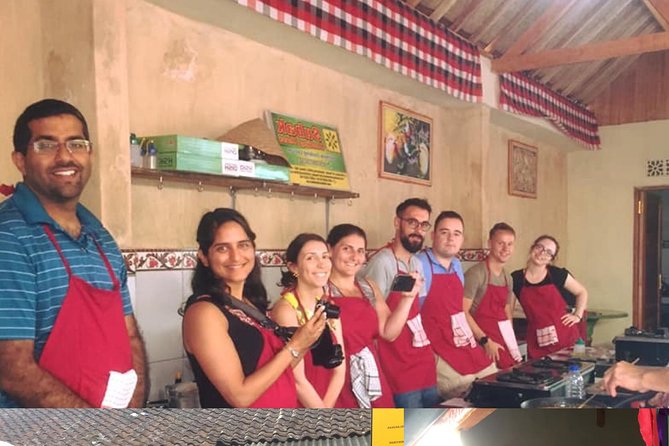
Reviewed · BALINESE COOKING CLASSES
Afternoon Cooking Class & Making Bali Offering with Dinner
Your kitchen becomes a Balinese home. This afternoon class is interesting because you learn the core Balinese spice paste technique and cook up to nine dishes you’ll eat at the family table. One thing to note: the afternoon option specifically lists no market visit.
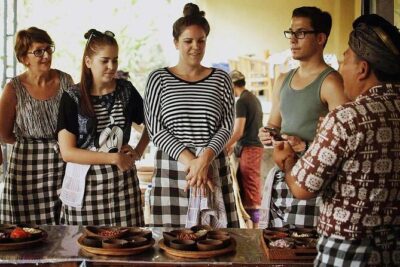
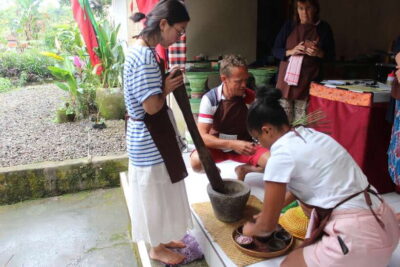
I like that it’s run like a real family setup, not a factory class. You’ll get a cold ginger tea welcome, make a canang Bali offering, and then cook step-by-step in a small group (max 12), so questions don’t get lost in the crowd.
If you’re staying outside Ubud, plan ahead. Pickup is free only for the Ubud center area, and the info asks you to use cash for extra charges if you need pickup beyond that zone.
In This Review
- Key Highlights Worth Booking
- How Ubud’s Afternoon Cooking Class Fits Real Travel Days
- Meeting at Ubud Palace and Getting Moving Smoothly
- Cold Ginger Tea, a Family Host, and a Calm Start
- Making a Canang Bali Offering: More Than a Craft
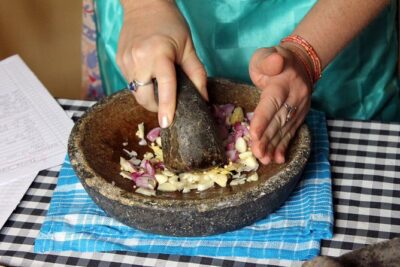
- The Spice Paste Moment: The Skill That Actually Transfers to Your Kitchen
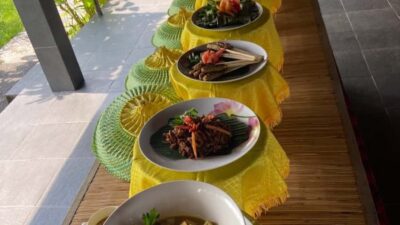
- Cooking Nine Recipes Step-by-Step, One Big Tasting Meal
- What You Receive After Class: Your PDF Recipe Set
- Timing, Duration, and Group Size: The Real Logistics
- Price and Value: Why $46 Can Make Sense Here
- If You Want the Market Stop, Pick the Right Time Slot
- Practical Tips Before You Go (So Nothing Slows You Down)
- Who This Class Is Best For
- Should You Book Subak Cooking Class in Ubud?
- FAQ
- FAQ
- What time does the afternoon cooking class start?
- How long is the experience?
- Does this class include hotel pickup in Ubud?
- Is a market visit included in the afternoon class?
- What do I do during the cooking class?
- What’s included with the meal?
- What should I bring in case of extra charges or purchases?
- Is there a recipe handout after the class?
- Is this class limited in group size?
Key Highlights Worth Booking
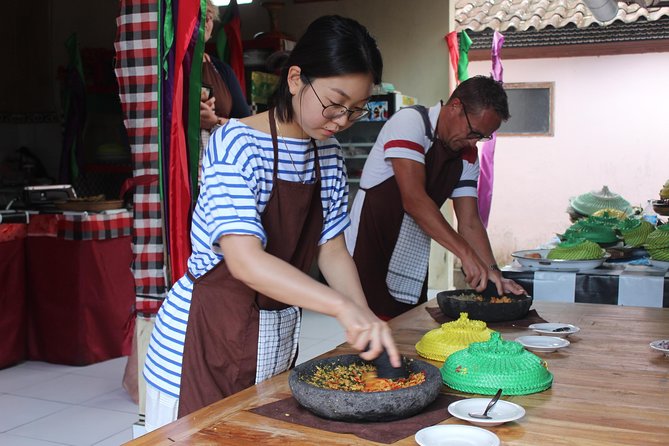
- Up to nine Balinese dishes cooked by hand and eaten the same day
- Canang Bali offering making as part of the cultural flow
- Balinese spice paste skills that act as the base for multiple recipes
- Small group size (max 12) for more personal help
- Ubud-center round-trip pickup plus bottled/mineral water included
- PDF recipe handout for the nine dishes after class
Market basket to banana-leaf plate. More Ubud cook-alongs.
- Ubud Cooking Class Bali with Balinese Chef★ 5.0 · 1,609 reviews
- Ubud: Cooking Class with Transfers and Optional Market Visit★ 4.9 · 824 reviews
- PRIVATE Authentic Balinese Cooking Class in Ubud at Putu’s Home★ 5.0 · 644 reviews
- Balinese Ubud cooking school (9 Dish Cooking and Market Tour)★ 5.0 · 540 reviews
How Ubud’s Afternoon Cooking Class Fits Real Travel Days
At 2:00 pm, this is a great option when you don’t want a full morning commitment or you’ve already done the temples and rice terraces. The class runs about 5 hours, with the main rhythm being: cultural practice, core cooking technique, then hands-on cooking of nine recipes (or up to nine, depending on what’s in the program).
What makes it feel worth your time is the structure. You’re not just watching someone cook. You’re learning a foundational ingredient (spice paste), practicing the smaller skills (chopping, mixing, shaping), and then you sit down to eat what you made. That last part matters. It turns cooking into a meal, not just a class.
Also, the price is surprisingly friendly for what you get. You’re paying for a host-led experience in a family setting, with ingredient prep guided for multiple dishes, plus dinner (or your main meal for the day) and drinks.
Meeting at Ubud Palace and Getting Moving Smoothly
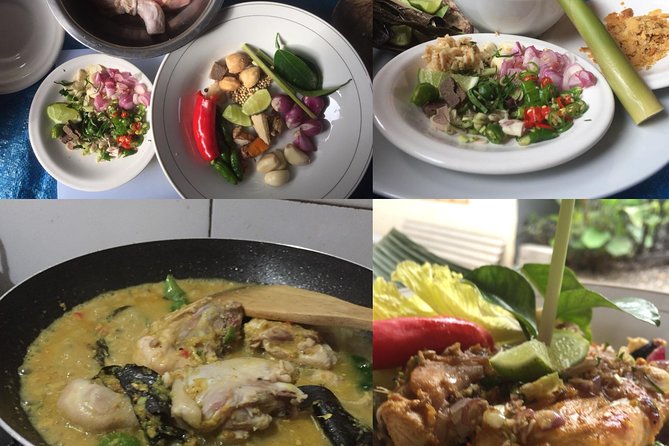
The start point is Ubud Palace (Jl. Raya Ubud No.8). If you’re within the Ubud center area, pickup and drop-off are included. That’s a big deal in Ubud, where getting in and out by taxi can add stress and time—especially when you’re trying to stay punctual for a hands-on class.
If you’re outside Ubud, the information is clear: pickup beyond the Ubud center requires a request and additional charges. The tour also asks you to bring cash money for any purchase needs or extra pickup charges. So if you’re staying farther out, you’ll want to confirm pickup details before your day starts.
You’ll receive a mobile ticket, so you’re not scrambling for paper. And because the group limit is 12 travelers, the operator can keep the day moving without turning it into a time-sheet workout.
Cold Ginger Tea, a Family Host, and a Calm Start
Right when you arrive, you’ll be welcomed with a drink: cold ginger tea. It’s a simple touch, but it sets the tone. This class doesn’t feel like a rush from station to station. It feels like you’re joining a home kitchen.
The host is Wayan Aris, and the overall feel is family-run. Even when the class is busy, the vibe stays friendly and organized, with enough guidance that you can actually learn rather than just copy motions.
You’ll also get the cultural and cooking flow explained clearly before you start. That matters, because Balinese cooking is built on layering flavors. If the “why” behind each step isn’t explained, the dishes can start to feel like random instructions. Here, the emphasis on the base paste helps everything connect.
Other Ubud tours and experiences to line up next
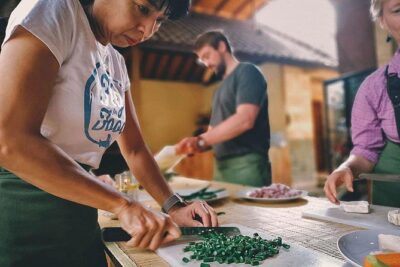
Making a Canang Bali Offering: More Than a Craft
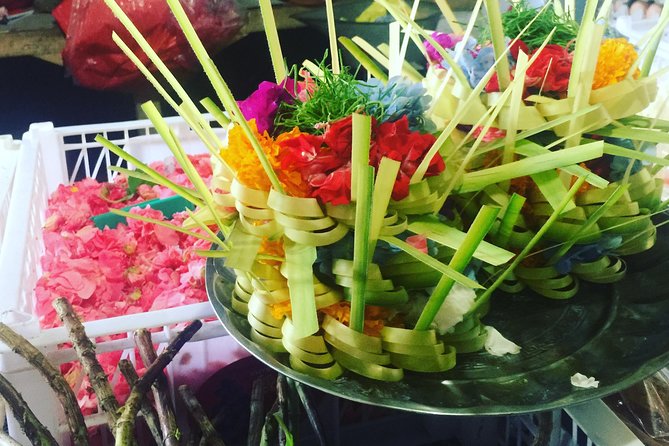
One of the early activities is making Canang Bali, a traditional Balinese offering. You’re not just doing a craft for photos. The way this class sequences it—before cooking—helps you understand the mindset behind food in daily Balinese life.
Practically, it’s also a good warm-up. Your hands learn to slow down. You focus on small details. Then cooking starts to feel natural, not frantic.
This part is also a nice cultural “anchor” for the rest of your afternoon. After you make the offering, you’re ready to learn the ingredients and techniques that bring dishes to life.
The Spice Paste Moment: The Skill That Actually Transfers to Your Kitchen
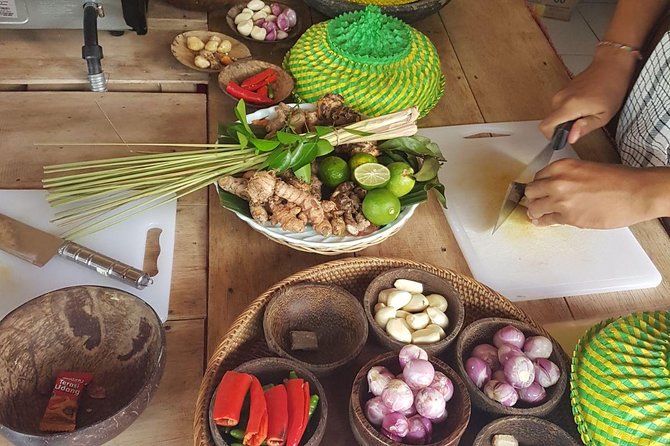
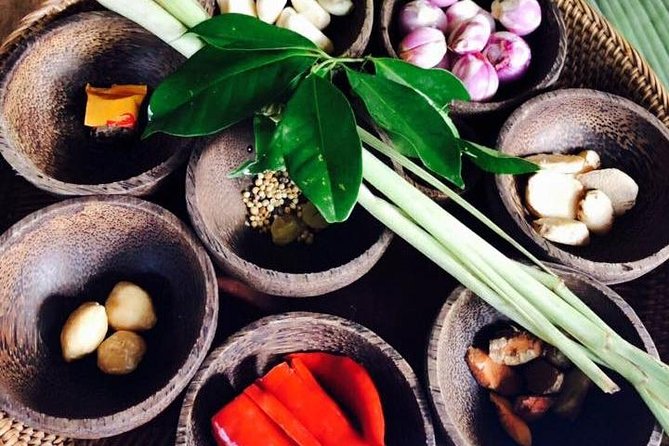
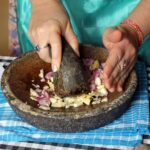
The cooking starts with an essential technique: making Balinese spice paste. The class treats this paste as a base (a sauce base) used across many dishes. That single idea—learn the base, then build multiple recipes—makes the entire class more useful at home.
Why this matters:
- You’re learning a repeatable process, not a one-time recipe trick.
- Once you understand how the paste is formed and used, you can recognize how similar flavor patterns show up in different dishes.
This is also where the class gets hands-on in a real way. Spice paste isn’t just mixing and done. You’re working with the ingredients and textures that define Balinese flavors. If you’ve ever cooked before and wondered why some dishes taste “right” in a way you can’t recreate, learning a base like this is a strong first step.
Cooking Nine Recipes Step-by-Step, One Big Tasting Meal
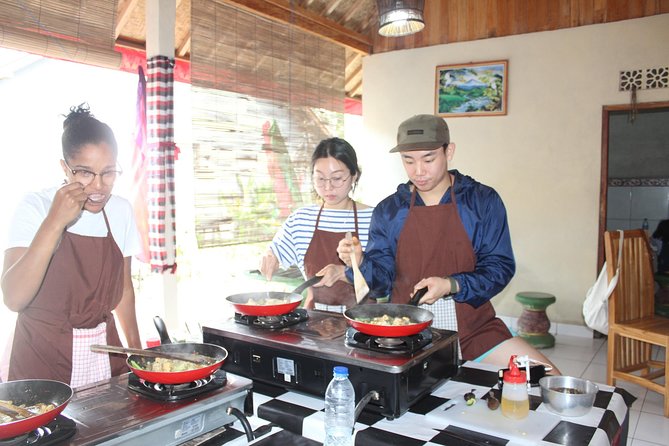
After the spice paste, the class moves into making nine Balinese recipes. The format is typically hands-on recipe by recipe: you prepare, cook, and taste along the way, then you sit down for a big final meal at the family house.
A few things to look for so you get the most from the experience:
- Ask how each dish uses the spice paste. Even a small difference in use changes the final flavor.
- Watch for knife skills and prep timing. The class helps with prep, but you’ll learn more if you understand what happens next.
- Taste during cooking, not only at the table. The program includes tasting your food as you go.
Because this is a small group (max 12), it tends to stay organized. You’re not waiting for long stretches while others catch up, and you get time to ask questions when something doesn’t look like you expected.
One extra advantage: the meal is huge because it’s made from what you cooked. It’s not a token sample plate. You’ll leave fed, and not just with food in your stomach—you’ll have a clearer idea of how the flavors fit together.
What You Receive After Class: Your PDF Recipe Set
At the end, you’ll get a PDF with the nine copy recipes. For me, that’s one of the most practical parts of the value.
Cooking classes can be fun, then vanish after the trip. A recipe PDF helps you remember measurements, steps, and what to look for when you try again at home. It’s also helpful if you want to remake just one or two dishes rather than all nine.
Tip: take a few quick notes while you cook—especially about how the paste should look and how each dish tasted before the final stage. Then your PDF becomes a real tool, not just a souvenir.
Timing, Duration, and Group Size: The Real Logistics
This is an afternoon session starting at 2:00 pm, lasting about 5 hours. That timing is ideal for people who:
- want a hands-on activity after lunch plans,
- prefer not to start the day early,
- like learning from a family kitchen rather than a big show.
Group size is capped at 12 travelers, which helps keep the experience personal. It’s easier to get help when you need it, and you’re less likely to feel like you’re on a conveyor belt.
Also included are mineral water and bottled water. The welcome drink is part of the experience too, so you’re not scrambling to buy drinks mid-session.
Price and Value: Why $46 Can Make Sense Here
At $46 for about five hours, you’re paying for several things at once:
- A guided class led by a local host,
- ingredient work that feeds multiple dishes,
- a family-style meal,
- cultural activity (the canang offering),
- and a recipe handout in PDF form.
In Ubud, you’ll often find cheaper cooking classes that focus on fewer dishes or skip the cultural segment. This one ties cooking and culture together, and the base technique (spice paste) makes the instruction feel more transferable.
If you specifically want nine dishes and a structured base-to-recipe approach, the value gets even better.
If You Want the Market Stop, Pick the Right Time Slot
Here’s the key planning detail from the info you provided: the afternoon version says no market visit. So if ingredient shopping in a local market is a must for you, you’ll want to choose an option that includes that part.
The good news is that the afternoon class still covers core cooking skills and ends with a full meal. But if you’re chasing the market experience—browsing spices, picking produce, asking sellers questions—this afternoon schedule may not be what you want.
Practical Tips Before You Go (So Nothing Slows You Down)
- Bring cash for purchases or any extra pickup charges if you’re outside Ubud center.
- If you’re staying outside Ubud, confirm pickup in advance. The info says it’s not automatically arranged.
- Wear something you can cook in—this is a hands-on session with food prep.
- If you care about taking food home, ask. The class format is set up for cooking and tasting, and you may be able to bring leftovers back.
- Save the PDF when you get it, then compare it with your notes while cooking. That’s how you actually learn.
Who This Class Is Best For
I’d point you here if you want:
- a small-group cooking class in Ubud (max 12),
- lots of hands-on time cooking multiple dishes,
- instruction focused on spice paste as a foundation,
- a cultural component like the canang Bali offering,
- and a meal that’s included and built from your own work.
It may not be your best fit if you want a long market tour in the afternoon, since the afternoon format lists no market visit.
Should You Book Subak Cooking Class in Ubud?
If your goal is to leave Bali with more than memories—if you want a technique you can repeat and a full meal you cooked yourself—this is a strong choice. The combination of spice paste, nine recipes, and the family-style meal makes the class feel complete for the time and price.
Book it if you’re in Ubud center or you can handle the extra logistics for pickup outside the area. Skip it if a market visit is your top priority for this day, since the afternoon class doesn’t include one.
FAQ
FAQ
What time does the afternoon cooking class start?
It starts at 2:00 pm.
How long is the experience?
The duration is about 5 hours.
Does this class include hotel pickup in Ubud?
Yes. Round-trip transfers from Ubud hotels in the Ubud center area are included. Pickup outside Ubud is not automatically arranged.
Is a market visit included in the afternoon class?
No. The info specifies no market visit at the afternoon class.
What do I do during the cooking class?
You’ll make a canang Bali offering, learn to make Balinese spice paste, and then cook up to nine Balinese recipes, tasting your food as you go.
What’s included with the meal?
Dinner (or your main meal for the day), mineral water, and bottled water are included, along with a welcome drink of cold ginger tea.
What should I bring in case of extra charges or purchases?
The info asks you to bring cash money for buy-something needs, or to pay additional charges if you’re outside the Ubud pickup area.
Is there a recipe handout after the class?
Yes. You’ll receive a PDF with 9 copy recipes.
Is this class limited in group size?
Yes. There is a maximum of 12 travelers.
More Cooking Classes in Ubud
More Ubud Tours We Rate





Cook Balinese in Ubud
Just added around Ubud
- Ubud: White Water Rafting with visit Ubud Monkey Forest
★ 5.0 · 3 reviews - Private Guided Bali Car Charter
★ 5.0 · 3 reviews - East Bali and Lempuyang Temple Tour
★ 5.0 · 3 reviews - Bali Downhill Cycling and White Water Rafting
★ 5.0 · 3 reviews - Cave Tubing Adventure in Ubud
★ 5.0 · 3 reviews
Balinese Cooking Classes, compared.
 ★ 5.0Ubud Cooking Class Bali with Balinese ChefFrom $351,609 reviews
 ★ 4.9Cooking Class with Transfers and Optional Market VisitFrom $21824 reviews
 ★ 5.0PRIVATE Authentic Balinese Cooking Class in Ubud at Putu’s HomeFrom $75644 reviews
 ★ 5.0Balinese Ubud cooking school (9 Dish Cooking and Market Tour)From $58540 reviews
 ★ 4.8Balinese Cooking Class and Market TourFrom $23531 reviews
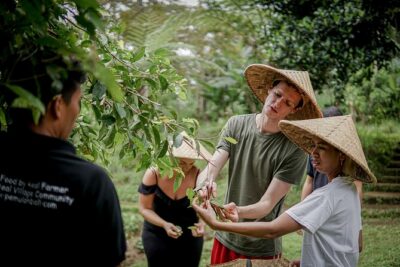 ★ 5.0Balinese Farm Cooking Class by Pemulan BaliFrom $39410 reviews
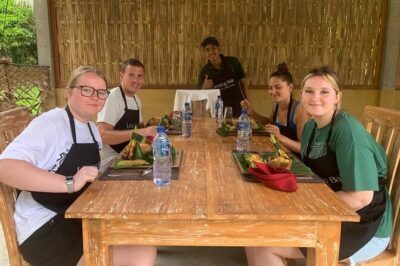 ★ 5.0Balinese Authentic Cooking Class in UbudFrom $39239 reviews
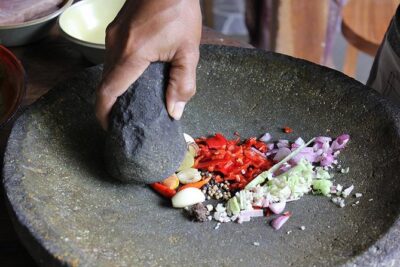 ★ 5.0PRIVATE Balinese Cooking Class in Ubud with Dewa with TransfersFrom $69213 reviews
Browse the lists this tour appears in