
Reviewed · BALINESE CRAFT & ART WORKSHOPS
3 Hours Batik Making Classes in Ubud
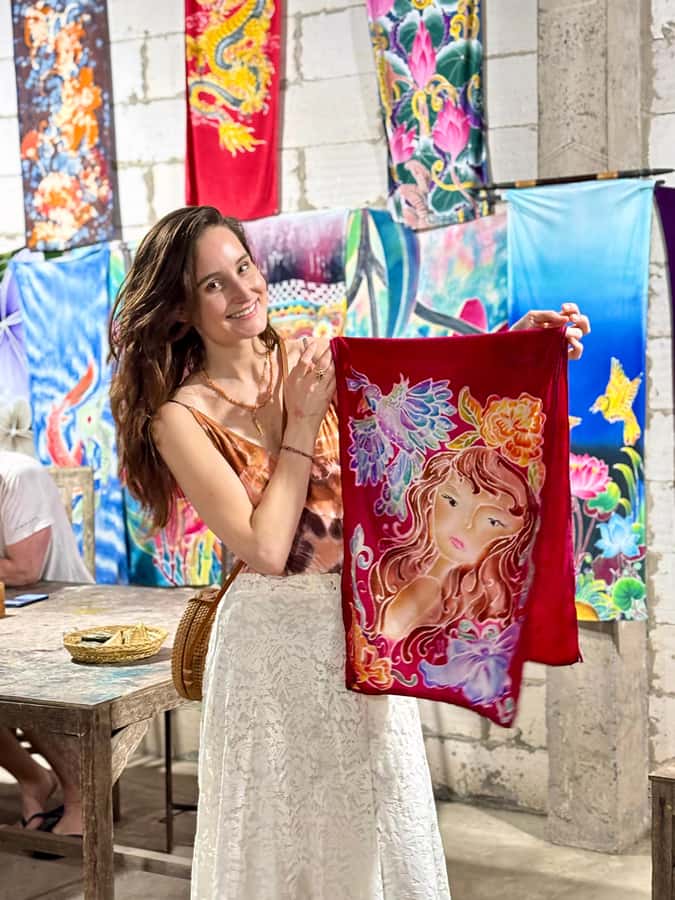
One afternoon, wax turns into wearable art. I love the patient step-by-step coaching from instructors like Dika and Ajus, and I love that you start from ready templates so drawing skills are not the make-or-break. The only real downside to plan for is the mess factor: hot wax and dye can stain clothes fast, so wear something you’re okay ruining a little.
Five Arts Studio sits in the cultural heart of Keliki, and the vibe feels calm and creative rather than salesy. You’ll get tea or coffee and Balinese snacks or cake, then work your way through tracing, waxing, and coloring—leaving with a personal batik creation (and yes, you can take photos while you work). If you have mobility issues, note the meeting point is up a staircase.
In This Review
- Key Things You’ll Notice at Five Arts Studio
- Why This 3-Hour Batik Class in Ubud Feels Like Real Culture
- Finding the Studio in Keliki: Meeting Point and First Impressions
- The 3-Hour Flow: How the Class Typically Moves Along
- Welcome, snacks, and choosing your design
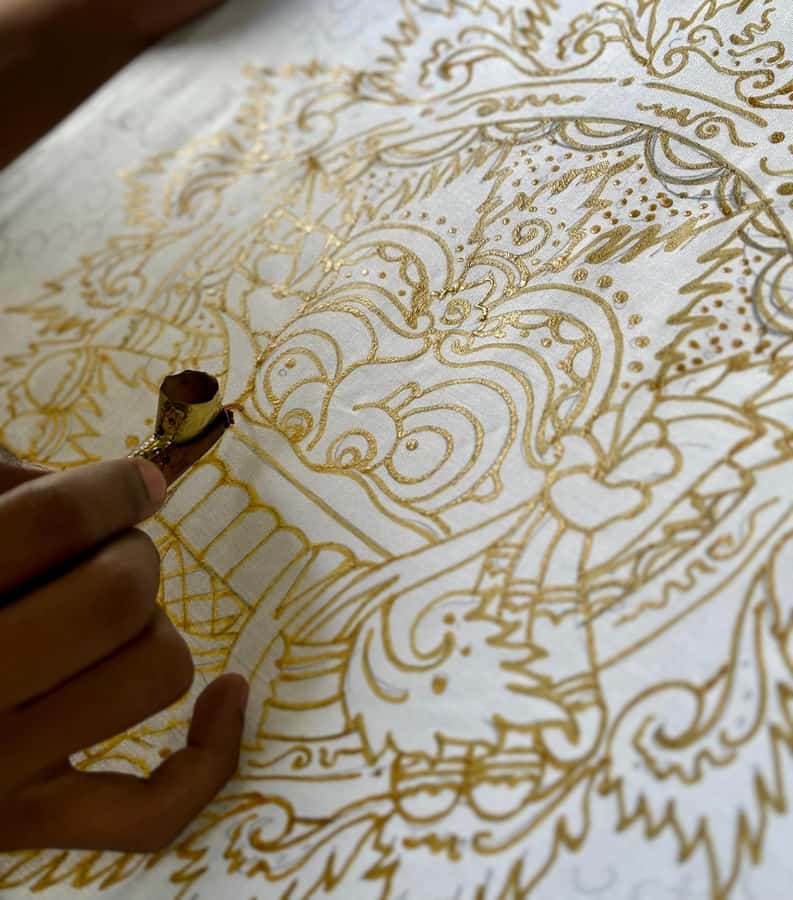
- Tracing onto cotton cloth
- Hot wax-resist: the moment everything becomes batik
- Coloring with dyes (and adjusting as you go)
- Drying and finishing so you can take it home
- The Value of the Wax-Resist Technique (Why This Isn’t Just Painting)
- Price and Value: Is $26 for Batik Actually a Good Deal?
- What You Take Home: Your Batik Keepsake
- Practical Tips Before You Go (So You Don’t Regret Your Shirt)
- Who This Batik Class Is Best For
- Should You Book This Batik Painting Class in Ubud?
- FAQ
- How long is the batik class?
- How much does it cost?
- Is transportation included?
- What’s included in the price?
- What do I need to bring?
- Where exactly is the meeting point?
- Is the class taught in English?
- Do I need prior art or batik experience?
- Can I cancel for a refund?
- Is it suitable for young children?
Key Things You’ll Notice at Five Arts Studio
- English instruction with hands-on help at each stage, even if you’re a beginner
- Template choices mean you can build a design without drawing from scratch
- Hot wax-resist technique feels tricky at first, then relaxing once you get the rhythm
- Tools, cloth, and materials included, so you’re not budgeting for supplies mid-class
- A peaceful work setting in Keliki, with people describing it as open-air and serene
- Extra time sometimes happens if you need more help drying or finishing
Batik wax, wet clay and carving chisels, hands-on.
- Crafting Heritage Batik Painting Workshops★ 5.0 · 164 reviews
- Ubud: Ceramic Pottery Class with 2 kg Clay★ 4.8 · 91 reviews
- Outskirts of Ubud, Gianyar: Pottery Class★ 5.0 · 9 reviews
- 3 Hours Wheel Throwing Basic Ceramic Class★ 4.0 · 3 reviews
Why This 3-Hour Batik Class in Ubud Feels Like Real Culture
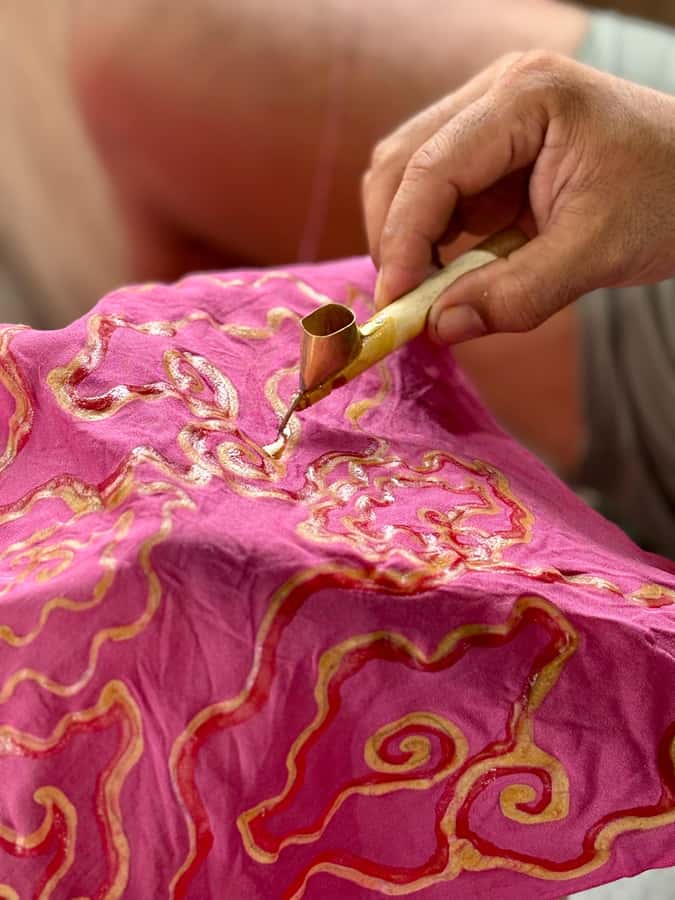
If you only do quick photo stops in Ubud, you miss the part that makes Bali feel human. A batik workshop gives you an actual skill—wax-resist dyeing—and it comes with the story people attach to the patterns and process.
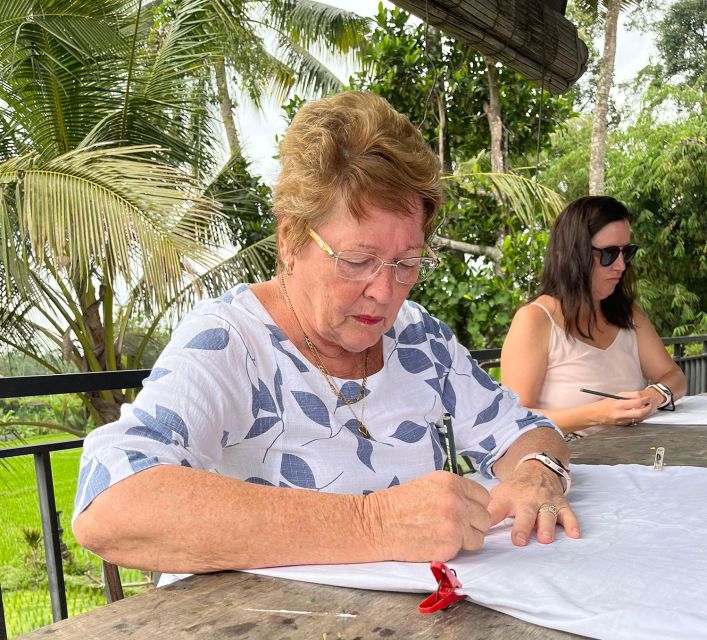
What I like most is that you’re not just watching. You’re tracing lines onto cotton cloth, applying hot wax, then using dyes to build your design. One person described overlaying two templates to create their own look, which is exactly the point: you start guided, then you personalize it.
Also, this is a good use of time. At 3 hours, it fits a busy itinerary without eating your whole day. You get enough structure to feel confident, but not so long that you’re exhausted before the last color goes on.
Finding the Studio in Keliki: Meeting Point and First Impressions
You’ll meet at Five Arts Studio in Keliki, and the key detail is easy to miss: when you arrive in front of the house, go upstairs first. The actual studio is about 50 meters back in the yard.
That sounds small, but it affects your stress level. If you’re used to hopping out of a taxi and walking straight into the activity, plan a moment to find the stairway and get oriented. A review even flagged that the way up can be high, so if stairs are a problem for you, factor that in early.
Once you’re inside, the atmosphere matters. Multiple reviews mention a serene courtyard feel, open-air working space, and a calm rhythm. One person described the courtyard as filled with children’s laughter, which might sound surprising—but it adds to the sense that this isn’t a closed-off tourist set. It’s a working creative space.
The 3-Hour Flow: How the Class Typically Moves Along
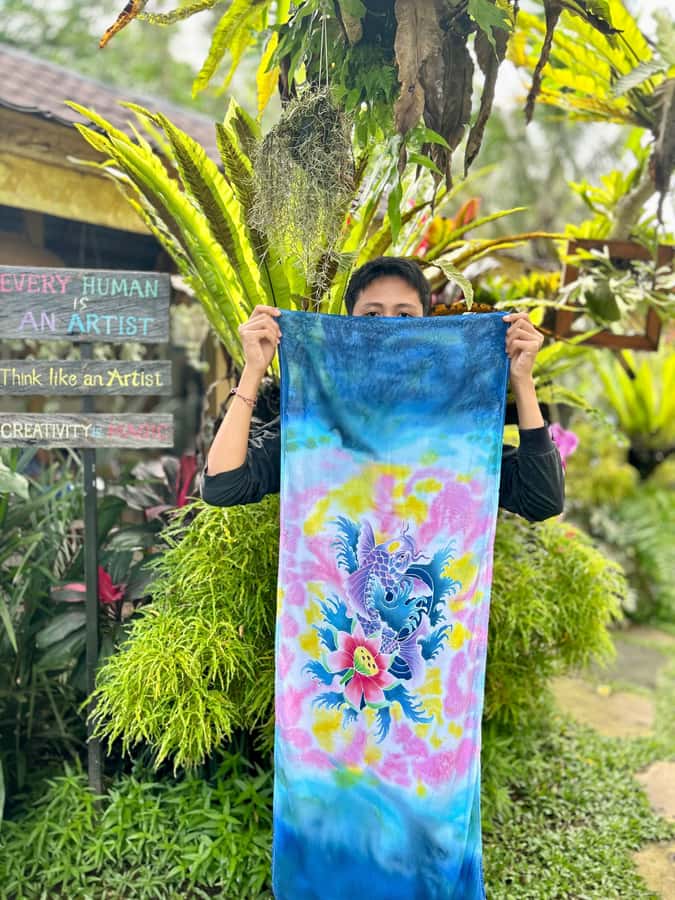
The workshop is designed as a sequence, and you’ll feel it move through your hands: trace → wax → color → finish. The total time is listed as 3 hours, but the real making time includes small pauses for drying.
Here’s how it plays out in practice.
Other Ubud tours and experiences to line up next




Welcome, snacks, and choosing your design
You start with a welcome drink—mineral water, tea, or coffee—and either Balinese snacks or cake. Then you move to selecting a design.
This matters for beginners. You’re given templates to choose from, and you trace those onto the cloth. Several reviews mention that you do not need to draw your own design, which is a huge relief if you worry you’re not an artist.
You’ll also find that the instructors help with design and thickness of wax lines. More than one review said the team adjusts what you draw so the wax lines work properly and your final pattern holds up.
Tracing onto cotton cloth
Next is tracing. This step turns a chosen template into your own setup. People mentioned traced drawings onto cotton sarong-format cloth, and others described starting with line drawings and then copying them onto the cotton.
If you’re thinking, this seems too basic to matter—don’t underestimate it. This is where your design either stays crisp or turns messy later. The instructors will guide you through getting the lines placed where you want them.
Hot wax-resist: the moment everything becomes batik
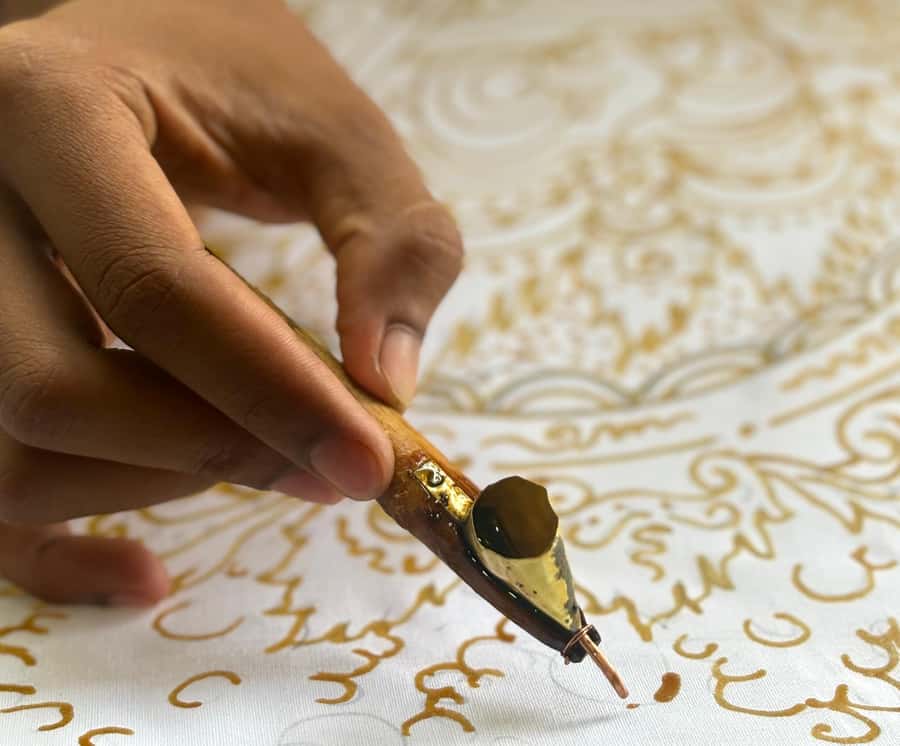
Then comes the wax. You’ll learn the traditional technique of wax-resist dyeing, and that’s the heart of batik.
Expect a learning curve. Reviews call the wax part tricky at first, but also calming once you get the hang of it. Hot wax demands steady hands and good technique; it’s also easy to smudge or splash if you’re rushing.
The good news: you’re not left alone with a pot of wax and hope. Reviews mention instructors working over lines that might not be thick enough, and helping you correct issues while you’re still in progress.
Coloring with dyes (and adjusting as you go)
After the wax is applied, you use colorful dyes to bring the design to life. People mention choosing colors with guidance, and the instructors offer practical advice so your palette looks intentional rather than accidental.
A fun detail: one review said the student splattered a bit and the final design wasn’t exactly planned—yet they loved the result anyway. That’s a realistic expectation. Batik has human character because it’s hand-made, not printed.
Drying and finishing so you can take it home
Finally, there’s drying time. One review said the art work takes about 10–20 minutes to be prepared (dried/cooked), which fits the rhythm of a workshop like this. You may also see staff help you dry or even blow-dry pieces if you’re short on time (one review mentioned blow-drying ahead of a next-day flight).
Don’t panic if your piece isn’t perfect in your eyes right away. The process is step-based, and the instructors help you get to a finish you’ll be proud to carry home.
The Value of the Wax-Resist Technique (Why This Isn’t Just Painting)
A lot of Bali craft classes look similar from 10 feet away. Batik is different because the method is the message.
Here’s the idea in plain terms: the wax acts as a resist. Where the wax goes, dye avoids or changes how it lands. That’s why your wax line thickness and placement matter so much. If you put wax down too thin, the final pattern might not hold as clearly. If you place it exactly where you want your motifs, the cloth becomes your design map.
This is also why the class feels like “learning a skill,” not just making a souvenir.
You’ll also get cultural context. The instructors are local artists, and they explain the history and cultural significance behind design choices. Even if you can’t recite the whole story afterward, you’ll understand why batik patterns aren’t random decoration.
Price and Value: Is $26 for Batik Actually a Good Deal?
At $26 per person for a 3-hour class with guidance and materials included, the value feels strong—especially for something you can’t replicate at home easily without buying supplies.
Here’s what’s included:
- Cotton cloth
- All tools and materials
- Instructor
- Welcome drink (mineral water/tea/coffee)
- Balinese snacks or cake
That list matters because batik isn’t just a bare-bones DIY activity. Wax-resist requires real tools, real dyes, and real supervision. If you’ve ever tried to do a craft workshop on your own after watching a couple videos, you know how quickly it turns into wasted time and ruined supplies.
Also, many reviews mention the staff help you improve your technique and even adjust designs. For $26, that level of coaching is a big part of the bargain.
Transportation isn’t included, which is common for Ubud-area activities. If you’re staying close or you’re okay booking a taxi, this isn’t a deal-breaker. If you’re trying to keep costs ultra-low, just account for getting to Keliki and back.
What You Take Home: Your Batik Keepsake
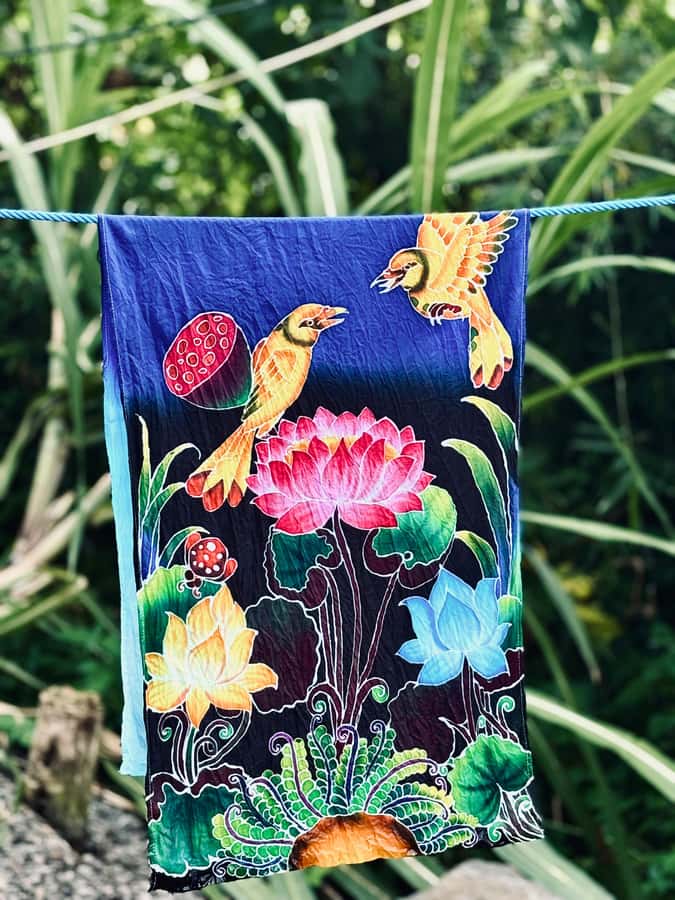
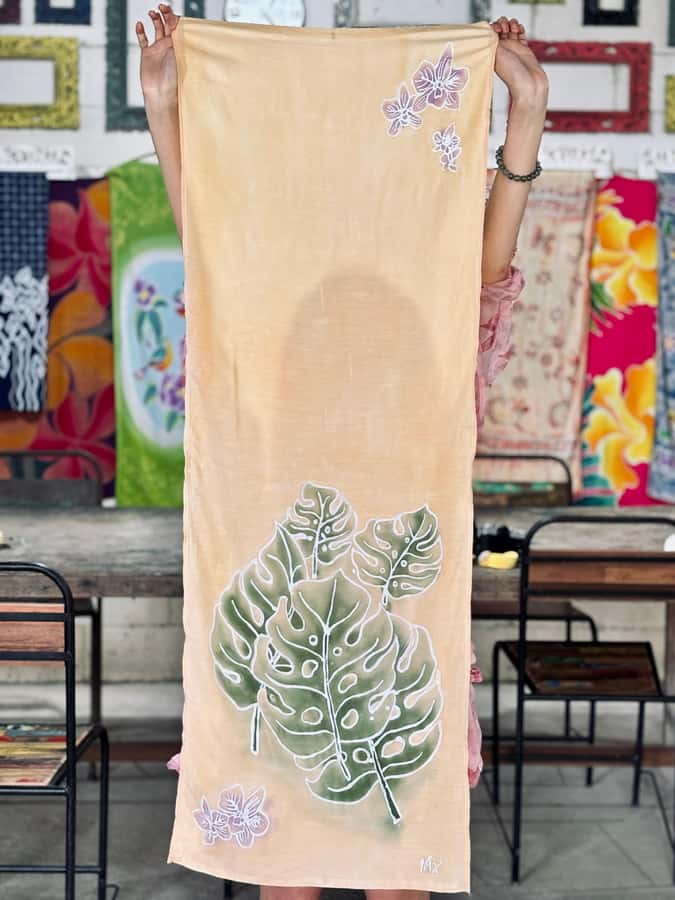
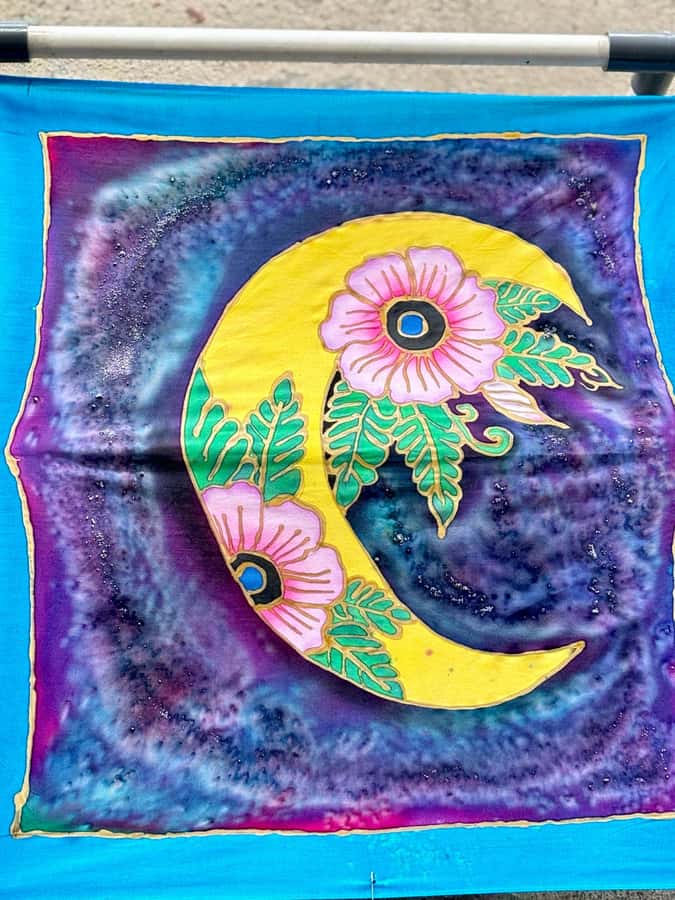
You’ll leave with your personalized batik artwork. Since the class includes cotton cloth and the process is wax-resist dyeing, the result is wearable or displayable fabric art, depending on how you design it.
In reviews, people mention taking home:
- a wearable sarong-style cloth
- a piece they plan to hang as wall art
- unique art that feels tied to Balinese culture because you made the pattern yourself
That’s what makes the class worth it: it’s not generic. Your lines, your wax placement, and your color choices shape the outcome.
Practical Tips Before You Go (So You Don’t Regret Your Shirt)
Bring a few things, and you’ll enjoy the class more:
- Camera: you’ll want photos during tracing, waxing, and dye stages
- Comfortable clothes: wax and dye are part of the craft
- Cash: useful if you want to buy additional art or small items on site
- Credit card: the info lists it as something to bring
- Follow the studio’s direction on what’s safe to handle with wax and dye
One more practical thought: plan to wear closed-toe shoes if you can. Even if you don’t spend the whole time standing, you’re moving around a working studio surface.
If you’re sensitive to heat, the hot wax part might feel intense. Take your time. Reviews repeatedly mention patience from the instructors, and the best way to match that vibe is to move at a pace you can control.
Who This Batik Class Is Best For

This is a great fit if you want a calm, hands-on cultural activity that doesn’t demand previous art training.
You’ll likely enjoy it if:
- you like arts and crafts but want real instruction
- you want a meaningful Bali souvenir instead of yet another keychain
- you’re traveling with someone who’s happy to do an activity together (solo travelers also do fine here)
It’s also a surprisingly good family activity for some groups. One review said a 9-year-old enjoyed it just as much as a 76-year-old, and another said kids had a blast. Still, the official info says it’s not suitable for children under 5.
And for anyone with mobility concerns: stairs matter here. The meeting point is upstairs, and one review mentioned the way up can be high. If stairs are a challenge, you might want to confirm access with the studio before booking.
Should You Book This Batik Painting Class in Ubud?
Book it if you want to learn a real technique—wax-resist batik—in a setting that feels relaxed, not rushed. The inclusion list is solid, and the consistent 5-star feedback around guidance, patience, and help with designs suggests you’ll be supported even if you’re nervous about making art.
Skip it (or at least ask questions first) if you can’t deal with stairs, or if you know you’ll feel stressed by the messiness of wax and dye. This class rewards steady hands and a lighthearted attitude.
If you’re balancing Ubud sightseeing with one meaningful creative stop, this is a strong choice. You’ll walk away with something you made yourself, not just something you bought.
FAQ
How long is the batik class?
The class lasts 3 hours.
How much does it cost?
It’s listed at $26 per person.
Is transportation included?
No. Transportation is not included. Hotel pickup and drop-off is available for an additional charge.
What’s included in the price?
You get Balinese snacks or cake, a welcome drink (mineral water/tea/coffee), cotton cloth, all tools and materials, and an instructor.
What do I need to bring?
Bring a camera, credit card, cash, and comfortable clothes.
Where exactly is the meeting point?
Go upstairs when you arrive in front of the house. The studio is about 50 meters back in the yard.
Is the class taught in English?
Yes, the instructor speaks English.
Do I need prior art or batik experience?
No prior experience is needed.
Can I cancel for a refund?
Yes. You can cancel up to 24 hours in advance for a full refund.
Is it suitable for young children?
It is not suitable for children under 5 years old.
Hands-On in Ubud




More Ubud Tours We Rate





Batik, Clay & Carving


Just added around Ubud
- Ubud: White Water Rafting with visit Ubud Monkey Forest
★ 5.0 · 3 reviews - Private Guided Bali Car Charter
★ 5.0 · 3 reviews - East Bali and Lempuyang Temple Tour
★ 5.0 · 3 reviews - Bali Downhill Cycling and White Water Rafting
★ 5.0 · 3 reviews - Cave Tubing Adventure in Ubud
★ 5.0 · 3 reviews
Balinese Craft & Art Workshops, compared.
 ★ 5.0Crafting Heritage Batik Painting WorkshopsFrom $29164 reviews
 ★ 4.8Ceramic Pottery Class with 2 kg ClayFrom $3691 reviews
 ★ 5.0Outskirts of Ubud, Gianyar: Pottery ClassFrom $409 reviews
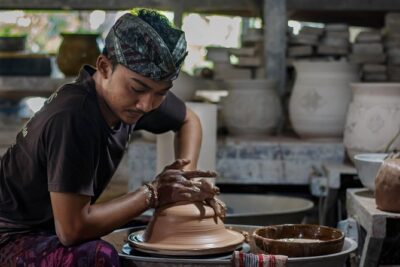 ★ 4.03 Hours Wheel Throwing Basic Ceramic ClassFrom $503 reviews
Browse the lists this tour appears in