
Reviewed · BALINESE CRAFT & ART WORKSHOPS
Crafting Heritage Batik Painting Workshops
Batik is relaxing once the wax sets. In this Ubud-area hot-wax batik workshop, you work in a laid-back studio outside town (in a family compound setting), sketch a design, paint with wax and dyes, and leave with a one-of-a-kind souvenir. You can also choose how much you want the tutor to steer you, from hands-on guidance to more independent making.
I love the calm, patient teaching style. In the classes I looked at, instructors like Dika and Agong walk you through each step and keep the vibe gentle, even when wax mistakes happen. I also like that you get snacks, coffee/tea, and water included, plus all the materials so you can focus on making, not hunting supplies.
One thing to consider: batik takes patience. The wax-resist technique is simple to understand but takes a steady hand and careful timing, and it can feel harder than you expect at first.
In This Review
- Key highlights worth knowing
- Why Five Arts Studio feels different from a typical Ubud craft stop
- Getting started at the studio: what happens in your first hour
- The hot wax resist method: how your design actually becomes batik
- Picking your motif: designing your own souvenir vs following the guide
- What the tutoring feels like: patient guidance, real-world craft teaching
- A Balinese family-compound atmosphere, not a staged show
- What you bring home: the souvenir is the lesson
- Price and value: why $29 works here
- Practical tips for your best batik class outcome
- Who this workshop is best for
- Should you book this Ubud batik workshop?
- FAQ
- How long is the Crafting Heritage Batik Painting Workshop?
- What does it cost?
- Where does the workshop take place?
- What’s included in the workshop?
- Is lunch included?
- Do they offer alcohol?
- Can I choose to work more independently or with the tutor?
- Is this workshop beginner-friendly?
- What is the maximum group size?
- What is the cancellation policy?
Key highlights worth knowing
- Hot-wax resist batik, taught in clear steps from sketching to wax and dye
- You choose your comfort level with help from the tutor or more independent work
- A working family-compound studio vibe rather than a rushed tourist setup
- Instructors you may see mentioned include Dika and Agong for step-by-step support
- Snacks plus coffee/tea and mineral water included to keep you comfortable
- Max group size of 30 helps the class stay friendly and manageable
Batik wax, wet clay and carving chisels, hands-on.
- Crafting Heritage Batik Painting Workshops★ 5.0 · 164 reviews
- Ubud: Ceramic Pottery Class with 2 kg Clay★ 4.8 · 91 reviews
- Outskirts of Ubud, Gianyar: Pottery Class★ 5.0 · 9 reviews
- 3 Hours Wheel Throwing Basic Ceramic Class★ 4.0 · 3 reviews
Why Five Arts Studio feels different from a typical Ubud craft stop
This workshop is based around real craft life, not a factory line. You’re set up in a casual studio outside Ubud, in the Keliki/Tegallalang area, and the setting matters. When your class happens in a family compound environment, batik doesn’t feel like a performance. It feels like something Balinese artists actually do.
The class also has a good “learning pace” feel. It’s long enough for you to experience the full process—design to wax to dye to wash-off—without dragging on all day. For $29, that pacing is part of the value: you get a complete souvenir-making session rather than a quick demo.
And the teaching style shows up again and again in the feedback: calm, practical help, plus a tone that lets you keep going even if your first try isn’t perfect.
Getting started at the studio: what happens in your first hour
You meet at Five Arts Studio on Jl. Raya Keliki in Keliki (near Tegallalang), then the class runs and ends back at the same meeting point. The workshop is about 3 hours, so plan on a focused afternoon rather than a “wander and snack” kind of stop.
When you arrive, the studio is designed for settling in. You’ll be offered snacks, coffee and/or tea, and mineral water. That sounds small, but it matters in a hands-on class where you’ll be leaning in close and concentrating. This also makes it easier if you combine the workshop with other Ubud-area activities.
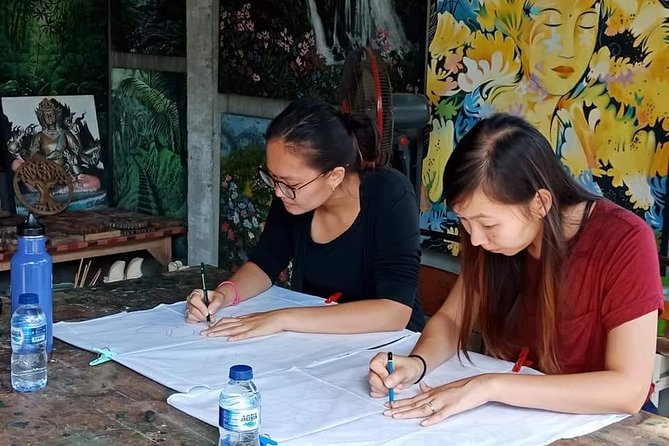
Next comes the creative part: setting up your design. The process typically starts with sketching and planning your motif before any wax touches fabric. Many people like that the studio doesn’t force a single option; you can bring your own ideas/motif, or you can choose from stencil suggestions. If you’re not sure where to begin, that menu of options is a real assist.
The hot wax resist method: how your design actually becomes batik
Here’s the heart of it: batik is hand-painted fabric using hot wax and dyes. The method you’ll learn is the classic resist technique.
In plain terms, the workflow looks like this:
- You choose or sketch a design.
- You draw it onto the fabric with hot wax.
- You apply dye to selected areas.
- When the wax is washed off, the wax-covered parts stay in the original color, creating crisp outlines and patterns.
The cool part is that you’re not just “coloring.” You’re controlling where dye can go. That’s why the final look often feels complex even when the process is taught step-by-step. If you’ve ever seen batik and wondered how it gets those sharp lines, this is where it happens.
One practical truth: the wax stage rewards patience. It can be easy to overthink your first lines, but the best results come when you accept a little imperfection and keep moving. Several people described happy accidents as part of the fun. That mindset helps because batik doesn’t behave like a marker you can easily erase. If you go in expecting perfect control on your first try, you’ll likely stress yourself out.
Other Ubud tours and experiences to line up next




Picking your motif: designing your own souvenir vs following the guide
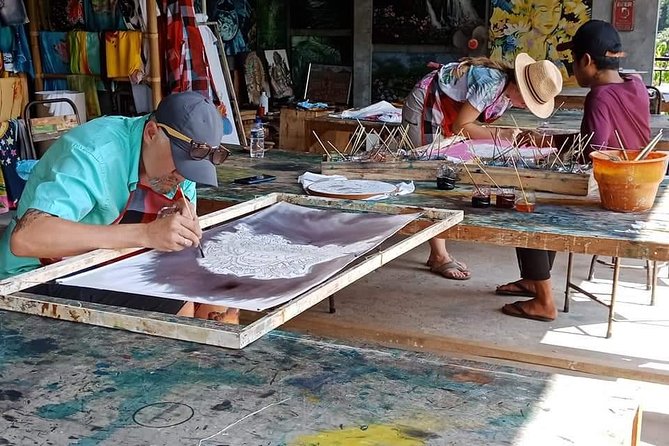
This workshop gives you an actual choice in how you work. You can:
- do more of the process yourself while the tutor guides you, or
- work more closely with the tutor for extra direction.
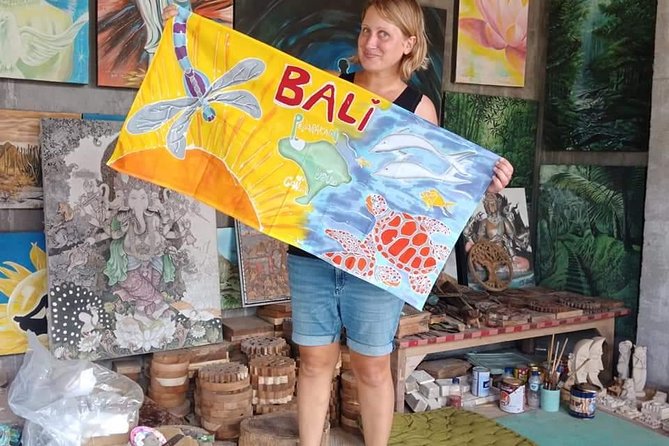
From what’s shared in the feedback, people often love having options for stencils and motifs, including designs with different intensities and details. Some instructors also help you refine the balance of your pattern so it looks intentional rather than accidental.
If you already have a clear idea of what you want, you’ll probably enjoy the independence. Want something inspired by plants, animals, or Balinese patterns? Bring a concept and let the class translate it onto fabric.
If you don’t have an idea yet, don’t worry. The studio style is set up for beginners to succeed. The support is gentle but direct: instructors show you what to do, then they help you correct course before you get stuck.
Either way, remember this: your finished piece is meant to be personal. Even if it’s not symmetrical like a factory design, the imperfect human touch is the point.
What the tutoring feels like: patient guidance, real-world craft teaching
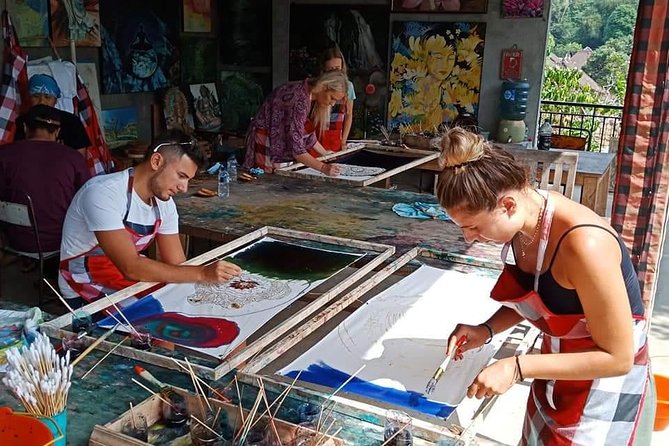
The biggest repeat theme in the ratings is how supportive the staff are. People describe patient instruction, clear directions, and tutors who keep the tone friendly when you get things slightly wrong.
Some specific teaching moments that show up:
- step-by-step walkthroughs
- reassurance when wax lands somewhere it shouldn’t
- guidance that helps you pivot without starting over
- help for non-artists and even kids, with instructors supporting a younger student through the whole process
That last detail is a clue to the teaching style: the class isn’t only for people who already think they’re artsy. It’s structured to get you to a satisfying result with the right guidance. Still, batik requires focus, so it’s best for people who can sit comfortably for a while and pay attention during the wax and dye stages.
If you care about leaving with something you genuinely like (not just a learning souvenir), this “keep you on track” teaching approach is a major plus.
A Balinese family-compound atmosphere, not a staged show
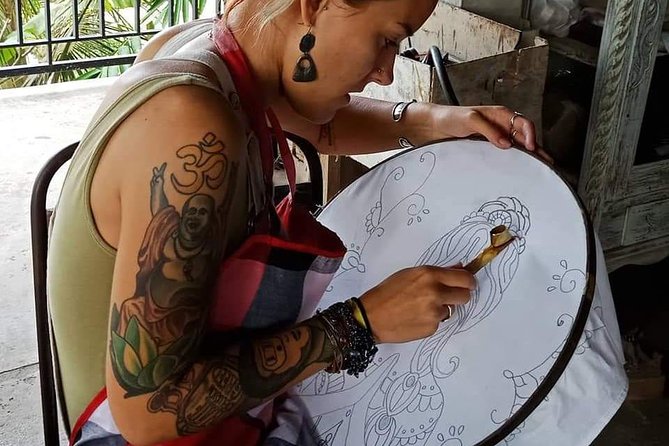
One of the less obvious reasons to book this workshop is where it happens. You’re learning in a family compound environment, not a window-front tourist shop. That means you get a more authentic sense of how craft work fits into daily life.
In the feedback, people mention seeing a dynamic working studio space with local artists and even expats creating batik alongside children. That mix makes the atmosphere feel lived-in. It also explains why the class feels relaxed: it’s not just an isolated event; it’s part of ongoing studio life.
And since the instruction includes a bit of context about the batik tradition, you’re not only learning technique. You’re also understanding why this craft matters in Indonesian culture and what the steps symbolize in practice—design planning, wax-resist control, dye placement, and the reveal after wax removal.
What you bring home: the souvenir is the lesson
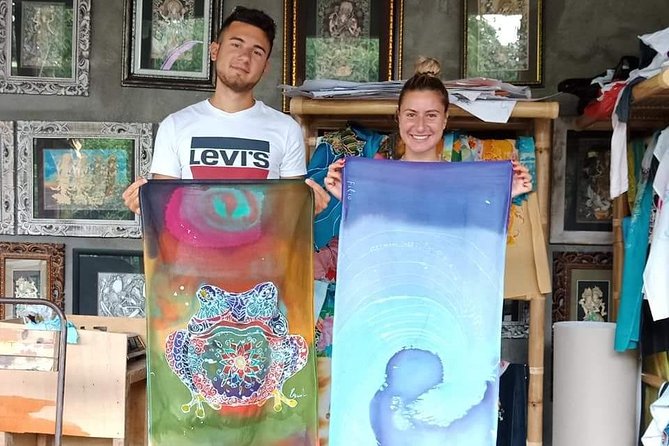
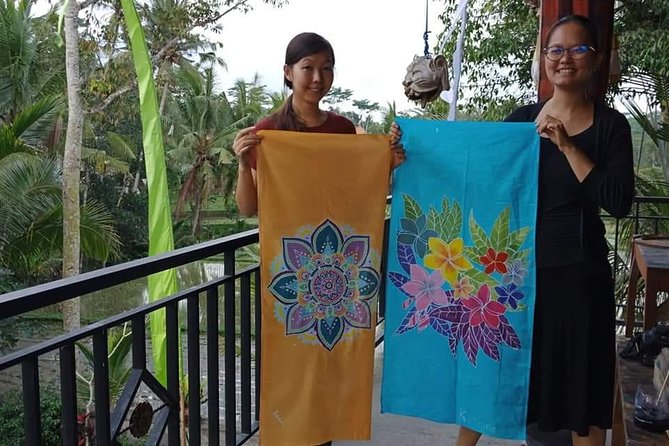
You don’t leave with a tote bag of “maybe” or a half-finished piece. The goal is a completed batik fabric artwork you can take home as a real memory.
That matters for value. A lot of tours sell a photo moment. This one sells a durable, meaningful keepsake: you made it by hand, using traditional materials and a classic process.
Also, batik has a built-in aesthetic payoff. Even simple motifs can look rich because of the resist effect—areas protected by wax keep their original tone, and the dye creates contrast. The result is usually more visually complex than you’d expect from a 3-hour class.
If you’re wondering what to do with it afterward: treat it like textile art. Many people frame fabric art or use it as a wall hanging, depending on the size and finish you get from the class.
Price and value: why $29 works here
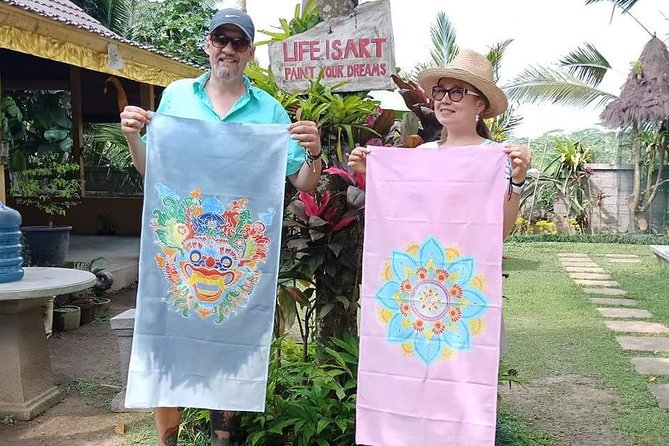
At $29 per person for about 3 hours, this is priced like an accessible art class, not a premium boutique workshop. The value comes from three things that are explicitly included:
- materials are provided
- snacks plus coffee/tea and mineral water are included
- you leave with a finished, unique batik piece
So you’re paying for guided time and quality instruction, not just entry to a room. The process uses specific materials (hot wax, dyes, fabric, tools), and those add cost if you tried to do it yourself.
Also, max group size is capped at 30, which helps with the chance of getting support while you’re working. A larger group can mean less attention during the critical wax and dye steps. Here, the class is designed to stay workable and friendly.
If you’re trying to balance your Bali spending between tours that give you real skills and tours that just show you sights, this is one of the more practical buys in Ubud.
Practical tips for your best batik class outcome
A few small decisions will make your 3 hours smoother.
First, choose your mindset. Go for good progress, not perfection. Batik rewards people who keep calm and accept that the process has surprises. If you end up with an accidental line or unexpected dye placement, treat it as part of the batik look.
Second, plan what you want your motif to communicate. If you bring a theme, you’ll likely enjoy the process more, and you’ll spend less time staring at stencil options.
Third, wear comfortable clothes. The class involves hot wax and dye, and you’ll be working closely at your fabric. Comfortable, practical clothing helps you focus. The activity also notes travelers should have a strong physical fitness level, which is a reminder to be ready to sit or work steadily for the duration.
Finally, give yourself space in your day. Since it’s about 3 hours and ends back where you start, it’s easiest to slot into an afternoon after a slower morning. You won’t want to rush off immediately after the wash/dye stages without a little buffer.
Who this workshop is best for
This is a strong match if you:
- want an authentic Ubud-area creative experience that’s not just watching
- like hands-on learning more than passive sightseeing
- enjoy traditional crafts and want to understand the process, not only the final photo
- want a souvenir with real meaning (you made it)
It’s also a good fit for beginners. The repeated theme is that instructors help non-artists succeed and guide you through each stage. Families can also feel comfortable with this kind of studio class since young students have been supported during the process.
If you hate waiting, dislike careful steps, or want quick results with no chance of mistakes, you might find batik frustrating at first. But if you’re willing to slow down and learn one step at a time, you’ll likely love the calm, focused nature of the class.
Should you book this Ubud batik workshop?
Yes, I’d book it if you want a genuine craft lesson you can take home in your hands, not just on your camera. The combination of hot-wax technique, patient step-by-step support, and included materials plus refreshments makes it feel like solid value.
I’d pass or think twice only if you’re truly short on time, strongly dislike detail work, or you’re expecting a fast, low-effort activity. Batik isn’t difficult to understand. It’s just the kind of art that asks you to be present.
If you want a memorable Bali day that ends with something beautiful and personal, this is the kind of workshop that delivers.
FAQ
How long is the Crafting Heritage Batik Painting Workshop?
It lasts about 3 hours.
What does it cost?
The price is $29.00 per person.
Where does the workshop take place?
It starts at Five Arts Studio, located at Jl. Raya Keliki, Keliki, Kec. Tegallalang, Kabupaten Gianyar, Bali 80561, Indonesia, and the activity ends back at the meeting point.
What’s included in the workshop?
It includes snacks, coffee and/or tea, mineral water, and all the materials you need to make your own original batik.
Is lunch included?
No. Lunch is available to order local food, but it is not included.
Do they offer alcohol?
Alcohol is available to purchase.
Can I choose to work more independently or with the tutor?
Yes. You can choose whether to work independently or more closely with the tutor.
Is this workshop beginner-friendly?
Yes. It’s described as a good option for both artists and beginners, and the guidance is step-by-step.
What is the maximum group size?
The maximum is 30 travelers.
What is the cancellation policy?
Free cancellation is available. You can cancel up to 24 hours in advance for a full refund. If you cancel less than 24 hours before the start time, you won’t receive a refund.
More Historical Tours in Ubud




More Ubud Tours We Rate





Batik, Clay & Carving


Just added around Ubud
- Ubud: White Water Rafting with visit Ubud Monkey Forest
★ 5.0 · 3 reviews - Private Guided Bali Car Charter
★ 5.0 · 3 reviews - East Bali and Lempuyang Temple Tour
★ 5.0 · 3 reviews - Bali Downhill Cycling and White Water Rafting
★ 5.0 · 3 reviews - Cave Tubing Adventure in Ubud
★ 5.0 · 3 reviews
Balinese Craft & Art Workshops, compared.
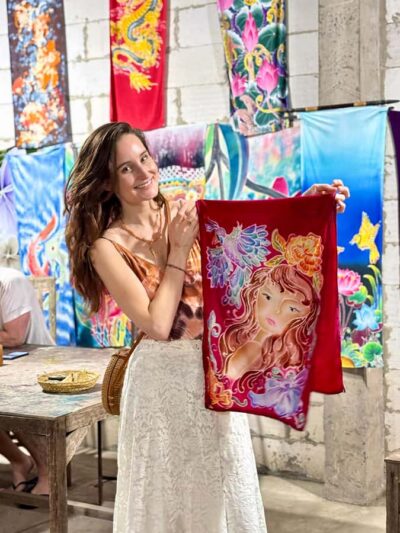 ★ 5.03 Hours Batik Making Classes in UbudFrom $26203 reviews
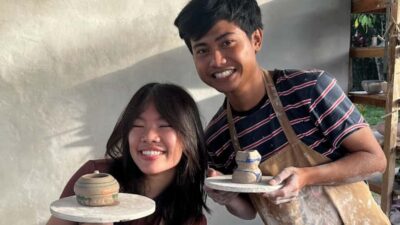 ★ 4.8Ceramic Pottery Class with 2 kg ClayFrom $3691 reviews
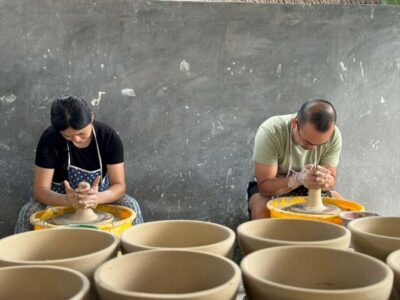 ★ 5.0Outskirts of Ubud, Gianyar: Pottery ClassFrom $409 reviews
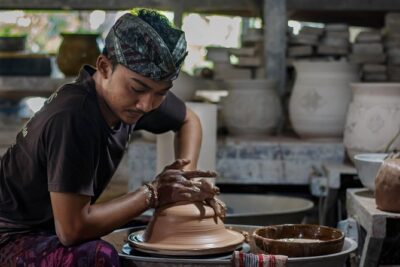 ★ 4.03 Hours Wheel Throwing Basic Ceramic ClassFrom $503 reviews
Browse the lists this tour appears in