
Reviewed · UBUD JUNGLE TREKKING & WALKS
UNESCO Sites Cultural Walking Tour in Bali
Holy water and rice paddies, in one day. This UNESCO Sites Cultural Walking Tour in Bali is built around a real Balinese ritual at Tirta Empul Temple, then shifts into softer, slower countryside walking and learning. I like that it keeps moving through meaningful places instead of turning the day into a checklist.
Two big wins for me are the chance to experience a guided purification ritual and the hands-on education about how farmers manage water through the Subak system. There’s also a solid meal rhythm built in, so you’re not hunting for food mid-day.
One thing to consider: this is a walking tour with moderate physical fitness expectations, and it’s not recommended for back problems, heart complaints, or pregnancy. If those apply, this will probably feel like more effort than it’s worth.
In This Review
- Key Points Worth Your Time
- Why Tirta Empul and Sebatu Make This 6-Hour Walk Work
- Morning Logistics in Ubud: Pickup, Timing, and Group Size
- Stop 1: Tirta Empul Temple and the Purification Ritual Details
- Stop 2 at Friends in Bali: The Meal Break You Actually Need
- Stop 3: Gunung Kawi Sebatu, Subak Irrigation Walk, and Cave Temple Charm
- Price and Value: What You Get for $58
- The Guide Factor: When Kind and Clear Really Matters
- Who Should Book This Ubud Cultural Walking Tour
- Should You Book? A Straight Answer
- FAQ
- How long is the UNESCO Sites Cultural Walking Tour in Bali?
- What time does the tour start and where does it begin?
- Is hotel pickup and drop-off included?
- What meals are provided during the tour?
- Is admission included for the temples?
- What’s included for the purification ritual?
- Who is this tour not recommended for?
Key Points Worth Your Time

- Tirta Empul purification ritual guided on-site, with temple cloths and holy spring bath included
- Subak irrigation lesson while you walk through rice paddies on the way to Gunung Kawi Sebatu
- Gunung Kawi Sebatu cave temple visit paired with countryside scenery and context
- Included breakfast and Balinese lunch plus mineral water and coconut water
- Small group size (max 20) helps you actually ask questions
- Guides you might meet such as Wayan, Nyoman, and Dewa, often praised for being kind and professional
Footpaths through ridge and rice field around Ubud.
- Bali Jungle Trekking and Lake Canoeing Tour★ 5.0 · 84 reviews
- Ubud Guided Walking Tour★ 5.0 · 79 reviews
- Sidemen Trekking with Cultural Encounters and Nature Views★ 5.0 · 20 reviews
- Sidemen Trekking Through Rice Terraces and Villages★ 4.5 · 12 reviews
Why Tirta Empul and Sebatu Make This 6-Hour Walk Work
This tour is good for people who want Bali culture with a human pace. You start in a place where religion and daily life meet. Then you transition into the very practical side of Balinese tradition: water management through farming customs.
At Tirta Empul, the day isn’t just about viewing. You’re escorted into the purification ritual at the sacred holy spring area. That matters because it turns a temple visit into something you understand, not just something you photograph.
Later, Gunung Kawi Sebatu adds a different flavor: cave temple exploring plus learning about how the Subak system keeps rice growing. It’s one of those combo days where spirituality and agriculture connect in a way that feels logical, not random.
Morning Logistics in Ubud: Pickup, Timing, and Group Size
The tour starts at 8:30 am in Ubud, and it ends back at the meeting point. Hotel pickup and drop-off are included, which is a big deal in Bali traffic, especially when you’re trying to keep the day smooth.
You’ll be with a maximum of 20 travelers, which usually makes a walking tour feel easier. Smaller groups also mean your guide can actually pace things and answer questions instead of rushing like a conveyor belt.
You’ll also receive a mobile ticket, and confirmation comes at booking time. That’s helpful when you want to travel light and avoid last-minute scrambling.
Stop 1: Tirta Empul Temple and the Purification Ritual Details
Tirta Empul is the spiritual anchor of the day, and the tour gives you the structure to experience it properly. You get about 2 hours here, with admission included, and your guide provides history before escorting you into the ritual area.
A key practical piece: balinese cloths for temple visit and purification bath in holy spring are included. That reduces what you need to prepare yourself and helps you focus on the moment. You’re also given guidance on what’s happening, so you’re less likely to feel lost in the middle of a sacred process.
What to expect in terms of your mindset: this is not a casual photo stop. The value is in respectful attention and following the guide’s cues. If you like learning why rituals exist, you’ll get more out of this temple visit.
Possible drawback: because the ritual is central, people who prefer purely secular sightseeing might find it more intense than they expected. In that case, the tour can feel like it’s taking you somewhere you didn’t fully choose for yourself.
Other Ubud tours and experiences to line up next



Stop 2 at Friends in Bali: The Meal Break You Actually Need
Midday is handled in a simple, practical way. At Friends in Bali, you’ll get a light breakfast and lunch served as part of the program, with about 1 hour on the schedule.
This stop isn’t just about eating. It gives you a breather between two temple-focused parts of the day. It also keeps you from making meal decisions while you’re tired and in unfamiliar areas.
A small but meaningful detail here: there’s charity in local school included as part of the experience. You’re not just consuming Bali; you’re also contributing to something local built into the day.
I also like the fact that water is included throughout the experience—mineral water and coconut water. Staying hydrated on a walking day matters, and it’s a nice touch that the tour handles it for you.
Stop 3: Gunung Kawi Sebatu, Subak Irrigation Walk, and Cave Temple Charm
The final major stop blends education, scenery, and something visually dramatic. You get about 2 hours at Gunung Kawi Sebatu with admission included.
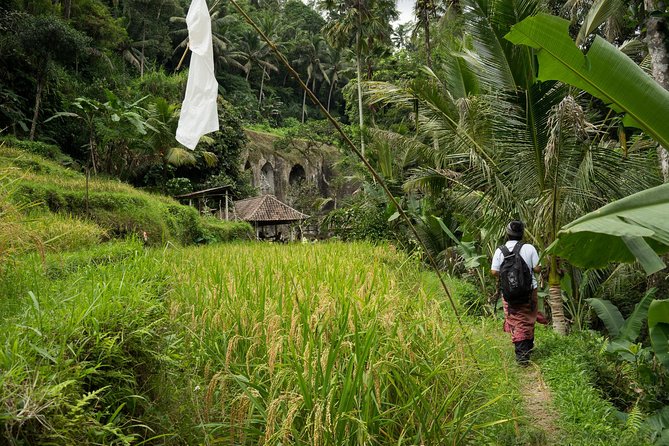
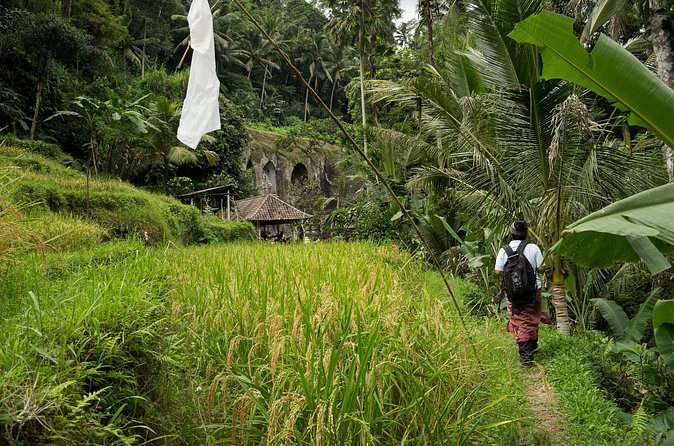
The walk itself is where the tour pays off. You’ll stroll through rice paddies, and your guide explains the traditional Subak irrigation system. That’s Bali culture at work: it’s the tradition of organizing water, timing, and farming responsibilities in a way communities can sustain.
Then comes the cave temple visit at Gunung Kawi Sebatu. Cave temples tend to feel special because they’re part shrine, part history lesson, and part natural setting. The cave setting also changes the atmosphere—cooler, quieter, and visually different from the bright open-air scenes earlier.
What’s great here: the tour doesn’t just drop you into a “walk and look” sequence. It links the rice paddies to the irrigation lesson, so the scenery has a point. By the time you reach the temple area, you’re not only seeing beauty—you’re understanding why the water and farming system matter.
A consideration: the day ends with walking, and this stop can include paths and steps typical of temple terrain. If you’re already feeling stiff in the morning, this part can be the hardest one.
Price and Value: What You Get for $58
At $58 per person, this tour sits in the midrange for Ubud day trips, but it’s priced like an experience that’s trying to be useful, not just scenic.
Here’s what you’re getting for that price:
- Hotel pickup and drop-off (round-trip transport in Ubud area)
- Guiding fee included
- Two paid temple segments (admission included at Tirta Empul and Gunung Kawi Sebatu)
- Light breakfast and Balinese lunch
- Mineral water and coconut water
- Balinese cloths for temple visit and the purification bath
- Charity in local school included
What’s not included is also straightforward: alcoholic drinks are available to purchase, and souvenir photos can be purchased by advance reservation.
So what does that mean for value? If you were to arrange a guide, separate admissions, and meals on your own, you’d likely spend more time coordinating and more money piecing it together. This tour bundles the day so you can show up and just go.
One more value angle: the guided context you receive at both the purification site and the Subak irrigation system. A lot of Bali tours show you places. This one tries to explain why those places exist in the first place.
The Guide Factor: When Kind and Clear Really Matters
A walking tour lives or dies by the guide. The names Wayan, Nyoman, and Dewa come up in guest feedback for a reason: they’re repeatedly described as kind, generous, and professional.
Even when you can’t predict who you’ll be assigned, the lesson you can take is this: choose a tour where the company leans into people, not just places. Here, the guide is part of what makes the ritual and the irrigation story make sense.
Also, since you’re walking and stopping at cultural sites, you want someone who can keep the pace steady and answer questions without making you feel like a nuisance. This tour is built around those conversations.
Who Should Book This Ubud Cultural Walking Tour
This is a great fit if you want Bali culture through real-world themes: worship, water, and community. If you’re curious about how traditions shape daily life, the combination of Tirta Empul, the Subak system lesson, and the Gunung Kawi Sebatu cave temple works beautifully.
You’ll also like it if you prefer a day that feels slower and more personal than a rushed circuit. With up to 20 people, you should have room for questions and small moments to take in what’s around you.
Who should think twice:
- If you have back problems, heart complaints, or are pregnant, the tour isn’t recommended.
- If you dislike participation in a ritual or want only secular sightseeing, this tour’s core experience may feel like a mismatch.
- If you expect a mostly flat, easy stroll, plan for temple terrain and walking.
Should You Book? A Straight Answer
Book it if you want a day that connects spiritual life and farming culture, not just temples as scenery. The included meals, transport, temple cloths, and water help keep the day stress-free, and the Subak learning turns the rice-paddy walking into something you’ll remember.
Skip it if your priority is a purely casual sightseeing day with minimal walking, or if the idea of a purification ritual doesn’t sound appealing to you. For the right mindset, though, this tour is one of those Bali days that feels grounded and worth the effort.
FAQ
How long is the UNESCO Sites Cultural Walking Tour in Bali?
The tour lasts about 6 hours.
What time does the tour start and where does it begin?
It starts at 8:30 am in Ubud, and it ends back at the meeting point.
Is hotel pickup and drop-off included?
Yes. Hotel pickup and drop-off are included.
What meals are provided during the tour?
You’ll have a light breakfast and a Balinese lunch.
Is admission included for the temples?
Admission is included for Tirta Empul Temple and Gunung Kawi Sebatu Temple.
What’s included for the purification ritual?
Balinese cloths for the temple visit and the purification bath in the holy spring are included.
Who is this tour not recommended for?
It’s not recommended for participants with back problems, heart complaints, other serious medical conditions, or pregnant women.
If you want, tell me your travel dates and your walking comfort level, and I’ll help you decide if this pace fits your Bali plan.
More to See and Do in Ubud





More Ubud Tours We Rate

Walks & Jungle Treks Around Ubud




Just added around Ubud
- Ubud: White Water Rafting with visit Ubud Monkey Forest
★ 5.0 · 3 reviews - Private Guided Bali Car Charter
★ 5.0 · 3 reviews - East Bali and Lempuyang Temple Tour
★ 5.0 · 3 reviews - Bali Downhill Cycling and White Water Rafting
★ 5.0 · 3 reviews - Cave Tubing Adventure in Ubud
★ 5.0 · 3 reviews
Ubud Jungle Trekking & Walks, compared.
 ★ 5.0Sidemen Trekking: A Walk from a Different PerspectiveFrom $1394 reviews
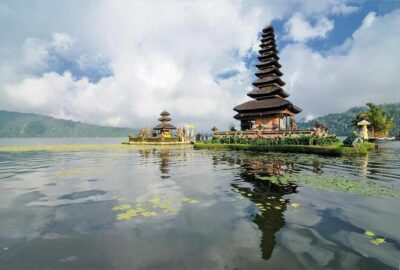 ★ 5.0Bali Jungle Trekking and Lake Canoeing TourFrom $3484 reviews
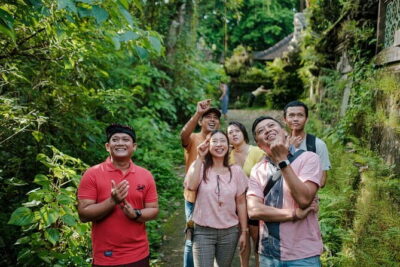 ★ 5.0Ubud Guided Walking TourFrom $2879 reviews
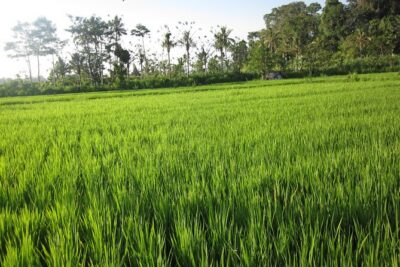 ★ 5.0Sidemen Trekking with Cultural Encounters and Nature ViewsFrom $1220 reviews
 ★ 4.5Sidemen Trekking Through Rice Terraces and VillagesFrom $912 reviews
 ★ 5.0Bali Sidemen Silver Class Making with 7 Gram of SilverFrom $249 reviews
 ★ 5.0Munduk Twin Lake Jungle Trek with Sacred Forest Temples&CanoeingFrom $237 reviews
 ★ 5.0Myth of Pejeng Walking TourFrom $216 reviews
Browse the lists this tour appears in