
Reviewed · TEGALLALANG RICE TERRACES
Keliki Village Tour And Rice Field Walk Including Lunch Or Dinner
Ubud’s rice fields are everywhere. This one sends you to Keliki, where you’ll follow paths through forest and working farmland instead of sticking to the main tourist track.
Two things I really like about this experience: the personal guide keeps the walk meaningful (not just photo stops), and the route mixes jungle, rice paddies, and a temple so you get both nature and Balinese daily life in a single half-day.
One thing to keep in mind: this is a moderate walking trek. If you prefer short, mostly-flat sightseeing, you might find it a bit too active for your comfort.
In This Review
- Key things you’ll notice on this Keliki walk
- Keliki beats the usual rice-field loop near Ubud
- The 3–4 hour walk: how it plays out in real time
- Keliki stop: secret footpaths, farmers at work, and a temple visit
- Jungle-to-paddies plant spotting: cocoa, coffee, and tamarind
- Lunch or dinner included: a comfortable landing after walking
- Pickup, transport, and logistics you should know before you go
- Price and value: is $41 reasonable for this route?
- Who this Keliki village walk is perfect for
- Who should skip it or adjust expectations
- Should you book Keliki Eco Tourism?
- FAQ
- How long is the Keliki village tour and rice field walk?
- Is pickup available, and where does the tour start?
- What is included in the price?
- What should I wear or bring?
- Is the group size large?
- Will I see rice fields, a temple, and farmers?
- Do I need to pay for air-conditioned transport during the tour?
- Is there a mobile ticket?
- What if the weather is bad?
- What is the cancellation window?
Key things you’ll notice on this Keliki walk
- Small group (max 10) means less crowd noise and more space to actually look around
- Private guide explains what you’re seeing, from rice-growing to plants
- Working farmers in the paddies give you a real sense of how the landscape is maintained
- Traditional irrigation system is part of the story, not a quick glance
- Lunch or dinner included plus coffee/tea/mineral water after the walk
- Pickup offered from the Ubud meeting point for easier start and finish
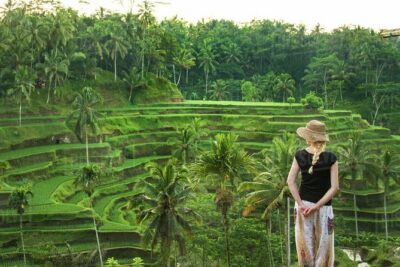
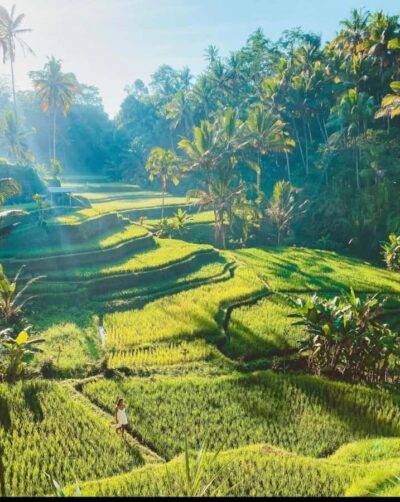
Tiered green as far as the eye runs. More Ubud rice-terrace walks.
- Ubud: Monkey Forest, Jungle Swing, Rice Terrace, and Water Temple★ 5.0 · 7,160 reviews
- Ubud: Waterfalls, Water Temple & Rice Terraces Private Tour★ 5.0 · 5,484 reviews
- Ubud: Full-Day Rice Terrace, Monkey Forest & Waterfall★ 5.0 · 2,634 reviews
- Full-Day Tour to Water Temples and UNESCO Rice Terraces in Bali★ 5.0 · 2,539 reviews
Keliki beats the usual rice-field loop near Ubud
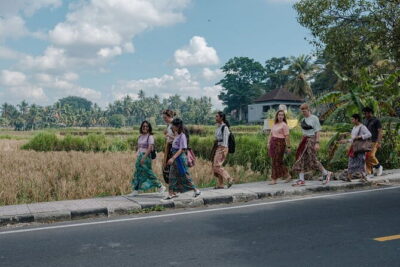
If you’re tired of standing at the same viewpoint and watching other tour groups arrive in waves, this is the opposite vibe. The whole point is to take footpaths that lead into quieter stretches, either at the edge of the forest or right out in the rice fields.
What makes it feel especially worthwhile is the balance of “pretty” and “real.” You’re not just looking at rice paddies as scenery. You’re walking through the places where people grow rice and manage water, which is the foundation of how Balinese agriculture works. The traditional irrigation system is a key part of that story, and your guide helps connect what you see with what’s happening day to day.
Also, the group size stays small. With a maximum of 10 travelers, you’re less likely to feel like you’re moving through a crowded market—more like you’re tagging along on a local walk.
The 3–4 hour walk: how it plays out in real time
This is a half-day experience, about 3 to 4 hours. That time window matters because it gives you a full-feeling outing without turning your day into a long ordeal.
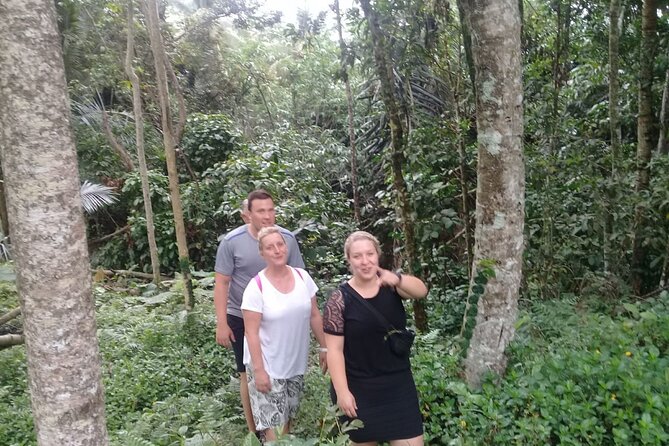
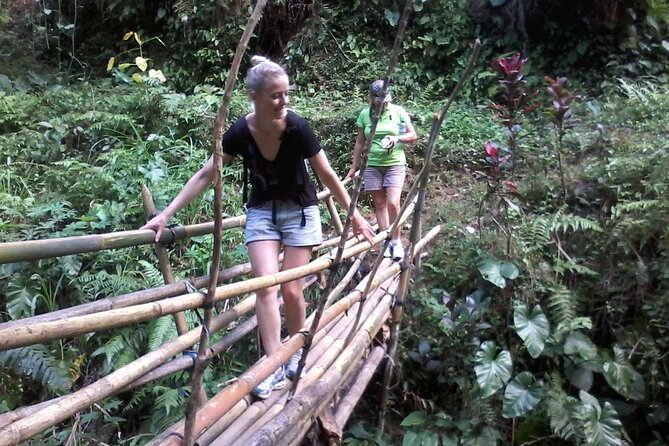
You’ll start from the Ubud area (pickup is offered), then head toward Keliki, trekking through a mix of jungle paths and rice-field paths. The pace is walking-based, and it’s aimed at people with moderate physical fitness. You don’t need to be an athlete, but you should be ready for uneven ground and some time on your feet.
Practical tip: bring comfortable walking shoes with grip. Even when the route looks calm, jungle-and-rice terrain can be slippery in places after damp conditions. And while mineral water is included, I still recommend carrying a little extra hydration if you run hot or get thirsty fast.
Keliki stop: secret footpaths, farmers at work, and a temple visit
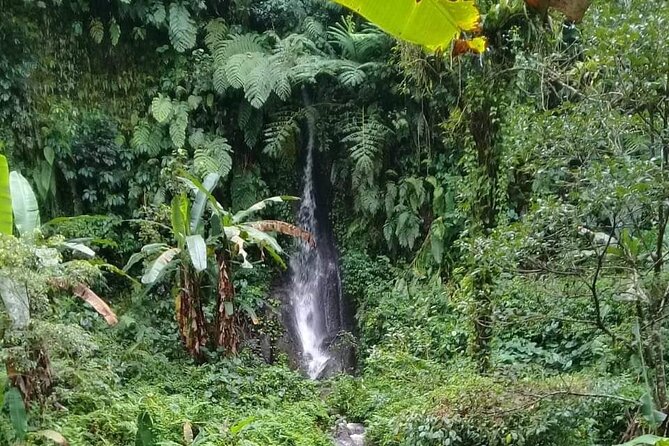
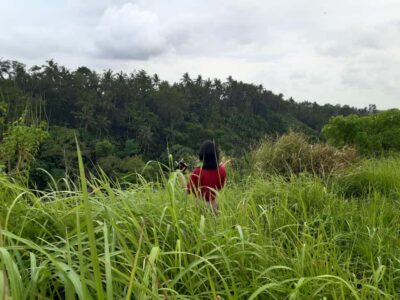
The heart of the experience is your time in Keliki, where you’ll “take your time” along footpaths that reach secret corners of the forest or sit right in the middle of rice fields. The wording about “secret places” is not just marketing. The experience is designed to keep you away from the busiest sights and put you where you can slow down and notice details.
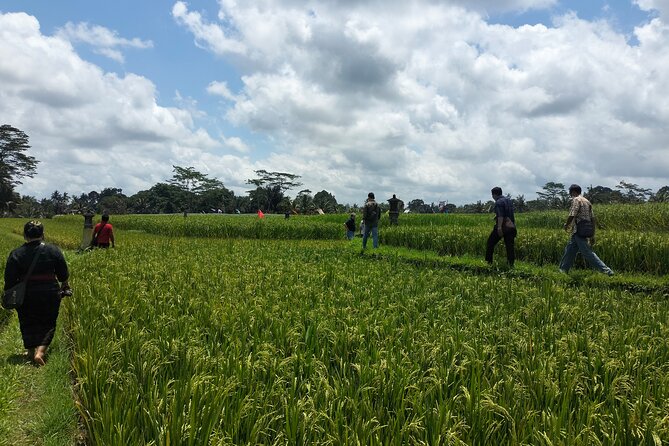
You’ll see Balinese farmers working. That changes everything. Rice fields are not just a postcard. They’re living systems. Watching farmers means you’ll see movement, timing, and effort, and it helps the whole agriculture story click into place.
You’ll also learn about the Balinese traditional irrigation system. This is one of the best parts to pay attention to, because it’s the logic behind what you’re walking through. Your guide will explain how water is managed and used to support growing rice. Even if you don’t consider yourself a “plant person,” this is a practical, human story.
Later, your guide will bring you to see the rice field and a temple. That temple stop matters because it ties the farming landscape to Balinese spiritual life. It’s not just “there’s a temple.” It’s part of how people understand and maintain the land.
Other Ubud tours and experiences to line up next


Jungle-to-paddies plant spotting: cocoa, coffee, and tamarind
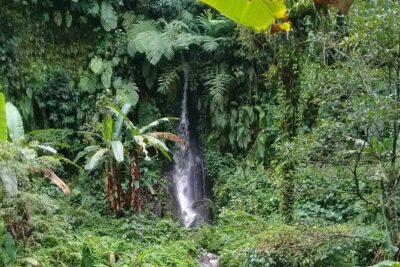
One of the quieter joys of this kind of walk is learning names. Along the way, you may spot and learn about plants such as cocoa, coffee, and tamarin sours op. Your guide points out what’s around you, which turns a walk into a mini field lesson.
Why this is valuable: when you can name what you’re seeing, you start noticing differences. You’ll look at leaves and growth patterns instead of just trees and vines. And you’ll pick up how agriculture and everyday plant life overlap in Bali’s countryside.
If you like gardens, botany, or just learning how locals think about the natural world, this part adds a lot. If you’re not into plant facts, you can still enjoy the route for the atmosphere and the farming focus.
Lunch or dinner included: a comfortable landing after walking
This experience includes lunch (or dinner) plus coffee/tea/mineral water. That’s a big deal for a half-day trek, because you’re not left hunting for food afterward in Ubud traffic or figuring out where you can eat quickly.
One nice detail from what you can expect on the ground: the meal may be served in an art workshop setting, which gives the finish a local, creative feel rather than a generic restaurant stop. Even if you’re not into art, the setting can make the meal feel like part of the day, not an interruption.
Practical note: ask what’s being offered at the time you go, since lunch vs. dinner can change your plan. Either way, you’ll be fed in a way that keeps the tour rhythm intact.
Pickup, transport, and logistics you should know before you go
Pickup is offered and the meeting point is Bintang Supermarket Ubud, Jl. Raya Sanggingan No.45, Sayan, Kecamatan Ubud. The activity ends back at the same meeting point, so you’re not left trying to get yourself across town afterward.
One logistics detail to be aware of: an air-conditioned vehicle is not included. You may still use a vehicle for pickup and transfer depending on how the provider runs the day, but don’t plan on AC comfort for the ride. If you’re sensitive to heat, plan to wear breathable clothes and go easy on tight-fitting items.
The tour uses a mobile ticket, and confirmation is received at booking. It also runs on specific dates in the booking window, with operating hours listed for Monday (7:00 AM to 7:30 PM), so it’s worth checking your exact travel date before you lock in your schedule.
Price and value: is $41 reasonable for this route?
At $41, you’re paying for more than a walk. You’re paying for the combination of:
- Personal guide time (a guide is the difference between sightseeing and understanding)
- A structured half-day experience focused on countryside, not just a single viewpoint
- Access to working areas and agriculture context, including the irrigation system and temple stop
- Lunch or dinner plus coffee/tea/mineral water
For a place like Ubud, where many tours stack up extra costs for entrance fees, transport, and food, getting the meal included is a real value booster. Here, the meal is part of the experience, and it protects you from the common “now I need to find food” scramble.
Also, the walking route is about distance and pacing, not just a quick stop-and-go. That time on foot is exactly what gives you the calmer feel.
Who this Keliki village walk is perfect for
This tour fits best if you want an authentic-feeling Ubud day that doesn’t revolve around crowds.
You’ll likely enjoy it if you:
- Like walking and don’t mind moderate terrain
- Prefer learning from a guide instead of scanning signs
- Want to see rice farming as a lived practice, including irrigation
- Appreciate temples and understand they often connect to daily land use
- Want a smaller-group experience (max 10 travelers)
It can also be a decent option for people traveling with a service animal, since service animals are allowed.
Who should skip it or adjust expectations
If you’re expecting a mostly seated, air-conditioned sightseeing tour, this one may disappoint. The experience is built around walking through forest and rice fields.
If you have mobility concerns or you know you struggle with uneven ground, you may want to look for something less active. The tour asks for moderate physical fitness, so honest self-assessment will pay off.
Should you book Keliki Eco Tourism?
If you want a calmer, more grounded half-day in and around Ubud, this one is worth considering. The big wins are the private guide, the focus on working farmers and traditional irrigation, and the fact that you end with lunch or dinner instead of a food scramble.
Book it if you’ll enjoy learning while walking and you don’t mind being outside for a few hours. Skip it if you only want easy, short viewpoints or if the idea of a walking trek through jungle-and-paddy terrain sounds tiring.
Bottom line: for $41, you’re getting a thoughtful rural experience with actual context, not just scenery.
FAQ
How long is the Keliki village tour and rice field walk?
It lasts about 3 to 4 hours.
Is pickup available, and where does the tour start?
Pickup is offered. The meeting point is Bintang Supermarket Ubud, Jl. Raya Sanggingan No.45, Sayan, Ubud. The tour ends back at the meeting point.
What is included in the price?
The price includes lunch (or dinner) and coffee/tea/mineral water. A ticket/admission is listed as free for the stop.
What should I wear or bring?
The tour involves walking with moderate physical fitness requirements. Wear comfortable walking shoes and plan for time outdoors.
Is the group size large?
No. The tour has a maximum of 10 travelers.
Will I see rice fields, a temple, and farmers?
Yes. You’ll visit Keliki, including time in rice fields, you can see Balinese farmers working, and your guide takes you to see a temple.
Do I need to pay for air-conditioned transport during the tour?
An air-conditioned vehicle is not included.
Is there a mobile ticket?
Yes. The experience includes a mobile ticket.
What if the weather is bad?
The experience requires good weather. If canceled due to poor weather, you’ll be offered a different date or a full refund.
What is the cancellation window?
You can cancel for a full refund up to 24 hours in advance of the experience start time.
If you want, tell me your travel month and whether you’re aiming for a morning or afternoon start, and I’ll help you pick the most comfortable timing for walking in Ubud.
More to See and Do in Ubud




More Ubud Tours We Rate
Rice Terraces Worth the Walk
Just added around Ubud
- Ubud: White Water Rafting with visit Ubud Monkey Forest
★ 5.0 · 3 reviews - Private Guided Bali Car Charter
★ 5.0 · 3 reviews - East Bali and Lempuyang Temple Tour
★ 5.0 · 3 reviews - Bali Downhill Cycling and White Water Rafting
★ 5.0 · 3 reviews - Cave Tubing Adventure in Ubud
★ 5.0 · 3 reviews
Tegallalang Rice Terraces, compared.
 ★ 5.0Monkey Forest, Jungle Swing, Rice Terrace, and Water TempleFrom $317,160 reviews
 ★ 5.0Waterfalls, Water Temple & Rice Terraces Private TourFrom $295,484 reviews
 ★ 5.0Full-Day Rice Terrace, Monkey Forest & WaterfallFrom $232,634 reviews
 ★ 5.0Full-Day Tour to Water Temples and UNESCO Rice Terraces in BaliFrom $392,539 reviews
 ★ 4.7Monkey Forest, Ceking Rice Terraces and More– Full DayFrom $37917 reviews
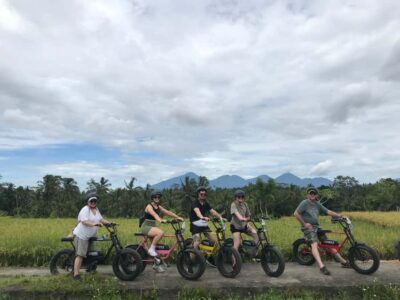 ★ 4.9Rice Terraces & Villages Half-Day Fat Tire E-Bike TourFrom $33602 reviews
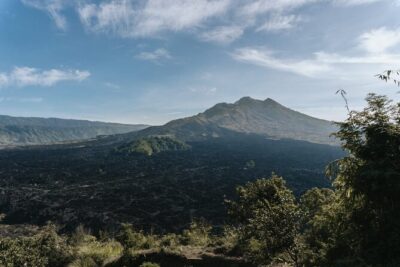 ★ 5.0Downhill Cycling with Volcano, Rice Terraces and MealFrom $36536 reviews
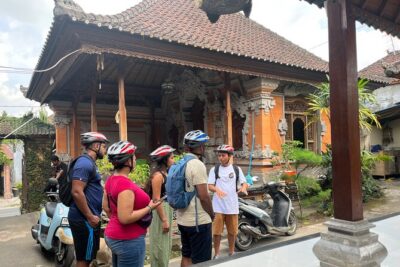 ★ 5.0Ubud eBikes Tour to Tegallalang Rice TerraceFrom $30507 reviews
Browse the lists this tour appears in