
Reviewed · TEGALLALANG RICE TERRACES
Sidemen Trekking Through Rice Terraces and Villages
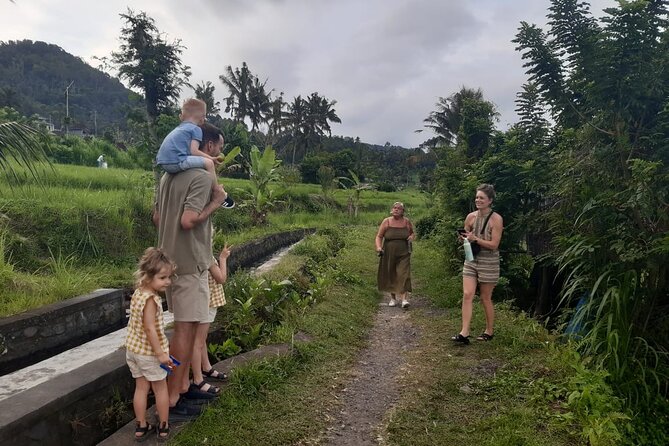
Sidemen mornings feel like stepping into rice life. This trek in the Sidemen area takes you from the village center into working rice fields toward Mount Agung, with irrigation channels, temples, and a wooden bridge shared by locals and motorbikes.
Two things I really like: you get close-up rice terraces (not just viewpoints), and you walk with a guide like Wayan who’s serious about explaining how rice, plants, and village routines fit together. The optional hotel pickup/drop-off also makes it easier to start early.
One possible drawback: rice terraces change fast by season. If the fields are already harvested when you go, you may see more pathways and irrigation than full rows of standing rice.
In This Review
- Key highlights you’ll care about
- Sidemen 7:00am start: timing, pickup, and how the trek begins
- The walk itself: rice terraces, irrigation channels, and Mount Agung views
- Subak of Ogang: the water system that shapes everything
- Temples, village lanes, and that “shared by locals” feeling
- Guide Wayan: when the talk is the difference-maker
- Price and value: what $9.80 really buys
- When the rice isn’t “full green”: how to avoid the disappointment
- What to bring and how to plan your morning
- Who this Sidemen trek is best for
- Should you book this Sidemen rice terrace trek?
- FAQ
- What time does the Sidemen rice terrace trekking start?
- How long is the trek?
- Is pickup and drop-off included?
- Where do I meet the guide?
- Is this a private tour?
- What should I know about cancellation?
Key highlights you’ll care about
- Subak of Ogang irrigation system you can see in action, not just in theory
- Mount Agung trekking views as you move through rice paddies and village lanes
- A real shared wooden bridge used by locals and motorbikes (watch your step)
- Temple passes and daily village life along the route, with context from your guide
- Local guide energy (Wayan-style) that makes the walk feel personal and easy
Tiered green as far as the eye runs. More Ubud rice-terrace walks.
- Ubud: Monkey Forest, Jungle Swing, Rice Terrace, and Water Temple★ 5.0 · 7,160 reviews
- Ubud: Waterfalls, Water Temple & Rice Terraces Private Tour★ 5.0 · 5,484 reviews
- Ubud: Full-Day Rice Terrace, Monkey Forest & Waterfall★ 5.0 · 2,634 reviews
- Full-Day Tour to Water Temples and UNESCO Rice Terraces in Bali★ 5.0 · 2,539 reviews
Sidemen 7:00am start: timing, pickup, and how the trek begins
The tour starts at 7:00 am, which is exactly when you want to be outside in Bali’s rice country. The light is gentler, the air often feels cooler, and you’re less likely to be dealing with the mid-day heat while still moving through paddies and village paths.
The meeting point is at SIDEMEN RICE TERRACE (GCJP+77P) in the Sidemen area. The activity ends back at the same point, so there’s no complicated second location or transfer at the end.
You’ll likely be traveling as a private tour for your group. That matters more than it sounds: private pace means you can stop for photos, ask questions, or take an extra moment at the viewpoints without feeling rushed.
Hotel pickup and drop-off are optional. If you’re staying outside the Sidemen area (the tour is listed under Ubud), this optional pickup can save time and hassle. Even without pickup, the meeting area is described as near public transportation, so you won’t feel totally stuck.
Also note the ticketing style: you use a mobile ticket, and you receive confirmation at booking time.
The walk itself: rice terraces, irrigation channels, and Mount Agung views
This trek is built around one core idea: don’t just look at Bali’s rice terraces—walk through them, where the water, farming, and footpaths meet.
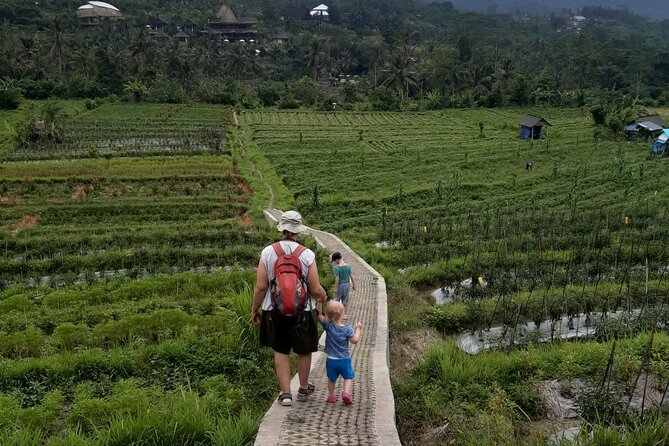
From the village center, you head into the working paddies along irrigation channels. That detail is important. When you’re on the channels’ edges, you understand how the water system shapes everything: where farmers plant, where paths run, and why certain spots feel cooler and more shaded.
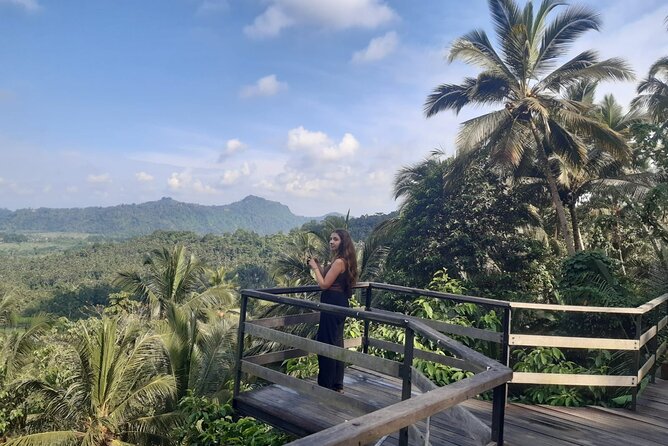
As you move along, you get scenic viewpoints that frame Mount Agung in the distance. The view isn’t constant like a road trip panorama; it comes in shifts as your route curves around terraces and village corners. That makes it feel more like a series of moments than one single photo stop.
You’ll also cross a wooden bridge that’s shared with locals and motorbikes. This is the kind of detail that keeps the walk grounded. It’s not a sealed-off tourist trail. It’s a route people use day-to-day, which is part of the charm—and part of why you should stay alert on your footing.
The trek duration is listed at about 1 hour, but it can realistically run longer at an easy pace. One guide-led outing has been described as closer to two hours, so I’d plan for 1.5–2 hours door-to-door while keeping expectations flexible.
Subak of Ogang: the water system that shapes everything
One of the most valuable parts of this walk is the focus on the Subak irrigation system, including the Subak of Ogang as you pass through. If you’ve only seen rice terraces from a distance, Subak changes how you see them. You start noticing the logic: where water flows, how fields connect, and how the system supports seasonal work.
Here’s what to look for as you walk:
- Water channels cutting across the terraces (and how they guide the route)
- The way farmers use these channels through planting and harvesting cycles
- The small junctions where community routines meet the land
Your guide helps translate those details into plain language. With a guide like Wayan, the tour is often less about memorizing facts and more about understanding what you’re standing inside.
And even if you don’t memorize the terminology, you’ll still feel the difference. You’ll stop seeing the terraces as scenery and start seeing them as an active system.
Footpaths through ridge and rice field around Ubud.
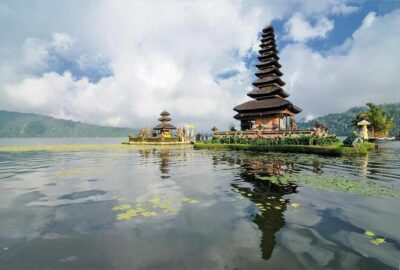
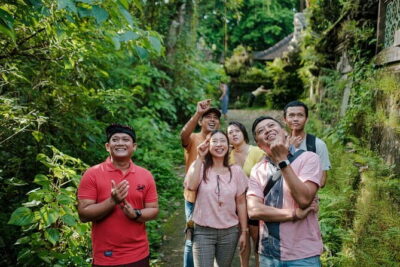
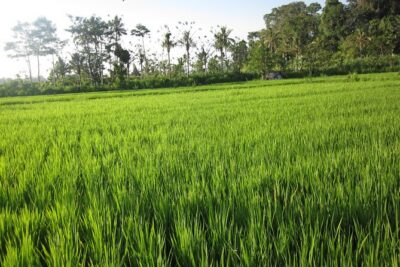

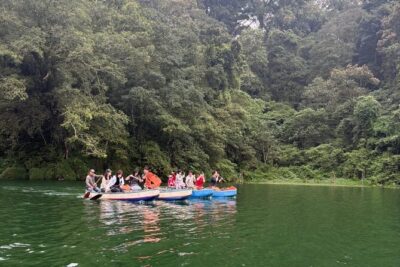
Temples, village lanes, and that “shared by locals” feeling
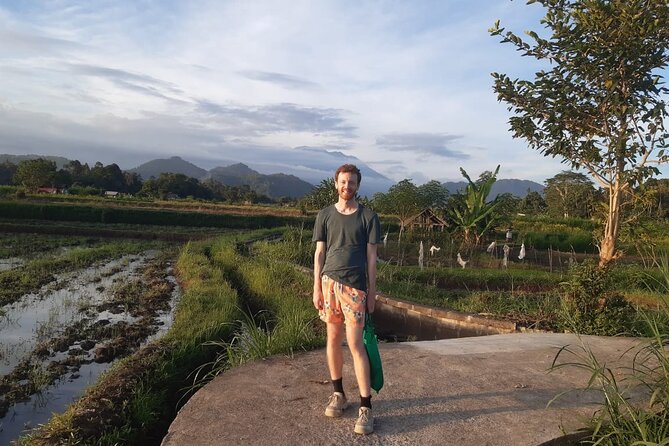
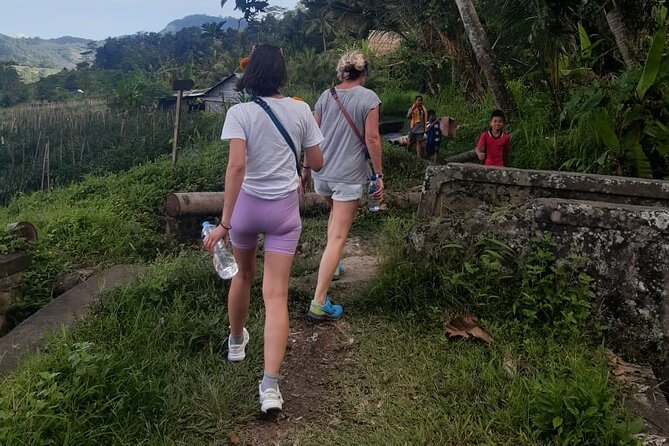
This isn’t only paddies. The route also takes you past temples and through areas where farming life is happening at street level.
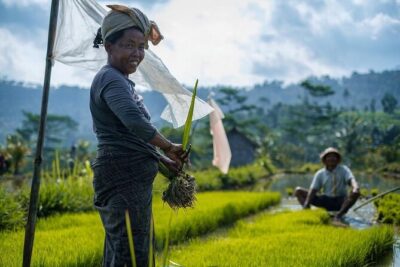
You may see parts of the rice farming cycle along the way—things like farmers plowing and planting, and in other timing, working toward harvesting. Your exact views depend on the day and season. That’s why early morning is helpful: you often get the best chance of seeing daily activity as people work and move.
Crossing the wooden bridge is a moment worth preparing for mentally. Because motorbikes also use it, it can feel busier than a quiet nature walk. Stay focused, step carefully, and let the guide coordinate the timing if people are coming through.
Temple areas also require a little respect. Even though this is a trekking tour, keep your volume down and follow your guide’s cues about where to pause and how to photograph.
Guide Wayan: when the talk is the difference-maker
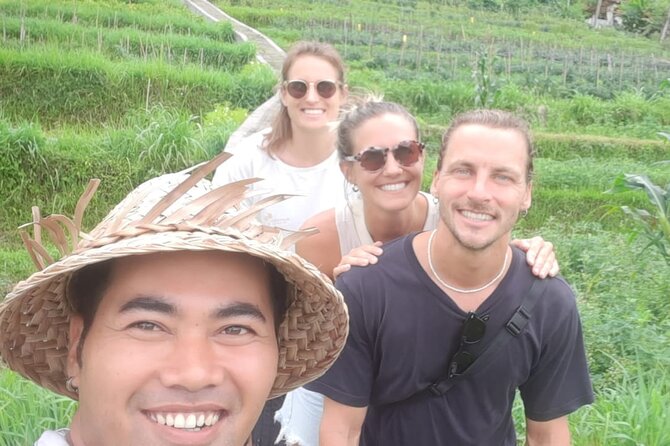
The guide can make or break a short trek, and this one is built around interpretation. In the local-guide style people rave about, you get explanations that connect rice culture, plants, and village life rather than a generic script.
Wayan is specifically mentioned for being:
- Fun to walk with, with lots of knowledge to share
- Interested in explaining the rice process and how daily routines link to the fields
- Helpful with practical moments, like navigating tricky spots
If weather turns, having a guide who pays attention helps. One experience notes that it had been raining before the walk, and the guide checked they had coats and were comfortable getting wet and muddy. That’s a real service. Bali mornings can change quickly, and rice trails can get slippery.
If you’re traveling with kids, this matters even more. One family-friendly experience highlights how well a guide can handle questions from a toddler and keep the pace comfortable. On a short tour, that “stays gentle and organized” factor is big.
One more practical note from the spirit of local hospitality: some guides may connect you with a family-run spot to eat after the walk (like a warung meal). You might not always get this exact option, but it’s the kind of thing to ask about politely if you want a local lunch rather than hunting for one afterward.
Price and value: what $9.80 really buys
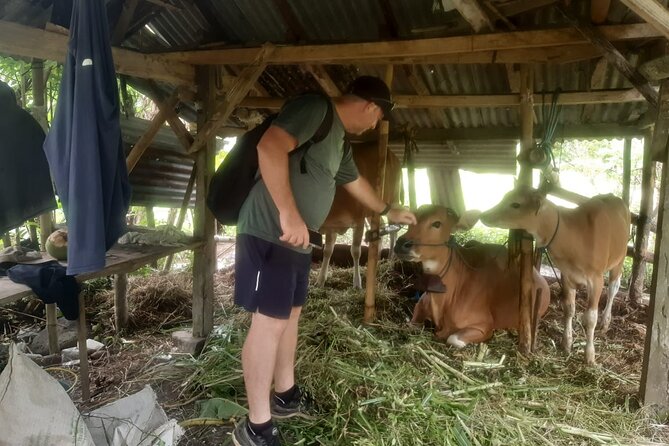
At $9.80 per person, this is one of those Bali-value tours that’s hard to beat on price. The included basics are also the right ones for a short morning outing: bottled water and a trekking guide.
Pickup and drop-off are optional, so the real cost-effectiveness depends on where you’re staying. If you can use pickup, you’re paying basically for guiding and transport convenience. If you’re self-arranging to the meeting point, the guide and water are the core value.
Also remember: this is a private experience. Even if you’re solo, you’re not sharing the route with random strangers in the way you would on group treks. For many people, private pacing is worth a lot—especially on paths with occasional mud, narrow crossings, and photo stops.
The biggest “value question” isn’t the price—it’s whether you’ll hit the right rice season. If the fields look harvested, your experience still works as a village-and-irrigation walk, but the wow factor of tall rice can be lower.
When the rice isn’t “full green”: how to avoid the disappointment
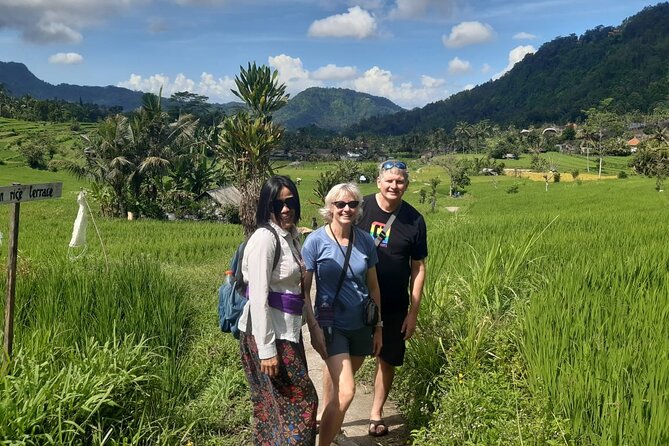
Here’s the honest risk: rice terraces aren’t decorative plants. They’re working fields, and the timing affects how you see them.
One disappointed experience points out a key issue—when many paddies had already been harvested, there were fewer rice fields to visually enjoy. That can reduce the main reason people book this kind of trek.
So how do you reduce the chance of feeling let down?
- Go in expecting different stages, not a single perfect rice look.
- Ask your guide what the fields look like that morning, especially if your booking is flexible.
- Keep your focus on the irrigation channels, village routes, and Subak explanation as the core experience.
If you’re the type who only wants glossy, full-grown rows, this may feel unpredictable. If you’re more interested in how the system works and how people live with it, you’ll still likely get a lot out of the walk.
What to bring and how to plan your morning
The tour includes bottled water, but your comfort depends on the season and ground conditions. Paths around rice terraces can get muddy, and one experience specifically mentions it was raining beforehand and turned wet.
I’d plan for:
- Mud-friendly footwear (you’ll likely want grip)
- Light layers for cooler early morning starts
- A small towel or spare something for damp spots if rain is possible
Start time is 7:00 am, so don’t plan anything immediately after unless you’ve given yourself buffer time to get back, shower, and reset.
If your hotel is in Ubud proper, consider whether optional pickup is worth it for the schedule you want. The trek ends back at the same meeting point, so your afternoon plans should also be timed around that return.
Who this Sidemen trek is best for
This trek fits best if you want:
- A short morning walk that’s still meaningful
- Strong focus on rice farming basics and the Subak irrigation story
- A local guide experience where questions get answered
It’s especially good for families who want a gentle, guided stroll with room to ask questions. It’s also ideal for solo travelers who like the structure of a guide but don’t want a long day of logistics.
If you’re chasing a super long hike or a heavy adventure workout, the listed duration of about 1 hour (approx.) may feel short. You might prefer a longer trek elsewhere if that’s your goal.
Should you book this Sidemen rice terrace trek?
I’d book this when you want the real Sidemen feel—working irrigation, village life, and rice culture explained by a local guide like Wayan—without committing a full day.
Book it with clear expectations:
- Treat it as a guided village-and-terraces walk more than a guarantee of peak-green rice.
- Go early, stay flexible, and lean into the Subak story and the daily routines you see along the way.
- If rain is in the forecast, you’ll be happier if you pack for mud and wet paths.
If your priority is perfectly full, tall rice walls in every direction, you may be disappointed by harvest timing. But if you care more about understanding how Bali’s rice world actually runs, this one is a strong value.
FAQ
What time does the Sidemen rice terrace trekking start?
The tour starts at 7:00 am.
How long is the trek?
The duration is listed as about 1 hour. Some guide-led outings have been described as running closer to two hours depending on pace.
Is pickup and drop-off included?
Hotel pickup and drop-off are optional. Bottled water and a trekking guide are included.
Where do I meet the guide?
Meet at SIDEMEN RICE TERRACE (GCJP+77P), Jl. Sidemen – Sangkan Gn., Sangkan Gn., Kec. Sidemen, Kabupaten Karangasem, Bali 80864, Indonesia.
Is this a private tour?
Yes. It’s listed as private, so only your group participates.
What should I know about cancellation?
Free cancellation is available. You can cancel up to 24 hours in advance for a full refund.
More Ubud Tours We Rate




Walks & Jungle Treks Around Ubud

Rice Terraces Worth the Walk
Just added around Ubud
- Ubud: White Water Rafting with visit Ubud Monkey Forest
★ 5.0 · 3 reviews - Private Guided Bali Car Charter
★ 5.0 · 3 reviews - East Bali and Lempuyang Temple Tour
★ 5.0 · 3 reviews - Bali Downhill Cycling and White Water Rafting
★ 5.0 · 3 reviews - Cave Tubing Adventure in Ubud
★ 5.0 · 3 reviews
Tegallalang Rice Terraces, compared.
 ★ 5.0Monkey Forest, Jungle Swing, Rice Terrace, and Water TempleFrom $317,160 reviews
 ★ 5.0Waterfalls, Water Temple & Rice Terraces Private TourFrom $295,484 reviews
 ★ 5.0Full-Day Rice Terrace, Monkey Forest & WaterfallFrom $232,634 reviews
 ★ 5.0Full-Day Tour to Water Temples and UNESCO Rice Terraces in BaliFrom $392,539 reviews
 ★ 4.7Monkey Forest, Ceking Rice Terraces and More– Full DayFrom $37917 reviews
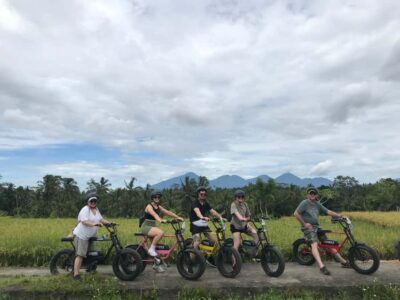 ★ 4.9Rice Terraces & Villages Half-Day Fat Tire E-Bike TourFrom $33602 reviews
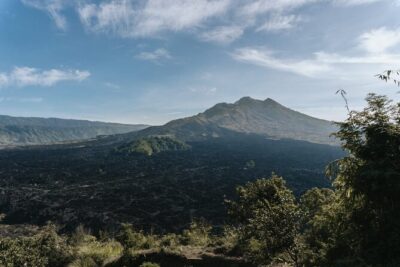 ★ 5.0Downhill Cycling with Volcano, Rice Terraces and MealFrom $36536 reviews
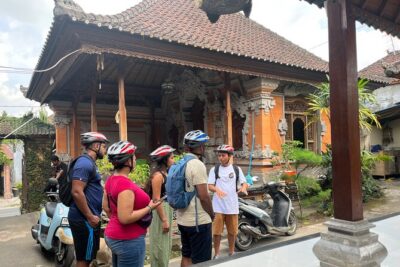 ★ 5.0Ubud eBikes Tour to Tegallalang Rice TerraceFrom $30507 reviews
Browse the lists this tour appears in