
Reviewed · BALINESE COOKING CLASSES
Ubud: Authentic Traditional Balinese Village Cooking Class
This Ubud-area cooking class is built around real family life in Delodsema Village, not a staged show. I like that you learn the recipes from the source: herbs and ingredients grown right on their organic farm, then cooked in an open-air kitchen with the people who actually run the place.
Two things I particularly liked: the hosts (including guides such as Kadek and Sangayu) explain each step clearly and then put you in charge of the cooking, and you finish by eating the dishes together with the family while learning how to eat like locals. One possible drawback: since it’s in a traditional village setting, it is not a slick, air-conditioned experience, so plan for heat and time outdoors.
In This Review
- Key highlights to know before you go
- How the Delodsema Village day actually unfolds
- Getting there: meeting point and pickup choices
- Meeting the family and learning spices the practical way
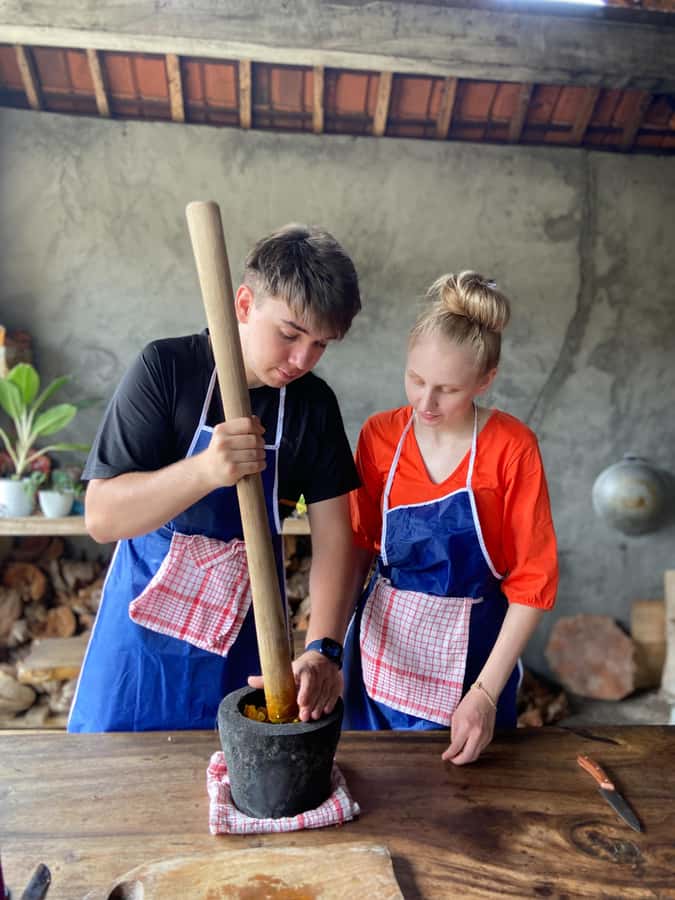
- The open-air kitchen: you cook, not just watch
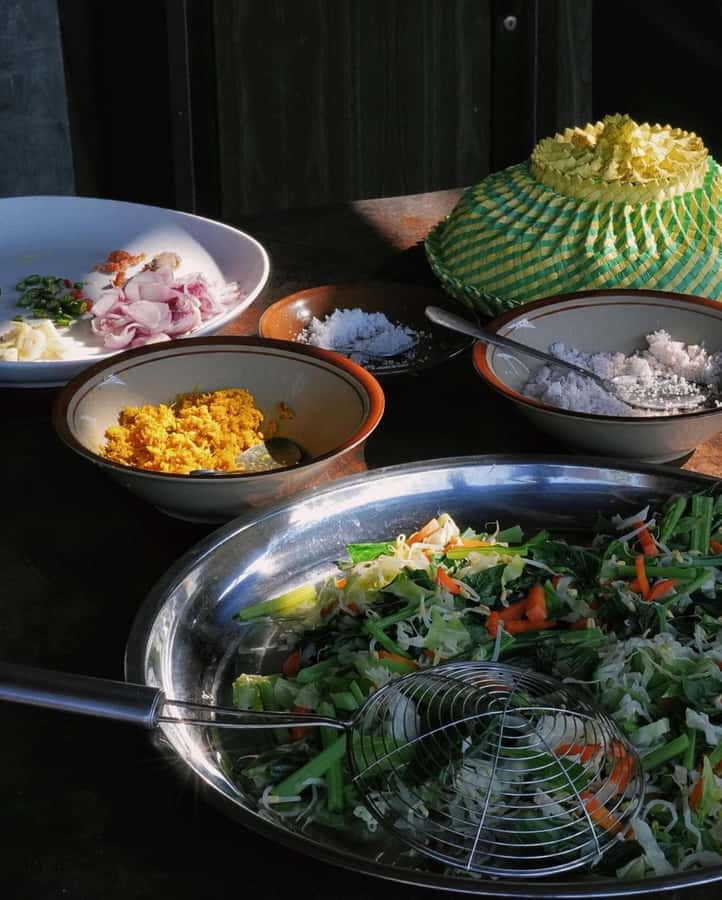
- Making Balinese dishes and tasting what you built
- Temple and village sights: context without the rush
- Taro rice terrace and irrigation: the practical Bali lesson
- Price and value: what $30 really covers
- Recipes PDF: why it matters after the trip
- Who should book this cooking class
- Should you book Delodsema Village Cooking?
- FAQ
- How long is the Delodsema traditional village cooking class?
- Is this a private cooking class?
- What food and drinks are included?
- Can the class accommodate vegetarians?
- Do I need to arrange transportation from Ubud?
- Where do I meet if I arrive myself?
Key highlights to know before you go
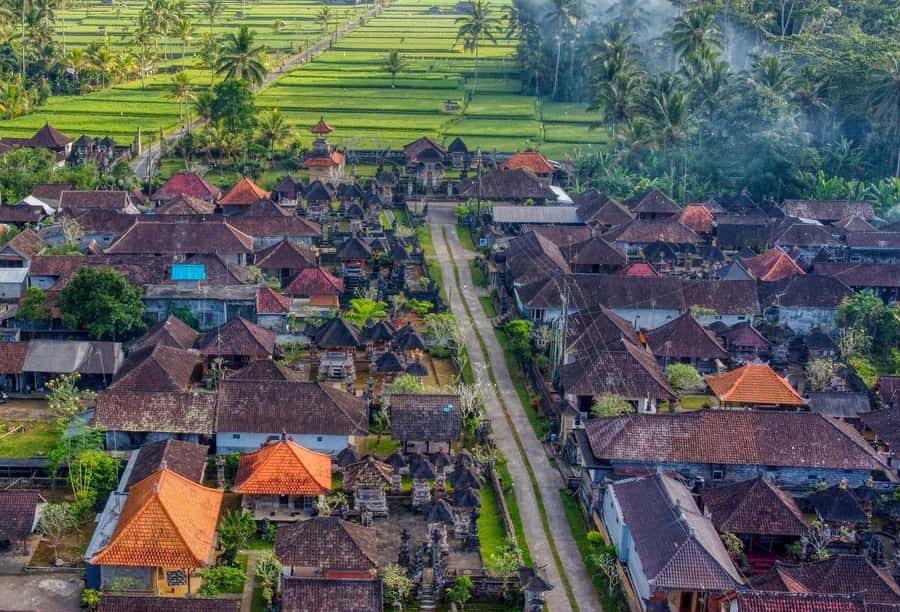
- Delodsema Village with a small community: only about 60 families live there, so the day feels personal.
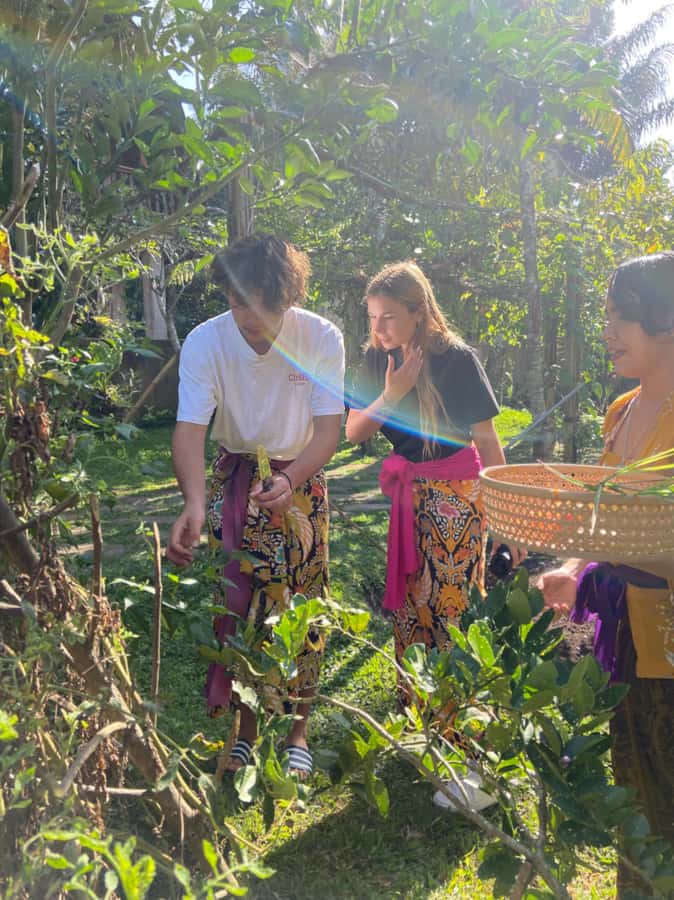
- Garden-to-table ingredients: you’ll see herbs and spices used in the meal come from the family garden.
- Open-air, hands-on cooking: you don’t just watch; you make components like spice paste and satay.
- Eat the meal the Balinese way: lunch is set up on the ground, with guidance on local eating style.
- Rice terrace add-on in Taro: learn local irrigation and you might join in harvesting or planting.
- You get PDF recipes: helpful if you want to recreate the dishes after you’re home.
Not quite the one? These Tegallalang tours book out fastest.
- Ubud: Authentic Traditional Balinese Village Cooking Class★ 5.0 · 17 reviews
How the Delodsema Village day actually unfolds
This is a half-day plan designed to feel like a real day inside a family routine. You’re in the Ubud region, but the focus shifts away from the busy center and toward a quieter traditional village setting. The whole experience runs about 2 hours to 150 minutes (roughly 2 to 2.5 hours), so it’s long enough to learn, cook, and eat, but not so long that you lose the energy that makes cooking fun.
You also go with a private group format. That matters more than it sounds. When you’re only cooking with a small group, you can ask questions in plain English, get closer to the work, and move at a comfortable pace while still finishing the meal.
If you choose pickup, it’s typically from your hotel in the Ubud area, and it may include a visit to a traditional market. That said, transportation is optional—otherwise, you’ll meet at the village after you arrive.
Getting there: meeting point and pickup choices
Here’s the simple reality: where you start can shape how relaxed your day feels. If you select pickup, you’ll be collected from your hotel in the Ubud area, and the plan may include a traditional market stop. That’s helpful if you want someone else to handle the first logistics.
If you don’t select pickup, you’ll meet after you arrive at Delodsema Traditional Village. The meeting location is marked by a Bali Coconut Oil sign. It’s an easy fix if you’ve got a map app and patience, but I suggest arriving a few minutes early so you’re not rushing in the heat.
Either way, expect a small, straightforward setup. This isn’t the kind of tour where you bounce between five check-in points every 15 minutes.
Meeting the family and learning spices the practical way
Your day begins with local family hosting you first, then leading you through a short overview of ingredients and how they’re used. You’ll head to their organic farm and get introduced to spices and traditional herbs. This is where the class starts being more than a cooking session.
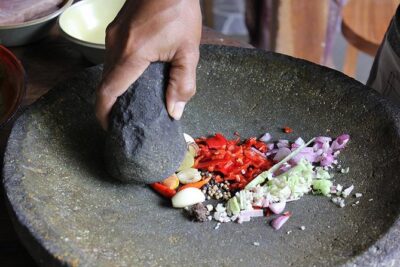
Instead of memorizing a recipe like it’s homework, you’ll learn what these ingredients do in real food. That’s useful later. When you understand which spice paste tastes the way it does, you can adjust at home without guessing.
Then you explore the village itself—Delodsema Village, where about 60 families live. The point isn’t big sightseeing. It’s context. You’ll see the setting where daily routines and food preparation overlap, and you’ll get a clearer sense of how the meal fits into everyday life.
You’re also welcomed with a traditional drink before cooking starts. In the experience I reviewed, coffee is served from their garden, and coconut water may be opened fresh on arrival. Those small details matter because they signal the same thing: the hosts want you to connect food with the land, not just with the plate.
The open-air kitchen: you cook, not just watch
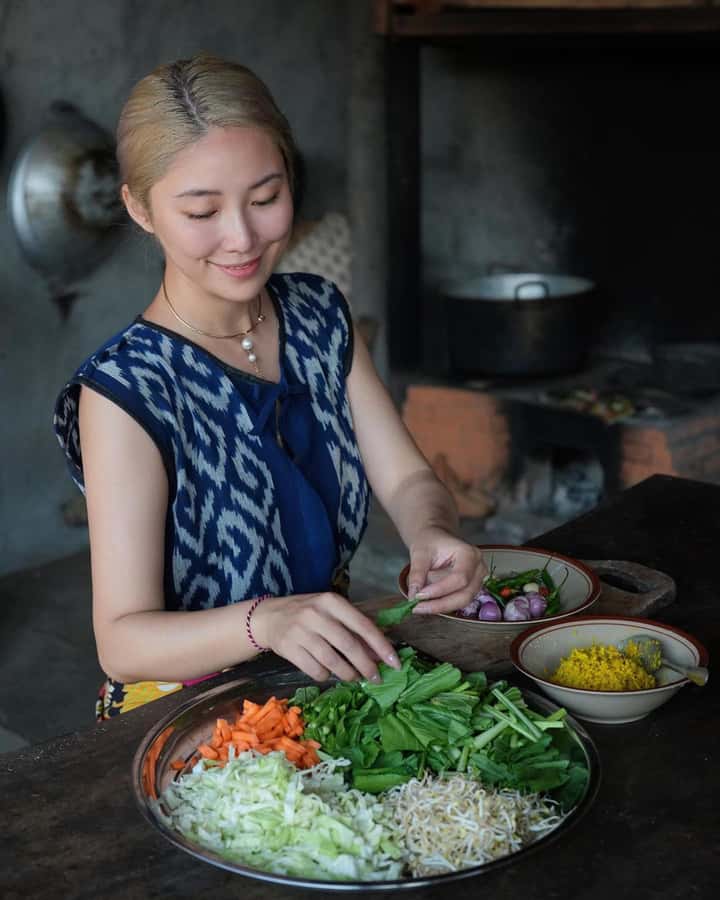
The cooking part is the heart of the experience. You’ll work in an open-air kitchen setup with equipment ready for hands-on learning. The flow is usually:
- instructions first (what you’re making and why),
- then you doing the work step-by-step,
- then finishing with cooking and tasting your results.
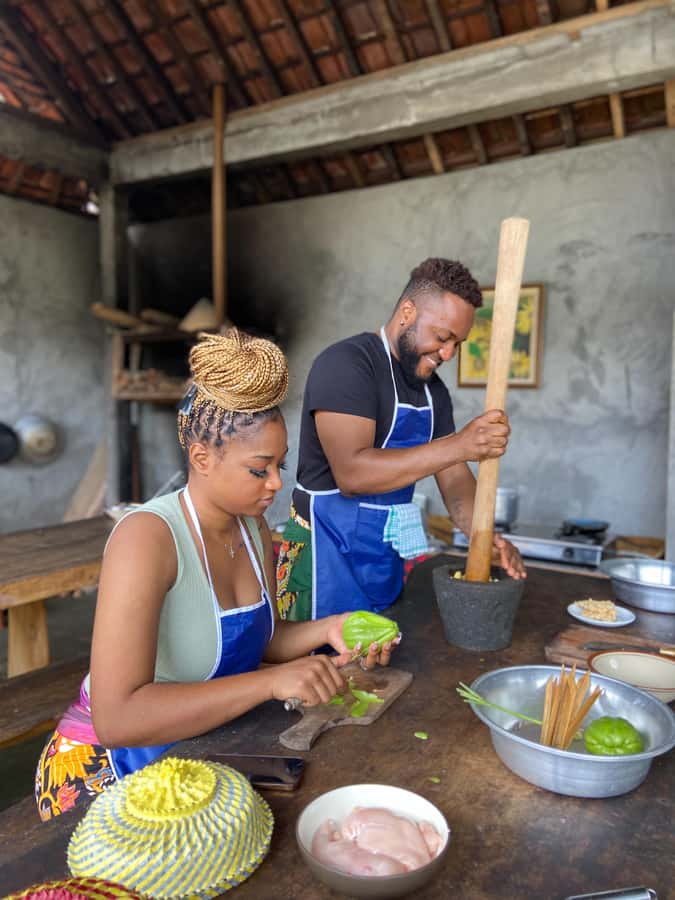
The best part is the balance between guidance and responsibility. Hosts such as Kadek and Sangayu are clear about steps and ingredients, and the class is led by English-speaking hosts. You’ll make components like spice paste (a core Balinese skill) and then use them to build dishes.
One dish example from the class experience: making and cooking chicken satay, along with a curry-style spice paste process. If you’re vegetarian, there may be swaps—one past class specifically mentioned tofu in banana leaf instead of chicken satay. I’d still tell the host ahead of time that you prefer vegetarian food, but the indication is that they can adjust.
Safety and healthy preparation are a first priority. That’s a welcome sign when you’re cooking with fresh ingredients in warm weather. It also helps that the kitchen is organized and practiced, not improvised on the fly.
Making Balinese dishes and tasting what you built
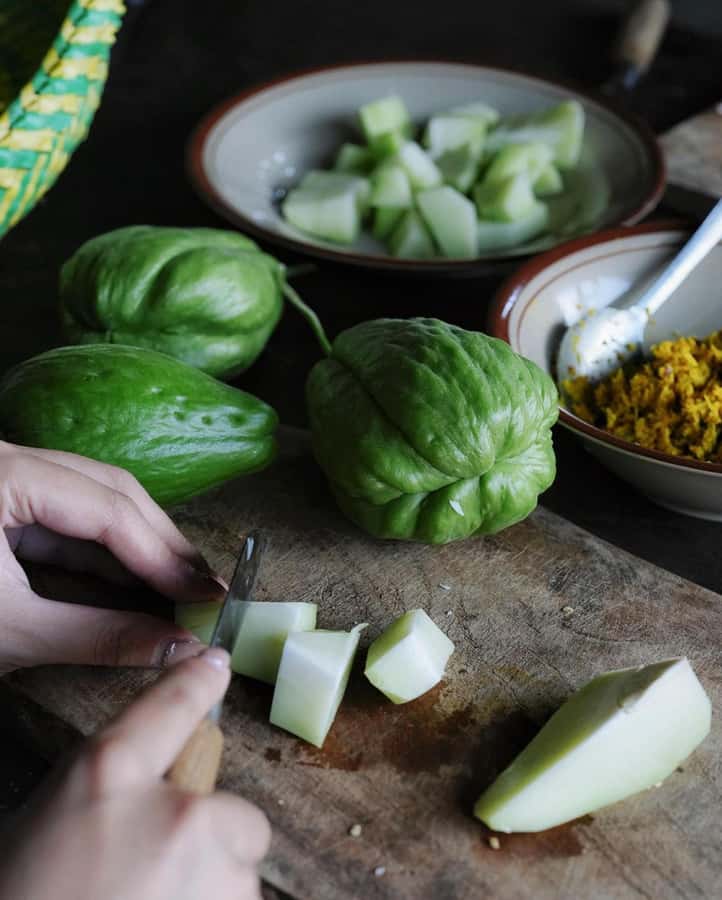
Once the cooking gets going, you’ll move beyond theory. You’ll work through fresh ingredient prep, cooking, and seasoning, and then sample a variety of dishes you helped create.
In the strongest versions of this experience, you also get a peek into offerings. One class experience described being invited to help make offerings. You might not do every ritual, but the overall idea is the same: food here is tied to daily spiritual practice, not just to flavor.
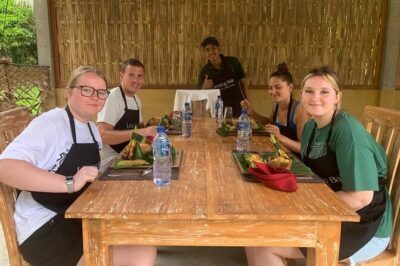
Then comes the payoff: eating. And this is where Delodsema stands out. You don’t just take your plate and step away. The meal is set up on the ground, and you get explained how to eat like local. That part can feel a little awkward for the first five minutes, then it clicks quickly. You end up chatting more, watching how others eat, and slowing down just enough to taste what you cooked.
If you like food experiences that actually teach technique, not just give you a finished meal, this format delivers.
Temple and village sights: context without the rush
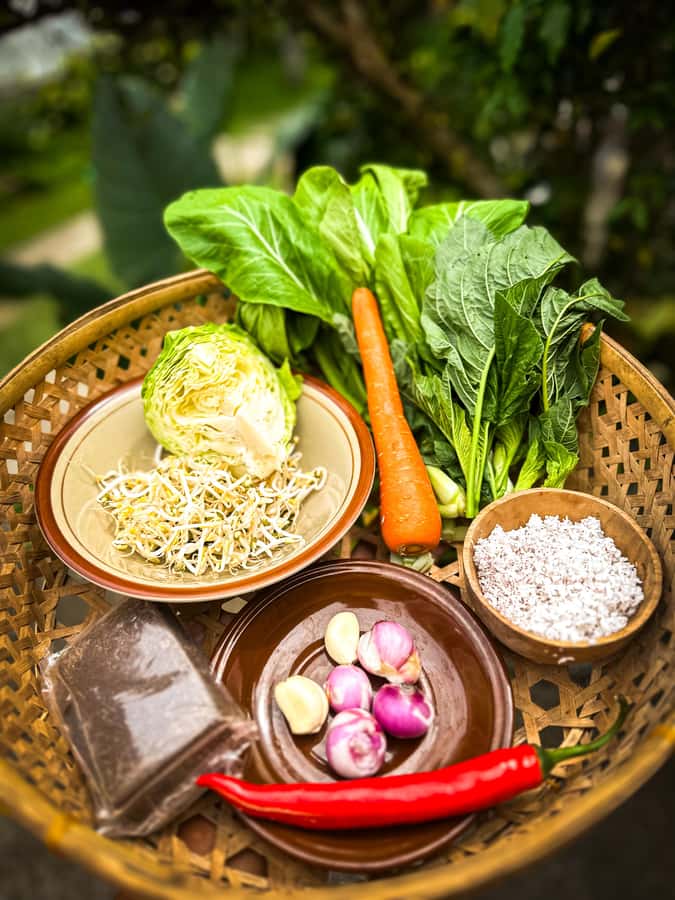
Between cooking and the rice-terrace stop, there’s time to see a temple and view the traditional village area within Delodsema. This isn’t a museum visit. It’s about situating the food in place—seeing the spiritual and cultural surroundings that shape daily life.
What I’d watch for as a practical traveler: don’t expect long guided lectures. The value here is short, direct context that helps you understand what you’re seeing while you’re still in the rhythm of the day.
If you’re the type who likes a little meaning with your photos, this stops you from turning the day into a pure checklist. You’ll likely remember how the village felt more clearly after you’ve eaten.
Taro rice terrace and irrigation: the practical Bali lesson
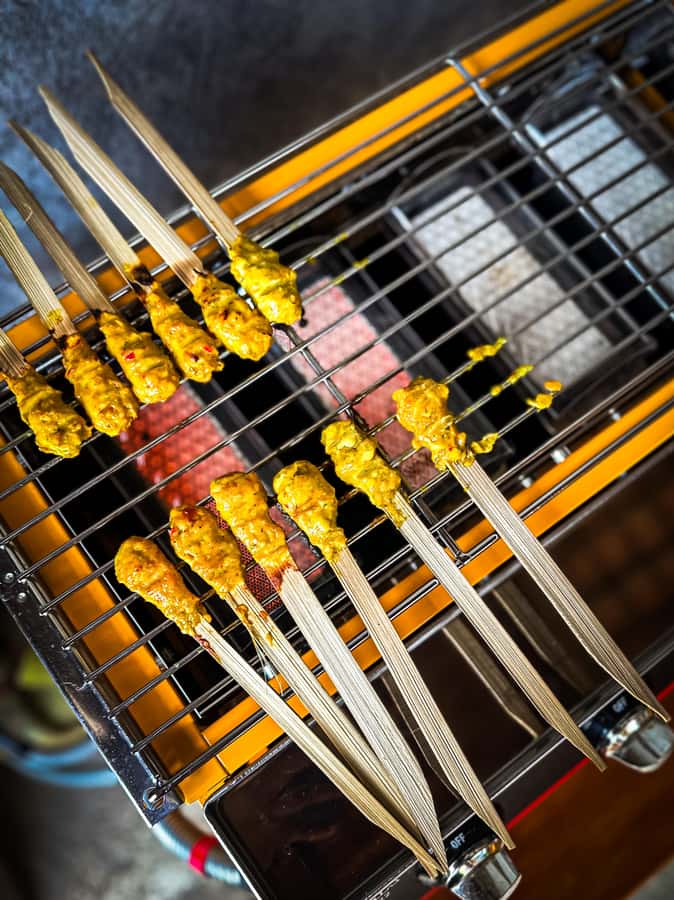
After the village portion, you continue to enjoy fresh air at a rice terrace in Taro. This part feels educational in a down-to-earth way.
You learn about the local irrigation water system, which is a big deal in Bali where rice growing depends on careful water management. If you like understanding how places work (not just how they look), this is a solid add-on.
And you might get to join locals in harvesting rice or even planting new rice. The word “sometimes” is key. You’re not guaranteed hands-on farming work, but the possibility is there depending on season and timing. Either way, you’ll see the terrace ecosystem up close and understand why rice here is tied to patience, schedule, and water routes.
This is also the moment where you can step back from cooking mode and enjoy the scenery. Not too long. Just enough to reset before your day finishes.
Price and value: what $30 really covers
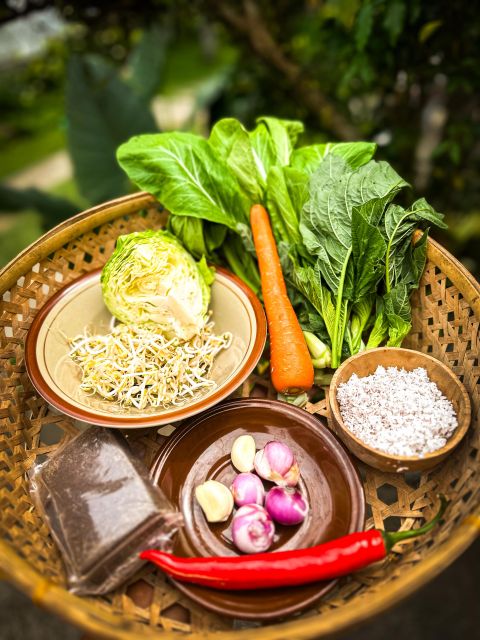
At $30 per person, this isn’t a bargain in the sense of skipping quality. It’s a fair price because you’re getting a full package:
- private cooking class,
- cooking equipment,
- cooking lesson,
- all ingredients,
- lunch,
- Balinese tea and coffee,
- plus PDF recipes after the course.
The value gets even clearer when you compare what you’d normally pay for similar cooking lessons in tourist-heavy setups. Here, you’re paying for more than instruction. You’re paying for a family-run experience that starts at their organic farm, includes village context, and ends with eating what you made.
Transportation can add cost if you don’t choose pickup. But since pickup is optional, you can decide based on how you want your day to feel. If you’re comfortable navigating locally, meeting in the village can be a good way to keep the price down.
Recipes PDF: why it matters after the trip
Lots of cooking classes end with you eating and then forgetting the details. This one includes recipes with PDF. That’s not just a souvenir. It’s practical.
When you try to recreate Balinese flavors at home, having the written recipe helps you remember spice combinations and process timing. Even if you don’t cook exactly the same way, you can still use the ideas to build a similar flavor profile.
It also gives you something to do immediately after you get back. Instead of thinking, I should cook that again someday, you can actually follow through.
Who should book this cooking class
This experience is best for you if:
- you want a hands-on Balinese cooking lesson, not a demo you watch from the sidelines,
- you like food experiences with a clear link to where ingredients come from,
- you enjoy small, family-run settings where you can ask questions,
- you want both cooking and a short cultural context stop.
It might not be ideal if:
- you need fully controlled comfort like constant shade and air-conditioning,
- you’re not interested in eating in a traditional style (lunch on the ground),
- you prefer long sightseeing blocks instead of a focused food-and-place day.
If you’re traveling with kids, it can still work because the group is private, and the activities are interactive. But you’d want to consider heat and the pace of village walking.
Should you book Delodsema Village Cooking?
I’d book it if you want a Ubud-area day that focuses on real food skills and real local life. The strong points are clear: garden-sourced ingredients, open-air hands-on cooking, and a meal that’s part of the learning, not just the finish line. Names like Kadek and Sangayu show up in the best experiences, which is a good sign the hosting team is consistent and welcoming.
Skip it only if you’re looking for a purely tourist-style attraction. This is a village day with cooking at the center, and the reward is in the process.
If you’re even mildly interested in Balinese spices and how they become paste, satay, and curry-style flavors, this class gives you the right tools for more than one meal back home.
FAQ
How long is the Delodsema traditional village cooking class?
The experience lasts about 2 hours up to 150 minutes.
Is this a private cooking class?
Yes, it’s listed as a private group.
What food and drinks are included?
The class includes Balinese tea and coffee, all ingredients for cooking, and lunch. A cooking lesson and recipes in PDF format are also included.
Can the class accommodate vegetarians?
One past class mentioned a vegetarian-friendly swap (tofu in banana leaf instead of chicken satay). If you’re vegetarian, tell the host ahead of time so they can plan accordingly.
Do I need to arrange transportation from Ubud?
Transportation is not included unless you select an option. Pickup may be available from your Ubud hotel, and it may include a visit to a traditional market.
Where do I meet if I arrive myself?
After you arrive at Delodsema Traditional Village, look for the Bali Coconut Oil sign.
More Tegallalang Tours We Rate

Just added around Tegallalang
- Ubud: Authentic Traditional Balinese Village Cooking Class
★ 5.0 · 17 reviews
Balinese Cooking Classes, compared.
 ★ 5.0Ubud Cooking Class Bali with Balinese ChefFrom $351,609 reviews
 ★ 4.9Cooking Class with Transfers and Optional Market VisitFrom $21824 reviews
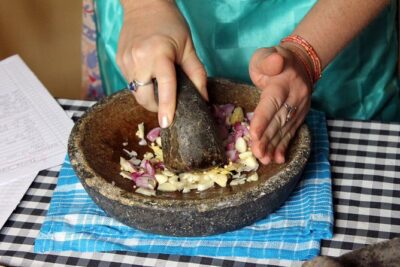 ★ 5.0PRIVATE Authentic Balinese Cooking Class in Ubud at Putu’s HomeFrom $75644 reviews
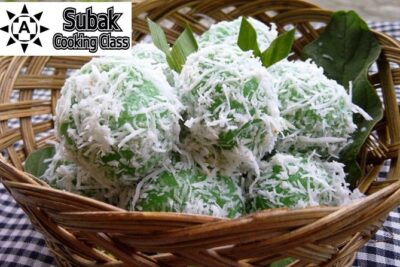 ★ 5.0Balinese Ubud cooking school (9 Dish Cooking and Market Tour)From $58540 reviews
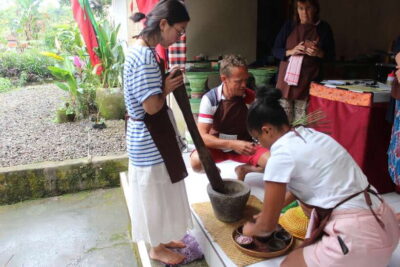 ★ 4.8Balinese Cooking Class and Market TourFrom $23531 reviews
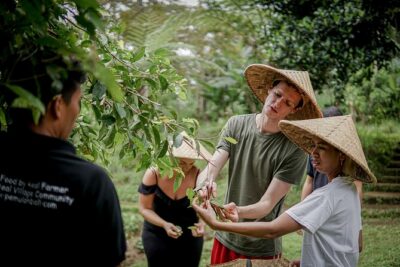 ★ 5.0Balinese Farm Cooking Class by Pemulan BaliFrom $39410 reviews
 ★ 5.0Balinese Authentic Cooking Class in UbudFrom $39239 reviews
 ★ 5.0PRIVATE Balinese Cooking Class in Ubud with Dewa with TransfersFrom $69213 reviews
Browse the lists this tour appears in