
Reviewed · WORKSHOPS
Threads of Tradition Miniature Keliki Painting Workshops
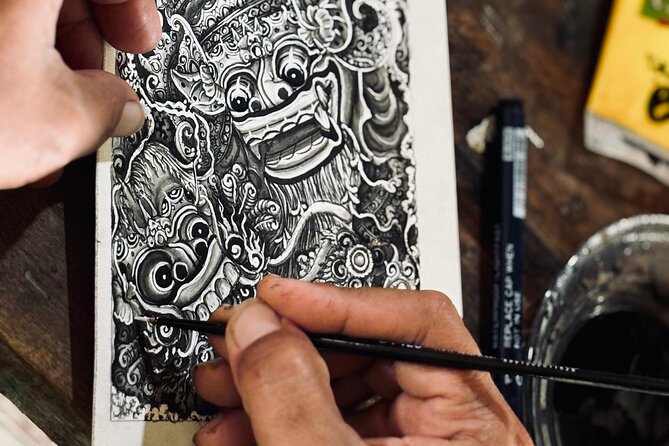
Bali’s tiny brushwork has a way of slowing you down. The Keliki miniature painting workshop at Five Art Studio turns a quiet village setting into a hands-on class where you learn the techniques behind this detailed Balinese style. I especially like the small-group feel with up to 10 participants, and the fact that instruction comes from local artists like Nyoman (with friendly support you’ll also notice from Juli). One consideration: the class is listed as 3 hours, and it can run a little longer if you take your time perfecting your piece.
What makes this feel genuinely Balinese is the workspace. The studio sits at the back of a traditional Balinese home and opens into garden surroundings, so you’re not stuck in a sterile room. For $26, you get real instruction plus snacks, coffee or tea, and bottled water, which makes it a smart, low-stress activity when you want culture without a whole day commitment.
If you’re coming from farther away, plan your timing. Transport isn’t included, and pick-up is scheduled about 30 minutes before the class starts, with morning running at 9:00 am and afternoon at 2:00 pm. Bring comfortable clothes you can get a little paint-safe, and have some cash on hand if needed.
In This Review
- Key Things I’d Note Before You Go
- Keliki Miniature Painting in Bali: Why This Class Works
- Five Art Studio: Traditional Balinese Setting With Garden Calm
- What Happens During the 3 Hours: Your Workshop Flow
- Learning the Keliki Technique: The Details That Matter
- What You Get for $26: Real Value Beyond the Price Tag
- Timing and Logistics: Morning 9:00, Afternoon 2:00, and Transport Options
- Small Group Teaching With Up to 10 Participants
- What to Bring and How to Prepare
- Who Should Book This Keliki Miniature Workshop
- Should You Book This Threads of Tradition Keliki Painting Class?
- FAQ
- How long is the Keliki miniature painting workshop?
- What’s included in the price?
- Is transport included?
- Is the class taught in English?
- Do I need cash or a credit card?
- Is there free cancellation?
Key Things I’d Note Before You Go
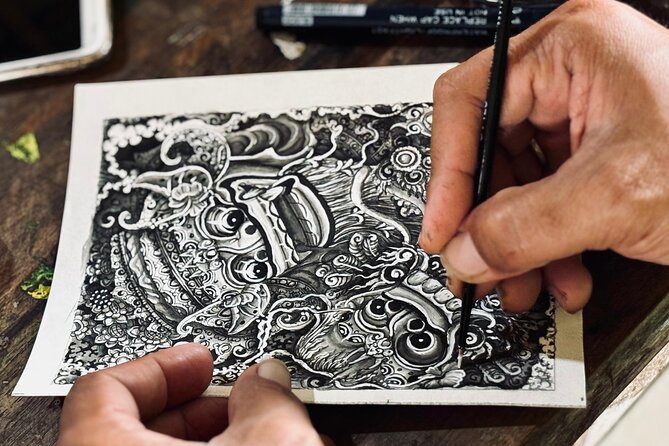
- Keliki technique, tiny-scale results: you’ll work on intricate miniature detail guided by local artists
- A traditional home + garden studio: the setting helps you stay relaxed and focused
- English instruction with hands-on coaching: Nyoman offers practical tips and stays patient
- Lots of choice on what to paint: you can pick what you’ll draw during the session
- Included refreshments that make the class feel cared for: snacks, coffee or tea, and mineral water
- Limited to 10 participants: smaller groups mean more attention as you work
Other Gianyar tours and experiences to line up next
- From Ubud: Traditional Bali Coconut Oil Class★ 5.0 · 22 reviews
- Threads of Tradition Miniature Keliki Painting Workshops★ 5.0 · 11 reviews
- Ubud: Balinese Cooking Class with Traditional Dishes★ 5.0 · 9 reviews
Keliki Miniature Painting in Bali: Why This Class Works
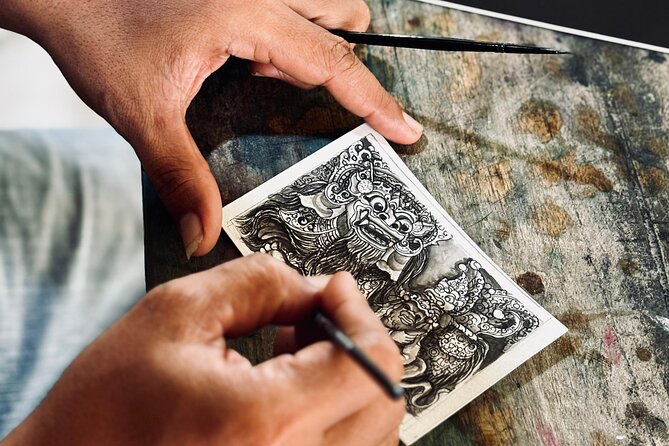
Keliki miniature painting is one of those art forms that sounds simple until you try it. The style is known for intricate detail and strong color work, so the workshop becomes more than just making something pretty. It’s learning how to build a small image with patience and control, like you’re training your hand to see finer steps.
I like that the class is built around a tradition rather than a generic “paint this landscape” format. You’re creating a miniature inspired by Bali’s culture and natural beauty, and the instructor explains the technique as you go. That means you’re not just copying a sample; you’re learning the logic behind the look.
The pacing matters too. A 3-hour window is long enough to make real progress, but short enough that you can fit it into a Bali itinerary without stress. And because it’s a small group, the vibe stays calm rather than chaotic.
One quick reality check: the session length is listed as 3 hours, but it may run closer to 4 hours if you need extra time. If you’re racing to another booking right after, build in a buffer.
Five Art Studio: Traditional Balinese Setting With Garden Calm
The location is part of the value. The studio is set at the back of a traditional Balinese home, and that physical context gives the class a more grounded feel. You’re not only learning painting; you’re in a space that reflects how local life is arranged.
From there, the garden surroundings help your brain switch gears. Even when you’re concentrating on detail, you’re surrounded by a slower rhythm. Several participants note that the studio is laced with paintings, which also matters. Seeing artwork in the room makes it easier to understand what “good” looks like in that style.
This kind of setting can be a plus if you’re looking for culture that isn’t just a performance. You’re working where local art is part of daily life, not staged for quick photos.
What Happens During the 3 Hours: Your Workshop Flow
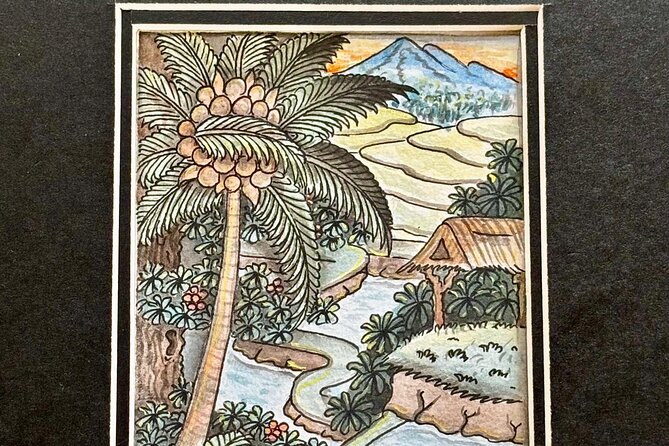
You’ll spend the session working directly at the studio tables with guidance from local artists. Since the class is hands-on, the time is really about repeating the technique until it clicks.
Here’s the typical flow you can expect in practice:
First comes the setup and orientation. You’ll be shown what you’re making and how to approach the miniature style, with explanations in English so you’re not guessing at key steps. Then the instructor helps you decide what to paint, and you’ll have choice on what to draw, which keeps the class feeling personal.
Next you’ll get time to work through the painting process. You’re using techniques designed for small-scale detail, so the work is careful rather than rushed. This is where Nyoman’s teaching style shines: he’s patient and gives tips that help you adjust your strokes and planning while you’re still at the early stage.
As you near the end, you’ll finish and refine your piece. One participant noted that they were allowed to continue beyond the allocated time because their work needed a bit longer. That’s the advantage of a class that values craft over speed.
And yes, food and drink are part of the rhythm. You’ll have snacks plus coffee and/or tea, along with mineral water, so you can keep your hands moving without feeling like you need to hunt for a café.






Learning the Keliki Technique: The Details That Matter
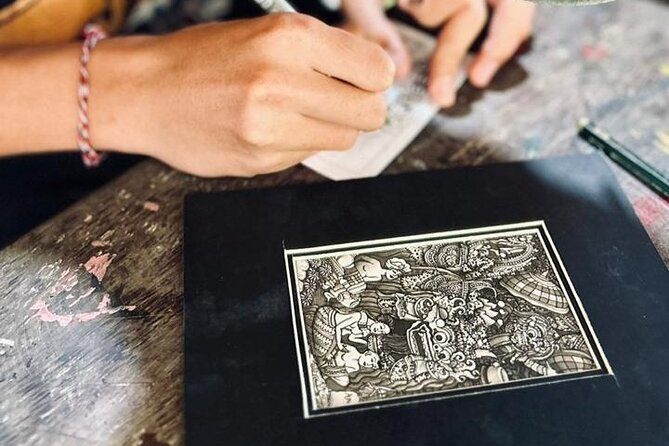
Keliki miniature painting is defined by control. The key isn’t just picking colors; it’s how you place them and how you manage fine detail work. That’s why an instructor is so important in this style.
In this workshop, Nyoman focuses on practical coaching. People highlighted that he shares tips and tricks for getting a strong result using the Keliki methods, and he stays patient while you work. You’re not left alone with a brush and a blank sheet.
If you’re returning to art after years away, you’re in the right place. The class structure is designed for learning, not intimidation. Several participants mentioned feeling surprised by how much their painting skills improved, even if they hadn’t painted in a long time.
Also, the studio environment helps your attention stay steady. When you’re working on mini detail, it’s easy to feel frustrated if the room is too loud or rushed. Here, the calm setting makes it easier to keep going and fix small issues rather than abandoning the piece.
What You Get for $26: Real Value Beyond the Price Tag

Let’s talk value. At $26 per person for a workshop listed at 3 hours, you’re paying for more than materials. You’re paying for instruction from local artists, the chance to learn a specific Balinese art technique, and a guided experience where you can finish a take-home piece.
The included refreshments are also part of what makes it worthwhile. Snacks plus coffee and/or tea plus mineral water sounds small, but it changes the feel of the session. You’re not spending extra money on drinks or stopping your momentum to find food.
There’s also the “local exchange” factor. In a place like Bali, the difference between a mass-produced souvenir and a hand-made mini artwork is big. This class gives you a souvenir you created through skill-building, and that’s the kind you’ll actually keep.
One note on costs: alcohol isn’t included, but it is available to purchase. Lunch is not included either, though you can order local food. Transport also isn’t included, which can affect your total budget depending on where you’re staying.
Timing and Logistics: Morning 9:00, Afternoon 2:00, and Transport Options
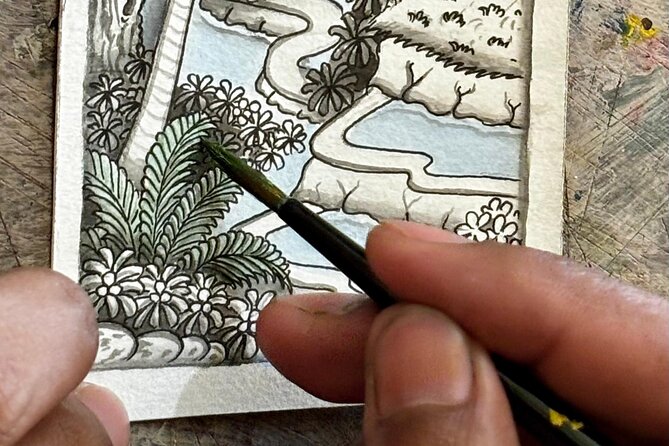
You’ll choose between two daily start times: 9:00 am in the morning or 2:00 pm in the afternoon. Pick-up happens about 30 minutes before class start, which is helpful for planning your morning or afternoon.
Transport isn’t included by default. If you want pickup and drop-off from the meeting point, there’s an additional transport option per group. The detail to remember: it’s maximum 5 pax per group, and the cost is IDR 200k for pick-up and drop-off.
This matters for practical budgeting. If you’re traveling as a pair or small group, you might split that added transport cost with others. If you’re solo and your accommodation is close to the meeting point, it may be easier to make your own way there.
Also, plan the time right after. Since the class can run a bit longer for some people, avoid stacking another timed activity immediately afterward unless you’re comfortable with a delay.
Small Group Teaching With Up to 10 Participants
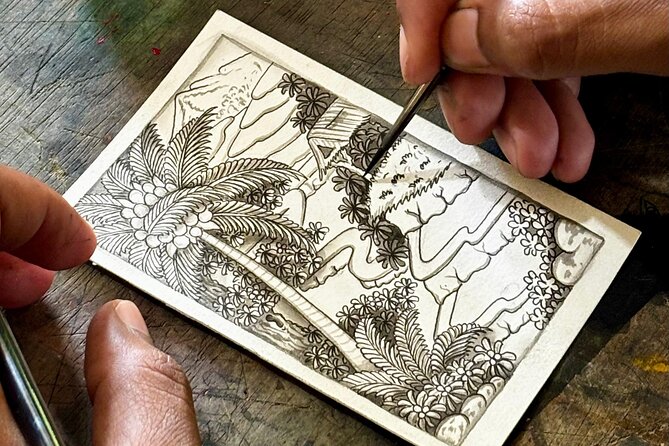
The class is limited to 10 participants, which is the sweet spot for a workshop like this. It keeps the instruction personal, and it makes it easier for Nyoman to check in on your progress without rushing.
Small groups also change how you feel while learning. You’re not dealing with a crowded room where everyone competes for attention. Instead, you can ask questions and get practical feedback while your work is still in progress.
You’ll also feel the difference in the workspace. A studio with a quieter flow lets you focus on the miniature details that Keliki painting demands. If you like cultural activities where you’re doing the work, not just watching, this setup suits you.
What to Bring and How to Prepare

Preparation here is simple, and it helps you avoid stress once you arrive.
Bring:
- Camera (you’ll want photos of your finished piece and the traditional setting)
- A credit card (required to bring per the instructions)
- Comfortable clothes you don’t mind getting paint on or around
- Cash (since cash is explicitly listed)
A couple extra practical thoughts from how these classes tend to run:
- Wear something you can move in, because you’ll be focused at your table for the session.
- If you plan to purchase alcohol, bring what you need for payment since it’s not included.
- If you’re picky about photos, plan to clean your hands before final shots, since mini painting work can get messy even when the studio is tidy.
Not suitable for children under 5 years old.
Who Should Book This Keliki Miniature Workshop
This is a great fit if you want:
- A hands-on cultural experience in Bali
- To learn a specific traditional technique rather than doing a generic craft
- A small group class where you can actually ask questions and get guidance
It also fits solo travelers who enjoy quiet, focused activities. With up to 10 people, you’re unlikely to feel lost in a crowd.
If you’re traveling with kids, pay attention to the age limit. Since it’s not suitable for children under 5, you’ll need to plan accordingly for younger families.
If you’re on a super tight schedule, note the possible extra time. For most people, 3 hours should work, but it’s smart to give yourself a little slack if you’re trying to connect to other plans.
Should You Book This Threads of Tradition Keliki Painting Class?
I think you should book if you want a meaningful souvenir and a calm, guided way to learn a Balinese art form. The mix of local instruction (Nyoman), a traditional studio setting, and included snacks and drinks makes it good value for the time.
Skip it only if you hate hands-on activities or you need an experience that fits rigid timing without any chance of extending. Also, if you’re only looking for a quick photo stop, this workshop is about making, not sightseeing.
If you’re the type who enjoys learning how techniques work, picking your own subject, and taking home something you actually made, this one is worth your Bali time.
FAQ
How long is the Keliki miniature painting workshop?
The class duration is 3 hours, with start times at 9:00 am (morning) and 2:00 pm (afternoon).
What’s included in the price?
You’ll get snacks, coffee and/or tea, and mineral water.
Is transport included?
Transport is not included. You can add pick-up and drop-off from the meeting point for an additional IDR 200k per group (maximum 5 pax).
Is the class taught in English?
Yes. The instructor speaks English.
Do I need cash or a credit card?
Both are listed as items to bring: cash and a credit card.
Is there free cancellation?
Yes. You can cancel up to 24 hours in advance for a full refund.
Hands-On in Gianyar


More Gianyar Tours We Rate



Just added around Gianyar
- Bali: A Full-Day Tour to Goa Raja, Tibumana and Tukad Cepung
★ 5.0 · 3 reviews - Bali: 3 best waterfall and tegalalang rice terrace
★ 5.0 · 3 reviews - Bali: Temples, waterfall, and Rice Terrace Guided Tour
★ 5.0 · 3 reviews - Bali: Sacred Water Temple Ritual and Balinese Healing Spa
★ 3.6 · 3 reviews - Ubud: Healing & Purification with Shaman at Hidden Temple
★ 3.3 · 3 reviews
Workshops, compared.
 ★ 4.9Hands-On Silver Jewelry Making Near Ubud’s Monkey ForestFrom $281,789 reviews
 ★ 5.0Ubud Cooking Class Bali with Balinese ChefFrom $351,609 reviews
 ★ 5.0Ubud Silver Class Jewelry making in baliFrom $36978 reviews
 ★ 4.9Cooking Class with Transfers and Optional Market VisitFrom $21824 reviews
 ★ 5.0PRIVATE Authentic Balinese Cooking Class in Ubud at Putu’s HomeFrom $75644 reviews
 ★ 4.9Canggu: Bali Turtle Silver & Gold WorkshopFrom $49643 reviews
 ★ 4.8Balinese Cooking Class and Market TourFrom $23531 reviews
 ★ 5.0Balinese Farm Cooking Class by Pemulan BaliFrom $39410 reviews
Browse the lists this tour appears in