
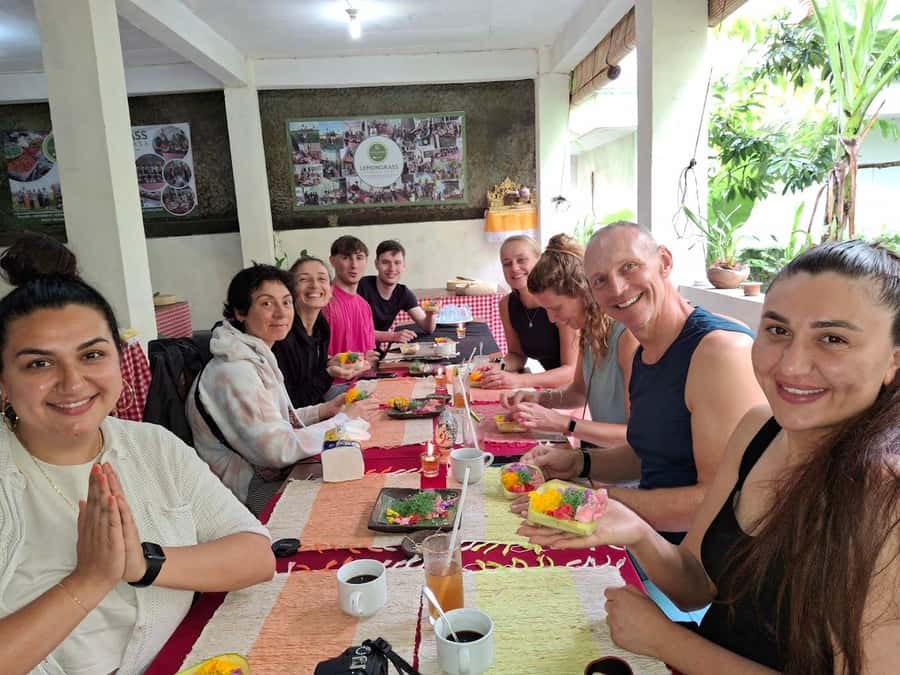
Reviewed · TEGALLALANG RICE TERRACES
Ubud: Balinese Cooking Class, Rice Field & Market Tour
A tour with ingredients, not just instructions.
I really like how this day starts in a Balinese traditional market where you get real context for the foods you’ll cook, and then keeps that momentum with a rice field stop that explains the Subak water system. I also love the way the cooking part is built around a practical flavor base, including Base Gede/Base Rajang, so your dishes actually make sense as you cook. One thing to consider: if you book an afternoon slot, the market visit is skipped since the market closes.
The format stays personal, too. It’s a small group (up to 6), with an English instructor, and in past groups I’ve seen guides named Ari, Ery, and Padma lead the day. Hotel transfer is included within Ubud, but if you’re staying outside Ubud (like Sanur, Kuta, or Nusa Dua), you’ll need to arrange your own way to the meeting point in Ubud.
In This Review
- Key points you’ll care about
- A 5-hour Ubud mix: value that goes beyond cooking
- Starting at the Balinese traditional market (and the morning-only detail)
- Rice fields and Subak irrigation: why water rules the rhythm
- Inside a Balinese home: architecture, daily life rules, and family meaning
- Making Canang Sari offerings: the meaning behind the morning ritual
- Cooking class with Base Gede/Base Rajang: your hands-on skill payoff
- Price and logistics: the real-world tradeoffs
- What to bring (and how to keep the day comfortable)
- Who should book this Ubud food-and-culture day
- Should you book this Ubud: Balinese Cooking Class, Rice Field & Market Tour?
- FAQ
- How long is the Ubud cooking class and culture tour?
- Is the market visit included every time?
- What’s the maximum group size?
- What language is instruction in?
- Is hotel pickup included?
- What will I learn about at the rice field stop?
- Do I make an offering during the tour?
- What’s the cooking part like?
- What should I bring?
- Is the tour suitable for children?
Key points you’ll care about
- Market-first learning so spices and produce stop being random names
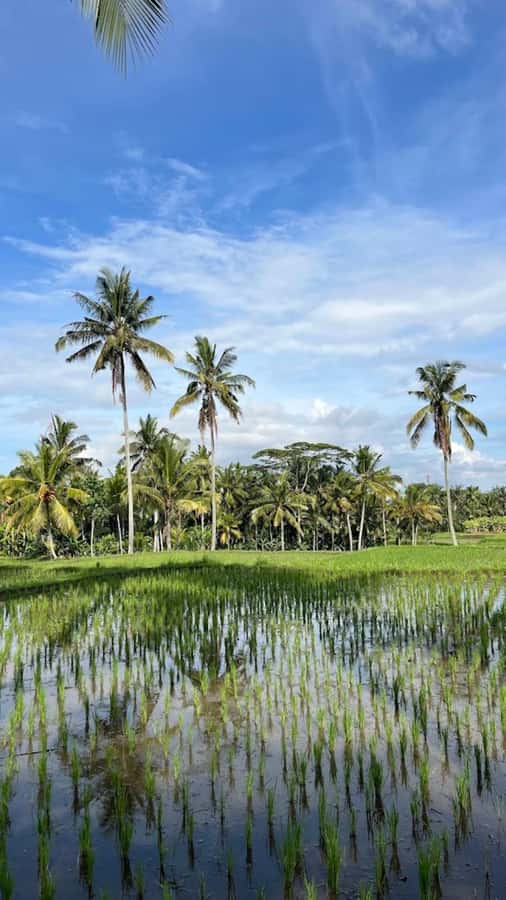
- Subak rice irrigation explained in plain language during planting and harvesting stories
- Balinese house visit and life rules that connect food, offerings, and family daily life
- Canang Sari offering-making so you understand the why, not just the how
- Base Gede/Base Rajang sauce work as a core skill for multiple dishes
- Small group pacing with time to ask questions and actually taste ingredients
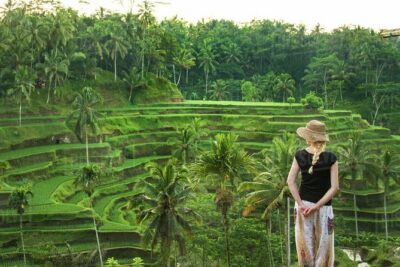
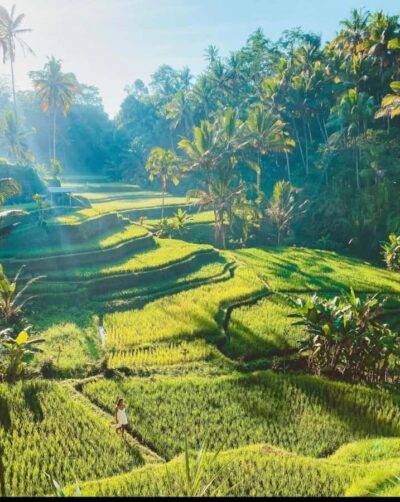
Tiered green as far as the eye runs. More Ubud rice-terrace walks.
- Ubud: Monkey Forest, Jungle Swing, Rice Terrace, and Water Temple★ 5.0 · 7,160 reviews
- Ubud: Waterfalls, Water Temple & Rice Terraces Private Tour★ 5.0 · 5,484 reviews
- Ubud: Full-Day Rice Terrace, Monkey Forest & Waterfall★ 5.0 · 2,634 reviews
- Full-Day Tour to Water Temples and UNESCO Rice Terraces in Bali★ 5.0 · 2,539 reviews
A 5-hour Ubud mix: value that goes beyond cooking
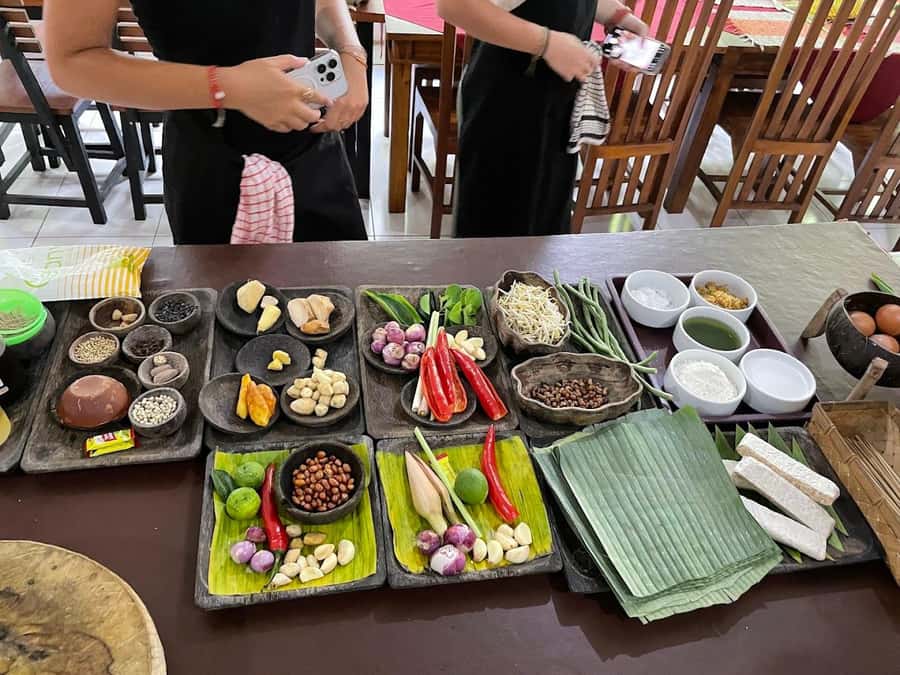
For $23 per person and about 5 hours, you’re not just buying a “cook and leave” workshop. You’re getting a full loop: market → rice field → Balinese home life → offerings → cooking and eating. That matters, because Balinese cooking is tied to what people grow, what they buy daily, and what they offer each day.
This is also one of those tours where the balance is the point. You get cultural context, but you still spend real time handling ingredients and learning recipes with an instructor. If you’re in Ubud for a short stay and want one activity that hits several themes instead of one, this one is efficient.
Who it suits best:
- Food lovers who want the ingredient story, not just the cooking steps
- People curious about Balinese daily life, house layout, and offerings
- Travelers who like small groups and clear explanation (English instruction)
Who might feel mismatched:
- Kids under 10 (it’s not suitable for them)
- Anyone who hates walking or sun (you’ll be on your feet across multiple stops)
Starting at the Balinese traditional market (and the morning-only detail)
The day kicks off at a traditional Balinese market, where the point is to train your eye and nose before you ever pick up a spoon. You’ll learn about common local ingredients such as rice, spices, fruits, vegetables, fish, and meat. You also get a feel for everyday market activity and how it fits into daily Balinese life.
A practical heads-up: there’s no market visit in the afternoon class because the market already closes. If market energy and tasting are a big part of what you want, choose a morning start time (the exact start depends on availability).
What I like about this approach is simple. Once you’ve seen and tasted things in a market setting, your later cooking steps feel less like a magic trick and more like an ingredient workflow. One past group even described being able to taste items during the market visit, which is exactly what helps the day click.
Rice fields and Subak irrigation: why water rules the rhythm
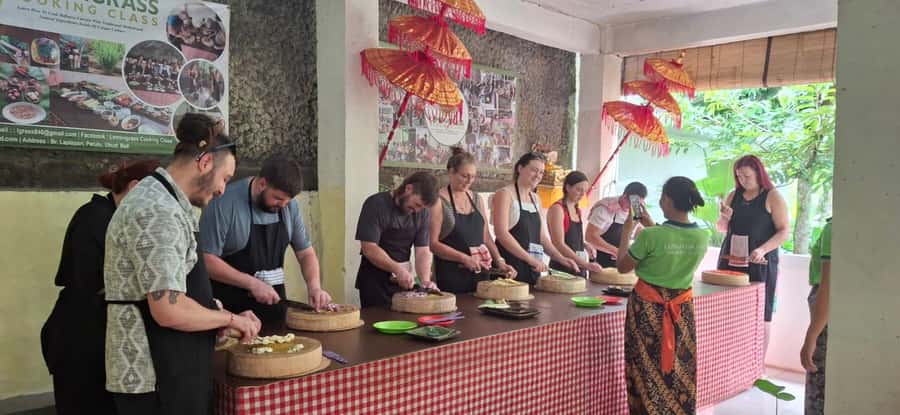
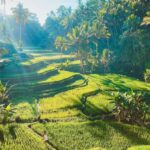
Next comes the rice field visit, where you learn about the traditional Subak water system. This is one of those stops where you’re not just looking at views—you’re being taught how water management connects to rice farming.
You’ll hear about planting and harvesting processes and how Balinese people maintain a relationship with the land through irrigation traditions. Even if you’re not a farming person, the explanation helps you understand why rice crops matter so much in daily food and ceremony.
A useful angle to keep in mind while you’re there: Subak is more than “a method.” It’s a system that shapes timing, teamwork, and the idea that land and water are shared responsibilities. That lens carries into the rest of the day, especially when you shift from rice growing to offerings and family life.
Market basket to banana-leaf plate. More Ubud cook-alongs.
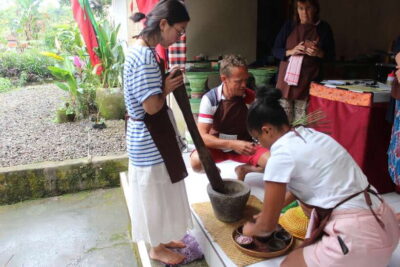
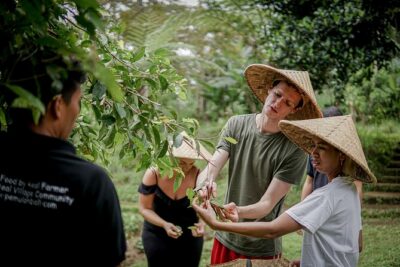
Inside a Balinese home: architecture, daily life rules, and family meaning
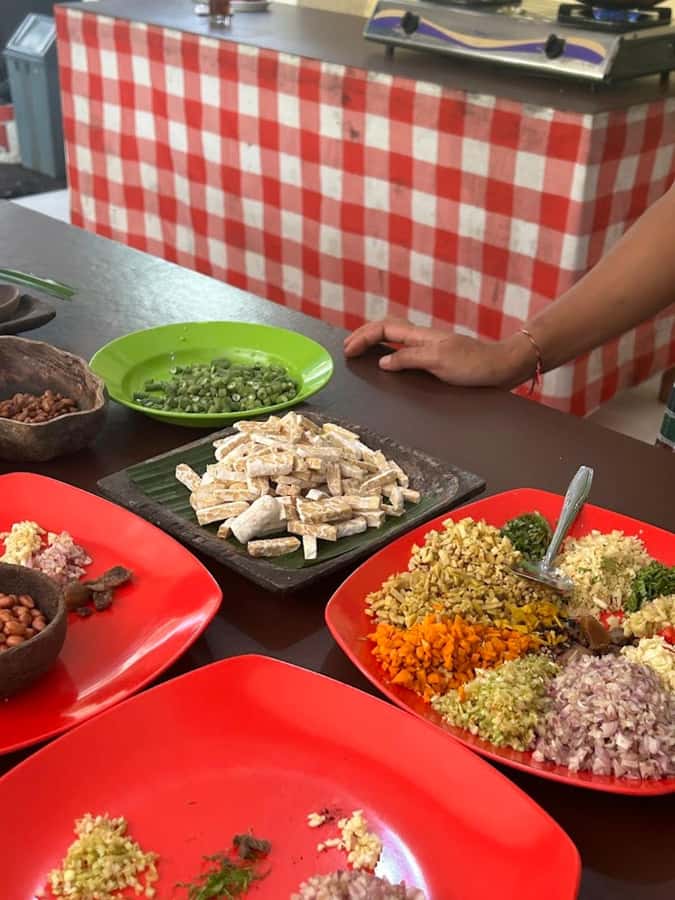
After the rice fields, you visit a Balinese house to learn about architecture and the way family life is organized. The tour focuses on concepts and life rules within a traditional home, not just a quick look at walls and doors.
This stop is especially valuable because it explains how daily life shows up in small, repeated actions. In Balinese culture, houses and rituals aren’t separate from food. They’re part of the same pattern: structure, routine, gratitude, and community.
From reviews, I’ve seen the instruction here land well because it feels personal. Past participants mentioned that the family hosting the cooking workshop shared detailed explanations about Balinese life and traditions. That kind of context is hard to get from a temple ticket alone.
Making Canang Sari offerings: the meaning behind the morning ritual
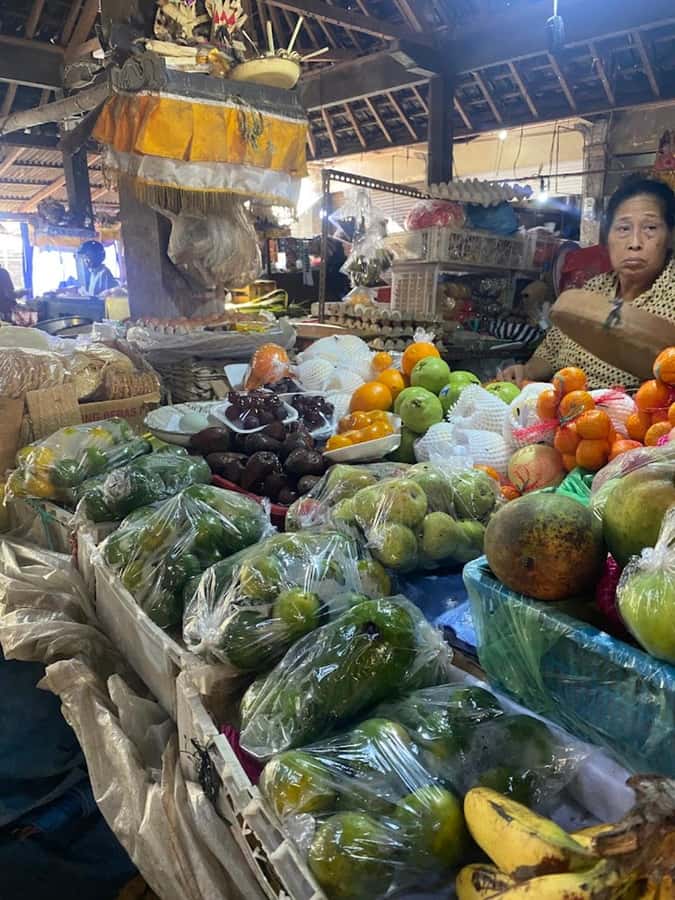
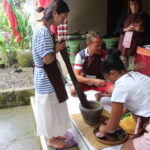
Then you get hands-on with an offering. You’ll learn about Canang Sari, a daily offering made as a symbol of thankfulness to the gods, and you’ll practice making one yourself.
Even if you’ve seen offerings in photos around Bali, making one is different. You pay attention to what goes where and what the ritual communicates. The tour’s focus on philosophy is the key here: you’re not just assembling items for the camera. You’re learning why offerings matter in daily Balinese spiritual life and why gratitude shows up in everyday routines.
This is also a turning point in the day. After the market and rice field stops, you’ve seen ingredients and land systems. Now you connect them to ceremony and the values behind them.
Cooking class with Base Gede/Base Rajang: your hands-on skill payoff
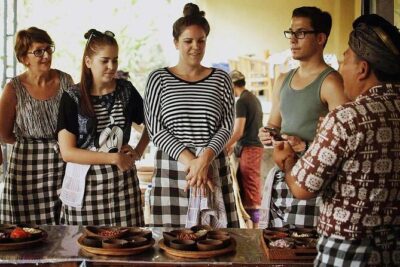
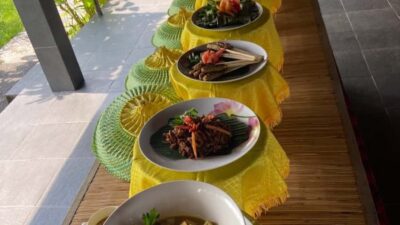
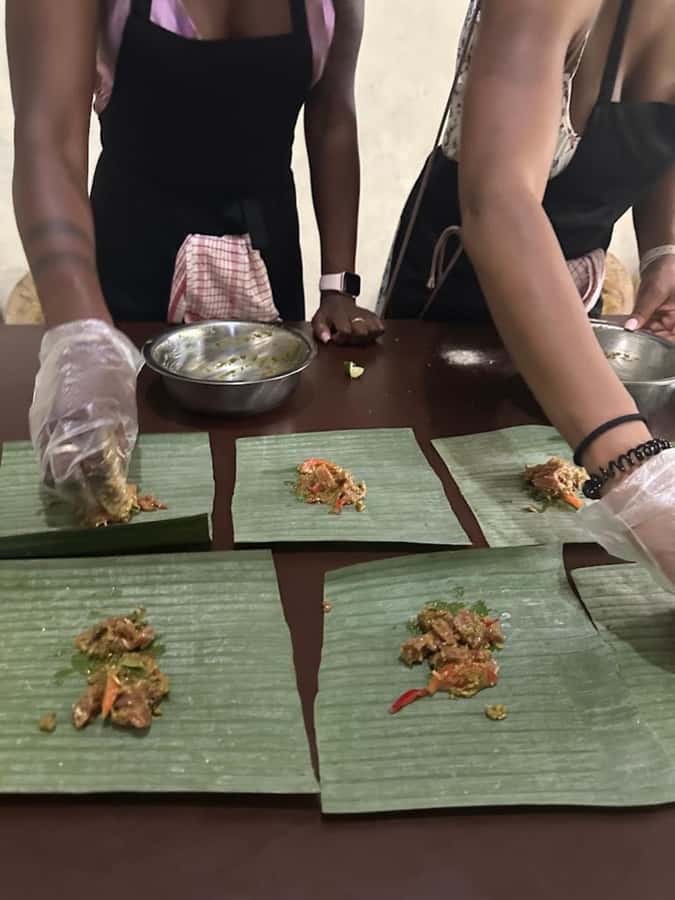
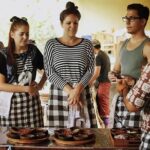
Now for the part you booked for: the cooking class. You’ll learn to make traditional Balinese dishes with detailed ingredient explanations. Expect instruction to include what goes into the base flavors and how they change the dish as you cook.
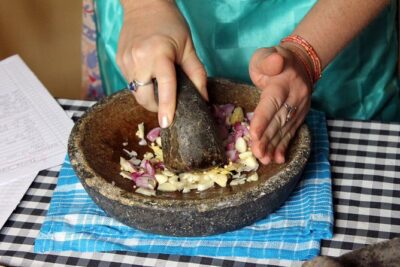
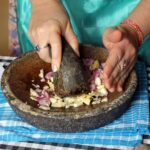
One highlight is making the traditional sauce Base Gede/Base Rajang. The tour frames it as a base used in many dishes, so you’re building a core skill instead of chasing one-off recipes. This is practical for you as a traveler because when you understand the base, you’re more likely to remember what you tasted and replicate a version later at home.
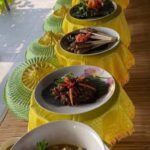
During the class, you’ll also prepare and cook dishes, then eat what you make. In one review, the menu was described as a 10-dish setup, and another mentioned a recipe book included with what you cooked. Even if your exact dish count varies, the format is clearly hands-on: you’ll work, not just watch.
If you’re worried about spices or technique, don’t. The tour is designed around explanation—especially around how ingredients are chosen and combined. And because it’s a small group, you have a better chance of getting help when something doesn’t go your way.
Price and logistics: the real-world tradeoffs
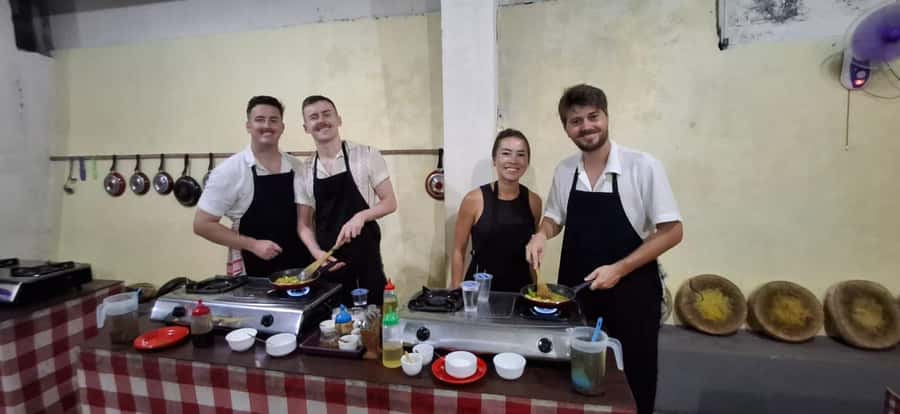
Let’s talk value in the way it affects your day.
For $23 over 5 hours, you’re getting more than cooking time. The included items cover the big blocks: hotel transfer (within Ubud), market visit, rice field visit, Balinese house explanation, offering-making, and the cooking class with ingredient and base sauce instruction. For Ubud, this is strong value when you compare it to activities that only include one stop.
Two logistics points matter:
- Pickup is only within Ubud. If you’re staying outside Ubud (Sanur, Kuta, Nusa Dua, and other areas), you’re expected to meet at the designated meeting point in Ubud using your own transport.
- You’ll walk. Comfortable shoes and sun protection aren’t optional. The tour runs across multiple areas, so plan for your feet to do some work.
Group size is another value factor. It’s limited to 6 participants, and some reviews mention even smaller groups (like 2). Smaller groups tend to mean more time with the instructor and better interaction during tasting and cooking.
Language is English, and you can ask questions throughout. That matters, because you’re learning cultural context as well as cooking steps.
What to bring (and how to keep the day comfortable)
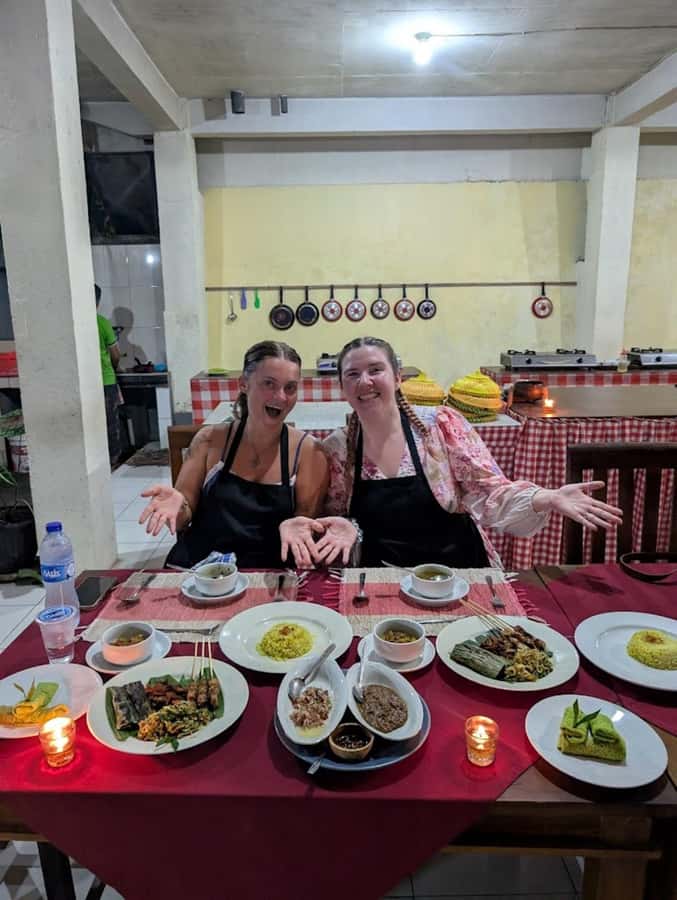
This is one of those tours where your comfort changes how much you enjoy it.
Bring:
- Comfortable shoes (walking between stops)
- Hat and sunscreen (you’ll be outside)
- Camera (market, rice fields, and home setting are photo-friendly)
- Water (carry it when you can)
A small pacing tip: plan to eat calmly once you start cooking. You’ll do a lot of tasting and learning earlier in the day, so save your real appetite for the meal you cook.
Also, if you’re sensitive to heat or you don’t love long outdoor stretches, choose a class time that feels realistic for you. The morning slot is usually best if the market is a priority for you.
Who should book this Ubud food-and-culture day
Book it if:
- You want a cooking class with cultural context, not just recipes
- You like the idea of learning a sauce base like Base Gede/Base Rajang and understanding how it supports other dishes
- You want a guided walk that explains Subak and how rice farming ties into life in Bali
- You appreciate small groups and clear English instruction
Skip or reconsider if:
- You’re traveling with a child under 10
- You have mobility limits and don’t want to deal with walking between stops
- You’re only interested in a simple cooking session and don’t care about market, house, and offering content
- You’re staying far outside Ubud and don’t want to handle your own transport to the meeting point
Should you book this Ubud: Balinese Cooking Class, Rice Field & Market Tour?
I’d book it if you’re aiming for one great day in Ubud that connects food to place. The best part is how the day builds: ingredients first at the market, water and rice logic at Subak, daily-life meaning at a Balinese home, spiritual context through Canang Sari, and then the payoff in the kitchen with dishes built around Base Gede/Base Rajang.
If you’re on the fence, use one question to decide: do you want the “why” behind Balinese cooking, or only the “what” you’ll eat? This tour clearly leans into the why, and that’s what makes it worth the time.
FAQ
How long is the Ubud cooking class and culture tour?
The experience runs for about 5 hours.
Is the market visit included every time?
No. There’s no market visit in the afternoon class because the market already closes.
What’s the maximum group size?
It’s a small group limited to 6 participants.
What language is instruction in?
The instructor provides English guidance.
Is hotel pickup included?
Yes, hotel transfer is included within the Ubud area. If you’re staying outside Ubud, you’ll need to arrange your own transport to the meeting point in Ubud.
What will I learn about at the rice field stop?
You’ll learn about the traditional Subak water system, plus the process of planting and harvesting rice.
Do I make an offering during the tour?
Yes. You’ll make a traditional offering and learn about the philosophy of Canang Sari.
What’s the cooking part like?
You’ll cook traditional Balinese dishes with detailed ingredient explanations, including making the traditional sauce Base Gede/Base Rajang, which is used as a base for many dishes.
What should I bring?
Bring comfortable shoes, a hat, camera, sunscreen, and water.
Is the tour suitable for children?
It’s suitable for all ages, but it’s not suitable for children under 10.
More Ubud Tours We Rate




Cook Balinese in Ubud
Rice Terraces Worth the Walk
Just added around Ubud
- Ubud: White Water Rafting with visit Ubud Monkey Forest
★ 5.0 · 3 reviews - Private Guided Bali Car Charter
★ 5.0 · 3 reviews - East Bali and Lempuyang Temple Tour
★ 5.0 · 3 reviews - Bali Downhill Cycling and White Water Rafting
★ 5.0 · 3 reviews - Cave Tubing Adventure in Ubud
★ 5.0 · 3 reviews
Tegallalang Rice Terraces, compared.
 ★ 5.0Monkey Forest, Jungle Swing, Rice Terrace, and Water TempleFrom $317,160 reviews
 ★ 5.0Waterfalls, Water Temple & Rice Terraces Private TourFrom $295,484 reviews
 ★ 5.0Full-Day Rice Terrace, Monkey Forest & WaterfallFrom $232,634 reviews
 ★ 5.0Full-Day Tour to Water Temples and UNESCO Rice Terraces in BaliFrom $392,539 reviews
 ★ 4.7Monkey Forest, Ceking Rice Terraces and More– Full DayFrom $37917 reviews
 ★ 4.9Rice Terraces & Villages Half-Day Fat Tire E-Bike TourFrom $33602 reviews
 ★ 5.0Downhill Cycling with Volcano, Rice Terraces and MealFrom $36536 reviews
 ★ 5.0Ubud eBikes Tour to Tegallalang Rice TerraceFrom $30507 reviews
Browse the lists this tour appears in