
Reviewed · SILVER JEWELRY CLASSES
Ubud: Alas Arum Silver & Gold Workshop
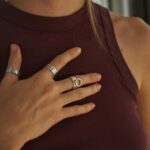
Turn Bali silver into your own ring. I love the hands-on making and the rice-field views from the workshop garden, and it’s a fun souvenir that beats buying store jewelry. The only real catch is that gold plating, gemstones, and extra silver cost extra, so go in with a budget.
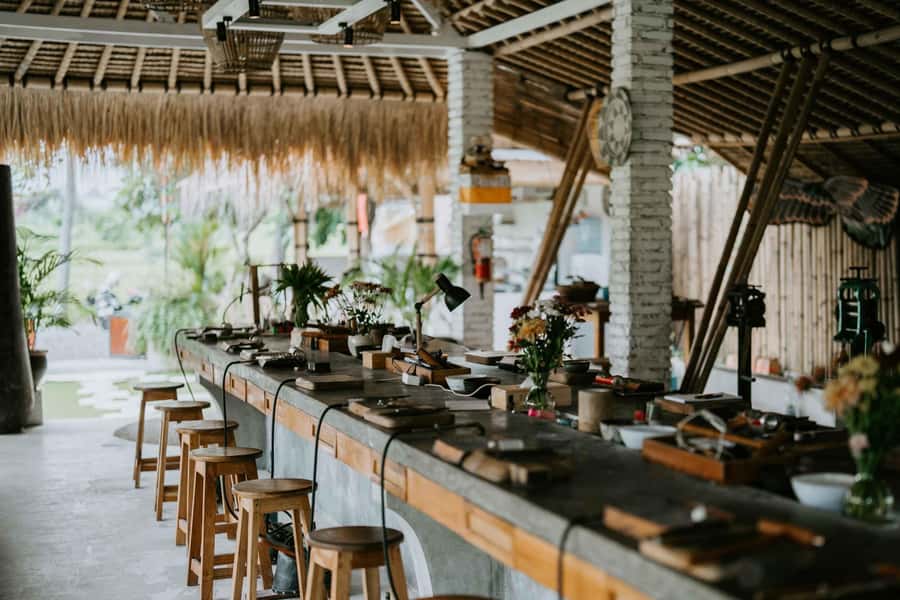
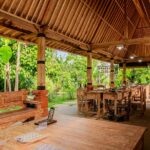
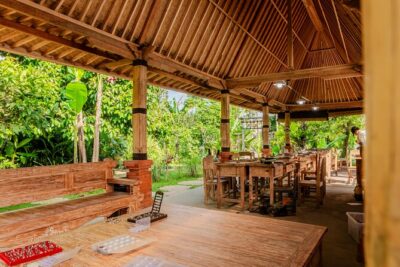
This is the kind of Ubud activity that feels calm on purpose: a bohemian-style studio space in a garden setting, with rice paddies and jungle around you. You get a welcome drink, then a bar on-site where you can buy more refreshments and snacks if you work up an appetite.
I also like that the workshop gives you a clear starting point: you receive pure Indonesian silver (1–6 grams, depending on the piece/design) and a guided process using traditional tools. Plan for about 2 hours, but your session can stretch to 1–3 hours if you choose a more complex design, and transportation isn’t included.
In This Review
- Key Highlights Worth Your Time
- Entering the Alas Arum Silver Workshop in Ubud
- Price and What You Actually Get for $46
- Timing: How Long It Really Takes to Make Your Piece
- Transportation and Check-in: Keep It Simple
- Choosing What You’ll Make: Rings, Bracelets, Earrings, and More
- The Hands-on Process: From Melting to Making It Wearable
- The Silver Part: Understanding the 1–6 Grams You Get
- Gold Plating and Gemstones: Customize, But Watch the Total
- Craft Tips That Make the Day Easier
- The Workshop Atmosphere: Why It Feels Like a Break from Ubud
- Who Should Book This Workshop (And Who Might Want to Skip It)
- Value Check: Is $46 Worth It?
- Should You Book Alas Arum Silver in Ubud?
- FAQ
- How long is the Alas Arum Silver workshop?
- How much does the workshop cost?
- What’s included in the price?
- What’s not included?
- Can I make something other than a ring?
- Do I get silver included, and how much?
- Is gold plating available?
- Are there drinks and snacks available?
- Do you provide transportation and what about late arrivals?
- FAQ
- What languages do the instructors speak?
Key Highlights Worth Your Time
- Rice-field views while you work so the class feels like a break, not just a task
- Guided, hands-on instruction from Balinese artist-instructors, with English support available
- Pure Indonesian silver included (1–6 grams) to create one jewelry piece
- Choose your design (rings, bracelets, earrings, and more) and tailor it as you go
- Customize with add-ons like gold plating, gemstones, and extras you can purchase on site
- A bar for breaks with a welcome drink plus drinks and snacks during your session
Solder your own Balinese silver ring near the Monkey Forest.
- Hands-On Silver Jewelry Making Near Ubud’s Monkey Forest★ 4.9 · 1,789 reviews
- Canggu: Bali Turtle Silver & Gold Workshop★ 4.9 · 643 reviews
- Ubud: Alas Arum Silver & Gold Workshop★ 4.8 · 379 reviews
- Ubud Silver Artistry Class: Create Unique Jewelry in Bali★ 4.9 · 374 reviews
Entering the Alas Arum Silver Workshop in Ubud
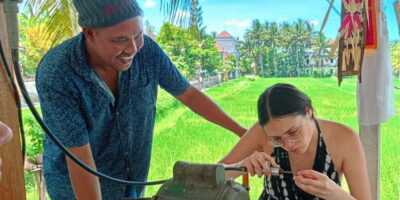
Ubud has plenty of classes. This one is different because the setting helps you slow down. The workshop sits away from traffic and big crowd energy, in a garden-style space with rice paddies and jungle scenery. Even if you’re not a jewelry person, you’ll probably enjoy the vibe because you’re working outdoors-adjacent, not shut in a stuffy room.
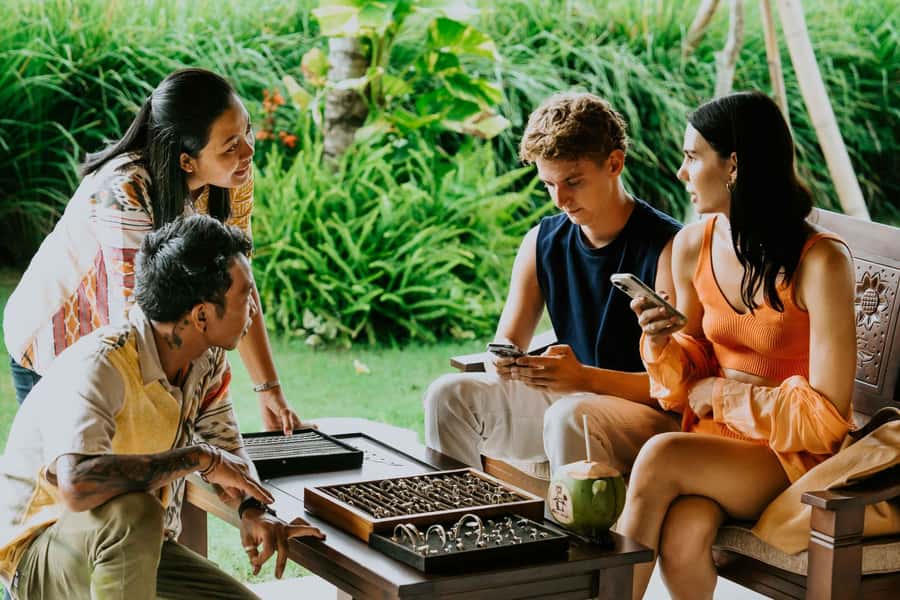
Inside, you’ll feel like you’re joining a real craft setup. You’ll choose what you want to make, then you’ll work with instructors who show you each step. That guidance matters because silverwork isn’t just arts-and-crafts. You’re shaping metal with tools and techniques that take patience.
And yes, there’s a practical perk: you start with a welcome drink. That keeps the “I’m spending my afternoon learning a new skill” feeling from turning into “I’m stuck in a workshop.” There’s also an on-site bar if you want coffee, cocktails, or snacks while you’re making.
Price and What You Actually Get for $46
At $46 per person for around 2 hours, you’re paying for instruction plus materials. The big value piece is that you get 1–6 grams of pure Indonesian silver included to create one jewelry item. For many souvenirs, you pay for the object only. Here you’re paying for the experience of making the object, guided by artists, and you leave with something that’s personal.
That said, it’s important to understand what isn’t included. Extra silver costs extra, and add-ons like gold plating and gemstones are also on top. Chains, hooks, and some finishing components aren’t listed as included either. So the real cost depends on what you want your final piece to look like.
If you’re budget-minded, you can still end up with a beautiful result by picking a design that works well with the included silver. If you’re set on a gold-toned look or stones, you should expect to spend more at the workshop.
Timing: How Long It Really Takes to Make Your Piece
The session is listed as 2 hours, but you should plan for 1–3 hours depending on how detailed your design is. That’s not a scare tactic. It’s just how metalwork goes: more steps and more careful finishing usually mean more time.
In real-life terms, this affects your day in two ways:
- If you pick a simple ring or pendant design, you’re more likely to be closer to the shorter end.
- If you choose something with extra detail, engraving, or more complicated shaping, you may stretch out.
Heat is another practical factor. More time at the bench can feel like more work. One tip that comes up often is to choose a design that matches your energy level, especially if you’re coming at a busy time of day.
Other Ubud tours and experiences to line up next
Transportation and Check-in: Keep It Simple

Transportation to the meeting point isn’t included. You’ll want to plan a rideshare (Grab or Gojek is mentioned as easy). This matters because Ubud traffic can be unpredictable, and the workshop only accommodates a delay of up to 10 minutes. If you’re later than that, you’ll need to reschedule.
So I’d do this: book a driver ahead of time if you can, and build in extra buffer time. The workshop location is described as accessible, but access doesn’t automatically mean fast travel once you’re in town.
Check in with staff at Alas Arum Silver, where your session starts.
Choosing What You’ll Make: Rings, Bracelets, Earrings, and More
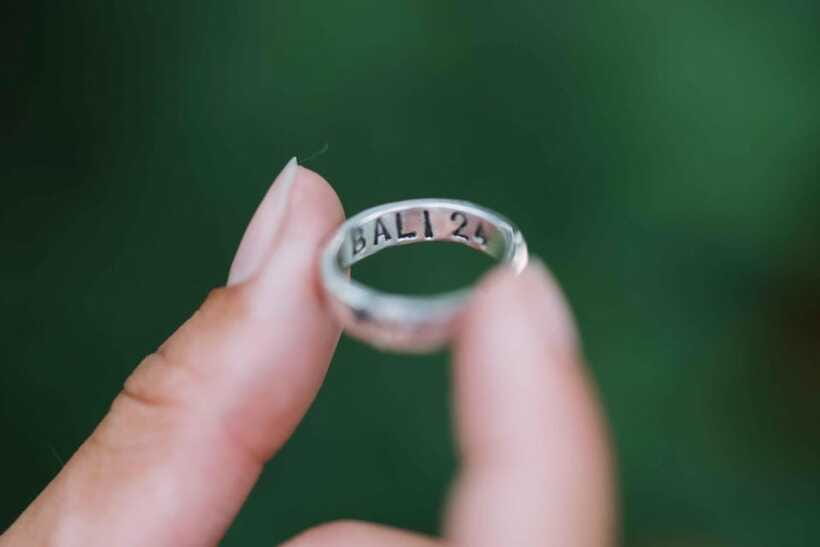
At the beginning, you’ll pick from design ideas and choose what kind of jewelry you want to create. The workshop description highlights rings, bracelets, or earrings, and you can customize your vision from there.
What I like about this setup is that it’s not random. You get guidance to tailor the piece—whether that’s your preferred shape, what you want to add, or how your design should fit your style. You’re not just copying a model. You’re choosing a direction, then letting the instructors help you get there.
Also, the workshop is set up for you to be involved in the process. People leave with pieces they feel proud to wear because they didn’t just watch metal being made. They took part in steps along the way.
The Hands-on Process: From Melting to Making It Wearable
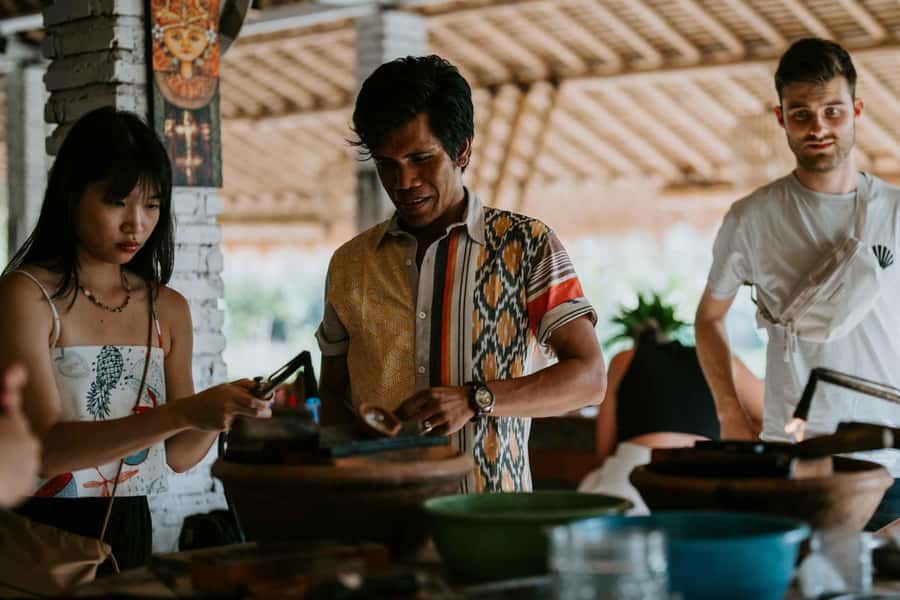
The process follows a craft flow that’s easy to understand even if you’ve never touched silver before. You’ll start with the silver preparation, including steps like melting the metal, then you’ll move through shaping and forming your piece.
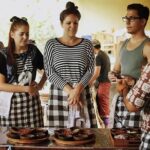
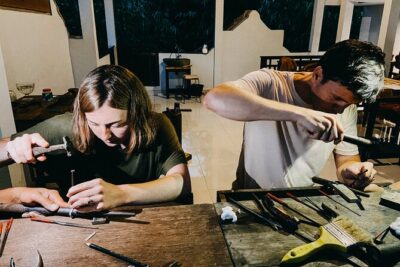
What makes this workshop special is how the instructors teach it. Balinese artist-instructors guide you with traditional tools, and the experience is built around you doing the work, not standing back and being entertained.
A few practical things to expect:
- You’ll likely spend time choosing and refining the design before major shaping starts.
- You’ll work at your pace, but the instructors will keep you moving so you finish on time.
- You can ask questions during the process, and guidance is available in English and Indonesian.
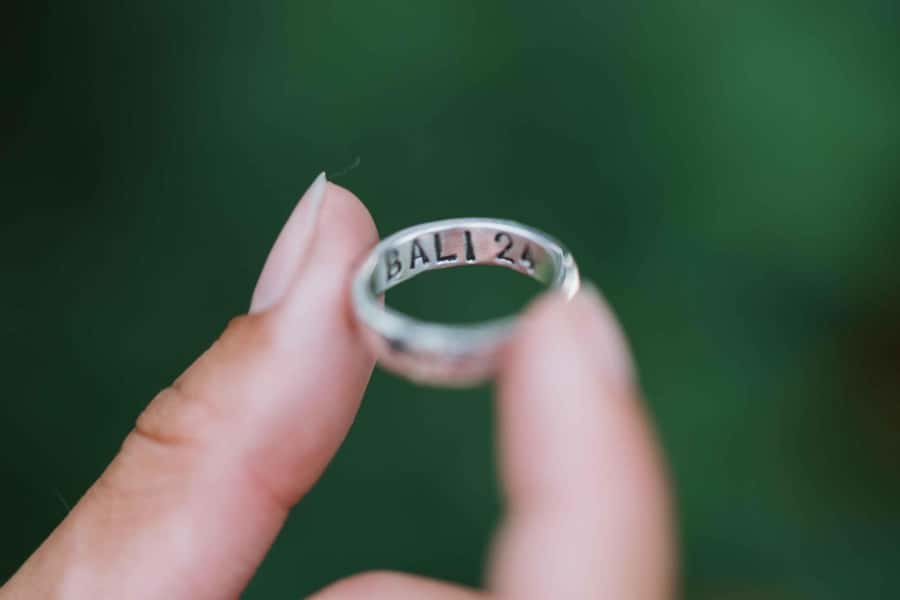
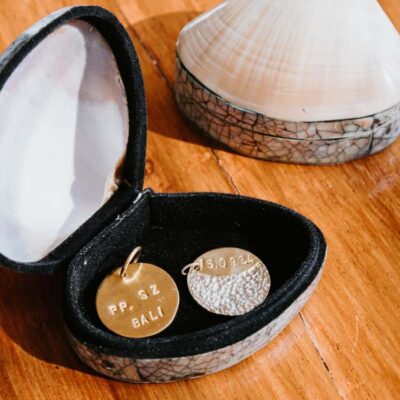
People also mention features like engraving inside rings. If you want a personal detail, ask about engraving as part of your customization. That’s the kind of upgrade that turns a nice souvenir into something that feels like a true keepsake.
The Silver Part: Understanding the 1–6 Grams You Get
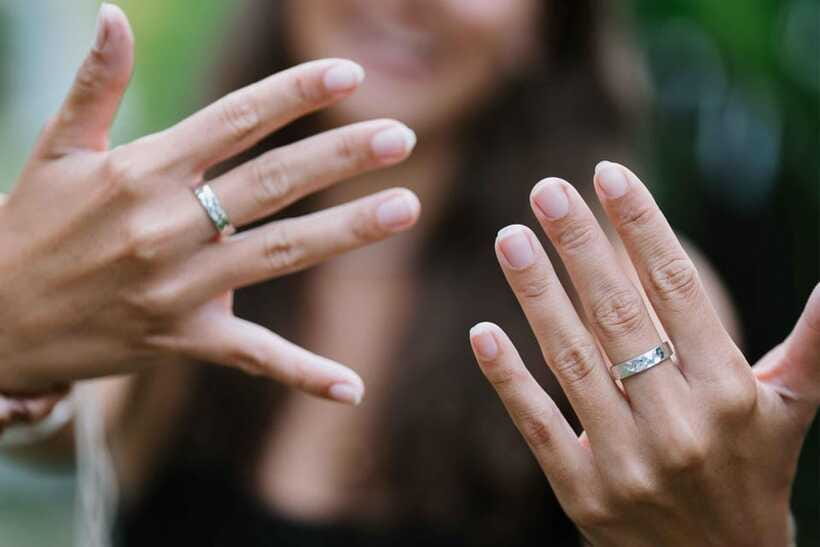
Here’s the part that determines your options: you receive pure Indonesian silver sourced from Kalimantan, with 1–6 grams included depending on what you’re making (and how your design is set up). That amount is meant to create one jewelry piece.
So what does 1–6 grams mean for you? It means you should think about the weight and complexity of the design. A thicker band, heavier pendant, or more complex form can require more silver than a simpler shape.
If you fall in love with a design that needs more material, you can purchase extra silver. The cost is listed as 85,000 IDR per gram. That’s useful to know up front so you can avoid getting surprised when you’re choosing final details.
Gold Plating and Gemstones: Customize, But Watch the Total
If silver isn’t your thing, the workshop offers gold plating as an add-on you pay for at the location. You’ll also have access to gemstones for customization, plus other finishing choices like chains or hooks you’d need for certain designs (and those aren’t listed as included).
One specific cost note from a participant: gold plating can be around 12 euros / 15 USD extra, but prices can vary by what you choose. Treat that as a rough reference, not a guarantee.
For gemstones, the value is personal. A small stone can be enough to make your ring feel special without turning the project into a money-sink. If you’re trying to keep the workshop affordable, pick one focal point—one stone, one accent—rather than building a full jewelry set in a single afternoon.
Craft Tips That Make the Day Easier
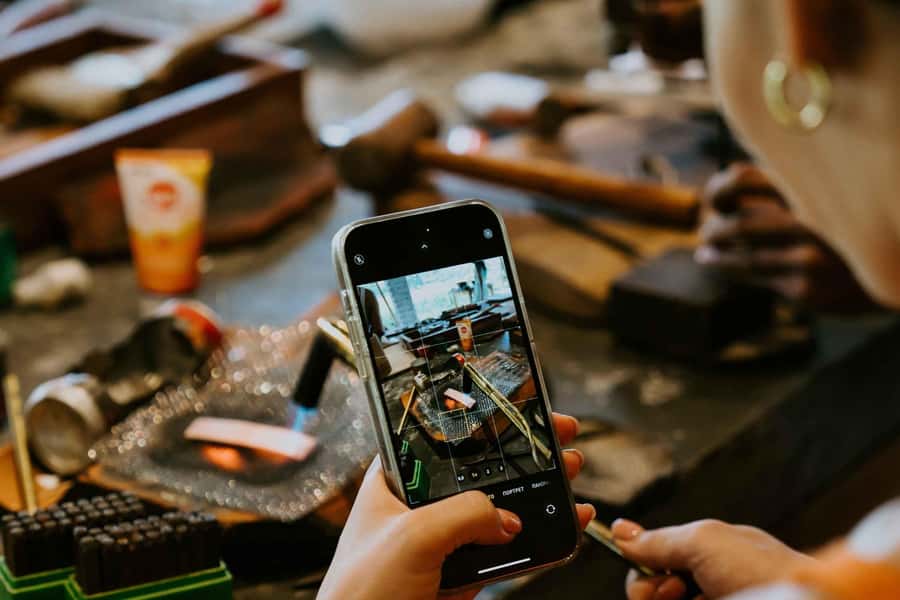
This is where the experience becomes less “guesswork” and more “I can handle this.”
- Pick a design that matches your patience. If you’re sensitive to heat or don’t want a long session, choose something simpler. More detail often equals more time at the bench.
- Ask questions early. The process moves step-by-step, and early clarity prevents rework later.
- Think about what you’ll wear every day. If you’re making a ring for daily life, comfort and fit matter. If you’re making earrings or a pendant, think about size and how it will sit on your body.
- Plan on customization costs. Even if you’re starting with included silver, add-ons like gold plating and gemstones change the final price.
In short: you get the best results when your design and your time budget align.
The Workshop Atmosphere: Why It Feels Like a Break from Ubud
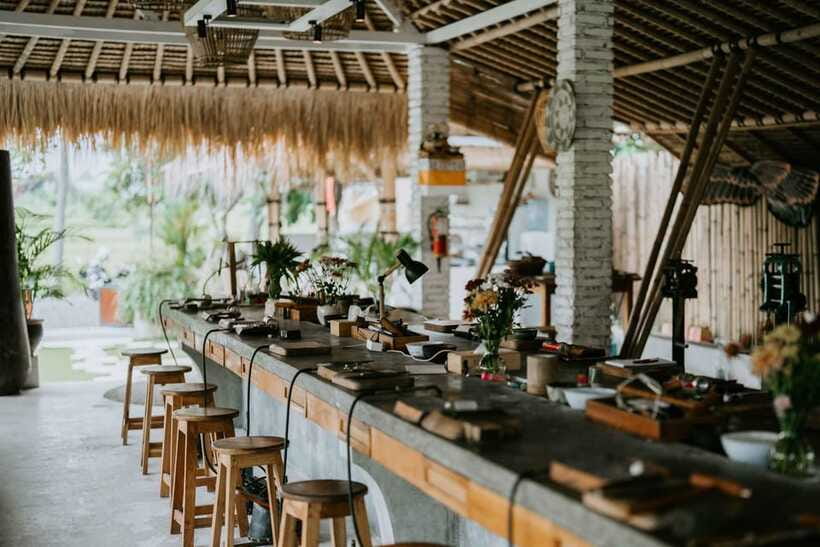
The setting is part of the product. The workshop is described as bohemian-style with a garden, surrounded by rice fields and jungle. It’s also described as away from traffic and crowds, which is exactly what you want in Ubud when you’ve already done temples all day.
Because it’s calmer, you’ll probably enjoy taking photos too. But the photos are just the bonus. The real value is that you get a quiet, guided activity with a real craft focus.
And the bar helps the mood. You’re not stuck waiting for a break. If you want coffee or a cocktail during your session, it’s available.
Who Should Book This Workshop (And Who Might Want to Skip It)
This is a great fit if you want a hands-on Bali experience that gives you something tangible to take home. It’s especially good for:
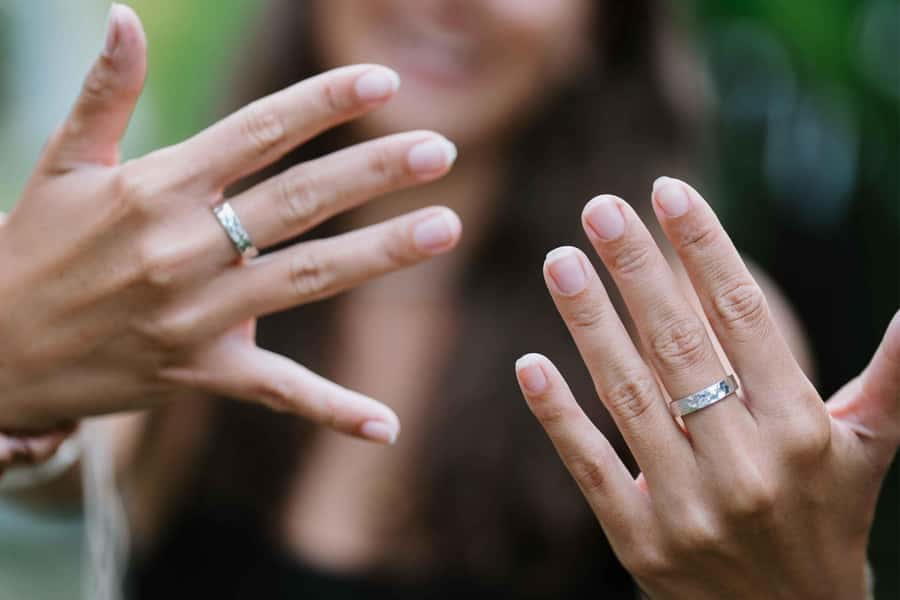
- Couples making matching rings or wedding bands
- People who like craft work and want a guided project
- Anyone who wants a unique souvenir with a personal story
- Singles who don’t want to feel like they’re stuck in a crowded group
It may be less ideal if you hate attention or you don’t want to participate at all. This is a working workshop. You’ll be doing tasks with metal and tools.
Age note: it’s not suitable for children under 4. Beyond that, it seems to work for mixed groups since staff can guide different skill levels.
Value Check: Is $46 Worth It?
Here’s how I’d judge value for this workshop:
You’re paying for
- Guided instruction from artist-instructors
- Pure silver included (1–6 grams)
- A welcome drink
- A scenic, calmer setting away from heavy crowds
You might pay extra for
- Gold plating
- Gemstones
- Extra silver if you want a heavier or more complex design
- Some components like chains or hooks, if your piece needs them
So the value is best when you treat it like a craft session, not a showroom purchase. If you leave with a piece you designed and helped make, you’re buying something with meaning, not just material.
And if you only want silver without add-ons, you can keep costs more predictable.
Should You Book Alas Arum Silver in Ubud?
Book it if you want a Bali souvenir that feels earned—something you can wear and point to later and say I made this. The rice-field setting, the guided hands-on process, and the included pure silver make it a strong deal for the time you spend.
Don’t book it if you’re trying to do this on a tight budget and you know you’ll want gold plating, stones, and extra silver. Those add-ons are where the total can climb fast.
If you want my practical recommendation: pick a design you can finish within the included silver, plan your transport buffer time, and decide your add-on budget before you start choosing gemstones. You’ll get more joy, less stress, and a ring or pendant that actually fits your day-to-day style.
FAQ
How long is the Alas Arum Silver workshop?
The experience is listed as 2 hours, but it may last 1–3 hours depending on how complex your design is.
How much does the workshop cost?
The price is $46 per person.
What’s included in the price?
You get a guided workshop with Balinese artist-instructors, rice paddy views, and 1–6 grams of pure silver to create one jewelry piece.
What’s not included?
Extra silver, gold plating, gemstones, and items like chains or hooks are not included. Transportation to the meeting point is also not included.
Can I make something other than a ring?
Yes. The workshop offers options like rings, bracelets, and earrings, and you can also create other jewelry styles depending on what you choose.
Do I get silver included, and how much?
You receive pure Indonesian silver from Kalimantan, with an included amount of 1–6 grams for one jewelry piece.
Is gold plating available?
Yes. Gold plating is available as an add-on you pay for at the location.
Are there drinks and snacks available?
Yes. You get a welcome drink, and there is an on-site bar where you can purchase additional drinks and snacks.
Do you provide transportation and what about late arrivals?
No transportation is provided. The location is accessible via Grab or Gojek, and you can be delayed only up to 10 minutes; after that, rescheduling is required.
FAQ
What languages do the instructors speak?
The instructor supports English and Indonesian.
Hands-On in Ubud
More Ubud Tours We Rate





Make Your Own Silver
Just added around Ubud
- Ubud: White Water Rafting with visit Ubud Monkey Forest
★ 5.0 · 3 reviews - Private Guided Bali Car Charter
★ 5.0 · 3 reviews - East Bali and Lempuyang Temple Tour
★ 5.0 · 3 reviews - Bali Downhill Cycling and White Water Rafting
★ 5.0 · 3 reviews - Cave Tubing Adventure in Ubud
★ 5.0 · 3 reviews
Silver Jewelry Classes, compared.
 ★ 4.9Hands-On Silver Jewelry Making Near Ubud’s Monkey ForestFrom $281,789 reviews
 ★ 5.0Ubud Silver Class Jewelry making in baliFrom $36978 reviews
 ★ 4.9Canggu: Bali Turtle Silver & Gold WorkshopFrom $49643 reviews
 ★ 4.9Ubud Silver Artistry Class: Create Unique Jewelry in BaliFrom $30374 reviews
Ubud Monkey Forest Silver Class – Craft Your Own Silver JewelryFrom $41254 reviews
★ 4.9Ubud Silver Artistry Class: Create Unique Jewelry in BaliFrom $30374 reviews
Ubud Monkey Forest Silver Class – Craft Your Own Silver JewelryFrom $41254 reviews
 ★ 5.0Ubud Bali Silver Jewelry ClassFrom $50163 reviews
 ★ 5.0Ondox Silver Class and jewelry UBUDFrom $30132 reviews
 ★ 5.0Silver Class Making Workshop with 5g of SilverFrom $3779 reviews
Browse the lists this tour appears in