
Reviewed · WORKSHOPS
Wood Carving Class
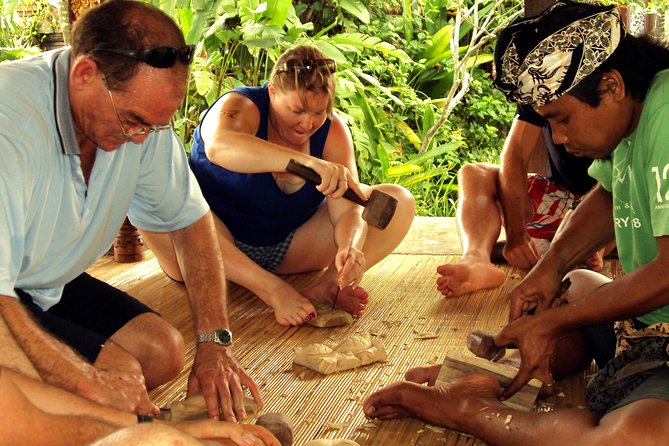
Carving wood is oddly relaxing. In Ubud, this private wood-carving class near ARMA Museum turns a plain block into a meaningful keepsake, taught at a pace you can actually follow. I especially like the undivided attention you get from your instructor, and that everything you need comes provided so you are not hunting for tools on arrival.
One thing to plan for: the 2-hour window can stretch if you take your time, especially if you are new to carving.
In This Review
- Key things to know before you start
- Ubud’s meeting spot: ARMA Museum of Art grounds
- What private carving feels like (and why you’ll want it)
- The tools, the materials, and what you actually make
- Learning technique basics: where the class becomes more than a hobby
- The itinerary flow: what happens from meeting to finish
- Timing and pacing: when 2 hours turns into craft time
- Getting your carving home: practical tips that save headaches
- Value check: $33.64 for a private workshop with real output
- Who this class suits best (and who might want to rethink)
- Should you book this wood carving class in Ubud?
- FAQ
- How long is the wood carving class in Ubud?
- Where do I meet for the workshop?
- Is this a private class?
- Are tools and materials included?
- Can beginners participate?
- Do I get to choose the start time?
- What do I receive after the class?
- What happens if the weather is bad?
- Is there free cancellation?
Key things to know before you start
- Private instruction for your group: you get dedicated help instead of watching from the sidelines
- Centuries-old technique basics: you learn the concepts and motions behind carving
- Tools and materials are provided: you bring curiosity, not a toolbox
- Simple object, real results: you finish with a souvenir you made, not just bought
- ARMA Museum setting: you can pair the class with a calm walk through the grounds
Other Ubud tours and experiences to line up next
- Hands-On Silver Jewelry Making Near Ubud’s Monkey Forest★ 4.9 · 1,789 reviews
- Ubud Cooking Class Bali with Balinese Chef★ 5.0 · 1,609 reviews
- Ubud Silver Class Jewelry making in bali★ 5.0 · 978 reviews
- Ubud: Cooking Class with Transfers and Optional Market Visit★ 4.9 · 824 reviews
Ubud’s meeting spot: ARMA Museum of Art grounds
You’ll meet at Agung Rai Museum of Art (ARMA) in Ubud, on Jl. Raya Pengosekan Ubud. This matters more than it sounds, because ARMA is not just a stop on the way—it is a pleasant place to be before and after your workshop.
The benefit: you can get your bearings fast in a familiar, easy-to-find area. The other benefit is mood. A wood-carving class goes better when you are not rushing between traffic and crowds, and ARMA’s museum-resort atmosphere is naturally slower.
If you have a flexible schedule, you can also use a little extra time to wander the museum grounds and gallery areas. One of the best practical tips from the experience is to spare time for that calm walk, because it makes the day feel more like a mini break and less like a quick activity.
What private carving feels like (and why you’ll want it)
This is a private class, meaning it’s just your group with the instructor. That one detail changes everything. In a regular class setting, you might get tips only when someone notices you are stuck. Here, you get ongoing guidance while you carve.
I also like how the class is positioned around a supportive teaching style—patient, encouraging, and very practical. Instructors you might encounter include Ketut and Wayan, both known for helping beginners without rushing them. If you are worried you will mess up, this is the kind of class where you can make mistakes and still improve.
The main consideration is that wood carving is hands-on learning. If you expect instant perfection, you may feel a little frustrated at first. But if you can treat it like skill-building (not a test), you’ll enjoy how quickly things start to come together.
The tools, the materials, and what you actually make
You should expect a straightforward, hands-on workshop. The class introduces you to the basic concepts behind modeling objects in wood, then moves into carving technique. Importantly, tools and materials are provided, so you do not need to bring anything special.
Each person carves a simple object under the instructor’s watch. That approach is smart for value and for confidence. You are not signing up for a multi-day craft project that only works if you already know what you are doing.
Practically, this means your finished piece is something you can realistically take home after about a couple of hours. It’s the difference between leaving with a photo and leaving with a souvenir that feels personal—because you made it.






Learning technique basics: where the class becomes more than a hobby
What makes this workshop work is that it teaches the building blocks, not just the final result. You get introduced to basic ideas behind shaping wood, along with the necessary tools. Then the instructor helps you apply the core carving motions to your project.
This is where a private setup shines. If your cuts are too light, too heavy, or in the wrong direction, your instructor can adjust what you are doing while you are doing it. That kind of real-time feedback is hard to get in group settings.
I also appreciate that the class frames the method as traditional. You are learning a craft that has been practiced for a long time, but you are not thrown into jargon. It’s practical technique for the beginner.
And yes, patience matters. If you carve slower, you tend to get cleaner lines and fewer corrections. That ties directly into the one drawback to watch for: plan that the session might go longer than expected if you want to do things carefully.
The itinerary flow: what happens from meeting to finish
Your class starts at ARMA Museum of Art, and the activity ends back at the meeting point. In plain terms, you meet, you get briefed, you carve, you finish, and you leave with your piece.
Because your start time is flexible, you can pick a slot that fits your day in Ubud. That is especially useful if you are also planning temple visits, rice-field stops, or day trips. You do not have to reshape your entire itinerary around one rigid morning schedule.
The workshop duration is listed as about 2 hours, but you should treat that as a starting point. If you are slow and careful, or if you are experimenting with your design choices, the session may run longer. I’d recommend giving yourself a little buffer after the class—nothing huge, just enough space that you do not feel rushed when you are still polishing details.
Timing and pacing: when 2 hours turns into craft time
Wood carving has a rhythm. The early minutes are about setting your tool and understanding how the wood responds. Then it becomes steady work—chip, adjust, check, repeat.
If you are brand new, that first stage takes longer. And if you are enjoying it, it’s easy to lose track of time. The good news is that this workshop is built for beginners, with instructors who tend to be friendly and encouraging. If you take more time, it’s not treated like a problem. It’s treated like the normal pace of learning.
So if you are booking while also planning lunch, temple tickets, or airport transfers, build in breathing room. I like the idea of carving earlier in the day or right before a slower evening block, so you can keep the mood relaxed.
Getting your carving home: practical tips that save headaches
The class gives you the tools and materials, but you still need a simple plan for transport.
- Wrap your finished piece well once you get it. Wood can get scratched in a bag fast.
- Keep it in a sturdy container or wrap inside a towel/cloth so it does not knock against other items.
- If you plan to carry it in a backpack, place it away from heavy gear.
- If your day is hot and humid, let it cool/dry in its wrapping briefly before you pack it tight.
The point is boring but real: your souvenir deserves a little protection. You’ll be proud of your work, and it’s worth keeping it looking good when you get home.
Value check: $33.64 for a private workshop with real output
At $33.64 per person, the value depends on what you compare it to. If you are thinking about buying souvenirs, this gives you something better: a keepsake with your fingerprints on it.
You are paying for a private learning moment with an instructor, plus the setup (tools and materials) that you’d normally need to buy or borrow. You are also not just watching—you are carving, and you take your result home.
Is it luxury? No. This is hands-on craft time at a fair price. And that’s usually the sweet spot in Ubud: activities that are culturally connected but still practical for everyday travelers.
Also, because the session is short, you are not committing a whole day. You can fit it into a travel schedule without sacrificing major plans. That makes the price feel more reasonable.
Who this class suits best (and who might want to rethink)
This is a great fit if you:
- Want a hands-on souvenir that feels personal
- Like learning a skill you can actually use at home later, even if you are a beginner
- Enjoy calm, cultural settings like ARMA’s museum-resort grounds
- Prefer private instruction where you can ask questions and adjust on the spot
It might be less ideal if you:
- Have a tight schedule with no buffer (the session can run over the listed 2 hours)
- Hate crafts that require careful concentration and slow, precise movements
- Only want a quick photo stop with zero effort
Weather matters for this kind of experience. The workshop requires good weather, so if conditions are poor, you may be offered a different date or a full refund. That’s not a reason to skip the class—it just means you should not book it as the single fixed anchor of your day.
Should you book this wood carving class in Ubud?
If you want a souvenir with meaning, this is an easy yes. The private setup, the provided tools, and the fact that you carve a simple object all point to a rewarding experience without needing prior skill.
I’d book it if you can spare a little time at ARMA before or after, because the museum grounds make the day feel smoother. And I’d also book with a timing buffer, since the 2 hours is approximate and patient carving can take longer.
Overall, this is one of those Ubud activities that feels like a real skill exchange, not just a transaction. If you are open to learning with guidance, you’ll leave with something you can hold up and say: I made this in Bali.
FAQ
How long is the wood carving class in Ubud?
The class lasts about 2 hours.
Where do I meet for the workshop?
You meet at Agung Rai Museum of Art on Jl. Raya Pengosekan Ubud, Ubud, Bali 80571, Indonesia. The activity ends back at the meeting point.
Is this a private class?
Yes. It’s private, so only your group participates.
Are tools and materials included?
Yes. All tools and materials are provided.
Can beginners participate?
Most travelers can participate, and the workshop includes basic carving techniques for beginners.
Do I get to choose the start time?
Yes. You can choose a start time that suits your schedule.
What do I receive after the class?
You carve a simple object and take home your handmade souvenir.
What happens if the weather is bad?
The experience requires good weather. If it’s canceled due to poor weather, you’ll be offered a different date or a full refund.
Is there free cancellation?
Yes. You can cancel for a full refund up to 24 hours before the experience’s start time.
Hands-On in Ubud




More Ubud Tours We Rate





Just added around Ubud
- Ubud: White Water Rafting with visit Ubud Monkey Forest
★ 5.0 · 3 reviews - Private Guided Bali Car Charter
★ 5.0 · 3 reviews - East Bali and Lempuyang Temple Tour
★ 5.0 · 3 reviews - Bali Downhill Cycling and White Water Rafting
★ 5.0 · 3 reviews - Cave Tubing Adventure in Ubud
★ 5.0 · 3 reviews
Workshops, compared.
 ★ 4.9Hands-On Silver Jewelry Making Near Ubud’s Monkey ForestFrom $281,789 reviews
 ★ 5.0Ubud Cooking Class Bali with Balinese ChefFrom $351,609 reviews
 ★ 5.0Ubud Silver Class Jewelry making in baliFrom $36978 reviews
 ★ 4.9Cooking Class with Transfers and Optional Market VisitFrom $21824 reviews
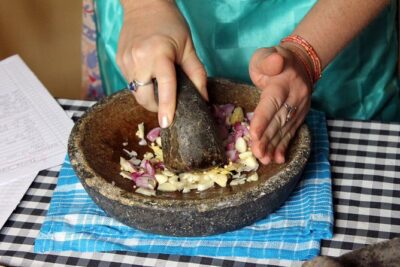 ★ 5.0PRIVATE Authentic Balinese Cooking Class in Ubud at Putu’s HomeFrom $75644 reviews
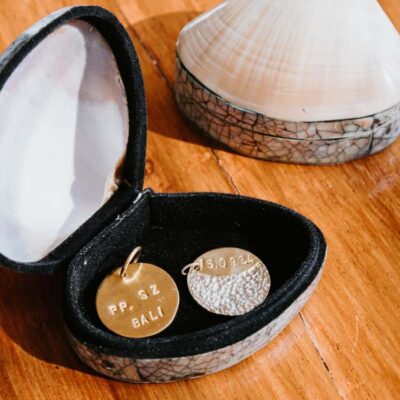 ★ 4.9Canggu: Bali Turtle Silver & Gold WorkshopFrom $49643 reviews
 ★ 4.8Balinese Cooking Class and Market TourFrom $23531 reviews
 ★ 5.0Balinese Farm Cooking Class by Pemulan BaliFrom $39410 reviews
Browse the lists this tour appears in