
Reviewed · WORKSHOPS
Ubud: Traditional Balinese Music Lesson
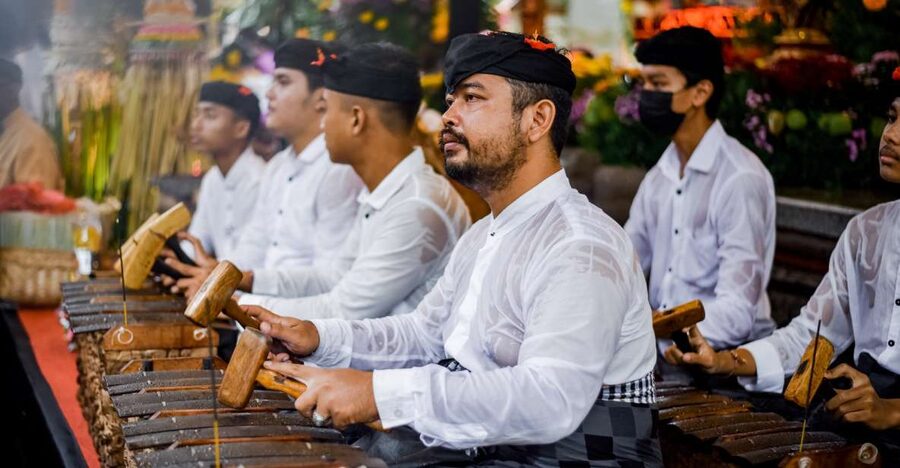
Two hours of Balinese music you can actually play. In this Ubud lesson, I love how Putu explains the background of gamelan first, then hands you an instrument so the history turns into real sound. I also like the small-group setup that makes it easier to get coaching while you’re making noise. One possible drawback: this is an active class, so it’s not the place to come just for a sit-down performance.
The rhythm work centers on gamelan selonding, and you’ll practice in the ensemble, not alone with a workbook. You can expect instruction in English and Indonesian, plus lots of patience if you’re brand-new to Balinese music. Just keep in mind that you’re learning by listening and doing, not by reading sheet music.
In This Review
- Key takeaways before you go
- Ubud Gamelan at Pondok Permata: the setting and vibe
- The 2-hour flow: how the lesson moves from story to sound
- Step 1: Balinese gamelan history (so the rhythms mean something)
- Step 2: Technique (how to play, not just what to hit)
- Step 3: Practice as an ensemble (this is the moment it clicks)
- What you learn in the class: gamelan selonding and the skills that matter
- Why the small group size (up to 6) is a big deal
- The teacher: Putu’s background and teaching style
- Price and value: is $22 per person fair for a 2-hour gamelan class?
- Balinese vs Western music: what you can expect to talk about
- What to bring, how to prepare, and what to wear
- The best part for beginners: learning without feeling lost
- The ensemble payoff: playing as a group by the end
- Common considerations before you book
- Should you book this Ubud Balinese music lesson?
- FAQ
- Where does the gamelan lesson start?
- How long is the Balinese music class?
- How much does it cost?
- Is it a small group?
- What language will the instructor use?
- What music will you learn to play?
- Is the lesson only theory or hands-on practice?
- Are alcohol or drugs allowed?
- Can I cancel, and is there pay later?
Key takeaways before you go
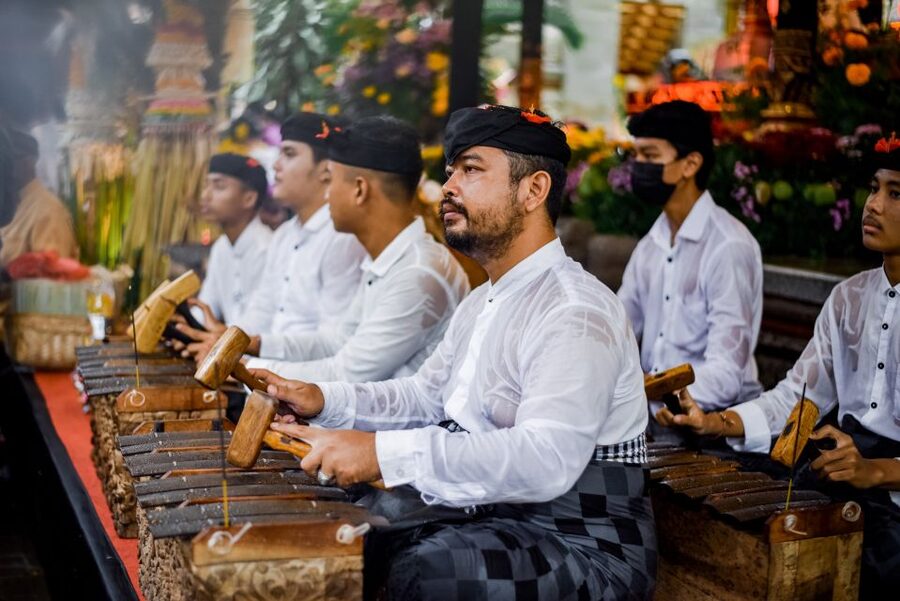
- History first, then instruments: you start with the history of Balinese gamelan before technique practice.
- Technique that transfers to real playing: you learn how to play Balinese instruments, then you practice immediately.
- Ensemble learning beats solo practice: you’ll play together as a group and learn how the parts lock in.
- Short-song payoff: many students leave able to play a complete theme or a simple song by the end.
- Pondok Permata is the classroom: the lesson happens at Pondok Permata homestay, then you finish back there.
- Small group size (up to 6): fewer people means more personal attention.
Other Ubud tours and experiences to line up next
- Hands-On Silver Jewelry Making Near Ubud’s Monkey Forest★ 4.9 · 1,789 reviews
- Ubud Cooking Class Bali with Balinese Chef★ 5.0 · 1,609 reviews
- Ubud Silver Class Jewelry making in bali★ 5.0 · 978 reviews
- Ubud: Cooking Class with Transfers and Optional Market Visit★ 4.9 · 824 reviews
Ubud Gamelan at Pondok Permata: the setting and vibe
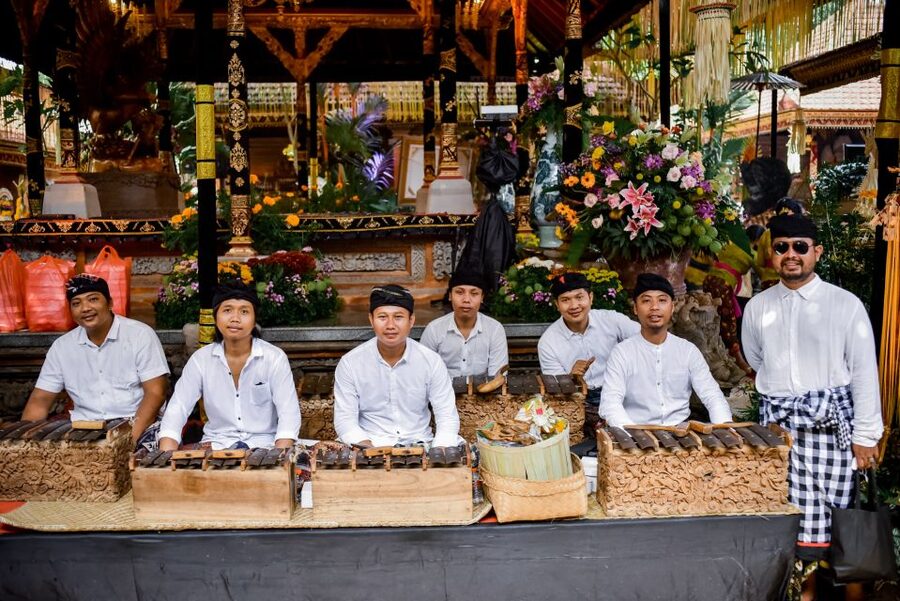
This class is built around a simple idea: you learn Balinese music by making it, with a real teacher and a real ensemble. The meeting point is Pondok Permata homestay, and the lesson takes place right there. That matters, because you’re not shuttled around to a showroom or a stage setup that feels removed from local life.
The teaching space also tends to feel more personal than the big group workshops you sometimes see in Bali. Several students highlight that it can feel close-up and even private when the group is small. With a max of 6 participants, you’re less likely to spend the whole time waiting your turn.
One more practical note: there’s a clear rule about no alcohol and no drugs. If you’re thinking of this as a casual hang, plan for a more focused, respectful cultural session instead.
The 2-hour flow: how the lesson moves from story to sound
The structure is straightforward and, honestly, smart. You start with context, then you move to technique, and finally you practice together. The class is 2 hours, and you can pick from available starting times.
Step 1: Balinese gamelan history (so the rhythms mean something)
Before anyone hands you an instrument, Putu explains the history of Balinese gamelan. This isn’t filler. When you learn why a musical system developed the way it did, the patterns you repeat later feel less like random tapping and more like a living tradition.
The best part here is that the history connects to how the ensemble behaves. In Balinese music, the group sound is the point—so learning the story helps you understand why you’re playing in parts and listening for others, not just trying to hit your notes perfectly.






Step 2: Technique (how to play, not just what to hit)
Next comes technique: you learn how to play the Balinese instruments used in the class. Even if you’ve never touched percussion, you’ll get guidance on the basics—how to strike, how to coordinate your timing, and how to keep your part steady within the ensemble.
Several students mention that the teaching is structured and paced well. You’re not just thrown into the hardest part on minute one. The lesson builds in a way that helps you hear the music as it takes shape.
Step 3: Practice as an ensemble (this is the moment it clicks)
Then it’s hands-on practice for the remaining time. This is where the value really shows. You don’t just watch. You play together, following cues from the leader and aligning your part with the group.
One review highlights the joy of playing together by heart and soul—wording matters here. The class isn’t only about technical accuracy. It’s also about rhythm awareness: you learn how your instrument fits into the bigger sound.
What you learn in the class: gamelan selonding and the skills that matter
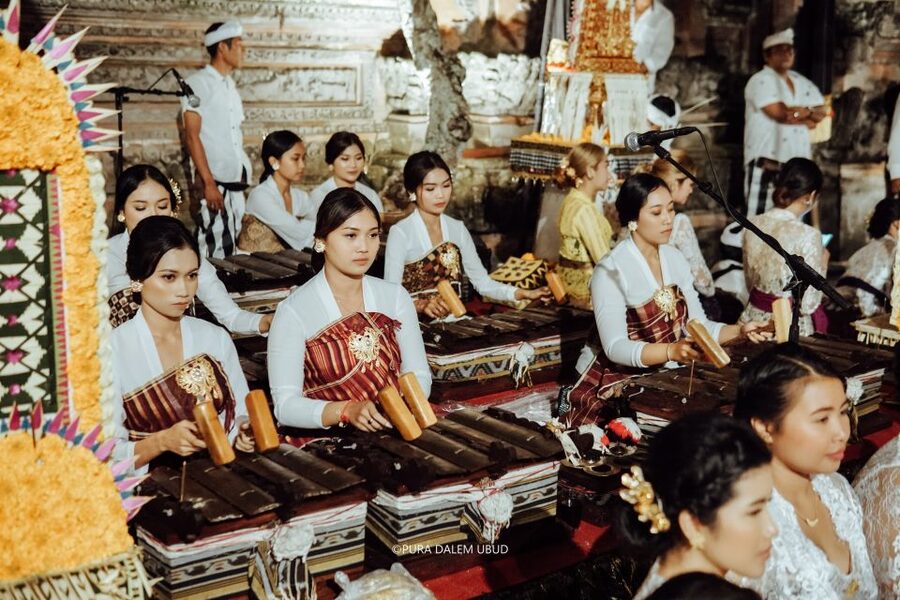
This experience specifically focuses on traditional Balinese music called gamelan selonding. That’s important because selonding has its own feel and identity within the broader gamelan world. You’re not getting a generic introduction to “Bali percussion.” You’re learning a particular musical system, with a teacher who connects it to technique and tradition.
You’ll learn three main things:
- History and cultural context of Balinese gamelan
- How to play the instruments in the ensemble
- Practice time where you work on a song or theme together
A big theme in the reviews is how much of the learning is practical. Even if you’re not a musician, you still get pulled into real playing, and you get coaching when you struggle.
And here’s a detail that matters for musicians: one student specifically mentions Putu being able to talk about differences between Balinese and Western tonalities. If you’re the kind of person who likes theory, this class gives you language for what you’re hearing—without turning the lesson into a lecture.
Why the small group size (up to 6) is a big deal
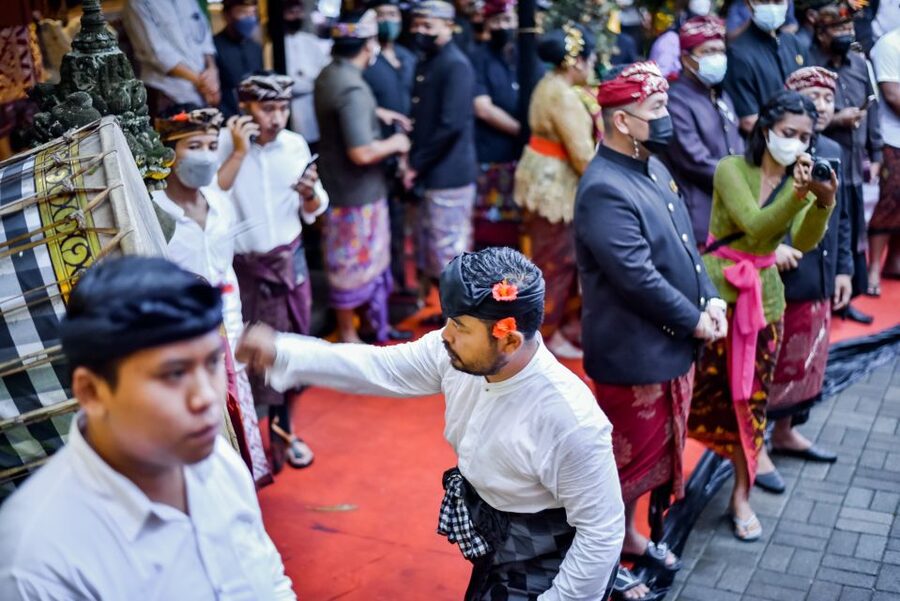
In music lessons, attention is everything. With up to 6 participants, you’re more likely to:
- receive direct feedback while you play,
- switch or adjust technique without long downtime,
- hear how other parts interlock because you can actually stay engaged.
Some of the strongest feedback notes that the experience can feel very personal, even close to one-on-one when the group is tiny. That’s a clear advantage in a hands-on activity like this, where timing and coordination are the whole point.
Also, ensemble playing depends on listening. In a bigger group, you can easily get lost in the noise. In a smaller one, you’re far more likely to feel what the ensemble is doing.
The teacher: Putu’s background and teaching style
The instructor is Putu, a musician in Bali who has been teaching Balinese music for around 16 years. He studied at the Art University in Bali, learning how to play traditional Balinese music.
Teaching for 16 years means something practical: the lesson likely has a reliable rhythm, like the teacher knows where beginners get stuck. That shows up in multiple reviews that praise how patient, clear, and encouraging Putu is during playing practice.
One review also mentions a teacher named Dodo (and another uses Du-du). The names are inconsistent across writeups, but the takeaway is consistent: the instruction is professional, structured, and designed to get you playing as a group.
Price and value: is $22 per person fair for a 2-hour gamelan class?
At $22 per person for 2 hours, this class sits in the range of what many travelers consider a good value lesson in Ubud. Here’s why it feels worth it:
- You’re not just hearing music—you’re learning the technique and practicing with instruments.
- The group is limited to 6, so you’re paying for access to coaching and ensemble time.
- You get context (history of Balinese gamelan and cultural explanation), not just a hands-on session without meaning.
If you’ve done the type of class where you watch someone else play and you only tap along for a minute, this won’t feel like that. The repeated praise is about real playing and a short-song or theme payoff by the end.
Balinese vs Western music: what you can expect to talk about
One of the nicer surprises in this kind of class is that you can leave with a vocabulary for what you heard. In fact, one student specifically liked the discussion of differences between Balinese and Western tonalities.
So if you’ve ever wondered why Balinese music sounds different even when it seems rhythm-based, this is where you can ask. Putu’s background includes formal study, and students mention that the instructor can connect traditional knowledge passed down from elders with university learning in both Balinese and Western music.
Even if you’re not theory-minded, the practical effect is simple: you’ll listen differently afterward. You’ll stop treating it as just percussion and start hearing patterns, roles, and the way the ensemble builds.
What to bring, how to prepare, and what to wear
The tour data doesn’t list a required dress code, but you’re actively playing instruments. So aim for comfortable clothing that lets you move and sit easily.
You should also be ready to follow instructions in English or Indonesian. If you only speak one language, it still works, since the class is described as English, Indonesian instruction.
One more thing: since the rules say no alcohol and drugs, keep your meetup calm and focused. Think of this as a cultural workshop where attention matters.
The best part for beginners: learning without feeling lost
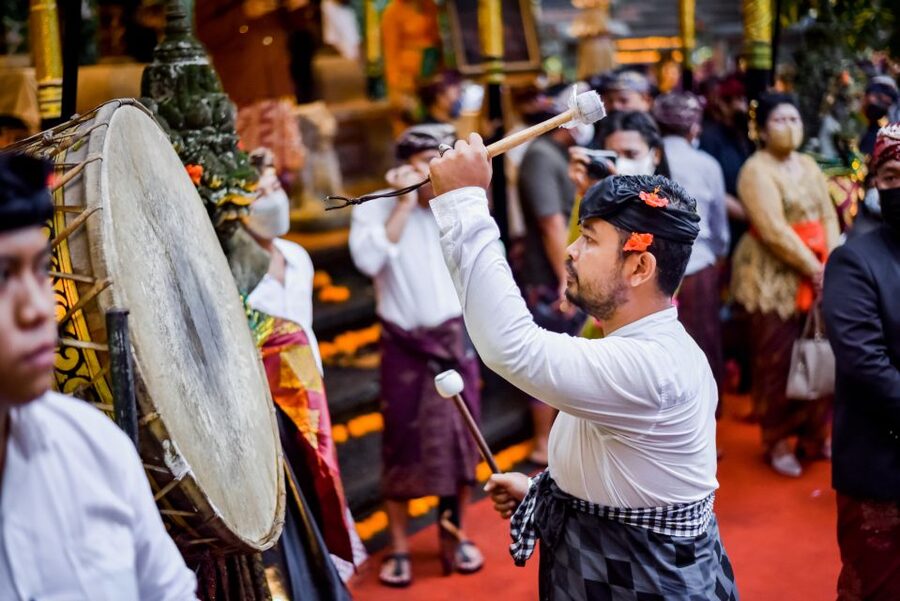
A common worry with music classes is embarrassment. This one is designed to avoid that. Reviews repeatedly mention how patient the teacher is and how the lesson is structured so you make progress.
If you’re musical, you’ll likely appreciate the technical coaching. If you’re not, you’ll still get value from:
- understanding the basics of gamelan playing,
- learning your part within the ensemble,
- hearing a song take shape as you practice.
One review highlights that even as a professional musician, the lesson worked because it had technical and musical depth. Another says it’s recommended even if you’re not a musician. That’s a good sign that the class isn’t pretending to be advanced for beginners, or watered down for experienced players.
The ensemble payoff: playing as a group by the end
Several reviews mention a satisfying end result: by the final stretch, students are able to play a theme or a short song with Putu. That’s exactly what you want from a 2-hour experience—something you can remember by sound, not only by video footage.
And speaking of video: one student mentions taking nice videos to share later. That’s a practical reason to pay attention during the lesson. The parts you learn early become easier to record confidently later, since you’re not just reacting—you’re participating.
Also, you may not rely on music scores. One review notes that Putu taught a song without music scores. That means you’ll learn by cues, repetition, and group alignment—classic ensemble training.
Common considerations before you book
This class is ideal if you want authentic cultural interaction and a hands-on outcome. But keep these considerations in mind:
- It’s not a quick photo stop. You should plan to show up ready for active practice.
- Because it’s ensemble-based, timing and listening matter. If you’re tired, you may find it harder to lock in.
- The starting time depends on availability, so check schedules before you assume it fits neatly into your day.
Should you book this Ubud Balinese music lesson?
Book it if you want a real Balinese music experience where you play gamelan selonding, not just watch. It’s especially worth it for anyone who likes cultural context plus practical skills, and for people who enjoy learning by doing.
Skip it if you’re only after passive entertainment or you want a lesson that feels more like a guided tour than a working music workshop. Also, if you’re hoping for a long, deep theory course, this one is focused: you get history, technique, then playing, all within 2 hours.
If you’re choosing between a couple Ubud activities, this is the one that gives you an actual sound you can carry home.
FAQ
Where does the gamelan lesson start?
The experience starts at Pondok Permata homestay, where the music lesson takes place.
How long is the Balinese music class?
The duration is 2 hours. Starting times depend on availability.
How much does it cost?
It costs $22 per person.
Is it a small group?
Yes. It’s limited to 6 participants.
What language will the instructor use?
The instructor teaches in English and Indonesian.
What music will you learn to play?
You’ll learn traditional Balinese music called gamelan selonding and how to play the instruments used in that ensemble.
Is the lesson only theory or hands-on practice?
It’s a mix, with explanation of the history of Balinese gamelan, technique instruction, and practice time on the instruments.
Are alcohol or drugs allowed?
No. Alcohol and drugs are not allowed.
Can I cancel, and is there pay later?
Free cancellation is available up to 24 hours in advance for a full refund. You can also reserve now and pay later.
Hands-On in Ubud




More Ubud Tours We Rate





Just added around Ubud
- Ubud: White Water Rafting with visit Ubud Monkey Forest
★ 5.0 · 3 reviews - Private Guided Bali Car Charter
★ 5.0 · 3 reviews - East Bali and Lempuyang Temple Tour
★ 5.0 · 3 reviews - Bali Downhill Cycling and White Water Rafting
★ 5.0 · 3 reviews - Cave Tubing Adventure in Ubud
★ 5.0 · 3 reviews
Workshops, compared.
 ★ 4.9Hands-On Silver Jewelry Making Near Ubud’s Monkey ForestFrom $281,789 reviews
 ★ 5.0Ubud Cooking Class Bali with Balinese ChefFrom $351,609 reviews
 ★ 5.0Ubud Silver Class Jewelry making in baliFrom $36978 reviews
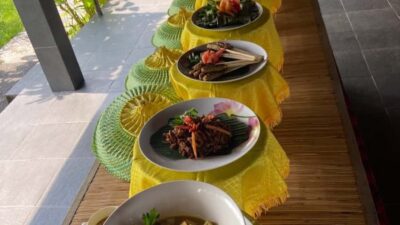 ★ 4.9Cooking Class with Transfers and Optional Market VisitFrom $21824 reviews
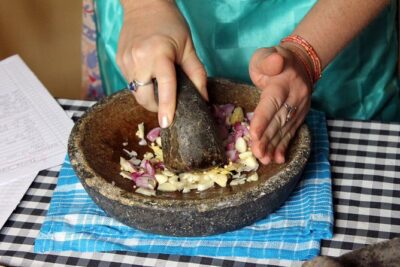 ★ 5.0PRIVATE Authentic Balinese Cooking Class in Ubud at Putu’s HomeFrom $75644 reviews
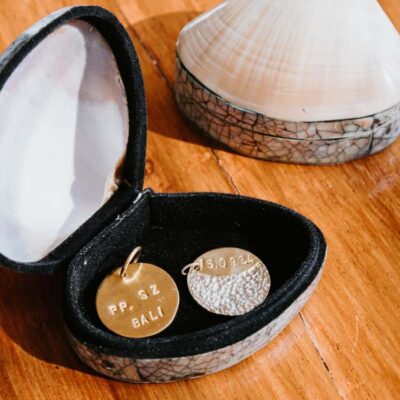 ★ 4.9Canggu: Bali Turtle Silver & Gold WorkshopFrom $49643 reviews
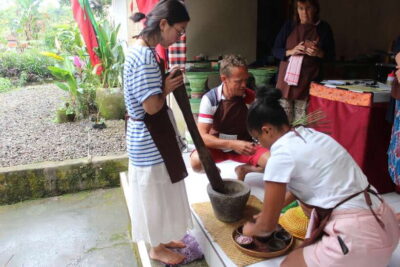 ★ 4.8Balinese Cooking Class and Market TourFrom $23531 reviews
 ★ 5.0Balinese Farm Cooking Class by Pemulan BaliFrom $39410 reviews
Browse the lists this tour appears in