
Reviewed · WORKSHOPS
Ubud: Three- hour Balinese Decorative Fruit Carving Class
A melon flower in three hours sounds too easy. This Ubud class at WS Art Studio Balinese Handicrafts is a hands-on lesson in Balinese decorative fruit carving, taught step-by-step so you can actually do it, not just watch. I especially liked the friendly instructor energy and how quickly you get from first cuts to a finished showpiece.
Two things I’d point you toward: the small group size (so you get real help) and the clear focus on technique, so your carving looks intentional instead of accidental. One consideration: transportation is on you, and the studio can feel a bit out of the way, so plan your ride and aim to arrive with a few minutes to spare.
In This Review
- Key Takeaways Before You Pick Up a Knife
- Why This Ubud Fruit Carving Class Feels Like a Real Skill
- Getting to WS Art Studio: Plan Your Ride in Advance
- Inside the 3 Hours: What You’ll Actually Do
- Check-in, drink, and snack
- Safety and first knife confidence
- Learning the decorative fruit basics
- Your first centerpiece: melon flower
- Extra decorating options if you have time
- Wrap-up and taking your work with you
- The Real Value: What You Can Copy at Home
- Price and What’s Included: Is $24 Actually Fair?
- Who This Bali Activity Fits Best (And Who Might Skip It)
- A Few Logistics Notes That Can Affect Your Mood
- Should You Book This Ubud Fruit Carving Class?
- FAQ
- How long is the Balinese decorative fruit carving class in Ubud?
- What does the class cost?
- What’s included in the $24 price?
- Do you provide transportation to the class?
- Where is the meeting point?
- What language is the class taught in?
- Is it refundable if plans change?
Key Takeaways Before You Pick Up a Knife
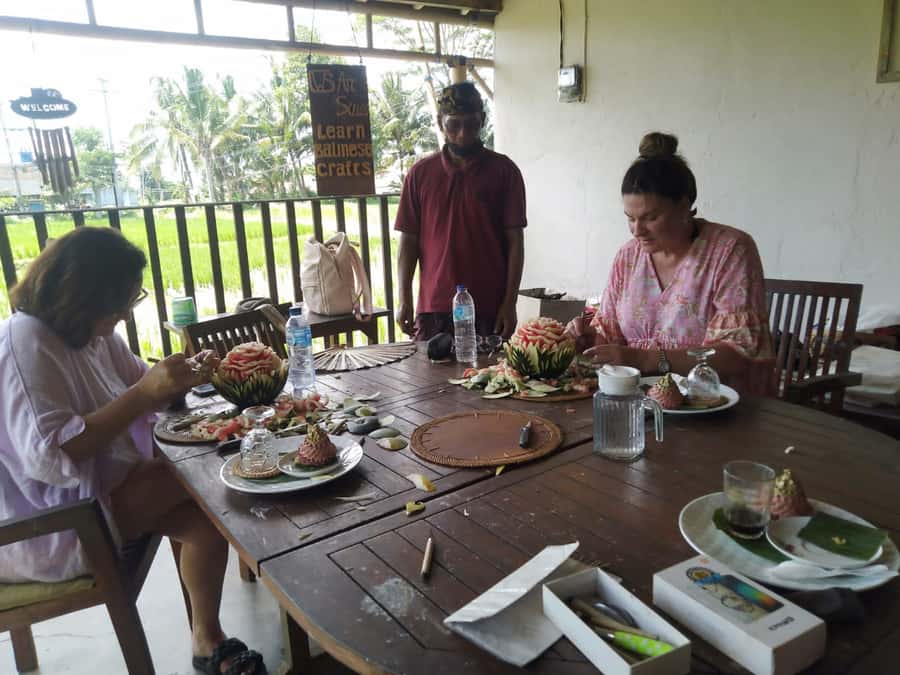
- Small group help: limited to 10 participants, with English and Indonesian support.
- You take something home: you’ll leave with your first carved melon flower creation.
- Included snacks keep you going: water plus tea or coffee and a Balinese cake.
- Pace matters: the class is listed as 3 hours, but you’ll still want to focus hard in the beginning.
- Good for beginners: the whole setup is built for newbies using safe, small carving knives.
Other Ubud tours and experiences to line up next
- Hands-On Silver Jewelry Making Near Ubud’s Monkey Forest★ 4.9 · 1,789 reviews
- Ubud Cooking Class Bali with Balinese Chef★ 5.0 · 1,609 reviews
- Ubud Silver Class Jewelry making in bali★ 5.0 · 978 reviews
- Ubud: Cooking Class with Transfers and Optional Market Visit★ 4.9 · 824 reviews
Why This Ubud Fruit Carving Class Feels Like a Real Skill
If you only do Bali checkboxes, you miss the fun stuff. This class is different because it teaches a craft you can repeat at home. After a couple of short rounds of practice, you’re not just making decorations. You’re learning how to control depth, angle, and shape—so your fruit stops looking like fruit and starts looking like a table centerpiece.
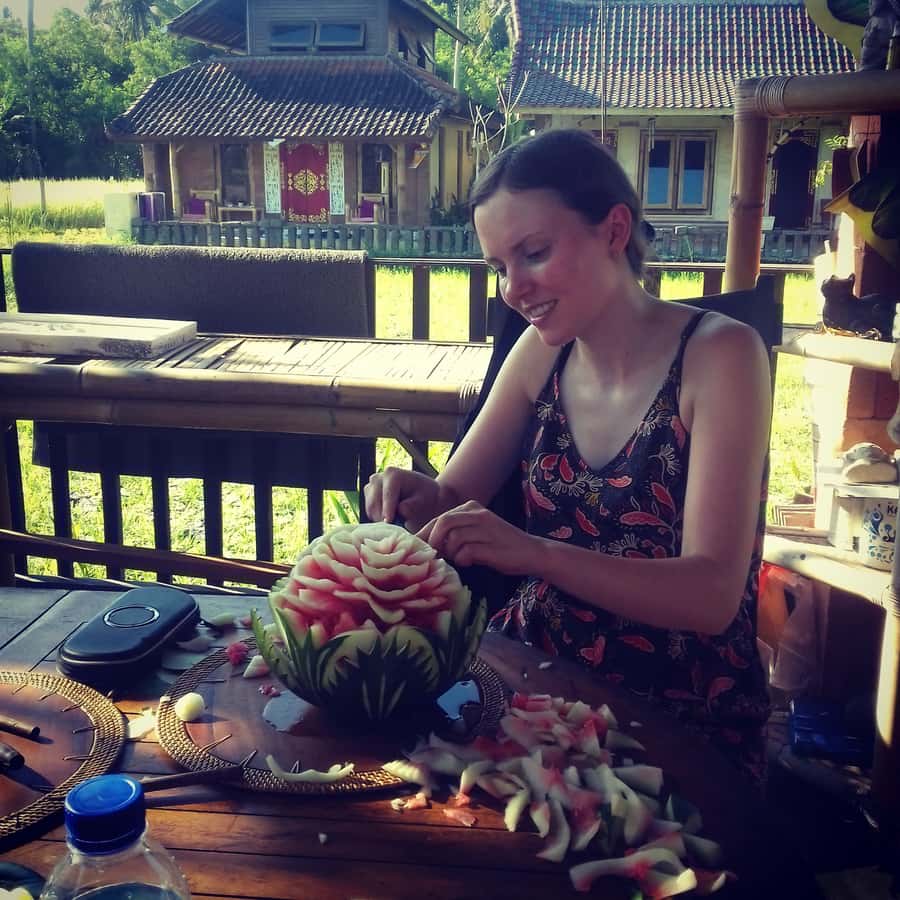
I love classes like this because they’re compact. You get a real outcome in three hours, not a half-day of vague inspiration. And when your finished piece is sitting in front of you—like a watermelon rose look—you instantly understand what the teacher was saying.
Also, it’s a great break from the heat and the scooters. You’re in a studio setting, working at a steady pace, with a teacher who’s there to guide you through the basics without making you feel behind.
One more thing: Ubud has no shortage of workshops, but a fruit carving lesson hits a sweet spot. It’s practical, visual, and cheap enough that you can justify doing it even if your Bali plan is already packed.
Getting to WS Art Studio: Plan Your Ride in Advance
The big logistics point is simple: no transportation is provided. That means you’ll need your own way to WS Art Studio Balinese Handicrafts.
This matters because location can change how enjoyable the first 30 minutes feel. If you’re stressed about traffic, you’re less likely to pay attention to knife handling and the early carving steps. In Ubud, I’d treat this like a real appointment: leave a little buffer time and arrive ready to listen.
A practical tip: if you’re using ride-hailing, plan for a common Ubud pickup. Motorbike taxis are often the quickest route through tighter areas. If you prefer more comfort, you can choose a car where it’s allowed, but the simplest approach is usually the quickest pickup.
The good news: the class meeting info is straightforward. You’ll meet at WS Art Studio Balinese Handicrafts, and the welcome process includes a drink and snack, so even if you arrive thirsty, you won’t start empty-handed.
Accessibility-wise, this class is listed as wheelchair accessible, which is a big plus for an activity involving a seated hands-on craft.
Inside the 3 Hours: What You’ll Actually Do
This is a skill class, not a show. The format is built around a teacher demonstrating, then guiding you while you practice. You’ll want to take the early instructions seriously because the basics are what make the later decorations look clean.






Check-in, drink, and snack
When you arrive, you get a welcome drink (water plus tea or coffee) and a Balinese cake as a snack. It’s a small touch, but it helps the class feel like more than just an activity ticket. You can settle in, meet your small group, and focus on the craft instead of thinking about where your next drink is coming from.
Safety and first knife confidence
Because you’ll use a small, sharp carving knife, the class includes guidance for safe handling. You don’t need to be a “craft person.” The whole point is that this is beginner-friendly and mistake-proof in structure.
I like this part because it reduces the intimidation factor. Once you understand how to hold the knife and how much pressure to use, the carving suddenly becomes manageable.
Learning the decorative fruit basics
After the initial setup, you’ll work through decorative fruit carving basics. Even if you don’t know any carving terms, you can follow the method: the teacher shows you cuts, explains what the shape is supposed to become, then has you copy the approach.
Fruit carving looks magical, but the results come from repeatable steps—think controlling small slices, working with wedges, and refining edges so they read as petals or leaves.
Your first centerpiece: melon flower
You’ll return from the class with your first carved melon flower. This is the money moment. It’s what you’ll show later when someone asks how you did it.
One of the nice things about choosing a melon flower as the first real project is that it’s instantly recognizable. Even if you’ve never carved anything before, you can see what success looks like while you’re still working.
Extra decorating options if you have time
The lesson is scheduled for 3 hours, and the pace can vary by group. Some people end up finishing faster and may get extra simple table decoration ideas. Others take longer on the carving fundamentals so the session still feels complete.
Either way, the class is designed so you aren’t left thinking you wasted your time. You’ll have enough to feel proud of what you made, and you’ll leave knowing how to repeat it later.
Wrap-up and taking your work with you
By the end, you should be set up to entertain at home with your new skill. The class outcome isn’t just a photo. It’s something you can recreate when you have friends over—especially for casual dinners where a simple centerpiece makes the whole table feel intentional.
The Real Value: What You Can Copy at Home
Here’s what I’d tell you to look for in any workshop: do you leave with a repeatable method, or just a one-time souvenir?
This class leans strongly toward repeatable. You learn basics you can practice again and again. Once you have the core cuts down, you can start experimenting with more shapes without needing a second teacher.
So when you’re back home, you can use the carving skill for:
- A weekend dinner centerpiece
- Fruit trays that look like someone tried
- Quick party table details without buying extra decorations
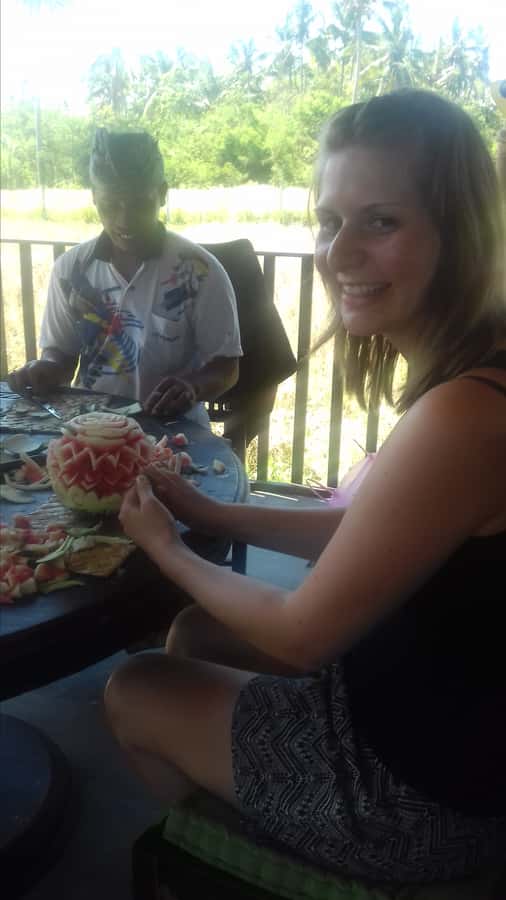
And if you want to impress without effort, carved watermelon rose-style results work because they’re both eye-catching and understandable. You aren’t trying to replicate museum-level sculpture. You’re creating something decorative that reads instantly from across the room.
Also, since it’s a beginner class, you don’t need special tools beyond what the class provides. The main thing is confidence—small, controlled practice.
Price and What’s Included: Is $24 Actually Fair?
$24 for a 3-hour workshop in Ubud is the kind of price that makes you consider it even with a packed schedule. The value isn’t just time. It’s what you get during that time.
Here’s what’s included:
- 3 hours of instruction and hands-on carving basics
- Welcome drink of water plus tea or coffee
- Balinese cake snack
- A class format appropriate for people old enough to safely use a small sharp knife
When I look at value, I don’t only think about the course. I think about alternatives. If you spend $24 on a meal and a drink, you get one evening. If you spend $24 on a skill session, you get the evening plus something you can use again and again.
The only cost you’ll need to plan for is transportation, since it’s not included. And depending on where you’re staying, that could be the difference between this feeling like a bargain or a slightly pricier afternoon. Still, even with transport, it’s generally easy to justify because the experience outcome is tangible.
You’ll also find other liquids available for sale, but the main drink and snack are included, so you’re not forced into extra spending just to make the class comfortable.
Who This Bali Activity Fits Best (And Who Might Skip It)
This isn’t a “kids can join too” type of class. It’s not suitable for children under 9 years old, and it’s also not suitable for children under 3 ft (90 cm). The reason is practical: it involves a small sharp knife.
So this works best if:
- You’re an adult or older teen
- You like hands-on activities
- You want a creative skill instead of another tour photo stop
- You’ll enjoy practicing a method, even if your first attempt isn’t perfect
It’s also ideal if you’re traveling with someone who wants a calm, focused activity. The small group size (limited to 10 participants) helps keep the atmosphere manageable and supportive.
If you’re worried you won’t be steady with a knife, don’t stress too much. The class is built for beginners and structured around clear guidance. You’ll still need concentration, but you’re not being thrown into the deep end.
A Few Logistics Notes That Can Affect Your Mood
Even great classes can feel annoying if the logistics get sloppy. Based on real experiences, here are the practical things to watch:
- Timing and pace: the class is 3 hours, but your experience can stretch or tighten depending on how quickly you pick up the steps. Show up early enough to settle in so you can keep up with the flow.
- Material and ideas: some sessions run with enough time for extra decoration ideas, while others may focus more tightly on getting the core project done. The key is to pay attention to the basics first—those are what you’ll use at home.
- Location: it may be a little out of the way depending on where you’re staying. Plan your ride so you don’t start the class worried about being late.
Also, the instructor experience level matters. The better your teacher interaction, the better your confidence. This class is designed to be friendly for first-timers, and many people walk out feeling like they’re experts simply because the steps are clear and repeatable.
Should You Book This Ubud Fruit Carving Class?
I think you should book it if you want something creative that turns into a real party trick. This is one of the better “Bali activity” choices because it gives you a skill with an obvious payoff: you can make a melon flower at home, and you can do it in front of friends without needing a speech.
Book it especially if:
- You like learning crafts and want hands-on instruction
- You’re traveling with someone who prefers quieter, focused activities
- You’d rather bring home a skill than another souvenir
Skip it (or consider another option) if:
- You don’t want to use a knife at all, even a small one
- You need transportation included and don’t want to manage a ride
- You’re bringing younger kids who don’t meet the age/height guidelines
For $24, three hours, drinks and snack included, it’s a solid value. If you show up ready to practice, you’ll leave with the kind of result that makes people ask how you learned it.
FAQ
How long is the Balinese decorative fruit carving class in Ubud?
The class lasts 3 hours.
What does the class cost?
The price is $24 per person.
What’s included in the $24 price?
You’ll get instruction in decorative fruit carving basics, a welcome drink (water and tea or coffee), and a Balinese cake snack.
Do you provide transportation to the class?
No. Transportation is not included, so you’ll need to arrange your own way to the meeting point.
Where is the meeting point?
The meeting point is WS Art Studio Balinese Handicrafts.
What language is the class taught in?
Instruction and support are available in English and Indonesian.
Is it refundable if plans change?
Yes. There’s free cancellation up to 24 hours in advance for a full refund. You can also reserve now & pay later to keep plans flexible.
Hands-On in Ubud




More Ubud Tours We Rate





Just added around Ubud
- Ubud: White Water Rafting with visit Ubud Monkey Forest
★ 5.0 · 3 reviews - Private Guided Bali Car Charter
★ 5.0 · 3 reviews - East Bali and Lempuyang Temple Tour
★ 5.0 · 3 reviews - Bali Downhill Cycling and White Water Rafting
★ 5.0 · 3 reviews - Cave Tubing Adventure in Ubud
★ 5.0 · 3 reviews
Workshops, compared.
 ★ 4.9Hands-On Silver Jewelry Making Near Ubud’s Monkey ForestFrom $281,789 reviews
 ★ 5.0Ubud Cooking Class Bali with Balinese ChefFrom $351,609 reviews
 ★ 5.0Ubud Silver Class Jewelry making in baliFrom $36978 reviews
 ★ 4.9Cooking Class with Transfers and Optional Market VisitFrom $21824 reviews
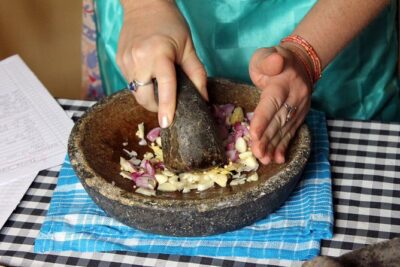 ★ 5.0PRIVATE Authentic Balinese Cooking Class in Ubud at Putu’s HomeFrom $75644 reviews
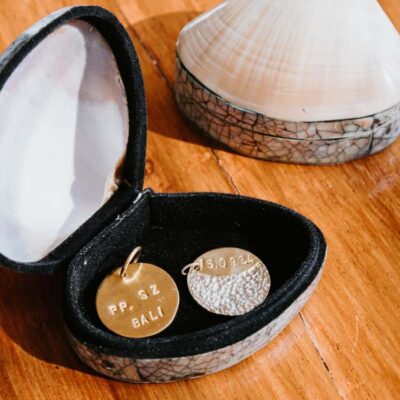 ★ 4.9Canggu: Bali Turtle Silver & Gold WorkshopFrom $49643 reviews
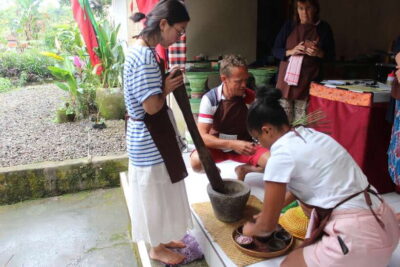 ★ 4.8Balinese Cooking Class and Market TourFrom $23531 reviews
 ★ 5.0Balinese Farm Cooking Class by Pemulan BaliFrom $39410 reviews
Browse the lists this tour appears in