
Reviewed · BALINESE DANCE SHOWS
Ubud: Legong Lasem Or Ramayana Ballet Show Ticket
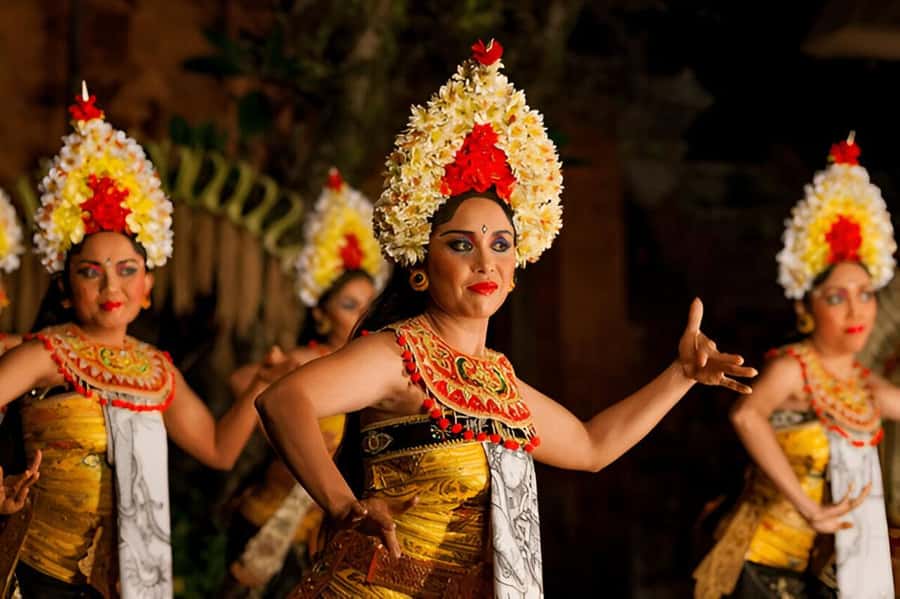
Bali’s dance tells stories without a single word. This ticket bundles iconic performances like Legong and the dramatic Ramayana Ballet, plus a rare look at the trance-based Sanghyang ritual. I especially like the way the choreography turns legend into something you can follow, and how the ARMA Museum setting keeps the viewing comfortable instead of packed. One thing to watch: the experience is sometimes outdoors, so heavy rain and storms can affect show schedules.
Here’s the practical setup: the stage opens at 6:00 PM and the show starts at 7:00 PM, with check-in needed about 15 minutes early. You’ll get an admission ticket, access to museum galleries if you’re doing Legong at ARMA, and even a selfie with the dancers—but transport and food are on you.
In This Review
- Key Things That Make This Ubud Show Worth Your Evening
- Where You’ll Go in Ubud (And Why ARMA Matters)
- Timing That Keeps You From Rushing (Stage Opens 6 PM, Show at 7)
- The Price: What $9 Gets You (And What You Need to Budget Elsewhere)
- Legong Lasem: The Princess, The King, And the Dance Logic
- Sanghyang Sampat: A Trance Ritual With the Sampat Broom
- Legong at ARMA Museum: Classic Dance in a Cultural Setting
- Ramayana Ballet: Big Epic Storytelling Through Costumes and Expression
- About the Included Selfie (And How to Make It Not Awkward)
- Weather and Show Interruptions: Your Real Risk
- What to Bring (So You’re Comfortable, Not Distracted)
- Is This Good for Kids, Seniors, and Folks With Health Concerns?
- How the Experience Works in 1 Hour (What You’ll Feel During That Time)
- Choosing Between Legong, Sanghyang, and Ramayana
- Should You Book This Ubud Dance Ticket?
- FAQ
- What time does the show start?
- Where is the meeting point?
- How long is the experience?
- Is transport included in the ticket price?
- What’s included with the ticket?
- Are flash photos or video recordings allowed during the performance?
- What should I bring, and what’s not allowed?
Key Things That Make This Ubud Show Worth Your Evening
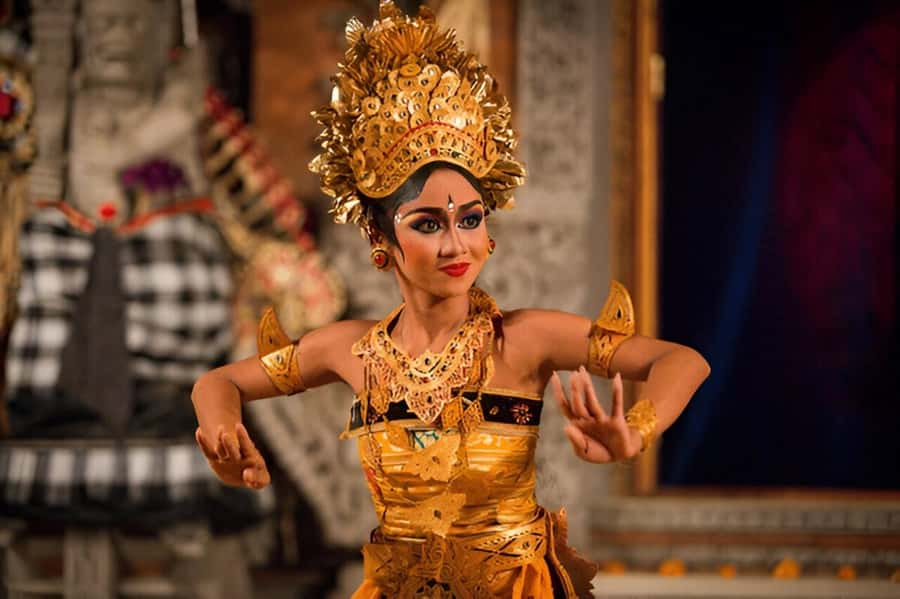
- Choice of performances: pick Legong Lasem, Legong at ARMA, Sanghyang, or Ramayana Ballet.
- Legend explained through movement: story beats land through facial expressions, hand shapes, and layered entrances.
- Spiritual element with Sanghyang: trance and the Sampat broom ritual connect dance to blessing and protection.
- ARMA Museum viewing can be calmer: the ARMA setting often means better angles and closer sightlines.
- No flash, no video: helps keep the show respectful and keeps your photos simple—just use natural light without a strobe.
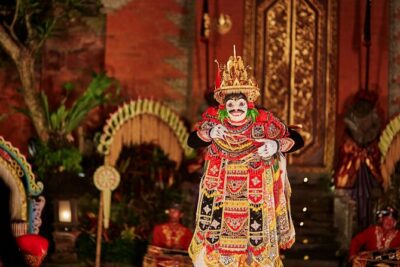
Kecak firelight and Legong gold after dark.
- Uluwatu Sunset, Kecak Dance, and Dinner Jimbaran Beach★ 5.0 · 3,681 reviews
- Bali: Ubud Kecak and Fire Dance Show Tickets★ 4.4 · 2,631 reviews
- Ubud: Quad ATV Waterfalls & Barong Caves★ 4.7 · 891 reviews
- Ubud: Dance Show + Dinner at Lost City – Story of Humanity★ 4.5 · 94 reviews
Where You’ll Go in Ubud (And Why ARMA Matters)
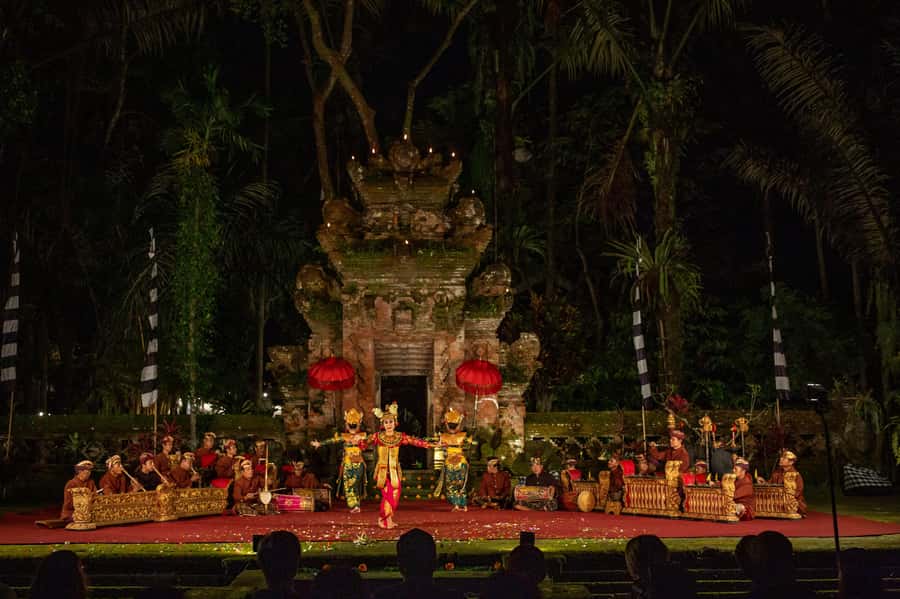
This experience centers around Agung Rai Museum of Art in Ubud. That matters because ARMA isn’t just a random theater stop—it’s a cultural compound with galleries you can visit before your performance when the ticket includes ARMA museum access.
If you’re deciding between different venues in Ubud, it’s useful to know this: some shows can feel more staged and crowded depending on the location. In contrast, ARMA’s setup can feel more controlled, so you tend to see the dancers clearly without fighting for space. One of the clearest signals from past bookings is that the ARMA experience often has fewer spectators, which makes a difference if you care about faces, costume details, and the timing of each movement.
Practical tip: arrive early enough to take a slow walk around the museum galleries. Even if you only have a short pre-show window, it gives context for what you’re about to watch.
Timing That Keeps You From Rushing (Stage Opens 6 PM, Show at 7)
The schedule is straightforward: the stage opens at 6:00 PM, and the performance starts at 7:00 PM. Plan to arrive about 15 minutes early so you can check in without stress.
This is a big deal because Bali shows often run like a system, not like a casual open-mic event. Once the lights shift and the first dancers step in, you’ll want to be settled—especially if the performance you chose requires you to follow multiple story chapters in sequence.
Bring a little patience: one of the real-world notes with outdoor performances is weather. If rain starts, it can change the evening. If you have flexibility, that’s your friend here.
The Price: What $9 Gets You (And What You Need to Budget Elsewhere)
At about $9 per person, this is very good value for a performance that can include multiple major dance traditions in one booking. In Bali, you’re often paying for access to a venue and a full hour of skilled dancers, music, and staging. Here, you’re also getting two add-ons that raise the practical value:
- admission to the show
- a selfie with the dancers
What you shouldn’t forget: transport and food aren’t included. So your real total depends on how you get there and whether you eat beforehand or after. If you’re staying in central Ubud, you may find it’s easy to handle transport without buying a package. If you’re further out, you’ll want a clear plan for the return trip once the night show ends.
Value call: if you want an authentic Bali evening that’s structured, story-driven, and inexpensive, this price makes sense. If you’re looking for a private tour with guaranteed front-row seating, this is more of a shared-performance deal.
Other Ubud tours and experiences to line up next


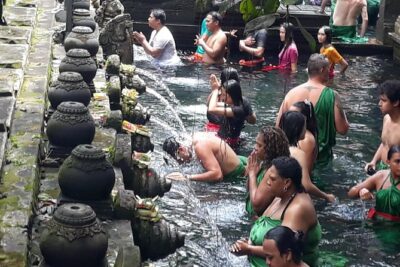

Legong Lasem: The Princess, The King, And the Dance Logic
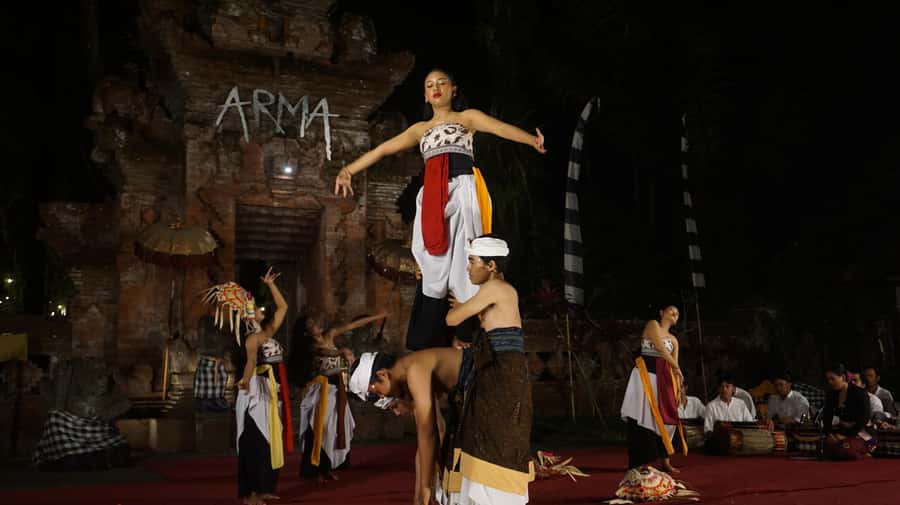
If you choose Legong Lasem (Peliatan), you’re getting a story performance built around recognizable characters: Princess Rangkesari, King Lasem, and Prince Panji.
What makes this version of Legong interesting is the way it’s staged. The performance begins with a solo dance (the Condong dance), moves into a duet, and then ends with the dramatic reunion of the princess and her true love. That structure helps your brain follow the story even if you don’t speak a word of the language.
Legong is known for precision: hand movements, eye focus, and small shifts in posture can signal emotion and plot. If you’re the type who usually says you can’t “understand dances,” this is exactly the kind that rewards your attention. You don’t need a translator; you need a willingness to watch patterns.
How to watch it well: don’t just look at the dancer’s body. Track the hands and faces. The story often arrives there first.
Sanghyang Sampat: A Trance Ritual With the Sampat Broom
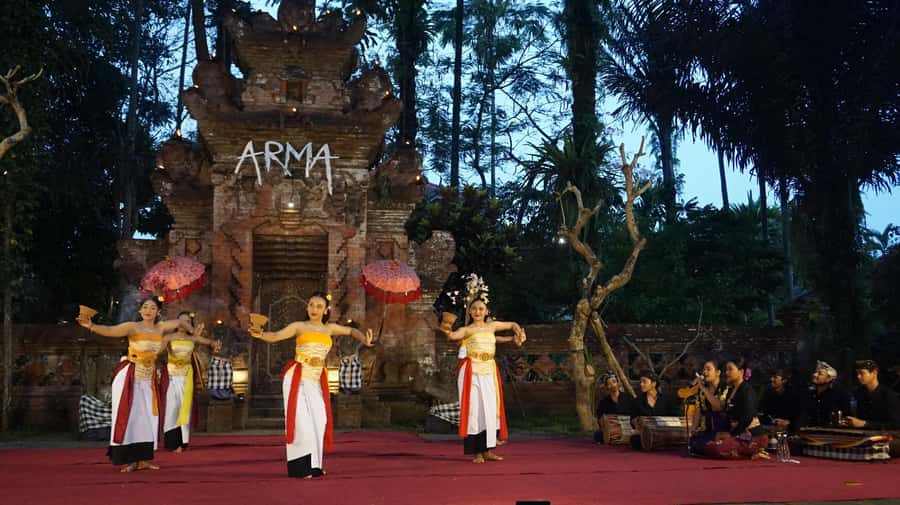
For something more spiritual than romantic storytelling, look at Sanghyang Sampat. This is a ritual dance where dancers enter a trance state and use a Sampat broom to sweep away negative energies and bless the land.
Even if you’re not used to ritual performances, you can feel the seriousness. This isn’t “showy” in the same way as a purely dramatic ballet. It’s more about symbolism and intention. The broom is the key prop—not just a costume detail, but part of the meaning of the ceremony.
A consideration: if you’re expecting a light, entertainment-only evening, Sanghyang can feel more intense and grounded. That’s not a downside; it’s just a mismatch risk. If you want culture with spiritual weight, it’s a strong choice.
Legong at ARMA Museum: Classic Dance in a Cultural Setting
If your ticket choice is Legong in ARMA Museum, you’ll get the classic Legong experience in a venue that’s built for art and context. The museum access before the show can help you settle into the mood rather than arriving straight from street noise.
ARMA also seems to be a good option if you care about viewing comfort. One review highlighted that the ARMA performance can have fewer spectators, so you can watch from a closer angle and enjoy the choreography with less visual clutter.
Is it the same vibe as seeing Legong at a palace setting? Not necessarily. One note worth keeping in mind is that some people find palace venues more dramatic. But for many visitors, the trade-off is worth it: clearer sightlines, easier pacing, and a calmer atmosphere.
Who should pick ARMA Legong? If you want great dance without the stress of Ubud’s busiest corridors, and you like pairing museum time with a performance, this is a smart match.
Ramayana Ballet: Big Epic Storytelling Through Costumes and Expression
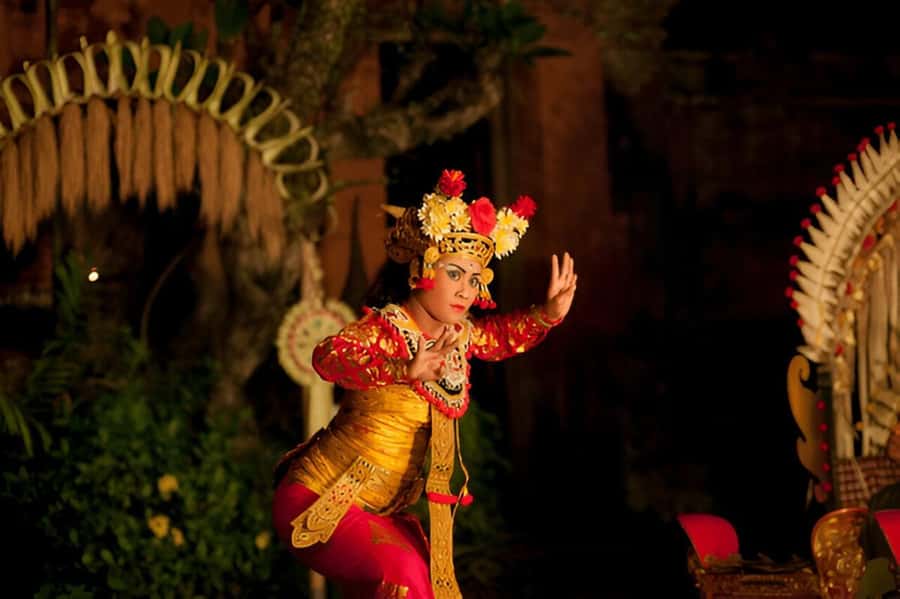
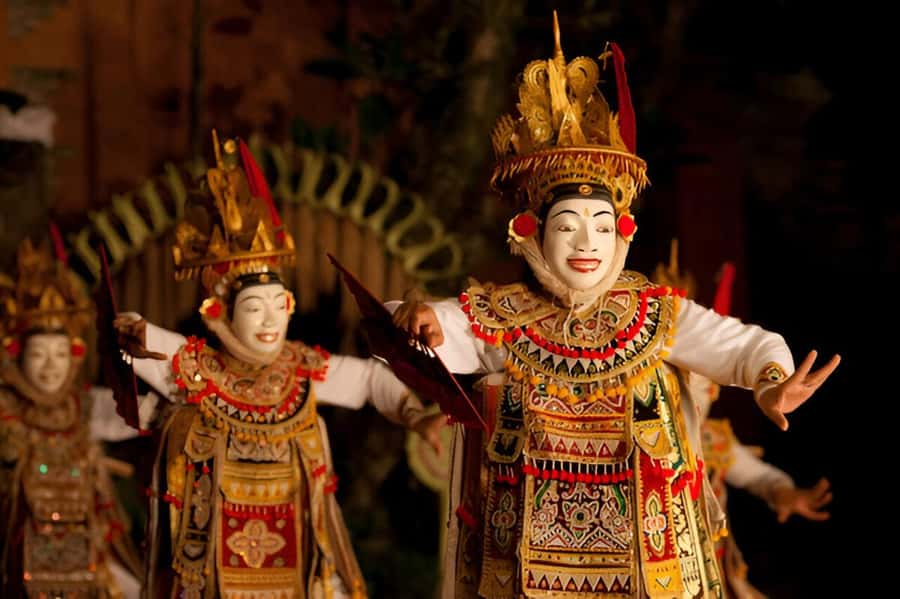
Ramayana Ballet is the grab-your-attention option when you want an epic. The Ramayana is a well-known Hindu epic, and the show uses dance, elaborate costumes, and expressive storytelling to bring the tale to life.
What I like about Ramayana-style performances is how they make the story legible. Even without subtitles in your language, you can follow the emotional arc through body language and character presentation. It’s a “watchable” type of dance because the staging supports you.
One practical note: if you expect every single plot detail to be explained clearly in an easy way, don’t assume it will be. A past review pointed out that some story meaning wasn’t fully understood from handouts alone. That doesn’t mean the show is confusing—it means you might get more from it if you go in with a basic sense of the Ramayana’s themes (love, loyalty, trials, and heroic choices).
Quick prep idea: spend 10 minutes reading a simple plot overview before you go. It makes the gestures feel sharper.
About the Included Selfie (And How to Make It Not Awkward)
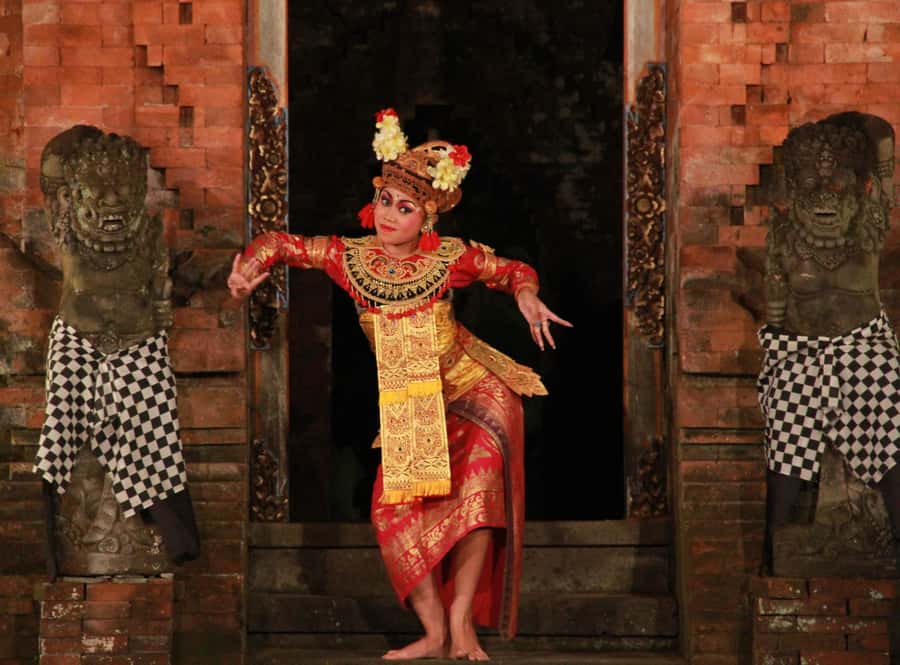
The ticket includes a selfie with the dancers. That’s a fun extra, and it’s also why arriving on time matters. When the performance ends, the pacing of the post-show moment tends to follow the show flow.
To avoid that last-second scramble, keep your camera ready. Also, be mindful: flash photography and video recording are not allowed during performances. The selfie is the exception area, but don’t push your luck with lighting during the dancing.
Simple etiquette: wait for the cue, step in when invited, then step back. You’ll get the photo without disrupting anyone.
Weather and Show Interruptions: Your Real Risk
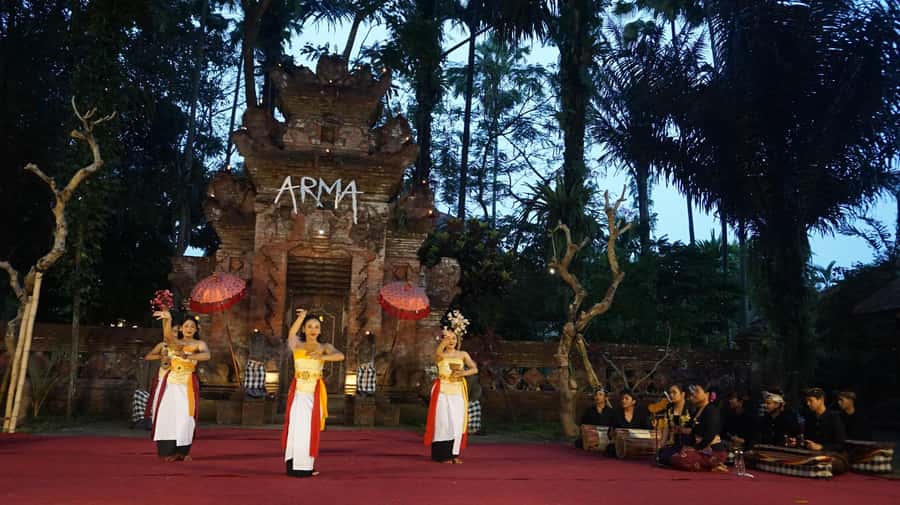
A key practical reality: the show may be outdoors, and in case of heavy rain, a storm downpour can disrupt things. One recorded experience mentioned that an outdoor show was canceled due to rain.
So how do you plan around that without losing your evening?
- Bring flexible expectations.
- Keep your phone charged and watch for any updates from the organizer.
- If you’re traveling on a tight schedule, consider having a backup plan for the evening if weather is rough.
This is the one scenario where a “cheap ticket” doesn’t automatically mean “guaranteed show.” But when the weather cooperates, the experience is well worth the time.
What to Bring (So You’re Comfortable, Not Distracted)
The essentials are simple:
- Camera
- Comfortable clothes
That’s it, and it’s good advice. Ubud evenings can be warm, then cool off later, and you’ll want freedom to sit and shift without fuss. If you’re doing a longer museum pre-show window at ARMA, comfortable shoes help too.
Also remember what you can’t bring:
- Pets
- Alcohol and drugs
And keep this rule top-of-mind:
- Flash photography and video recording aren’t allowed during performances.
Is This Good for Kids, Seniors, and Folks With Health Concerns?
The listing says the show is suitable for all ages, but it also states it’s not suitable for certain groups. The safest way to interpret this is: check age guidance carefully.
It lists not suitable for:
- children under 10 (and also children under 11)
- babies under 1
- people over 95
- people over 70
- people with altitude sickness
That might sound odd—altitude in Ubud isn’t usually the issue for most people—but the policy exists, so follow it. If you’re traveling with older adults or very young kids, use the age notes as your guide and consider whether you really want the evening show pacing.
My practical take: if you’re traveling as a family, plan to prioritize clarity and comfort. For kids who enjoy watching performers move and tell stories, this can be fun. For very young children who struggle to sit through an hour, it can get tough.
How the Experience Works in 1 Hour (What You’ll Feel During That Time)
Each performance is approximately 1 hour. That short runtime is part of the value—your evening isn’t swallowed up, and you can still enjoy dinner after.
The structure typically feels like this:
- arrive, check in, and settle
- watch the full story or ritual sequence
- stay attentive through costume and movement shifts
If you’re the type who wants a clear beginning-middle-end, Legong and Ramayana tend to satisfy that. Sanghyang can feel more ceremonial and less “plotty,” but that’s the point.
Choosing Between Legong, Sanghyang, and Ramayana
Here’s a quick way to choose based on what you want most from your night:
- Pick Legong if you love precision dance and want a story you can follow from movement patterns.
- Pick Sanghyang if you want spiritual symbolism and a ritual feel that connects to blessing and protection.
- Pick Ramayana Ballet if you want a big epic with costume drama and emotional storytelling.
And if viewing comfort matters to you, consider the ARMA Museum Legong option. The calmer audience flow there can make watching easier.
Should You Book This Ubud Dance Ticket?
I think it’s an easy yes if you want a cultural evening that’s short, structured, and reasonably priced. At roughly $9, you’re not gambling much—what you’re buying is access to a real performance tradition, plus the selfie moment.
I’d think twice if:
- the forecast looks nasty and you’re very time-sensitive (because outdoor show cancellations can happen)
- you need a lot of plot explanation beyond what’s provided
- you’re traveling with someone who falls under the listing’s age or health restrictions
If your goal is to see Balinese storytelling through dance—Legong’s elegant characters, Ramayana’s epic drama, or Sanghyang’s sacred ritual—this is a smart way to spend your Ubud evening.
FAQ
What time does the show start?
The stage opens at 6:00 PM and the show starts at 7:00 PM. Arrive about 15 minutes early for check-in.
Where is the meeting point?
The meeting point is Agung Rai Museum of Art. You can find it on Google Maps.
How long is the experience?
Each performance is approximately 1 hour.
Is transport included in the ticket price?
No. Transport is not included.
What’s included with the ticket?
You get admission to the show and a selfie with the dancers.
Are flash photos or video recordings allowed during the performance?
No. Flash photography and video recording are not allowed during performances.
What should I bring, and what’s not allowed?
Bring a camera and comfortable clothes. Pets and alcohol and drugs are not allowed.
More Tickets in Ubud


More Ubud Tours We Rate





Balinese Dance After Dark


Just added around Ubud
- Ubud: White Water Rafting with visit Ubud Monkey Forest
★ 5.0 · 3 reviews - Private Guided Bali Car Charter
★ 5.0 · 3 reviews - East Bali and Lempuyang Temple Tour
★ 5.0 · 3 reviews - Bali Downhill Cycling and White Water Rafting
★ 5.0 · 3 reviews - Cave Tubing Adventure in Ubud
★ 5.0 · 3 reviews
Balinese Dance Shows, compared.
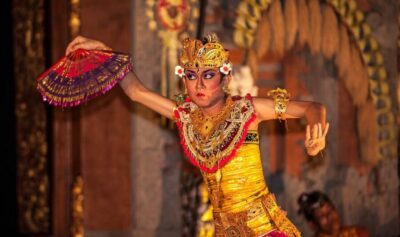 ★ 4.4Ubud Palace Legong Dance Show TicketFrom $63,979 reviews
 ★ 5.0Uluwatu Sunset, Kecak Dance, and Dinner Jimbaran BeachFrom $353,681 reviews
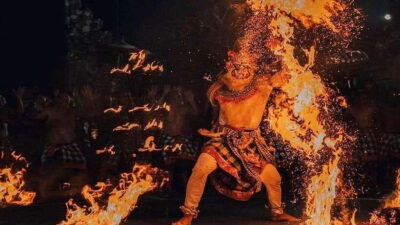 ★ 4.4Ubud Kecak and Fire Dance Show TicketsFrom $62,631 reviews
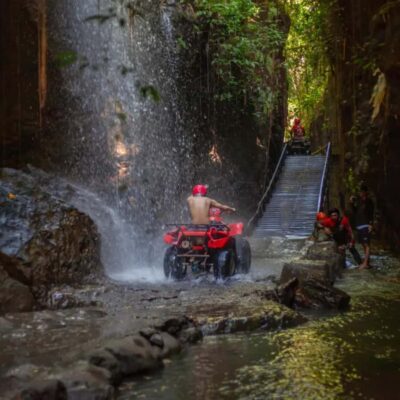 ★ 4.7Quad ATV Waterfalls & Barong CavesFrom $49891 reviews
Dance Show + Dinner at Lost City – Story of HumanityFrom $2694 reviews
★ 4.7Quad ATV Waterfalls & Barong CavesFrom $49891 reviews
Dance Show + Dinner at Lost City – Story of HumanityFrom $2694 reviews
 ★ 5.0Half-Day Tour: Uluwatu Temple and Kecak Fire Dance ShowFrom $4363 reviews
 ★ 5.0Private Tour: Full-Day Tanah Lot and Uluwatu Temples with Kecak Fire Dance ShowFrom $6957 reviews
 ★ 4.0Legong Dance Show at Ubud Palace BaliFrom $745 reviews
Browse the lists this tour appears in