
Every night feels like a myth here. In Ubud, the Lost City dinner show blends a big buffet meal with a choose-your-side dance drama where Lemuria and Atlantis compete for the future of humanity. You’re not just watching from your chair. The story is built to pull you in.
I love two things most: the buffet dinner served in traditional wood bowls, and the way dancers actually interact with the audience as the plot unfolds. One thing to consider is the venue has steep stairs—getting to the stage/restaurant area can be tough if you’re not comfortable with stairs or you don’t want to be active during the show.
If you want an easy evening plan that starts at 6:30 pm and runs about 1 hour 20 minutes, this is a straightforward pick. You’ll also have vegan, vegetarian, and halal options at dinner, and the site supports service animals. Just note that good weather matters for the experience, so keep your evening flexible.
In This Review
- Key things to know before you go
- The Story of Humanity: Lemuria vs Atlantis in plain terms
- The dinner buffet: what you actually get to eat
- The interactive show: what audience participation feels like
- Where the magic happens: Lost City access and the atmosphere
- Choosing Lemuria or Atlantis: how to decide
- Stairs, seats, and comfort: the real logistics of getting in
- Getting there from Ubud center: timing and distance expectations
- Price and value: why $26.20 can be a good deal
- Who this show suits best (and who might not love it)
- Final verdict: should you book this Ubud dinner show?
- FAQ
- What time does the show start?
- How long is the experience?
- Is dinner included, and can I eat all I can?
- Do they have vegan, vegetarian, or halal options?
- Are drinks included with dinner?
- What kind of ticket do I get?
- Is the show interactive?
- Is it dependent on weather?
- Are service animals allowed?
Key things to know before you go
- Pick your allegiance on arrival (Lemuria tied to people and nature, Atlantis tied to technology and productivity)
- Dinner is included and it’s an all-you-can-eat buffet with BBQ plus dishes inspired by ancient civilizations
- Interactive dance moments mean you may be asked to participate, not just watch
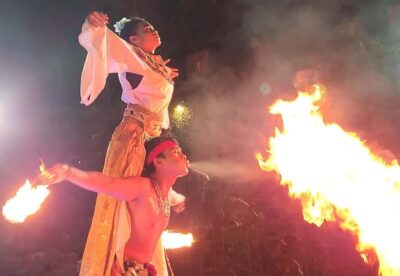
- Fire dancing is part of the show, so it’s a lively night rather than a quiet performance
- Mobile ticket makes check-in simpler
- Steep stairs are a real factor for access to the stage/restaurant area
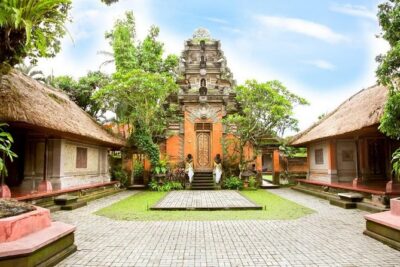
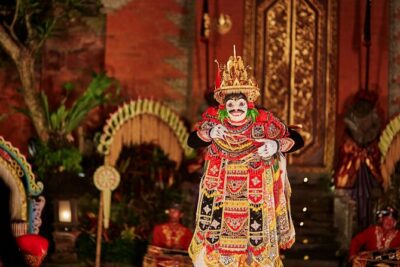
Kecak firelight and Legong gold after dark.
- Uluwatu Sunset, Kecak Dance, and Dinner Jimbaran Beach★ 5.0 · 3,681 reviews
- Bali: Ubud Kecak and Fire Dance Show Tickets★ 4.4 · 2,631 reviews
- Ubud: Quad ATV Waterfalls & Barong Caves★ 4.7 · 891 reviews
- Ubud: Dance Show + Dinner at Lost City – Story of Humanity★ 4.5 · 94 reviews
The Story of Humanity: Lemuria vs Atlantis in plain terms
This show is built around a classic “two worlds, one struggle” idea. You choose a side the moment you arrive—either Lemuria (connection to people and nature) or Atlantis (technology and productivity). Then the performance weaves that choice into the action happening around you.
The story opens with an ethereal dance tied to the royal wedding of Shauja and Halifu. From there, the Lemurians celebrate harmony and gratitude, but their peaceful existence is threatened by technologically driven Atlanteans who believe human happiness comes from tech, not emotions. That contrast—heart versus systems—is the engine behind the drama.
What I like about this setup is that it gives you a simple way to engage. Even if you don’t catch every plot detail, you can still follow the emotional logic: one side feels human and natural, the other feels efficient and controlled. And because the audience is part of the flow, you’re not stuck decoding a story from far away.
The dinner buffet: what you actually get to eat
Dinner is a core part of this experience, not an afterthought. You get an eat-all-you-can buffet with dishes described as coming from ancient civilizations, including BBQ. Because the food is customizable with different dietary choices, it’s easier to handle mixed groups.
Here’s what you should plan for:
- You can find vegan, vegetarian, and halal options.
- Your meal is served using traditional wood bowls, which adds a nice practical touch—food feels less cafeteria-like and more like a curated evening meal.
- Drinks aren’t included, and alcohol is also not included.
I love dinners like this when I travel because they solve two problems at once: you don’t have to hunt for food near your show, and you don’t lose time during the evening. If you’re hungry, go in hungry. If you snack lightly earlier, you’ll enjoy this more because the show runs on a schedule and you’ll want energy for the interactive parts.
The interactive show: what audience participation feels like
The show’s title is Story of Humanity, and it leans hard into audience involvement. As dancers interact with the crowd, you’ll likely be pulled into small moments—think along the lines of responding as the story advances, not just waving at the performers.
The action includes:
- Life lessons wrapped inside the drama
- Adventure and fantasy elements
- Exciting fire dancing as the evening builds
This is contemporary stage work placed in a myth-like setting. The energy is the point, and the choreography is designed to keep the story moving while still giving you room to participate. If you like being an active part of the event, you’ll have fun.
Two real-world notes to keep you prepared:
- The show is not always perfectly clear in terms of who does what in the audience role. One downside that came up is audio issues and explanations that weren’t crystal clear for some people.
- Even without audio confusion, this isn’t a sit-and-watch-only performance. You should expect to get involved enough that you’ll move around during the event.
Other Ubud tours and experiences to line up next

Where the magic happens: Lost City access and the atmosphere
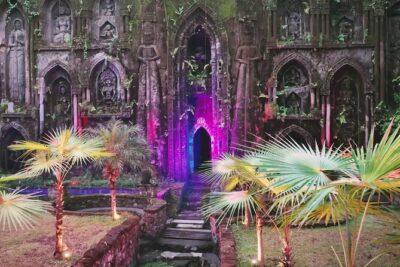
This evening includes access to the Lost City site, so you’re not just stepping into a theater for a performance. You’re arriving at a place designed like a mythic environment, where the show unfolds in a way that feels connected to the setting.
That matters because it changes how you experience the night. Instead of thinking, Here’s a dance show, you’ll likely feel, This is happening in a world. The audience being part of the action strengthens that effect, especially once fire dancing enters the mix.
There’s also a strong service vibe behind the scenes. In particular, I liked hearing about hosts and staff who were attentive and warm. One host named Arthur stood out for being helpful and focused on the experience. If you’re the type who likes quick guidance—what to do next, where to look, how dinner seating works—friendly staff like that can make the night smoother.
And if you’re curious about how dinner is handled, a server named Claudia was praised for being sweet and attentive. That kind of service can matter when you’re juggling food, dietary needs, and a timed show.
Choosing Lemuria or Atlantis: how to decide
You pick your allegiance on arrival, and the show is built around that choice. Lemuria is connected to people and nature, while Atlantis is connected to technology and productivity. The “eternal struggle” theme is the framing device.
So how should you decide?
- If you’re drawn to emotion, community, and nature themes, go Lemuria.
- If you like the idea of systems, speed, and tech-driven thinking, go Atlantis.
Even if you don’t care about the philosophy, picking a side gives you something to react to during the performance. It’s an easy way to make the story personal without needing to understand every line.
Also, don’t worry if you’re going with friends who pick differently. The show’s tension comes from the conflict between the two sides, so separate allegiances can actually make it more fun to compare what you experienced afterward.
Stairs, seats, and comfort: the real logistics of getting in
This is the biggest practical consideration. Access to the stage/restaurant area involves lots of steep stairs, and the show is interactive enough that you should be ready to move.
If you’re traveling with anyone who struggles with stairs, this is the one detail I’d treat as a deciding factor. You don’t want an otherwise great night to get stressful because of the physical setup.
If you can handle stairs, you’ll still want a couple of practical choices:
- Wear shoes you trust on stairs.
- Bring a light layer. Outdoor or semi-outdoor venues often shift temperature after sunset.
- Keep your phone handy for pictures, but also be ready to focus on the performance when the interactive moments start.
Getting there from Ubud center: timing and distance expectations
The show starts at 6:30 pm, and while it’s listed as near public transportation, most people will think in terms of taxi or driver.
Distance-wise, one key point came up: from Ubud center, the ride can be quick on a normal day (around 13 to 17 minutes for a short distance), but traffic and rain can stretch things out. In one case, what should have been a short hop took closer to an hour.
Here’s my practical advice:
- Build a buffer into your schedule. If you’re aiming to arrive right on time, expect traffic surprises.
- If you’re using a driver, confirm your pickup plan. Because the evening includes dinner and ends after the show, staying for dinner can reduce the risk of waiting around later.
One more helpful data point: the experience can be booked with a mobile ticket, so you’re not scrambling for paper confirmations when you arrive.
Price and value: why $26.20 can be a good deal
At $26.20 per person, you’re paying for three things:
- An all-you-can-eat dinner buffet (including BBQ and options for vegan/vegetarian/halal)
- An interactive dance show with fire dancing and audience participation
- Lost City access, so the night has more than a single-room feel
If you’ve ever paid separately for a dance performance and then still had to find dinner near Ubud afterward, this package usually feels more efficient. You’re buying one schedule, one location, and one meal. That’s real value when you only have so many evenings in Bali.
Also, the experience has a strong track record: it’s rated 4.6 with 94 reviews, and 91% recommend it. That doesn’t mean every night is perfect, but it does suggest consistent quality—especially on the parts that most people care about: food, show energy, and staff friendliness.
The one cost you should expect on top is drinks. Since alcohol and drinks aren’t included, if you want a cocktail or soft drinks, budget for that separately.
Who this show suits best (and who might not love it)
This is a great fit if you like:
- Dance performances with audience interaction
- A story you can follow through action and energy, not just narration
- A full evening plan with food included
Families can enjoy it too. One highlight was that kids loved the interactive style and the venue atmosphere. If your group enjoys getting involved, the show’s structure helps you do that.
It’s also a solid pick for mixed dietary groups thanks to vegan, vegetarian, and halal options at the buffet.
Where it may not be ideal:
- If steep stairs are a problem, access may be uncomfortable.
- If you prefer highly structured audience roles with perfect audio clarity, you may find the explanations sometimes less than straightforward.
- If you’re short on time, the dinner-show pacing means you’re committing to the full evening block.
One more practical thought: if you’re staying in Ubud center and want everything smooth, go with a transport plan that accounts for traffic. Even if the distance is short, your arrival and pickup window matter.
Final verdict: should you book this Ubud dinner show?
If you want an evening that mixes food, myth, and audience participation, I’d book Lemuria: The Lost City – Story of Humanity. The value is strongest because dinner is included and the show feels designed for involvement, not passive sitting.
I’d only skip it (or at least go in with eyes open) if stairs are a deal-breaker for your group or if you need very clear, low-interaction performances.
A good way to decide fast: ask yourself what you want more tonight—comfort and quiet watching, or a louder, story-driven night with hands-on moments. If you’re leaning toward the second option, this is a fun, memorable pick in Ubud.
FAQ
What time does the show start?
The start time is 6:30 pm.
How long is the experience?
It lasts about 1 hour 20 minutes.
Is dinner included, and can I eat all I can?
Yes. Dinner is included and it’s an eat all you can buffet.
Do they have vegan, vegetarian, or halal options?
Yes. Vegan, vegetarian, and halal options are available.
Are drinks included with dinner?
No. Drinks aren’t included, and alcoholic beverages are not included.
What kind of ticket do I get?
You receive a mobile ticket.
Is the show interactive?
Yes. It’s an interactive show, and dancers interact with the audience as the story unfolds.
Is it dependent on weather?
Yes. The experience requires good weather. If it’s canceled due to poor weather, you’ll be offered a different date or a full refund.
Are service animals allowed?
Yes. Service animals are welcome.
More City Tours in Ubud


More Ubud Tours We Rate





Balinese Dance After Dark




Just added around Ubud
- Ubud: White Water Rafting with visit Ubud Monkey Forest
★ 5.0 · 3 reviews - Private Guided Bali Car Charter
★ 5.0 · 3 reviews - East Bali and Lempuyang Temple Tour
★ 5.0 · 3 reviews - Bali Downhill Cycling and White Water Rafting
★ 5.0 · 3 reviews - Cave Tubing Adventure in Ubud
★ 5.0 · 3 reviews
Balinese Dance Shows, compared.
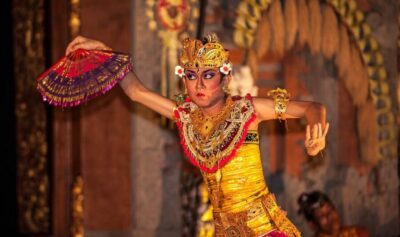 ★ 4.4Ubud Palace Legong Dance Show TicketFrom $63,979 reviews
 ★ 5.0Uluwatu Sunset, Kecak Dance, and Dinner Jimbaran BeachFrom $353,681 reviews
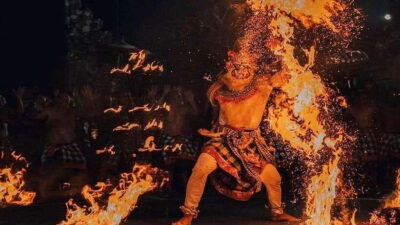 ★ 4.4Ubud Kecak and Fire Dance Show TicketsFrom $62,631 reviews
 ★ 4.7Quad ATV Waterfalls & Barong CavesFrom $49891 reviews
 ★ 5.0Half-Day Tour: Uluwatu Temple and Kecak Fire Dance ShowFrom $4363 reviews
 ★ 5.0Private Tour: Full-Day Tanah Lot and Uluwatu Temples with Kecak Fire Dance ShowFrom $6957 reviews
 ★ 4.0Legong Dance Show at Ubud Palace BaliFrom $745 reviews
 ★ 4.1Barong Dance and Keris Cultural Dance Show TicketsFrom $640 reviews
Browse the lists this tour appears in