

Reviewed · BALINESE DANCE SHOWS
Ubud: Barong Dance and Keris Cultural Dance Show Tickets
Bali’s dance drama starts with a mask. This Barong & Rangda performance (linked to Keris Cultural Dance ticket options) is one of the easiest ways to understand Bali’s mythology without needing a guide. I especially like the gamelan musicians driving the story and the dancers’ costumes, which look built for storytelling, not just for photos. One thing to watch: check the show time carefully and arrive early, because ticket timing and check-in instructions can be inconsistent.
If you’re traveling with kids or multi-age group, I also like that this show keeps moving and holds attention without being a lecture. The story of good versus evil is clear even when the dialogue is not, and the stage energy stays high. A possible drawback is that the experience can include moments that some people might find crude, and the seating may be uncomfortable for longer sitting.
In This Review
- Key Points That Matter Before You Go
- Where This Show Happens in Bali (and Why Batubulan Matters)
- The Storyline You’ll Actually See: Good, Evil, and a Lot of Drama
- Gamelan Music: The Real Engine Under the Show
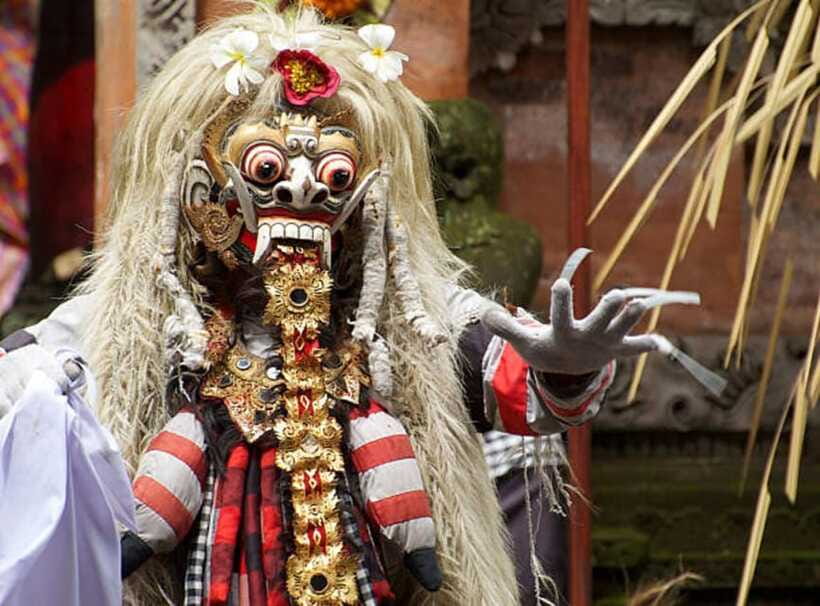
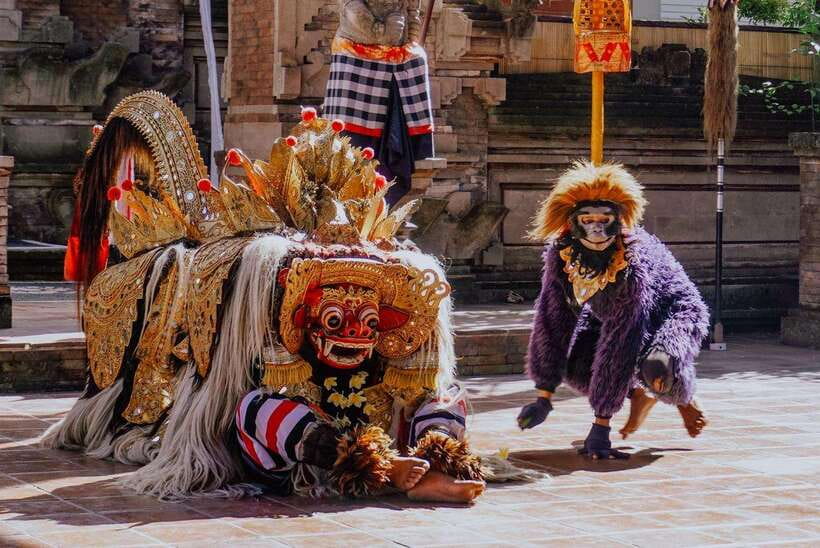
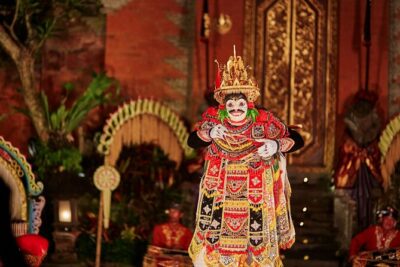
- Costumes and Masks: Built for Stage Impact
- How Long It Takes (and What “1–5 Hours” Really Means)
- Tickets, Seating, and the Value Question
- Transfer vs No Transfer: How to Avoid Day-of Stress
- Timing Reality Check: The 9:30 Start and Real-World Variation
- What to Bring (So You’re Comfortable, Not Just Impressed)
- Who This Is Best For (and Who Might Prefer Something Else)
- FAQ
- FAQ
- Where is the Barong Dance performed?
- How much does this experience cost?
- How long is the activity?
- What time does the show start?
- Is pickup included?
- Is there an extra fee for pickup in other areas?
- What should I bring?
- Is there food included?
- What’s not allowed during the show?
- What language is support available in?
- Can I get a refund if my plans change?
- Should You Book It?
Key Points That Matter Before You Go
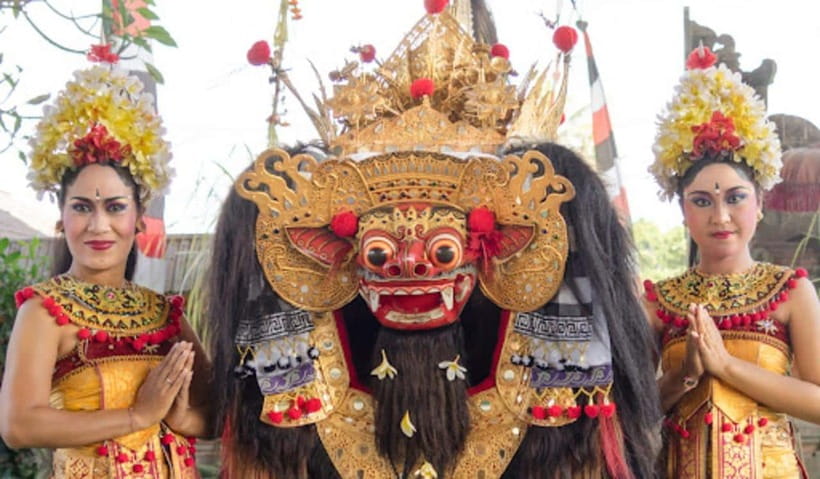
- Barong vs. Rangda story: Good and evil as a living, mythical conflict.
- Gamelan sets the pace: The musicians and dancers work as one unit.
- Costumes and masks: Big visual drama that helps you follow the plot.
- Family-friendly pacing: Often enjoyable across ages, even if the storyline is hard to track.
- Bring the right attitude (and shoes): You’ll be seated for a while, so comfort matters.
- Timing and check-in can be weird: Early arrival saves stress.
Kecak firelight and Legong gold after dark.
- Uluwatu Sunset, Kecak Dance, and Dinner Jimbaran Beach★ 5.0 · 3,681 reviews
- Bali: Ubud Kecak and Fire Dance Show Tickets★ 4.4 · 2,631 reviews
- Ubud: Quad ATV Waterfalls & Barong Caves★ 4.7 · 891 reviews
- Ubud: Dance Show + Dinner at Lost City – Story of Humanity★ 4.5 · 94 reviews
Where This Show Happens in Bali (and Why Batubulan Matters)
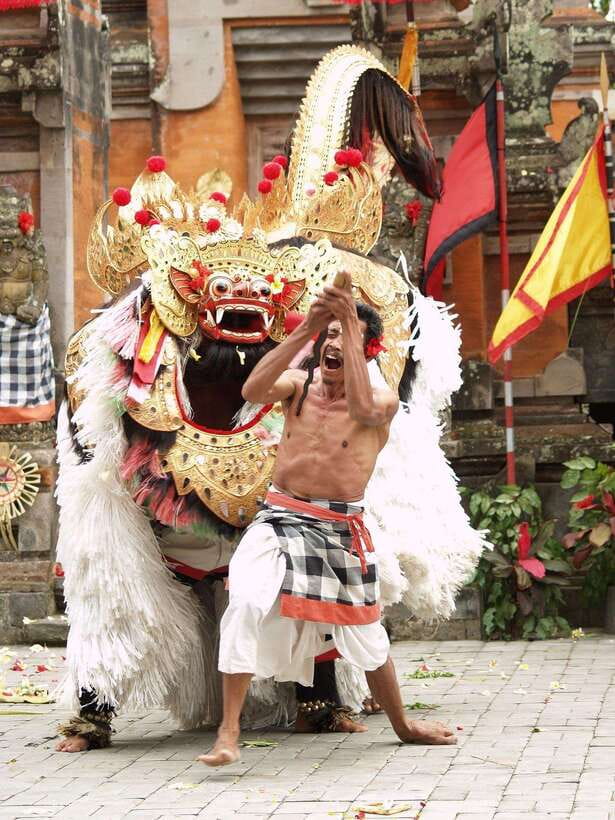
This performance is tied to Batubulan Village, where the Barong Dance is staged and performed daily. Batubulan is one of those places where you’re not just watching a show you found online—you’re seeing a cultural tradition that locals keep running. That matters because the quality you get tends to come from repetition: dancers train for the roles, and musicians know how to land the cues.
The show is built around Bali’s long-running spiritual themes: balance, protection, chaos, and the idea that forces of good and evil never fully stop arguing with each other. You don’t need a background in Balinese religion to enjoy it. You just need to watch the characters and listen for the music changes that signal the story shift.
The Storyline You’ll Actually See: Good, Evil, and a Lot of Drama
At the center are two characters with strong symbolism:
- Barong: a lion-like mythical figure representing protection and benevolence
- Rangda: a queen of witches representing chaos and destruction
The dance plays out as an “eternal struggle” between them, using movement, chanting-like melodies, and intense acting. There’s a strong sense of conflict: Barong and followers push back; Rangda and her side intensify the threat. Even if you miss details, you usually catch the emotional arc—tension builds, battles happen, and then the story swings toward resolution.
One useful way to watch (especially if you don’t understand everything on stage) is to track three things:
- When the music speeds up, the story usually turns sharper.
- When costumes change emphasis—masks, posture, group formations—the role power shifts.
- When the cast groups together, think “scene transition,” not random choreography.
Some people find the story hard to follow purely from the action, but most agree the acting and visuals do a lot of the heavy lifting.
Gamelan Music: The Real Engine Under the Show
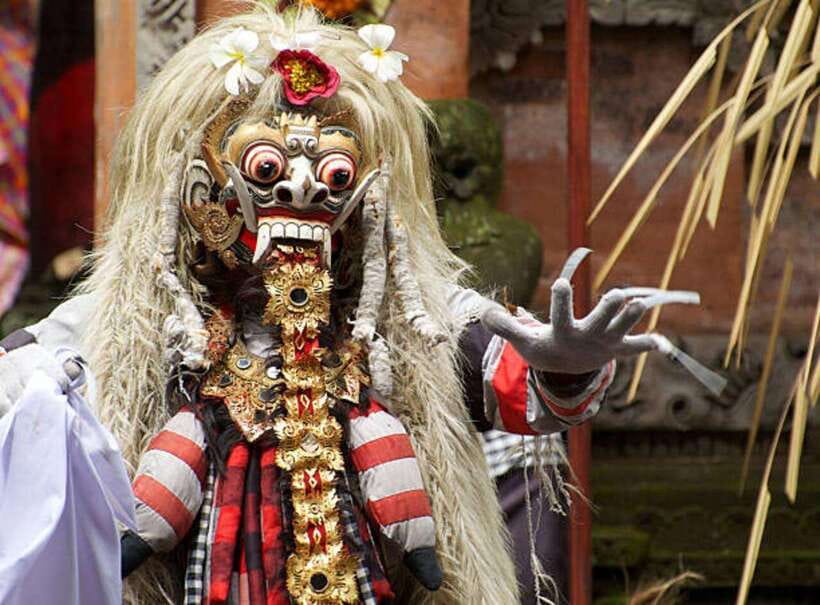
If there’s one area that earns serious praise, it’s the traditional gamelan music. The musicians aren’t background. They act like the show’s steering wheel, adding pressure, urgency, and relief as scenes change.
In practical terms, gamelan is also why this performance feels cohesive even when you’re sitting still. The rhythms help you understand the “beats” of the drama. When you hear a clear shift in percussion patterns, you’ll notice the dancers respond right away—hands, feet, and group spacing line up with the sound.
If you like live music even a little, this is where you’ll likely feel the most payoff.
Other Ubud tours and experiences to line up next




Costumes and Masks: Built for Stage Impact
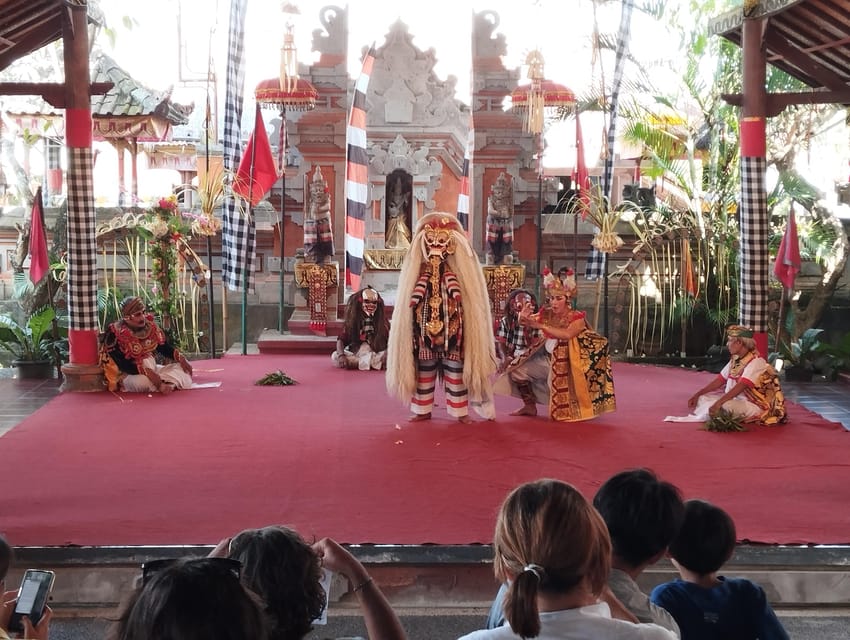
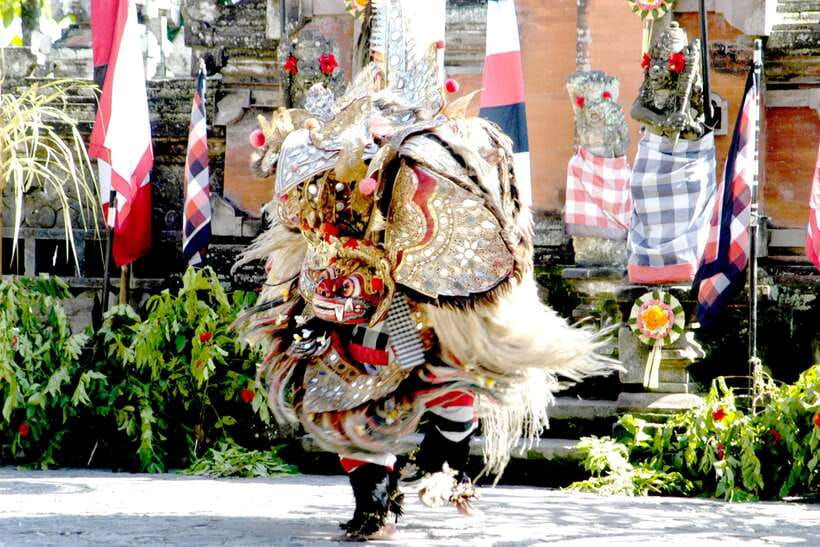
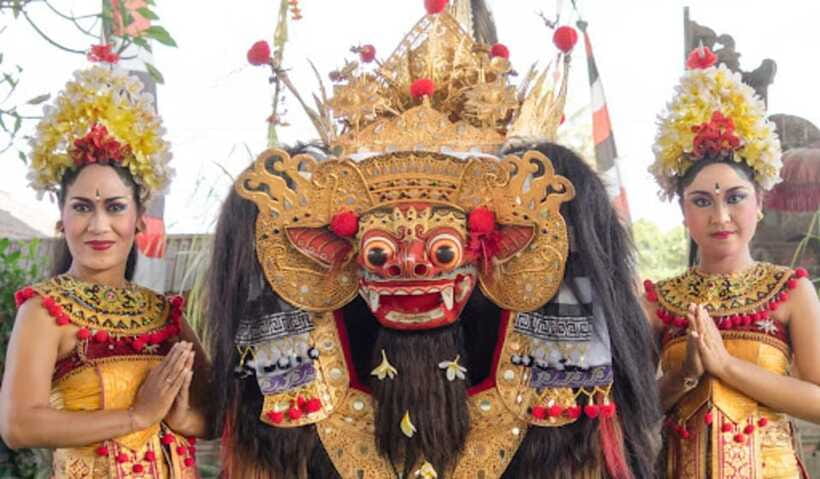
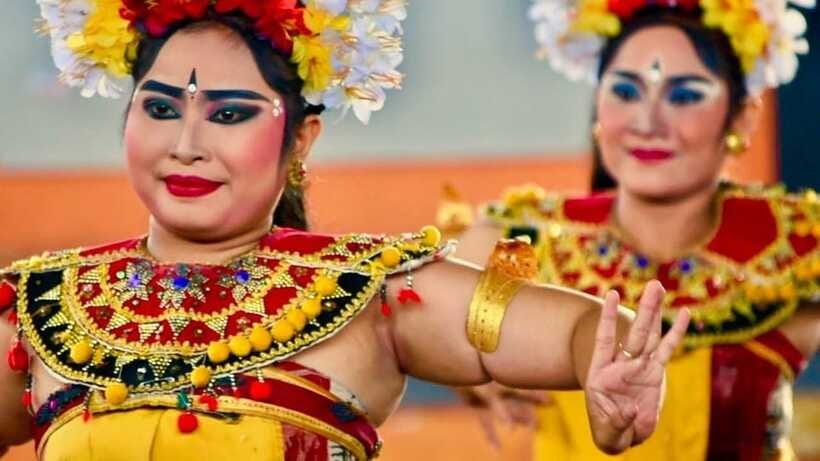
The Barong & Rangda story is told through elaborate costumes and masks, and they’re not subtle. The characters look theatrical because the roles are big by design. Barong’s followers and the witches’ side use costumes that make facial expressions and body language readable from a distance.
Acting also matters here. One review experience described the acting and costumes as excellent, but noted that the storyline can still be tough to track. That’s normal: you’re watching a mythic narrative delivered through dance language, not movie dialogue.
What I’d recommend: don’t worry about perfect comprehension. Watch the characters like you would in a live play—who controls the space, who reacts to whom, and what changes when the music shifts.
How Long It Takes (and What “1–5 Hours” Really Means)
The activity time window is listed as 1–5 hours. That range gives you flexibility depending on the exact show schedule and any optional add-ons you select. In real life, you should plan for:
- time to arrive and find your seat (especially if check-in is required),
- the performance itself,
- plus any waiting around before things start.
A practical tip: aim to be early enough that you aren’t rushing. Even if you’re told a show starts at a certain time, build in breathing room. One person had confusion around when tickets were ready and where to check in, but once they got in, the show itself landed well.
Tickets, Seating, and the Value Question
The price you’ll see is around $6 per person, which is what makes this such good value for Bali. At that cost, you’re not paying for a multi-stop tour day. You’re paying for a live cultural performance—costumes, choreography, and gamelan—delivered in a short window.
That said, value depends on comfort. One review called out uncomfortable chairs. You can solve part of that problem by bringing the right clothes (not tight, not stiff) and wearing comfortable shoes you can stand in during check-in.
There’s also an option for Silver Class if you pick it. If you’re sensitive to seating comfort, that upgrade might help. If you’re on a tight schedule and just want the show, the basic entry ticket is still a strong deal for the cultural content.
Transfer vs No Transfer: How to Avoid Day-of Stress
You have an important choice: pickup and drop-off, or handling transport yourself.
If you choose the transfer option:
- pickup is arranged at 8:30am
- round transfer coverage includes Ubud, Denpasar, and Sanur
- you may need 100,000 IDR cash extra if you’re in Kuta, Seminyak, or Nusa Dua
- you can bring your food in the car
If you skip transfer:
- the meeting point can vary
- you’ll need to exchange your e-voucher and collect your ticket at the venue
Here’s the main “don’t get burned” advice: treat the e-voucher and the show start time as essential information, but keep your schedule flexible. One experience described confusion with ticket confirmation and check-in knowledge at the venue. In that case, it still ended up working out—but it required patience and re-checking with the provider.
So, arrive early, keep your confirmation handy, and don’t assume everyone will instantly recognize your booking without you showing the voucher.
Timing Reality Check: The 9:30 Start and Real-World Variation
The show start time is listed as 9:30. However, at least one reported experience mentioned a later starting time. That mismatch can happen when different schedules run on different days, or when the exact segment you’re seeing has a different start.
What you should do:
- check your confirmation for the exact time for your booked date,
- plan to arrive early anyway,
- and don’t assume the printed time is the only time you need to care about.
This is one of those “small admin details” that can make a big difference. If you’ve got tight plans later in the day, keep some buffer.
What to Bring (So You’re Comfortable, Not Just Impressed)
The practical list is simple, and it’s worth following:
- comfortable shoes (for walking and possible waiting)
- a camera
- comfortable clothes
That’s it. No special gear. The show is on stage, and most of what affects your experience is whether your body is happy while you wait and sit.
If you’re in a transfer car, you can also bring food in the car (per the pickup note). That’s handy if you’re dealing with a long day and don’t want to hunt for snacks right before the show.
Who This Is Best For (and Who Might Prefer Something Else)
This performance is described as perfect for families and all age groups. That fits because:
- it’s dramatic without needing heavy background knowledge,
- the action stays moving,
- and the visuals carry the story.
It’s also not suitable for babies under 1 year. For everyone else, it’s a solid cultural evening.
Consider a different kind of activity if:
- you strongly dislike any crude moments (some performances include brief parts that can feel inappropriate to some viewers),
- you need constant storyline clarity (the narrative can be hard to follow from the action alone),
- or you have mobility or long-sitting comfort concerns (chairs may not be great).
FAQ
FAQ
Where is the Barong Dance performed?
The traditional Barong Dance is performed in Batubulan Village.
How much does this experience cost?
It’s listed at about $6 per person.
How long is the activity?
The duration is listed as 1–5 hours, depending on the show schedule and your booking option.
What time does the show start?
The Barong show start time is listed as 9:30. Always check your confirmation for your exact date.
Is pickup included?
Pickup is optional. If you select transfer, it includes round trip coverage for Ubud, Denpasar, and Sanur.
Is there an extra fee for pickup in other areas?
Yes. If you’re in Kuta, Seminyak, or Nusa Dua, there’s an additional 100,000 IDR cash fee noted for the transfer.
What should I bring?
Bring comfortable shoes, a camera, and comfortable clothes.
Is there food included?
Food is not included, but if you choose the transfer option, you can bring your food in the car.
What’s not allowed during the show?
Alcohol and drugs are not allowed. Also, there are rules against littering and making fire.
What language is support available in?
The host or greeter is available in English and Indonesian.
Can I get a refund if my plans change?
Yes. There’s free cancellation up to 24 hours in advance for a full refund.
Should You Book It?
I think this is a smart booking if you want Bali culture in one focused evening. For $6, the combination of gamelan music, strong costume work, and myth-driven storytelling is hard to beat. It’s especially good if you’re traveling with family or you want something cultural that isn’t a long, multi-stop day.
Book it with eyes open if you’re picky about seating comfort or sensitive to brief crude moments. And do yourself a favor: confirm the start time for your date, arrive early, and keep your voucher details accessible. If you do that, you’ll walk away with the kind of memory that looks great in photos and also sticks in your mind for the sound and the masks.
More Tickets in Ubud




More Ubud Tours We Rate





Balinese Dance After Dark


Just added around Ubud
- Ubud: White Water Rafting with visit Ubud Monkey Forest
★ 5.0 · 3 reviews - Private Guided Bali Car Charter
★ 5.0 · 3 reviews - East Bali and Lempuyang Temple Tour
★ 5.0 · 3 reviews - Bali Downhill Cycling and White Water Rafting
★ 5.0 · 3 reviews - Cave Tubing Adventure in Ubud
★ 5.0 · 3 reviews
Balinese Dance Shows, compared.
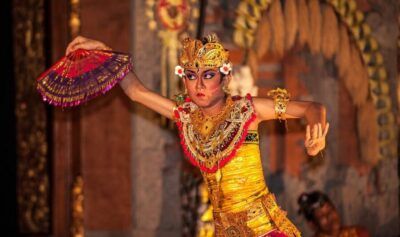 ★ 4.4Ubud Palace Legong Dance Show TicketFrom $63,979 reviews
 ★ 5.0Uluwatu Sunset, Kecak Dance, and Dinner Jimbaran BeachFrom $353,681 reviews
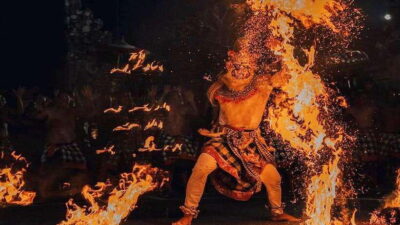 ★ 4.4Ubud Kecak and Fire Dance Show TicketsFrom $62,631 reviews
 ★ 4.7Quad ATV Waterfalls & Barong CavesFrom $49891 reviews
Dance Show + Dinner at Lost City – Story of HumanityFrom $2694 reviews
 ★ 5.0Half-Day Tour: Uluwatu Temple and Kecak Fire Dance ShowFrom $4363 reviews
 ★ 5.0Private Tour: Full-Day Tanah Lot and Uluwatu Temples with Kecak Fire Dance ShowFrom $6957 reviews
 ★ 4.0Legong Dance Show at Ubud Palace BaliFrom $745 reviews
Browse the lists this tour appears in