
Reviewed · WORKSHOPS
Ubud: Incense Making Workshop. Create Incense From Scratch!
Incense in your hands beats store-bought sticks. In Ubud, this 90-minute incense making workshop turns you from incense-buyer into incense-maker, with lessons on the global story of incense and how it ties into Balinese Hindu life. The result is practical, fragrant, and hands-on in a way most souvenir activities just aren’t.
I especially like the skill-first instruction—you’re taught how to roll and shape incense properly, not just handed a mold and told to copy. I also like the free take-home side of it: you leave with your hand-made sticks plus a DIY kit and instructions so you can keep experimenting after you get back to your room.
One thing to consider: this workshop isn’t suitable if you have respiratory issues. Even with natural ingredients, you’ll be around strong scent during making.
In This Review
- Key highlights you’ll actually care about
- Why I’d put an incense workshop on your Ubud plan
- Getting there: the Ubud Town Silver Jewelry sign and construction next door
- What you learn in 90 minutes: global incense and Balinese Hindu culture
- Ingredients and scents: certified organic oils, natural powders, and toxic-free incense
- Rolling sticks (and optionally cones): hands-on technique that sticks with you
- Making it personal with essential oils
- Your take-home kit: DIY incense, instructions, and 1+ hour burn time
- The optional ceramic incense burner add-on (paint it, make it yours)
- Price and value: why $20 is more than a craft fee
- Comfort and rules in the workshop: what you should know first
- Who this incense making workshop is best for
- Quick tips so your incense turns out the way you want
- Should you book? My straightforward take
- FAQ
- How long is the incense making workshop in Ubud?
- What is the price per person?
- Is the instructor able to teach in English?
- Can I buy the ceramic incense burner?
- Are drinks or food included?
- Is the workshop wheelchair accessible and suitable for respiratory issues?
Key highlights you’ll actually care about
- Make incense from scratch: you’ll create your own sticks, with optional cones
- History that connects to what you’re doing: global incense story + Balinese Hindu culture
- Custom scents: add essential oils to shape your fragrance
- Organic, natural approach: certified organic essential oils and natural powders, labeled toxic-free
- Take-home value: DIY kit with instructions plus incense you made (1+ hour burn time each)
Other Ubud tours and experiences to line up next
- Hands-On Silver Jewelry Making Near Ubud’s Monkey Forest★ 4.9 · 1,789 reviews
- Ubud Cooking Class Bali with Balinese Chef★ 5.0 · 1,609 reviews
- Ubud Silver Class Jewelry making in bali★ 5.0 · 978 reviews
- Ubud: Cooking Class with Transfers and Optional Market Visit★ 4.9 · 824 reviews
Why I’d put an incense workshop on your Ubud plan
Ubud is packed with classes, but this one is different because it’s not just art. You’re learning a craft that people have used for centuries—then you walk away with something you can light the same day and still enjoy later.
The mix is the magic here: you get the why (how incense travels across cultures and how it connects to Balinese Hindu practice) and the how (rolling technique and ingredient choices). For many people, that makes the finished incense feel more meaningful than a pretty smell you picked at a market.
Getting there: the Ubud Town Silver Jewelry sign and construction next door
The meeting point is easy to miss if you arrive distracted, so go looking early. It’s next to Ubud Town Silver Jewelry Making, and the nearby window signage says Incense Making Workshop.
There’s also big construction next door, so expect some visual clutter around the building. If you like calm logistics, give yourself a little buffer and don’t cut it close.
What you learn in 90 minutes: global incense and Balinese Hindu culture
You start by getting the bigger picture—where incense fits in across the world and how it shaped Balinese Hindu culture. This is the part that turns the class from a craft session into something you can connect to the places you’ll visit in Bali.
Then the teaching narrows down to what you’re working with. You’ll learn about the ingredients used and how incense is made, so you understand what you’re mixing and why the process matters.
If you want an activity that gives you a story to tell later—without turning into a lecture—you’ll like this format.



Ingredients and scents: certified organic oils, natural powders, and toxic-free incense
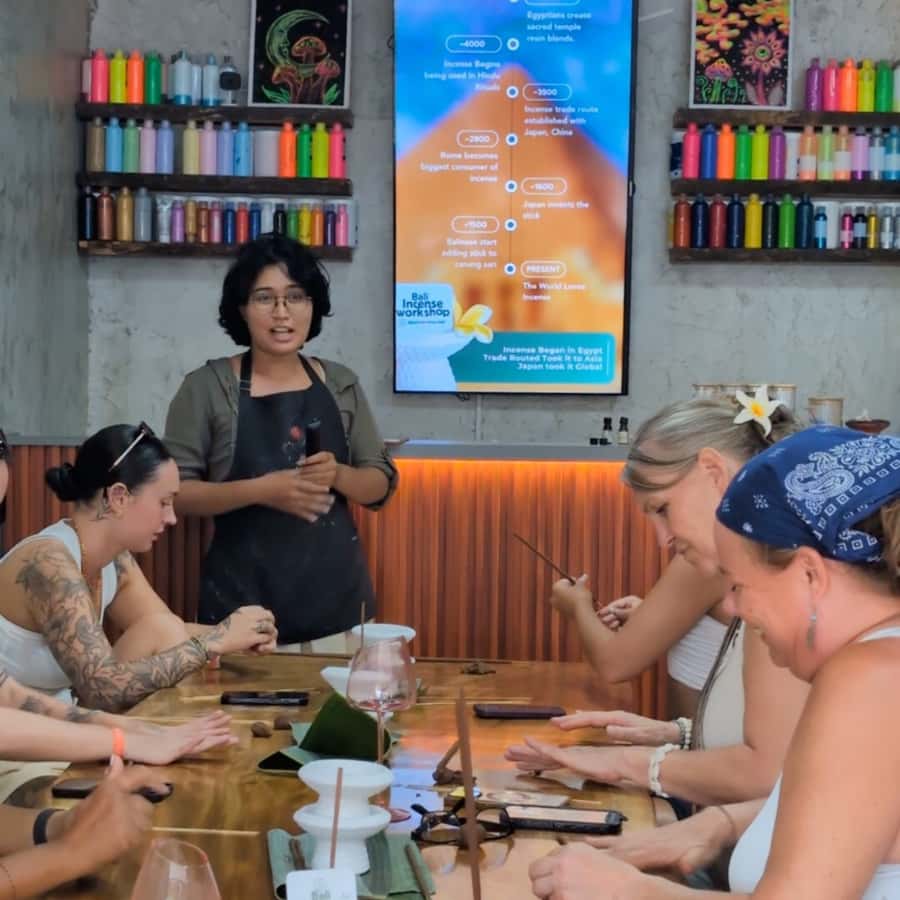
This class is built around 100% natural ingredients and emphasizes that the incense is toxic-free. You’re working with certified organic essential oils plus natural powders, so the scent you customize isn’t coming from synthetic shortcuts.
The practical upside for you: when you pick scents, you’re not just choosing a fragrance label—you’re building a blend. That makes it easier to reproduce the vibe you like when you use the take-home kit later.
Also, the workshop has a clear vibe around smell. Avoid wearing strong perfumes beforehand, since it can interfere with how your incense scent comes through.
Rolling sticks (and optionally cones): hands-on technique that sticks with you
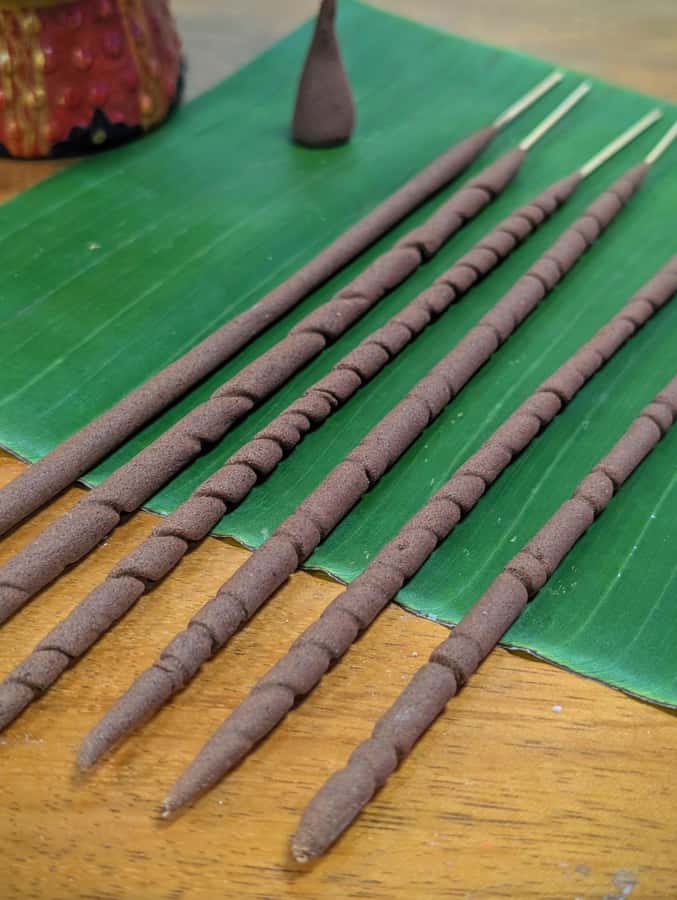
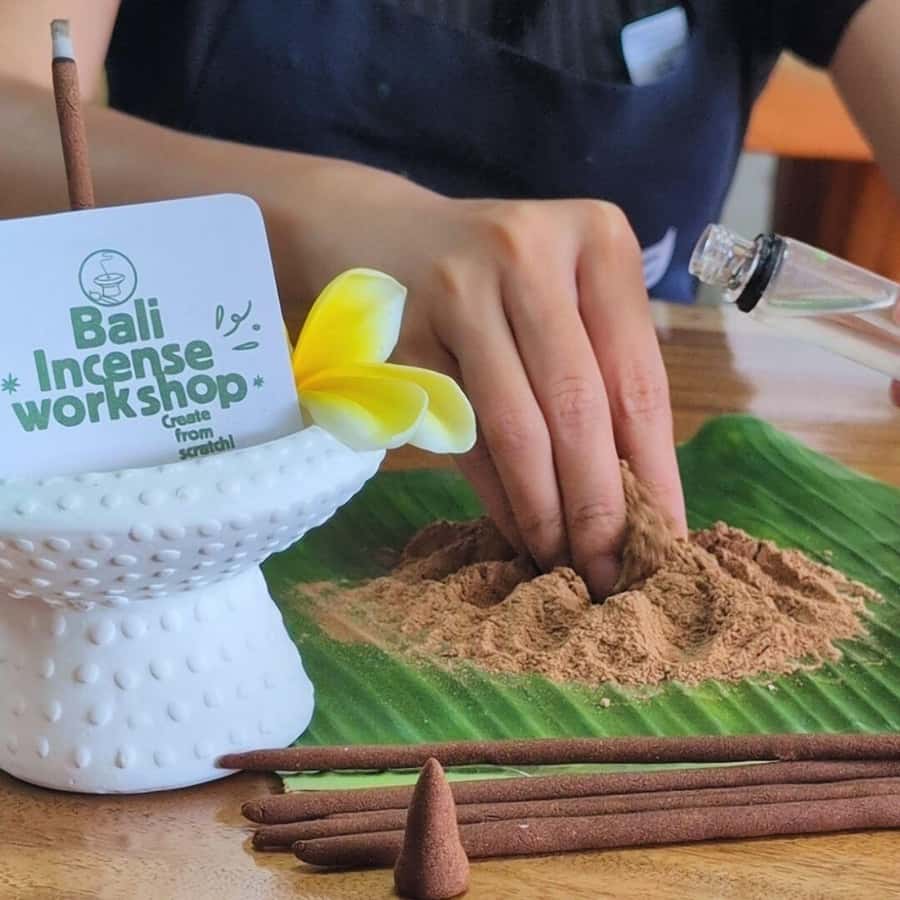
The core of the session is making your own incense sticks from scratch. You’ll hand-roll, shape, and work through the process step by step until you can confidently say, I know how this is made.
They aim for real skill transfer, not just a fun craft you complete once. That matters because incense isn’t just about fragrance—it’s about consistency. When the mixture and rolling are right, you get better burning.
Optional at the same time: you can also craft incense cones if you want to vary the shapes and try a different result. If you enjoy tinkering, this is the moment to do it.
Making it personal with essential oils
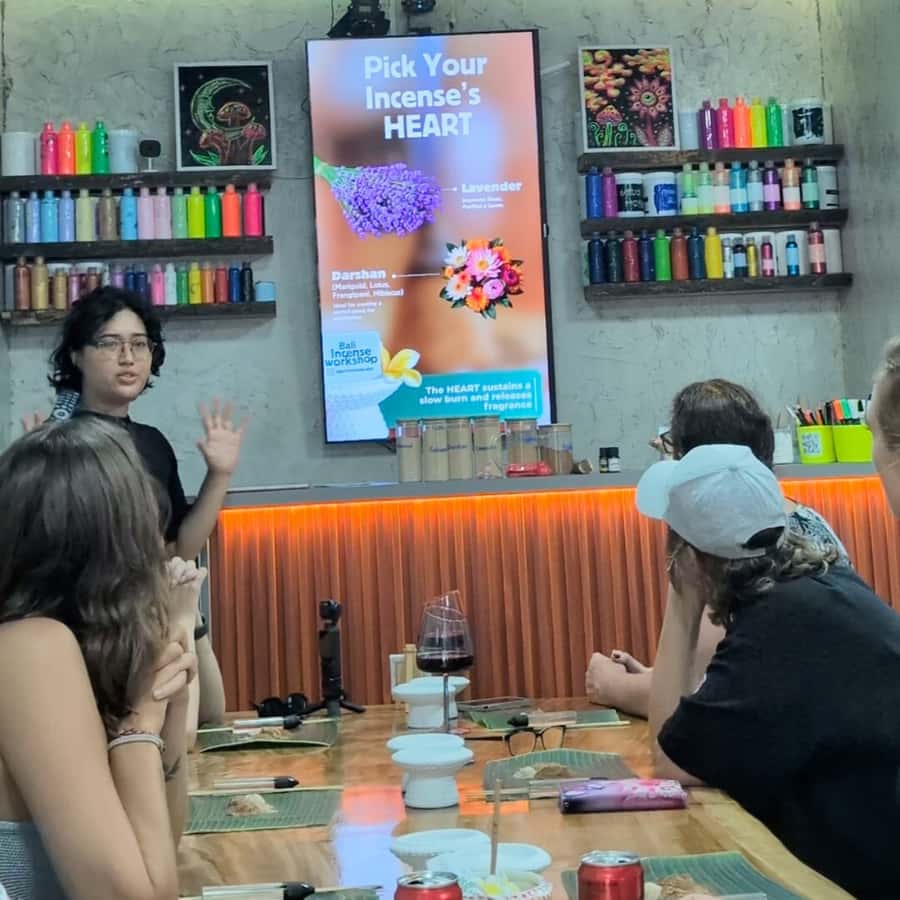
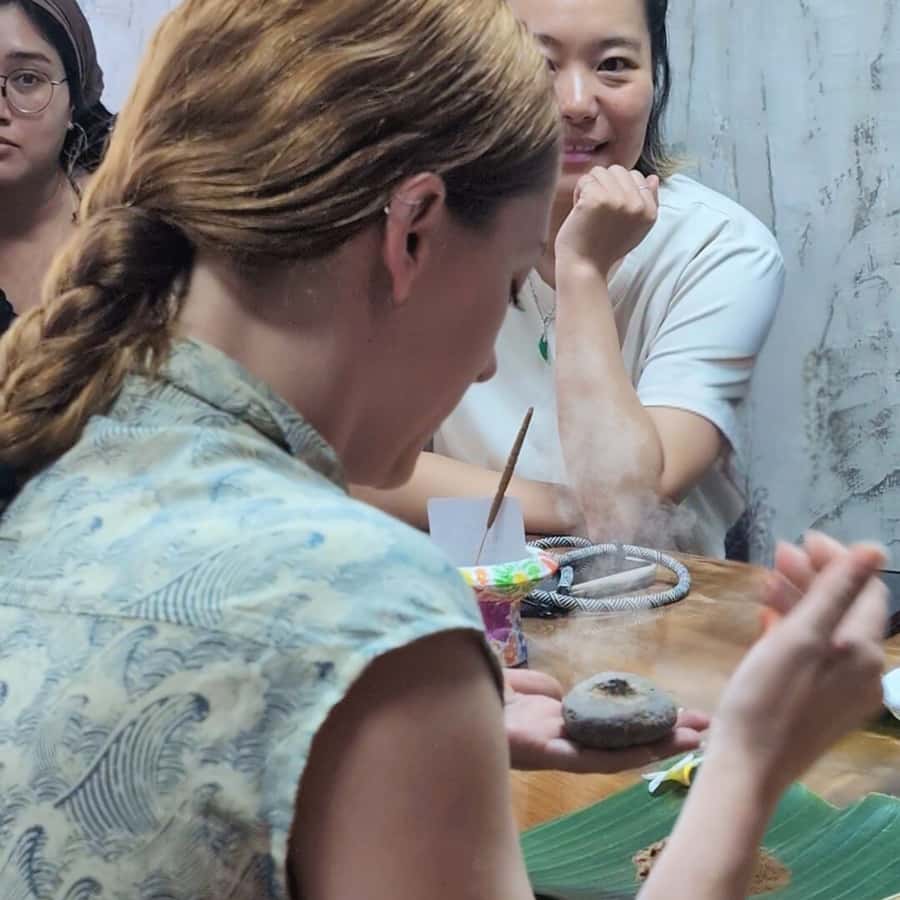
A big part of the fun is customizing your scent. You add essential oils to tailor the fragrance profile before you form the incense.
This is where you’ll probably notice the biggest difference between incense that feels “store-bought” and incense that feels like yours. You choose the direction of the scent—then the craft process turns that choice into something you can actually use.
I’d treat this as your chance to pick a scent that fits how you want your room to feel later: calm, grounding, or more energizing. You can even aim for something that matches what you’ve been smelling around Bali’s temples.
Your take-home kit: DIY incense, instructions, and 1+ hour burn time
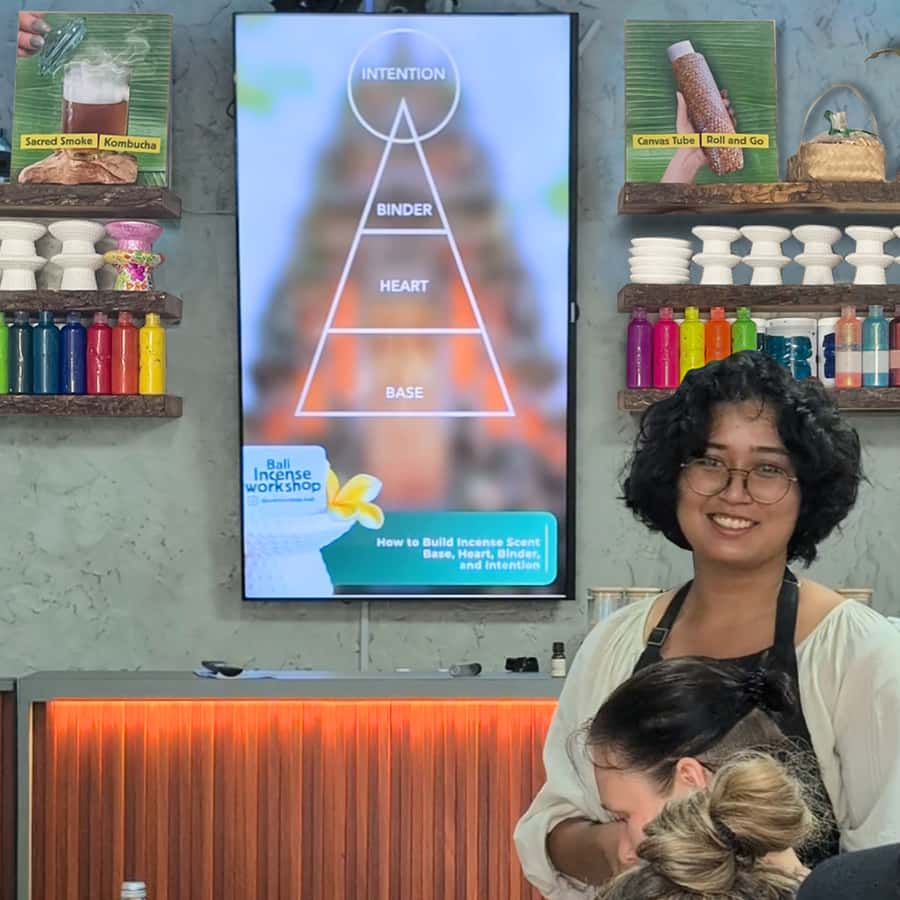
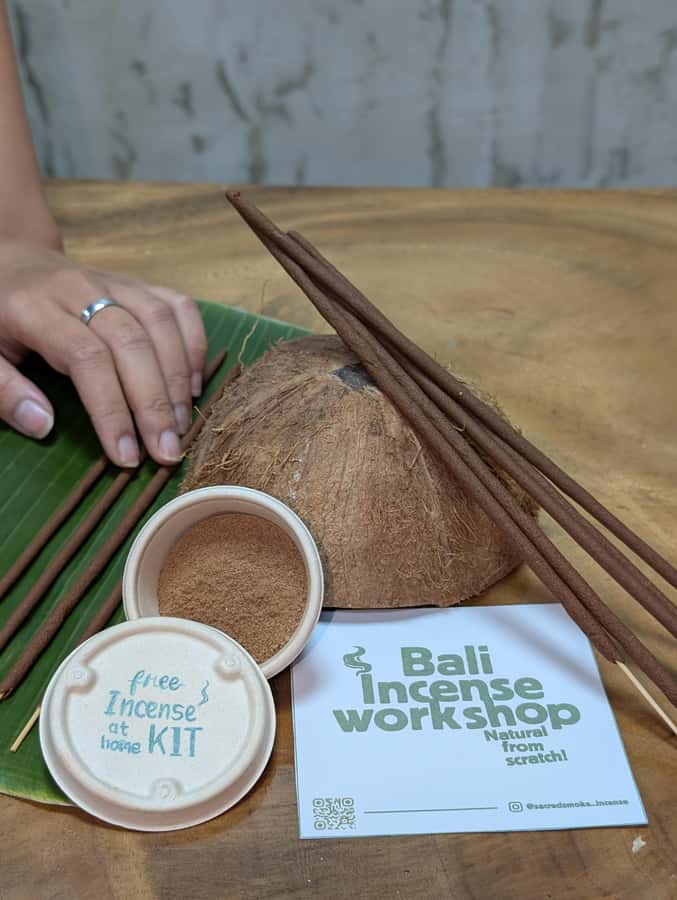
Here’s the value piece that makes this class feel worth it beyond the 90 minutes. You don’t just leave with what you made on-site—you also get a take-home DIY incense kit and an instructions card so you can keep making at home.
You also take your hand-made incense sticks, with each one expected to burn for 1+ hour. That’s a meaningful amount of time for something you made yourself, especially if you’ll light it in the evening or share it with friends.
If you travel with a plan to avoid carrying too many fragile souvenirs, this is also a better deal than it sounds. You’re taking home compact items and instructions, not a bulky object.
The optional ceramic incense burner add-on (paint it, make it yours)
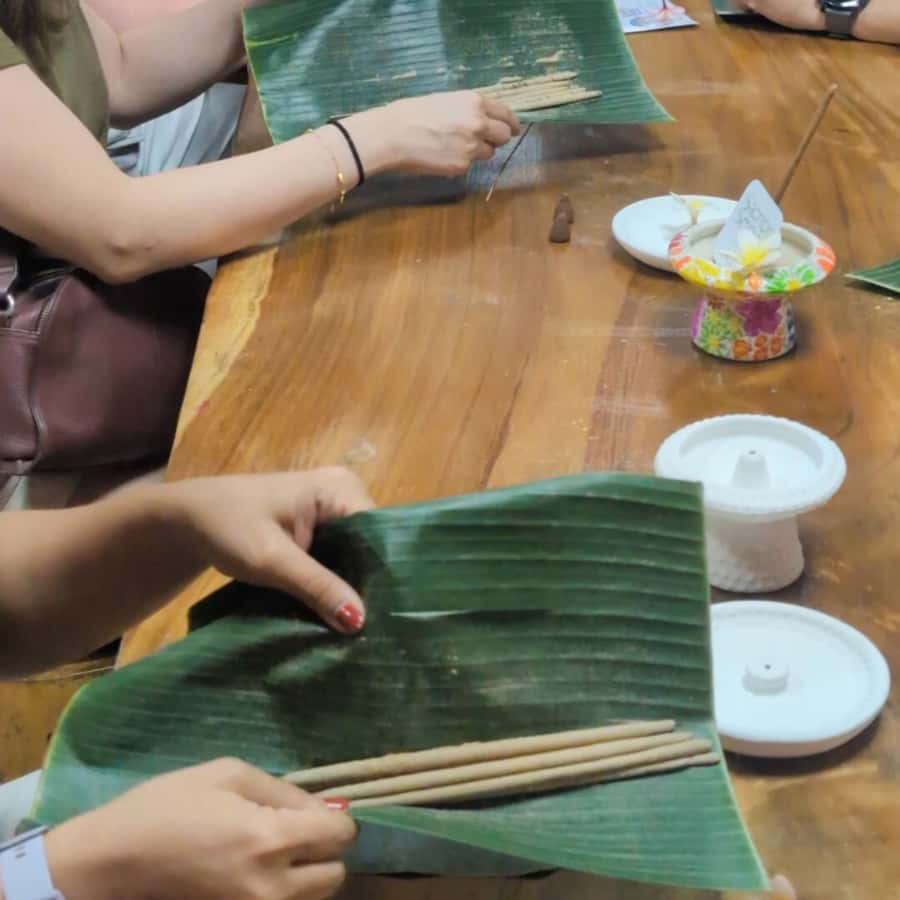
There’s an optional add-on: a customized ceramic incense burner. It costs an additional 15k and you can paint it as part of the experience.
This is a good choice if you like tying the craft together. Your burner isn’t just a prop—it’s the piece you’ll keep using, and it makes the incense experience feel more complete.
If you’re trying to pack light, skip it. But if you want something decorative you can actually use at home, the burner is where that payoff shows up.
Price and value: why $20 is more than a craft fee
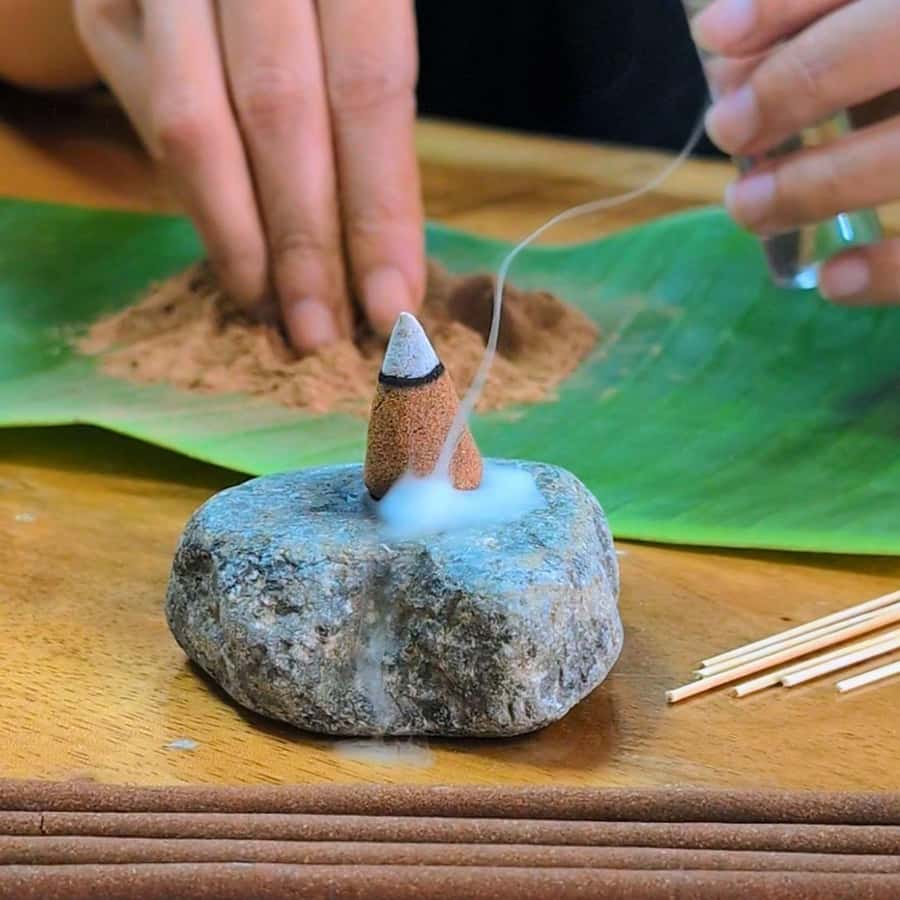
At $20 per person for a 90-minute class, the best value comes from what’s included beyond the lesson itself. You’re getting hands-on training, you leave with incense you made, and you get a take-home DIY kit to continue.
Many Ubud workshops charge similar amounts but give you less to take home. Here, the burn-time sticks plus the additional kit makes it easier to feel like you bought an experience and a small home hobby.
One more value angle: you’re learning how incense is built around ingredients and process. That turns the class into a repeatable skill rather than a one-time souvenir purchase.
Comfort and rules in the workshop: what you should know first
Expect a straightforward workshop setup. Smoking isn’t allowed, and food and drinks aren’t permitted during the session.
You’ll want to arrive ready for scent. Skip strong perfume, since it can interfere with how the incense smell comes through.
Two practical notes from the experience itself:
- The workshop is not wheelchair accessible
- It’s not suitable for people with respiratory issues
If any of those are you, I’d choose a different Bali activity where you can enjoy the day without worrying about scent exposure.
Who this incense making workshop is best for
This works well if you want something hands-on in Ubud but still want cultural context. It’s a strong fit for couples, solo travelers, and anyone who likes learning by doing.
It’s also a good choice if you prefer calm, focused activities over loud nightlife. The session is designed for instruction and repeatable technique, so you don’t have to be “creative” in the art sense—you just need to show up and follow along.
If you’re sensitive to strong smells or have breathing issues, skip it. Incense is the point, and that’s not always compatible with everyone’s health needs.
Quick tips so your incense turns out the way you want
- Avoid strong perfume on the day. Let the essential oils do the talking.
- Pick a scent direction you’ll actually enjoy at home, not just one that feels interesting for an hour.
- If you care about the look, consider the ceramic burner add-on so your finished setup matches your fragrance.
Should you book? My straightforward take
Book it if you want a hands-on Ubud activity with real technique, not just an artsy photo op. The take-home kit and the fact you’ll make incense you can burn right away makes the $20 feel practical, not overpriced.
Skip it if you have respiratory issues, need wheelchair access, or you’re trying to avoid strong scents. In those cases, you’ll likely feel stressed instead of delighted.
If incense is your kind of Bali—quiet craft, scent, and a little cultural context—this workshop is an easy yes.
FAQ
How long is the incense making workshop in Ubud?
The workshop lasts 90 minutes.
What is the price per person?
It costs $20 per person.
Is the instructor able to teach in English?
Yes. The instructor teaches in English.
Can I buy the ceramic incense burner?
A customized ceramic incense burner is optional. It’s not included and costs an additional 15k if you add it.
Are drinks or food included?
No. Drinks are not included, and food and drinks aren’t allowed during the workshop.
Is the workshop wheelchair accessible and suitable for respiratory issues?
No. The workshop is not wheelchair accessible and is not suitable for people with respiratory issues.
Hands-On in Ubud

More Ubud Tours We Rate




Just added around Ubud
- Ubud: White Water Rafting with visit Ubud Monkey Forest
★ 5.0 · 3 reviews - Private Guided Bali Car Charter
★ 5.0 · 3 reviews - East Bali and Lempuyang Temple Tour
★ 5.0 · 3 reviews - Bali Downhill Cycling and White Water Rafting
★ 5.0 · 3 reviews - Cave Tubing Adventure in Ubud
★ 5.0 · 3 reviews
Workshops, compared.
 ★ 4.9Hands-On Silver Jewelry Making Near Ubud’s Monkey ForestFrom $281,789 reviews
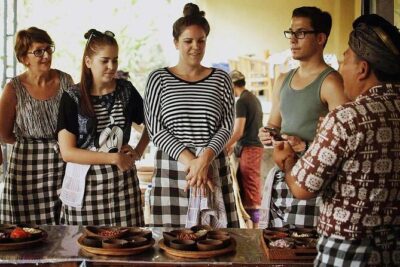 ★ 5.0Ubud Cooking Class Bali with Balinese ChefFrom $351,609 reviews
 ★ 5.0Ubud Silver Class Jewelry making in baliFrom $36978 reviews
 ★ 4.9Cooking Class with Transfers and Optional Market VisitFrom $21824 reviews
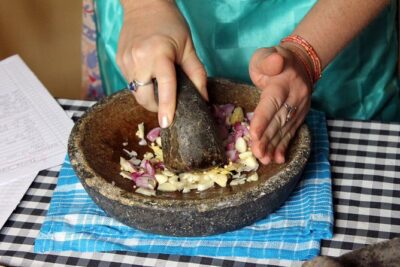 ★ 5.0PRIVATE Authentic Balinese Cooking Class in Ubud at Putu’s HomeFrom $75644 reviews
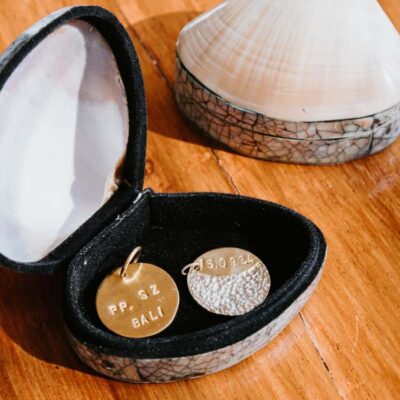 ★ 4.9Canggu: Bali Turtle Silver & Gold WorkshopFrom $49643 reviews
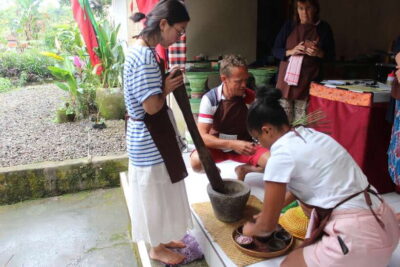 ★ 4.8Balinese Cooking Class and Market TourFrom $23531 reviews
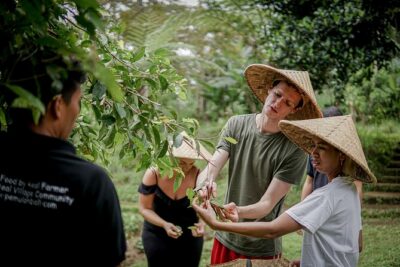 ★ 5.0Balinese Farm Cooking Class by Pemulan BaliFrom $39410 reviews
Browse the lists this tour appears in