
Reviewed · WORKSHOPS
Ubud: Balinese Traditional Gamelan Music Class with a Master
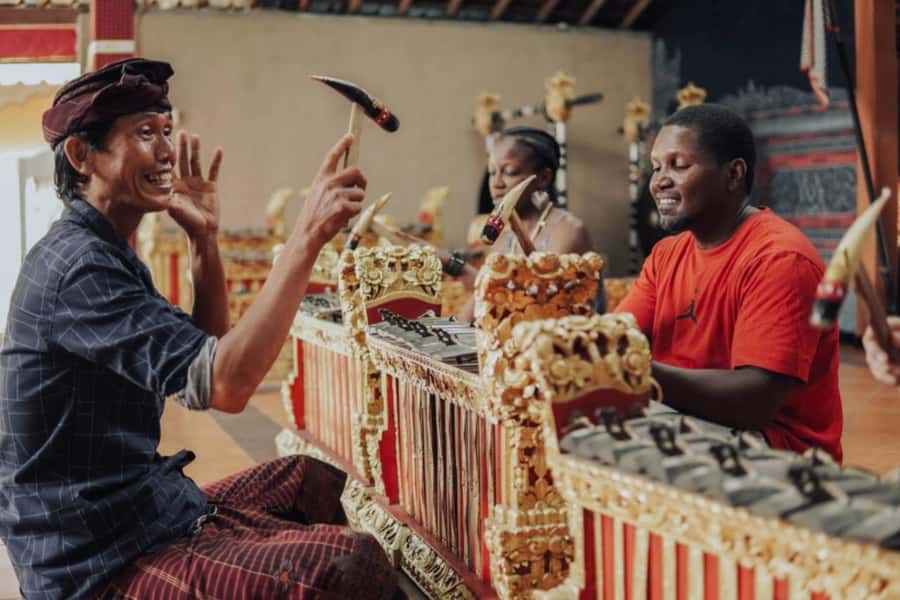
A stranger to gamelan can still make noise. This Ubud class teaches you how Balinese traditional music works in real time, not as a lecture, and it’s paired with culture and ecology context. I like that the teaching is geared for beginners, and I also like that you’re working on an actual set of instruments during the session. One thing to consider: it’s only 1 hour, so you’re learning the basics and the feel of the style, not becoming a performer.
The best part is the way the teacher connects sound to daily life in Bali. Gamelan in this area is tied to religious ceremonies, festivals, and community events, so the class doesn’t feel random or overly academic. My only caution is practical: you’ll want to arrive on time and wear comfortable clothes, because you’ll be playing, not just watching.
In This Review
- Key Points You’ll Care About
- Why This Ubud Gamelan Class Feels Different Than a Sit-and-Listen Show
- Your 1-Hour Plan: What Happens During the Class
- What You’ll Learn on the Gamelan (and Why It’s Built for Group Play)
- Balinese Culture and Ecology Lessons You Get Along the Way
- Private Group in Ubud: What the English Instructor Format Means for You
- Price and Value: Does $20 for One Hour Add Up?
- What to Bring, What to Wear, and One Practical Safety Note
- Who This Class Suits Best (and Who Might Want to Skip It)
- Should You Book This Ubud Gamelan Class?
- FAQ
- Where is this gamelan class located?
- How long is the class?
- How much does it cost?
- Is the instructor English-speaking?
- Is food included?
- What should I bring?
- Is this class suitable for everyone?
Key Points You’ll Care About
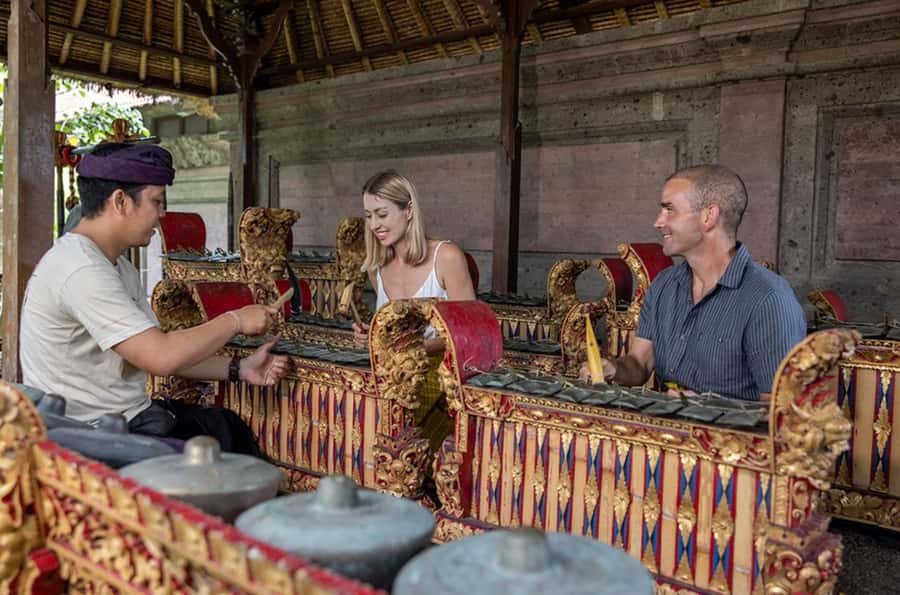
- Beginner-friendly hands-on learning with a professional/local instructor
- Real gamelan equipment in the session, so you practice the actual parts
- English instruction with a private group setup
- Culture + ecology context alongside your musical training
- Short 1-hour format, ideal if you want value without committing a whole day
Other Ubud tours and experiences to line up next
- Hands-On Silver Jewelry Making Near Ubud’s Monkey Forest★ 4.9 · 1,789 reviews
- Ubud Cooking Class Bali with Balinese Chef★ 5.0 · 1,609 reviews
- Ubud Silver Class Jewelry making in bali★ 5.0 · 978 reviews
- Ubud: Cooking Class with Transfers and Optional Market Visit★ 4.9 · 824 reviews
Why This Ubud Gamelan Class Feels Different Than a Sit-and-Listen Show
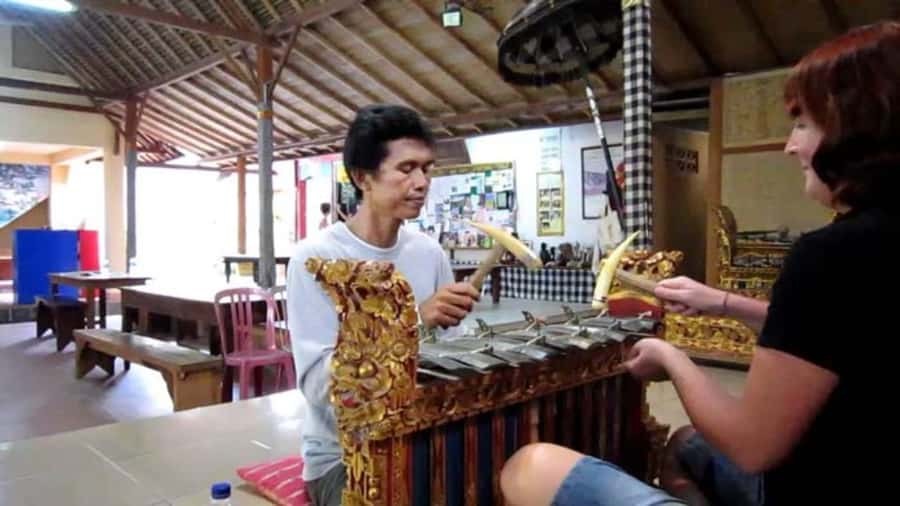
If your Bali plan includes music, don’t stop at a performance. This class is built around learning how gamelan works, with you at the instruments while an instructor guides you. It’s traditional Balinese music, but taught in a way that makes it approachable for people who don’t read music.
Two things make it stand out right away. First, the teacher’s style is accessible—this isn’t a “prove you’re musical” setup. Second, you’re not just learning notes; you’re learning how the music fits into Balinese life, from ceremonial uses to community gatherings.
That combination matters because gamelan isn’t meant to be solo and showy. It’s part of a shared system where harmony and interdependence are the point. If you like experiences that explain the “why” while you do the “how,” you’ll probably get a lot out of this one.
Your 1-Hour Plan: What Happens During the Class
This activity runs 1 hour, and the schedule is straightforward. You’ll start by getting oriented to the instruments, then you’ll move into practice right away. The teacher also frames what you’re doing with context about Balinese tradition, so the class stays connected to something larger than your immediate rhythm.
Timing is important here. Arrive 15 minutes early so you have time to get settled and ready to play before the session starts. In a short class, being late doesn’t just delay you—it can shrink the actual practice time you came for.
Because it’s a private group, the session pace can feel more natural. You’re not trying to keep up with strangers or compete for attention. For many people, that turns a “music class” into a more relaxed cultural moment where questions make sense.
What You’ll Learn on the Gamelan (and Why It’s Built for Group Play)
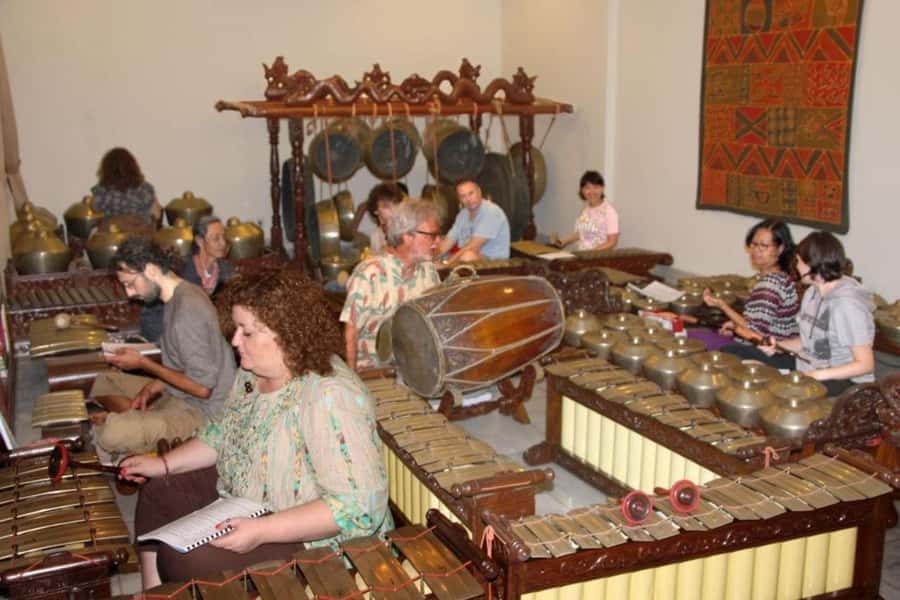
Gamelan music in Bali is intricate, and you don’t need prior training to enjoy the basics. The goal in an introductory class like this is usually to help you understand how the parts interlock—how one sound supports another, and how the overall texture forms through group coordination.
You’ll work with gamelan equipment during the hour, which is the best way to learn. With instruments in front of you, you can hear the relationships between pitches and rhythms rather than just imagining them. That hands-on sound-to-skill link is what makes the class feel rewarding fast.
Here’s the key idea to watch for while you practice: gamelan emphasizes interdependence. Even if you’re only learning a portion, the teacher will steer you toward the musical “fit” inside the ensemble logic. You’ll start to feel how balance matters—how staying steady is part of making the group sound right.
Also, don’t overthink it if you make mistakes. In a group-based tradition, being off is part of the learning curve, and the instructor guidance is what helps you adjust quickly.






Balinese Culture and Ecology Lessons You Get Along the Way
The class doesn’t treat music as a standalone hobby. Gamelan in Bali is strongly tied to religious ceremonies, festivals, and community events. So during your hour, you should expect the teacher to explain how this tradition moves through everyday cultural life—not just stage shows.
That matters because it changes what you listen for. After a session like this, you’re more likely to notice how the music supports communal moments and shared meaning. The class frames gamelan as a system built around harmony and togetherness, not just musical complexity.
The other unique ingredient here is the culture and ecology angle. The data for this experience specifically says you get a deep dive into Balinese culture and ecology alongside musical training. Even if you don’t walk out with a biology lesson, you’ll likely come away with a clearer sense of how local life and environment shape cultural practices and artistic values.
This is the “practical traveler” version of culture learning. You’re not sitting through long explanations while feeling disconnected. You’re hearing context while your hands are active, which makes the story stick.
Private Group in Ubud: What the English Instructor Format Means for You
You’re signing up for a private group lesson, taught in English. For most people, that’s a huge quality-of-experience boost. You can ask clarifying questions and get coaching without worrying that you’ll slow down a large class.
A teacher guiding a small group also helps the session stay focused. Instead of generic advice, you can get instruction targeted to your comfort level. This is especially useful in music, where small details—timing, posture, how you strike—make the difference.
It also tends to keep the whole hour less stressful. When you’re not performing in front of strangers, you can concentrate on learning the rhythm and the feeling of the instruments. If you’re the type who likes to try new things but hates pressure, this format is a good match.
One more detail that matters: it’s listed as skip the ticket line. That’s small, but in Ubud, anything that reduces waiting helps your day feel smoother.
Price and Value: Does $20 for One Hour Add Up?
At $20 per person for 1 hour, the price is in the “reasonable afternoon activity” range. The value comes less from the clock time and more from what you actually get: hands-on practice, professional/local instruction, and equipment provided.
If you’ve ever paid for a cultural show where you watch while others play, you know those experiences can be worth it. But this is different. You’re not a spectator. You’re participating, which usually makes the learning feel more personal—and more memorable.
Also, this class includes the instructor and the instruments setup. There’s no mention of add-on lessons, equipment rental fees, or complicated gear. That makes it easier to plan around without surprises.
One trade-off: you won’t become fluent in gamelan in an hour. You’re here for first skills and cultural context. If that matches your goal, the price-to-experience ratio tends to feel fair.
What to Bring, What to Wear, and One Practical Safety Note
Keep it simple. Bring a camera if you want photos, and wear comfortable clothes you can move in. Music classes aren’t runway events; you’ll likely be adjusting your position and focusing on technique.
Smoking is not allowed, so plan accordingly if you’re also doing other activities in Ubud before or after.
As for comfort and logistics, arrive 15 minutes early as instructed. That lets you settle without rushing and keeps the hour focused on learning rather than setup.
Who This Class Suits Best (and Who Might Want to Skip It)
This experience works well if you want something cultural that still feels hands-on. It’s a good fit for beginners, people with no musical background, and anyone who wants a structured introduction to Balinese traditional gamelan.
It also suits travelers who like depth, but not in a slow, lecture-heavy way. You’re getting a context framework—ceremonial and community connections—plus culture and ecology notes, while you learn musical fundamentals.
Not suitable for pregnant women and babies under 1 year. If that applies to you or your traveling partner, it’s best to choose a different Bali activity that matches your needs.
Should You Book This Ubud Gamelan Class?
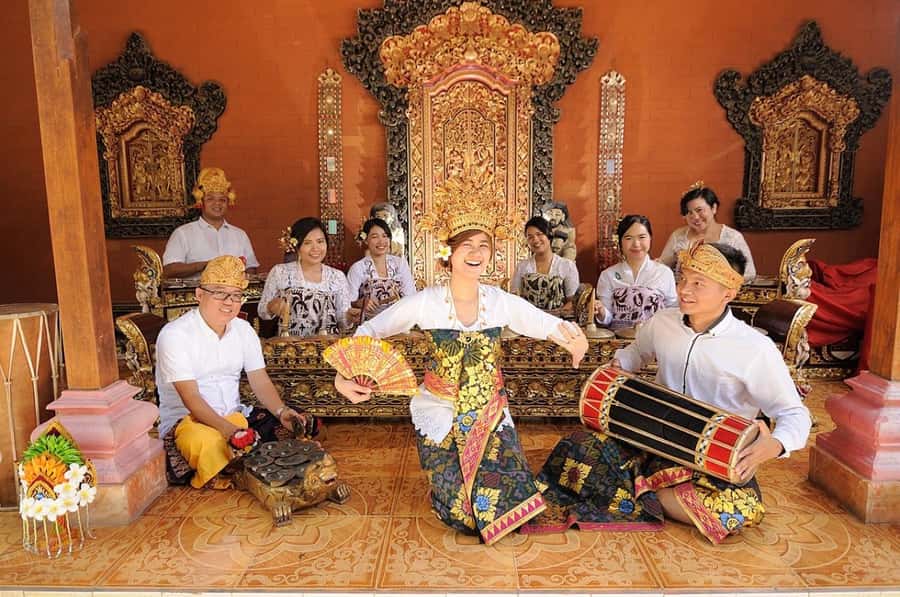
I think it’s a strong booking choice if your Bali trip includes music or culture, and you’d rather do something than just watch. The private group + English instruction lowers the friction, and the beginner-friendly approach makes it approachable even if you’re worried you won’t “get it.”
Book it if you want:
- A fast, focused experience in Ubud
- Hands-on practice with real gamelan instruments
- Culture and ecology context tied directly to what you’re playing
Skip it if:
- You need a longer course to learn at a deeper technical level
- You’re sensitive to the “active participation” style of a music class (you’ll be playing)
- Your group includes someone who falls under the not-suitable guidance
If you’re trying to add one meaningful activity that feels both authentic and practical, this is the kind of class that can pay off in your memory for a long time—even after the rhythm fades.
FAQ
Where is this gamelan class located?
It’s located in Bali, Indonesia, in the Ubud area.
How long is the class?
The class lasts 1 hour.
How much does it cost?
The price is $20 per person.
Is the instructor English-speaking?
Yes, the instructor speaks English.
Is food included?
No, food is not included.
What should I bring?
Bring a camera and comfortable clothes.
Is this class suitable for everyone?
It’s not suitable for pregnant women and babies under 1 year. Smoking is also not allowed.
Hands-On in Ubud




More Ubud Tours We Rate





Just added around Ubud
- Ubud: White Water Rafting with visit Ubud Monkey Forest
★ 5.0 · 3 reviews - Private Guided Bali Car Charter
★ 5.0 · 3 reviews - East Bali and Lempuyang Temple Tour
★ 5.0 · 3 reviews - Bali Downhill Cycling and White Water Rafting
★ 5.0 · 3 reviews - Cave Tubing Adventure in Ubud
★ 5.0 · 3 reviews
Workshops, compared.
 ★ 4.9Hands-On Silver Jewelry Making Near Ubud’s Monkey ForestFrom $281,789 reviews
 ★ 5.0Ubud Cooking Class Bali with Balinese ChefFrom $351,609 reviews
 ★ 5.0Ubud Silver Class Jewelry making in baliFrom $36978 reviews
 ★ 4.9Cooking Class with Transfers and Optional Market VisitFrom $21824 reviews
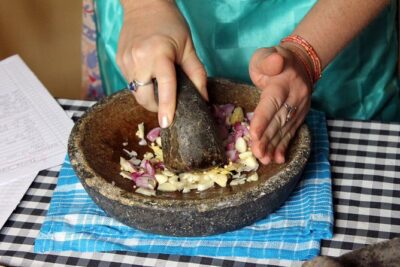 ★ 5.0PRIVATE Authentic Balinese Cooking Class in Ubud at Putu’s HomeFrom $75644 reviews
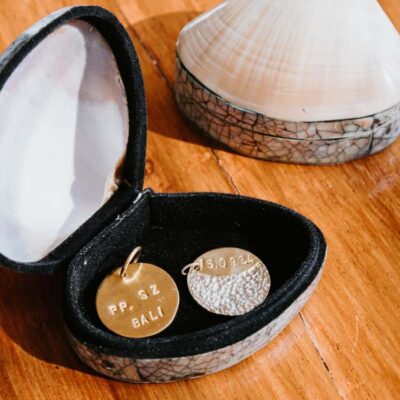 ★ 4.9Canggu: Bali Turtle Silver & Gold WorkshopFrom $49643 reviews
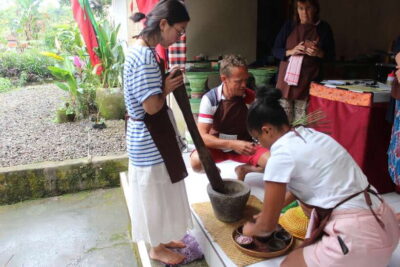 ★ 4.8Balinese Cooking Class and Market TourFrom $23531 reviews
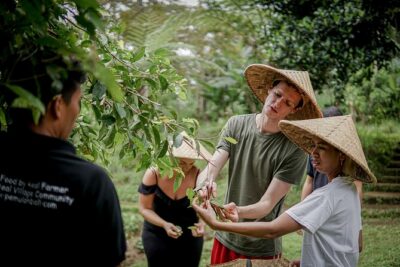 ★ 5.0Balinese Farm Cooking Class by Pemulan BaliFrom $39410 reviews
Browse the lists this tour appears in