
Reviewed · SPIRITUAL CLEANSING RITUALS
Tickets inclusive: Blessing Bali Tour
Holy water, rice fields, and a caring guide. This Blessing Bali Tour turns a day around Ubud into something grounded and real: you’ll see Tegalalang rice terraces up close, then join a Tirta Empul purification ritual where a local guide walks you through the holy-water steps. One consideration: because you do bathe in the holy water as part of the ceremony, you should feel comfortable getting wet and following temple rules.
What makes it genuinely worth your time is the human touch behind it. Guides named Wira, Ketut, Kadek, and Watu come through in the best way: clear explanations in English, patience with questions, and even extra help with photos—plus an air-conditioned car that makes the ride back feel easy.
In This Review
- Why this Bali blessing tour feels different
- Key things to know before you go
- Entering the day: what you’re really buying for $45
- How the timing and pickup works in real life
- Stop 1: Tegalalang Rice Terrace and the irrigation lesson
- Stop 2: Tirta Empul holy spring and the purification ceremony
- Stop 3: Kintamani Highland for lunch, coffee, and Batur views
- Your guide makes or breaks the experience
- Price and logistics: what’s included, what you pay later
- What to wear and how to behave at Tirta Empul
- Who this tour suits best (and who might reconsider)
- Should you book the Blessing Bali Tour?
- FAQ
- How long is the Blessing Bali Tour?
- Where does the tour take place?
- Is pickup included?
- What is included in the ticket price?
- Is lunch included?
- Is this tour private or shared?
- Do I get a mobile ticket?
- What happens at Tirta Empul Temple?
- What if the weather is bad?
- How soon do I receive confirmation after booking?
Why this Bali blessing tour feels different
If you’re expecting a standard checklist of temples and photos, this one plays it differently. The day is built around a practical rhythm: morning sights, a spiritual centerpiece, then downtime with views for lunch and coffee.
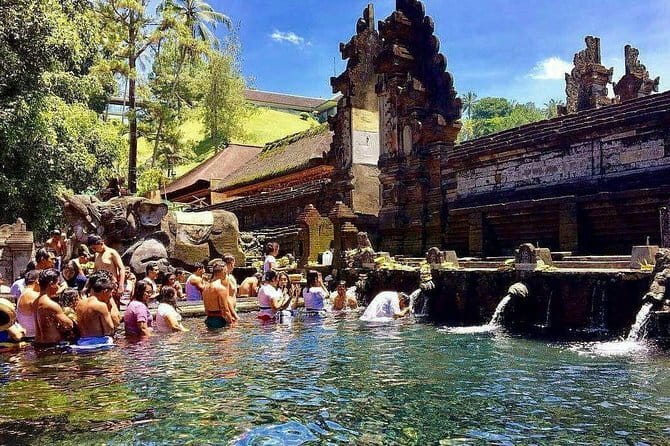
You’ll get to understand what purification is meant to do—turning away negativity and bringing luck and peace—without needing a philosophy degree. The guide leads the ritual steps, so you’re not stuck guessing what comes next. And you’re not just watching from the sidelines, either: the tour format includes active participation in the holy-water ceremony at Tirta Empul.
Melukat water blessings and healer visits around Ubud.
- Tirta Empul: Temple Tour with Optional Spiritual Cleansing★ 4.9 · 1,257 reviews
- Ubud: Sacred Monkey Forest Sanctuary Ticket and Guided Tour★ 4.8 · 675 reviews
- Taman Beji Griya Waterfall: Holy Bathing/Soul Retreat Ritual★ 4.8 · 634 reviews
- Ubud Tour – Balinese Healing By Shaman And Self Purification★ 5.0 · 236 reviews
Key things to know before you go
- Guide-led Tirta Empul ritual: you’re walked through the purification steps, including bathing in the holy water
- Tegalalang Rice Terrace with farming context: you’ll learn a bit about farmers’ life and irrigation
- Kintamani view break after the blessing: lunch and coffee time with Batur volcano and lake panoramas
- Private experience for your group: you won’t be mixed into a big crowd during the activity
- Included essentials that help you relax: entrance tickets, sarong for the temple, mineral water, and offerings
Entering the day: what you’re really buying for $45
At $45 per person, the value here comes from three things: transportation that starts with hotel pickup, temple access that’s already handled, and a guide who makes the spiritual part understandable—not just ceremonial.
Let’s be clear about what you’re not getting. Lunch is not included, so you’ll pay for food on the Kintamani stop. Still, you’re covering admission for multiple sites, getting a guide for several hours, and receiving temple basics like the sarong plus an offering. For many people, that combination is the difference between a stressful day and one that feels thoughtfully paced.
The tour time runs about 6 to 7 hours, which is a sweet spot in Ubud. You’re not sacrificing your whole day to do one site. You’re doing three meaningful pieces—rice terraces, a holy-water purification ritual, and a highland viewpoint—then going back with the feeling that your day had purpose.
How the timing and pickup works in real life
This tour starts with pickup in the Ubud area. From there, you’ll move through each stop without having to figure out rides between sites on your own.
The flow is set up like this:
- Tegalalang Rice Terrace first (so you catch the morning atmosphere)
- Tirta Empul next (your main event)
- Kintamani Highland after (a calmer wind-down with lunch and coffee)
Because you’re dealing with an outdoor volcano region and active temples, timing and conditions matter. The operator notes that this experience requires good weather. If the weather is poor and the tour is canceled, you’ll be offered a different date or a full refund, so you won’t get stuck losing money because of a rainy forecast.
Other Ubud tours and experiences to line up next


Stop 1: Tegalalang Rice Terrace and the irrigation lesson
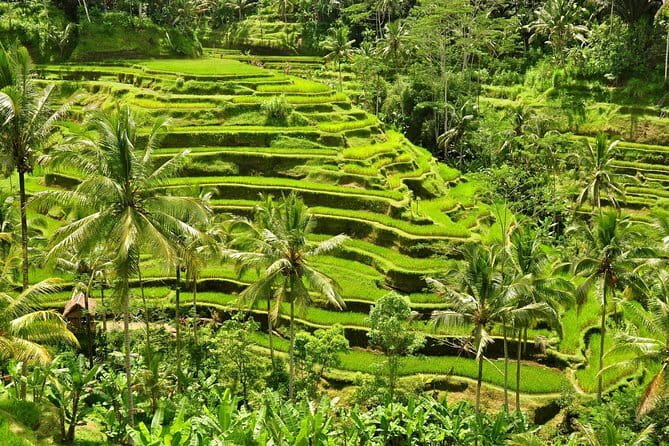
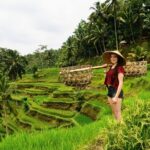
The first stop is Tegalalang Rice Terrace, one of the easiest places in the Ubud area to feel how Bali’s countryside works. You get to see the stepped rice fields up close and learn a bit about farmers’ life and irrigation systems.
Why I like this start: it gives you context before the spiritual part. Rice farming in Bali isn’t just scenery—it’s tied to daily rhythms and local understanding of water. Even if you’re not a “plants and irrigation” nerd (no shame), it helps you appreciate what comes next, because Tirta Empul’s holy water story is also about water and balance.
Practical notes:
- This part lasts about 1 hour and includes an admission ticket.
- You’ll be in a place where photos are easy, but the real value is the guide’s explanation of how the farming system works.
Stop 2: Tirta Empul holy spring and the purification ceremony
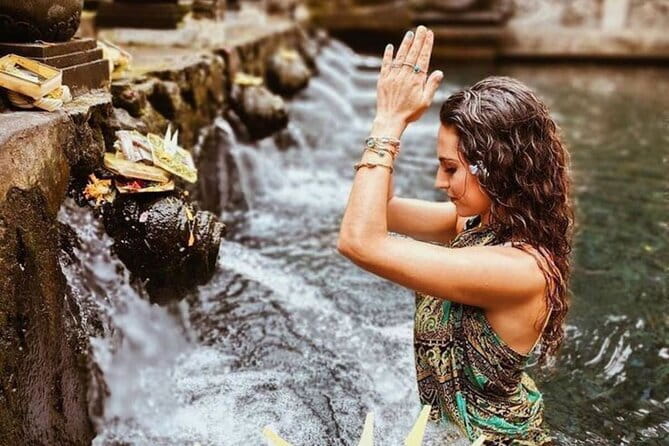
This is the heart of the day: Tirta Empul Temple, also known as the holy spring temple.
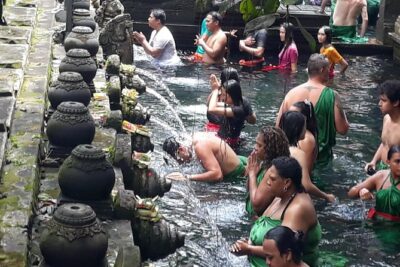
You’ll spend about 3 hours here, and the tour is built around the purification ceremony. The guide leads you through the ritual, and the experience includes bathing in the holy water. The purpose, according to local belief, is to remove negative energy and replace it with luck and peace.
Here’s what makes this more than a photo stop:
- You’re not just entering a temple. You’re participating in a specific ritual sequence.
- You’ll have a local guide to interpret what you’re doing and why each step matters.
- You get a clearer sense of the spiritual logic instead of walking away with only vague impressions.
What to consider:
- Come ready to follow temple etiquette and be patient. This is a ritual setting, not a theme park.
- Because there is bathing, you should be comfortable with getting wet and moving through the ceremony calmly.
This is where the guide praise really lands. People consistently highlight that their guides were kind, caring, and able to explain the ritual steps so they felt confident—not lost.
Stop 3: Kintamani Highland for lunch, coffee, and Batur views
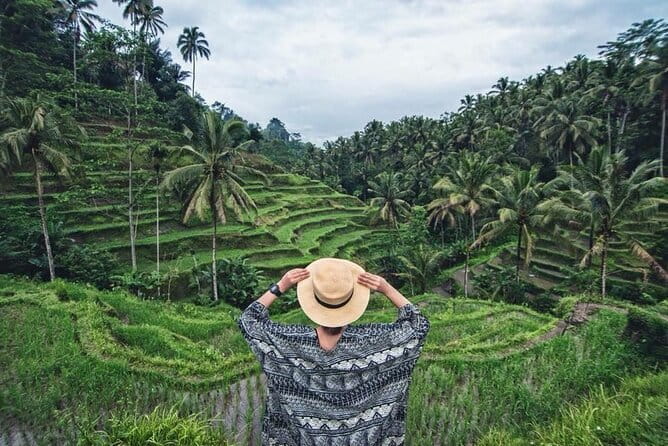
After the purification, you switch from spiritual immersion to something more relaxing: Kintamani Highland.
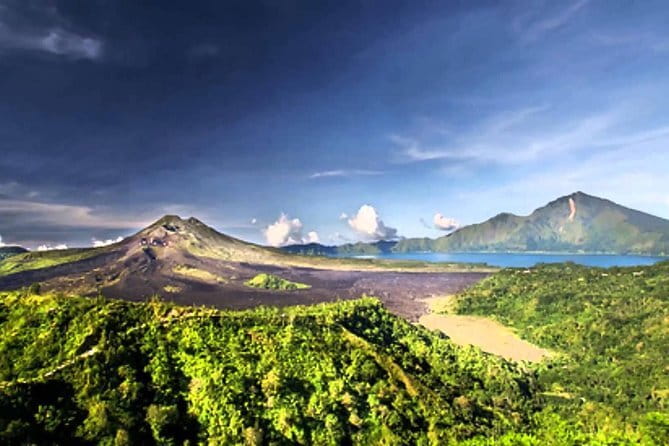
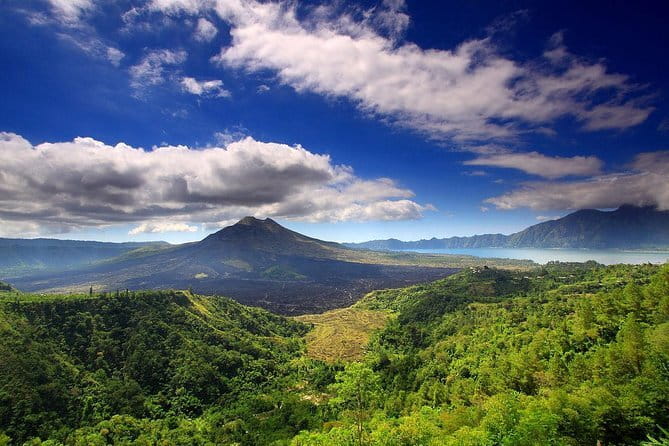
You’ll spend about 2 hours here for lunch and a coffee break. The big draw is the panorama—watching Mount Batur and the Batur lake from the highlands.
Even if you’re not thinking about volcanoes that day, this stop matters. It acts like a reset. After a ceremony that asks you to focus inward, this part gives you a broader, calmer picture and time to digest the whole experience (and yes, eat real food).
A heads-up on cost: lunch isn’t included, even though lunch is part of the schedule. So you’ll want to budget extra here. The good news is that you’re in a scenic area where you can treat lunch as both a meal and a reward.
Your guide makes or breaks the experience
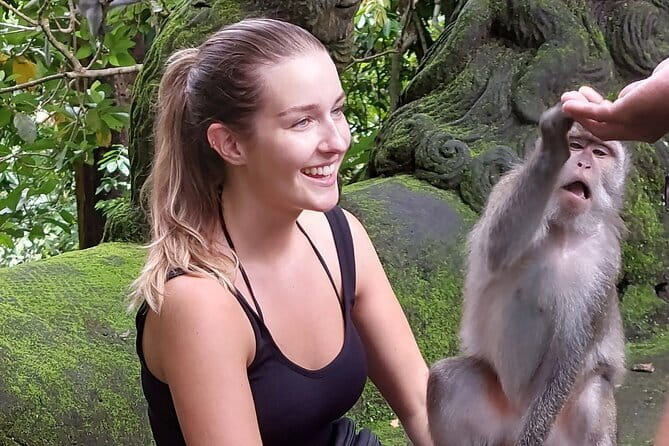
The strongest recurring theme is the quality of the people doing the guiding. I see the same pattern in the feedback: friendly demeanor, strong English, and a real willingness to explain.
Guides mentioned by name include:
- Wira, described as knowledgeable, friendly, and very happy to answer questions
- Ketut, praised for explaining temple history and helping people understand each step
- Kadek, noted for sharing lessons about dharma and Balinese culture
- Watu, recognized for being helpful, courteous, patient, humorous, and inspiring
A detail that matters for comfort: some guides also took plenty of pictures and even included themselves in the photos. That’s not just nice. It means you’re actually present in the memory, not only behind the camera.
Also, the ride quality came up too—an air-conditioned car helps a lot when Ubud heat and road time add up. It’s a small thing until it isn’t.
Price and logistics: what’s included, what you pay later
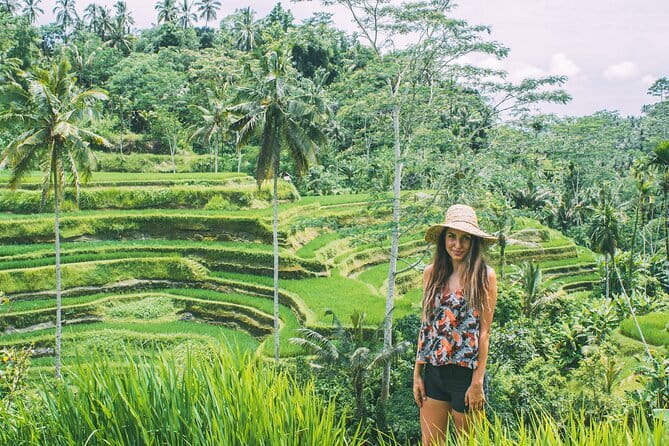
Here’s the practical breakdown:
Included:
- Entrance tickets to the stops listed in the day plan
- Local guide for the duration
- Sarong for the temple
- Mineral water
- Offering
Not included:
- Lunch
- Personal expenses
This makes the pricing feel straightforward. You’re not paying a pile of surprise ticket costs once you arrive, and you don’t have to hunt down a temple sarong at the last second. The tour’s structure already handles the parts that usually cause confusion.
If you like to travel light, this is a plus. Temple gear and entry fees can be the hidden budget leak on DIY days.
What to wear and how to behave at Tirta Empul
You don’t need to overthink it, but you do need to respect the setting.
Because the tour includes a sarong for the temple, plan on wearing something that makes it easy to follow the ritual rules once you’re there. Also remember: the ceremony includes bathing in holy water, so your clothing choice should match that reality. The guide will lead you through the process, but you’ll feel more comfortable if you already know you’re ready for the wet part.
Behavior-wise, treat the temple as a working religious space:
- listen first
- move when you’re guided to move
- ask questions if you genuinely need clarity
If you’re the type who hates feeling awkward, choose this tour format anyway. The guide-led ritual is exactly what reduces that stress.
Who this tour suits best (and who might reconsider)
This is a great match if you want:
- a day in Ubud that’s more than sightseeing
- a guide who explains the meaning behind what you’re doing
- a spiritual experience with structure and support
It’s also well-suited for most people, since the tour information says most travelers can participate.
You might reconsider if:
- you’re not comfortable with bathing in holy water
- you’re sensitive to following close temple etiquette
- you’re traveling during a weather window that’s unlikely to cooperate (the tour needs good weather)
Should you book the Blessing Bali Tour?
I’d book this if you’re looking for a meaningful Ubud day where the spiritual part is guided and understandable, not vague or awkward. The combination of Tegalalang rice terraces, the Tirta Empul purification ceremony, and the relaxed viewpoint time in Kintamani makes the day feel full but not frantic.
It’s also a solid value at $45, mainly because so much of the “hard-to-organize” stuff is already covered: tickets, guide, sarong, mineral water, and offerings. Just remember to budget for lunch, and be ready for the wet part at Tirta Empul.
If you want one practical tip: ask your guide questions early. People mention their guides were happy to explain—so take advantage while you’re there.
FAQ
How long is the Blessing Bali Tour?
The tour runs about 6 to 7 hours.
Where does the tour take place?
It’s based in Ubud, Indonesia, with stops at Tegalalang Rice Terrace, Tirta Empul Temple, and Kintamani Highland.
Is pickup included?
Yes. The tour offers pickup.
What is included in the ticket price?
Entrance tickets, a local guide, sarong for the temple, mineral water, and offering are included.
Is lunch included?
No. Lunch is not included, though the schedule includes time for lunch and a coffee break at Kintamani.
Is this tour private or shared?
This is listed as private, meaning only your group participates.
Do I get a mobile ticket?
Yes. A mobile ticket is part of the tour features.
What happens at Tirta Empul Temple?
You do the purification ceremony, including bathing in the holy water, guided by the local leader.
What if the weather is bad?
The experience requires good weather. If it’s canceled due to poor weather, you’ll be offered a different date or a full refund.
How soon do I receive confirmation after booking?
Confirmation is received at the time of booking.
More to See and Do in Ubud



More Ubud Tours We Rate
Cleansing & Healing Rituals
Just added around Ubud
- Ubud: White Water Rafting with visit Ubud Monkey Forest
★ 5.0 · 3 reviews - Private Guided Bali Car Charter
★ 5.0 · 3 reviews - East Bali and Lempuyang Temple Tour
★ 5.0 · 3 reviews - Bali Downhill Cycling and White Water Rafting
★ 5.0 · 3 reviews - Cave Tubing Adventure in Ubud
★ 5.0 · 3 reviews
Spiritual Cleansing Rituals, compared.
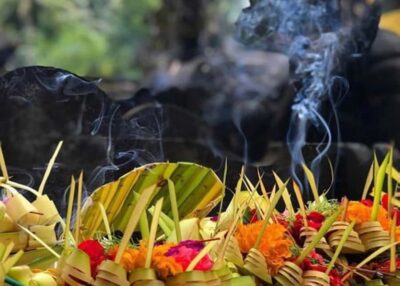 ★ 4.9Tirta Empul: Temple Tour with Optional Spiritual CleansingFrom $241,257 reviews
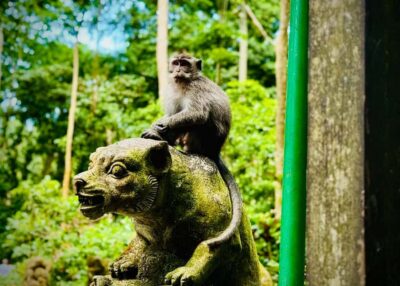 ★ 4.8Sacred Monkey Forest Sanctuary Ticket and Guided TourFrom $16675 reviews
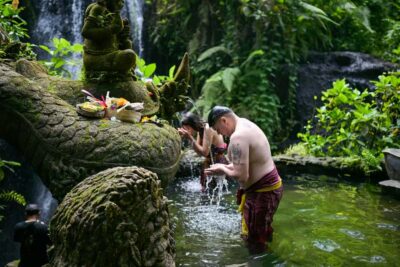 ★ 4.8Taman Beji Griya Waterfall: Holy Bathing/Soul Retreat RitualFrom $29634 reviews
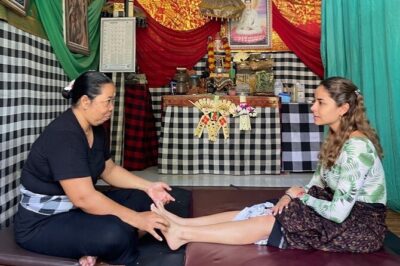 ★ 5.0Ubud Tour – Balinese Healing By Shaman And Self PurificationFrom $74236 reviews
Melukat Ceremony and Temple Tour at Tirta Empul TempleFrom $29218 reviews
★ 5.0Ubud Tour – Balinese Healing By Shaman And Self PurificationFrom $74236 reviews
Melukat Ceremony and Temple Tour at Tirta Empul TempleFrom $29218 reviews
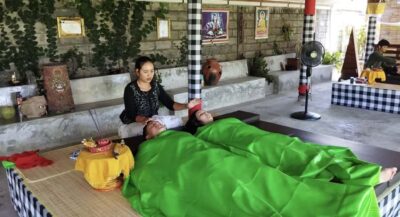 ★ 4.5Spiritual Cleansing, Palm Reading, & Trauma HealingFrom $27217 reviews
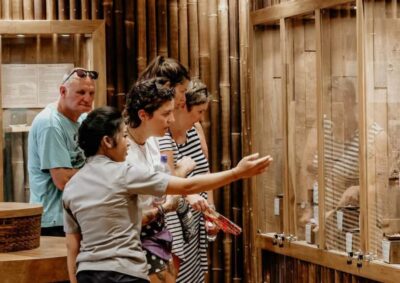 ★ 4.8Soul Retreat & Holistic Mantra Healing ExperiencesFrom $48144 reviews
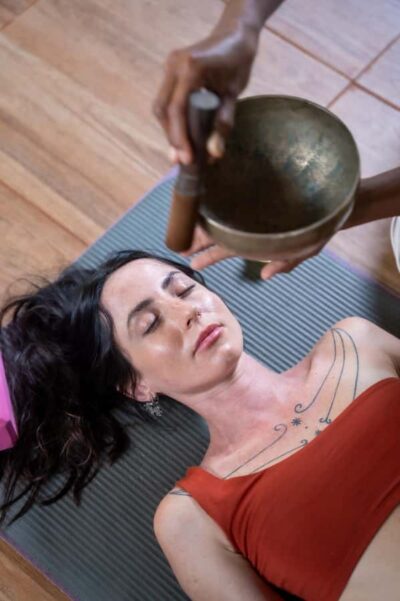 ★ 4.8Ubud Sound Yoga & Energy Healing ExperienceFrom $29112 reviews
Browse the lists this tour appears in