
Reviewed · UBUD TEMPLE TOURS
Tirta Empul: Temple Tour with Optional Spiritual Cleansing
Spiritual water, right in the middle of Bali. At Tirta Empul, you’ll follow a guided temple path through three mandalas and can add an optional purification ritual that locals take seriously.
Two things I really like: the step-by-step explanations of what you’re seeing, and the way you can tailor the day with add-ons like coffee tasting, massage, or lunch. One consideration: if you choose the cleansing, you’ll get fully wet, and the stone floors can be slippery.
In This Review
- Key points before you go
- Tirta Empul Temple Tour: the spiritual ritual is the point
- Walking in order: from Candi Bentar to Nista Mandala
- Madya Mandala pools: where the ritual becomes personal
- Utama Mandala: the calm, sacred finish
- Timing and transport: planning around Bali traffic
- Price and value: what $24 really buys you
- What to bring (and what to wear) so the ritual stays comfortable
- Temple etiquette: respect the ritual space
- Who this is best for (and who should skip it)
- The guide experience: why names like Yoga and Mangku show up
- Coffee tasting and the add-on rhythm
- Should you book Tirta Empul with an optional cleansing?
- FAQ
- What is included in the Tirta Empul temple tour?
- Is the spiritual cleansing part optional?
- Do I need to do a holy-water purification before entering?
- What should I bring and wear?
- Are there any restrictions on who can enter the temple?
- How long does the tour take, and is pickup available?
Key points before you go
- Three mandalas, not one stop: you move through Nista, Madya, and Utama areas in a clear temple walk.
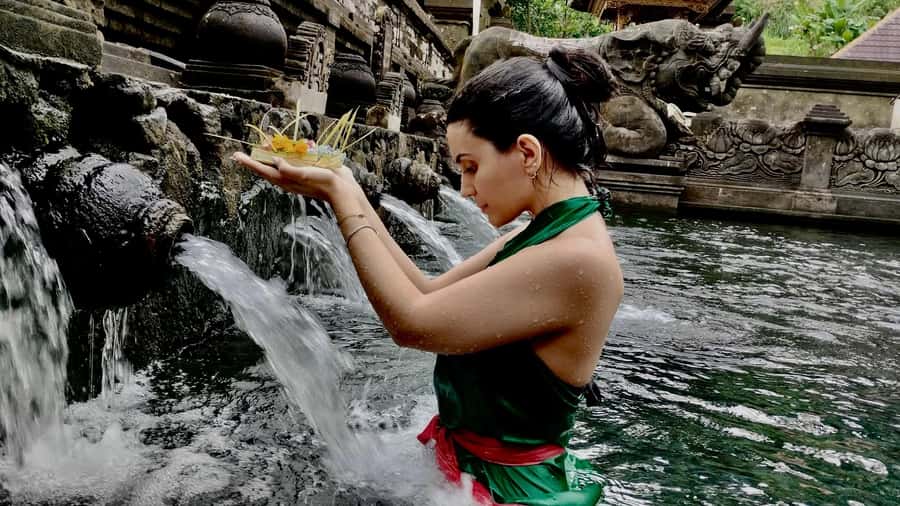
- Optional melukat cleansing: you’ll see the prayers and altar offerings, then follow the host’s instructions.
- Might include coffee or massage add-ons: your guide can help you layer on extras without extra planning.
- Tirta suci first: a quick holy-water purification (about 30 seconds) happens before entering the sacred areas.
- You’ll need the right kit: change of clothes, towel, and a way to keep valuables dry.
- Guide quality matters: many tours hinge on a calm, attentive guide who explains the meaning, not just the schedule.
Holy springs and purification pools worth the early start.
- Ubud: Monkey Forest, Jungle Swing, Rice Terrace, and Water Temple★ 5.0 · 7,160 reviews
- Ubud: Waterfalls, Water Temple & Rice Terraces Private Tour★ 5.0 · 5,484 reviews
- Full-Day Tour to Water Temples and UNESCO Rice Terraces in Bali★ 5.0 · 2,539 reviews
- East Bali Tour: Gate of Heaven, Water Palace, Sleeping Gajah★ 5.0 · 1,726 reviews
Tirta Empul Temple Tour: the spiritual ritual is the point
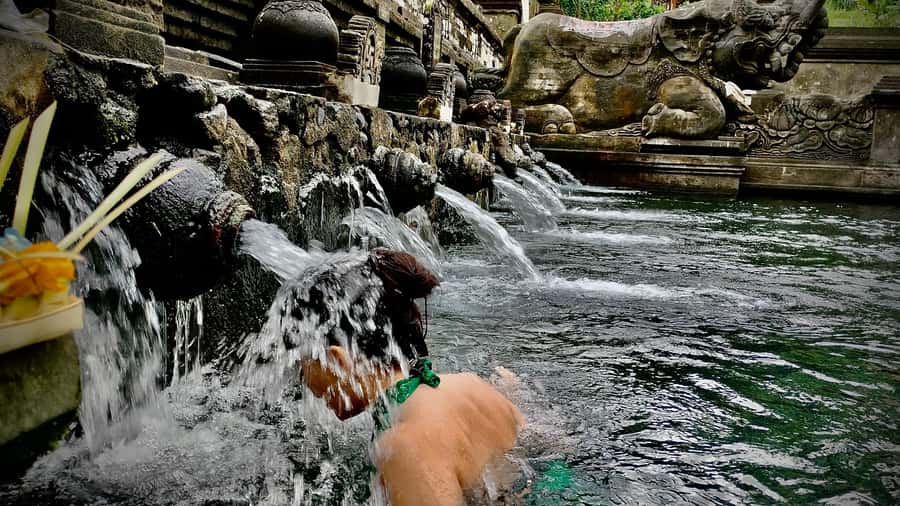
If you’re in Bali looking for more than photo stops, this is one of the clearest “do something real” experiences on the island. Tirta Empul is sacred to Balinese Hindus, and the whole complex is built around springs, baths, and pools that locals treat as spiritually meaningful water. You’re not just walking around; you’re learning how the temple organizes worship across its sacred zones—and then you can take part in an optional purification ritual.
What makes the experience click is the structure. You enter through the decorative Candi Bentar (temple split gate), then you move area by area in a way that makes the space easier to understand. The guide’s role is huge here: they explain the hierarchy of the temple’s three mandalas and guide you through what to expect, what to wear, and when to step in, step back, and watch respectfully.
Walking in order: from Candi Bentar to Nista Mandala
The tour begins as you pass through the Candi Bentar, the dramatic split gate that signals you’re moving into a sacred space. From there, you head into Nista Mandala, described as the zone that connects the temple to the outer world. This is one of those smart temple design choices: you get a soft landing before you reach the most sacred ground.
In Nista Mandala, you’ll see features that help you orient fast. The koi pond is there for a reason—water symbolism matters in Tirta Empul—and you’ll also find the Bale Banjar, a gathering hall where worshipers come together. Even if you don’t know Hindu temple layouts yet, this zone helps you read the complex like a story: begin at the “in-between” area, then gradually move inward.
Practical note: the walk is guided, so you’re not left trying to decode signage or guess what people are doing. You’ll also have sarong rental included, which matters because modest clothing is required once you’re inside.
Madya Mandala pools: where the ritual becomes personal
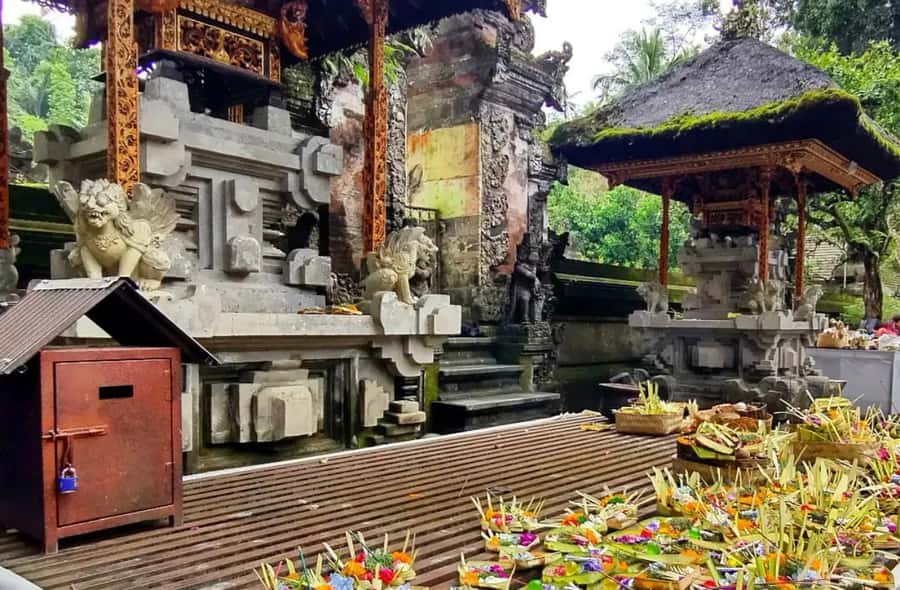
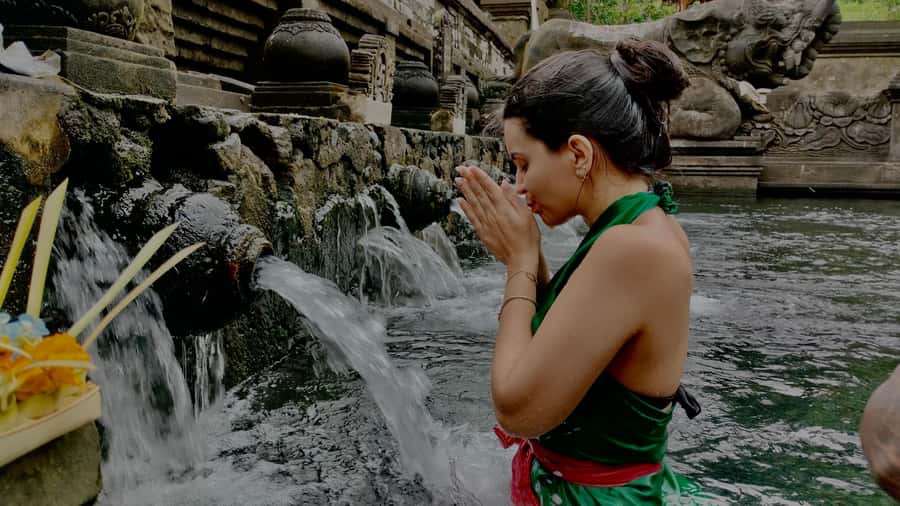
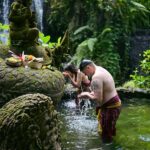
Next comes Madya Mandala, where the pools show up in a more direct, interactive way. This is the zone where the spiritual cleansing ritual happens, using the temple’s sacred water. The guide sets expectations early, which is key because the experience is not about performing for the camera. It’s about following the host’s lead and respecting local practice.
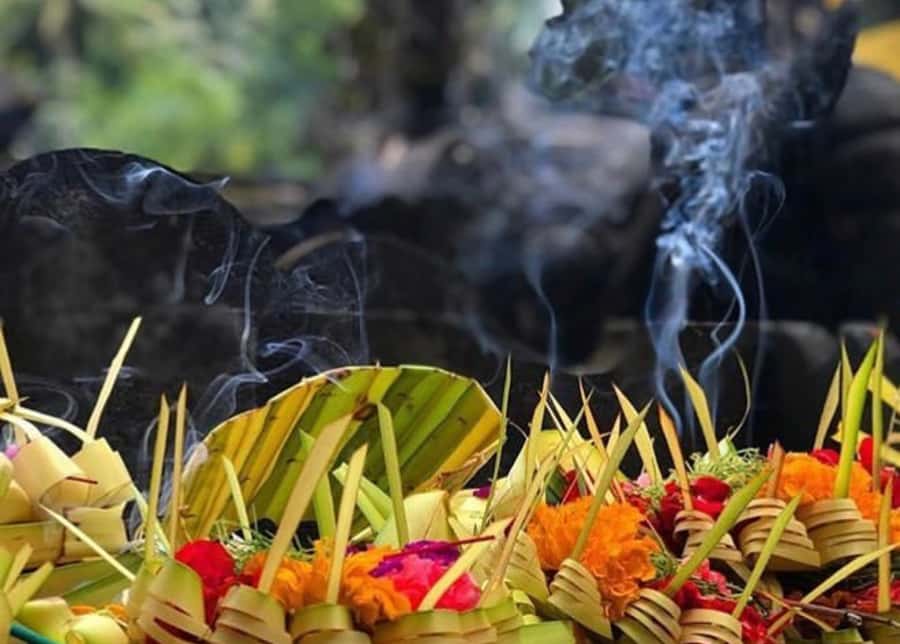
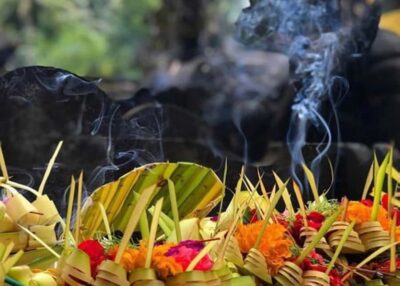
Here’s what you can realistically expect. The host explains the ritual step by step, including a meditation that takes place in front of the altar. You’ll witness a local making a prayer to the gods, the water spirits, and their ancestors—then placing offerings on the altar. It’s the kind of moment where you’ll notice how quiet people become, even if the complex is active.
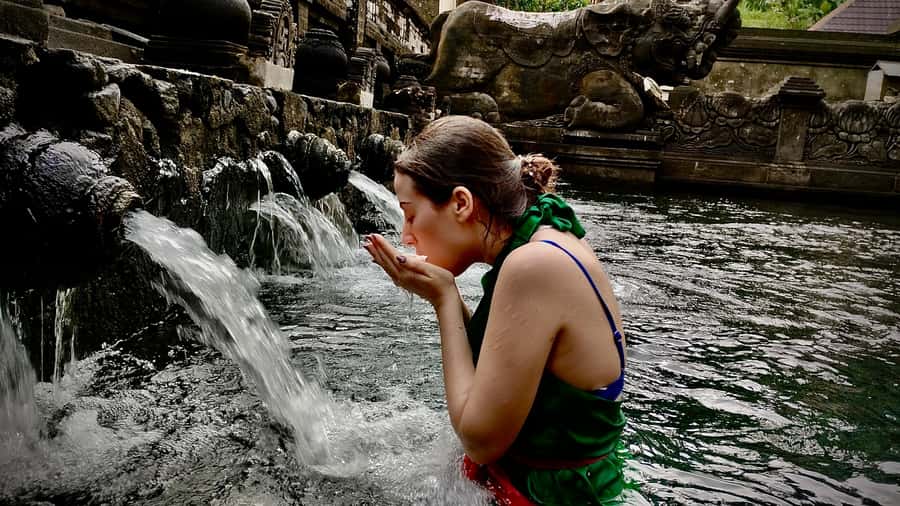
If you choose the add-on, you’ll take part in an optional purification experience. The big thing is preparation: you should expect to get fully wet, and you’ll want to follow the instructions exactly as the host gives them. This is not the place to “wing it” or wander away—watch carefully, then participate when your host signals.
More stone shrines and clifftop pura across Ubud.
Utama Mandala: the calm, sacred finish
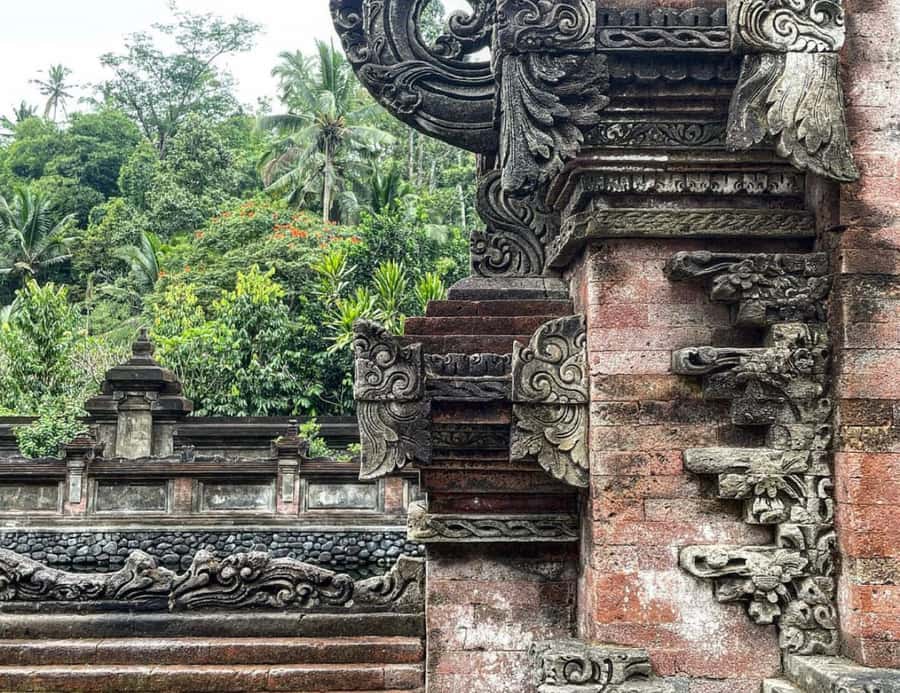
After the purification area, the tour moves into Utama Mandala, the most sacred space in the complex. This is where the tone shifts from “ritual observation and preparation” to “final thanks.” The locals sit down and thank the gods, the water spirits, and their ancestors once more before leaving.
I like this ending because it gives the whole experience closure. Instead of the tour just stopping after the wet part, you get a respectful wrap-up moment that feels designed for reflection. It also helps you understand that Tirta Empul is not a theme park. The sequence matters, and so does your behavior.
Photography is allowed in most areas, but you’ll want to keep it respectful—don’t block worshipers, and avoid taking shots at the altar while people are praying.
Timing and transport: planning around Bali traffic
The tour is listed at 3 to 6 hours, which is a wide range for a reason. Inside the temple, the tempo depends on how the day is flowing—how many people are present, how long the host takes for explanations, and how your group moves through each mandala.
If you book the option with pickup, you’ll meet your driver/guide in Central Bali, and travel is by air-conditioned car. If you’re already in the Ubud area, some bookings start with Ubud transfers. If traffic is heavy (it often is), your drive time can stretch, especially during peak hours. I’d build in cushion time if you’re tying this to another appointment later the same day.
A small but helpful detail: meeting point can vary by booking option. So when you arrive, check your confirmation instructions so you don’t spend your first 15 minutes hunting for the right gate.
Price and value: what $24 really buys you
At $24 per person, this is one of the better-value ways to access Tirta Empul with real guidance. The base inclusions matter because they cut down your “extra costs and hassle”:
- Entry ticket
- Sarong rental
- Temple offering with incense
- Licensed guide
- Mineral water
- Herbal drinks, plus Bali coffee tasting if that option is selected
- Plus optional add-ons like cleansing, massage, lunch, and more
Where the value really shows up is the guidance. A temple like this can be confusing if you arrive cold and try to decode everything yourself. With a licensed guide, you get the meaning behind the mandalas and the ritual flow—so you come away with context, not just wet photos.
Add-ons can make the day feel complete. For example:
- Lunch at a local restaurant turns the day into a proper meal-and-memories arc instead of a half-day sprint.
- Luwak coffee tasting (an option) can add a fun, food-and-culture angle after the spiritual focus.
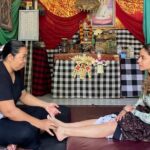
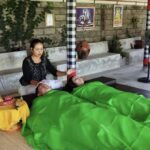
- A traditional massage gives you a reset after time in water and walking.
- A jungle swing adds an active, scenic break for people who want both calm and adrenaline.
- 10 Polaroid camera photos can be a neat souvenir, especially if you like a physical memory instead of only phone pics.
One practical caution: some add-ons are only available when you choose tours with transfers, so check your selected option before assuming you can add everything.
What to bring (and what to wear) so the ritual stays comfortable
Temple rules in Bali are straightforward, but they’re strict enough that you should take them seriously.
Bring:
- Change of clothes
- Towel
- Cash
Optional but highly recommended: a waterproof bag for belongings, since you’ll likely need to keep your phone and wallet dry during the cleansing.
Wear:
- Modest clothing: shoulders and knees must be covered inside the temple complex.
- Plan ahead if you’re heading straight from the beach or pool. Dry, covered clothing makes the first part of the visit smoother.
Also know these important rules:
- A mandatory tirta suci (holy water purification) happens before entering Tirta Empul Temple, as a sign of cultural respect. It takes about 30 seconds.
- People who are actively menstruating are not permitted in the temple due to religious customs.
- The ritual areas can be slippery, so watch your footing and use footwear with good grip.
And for your comfort: if you choose the optional cleansing add-on, you should be ready to get wet and to change out of damp clothes afterward.
Temple etiquette: respect the ritual space
This is a temple, not a set. So your job is to act like a visitor who understands you’re borrowing sacred time.
- Follow the host’s instructions during the ritual, including the prayer and offering steps.
- Don’t disturb worshippers. Even if photography is allowed in many areas, treat sensitive moments with extra care.
- Keep an eye on where you’re stepping—some surfaces can be slick, and people may be moving through narrow ritual paths.
Also, the tour has straightforward rules: pets are not allowed, and alcohol and drugs aren’t allowed. Bring a calmer, clear-headed attitude.
Who this is best for (and who should skip it)
This tour is a strong fit if you want a guided cultural experience that goes beyond sightseeing. It’s especially good for people who:
- Like understanding religious practice, not just taking pictures
- Want an optional “participate” moment instead of only watching
- Enjoy guided structure through a complex site
- Want the option to add lunch, coffee tasting, or a massage without building your own plan
Based on the activity’s restrictions, it’s not suitable for:
- Pregnant women
- People with mobility impairments, wheelchair users
- People with a cold
- Babies under 1 year
- People over 95 years
If you’re unsure, you can ask your operator before booking, but the rules are clear enough that you should respect them.
The guide experience: why names like Yoga and Mangku show up
For me, the biggest differentiator is the guide’s tone. A good guide makes the spiritual meaning easier to grasp without turning it into a lecture. In the guides I’ve seen associated with this experience, you’ll often get a mix of careful explanation and real people interaction—someone who answers questions, keeps things organized, and helps you feel comfortable participating.
Some examples of guide names linked to the experience include Mangku, Karba John, Ms Sagita, Hendra, Yoga, Sandy, and Nyoman. While your guide may differ, the common thread from the strongest experiences is that the day doesn’t feel robotic. It feels paced, personal, and respectful.
One more detail I’d pay attention to: some guides are also excellent at photography, which can help if you want a few good shots but don’t want to spend the whole time chasing angles while people are praying.
Coffee tasting and the add-on rhythm
If you add Bali coffee tasting or Luwak coffee tasting, it changes the flow of your day. Instead of only moving through water and sacred spaces, you add a local flavor stop that can feel like a palate reset. It also gives you a chance to ask more questions about everyday Balinese life—coffee and how it’s made by hand often turns into an easy, friendly conversation.
If you add lunch, it’s usually a good way to avoid the classic post-temple scramble. You’ll spend the day moving from mandala to mandala, then you’ll actually get a proper meal rather than grabbing something on the run.
And if you add the massage, you’re basically turning “I’m damp and tired” into “I feel human again.” That makes sense if you’ve got more sightseeing later.
Should you book Tirta Empul with an optional cleansing?
Book it if you want a guided experience that’s built around meaning, not just movement. The $24 starting point is solid because you get the key basics included—entry, sarong, offering, guide, and water—and you can choose add-ons that match your energy.
I’d especially recommend this if:
- you’re comfortable following ritual instructions and modest dress rules
- you can handle the idea of getting wet for the optional cleansing
- you want the three-mandala layout explained clearly as you walk
I’d think twice if you hate slippery stone floors, you’re short on time with tight connections, or you don’t want to participate in (or prepare for) a water ritual.
If you do book, take your preparation seriously: bring a towel and change of clothes, respect the rules about temple entry, and treat the ritual like it matters. Do that, and Tirta Empul becomes one of those Bali days you remember for the right reasons.
FAQ
What is included in the Tirta Empul temple tour?
The tour includes an entry ticket, sarong rental, a temple offering with incense, a licensed guide, and mineral water. Mineral water is included, and herbal drinks and Bali coffee tasting may be included if you select that option.
Is the spiritual cleansing part optional?
Yes. The spiritual cleansing experience is offered as an add-on. If you select it, you should be prepared to get fully wet and follow the host’s instructions during the ritual.
Do I need to do a holy-water purification before entering?
Yes. There is a mandatory tirta suci holy-water purification before entering Tirta Empul Temple. It takes about 30 seconds and is done as cultural respect when entering a sacred area.
What should I bring and wear?
Bring a change of clothes, a towel, and cash. Modest clothing is required inside the temple complex, with shoulders and knees covered. If you join the cleansing ritual, bring a waterproof bag for your belongings.
Are there any restrictions on who can enter the temple?
People who are actively menstruating are not permitted in the temple. The activity is also listed as not suitable for pregnant women, people with mobility impairments, wheelchair users, people with a cold, babies under 1 year, and people over 95 years.
How long does the tour take, and is pickup available?
The duration is 3 to 6 hours. Pickup is optional from Central Bali for select areas, and some options include Ubud transfers in an air-conditioned car. Meeting point can vary based on the option you book.
Cleansing & Healing Rituals
Temples & Shrines Around Ubud
Holy Springs & Water Temples
Just added around Ubud
- Ubud: White Water Rafting with visit Ubud Monkey Forest
★ 5.0 · 3 reviews - Private Guided Bali Car Charter
★ 5.0 · 3 reviews - East Bali and Lempuyang Temple Tour
★ 5.0 · 3 reviews - Bali Downhill Cycling and White Water Rafting
★ 5.0 · 3 reviews - Cave Tubing Adventure in Ubud
★ 5.0 · 3 reviews
Ubud Temple Tours, compared.
 ★ 5.0Monkey Forest, Jungle Swing, Rice Terrace, and Water TempleFrom $317,160 reviews
 ★ 5.0Waterfalls, Water Temple & Rice Terraces Private TourFrom $295,484 reviews
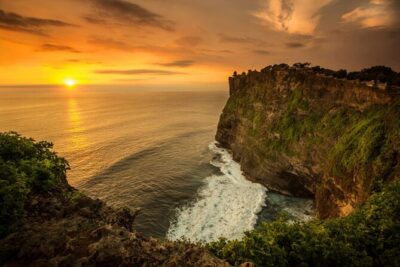 ★ 5.0Uluwatu Sunset, Kecak Dance, and Dinner Jimbaran BeachFrom $353,681 reviews
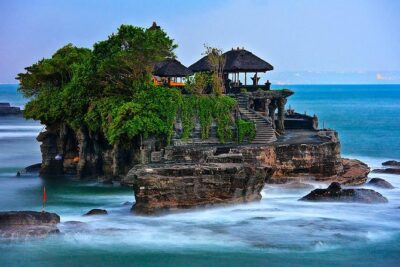 ★ 5.0Tanah Lot and North Bali Tour: Scenic JourneyFrom $1003,620 reviews
 ★ 5.0Full-Day Tour to Water Temples and UNESCO Rice Terraces in BaliFrom $392,539 reviews
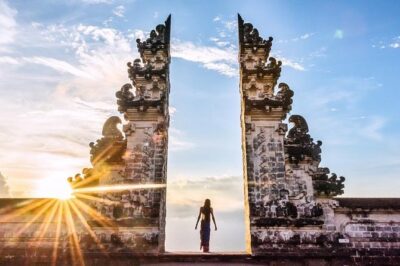 ★ 5.0East Bali Tour: Gate of Heaven, Water Palace, Sleeping GajahFrom $1001,726 reviews
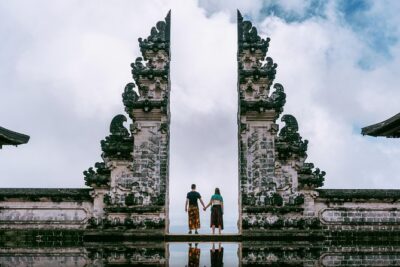 ★ 5.0Bali Instagram: Gate of Heaven Temple TourFrom $85737 reviews
 ★ 5.0Ubud Tour with Monkey Forest Waterfalls Temples and MoreFrom $30495 reviews
Browse the lists this tour appears in