
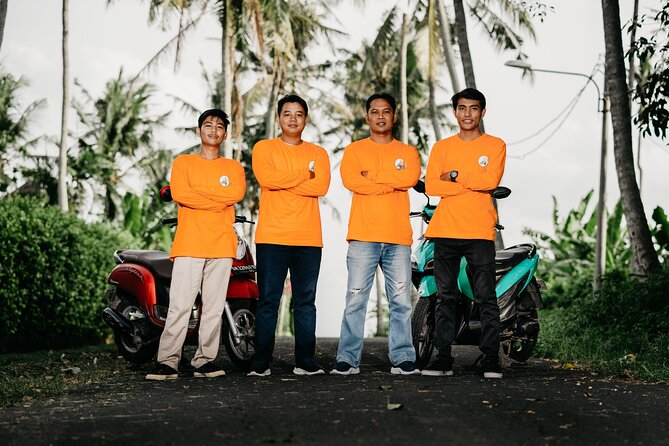
Reviewed · WORKSHOPS
Canggu Scooter Lessons
Learning a scooter in Bali is one of those things that can go right. This private electric lesson in Canggu turns a scary start into a step-by-step skill session, with an instructor coaching you to build confidence before you go anywhere busier.
What I especially liked was the patient, encouraging teaching style (people like Agus and Gede are specifically mentioned for being calm and thorough) and the way you set the pace with repeatable practice tasks instead of being rushed.
One thing to keep in mind: you’re expected to have a valid license before learning, so double-check your documents before you show up.
In This Review
- Key things to know before you ride
- Why Canggu scooter lessons beat guessing in traffic
- Starting at the parking lot: the theory that prevents silly mistakes
- Balance and turns: building control before you chase confidence
- The quiet village street stage: the confidence switch flips here
- Private coaching with names like Agus and Gede (and a real no-pressure vibe)
- How many lessons you should plan for: 2 hours or 4–6 hours?
- Electric scooter learning vs real Bali riding
- Price and value: $31.34 feels fair for a private skill boost
- Who this scooter lesson is best for
- The small details that make your lesson easier
- FAQ about Canggu scooter lessons
- FAQ
- Do I need a valid license for the scooter lesson?
- Where does the scooter lesson start?
- How long is a lesson?
- Is this a private lesson?
- What happens first during the lesson?
- When do you ride on a street?
- Can I take breaks during the lesson?
- How many lessons will it take to feel confident?
- Do they teach other driving skills besides scooters?
- Is prior biking experience required?
- What if the weather is bad?
- Should you book this Canggu scooter lesson?
Key things to know before you ride
- Private electric scooter instruction in Canggu, taught with calm, step-by-step coaching
- Theory first, so you understand how the scooter works before you try to move
- Balance and turning drills to get control before you head to any street riding
- Quiet village street practice only after you’re ready, not on day one for everyone
- You can take breaks as you need, which helps when you’re nervous or learning slowly
- Plan beyond 2 hours: many people end up doing 2–3 lessons for full comfort
Other Ubud tours and experiences to line up next
- Scooter Lesson in Ubud★ 5.0 · 3 reviews
Why Canggu scooter lessons beat guessing in traffic
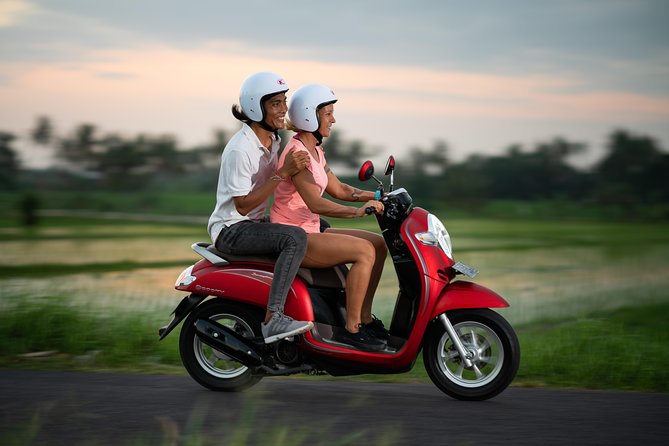
Bali traffic can feel like it’s happening at a different speed than your brain. If you’re new to riding, the hard part isn’t just moving forward—it’s the control. Throttle, balance, turning, scanning, and doing it all while traffic keeps rolling around you.
This setup is smart because it treats the scooter like a skill ladder, not a one-time “try it and hope” moment. You start in a parking lot and work from basic control toward more real-world riding only once you’re confident. You get an instructor close enough to guide you with clear feedback, and that matters when you’re trying to figure out what your hands and feet are supposed to do next.
Also, it’s private. That means the lesson is tuned to your comfort level, not a generic pace for a mixed group.
Starting at the parking lot: the theory that prevents silly mistakes

The lesson begins where they park and prep the scooter—right at their meeting area on Jl. Raya Dawas in Tibubeneng (Canggu area). Before you move an inch, you get theory on how the scooter works and what each part does.
This part sounds basic, but it’s one of the biggest value points. People often jump straight onto a scooter and only later realize things like:
- how the scooter responds under gentle throttle,
- how to feel control instead of grabbing at speed,
- and what to expect when you turn or change direction.
The guidance is meant to get you thinking in control terms, not panic terms. It also gives you a framework for what you’re practicing during the next stage.
And because it’s private, the theory doesn’t have to be rushed. If you’re the type who needs a minute to absorb instructions, you’re not punished for it.
Balance and turns: building control before you chase confidence
After the theory, you move into the physical learning phase: balance and controlled turning. This is where you start learning the scooter like a bike you can steer—slow, deliberate, and repeatable.
Here’s what makes this stage work for most first-timers: they don’t jump straight into “go ride.” They focus on learning:
- how to stabilize while moving,
- how to take turns smoothly,
- and how to coordinate your body and scooter instead of fighting the scooter.
From the teaching style described in the experiences, you’re often given different tasks to do, and the instructor adjusts the next step based on how you respond. That’s a big deal. If you only practice one drill, you can become “okay” at that drill and still feel shaky when the situation changes slightly. Multiple tasks help you build flexible control.
Other Ubud tours and experiences to line up next
The quiet village street stage: the confidence switch flips here
Only once you’re completely confident (or at least ready enough for the next step) you continue the lesson on a quiet village street. The purpose is practical: it lets you apply what you practiced without the full pressure of the busiest traffic right away.
This is the stage where many people start to feel safer—because you finally connect the dots between:
- what your hands and feet learned in the parking area, and
- what real balance feels like when you’re moving along a road.
The quiet street isn’t about making it perfect. It’s about creating a controlled environment for you to practice real riding basics: steering through turns, holding balance over small changes, and responding to your surroundings in a calmer setting.
You’ll also be able to take breaks if you need them. That’s not a small detail. Stopping to reset your nerves often makes the next attempt much easier.
Private coaching with names like Agus and Gede (and a real no-pressure vibe)
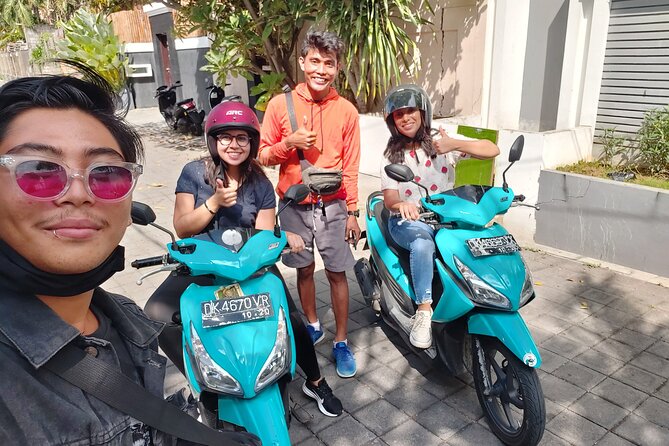
One reason this kind of lesson works is the human part: patient instruction. Multiple experiences highlight instructors who are calm and helpful, especially with first-timers.
Agus is noted for being nice and patient and for explaining things in detail. Gede is also mentioned for being patient, taking his time, and moving you forward only when you’re ready.
That teaching style shows up in how people describe the lesson: no pressure to learn fast. You’re encouraged to go at your own pace, and you don’t just get a vague “try harder” message when you’re nervous. You get steps.
This is also why private lessons tend to feel less stressful. You can ask questions without the awkwardness of slowing down a group. And if you’re struggling with one part—balance, turning, or coordinating—you don’t have to wait your turn.
How many lessons you should plan for: 2 hours or 4–6 hours?
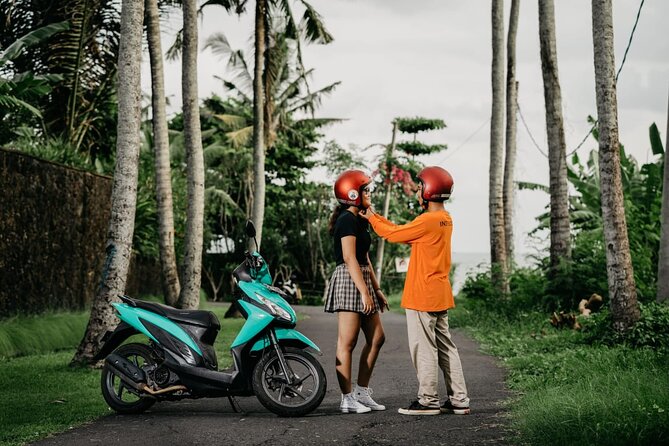
The activity is listed at about 2 hours per session, and the lesson plan includes:
1) theory at the start,
2) balance and turn practice,
3) then quiet street riding once you’re ready,
with break time built in.
But here’s the practical truth: confidence isn’t identical for everyone. The provider explicitly says it depends on your pace and how you feel after the first lesson. Their average experience is about 4–6 hours total, often across 2–3 lessons.
So use this as a planning tool:
- If you’re already comfortable on two wheels (and you can stay calm under instruction), one session might be enough to get started.
- If you’re starting from scratch or you freeze up when you move beyond walking speed, plan on 2–3 sessions so you can actually internalize the control.
This is value-driven, not just time-driven. A lesson that gets you moving is one thing. A lesson that makes you feel safer when you attempt Bali roads later is usually the result of repetition and coaching over multiple steps.
Electric scooter learning vs real Bali riding
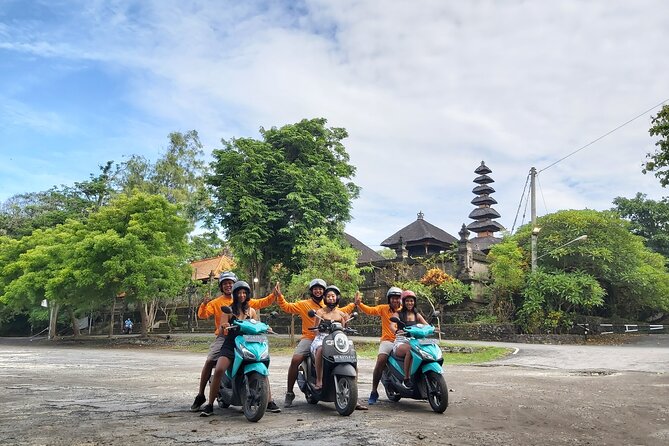
This lesson is for an electric scooter, and that’s a smart way to learn the fundamentals without some of the stress that can come with other setups. You’re practicing how to balance and control your speed and turning, which is what matters most when you’re new.
Now, let’s be honest: Bali riding isn’t only about operating a scooter. It’s also about reading traffic flow and staying calm when things feel chaotic.
That’s why the “quiet street first” approach is so useful. It gives you time to focus on control while traffic pressure stays lower. When you later attempt busier roads, you’ll already have a physical comfort base, which reduces panic decisions like over-correcting speed or turning too sharply.
Even if you think you’ll be fine immediately, learning in a safe environment often helps you avoid the common beginner trap: feeling like you can ride… until you hit the first real curve or the first moment you need smooth throttle control.
Price and value: $31.34 feels fair for a private skill boost
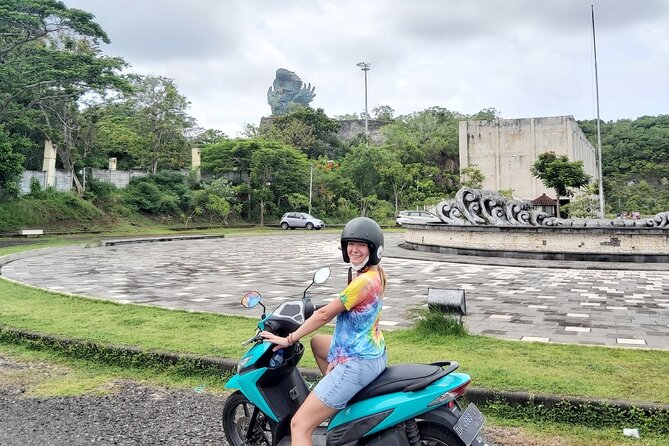
The price is listed as $31.34 per person, and the sessions are private. Even if you compare the cost to group lessons, this is usually worth considering because you’re paying for:
- your own instructor time,
- step-by-step coaching,
- and a slower pace that matches your comfort.
You’re also paying for safety through process: theory first, drills second, quiet street third. If you’ve ever tried to learn scooter riding by following friends, borrowing a scooter, or watching videos, you know how quickly that gets expensive in the form of stress and mistakes.
The real question isn’t only “is it cheap.” It’s “does it reduce your chance of a bad first experience?” For many people, the instructors’ patience and the non-rushed style make the lesson feel like a genuine confidence builder.
Who this scooter lesson is best for
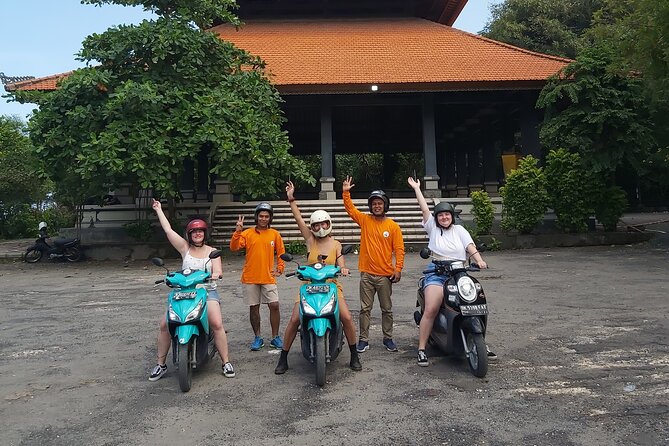
This is a great match if you fall into one of these groups:
- New riders who want a structured path and patient coaching, not trial-and-error.
- First-time Bali visitors who want the skill base to feel safer when you later attempt busier roads.
- Repeat visitors who still haven’t felt fully confident—because you can focus on gaps you’ve already noticed.
It’s also private, so it works well for couples or friends who want the instruction tailored to both people’s comfort level.
One note from the lesson details: travelers should have moderate physical fitness level, which makes sense for mounting, balancing, and practicing controlled turns.
The small details that make your lesson easier
A scooter lesson sounds simple until you’re standing there trying to get started with a shaky start. You can make it go smoother with a little prep.
Here are practical ways to get more out of the time:
- Arrive ready to focus. This kind of learning is mostly about attention during small reps.
- Wear shoes and clothes that let you move comfortably (you’ll be doing balance practice).
- If you’re nervous, don’t hide it. The instructor approach is designed to slow down when you need it.
- Use break time. The ability to take breaks helps you avoid spiraling into “I’m terrible” mode.
Also, check the requirement: the lesson notes say travelers should have a valid license. That’s a must for this experience.
FAQ about Canggu scooter lessons
FAQ
Do I need a valid license for the scooter lesson?
Yes. The experience states that travelers should have a valid license.
Where does the scooter lesson start?
It starts at Canggu Scooter Lessons at Jl. Raya Dawas, Tibubeneng, Kec. Kuta Utara, Kabupaten Badung, Bali 80361, Indonesia, and ends back at the meeting point.
How long is a lesson?
The duration is listed as approximately 2 hours.
Is this a private lesson?
Yes. It’s described as private, meaning only your group participates.
What happens first during the lesson?
You start with theory about how the scooter works and the function of the scooter.
When do you ride on a street?
After you are completely confident, the lesson continues on a quiet village street.
Can I take breaks during the lesson?
Yes. The lesson description says you can take as much break time as you need.
How many lessons will it take to feel confident?
It depends on your pace and confidence after the first lesson. The average experience is about 4–6 hours total (usually 2–3 lessons), and you can do as little or as many as you want.
Do they teach other driving skills besides scooters?
They mention additional services such as getting an Indonesian driving license, a manual motorbike lesson, and a bicycle lesson.
Is prior biking experience required?
For learning driving the scooter, the notes say it’s required to have experience riding a bicycle/bike.
What if the weather is bad?
The experience requires good weather. If it’s canceled due to poor weather, you’ll be offered a different date or a full refund.
Should you book this Canggu scooter lesson?
If you want to learn with patience, structure, and a controlled path from theory to balance to quiet street practice, then yes—this is the kind of lesson that helps you build confidence instead of rushing into traffic.
I’d book it if:
- you’re new and want a calm instructor close by,
- you care about learning step-by-step rather than guessing,
- and you’re willing to plan a bit of extra time if needed (often 2–3 sessions).
I’d think twice if you’re not ready for the license requirement, or if you only have a tiny window and can’t afford the possibility that you’ll need more than one session to feel comfortable. But if you can plan properly, this looks like one of the fairest ways to turn Bali scooter anxiety into actual control.
Hands-On in Ubud





More Scooter Rentals in Ubud

More Ubud Tours We Rate





Just added around Ubud
- Ubud: White Water Rafting with visit Ubud Monkey Forest
★ 5.0 · 3 reviews - Private Guided Bali Car Charter
★ 5.0 · 3 reviews - East Bali and Lempuyang Temple Tour
★ 5.0 · 3 reviews - Bali Downhill Cycling and White Water Rafting
★ 5.0 · 3 reviews - Cave Tubing Adventure in Ubud
★ 5.0 · 3 reviews
Workshops, compared.
 ★ 4.9Hands-On Silver Jewelry Making Near Ubud’s Monkey ForestFrom $281,789 reviews
 ★ 5.0Ubud Cooking Class Bali with Balinese ChefFrom $351,609 reviews
 ★ 5.0Ubud Silver Class Jewelry making in baliFrom $36978 reviews
 ★ 4.9Cooking Class with Transfers and Optional Market VisitFrom $21824 reviews
 ★ 5.0PRIVATE Authentic Balinese Cooking Class in Ubud at Putu’s HomeFrom $75644 reviews
 ★ 4.9Canggu: Bali Turtle Silver & Gold WorkshopFrom $49643 reviews
 ★ 4.8Balinese Cooking Class and Market TourFrom $23531 reviews
 ★ 5.0Balinese Farm Cooking Class by Pemulan BaliFrom $39410 reviews
Browse the lists this tour appears in