
Reviewed · WORKSHOPS
Bali Fruit Carving Class
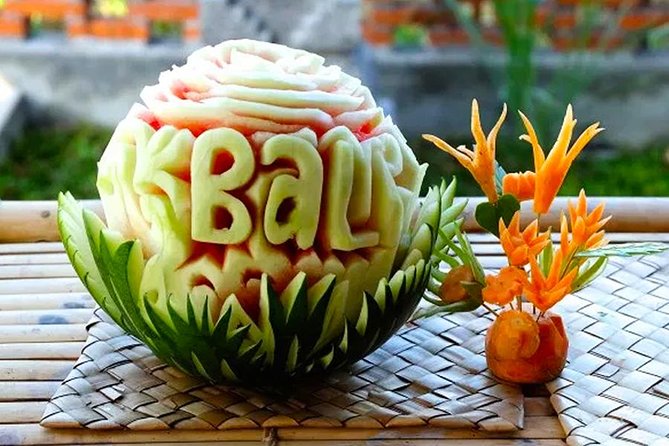
Fruit becomes art in two calm hours. In Lodtunduh, Ubud, you’ll learn how to carve flowers, animals, and even names out of everyday fruit, with the kind of hands-on guidance that turns a snack into a keepsake. It’s held in a studio setting near rice-field views, and it’s designed for a wide age range, from kids to adults.
I especially like that this is a small group class capped at 10 people, so you’re not lost in a crowd. And I like the value: for $39, you get the teacher’s technique, all tools and materials, plus a welcome drink, traditional snack, and a certificate.
One thing to consider: fruit carving takes patience. If you’re hoping for a fast, flashy photo-op with zero practice, you might feel a little pressured during the learning and cutting stages.
In This Review
- Key points to know before you go
- Why Lodtunduh fruit carving feels worth your morning
- Price and value: what $39 really covers
- Where you’ll meet and how the 10:00 am flow works
- The class itself: what happens during the 2 hours
- Step 1: Welcome, drink, and snack
- Step 2: Learning grips and how to begin clean cuts
- Step 3: Creating a design you can actually finish
- Step 4: Practice time with ongoing guidance
- Step 5: Wrap-up, certificate, and take-home satisfaction
- Tools, fruit, and designs: flowers, animals, and your name
- What to bring (and what you can skip)
- Who this suits best in Bali (and who should think twice)
- Getting there without stress: the practical reality
- A quick reality check on timing and pace
- Should you book Bali Fruit Carving in Lodtunduh?
- FAQ
- How long is the Bali Fruit Carving Class?
- What time does it start, and where do I meet?
- What is included in the $39 price?
- What is not included?
- What’s the group size and age range?
- What happens if I cancel or need changes?
Key points to know before you go
- Small group cap of 10 keeps the pace personal and the instruction clear
- All equipment and materials are provided, so you can travel light
- Carvable fruit includes watermelons and papaya, plus other options during the class
- You can make flowers, animals, and even your name as a final design
- 2 hours is the sweet spot for learning basics and leaving with something you made
- Welcome drink, traditional snack, and certificate mean the experience feels complete
Other Ubud tours and experiences to line up next
- Hands-On Silver Jewelry Making Near Ubud’s Monkey Forest★ 4.9 · 1,789 reviews
- Ubud Cooking Class Bali with Balinese Chef★ 5.0 · 1,609 reviews
- Ubud Silver Class Jewelry making in bali★ 5.0 · 978 reviews
- Ubud: Cooking Class with Transfers and Optional Market Visit★ 4.9 · 824 reviews
Why Lodtunduh fruit carving feels worth your morning
Ubud is full of activities, but fruit carving has a different flavor. You’re not just watching a show. You’re sitting down at a work area, getting shown how to hold the fruit, how to start cuts, and how to shape details without turning your masterpiece into a mess.
The setting in Lodtunduh helps. You’ll likely be working with an outlook of the rice fields nearby, which makes the whole thing feel calmer than a typical craft stop. That quiet visual backdrop matters. It gives you space to focus on small, precise movements, the exact kind this skill demands.
And the class format is built for real learning. With a max of 10 people, you can ask for help when your cut line isn’t quite right. You’re also not stuck waiting while someone else gets individualized attention.
Price and value: what $39 really covers
$39 per person sounds simple, but it’s not just about the craft. The class includes the stuff that usually adds up in Bali workshops.
Here’s what’s covered:
- Equipment and materials (you don’t need to hunt down carving tools or pay for fruit separately)
- Welcome drink and a traditional snack
- A certificate you’ll take home
What you don’t get (and should plan for):
- Transport service isn’t included
- Personal expenses aren’t included
- Insurance isn’t included
For me, the key value point is that you’re paying for technique plus materials. If you’ve ever bought a single fruit at a market and tried to carve at home, you know how that goes. The teacher’s method saves you time and cuts down wasted attempts.
Also, the time commitment is short: around 2 hours. So even if your Bali schedule is packed, this fits without turning into a half-day saga.
Where you’ll meet and how the 10:00 am flow works
The class starts at 10:00 am and you’ll meet at WS Art Studio Balinese Handicrafts, address listed as C7X4+JFP, Lodtunduh, Ubud, Gianyar Regency, Bali 80571. The activity ends back at the same meeting point.
That “back to the start” format is practical. You don’t have to worry about coordinating a separate return ride or finding a new drop-off spot.
Also, you get a mobile ticket, which makes check-in easier. Just keep your phone ready and plan to arrive a few minutes early so you’re not rushing while you’re still trying to get settled.
Finally, the studio is described as being near public transportation. So if you’re using local rides or public routes, you likely won’t need a private car just to get there.






The class itself: what happens during the 2 hours
Think of this as a structured hands-on lesson, not a stand-and-watch activity. The instructor guides you step by step, and you practice directly with carving tools on fruit.
Step 1: Welcome, drink, and snack
You start with a welcome drink and a traditional snack. Even if you’re not hungry, this is useful. It calms the nerves because carving can feel intimidating at first, especially if you’re new to sharp tools.
Step 2: Learning grips and how to begin clean cuts
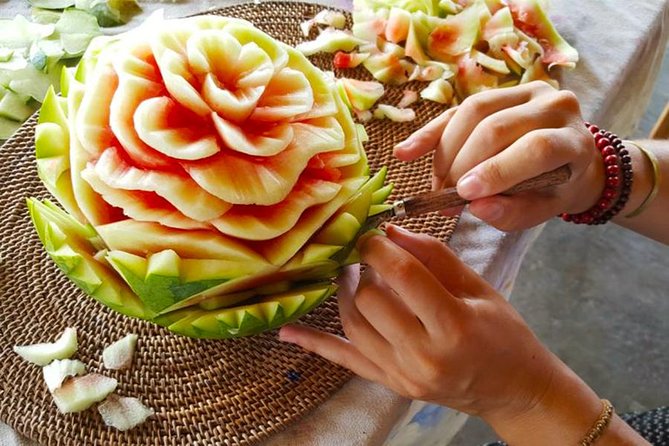
Fruit carving is about precision. You’ll learn basic technique first: how to hold the fruit steady, where to start your first slice, and how to build shape gradually instead of trying to carve everything in one go.
This part matters because good carving doesn’t come from strength. It comes from control and patience.
Step 3: Creating a design you can actually finish
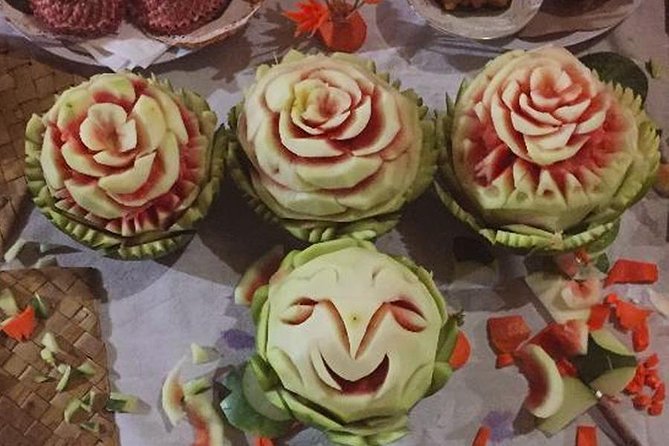
Then you move into designing and carving your chosen style. The class can be flower-themed, animal-themed, or a personal message like your name.
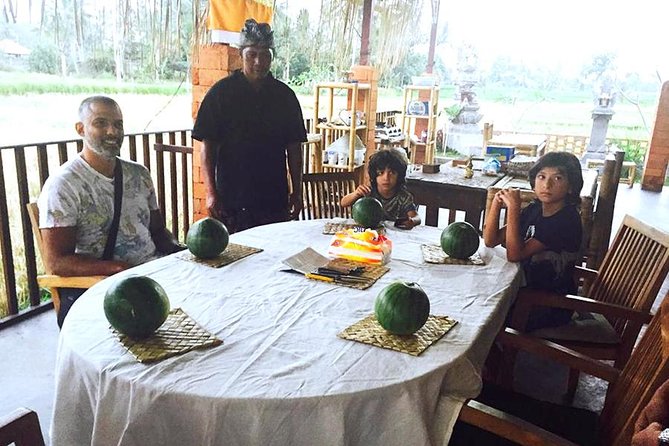
The fruit options listed include watermelon and papaya, and you’ll have other fruit choices during the session. Different fruits carve differently, so you’ll get a quick lesson in what works for curves, petals, and small detail cuts.
Step 4: Practice time with ongoing guidance
Because the group is capped at 10, you’re not stuck guessing. You can get corrections while you work. It’s the difference between a craft you do once and a skill you can repeat.
You’re aiming for an outcome that’s still recognizable even after a few learning errors. The goal is progress you can see.
Step 5: Wrap-up, certificate, and take-home satisfaction
You finish with a certificate, which gives the whole experience a satisfying ending. You’ll leave with the fruit carving you made, plus a skill set you can reuse.
That reuse point is a big part of why people love this class. Once you understand the technique, fruit carving becomes something you can try again at home or on future trips.
Tools, fruit, and designs: flowers, animals, and your name
The fun part is choosing what you’ll carve. The class is set up so kids, adults, and everyone in between can participate.
You can carve:
- Flowers
- Animals
- Your name (spelling cut into fruit, which is a neat challenge if you like lettering)
Fruit choices mentioned include:
- Watermelons
- Papaya
- plus additional fruit you may work with during the class
Here’s what I think you should watch for while carving:
- Start simple. If you jump into detail too early, the fruit can get uneven.
- Keep your cuts steady. Small corrections beat big fixes.
- Aim for clarity over perfection. A clean shape reads well even if tiny pieces aren’t identical to a professional carving.
If you enjoy food as a creative medium, this is a great match. It also makes a nice alternative to the standard photo-and-market routine because you’re producing something edible art while you learn.
What to bring (and what you can skip)
The good news: the class provides equipment and materials, so you’re not showing up to buy tools at the last minute.
What you should still do:
- Wear comfortable clothes you don’t mind getting a little fruit residue on.
- Keep your schedule flexible. You want to arrive rested enough to focus on the small, careful motions.
What you can skip:
- Carving tools and fruit. Those are part of the included setup.
- A complicated plan for what to do with your own snacks. You’ll have a welcome drink and traditional snack during the class.
Who this suits best in Bali (and who should think twice)
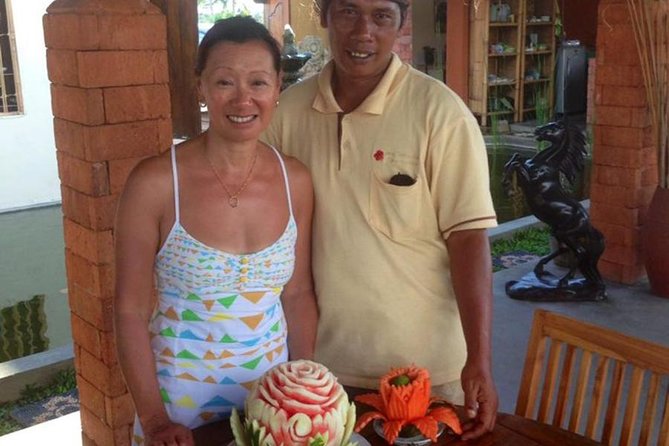
This class is listed for ages 4–65, which tells you it’s designed to be accessible. If you’re traveling with kids, it’s one of the fewer activities that can be genuinely age-crossing without feeling like a babysitting session.
It also works well if you like learning a practical skill. This isn’t just decoration. You’ll come away with a method you can apply to other fruits.
Where it might not fit:
- If you hate slow, careful tasks, the patience requirement can feel like a mismatch.
- If you expect a super fast result with no learning curve, you may get frustrated before your first decent cut.
If you land in the middle, though, it’s a friendly way to spend part of your Bali trip doing something creative and relaxing.
Getting there without stress: the practical reality
No transport service is included, so you’ll need to handle the ride to WS Art Studio in Lodtunduh.
That said, it’s described as near public transportation, which is a big help if you prefer local options. If you’re staying in Ubud center, you can usually manage the last stretch with a short ride and a quick walk.
When you plan your morning, remember:
- You’re carving for about 2 hours
- The start time is 10:00 am
- You’ll return to the same meeting point at the end
So aim for an arrival time that’s calm, not a sprint. Carving demands focus, and rushing in with no buffer makes the first part harder.
A quick reality check on timing and pace
This isn’t a half-day craft fair. The class is about 2 hours, and most of that time is hands-on.
That means:
- You’ll learn technique early
- You’ll practice in the middle
- You’ll finish with your final fruit carving and a certificate
If you like activities where you can see progress quickly, this should feel satisfying. If you prefer long, winding tours with multiple stops, you might find it too focused. But for many people, that tight focus is exactly the appeal.
Should you book Bali Fruit Carving in Lodtunduh?
Book it if you want a creative Bali activity with real take-home value: a skill you can reuse, an edible artwork you made yourself, and a calm morning setting near rice fields. The small group size and the fact that equipment, materials, drink, snack, and a certificate are included make it feel like more than a simple workshop.
Skip it if you’re short on patience or you’re looking for something more adrenaline-based or sightseeing-heavy. Fruit carving rewards steady attention, not speed.
If you’re on the fence, I’d choose this if you enjoy hands-on learning, food-as-art ideas, and activities you can share a few days later when the carving skill still feels fresh in your memory.
FAQ
How long is the Bali Fruit Carving Class?
The class runs for about 2 hours.
What time does it start, and where do I meet?
It starts at 10:00 am. Meet at WS Art Studio Balinese Handicrafts in Lodtunduh, Ubud (C7X4+JFP, Lodtunduh, Ubud, Gianyar Regency, Bali 80571). The class ends back at the meeting point.
What is included in the $39 price?
Included items are a certificate, welcome drink, traditional snack, equipment, and materials.
What is not included?
Transport service is not included, and personal expenses and insurance are also not included.
What’s the group size and age range?
The class has a maximum of 10 travelers. It’s listed as for ages 4–65, and most travelers can participate.
What happens if I cancel or need changes?
This experience is non-refundable and cannot be changed for any reason. If you cancel or ask for an amendment, the amount you paid will not be refunded. Confirmation is received within 48 hours of booking, subject to availability.
Hands-On in Ubud




More Ubud Tours We Rate





Just added around Ubud
- Ubud: White Water Rafting with visit Ubud Monkey Forest
★ 5.0 · 3 reviews - Private Guided Bali Car Charter
★ 5.0 · 3 reviews - East Bali and Lempuyang Temple Tour
★ 5.0 · 3 reviews - Bali Downhill Cycling and White Water Rafting
★ 5.0 · 3 reviews - Cave Tubing Adventure in Ubud
★ 5.0 · 3 reviews
Workshops, compared.
 ★ 4.9Hands-On Silver Jewelry Making Near Ubud’s Monkey ForestFrom $281,789 reviews
 ★ 5.0Ubud Cooking Class Bali with Balinese ChefFrom $351,609 reviews
 ★ 5.0Ubud Silver Class Jewelry making in baliFrom $36978 reviews
 ★ 4.9Cooking Class with Transfers and Optional Market VisitFrom $21824 reviews
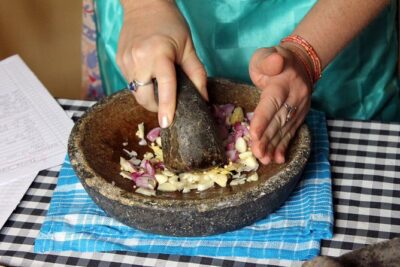 ★ 5.0PRIVATE Authentic Balinese Cooking Class in Ubud at Putu’s HomeFrom $75644 reviews
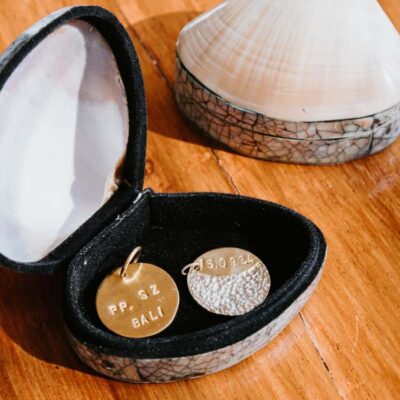 ★ 4.9Canggu: Bali Turtle Silver & Gold WorkshopFrom $49643 reviews
 ★ 4.8Balinese Cooking Class and Market TourFrom $23531 reviews
 ★ 5.0Balinese Farm Cooking Class by Pemulan BaliFrom $39410 reviews
Browse the lists this tour appears in