
Reviewed · TICKETS
Ubud: ARMA Cultural Dance Performance Tickets
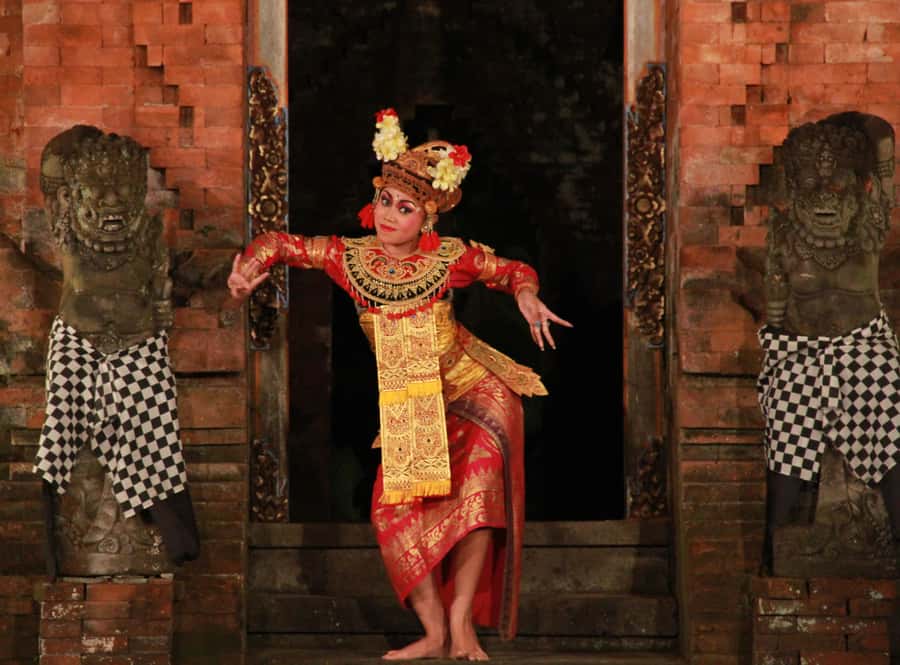
Balinese dance hits fast here. At ARMA Museum in Ubud, you get six themed performances in about 45 minutes, with stories that swing from spiritual visions to human-caused damage. I like that the format is tight and focused, so you don’t need a full day to get the cultural hit.
My other favorite part is the variety of styles packed into one ticket. You’ll see major names like Kecak and Ramayana Ballet, plus Legong and Barong, each tied to a specific narrative. One thing to consider: the ticket covers selected performances only, not general gallery admission, so plan your time if you also want to roam the museum grounds.
Small, story-first show format
- Six performances in 45 minutes keeps it doable even with a busy Bali day.
Intimate viewing
- A small, close audience makes the gestures and facial expressions easier to catch.
Skip-the-line entry
- Tickets let you bypass the ticket line, which matters in a popular Ubud area.
Iconic dance traditions
- Kecak, Legong, Barong, and Ramayana Ballet cover a lot of what first-timers want to understand.
Clear cultural narratives
- Each show is tied to a storyline, from divine legends to ecological consequences.
Practical and affordable value
- At about $9 per person, it’s one of the more budget-friendly ways to see multiple major performances.
In This Review
- Where the Show Happens: Museum Seni Agung Rai, Ubud
- Tickets That Move You Fast: What the $9 Entrance Really Buys
- The 45-Minute Format: A Concentrated Cultural Snapshot
- The Six Performances: Stories, Styles, and What You’ll Notice
- Kecak Sang Hyang Jaran: Divine Legend and World Distress
- Barong Prakpak: When Humans Harm the Environment
- Ramayana Ballet: The Epic in Stylized Dance Form
- Kecak Dance: The Chorus, the Rhythm, and No Instrumental Music
- Legong Dance Lasem Peliatan: Love, Refusal, and Battle
- Barong Dance: Music and the Opening Repertoire
- What Makes These Shows Worth Your Time (Even at a Small Ticket Price)
- How to Watch: Seating, Timing, and Getting the Most From the Story
- Who This Works Best For in Your Bali Plan
- A Quick Reality Check: What You Don’t Get
- Should You Book ARMA Cultural Dance Tickets?
- FAQ
- Where is the meeting point for the ARMA cultural dance performances?
- How long is the performance experience?
- How much do tickets cost?
- What is included in the ticket?
- Are general admission museum galleries included?
- Does the ticket include hotel transfers or food?
- Which languages are available for the host or greeter?
- Can I bring pets, alcohol, or drugs?
- Are these performances suitable for young babies?
Where the Show Happens: Museum Seni Agung Rai, Ubud
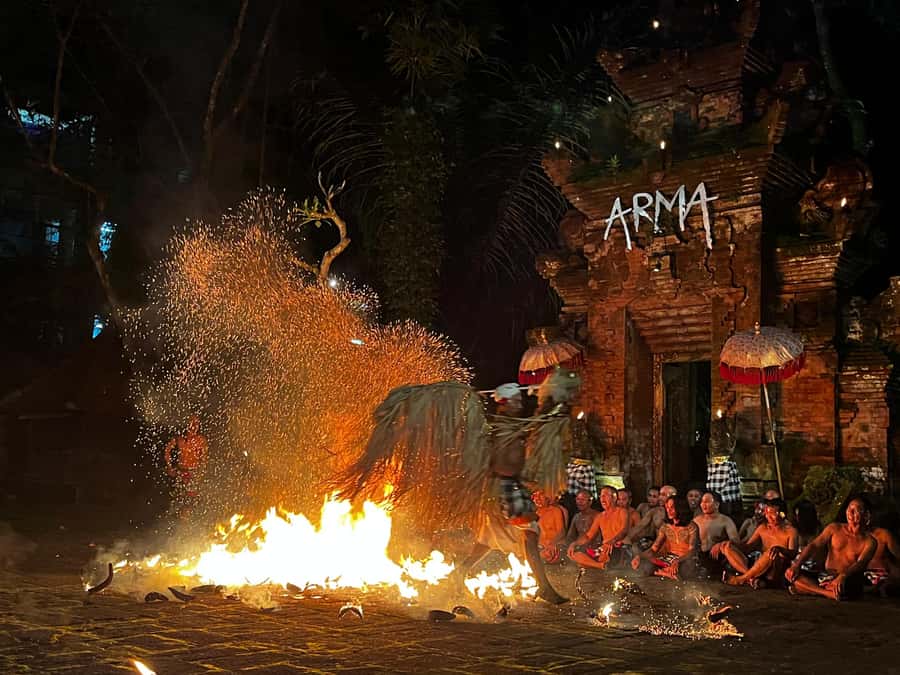
This performance experience is staged at the ARMA Museum of Art, with the meeting point listed as Museum Seni Agung Rai, Ubud. ARMA is in the heart of Ubud, so you’re not trekking across the island or adding transportation stress before the performance.
What I like about this location is the pacing. You can combine it with other Ubud plans without feeling like you’ve scheduled a half-day detour. If you’re spending time around Ubud’s cultural cluster, this fits naturally because it’s short—about 45 minutes—and the action starts right away once you’re in.
Also worth noting: the ticket is for the performances, not for a full museum wander. If you’re hoping to spend time browsing museum galleries before or after, you’ll need to plan that separately.
Other Ubud tours and experiences to line up next
- Bali: Ubud Palace Legong Dance Show Ticket★ 4.4 · 3,979 reviews
- Bali: Ubud Kecak and Fire Dance Show Tickets★ 4.4 · 2,631 reviews
- Ubud: Sacred Monkey Forest Sanctuary Ticket and Guided Tour★ 4.8 · 675 reviews
- Bali Bird Park Admission Ticket★ 4.5 · 202 reviews
Tickets That Move You Fast: What the $9 Entrance Really Buys
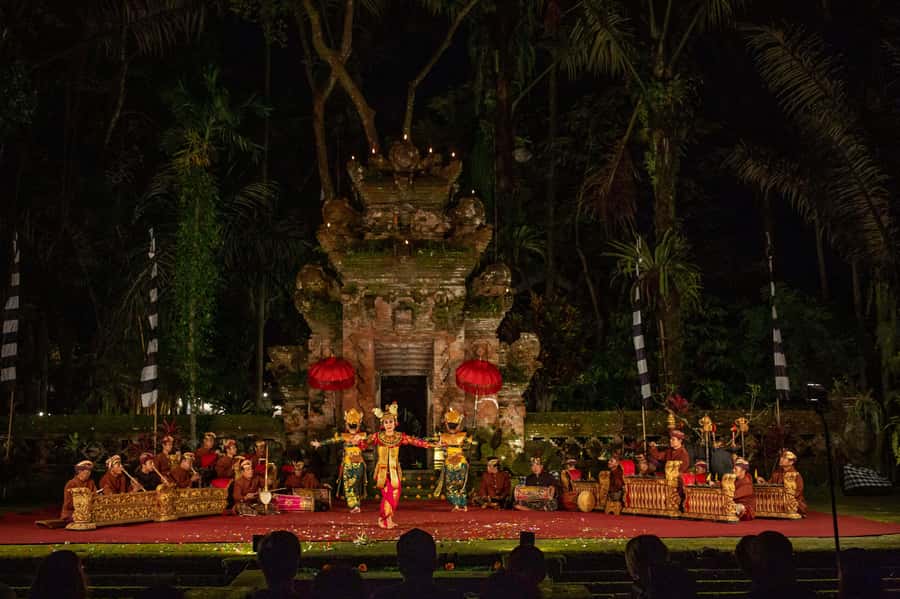
This is priced at about $9 per person, and the value isn’t just the cost. You’re paying for a bundle: entry to selected cultural performances at ARMA, in one concentrated time window.
A big practical win is that the ticket includes skip-the-ticket-line entry. In Ubud, lines can steal your energy, and you don’t want to arrive stressed when the show is about to begin. Skip-the-line access helps you show up calm, find your spot, and settle in.
One more practical point: there’s no hotel transfer included and food and beverage aren’t included. So think of this as a clean cultural slot—plan your meal before or after based on your schedule. Since the show lasts just 45 minutes, it’s easy to time with lunch or an early dinner.
The 45-Minute Format: A Concentrated Cultural Snapshot
You’re looking at 45 minutes total duration for the performance block, and the activity is designed as an efficient cultural visit. That short runtime matters because Balinese dance shows can be long if you see multiple events elsewhere. Here, you get several stories back-to-back without turning your day into an all-evening commitment.
You’ll also have a host/greeter in English and Indonesian, which helps if you have basic questions upon arrival. If you like clear guidance—where to check in and how the seating works—having bilingual support makes the experience smoother.
The main thing to keep in mind is pacing on your side. Because it’s a compact program, I recommend arriving with enough time to check in without rushing. If you’re the type who always wants a quick look around first, keep your museum browsing for before or after, not during the performance time.
The Six Performances: Stories, Styles, and What You’ll Notice
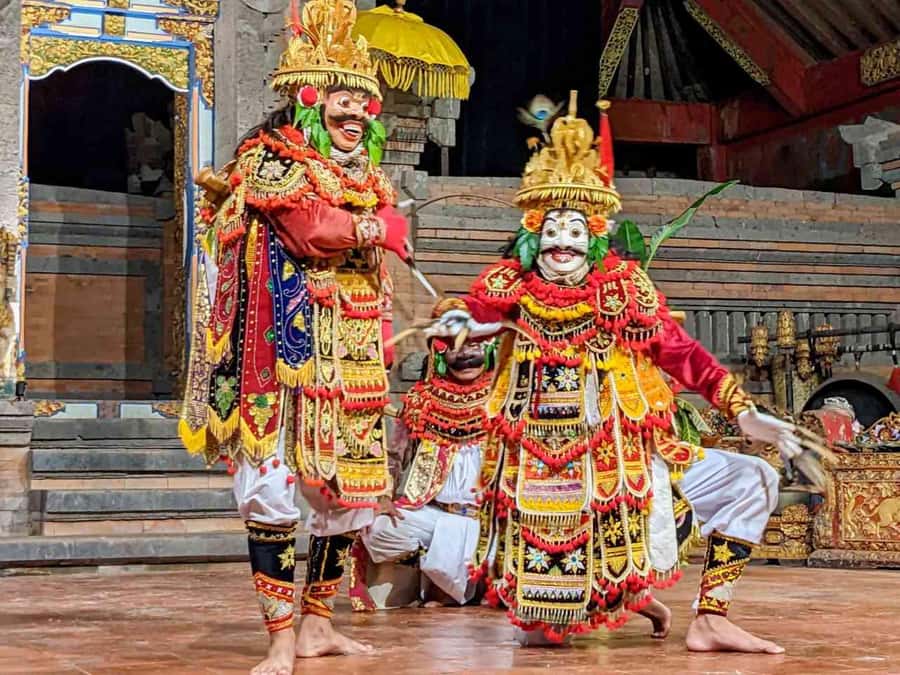
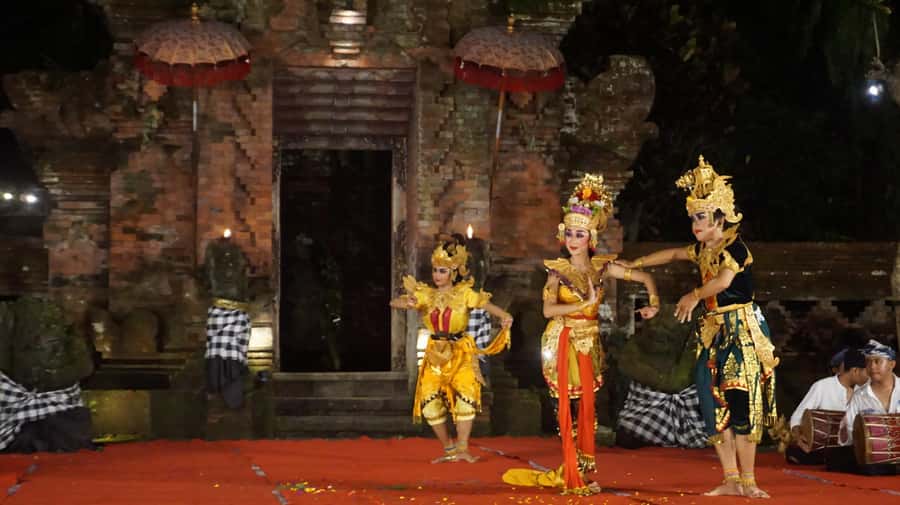
The heart of this experience is the set list. ARMA’s program is presented as six iconic performances, each with its own storyline and performance tradition. Even if you don’t know the dances beforehand, the show is structured so you can follow the theme through story, costume, and choreography.
Here’s how the program is framed—what each performance is about, and what you’re likely to notice while watching.






Kecak Sang Hyang Jaran: Divine Legend and World Distress
The show Kecak Sang Hyang Jaran Dance is tied to a mythic story connected to the Turning Mandara Giri. In this telling, in Swarga Lokha, the gods become confused and worried because disasters, disease outbreaks, and destruction have hit the world.
What I like about this opener-style story is that it sets an emotional tone quickly. You’ll be watching a dance form built for intensity—where tension and spiritual concern are part of the storytelling, not just a background vibe.
Barong Prakpak: When Humans Harm the Environment
Next comes Barong Prakpak, which focuses on the idea of nature being destroyed by humans, affecting the whole environment. The story describes Barong responding with graceful dance, while animals such as monkeys, birds, and frogs are harmed due to deforestation.
This is the kind of cultural performance that gives you more than entertainment. It turns an issue—human impact—into a clear dramatic narrative. If you’ve been reading about Bali’s changing landscape, you may find this part hits harder, because it’s not abstract. The story names the affected animals and links the harm to deforestation.
Ramayana Ballet: The Epic in Stylized Dance Form
Then you get Ramayana Ballet (Sendratari Ramayana), a highly stylized dance art form representing the epic Ramayana saga originally written in Sanskrit by Valmiki.
Even if you’ve never studied the Ramayana, this segment is designed to communicate through performance style—movement language, staging, and the rhythm of the story. It’s a good choice if you want a major classic rather than a smaller regional tale, because the Ramayana framework is recognizable as a big mythic storyline.
Kecak Dance: The Chorus, the Rhythm, and No Instrumental Music
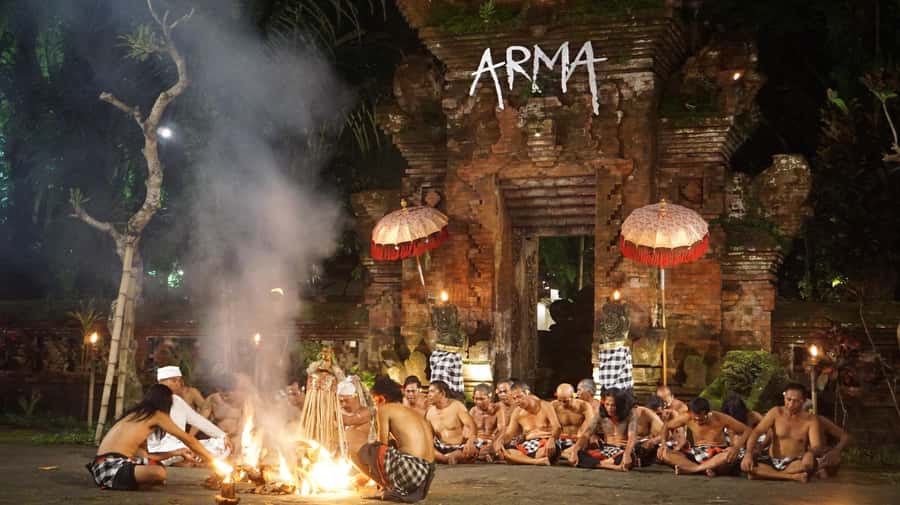
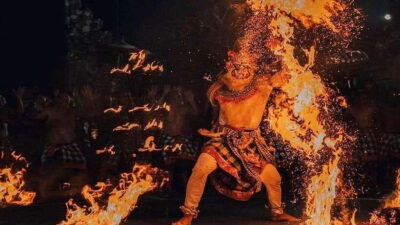
Kecak Dance is one of the most famous Balinese performance forms, and this program’s description includes a key detail: it began as a ritual Balinese trance dance. In the 1930s, Western artist Walter Spies collaborated with local dancer Limbak, helping shape this unique entertainment format.
Here’s the standout detail you’ll likely notice: a chorus of 100 men performs it with no musical accompaniment. So instead of instruments driving the rhythm, your attention shifts to the group’s vocal patterns and coordinated movement.
If you love performance craftsmanship, this is where you’ll probably clock how disciplined the group has to be. It’s not just choreography—it’s timing, unity, and sound as structure.
Legong Dance Lasem Peliatan: Love, Refusal, and Battle
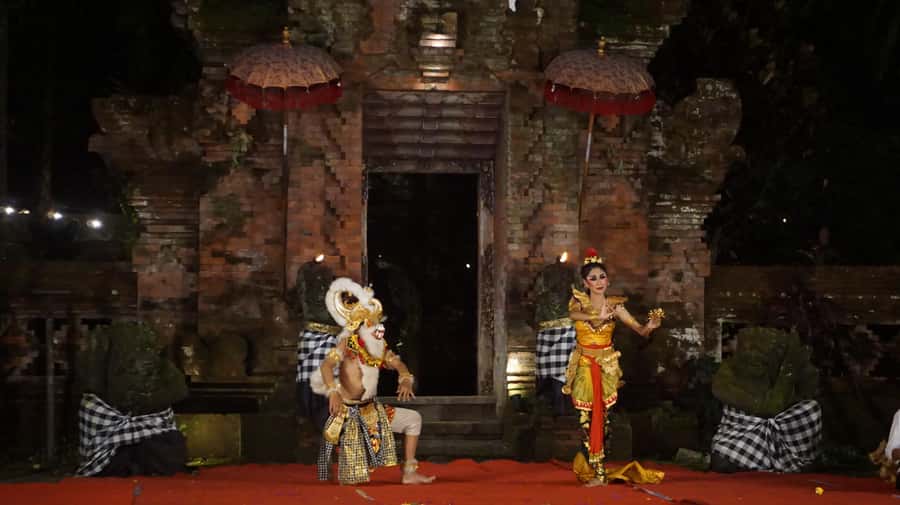
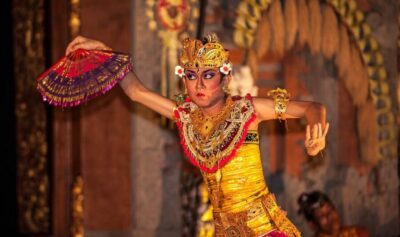
Legong Dance Lasem Peliatan tells a specific story: King Lasem wants to marry Princess Rangkesari of Gegelang. When the princess refuses, King Lasem attacks Gegelang and meets Prince Panji, Rangkesari’s brother, leading to a battle.
Legong-style storytelling often feels sharp because the narrative turns quickly—wish, refusal, conflict. If you like myth and drama with clear character motivation, this is the segment that tends to feel most direct as a story.
Barong Dance: Music and the Opening Repertoire
The program closes with Barong Dance. The show begins with Tabuh Penegak Bebarongan, described as a repertoire used as accompaniment for the Barong dance performance.
What to expect here is that the performance framing matters. You’ll likely notice the opening rhythm and how it sets the stage for the Barong character and the dance flow that follows. Even without knowing the name of every musical cue, the fact that the accompaniment is specified tells you this isn’t random background music—it’s an intentional structure for the dance.
What Makes These Shows Worth Your Time (Even at a Small Ticket Price)
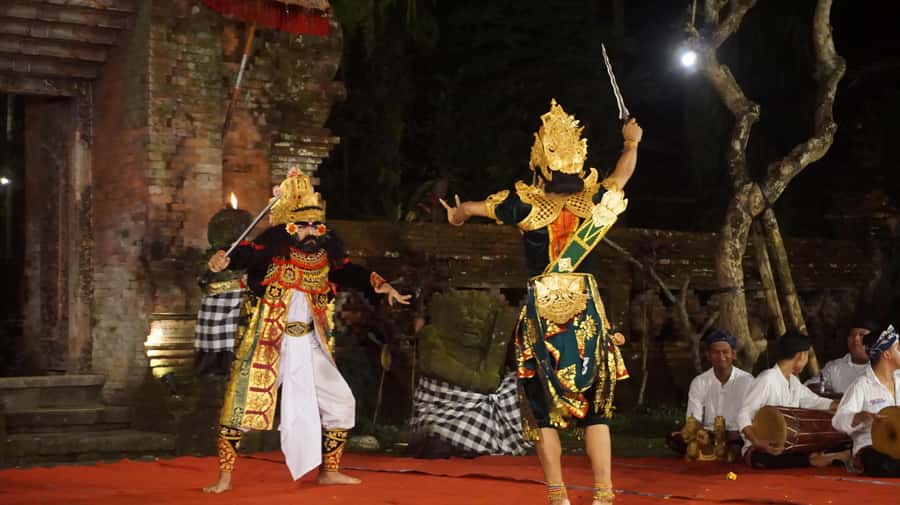
At around $9, it would be easy to assume you’re getting a quick, stripped-down version of culture. Instead, what makes this good value is how many major performance traditions you get in one concentrated slot—and how tightly the stories are linked to the dances.
I also like that the program doesn’t just show pretty movement. You’re watching narrative: gods worrying about disaster, nature damaged by deforestation, an epic saga, a chorus-based dance form without instruments, a royal romance with conflict, and a Barong performance cued by a named repertoire.
That mix is valuable for you if you’re trying to understand Balinese culture beyond a single famous show. In one visit, you can compare styles—group vocal performance versus stylized epic ballet versus story-driven drama—so your understanding builds fast.
How to Watch: Seating, Timing, and Getting the Most From the Story
You won’t get much guidance in the basic listing details about seating style, but you can still use common sense to watch well.
Arrive early enough to check in without stress. Since the whole experience runs 45 minutes, waiting too long can shrink your settling time. Also keep in mind that the ticket is for selected performances, so once the show begins, your main job is to focus on the story being told through movement and staging.
If you’re language-dependent, you’re covered on the arrival side because the host/greeter works in English and Indonesian. During the show itself, you’ll likely rely on the narrative structure: which characters appear, how the conflict builds, and how the dance shifts from one emotional beat to the next.
Practical note: no pets and no alcohol or drugs are allowed. If you’re planning a night out around Ubud, you’ll want to keep the vibe clean so you’re not stuck adjusting plans at the entrance.
Who This Works Best For in Your Bali Plan
This is ideal if you want a cultural experience that doesn’t swallow your entire afternoon or evening. The 45-minute length makes it a strong fit for:
- First-time Bali visitors who want the big names in Balinese performance
- Travelers who prefer focused stops with clear start and end times
- People who want value and variety without paying for multiple separate tickets
- Anyone who appreciates storytelling done through movement and group coordination
It can also be a solid choice if you care about authenticity signals. The listed performances are major traditional forms with specific story roots, and the Kecak description includes the important detail of a chorus with no musical accompaniment—exactly the kind of thing you don’t want to miss if you’re choosing between shows.
One caution: it’s listed as not suitable for babies under 1 year. If you’re traveling with very young children, you’ll want to check your group’s comfort level with attending a performance that’s more structured than a casual show.
A Quick Reality Check: What You Don’t Get
To avoid disappointment, it helps to be clear about what this ticket does not include.
- It does not include general admission to ARMA Museum galleries.
- It does not include hotel transfer.
- It does not include food and beverage.
So if your dream is a long museum day plus a performance, you’ll need to add museum time separately. If you’re building a tight itinerary, that’s fine: the performance itself is the main event here, and it’s designed to deliver.
Should You Book ARMA Cultural Dance Tickets?
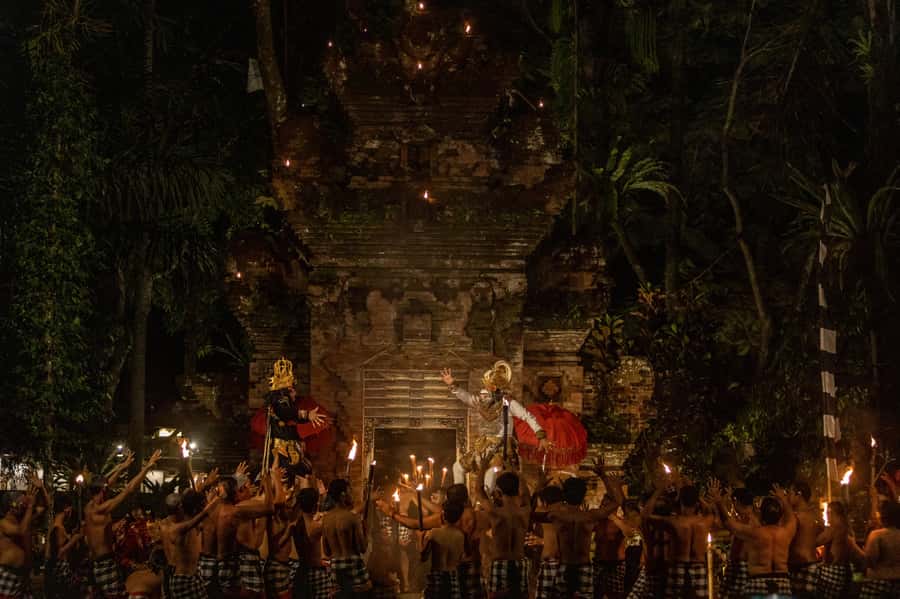
I’d book this if you want a short, high-value way to see six major Balinese dance performances in one sitting at ARMA. The price is reasonable, the format is focused, and the program includes standout features like the Kecak chorus of 100 men with no musical accompaniment and story-driven performances ranging from Ramayana to Legong.
I’d skip it or plan differently if you’re mainly after museum-gallery time. Since the ticket covers selected performances only, you may feel like the museum itself is a side quest rather than the main attraction.
If you like efficient cultural experiences with clear storytelling, this one’s an easy yes. Just show up with a little buffer, keep the plan simple, and let the stories do the work.
FAQ
Where is the meeting point for the ARMA cultural dance performances?
The meeting point is Museum Seni Agung Rai, Ubud.
How long is the performance experience?
The duration is 45 minutes.
How much do tickets cost?
Tickets are listed at $9 per person.
What is included in the ticket?
The ticket includes entry to selected cultural performances at ARMA Museum.
Are general admission museum galleries included?
No. General admission to ARMA Museum galleries is not included.
Does the ticket include hotel transfers or food?
No. Hotel transfer and food and beverage are not included.
Which languages are available for the host or greeter?
The host or greeter is available in English and Indonesian.
Can I bring pets, alcohol, or drugs?
No. Pets are not allowed, and alcohol and drugs are not allowed.
Are these performances suitable for young babies?
The activity is not suitable for babies under 1 year.
More Tickets in Ubud


More Ubud Tours We Rate





Just added around Ubud
- Ubud: White Water Rafting with visit Ubud Monkey Forest
★ 5.0 · 3 reviews - Private Guided Bali Car Charter
★ 5.0 · 3 reviews - East Bali and Lempuyang Temple Tour
★ 5.0 · 3 reviews - Bali Downhill Cycling and White Water Rafting
★ 5.0 · 3 reviews - Cave Tubing Adventure in Ubud
★ 5.0 · 3 reviews
Tickets, compared.
 ★ 4.4Ubud Palace Legong Dance Show TicketFrom $63,979 reviews
 ★ 4.4Ubud Kecak and Fire Dance Show TicketsFrom $62,631 reviews
 ★ 4.8Sacred Monkey Forest Sanctuary Ticket and Guided TourFrom $16675 reviews
 ★ 4.5Bali Bird Park Admission TicketFrom $18202 reviews
 ★ 5.0Skip the Line Tirta Empul Temple Entrance Ticket All InclusiveFrom $29198 reviews
 ★ 5.0Bali Iconic Tour with Buffet Lunch and Attraction TicketsFrom $7766 reviews
 ★ 4.8Bali Swing TicketFrom $1964 reviews
 ★ 5.0Best of Ubud Full-Day Tour with Entry TicketsFrom $4754 reviews