
Reviewed · SPIRITUAL CLEANSING RITUALS
Balinese Spiritual Cleansing by Traditional Method
A temple bath and a shaman, in one day. This Balinese spiritual cleansing blends traditional holy-water rituals with a guided day through Ubud-area culture and crafts. I like that it feels both practical and meaningful: you get local context first, then the cleansing part happens in the temples. One thing to plan for is that Bali’s rules are real—if you’re not able to participate, you may still watch and learn, but you won’t take part in the water ritual.
Two things I especially like: the chance to learn Bali through a local guide, not just photos, and the actual blessing and cleansing process focused on clearing negative energy. It’s also the kind of day where your guide’s attention matters, like the way De Putro greeted people at the hotel and stayed close for explanations and photos. A possible drawback: the experience asks you to follow temple etiquette closely (including swimwear), and there are restrictions that can affect who can enter.
Still, the day’s structure makes it easy to enjoy. The pacing includes time at each stop, plus lunch and breaks, and it’s long enough to feel like a real outing without turning into an all-day ordeal. If you’re expecting a spa-style “spa day,” adjust your mindset: this is spiritual ritual and cultural education, not a medical treatment.
In This Review
- Key moments that make this tour worth it
- The spiritual part: what the cleansing is trying to do
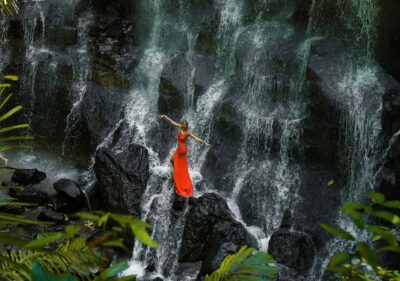
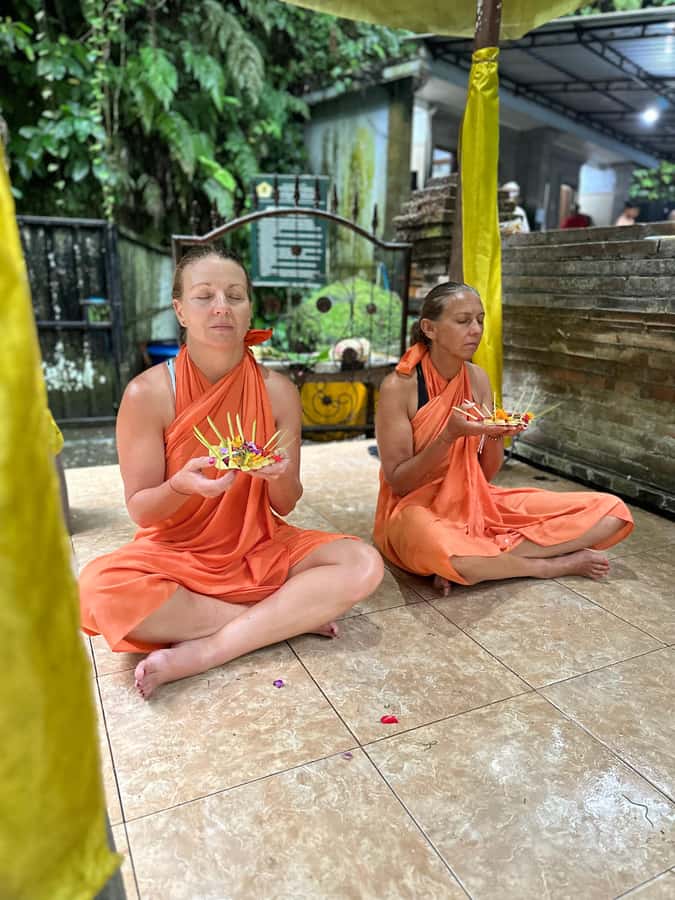
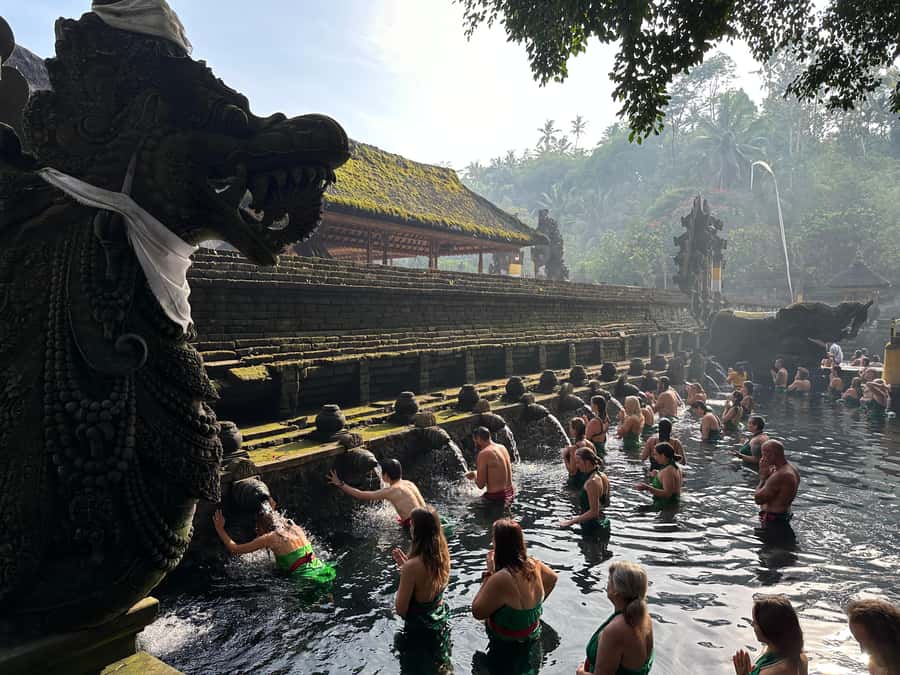
- Pura Mengening: where the holy water ritual happens
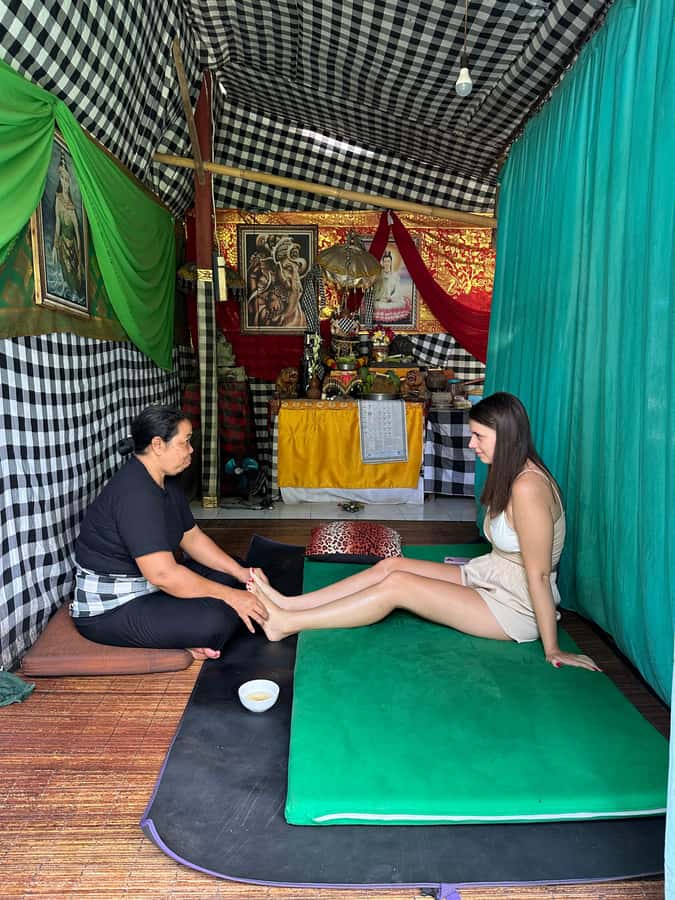
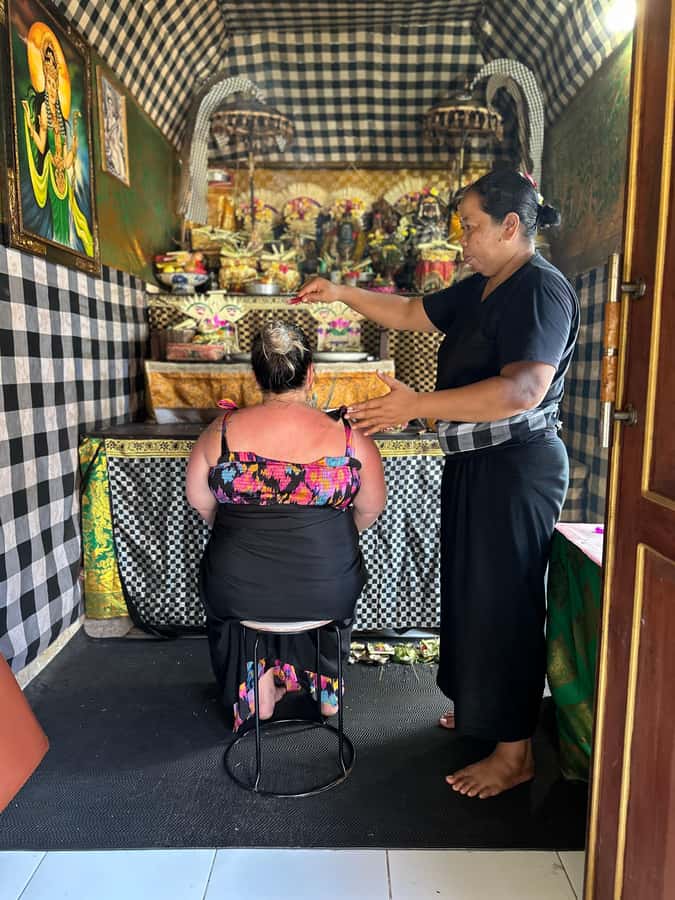
- The healer’s home session: incense, offerings, and a “soul scan”
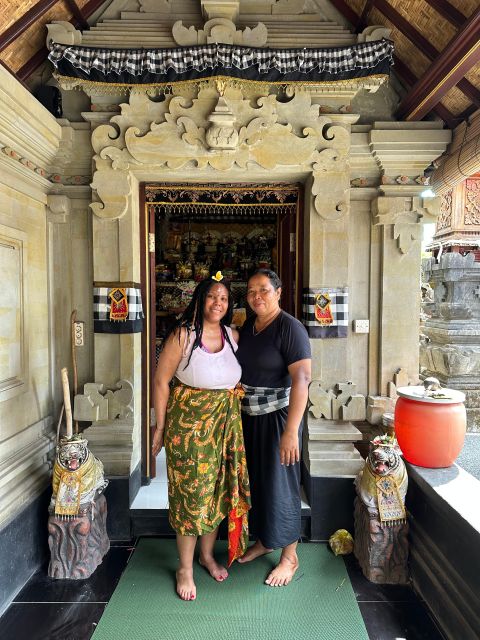
- Celuk and the artisan stop: jewelry craft you can actually watch
- Batuan Village: a slower walk, more local feeling
- Lunch break: refuel without losing the mood
- Segara Windhu coffee plantation: herbal tea tasting with jungle views
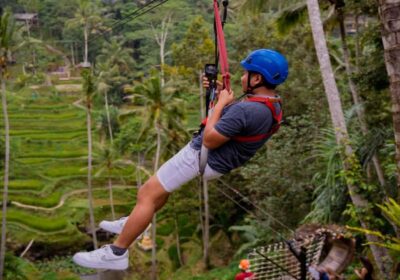
- Tegallalang rice terraces: UNESCO views with time to breathe
- Price and what you truly get for $58
- Who this tour fits best (and who should skip it)
- Simple prep checklist so the day feels smooth
- Should you book this Balinese spiritual cleansing day?
- FAQ
- What’s included in the Balinese cleansing tour?
- How long does the tour last?
- Where do we go during the day?
- Do I need to bring swimwear?
- Are there any restrictions for temple visits?
- Is lunch provided?
- Is the tour suitable for elderly travelers?
- What language is the guide speaking?
- How should I budget for anything not included?
Key moments that make this tour worth it
- Pura Mengening holy-water cleansing focused on refreshing body and mind
- A local healer’s soul-reading ritual using offerings and incense to spot spiritual causes of problems
- Craft-town stops including Celuk’s gold-and-silver jewelry and nearby artisan areas
- Segara Windhu coffee and herbal tea tasting with jungle views
- Tegallalang rice terraces in a UNESCO World Heritage setting, with time to slow down
Melukat water blessings and healer visits around Gianyar.
- Balinese Purification at holy water temple with Local★ 5.0 · 6 reviews
- Bali: Sacred Water Temple Ritual and Balinese Healing Spa★ 3.6 · 3 reviews
- Ubud: Healing & Purification with Shaman at Hidden Temple★ 3.3 · 3 reviews
The spiritual part: what the cleansing is trying to do
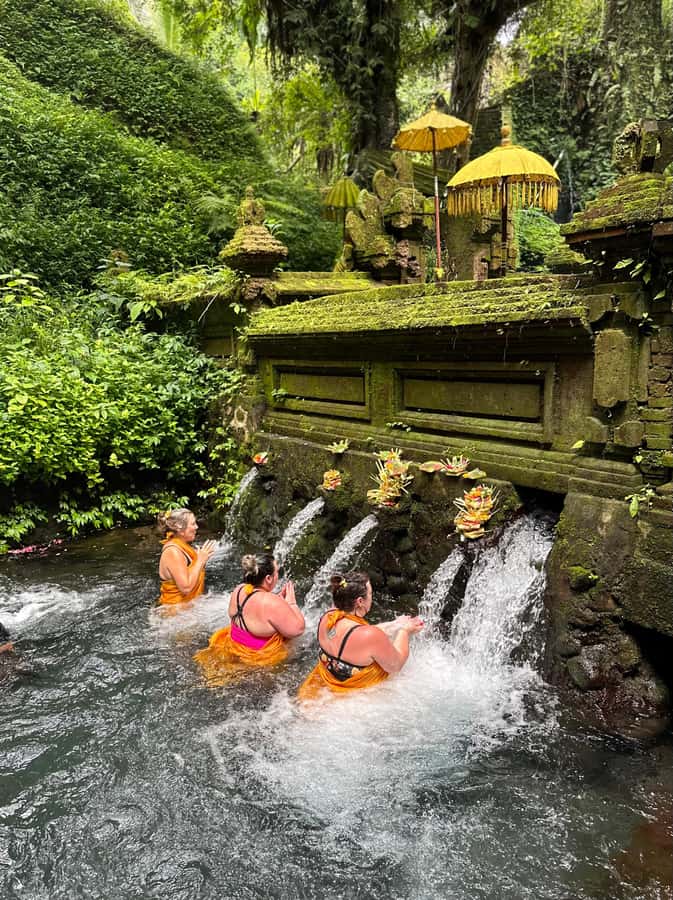
This tour is built around a Balinese cleansing tradition where water acts as the ritual cleanser. The goal is simple but big: to cleanse what’s considered negative influences, refresh your spirit, and clear mental fatigue. The description also frames it as something that may help with non-medical issues tied to the spirit—like insomnia, depression, headaches, and other discomforts that people don’t attribute to a normal medical cause.
Here’s how I’d think about it as a visitor. You don’t have to treat the ritual as science to get something out of it. Even if you’re skeptical, the structure still gives you a guided, respectful way to step into local beliefs and end the day feeling lighter. And because it’s guided with explanations and offerings, you’re not just watching random ceremonies—you understand the meaning behind what you’re doing.
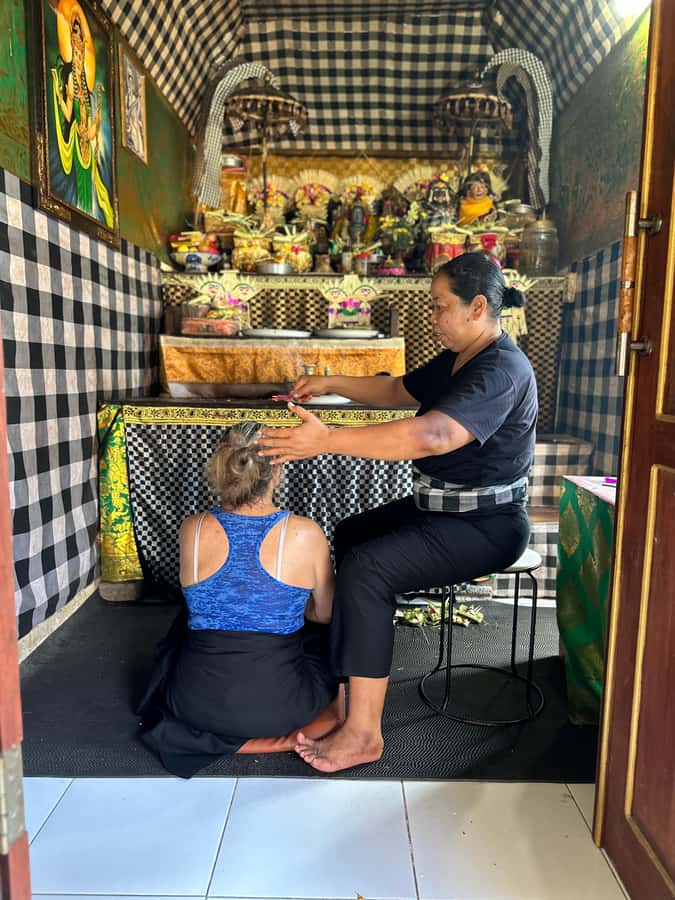
The local healer visit is part of this “meaning-first” approach. You’ll be met by someone considered spiritually gifted, and the session uses offerings and incense during a ritual meant to observe whether a person has issues within the soul. In at least one account, the healer could describe what was happening without much prompting, which makes the experience feel calming and personal rather than awkward.
Pura Mengening: where the holy water ritual happens
Your day’s spiritual centerpiece happens at Pura Mengening. The schedule includes a break time, photo stops, guided touring, and free time, plus about an hour for walking. In practical terms, that means you’ll have moments to orient yourself, then time to participate and settle into the ceremony.
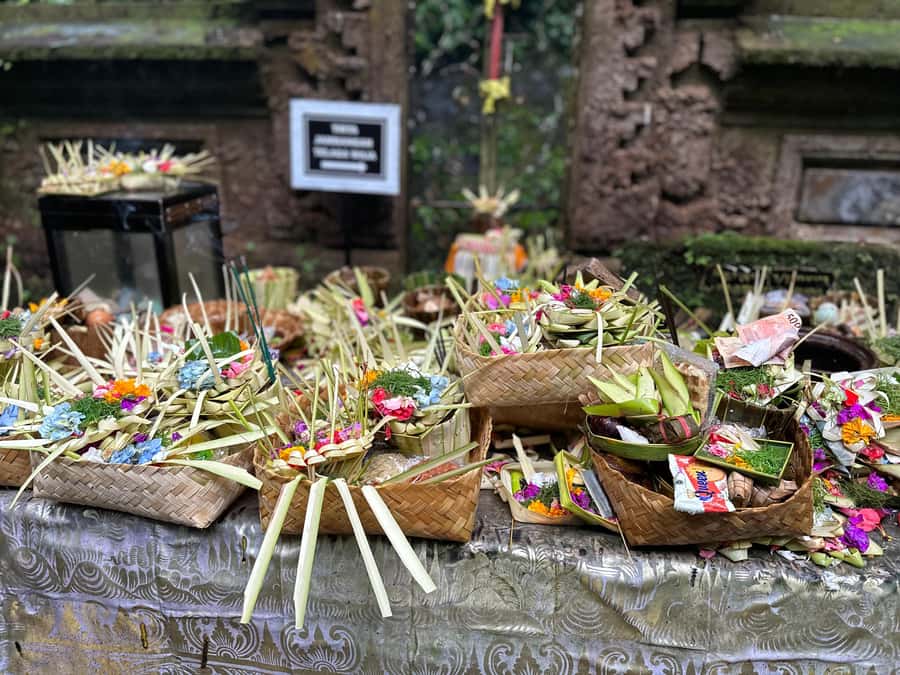
A key detail: you’re provided with sarongs and offerings. Sarongs are part of temple etiquette, and they make it easier to focus on the ritual instead of scrambling for clothing. You’ll also want to have your swimwear and towel ready. That’s not optional on this kind of water cleansing day.
One more rule to take seriously: women who are currently menstruating are not allowed to enter the temple. If that applies to you, don’t show up hoping it will be flexible. Plan your expectations accordingly—this is a religious space with clear boundaries.
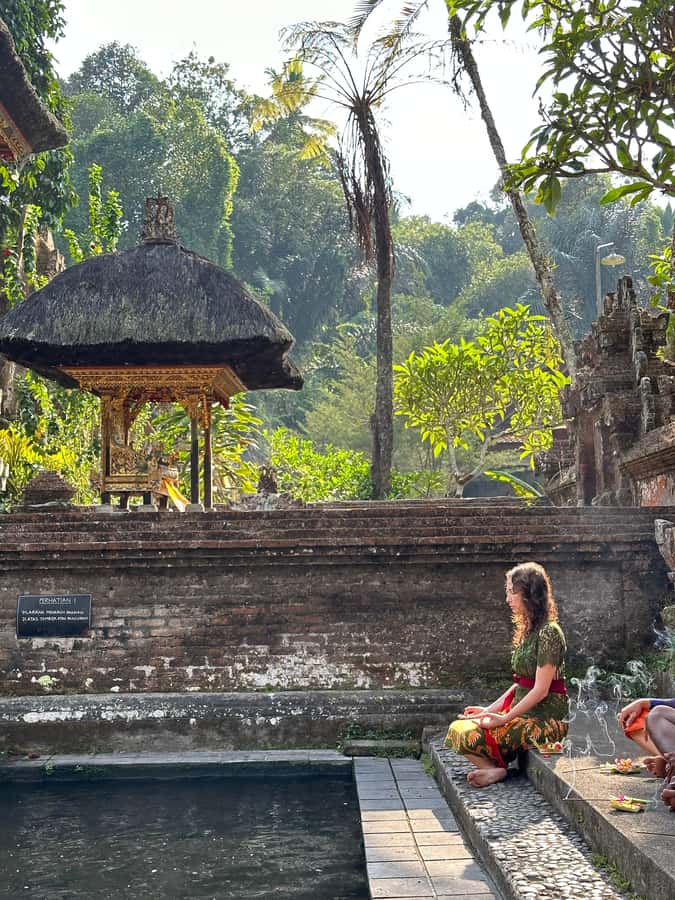
If you’re sensitive to religious intensity, keep it in your mind that the ceremony is purposeful. The whole point is cleansing through belief and ritual, so you should be prepared for a somewhat solemn tone, not a casual vibe.
The healer’s home session: incense, offerings, and a “soul scan”
Before the temple water, the tour includes a visit to a local healer. This isn’t pitched as entertainment. It’s structured around the idea that the healer can see aspects of someone’s soul or other dimension, and then use ritual—incense and offerings—to check what’s going on.
Common topics tied to the ritual include insomnia, depression, headaches, and similar issues people may link to spiritual imbalance. You might not be asked to share personal stories in a detailed way; one account describes the healer sensing things without hearing everyday concerns first. That can feel surprisingly effective, or at least surprisingly calming, because it reduces the need to “perform” your problems for someone else.
In some cases, the healer may add extra divination options. One account mentions possibilities like tarot-style reading or a palm/hand interpretation, depending on what the healer wants to do in that session. If you’re the type who likes structure, go in with an open mind but also a respectful boundary: you’re there for a cultural and spiritual experience, not to overshare.

Celuk and the artisan stop: jewelry craft you can actually watch
After the spiritual focus, the day shifts into a more grounded rhythm: craft and culture stops with guided explanations and time to look around. One of the clearest artisan locations on this route is Celuk, known for gold and silver jewelry. Expect photo stops, guided touring, and shopping time.
This is a good part of the day for practical travelers. You can connect the dots between what you saw in temples and what you see in daily life. Jewelry-making also helps you understand the place of offerings and ceremonial objects in everyday Balinese culture. Even if you don’t buy anything, you’ll come away with a better sense of why these traditions matter.
And shopping here is easier than it sounds. Because it’s guided and time-boxed, you’re not stuck negotiating for hours. You can browse, ask basic questions through your guide, and decide if anything fits your budget.
Batuan Village: a slower walk, more local feeling
The tour also includes Batuan Village with a guided visit, photo opportunities, shopping/sightseeing, and about an hour for walking and break time. Batuan is known for being more local than the most commercial Bali photo stops, and this type of village stop is where you can see daily routines and crafts that don’t revolve around one big tourist attraction.
Practical tip: this segment is a good time to wear comfortable shoes. You’ll likely walk more than you expect, and the surface conditions can change quickly. If you’re wearing sandals, bring something sturdy enough for uneven paths.
Also, use this part of the day to reset your brain after the ritual portion. Temples can be emotionally intense. Village walking brings you back into normal rhythm: look, listen, pause, and take your time.
Lunch break: refuel without losing the mood
You’ll have a lunch break at a local Balinese restaurant included in the price. The value here is more than food. Lunch time in a structured tour keeps you from getting hangry, then rushing through the last temples or scenic spots.
Because lunch is included, you also avoid the stress of finding something fast while coordinating with a driver. It’s one less decision during the day, and that matters when you’re spending the rest of your energy on the spiritual experience.
Segara Windhu coffee plantation: herbal tea tasting with jungle views
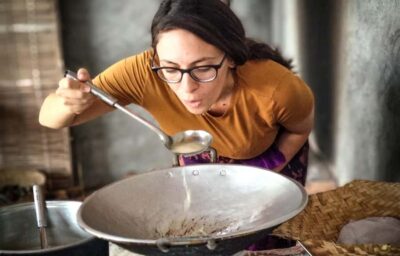
Next up is Segara Windhu agrotourism, where you’ll see the process of making coffee and tea. A standout detail is the included free tasting of coffee and herbal teas. That’s the kind of included experience that feels worth it because you’re not just passing by—you’re learning and sampling.
You’ll also get viewpoints over lush greenery while you taste. Even if you don’t buy anything, this stop gives you a sensory break from temple incense and ritual water. It’s also a nice moment to talk with your guide about local agriculture and daily life, because coffee and tea touch a lot of Balinese culture.
If you do decide to shop, do it with a plan. Tasting can make you want everything. A simple approach is to choose one or two items you’d actually use at home.
Tegallalang rice terraces: UNESCO views with time to breathe
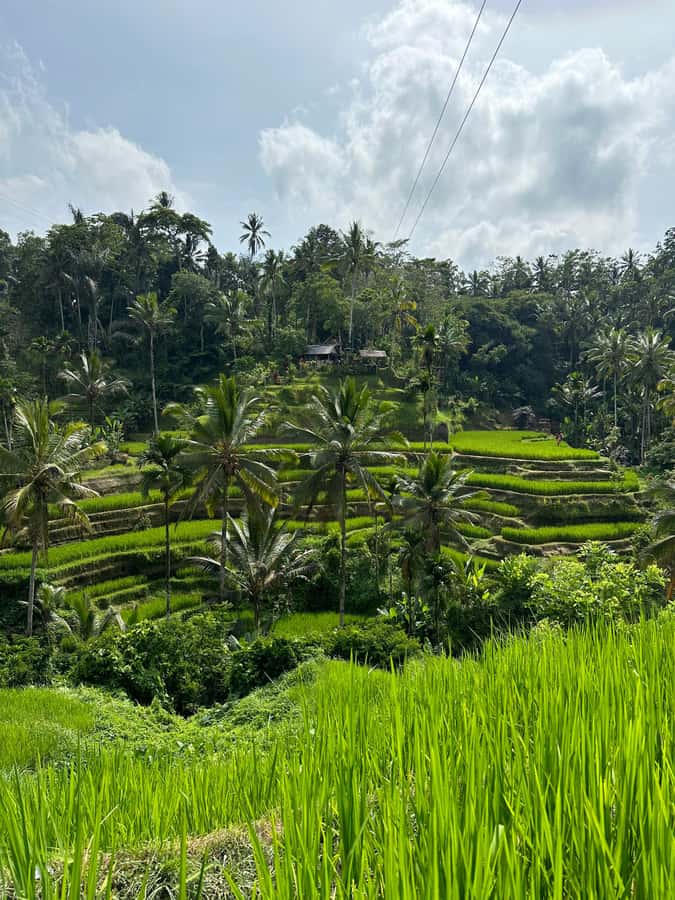
The final major scenic stop is Tegallalang rice terrace, famous for terraced fields in a valley setting. It’s part of a UNESCO World Heritage area, so yes, it’s popular. The tour description also emphasizes that it can still feel quiet enough to wind down and ease your mind, which is exactly what you want after the spiritual portion and craft stops.
The schedule allows for photo time, a guided tour, shopping/sightseeing, and about an hour for the main visit. That’s enough time to get great photos without turning into a nonstop walk.
Practical tip: go into this stop knowing you’ll be taking pictures in bright conditions. Bring sunscreen if you’re prone to burning, and keep your water bottle handy. You’ll also get mineral water included, which helps you stay comfortable.
Price and what you truly get for $58
At $58 per person for a 6-hour day, this is priced like an experience that includes more than sightseeing. You get hotel pickup and drop-off, a driver who functions as your personal guide, entrance tickets and donations, sarongs and offerings, lunch, and mineral water.
The value isn’t just the ritual itself. It’s the total package: transportation plus temples plus craft visits plus coffee tasting, in one day. In Bali, those pieces add up quickly if you try to stitch them together independently, especially when you want someone to explain what you’re seeing and keep you on schedule.
One more value point: the day includes enough breaks that you’re not rushing through sacred spaces or crowded viewpoints. That pacing keeps the spiritual part from feeling like a checkbox.
Who this tour fits best (and who should skip it)
This tour is a strong match if you:
- Want Balinese spiritual cleansing tied to local explanations, not just a photo stop
- Enjoy guided culture days with crafts and artisan areas
- Like a structured itinerary with built-in breaks, lunch, and included admissions
- Prefer a day that can include both calm temple time and lighter, practical stops like coffee tasting
It’s not a fit if you:
- Need full participation in the temple ritual but you fall under the menstruation temple restriction
- Are over 95 years old, since it’s not suitable for that age group
- Want an alcohol-focused day, since alcohol and drugs aren’t allowed
Simple prep checklist so the day feels smooth
Based on what the tour requires, here’s what I’d do before you go:
- Pack swimwear and a towel for the holy water ritual
- Bring a change of clothes if you get wet easily
- Skip alcohol and stick to the rules around temple etiquette
- Wear comfortable footwear for walking segments
- Be ready for sarongs to be provided, but keep your own comfort in mind
And about extra “gratitude”: the tour notes gratitude isn’t included. That’s a signal to plan a little buffer for offerings/donations or personal gestures, if that’s something you like to do.
Should you book this Balinese spiritual cleansing day?
If you want a Bali day that mixes meaningful ritual with real-world local culture, I think it’s a great booking. The biggest reason is the balance: you get guided learning first, then the cleansing part, and the rest of the day supports it with artisan visits, lunch, coffee/tea tasting, and the serene pause of Tegallalang.
Book it if you can handle religious customs, temple rules, and a day that’s more spiritual than spa-like. Skip it if you’re looking for a purely casual sightseeing route or if you can’t participate under the temple restrictions.
If you do book, go in with one goal: stay respectful, ask questions through your guide, and let the pacing do its job. That’s when the day feels less like a tour and more like a reset.
FAQ
What’s included in the Balinese cleansing tour?
The tour includes hotel pickup and drop-off, entrance tickets and donations, a driver who guides you throughout, sarongs and offerings, lunch, and mineral water.
How long does the tour last?
The total duration is 6 hours.
Where do we go during the day?
You’ll visit Pura Mengening and then make stops in Celuk and Batuan Village, plus Segara Windhu Coffee Plantation and Tegallalang Rice Terrace. Lunch is included at a local Balinese restaurant.
Do I need to bring swimwear?
Yes. Swimwear and a towel are required to prepare for the holy water cleansing temple session.
Are there any restrictions for temple visits?
Women during their period are not allowed to enter the temple. Alcohol and drugs are not allowed.
Is lunch provided?
Yes. Lunch at a local Balinese restaurant is included.
Is the tour suitable for elderly travelers?
The tour is not suitable for people over 95 years old.
What language is the guide speaking?
The live tour guide speaks Indonesian and English.
How should I budget for anything not included?
The tour notes that gratitude is not included, so you may want to plan some extra for personal gestures or donations if that’s part of your style.
More Gianyar Tours We Rate


Cleansing & Healing Rituals
Just added around Gianyar
- Bali: A Full-Day Tour to Goa Raja, Tibumana and Tukad Cepung
★ 5.0 · 3 reviews - Bali: 3 best waterfall and tegalalang rice terrace
★ 5.0 · 3 reviews - Bali: Temples, waterfall, and Rice Terrace Guided Tour
★ 5.0 · 3 reviews - Bali: Sacred Water Temple Ritual and Balinese Healing Spa
★ 3.6 · 3 reviews - Ubud: Healing & Purification with Shaman at Hidden Temple
★ 3.3 · 3 reviews
Spiritual Cleansing Rituals, compared.
 ★ 4.9Tirta Empul: Temple Tour with Optional Spiritual CleansingFrom $241,257 reviews
 ★ 4.8Sacred Monkey Forest Sanctuary Ticket and Guided TourFrom $16675 reviews
 ★ 4.8Taman Beji Griya Waterfall: Holy Bathing/Soul Retreat RitualFrom $29634 reviews
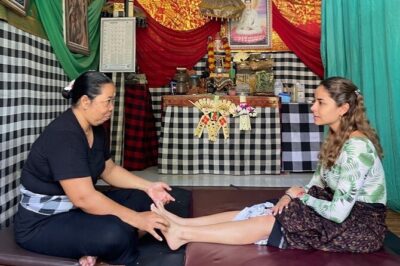 ★ 5.0Ubud Tour – Balinese Healing By Shaman And Self PurificationFrom $74236 reviews
Melukat Ceremony and Temple Tour at Tirta Empul TempleFrom $29218 reviews
★ 5.0Ubud Tour – Balinese Healing By Shaman And Self PurificationFrom $74236 reviews
Melukat Ceremony and Temple Tour at Tirta Empul TempleFrom $29218 reviews
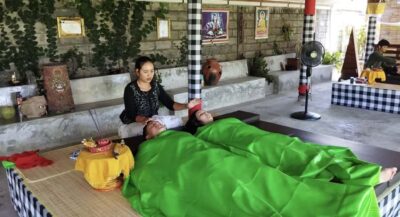 ★ 4.5Spiritual Cleansing, Palm Reading, & Trauma HealingFrom $27217 reviews
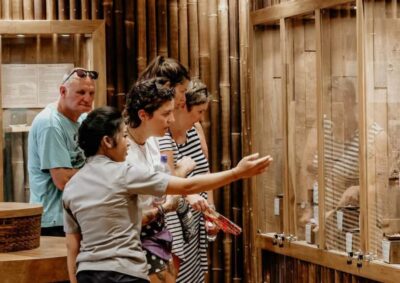 ★ 4.8Soul Retreat & Holistic Mantra Healing ExperiencesFrom $48144 reviews
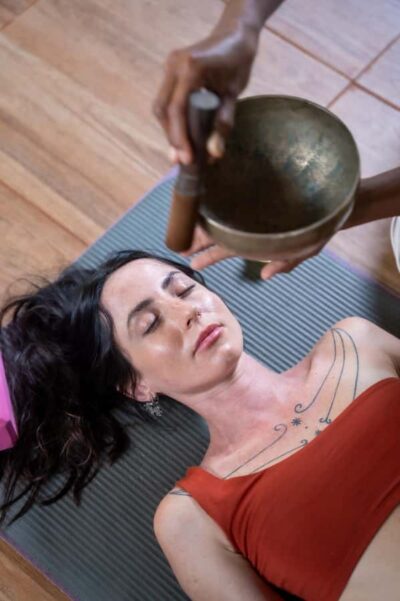 ★ 4.8Ubud Sound Yoga & Energy Healing ExperienceFrom $29112 reviews
Browse the lists this tour appears in