
Reviewed · UBUD TEMPLE TOURS
Ubud Tirta Empul Temple Tour with Purification Experience
That cold holy water has a plan. You’ll join a guided purification ritual at Tirta Empul, learn what each step means, and bathe in the sacred spring waters of Ubud. I love how the experience is taught like a real ritual, not a vague photo stop, and I also like the tiny group size (max 6) that keeps things respectful and manageable.
One consideration: the water can be very cold, and you’ll want to treat it like a ritual, not a quick splash. There’s also a respectful rule—women who are menstruating can’t join the purification portion.
The whole flow is easy to follow. You meet at Ubud Palace (start time 7:30 am), get pickup and drop-off back at the same place, and you communicate with your guide via WhatsApp so you don’t waste time hunting around.
In This Review
- Key things to know before you go
- Tirta Empul purification: what you’re actually doing (and why it feels different)
- Meeting at Ubud Palace: the smooth start that keeps the ritual from feeling rushed
- What to wear and pack for the holy water (so you don’t feel stressed)
- Tirta Empul temple stop: your guided walk through the ceremony
- Timing, pace, and how to get the most out of your 2 hours
- Price and value: why $27.49 can make sense here
- Weather, rescheduling, and respecting the process
- Who this tour suits best (and who might want a different style)
- Should you book the Ubud Tirta Empul purification tour?
- FAQ
- What time does the tour start?
- Where do I meet the guide?
- Is pickup and drop-off included?
- How long is the tour?
- Is admission to Tirta Empul included?
- How big is the group?
- Can women who are menstruating participate in the purification ritual?
- What should I bring?
- Do I need WhatsApp?
Key things to know before you go
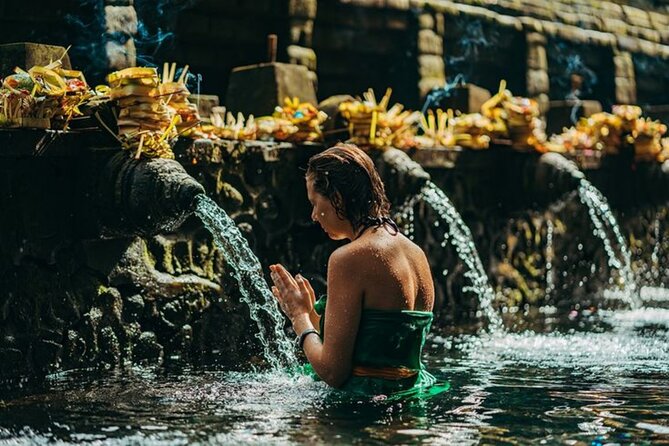
- Step-by-step ritual guidance: Guides walk you through the purification procedures in a clear order, fountain by fountain.
- Meaning behind the actions: You’re taught the deeper purpose of the ceremony—flowers, rice, incense sticks, and the spring water all play roles.
- Max 6 travelers: This keeps the pace calm and helps you ask questions without feeling rushed.
- Admission included: Your Tirta Empul entry ticket is part of the tour price.
- Cold water reality: Bring a towel and plan to change immediately after.
- Respect rules matter: If you’re menstruating, you’re not permitted to take part in the purification ritual.
Holy springs and purification pools worth the early start.
- Ubud: Monkey Forest, Jungle Swing, Rice Terrace, and Water Temple★ 5.0 · 7,160 reviews
- Ubud: Waterfalls, Water Temple & Rice Terraces Private Tour★ 5.0 · 5,484 reviews
- Full-Day Tour to Water Temples and UNESCO Rice Terraces in Bali★ 5.0 · 2,539 reviews
- East Bali Tour: Gate of Heaven, Water Palace, Sleeping Gajah★ 5.0 · 1,726 reviews
Tirta Empul purification: what you’re actually doing (and why it feels different)
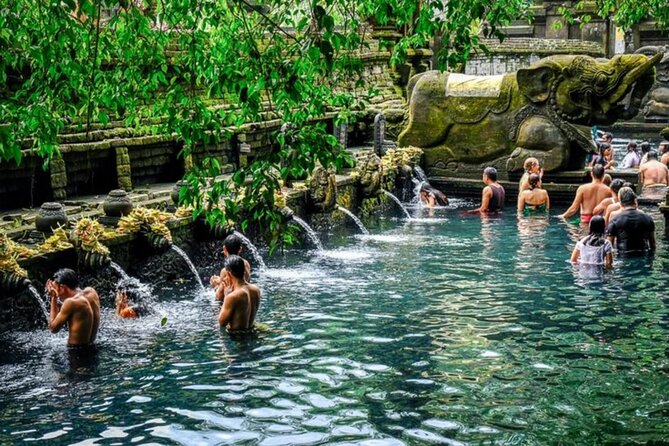
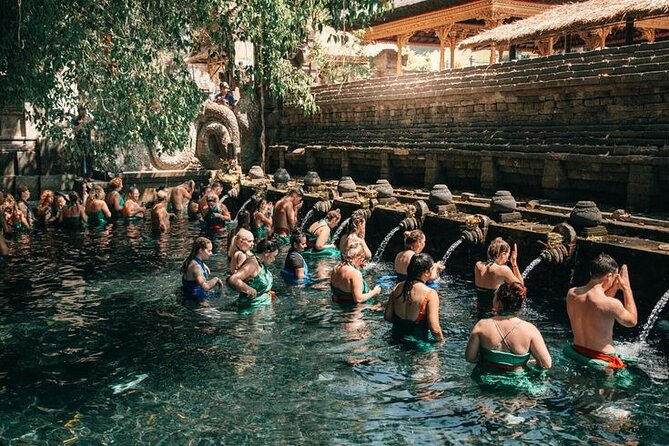
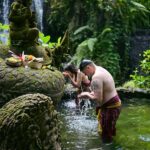
Tirta Empul is one of those Bali experiences where the setting pulls its weight. You’re at a sacred spring temple, and the ritual is built around the idea of restoring balance—by releasing negative energy and helping you feel clear and calm afterward.
What makes this tour valuable is the way it’s explained. Instead of showing you where to stand and hoping for the best, your guide helps you understand the purpose of each part. You’ll learn how the ceremony works, what the different fountain/spout areas mean, and how the offerings fit into the process. That meaning matters. It turns what could be a tourist activity into something closer to a lived tradition.
Also, the tone tends to be very practical. Guides stay calm, give clear instructions, and answer questions. In the same session, you might also get helpful local context—how the temple works, why certain steps happen, and what you should do next so you’re not guessing.
Meeting at Ubud Palace: the smooth start that keeps the ritual from feeling rushed
This tour’s starting point is Ubud Palace, with pickup and drop-off back at the same location. The tour start time listed is 7:30 am, and you’re asked to arrive about 5 minutes early.
That timing detail sounds small, but it changes the experience. When you show up slightly early, you get the “set up” moment: meeting your guide, checking what you have, and settling your mind before you head into temple space. It’s also easier for your guide if you communicate quickly.
You’ll also want WhatsApp downloaded before the tour. The guide uses it for communication, and that matters when you’re in Ubud and don’t want to spend your morning walking in circles.
One more point I appreciate: the tour is designed for a maximum of 6 travelers. Fewer people means fewer interruptions and more attention for each person. If you want to understand what you’re doing, this structure helps.
What to wear and pack for the holy water (so you don’t feel stressed)
You’ll be asked to dress appropriately for the temple and purification process. The tour description points to using traditional ritual attire, and in practice that usually means you’ll be ready to cover up in the way temple staff expect.
Bring what you’ll need to stay comfortable:
- A towel
- A change of clothes
- Extra underwear
If you forget these, you’ll still probably make it through—but you’ll also spend the rest of your day thinking about wet clothes. The ritual itself can also feel physically intense in a simple way: the water may be very cold, and that can surprise you if you imagined it as spa-warm.
Some guides may also help with what to wear when entering the temple. One guide was noted for bringing a sarong for guests. That’s helpful, but don’t count on it as your only plan. Pack basics anyway.
Finally, there’s a respectful participation rule: women who are menstruating are not permitted to join the purification ritual. If this applies to you, the best approach is to plan your visit with the understanding that you may be able to participate in the broader temple experience, while the purification portion is not available.
More stone shrines and clifftop pura across Ubud.
Tirta Empul temple stop: your guided walk through the ceremony
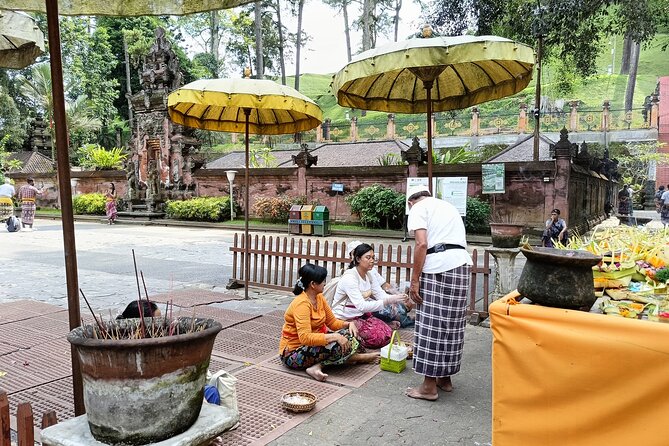
The heart of the tour is the Tirta Empul Temple stop, and it runs about 2 hours total (including the purification experience). You’ll start by exploring the temple and learning its history and traditions, then you’ll move into the purification ritual.
Here’s what you can expect in a practical sense:
- You’ll receive instructions on how to behave in the temple space.
- Your guide explains the ritual steps in order, so you know what happens next.
- You’ll learn the significance of the different water spouts/fountains and why the sequence matters.
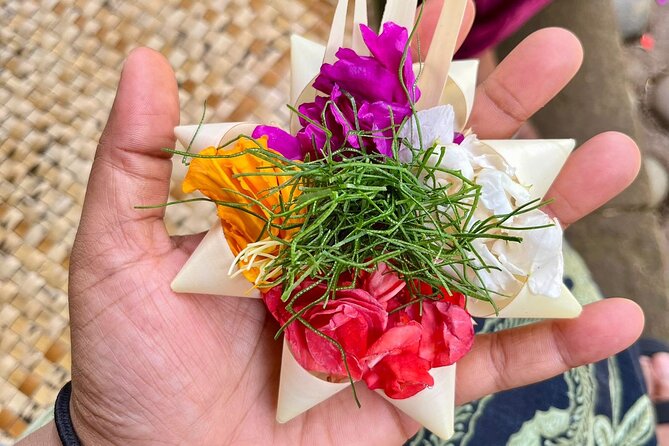
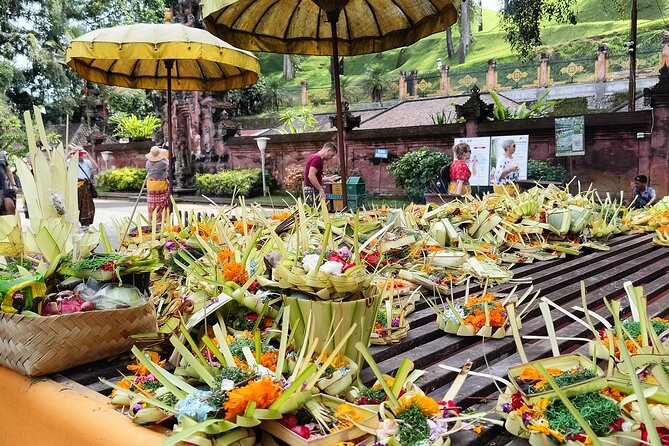
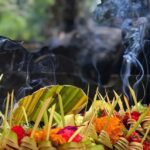
- You’ll use ritual offerings such as flowers, rice, and incense sticks, along with the sacred spring water.
- The guide helps you carry it out correctly, which is especially important when you’re standing in water and trying to stay focused.
What I like most is that the guidance tends to be step-by-step, not vague. Multiple guides connected to this experience (including Koman, Bayu, Kadek, Dewa, and Putu) are praised for clear instructions and patience. That’s huge. When someone is calm and methodical, you can actually pay attention to the meaning of what you’re doing.
You may also notice the photography angle in a very real way. Some guides are noted for taking great photos and videos during the experience. If that’s on your mind, it helps to communicate what you want your guide to capture, then let them do the guiding.
Timing, pace, and how to get the most out of your 2 hours
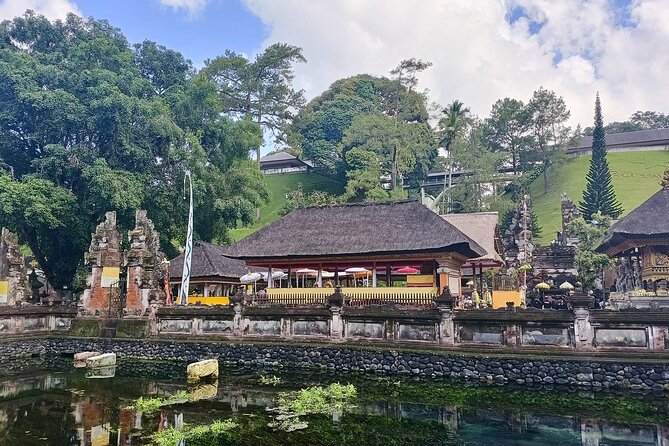
Two hours at a temple sounds like enough, and it usually is—especially with a guide handling the flow. You’ll get time to understand the setting and then complete the ritual without feeling like you’re racing.
The biggest factor is your mindset. Purification isn’t built for rushing. You get the best result when you treat it like a focused activity:
- Pause before you enter the ritual area.
- Follow the guide’s instructions even if you think you’ve seen it online.
- Don’t treat the water as a novelty. Treat it as part of the ceremony.
A lot of people come away saying it’s powerful or unforgettable. If you’re open to spirituality and learning a living tradition, the explanation helps you connect instead of just observing.
Also, because it’s a small group, you’re less likely to feel like you’re being swept along. That makes it easier to ask questions and stay present.
Price and value: why $27.49 can make sense here
At $27.49 per person, the most important “value” detail is that admission is included. You’re also paying for guided interpretation of the ritual, plus pickup and drop-off at Ubud Palace.
This is one of those prices where what you’re really buying is confidence. If you tried to arrange this on your own, you’d need to figure out temple entry rules, correct ritual steps, where to go, and how to handle the ceremony respectfully. Here, the structure is already in place.
So the value works best if you:
- Want more than a basic temple visit
- Prefer clear instructions over guessing
- Like the idea of a local spiritual guide guiding the meaning, not just walking you around
If your goal is only scenic photos and you don’t care about ritual context, then you might feel like you’re paying for guidance you won’t use. But if understanding the ceremony matters, it’s a pretty sensible spend.
Weather, rescheduling, and respecting the process
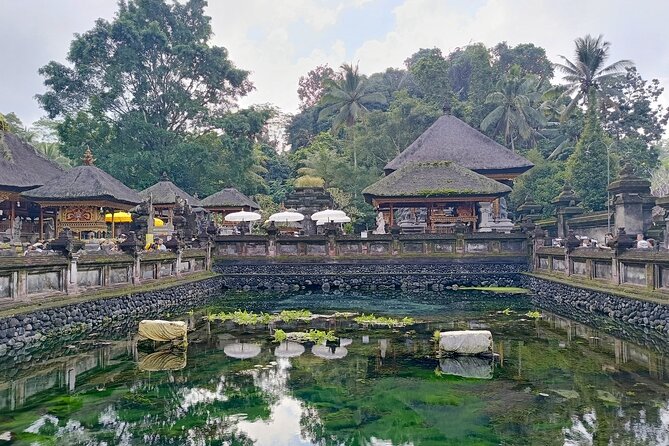
Rain happens. This tour specifically notes that it may be rescheduled or canceled due to heavy rain or severe weather for safety.
If your schedule is tight, keep a little buffer for Ubud temple time. When weather forces a change, it’s better to accept the reschedule than to try to force it and end up with a rushed or unsafe experience.
And remember: the purification ritual is part of a larger temple tradition. Even if you’re feeling curious (or a little nervous), you’ll get the best experience by staying respectful, following instructions, and not treating sacred spaces as a playground.
Who this tour suits best (and who might want a different style)
This experience is a strong match if you:
- Want a local spiritual guide explaining how and why the ritual works
- Appreciate a small group and calm pace
- Enjoy cultural context, not just site-checking
- Don’t mind cold water and the need to change clothes afterward
It may not fit as well if you:
- Strongly dislike any religious rules or rituals tied to sacred spaces
- Want a completely casual, no-instructions experience
- Are not comfortable with wet clothing and temperature shock
If you’re flexible, respectful, and curious, this is one of the more meaningful ways to connect with Ubud beyond the usual checklist.
Should you book the Ubud Tirta Empul purification tour?
I’d book it if you want the ritual explained clearly and you like the idea of a tiny group guided by someone who knows how to handle both the spiritual and practical parts. The inclusion of admission and the structured flow from Ubud Palace makes it easy to commit without extra planning stress.
Skip it (or consider another option) if you’re only after quick photos, don’t want any ritual participation, or can’t manage the reality of cold water and changing afterward. Also check the participation rule for menstruation so you don’t show up expecting to join the purification portion.
FAQ
What time does the tour start?
The tour start time listed is 7:30 am.
Where do I meet the guide?
You meet at Ubud Palace. The address is listed at Jl. Raya Ubud No.8, Ubud, Bali.
Is pickup and drop-off included?
Yes. Pickup and drop-off are provided at the Ubud Palace meeting point.
How long is the tour?
The duration is approximately 2 hours.
Is admission to Tirta Empul included?
Yes. Admission ticket for the Tirta Empul Temple is included.
How big is the group?
The tour has a maximum of 6 travelers.
Can women who are menstruating participate in the purification ritual?
No. Women who are menstruating are respectfully not permitted to join the purification ritual.
What should I bring?
Bring a towel, a change of clothes, and extra underwear.
Do I need WhatsApp?
Yes. The tour instructions say to download WhatsApp prior to the tour for communication with your guide or host.
Cleansing & Healing Rituals

Temples & Shrines Around Ubud




Holy Springs & Water Temples
Just added around Ubud
- Ubud: White Water Rafting with visit Ubud Monkey Forest
★ 5.0 · 3 reviews - Private Guided Bali Car Charter
★ 5.0 · 3 reviews - East Bali and Lempuyang Temple Tour
★ 5.0 · 3 reviews - Bali Downhill Cycling and White Water Rafting
★ 5.0 · 3 reviews - Cave Tubing Adventure in Ubud
★ 5.0 · 3 reviews
Ubud Temple Tours, compared.
 ★ 5.0Monkey Forest, Jungle Swing, Rice Terrace, and Water TempleFrom $317,160 reviews
 ★ 5.0Waterfalls, Water Temple & Rice Terraces Private TourFrom $295,484 reviews
 ★ 5.0Uluwatu Sunset, Kecak Dance, and Dinner Jimbaran BeachFrom $353,681 reviews
 ★ 5.0Tanah Lot and North Bali Tour: Scenic JourneyFrom $1003,620 reviews
 ★ 5.0Full-Day Tour to Water Temples and UNESCO Rice Terraces in BaliFrom $392,539 reviews
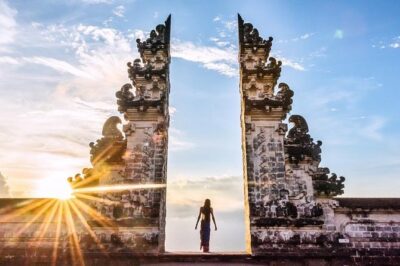 ★ 5.0East Bali Tour: Gate of Heaven, Water Palace, Sleeping GajahFrom $1001,726 reviews
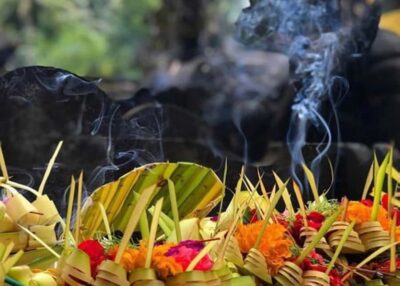 ★ 4.9Tirta Empul: Temple Tour with Optional Spiritual CleansingFrom $241,257 reviews
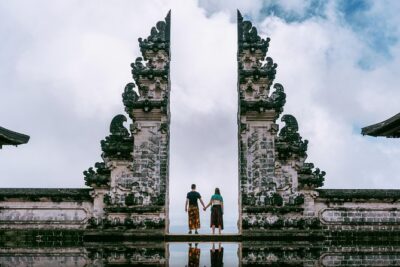 ★ 5.0Bali Instagram: Gate of Heaven Temple TourFrom $85737 reviews
Browse the lists this tour appears in