
Reviewed · TEGALLALANG RICE TERRACES
Ubud: Monkey Forest, Temple, Rice Terraces, Hidden Waterfall
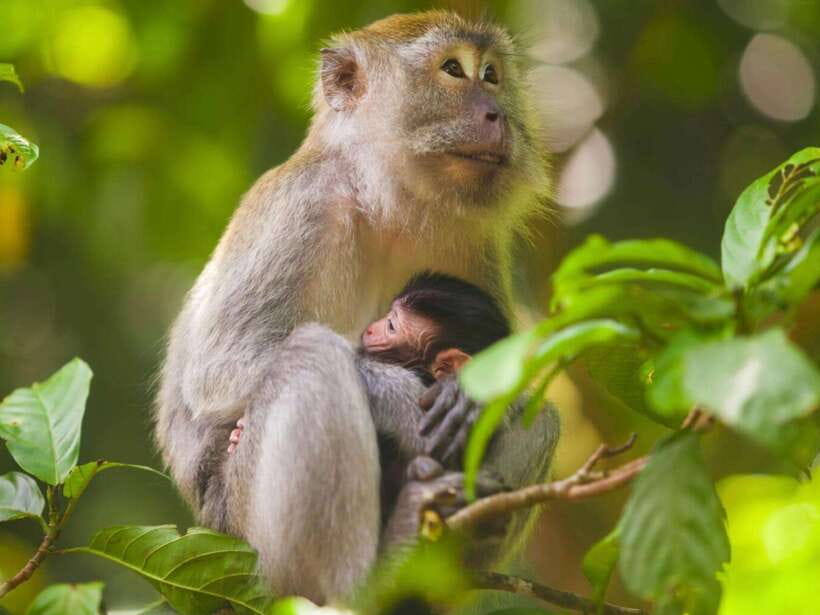
Monkeys, temples, and waterfalls in one tight day. This Ubud loop mixes Sacred Monkey Forest Sanctuary with temple details and time outdoors, so you get Bali’s daily rhythms fast. I love the chance to watch baby monkeys play and learn that the monkeys here are Macaca fascicularis, fed by staff during the day.
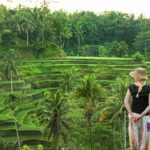
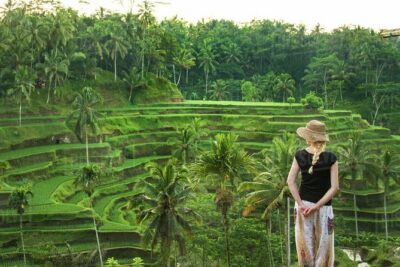
I also really like the walking portion at Tegalalang Rice Terraces. You get that classic green stair-step view under coconut trees, plus chances to see farmers and irrigation water up close rather than only spotting photos from a bus.
One catch to plan around: women on their period are not allowed into the main part of Tirta Empul.
In This Review
- Key things to know before you go
- A Ubud Day That Hits Wildlife, Water, and Temple in One Route
- Sacred Monkey Forest Sanctuary: Selfies, Baby Monkey Play, and Simple Rules
- Tegalalang Rice Terraces: Walking the View Instead of Just Looking at It
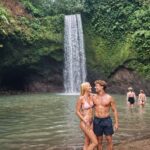
- Ulu Petanu Waterfall: Easy Access, Real Swimming Time
- Coffee Plantation Stop: Manual Processing and Tasting, Without the Long Sales Pitch
- Tirta Empul Holy Water Temple: Structure, Rituals, and Timing Matters
- Transport, Timing, and What the 9 Hours Really Feel Like
- Price and Value: Why $29 Often Works (And What Costs Extra)
- Who This Tour Suits Best (and When to Skip)
- Should You Book This Ubud Loop?
- FAQ
- How long is the Ubud Monkey Forest, Temple, Rice Terraces, and Waterfall tour?
- Where does pickup and drop-off happen?
- What’s included in the price?
- Are entry fees and food included?
- Is Tirta Empul open to everyone, including menstruating women?
- Can I swim at Ulu Petanu Waterfall?
- How long do you spend at the coffee plantation?
- Is free cancellation available, and can I pay later?
Key things to know before you go
- Monkey Forest is “managed”: monkeys are fed three times a day, so interactions tend to be calmer than you’d expect.
- Expect real walking: rice terraces and waterfall access are walk-and-view, not just quick photo stops.
- Ulu Petanu is the easiest waterfall option here, with not too many stairs and time to swim.
- Tirta Empul can be a religion-focused experience (and the purification ritual is optional).
- Coffee tasting is short and practical: a manual process plus sampling at a plantation stop.
- Your guide can shape the day: many guides (names you might see include Ngurah, Nyoman, Bayu, Pande, Restu, Dama, Santanu, and Wayan) are praised for clear explanations and photo help.
Tiered green as far as the eye runs. More Ubud rice-terrace walks.
- Ubud: Monkey Forest, Jungle Swing, Rice Terrace, and Water Temple★ 5.0 · 7,160 reviews
- Ubud: Waterfalls, Water Temple & Rice Terraces Private Tour★ 5.0 · 5,484 reviews
- Ubud: Full-Day Rice Terrace, Monkey Forest & Waterfall★ 5.0 · 2,634 reviews
- Full-Day Tour to Water Temples and UNESCO Rice Terraces in Bali★ 5.0 · 2,539 reviews
A Ubud Day That Hits Wildlife, Water, and Temple in One Route
This day works because it moves through three different sides of Bali without feeling like chaos. You start with wildlife in the forest, switch to farming scenery and temple architecture, and end with the kind of waterfall time that makes the trip feel real instead of staged.
The rhythm is also friendly. You’re not sprinting from place to place for 10-minute stops. Each main stop gets about 40 to 60 minutes for walking, photos, and explanations, with the coffee plantation shorter. That pacing matters in Ubud, where heat and crowds can turn a “quick visit” into a miserable one.
Also, the guide is English-speaking, and the car is private and air-conditioned. That means you get a break between locations and you can ask questions in plain language.
Sacred Monkey Forest Sanctuary: Selfies, Baby Monkey Play, and Simple Rules
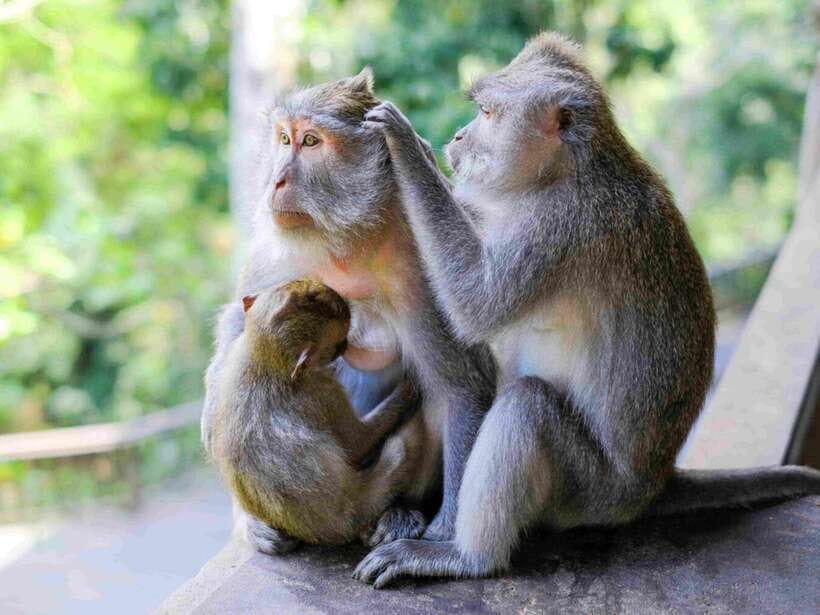
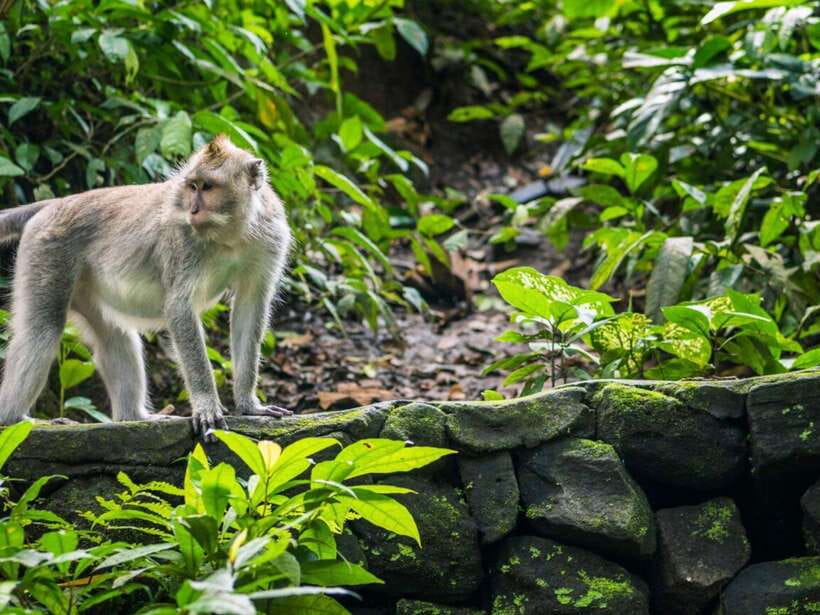
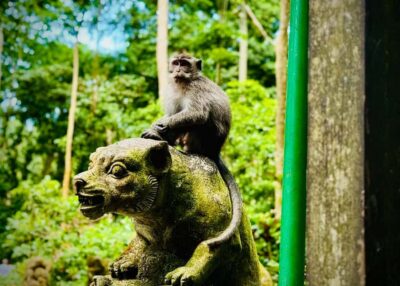
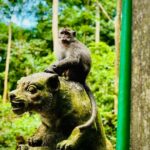
The Sacred Monkey Forest Sanctuary is exactly what you want when you’re craving a little wildlife drama—but with enough structure to keep it fun. This sanctuary is known for thousands of monkeys, and the species listed for this site is Macaca fascicularis.
Here’s what makes the visit feel different from a random animal encounter:
- You can watch baby monkeys during their social play, which is honestly the funniest part.
- You’re allowed to take selfies, and the overall vibe is “see them up close” rather than “run from them.”
- The monkeys are fed three times a day by the staff, so they’re not constantly grabbing at tourists for food.
Still, I’d treat it like nature: don’t wave valuables around, keep your bag closed, and stay calm if one gets curious. One solo traveler mentioned a monkey jumped on them at some point, but the fix was simple—keep walking slowly and don’t panic. In other words: let the moment pass, don’t fight it.
If you want photos, plan to linger a bit. The best shots aren’t only the obvious ones; they’re the ones where the monkeys look relaxed and playful. Many guides (again, names like Ngurah, Dama, and Santanu show up often for photo help) will also help you get into position without you feeling like you’re wrestling strangers.
Time on site: about 40 minutes to 1 hour.
Tegalalang Rice Terraces: Walking the View Instead of Just Looking at It
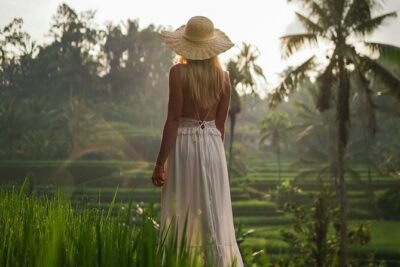
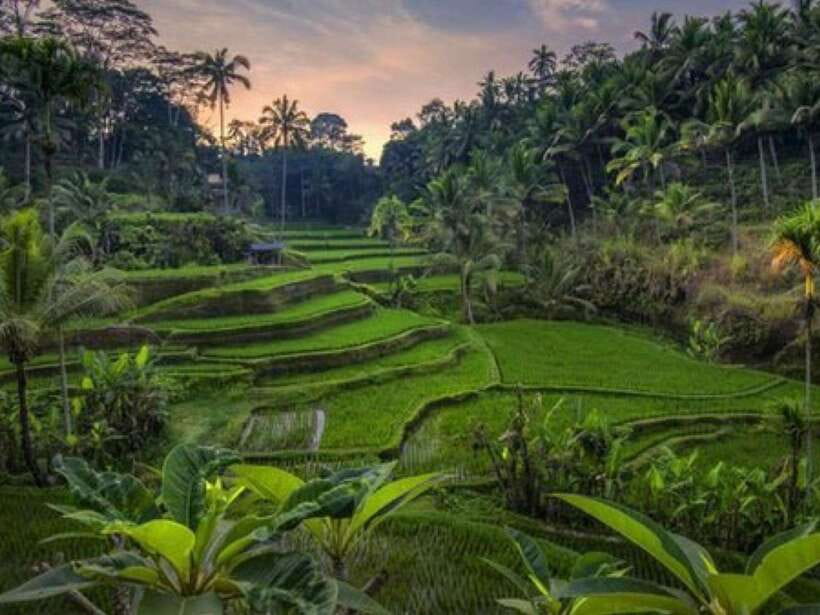
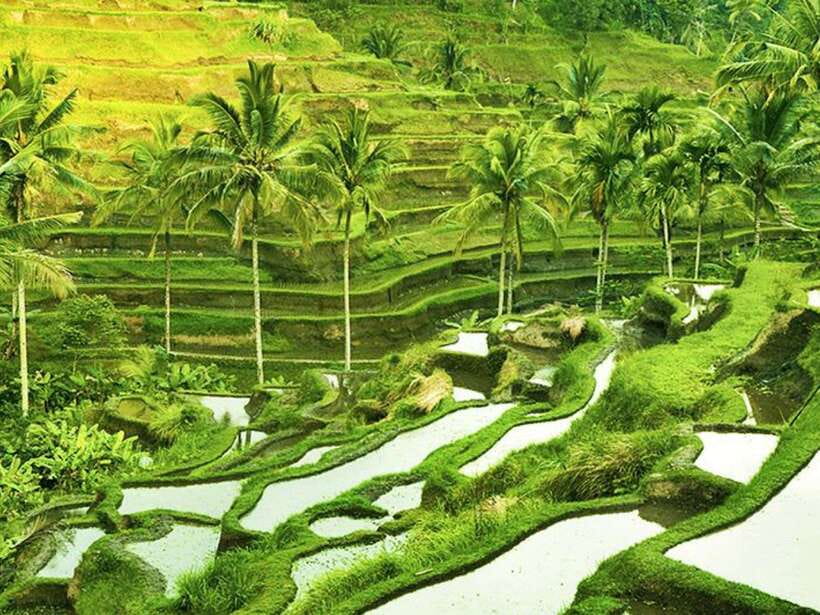
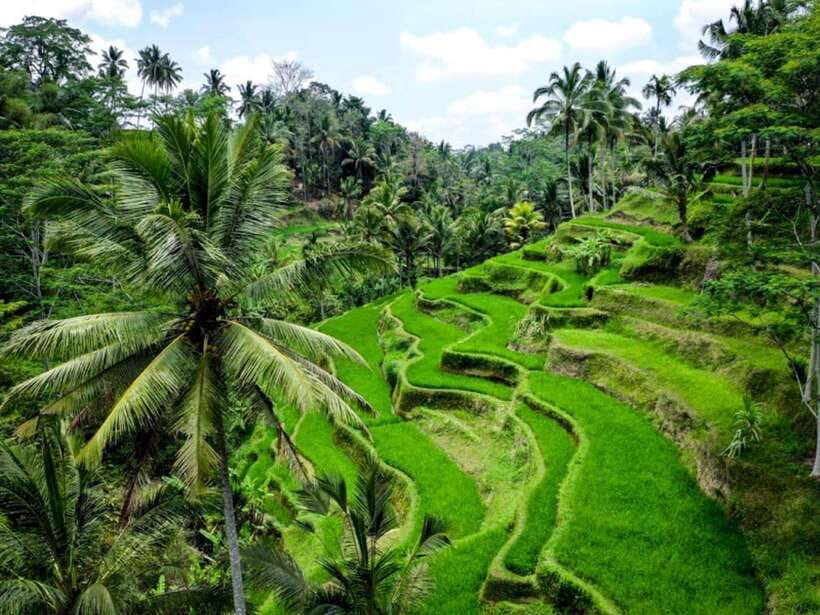
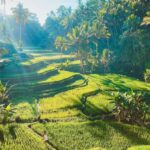
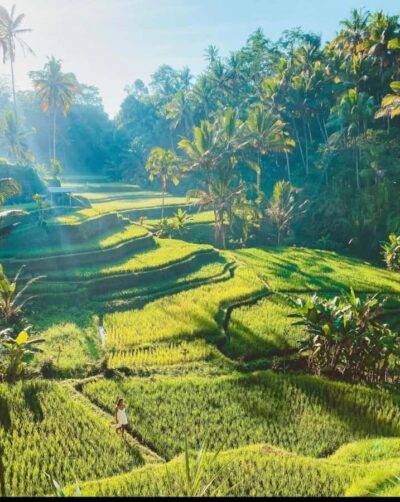
Tegalalang is one of those places that people describe with the word scenic, but the real value here is what you can actually see as you walk. The terraces are carefully arranged, and you get the sense of how the system works—rice farming isn’t just decoration.
On this part of the day, you’ll:
- walk through viewpoints under coconut trees
- see rice fields stacked in terraces
- spot farmers and notice irrigation water supplying the fields
- get plenty of photo options without racing
The best way to enjoy this stop is to slow down and watch the water and the edges of the terraces. Even if you don’t remember every farming term your guide explains, you’ll come away with a mental picture of how the landscape supports the crops.
Also, if it’s sunny, this is a good place to notice where shade falls. You’ll be walking, and you’ll want cool-down moments. If you’re traveling in hotter months, the “short but not rushed” time window helps you avoid the classic mistake: turning rice terraces into a sweaty sprint.
Time on site: about 40 minutes to 1 hour.
Long-tailed macaques and mossy temple gates, up close.


Ulu Petanu Waterfall: Easy Access, Real Swimming Time
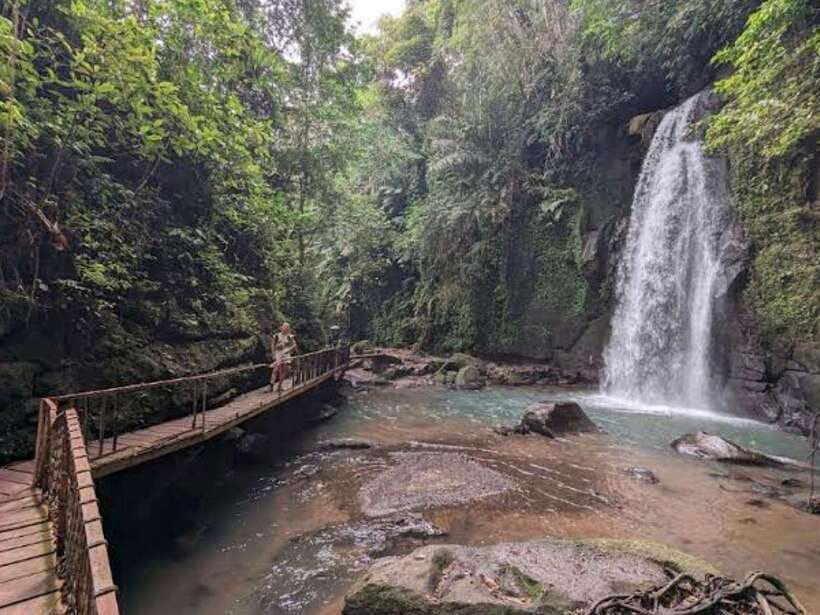
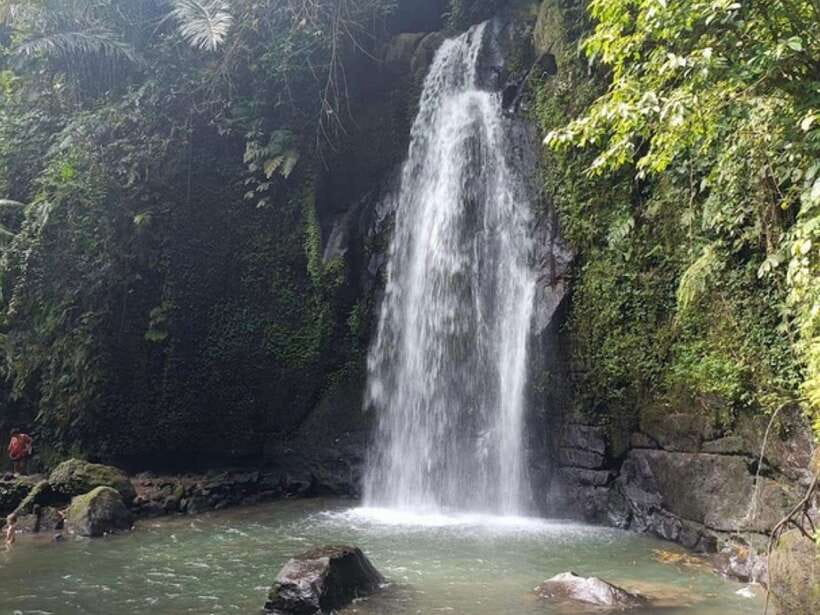
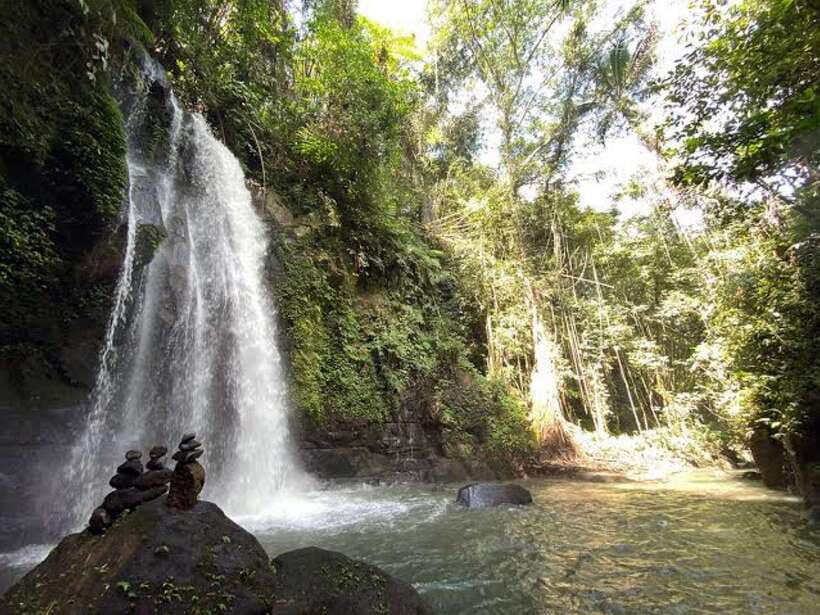
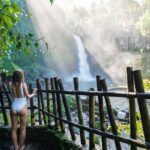
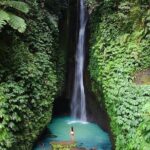
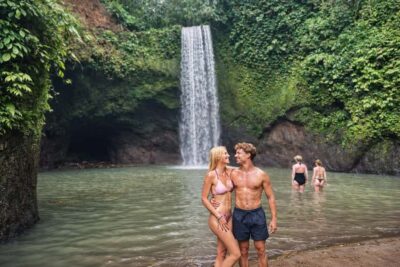
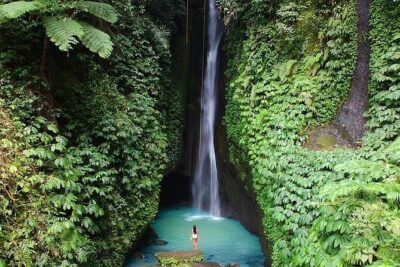
Ulu Petanu is described as the most natural waterfall option around Ubud in this route, and it also tends to be the least punishing physically. You don’t face a wall of stairs the way you might at other waterfalls in the area, so it’s easier to enjoy the scenery instead of just budgeting your energy.
What you can do here:
- walk to the waterfall
- take in the lush tree views
- swim and cool off
That swimming option is a big part of why I like this stop. You’re not just looking at water; you’re actually in it. If you’ve been baking in the car and sidewalks around Ubud, this is where the day gives something back.
One practical note: waterfalls make surfaces slick. So wear footwear that grips, and let your guide set the pace. The route’s “not too many stairs” detail doesn’t mean “zero effort,” it just means you’re more likely to arrive feeling happy instead of wrecked.
Time on site: about 40 minutes to 1 hour.
Coffee Plantation Stop: Manual Processing and Tasting, Without the Long Sales Pitch
This is the kind of stop that can go either way on tours. Here, it’s positioned as a morning-style learning moment with tasting. You’ll see coffee and tea trees, then understand the manual process used to make Balinese coffee.
What you’re getting in that 30 to 45 minutes:
- how the plantation area is set up (coffee/tea trees)
- a basic manual process explanation
- coffee tasting
The smart move is to treat this as a sensory break, not a full workshop. If you’re the type who likes to ask questions, your guide can fill in context about what you’re smelling and tasting. If you’re tired, it’s short enough that you won’t feel trapped.
Also, because the day includes multiple outdoors stops, the timing of coffee tasting can be a relief. It’s a break from sun and stairs, and it resets you before the temple portion.
Time on site: about 30 minutes to 45 minutes.
Tirta Empul Holy Water Temple: Structure, Rituals, and Timing Matters
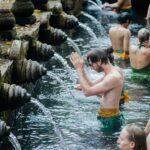
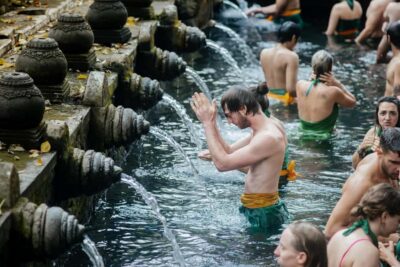
Tirta Empul is a UNESCO temple and one of the most important ritual sites near Ubud. The big thing to know is that this isn’t only a photo location. It’s used by Balinese Hindus for prayer and purification rituals, and visitors can participate in the cleansing/purification ritual as well.
Your guide will take you around to:
- see temple structure
- understand how the site is used for prayer/ritual
- learn about the meaning behind what you’re seeing
- optionally join the purification ritual (if you choose)
The cultural explanation is the real value here. When you know what you’re looking at—why certain spaces exist and what the ritual is meant to do—the place stops being a “pretty stop” and becomes something you understand.
Important restriction: women on their period are not allowed entry until the main part of Tirta Empul. If that applies to you, plan for an alternate experience in the outer parts of the temple area.
Because this stop is sacred and active, be respectful with your pace and photos. Slow down. Watch how others move through the ritual spaces. The guide’s instructions matter here.
Time on site: about 40 minutes to 1 hour.
Transport, Timing, and What the 9 Hours Really Feel Like
This is a 9-hour day. The starting time depends on availability, so check your slot and plan for a full stretch.
Pickup is straightforward: you’re asked to wait in the hotel lobby about 5 minutes before the scheduled pickup time. You get private air-conditioned transportation, plus a driver/guide, and water for the trip.
Pickup options are wide across the island’s south Bali tourist corridor, including:
- Sanur
- Denpasar
- Gianyar
- Ubud
- Kuta
- Canggu
- and Bali (general)
You’ll also be dropped off back in those same areas (Ubud, Denpasar, Kuta, Canggu, Gianyar, Sanur, Bali).
What I like about this setup is that you’re not stuck paying for separate taxis between widely spaced sites. Ubud traffic can be slow. A private car also means you can ask your guide to adjust pacing based on heat or your comfort level. One solo traveler noted their guide allowed extra flexibility and even made a quick stop for essentials like sunscreen—exactly the kind of real-world help that makes a long day easier.
So the day will feel like:
- morning forest + terraces energy
- mid-day waterfall cooling
- coffee reset
- temple with meaning at the end
Price and Value: Why $29 Often Works (And What Costs Extra)
The listed price is $29 per person. For a day that includes private transport, an English-speaking guide, parking, and bottled water, that can be solid value—especially if you’d otherwise rent a car or pay multiple drivers.
That said, a few things are not included:
- entry fees for the destinations
- food
So the true cost depends on how much you plan to snack and how you handle entry tickets at each stop. If you’re traveling on a tight budget, it helps to set aside extra money for admission and one meal.
Also, note the “private option selected” detail for hotel pickup/drop-off. If your booking is set up as shared, the pickup/drop-off terms might differ. In any case, you’re paying for the guide and the ride plus parking and water, so you don’t lose time hunting for transport.
Bottom line: if you want a single guided day that touches monkeys, rice terraces, a major temple, and a waterfall with minimal hassle, this pricing often makes sense.
Who This Tour Suits Best (and When to Skip)
This tour fits you if:
- you want a well-paced Ubud day with multiple major sights
- you like nature stops but also want cultural context
- you prefer private car comfort over juggling scooter rental
- you don’t want your day to revolve around only one attraction
You might want to skip (or at least adjust expectations) if:
- you’re visiting during dates affected by the Tirta Empul period restriction and you need access to the main part
- you hate monkeys and might feel anxious around wildlife behavior
- you prefer very quiet, long stays at one place rather than seeing several stops in a day
The guides matter, too. People often highlight names like Ngurah, Nyoman, Bayu, Pande, Restu, Dama, Santanu, and Wayan for being friendly, clear, and helpful with photos. That’s the difference between a “bus day” and a day that feels like you’re being looked after.
Should You Book This Ubud Loop?
If your goal is to get a strong taste of Ubud in one day—forest wildlife, farming scenery, a major temple, and time to swim—this is a strong pick. The structure helps: time at each stop is long enough to enjoy, not just rush.
I’d book it if you:
- want private air-conditioned transport
- like the idea of Ulu Petanu with fewer stairs and an actual swim
- appreciate a guide who explains temple structure and ritual purpose
I’d think twice if you:
- need full access to the main ritual area of Tirta Empul and that restriction affects you
- plan to skip walking and want only minimal steps
If you do book, pack patience for the monkey factor, bring swim-ready basics for Ulu Petanu, and keep a respectful mindset for Tirta Empul. You’ll come away with a day that feels like Bali, not just a checklist.
FAQ
How long is the Ubud Monkey Forest, Temple, Rice Terraces, and Waterfall tour?
The duration is listed as 9 hours. Starting times vary, so you’ll need to check availability for the slot you want.
Where does pickup and drop-off happen?
Pickup and drop-off are available across several areas, including Sanur, Denpasar, Gianyar, Ubud, Kuta, and Canggu, as well as Bali. The exact pickup/drop-off points depend on your selected options.
What’s included in the price?
Included items are hotel pickup and drop-off (if the private option is selected), private air-conditioned transportation, a driver/guide, parking fees, and bottled water.
Are entry fees and food included?
No. All entry fees at the destinations and food are not included, though food can be purchased along the way.
Is Tirta Empul open to everyone, including menstruating women?
Due to religious reasons, women on their period are not allowed entry until the main part of Tirta Empul Temple.
Can I swim at Ulu Petanu Waterfall?
Yes. The waterfall stop includes time where you can swim and enjoy the natural setting.
How long do you spend at the coffee plantation?
The coffee plantation stop includes tea and coffee tasting, with a duration of about 30 to 45 minutes.
Is free cancellation available, and can I pay later?
Yes. You can cancel up to 24 hours in advance for a full refund. You can also reserve now and pay later.
More Ubud Waterfalls to Chase

Into the Monkey Forest

Rice Terraces Worth the Walk
Just added around Ubud
- Ubud: White Water Rafting with visit Ubud Monkey Forest
★ 5.0 · 3 reviews - Private Guided Bali Car Charter
★ 5.0 · 3 reviews - East Bali and Lempuyang Temple Tour
★ 5.0 · 3 reviews - Bali Downhill Cycling and White Water Rafting
★ 5.0 · 3 reviews - Cave Tubing Adventure in Ubud
★ 5.0 · 3 reviews
Tegallalang Rice Terraces, compared.
 ★ 5.0Monkey Forest, Jungle Swing, Rice Terrace, and Water TempleFrom $317,160 reviews
 ★ 5.0Waterfalls, Water Temple & Rice Terraces Private TourFrom $295,484 reviews
 ★ 5.0Full-Day Rice Terrace, Monkey Forest & WaterfallFrom $232,634 reviews
 ★ 5.0Full-Day Tour to Water Temples and UNESCO Rice Terraces in BaliFrom $392,539 reviews
 ★ 4.7Monkey Forest, Ceking Rice Terraces and More– Full DayFrom $37917 reviews
 ★ 4.9Rice Terraces & Villages Half-Day Fat Tire E-Bike TourFrom $33602 reviews
 ★ 5.0Downhill Cycling with Volcano, Rice Terraces and MealFrom $36536 reviews
 ★ 5.0Ubud eBikes Tour to Tegallalang Rice TerraceFrom $30507 reviews
Browse the lists this tour appears in