
Reviewed · TEGALLALANG RICE TERRACES
Ubud: Monkey Forest, Rice Terraces & Sacred Temples
A day in Ubud gets real when monkeys, temples, and rice terraces share the same route. This tour is built around Monkey Forest and Bali’s everyday spiritual rituals, with stops that feel both scenic and meaningful.
I really like how the day blends big-name sights with quieter moments, especially the canang sari workshop at a purification temple. The only drawback to think about is the pace: it’s about a 12-hour day, so you’ll want to be ready for a full day of walking, visiting, and road time.
In This Review
- Key highlights you’ll notice right away
- A smart way to see Ubud: temples, terraces, and ritual in one flow
- Getting started with pickup and a smooth drive into Bali’s cultural heart
- Goa Gajah (Elephant Cave): carved stone and ancient bathing pools
- Monkey Forest Sanctuary: real macaques, real attention, real fun
- Ubud Royal Palace: classic design and a calmer pace after the jungle
- Tegalalang rice terraces: your big view moment in the early afternoon
- Mengening Temple: the purification temple stop that feels more personal
- Canang sari workshop: hands-on ritual and daily Balinese life context
- Guides, drivers, and that small-group difference
- What you’ll actually spend your time on (and what’s included)
- Who this tour suits best (and who might want to think twice)
- Should you book the Ubud Monkey Forest, Rice Terraces & Sacred Temples tour?
- FAQ
- What time does the tour start?
- How long is the Ubud temples and Monkey Forest tour?
- Is hotel pickup and drop-off included?
- Are entrance fees included in the price?
- What is included in the offering workshop?
- How many people are in the group?
Key highlights you’ll notice right away
- Small-group feel (max 20): Easier to hear your guide and keep the day moving smoothly.
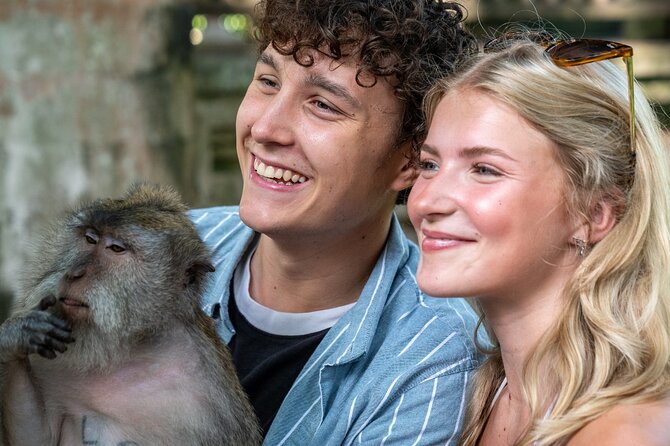
- Monkey Forest time with roaming macaques: You’ll be in the middle of the action at a sacred sanctuary.
- Goa Gajah Elephant Cave: Carved entrance plus ancient bathing pools make for a different kind of temple stop.
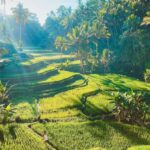
- Tegalalang rice terraces viewpoint: Bright-green paddies carved into the hillside, with classic Ubud photo angles.
- Mengening Temple purification stop: A more intimate jungle setting compared with the busiest attractions.
- Offering workshop included: You’ll make a canang sari and learn what it means in daily Balinese life.
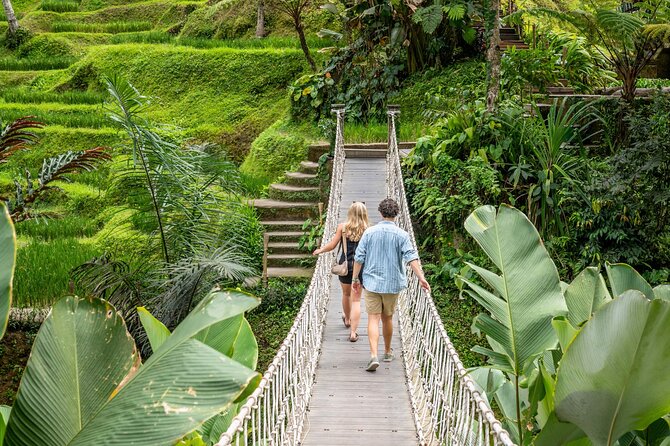
Tiered green as far as the eye runs. More Ubud rice-terrace walks.
- Ubud: Monkey Forest, Jungle Swing, Rice Terrace, and Water Temple★ 5.0 · 7,160 reviews
- Ubud: Waterfalls, Water Temple & Rice Terraces Private Tour★ 5.0 · 5,484 reviews
- Ubud: Full-Day Rice Terrace, Monkey Forest & Waterfall★ 5.0 · 2,634 reviews
- Full-Day Tour to Water Temples and UNESCO Rice Terraces in Bali★ 5.0 · 2,539 reviews
A smart way to see Ubud: temples, terraces, and ritual in one flow
Ubud can be a lot—too many stops, too many ticket lines, too much guesswork. This day is a practical solution: you start with hotel pickup, travel in an air-conditioned vehicle, and cover the main spiritual and scenic highlights without you having to plan the order.
What makes it work is the balance. You get the energy of Monkey Forest, the visual payoff at Tegalalang, and then you slow down with a purification temple where the focus is on the ritual itself, not just the view. It’s also guided in English, with entrance fees handled for you—so your time goes to seeing and learning.
Price-wise, $69 per person is reasonable for a full-day circuit when entrance fees and pickup/drop-off are included. You’re paying for the convenience of transport, a guide, and admission, not just sightseeing.
Getting started with pickup and a smooth drive into Bali’s cultural heart
The day begins around 9:30 am with hotel pickup. From there, you ride into Ubud’s cultural core with an English-speaking guide and bottled water included, which matters more than people think on a long day.
Each main stop is scheduled with enough time to actually look around—about 1 hour 30 minutes at most big sites, and 2 hours at the purification temple. That helps you avoid the trap of rushing through everything like a checklist.
If you’re staying outside central Ubud, pickup is a big plus. It removes navigation stress, and it means you don’t lose daylight figuring out local routes.
Goa Gajah (Elephant Cave): carved stone and ancient bathing pools
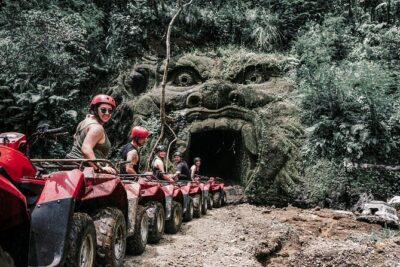
Goa Gajah—also called the Elephant Cave—is your first major temple stop. It’s known for a dramatic carved entrance and ancient bathing pools, with nearby temple structures that set a more archaeological tone than the lush-and-current temples you’ll see later.
Plan to spend about 1.5 hours here. That’s a good amount of time: long enough to walk through the entrance area and take in the stone details, but not so long that you feel stuck waiting for the rest of the group.
Why I think this stop is valuable: it gives you variety. The day isn’t only about scenery and the famous monkey situation. You’re also seeing older stonework and a site designed for ritual or bathing activity—so you get a different angle on how sacred spaces can function.
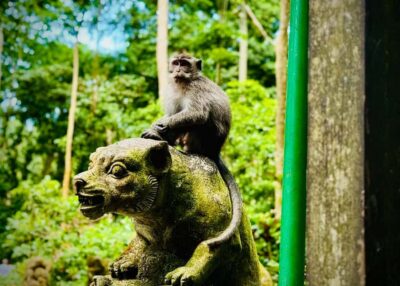
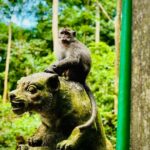
Long-tailed macaques and mossy temple gates, up close.


Monkey Forest Sanctuary: real macaques, real attention, real fun
Then you head to the Sacred Monkey Forest Sanctuary, where the experience is exactly what it sounds like: a jungle sanctuary with moss-covered temples, ancient stone carvings, and hundreds of free-roaming macaques.
You’ll get about 1.5 hours here, which is ideal because it balances exploration with the reality that monkeys can change the mood fast. One minute you’re looking at temple details; the next minute you’re watching macaques climb, pause, and stare like tiny park rangers.
A key consideration: because the monkeys roam freely, you’ll want to keep your focus steady and your belongings secure. Don’t treat it like a museum. This place is alive—wood, stone, and creatures all in one space.
If you love wildlife that still feels tied to culture (not just a zoo), this is the highlight.
Ubud Royal Palace: classic design and a calmer pace after the jungle
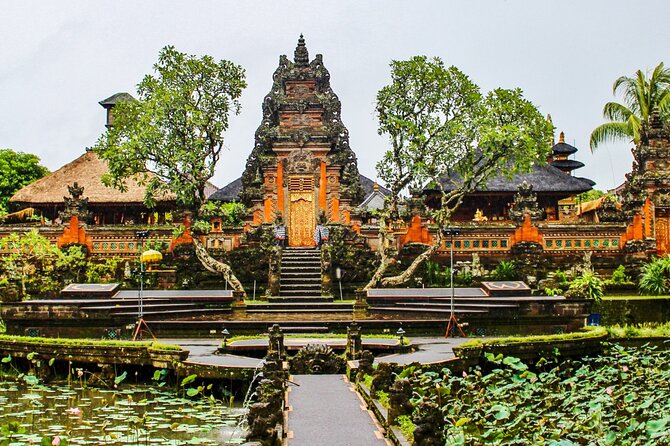
After the sanctuary, the day shifts to the Ubud Royal Palace. Even if you’re not a palace person, it’s worth using this time to reset.
You’ll spend about 1.5 hours exploring the palace courtyard and traditional Balinese design details, including the intricate gateway areas. This stop feels more structured and less chaotic than Monkey Forest, so it’s a good breather.
Why it fits the overall day: after seeing living wildlife and thick jungle pathways, the palace gives you symmetry—sightlines, architectural focus, and a calmer tempo before you jump into the terraces later.
Tegalalang rice terraces: your big view moment in the early afternoon
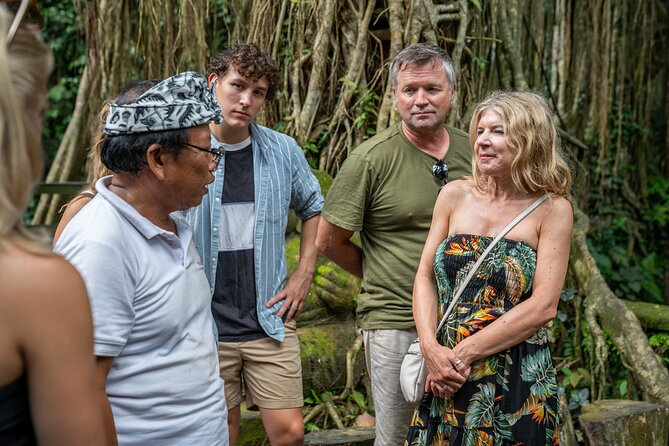
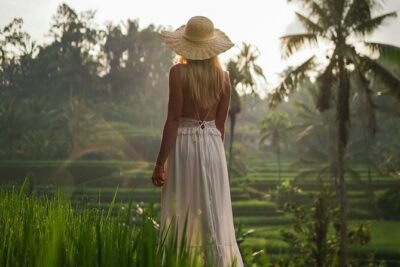
In the early afternoon, you’ll move to the Tegalalang Rice Terraces. This is one of those places where the photos are accurate—but photos flatten the layers and the scale.
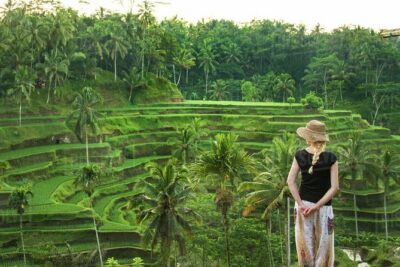
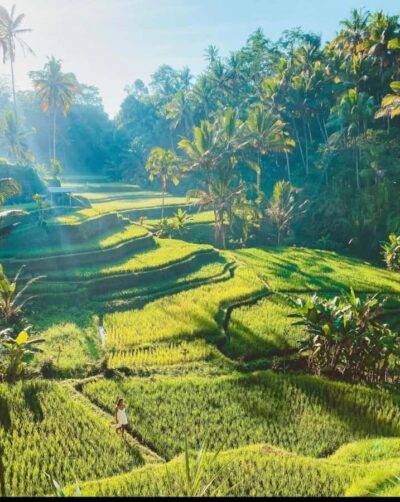
From the viewpoint, you’ll see bright-green paddies carved into the hillside, stacked in sweeping sections. You’ll get about 1.5 hours to take in the view, walk a bit, and get your bearings.
A practical tip: plan your viewing time. The best approach is to do one slow scan of the terraces first, then come back to specific angles for photos. That way you’re not stuck hopping around before you understand what you’re seeing.
If you enjoy countryside views but don’t want to spend days on your own, this stop delivers the iconic Ubud look without turning your day into a drive-and-guess exercise.
Mengening Temple: the purification temple stop that feels more personal
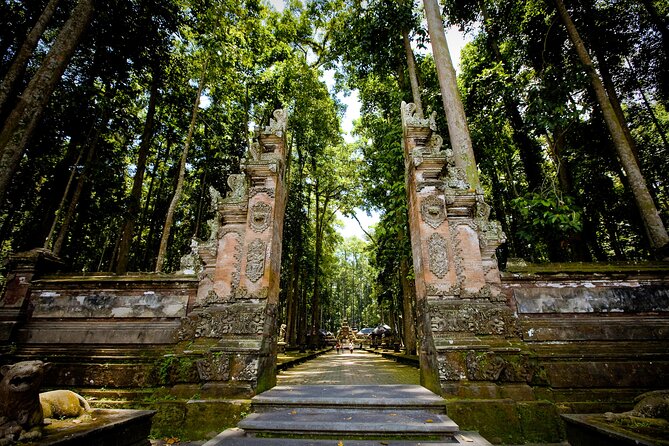
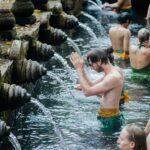
Then comes the part that often makes people remember the tour for more than the famous highlights. At Mengening Temple, the experience turns more intimate, set inside a lush jungle setting and quieter than Bali’s more famous sites.
You’ll spend about 2 hours here, which is important. Purification places are not meant to be rushed, and the extra time helps you slow down enough to pay attention to what’s going on around you.
Expect a more reflective mood than the previous stops. This is where the day starts to feel like it has a purpose beyond sightseeing.
Canang sari workshop: hands-on ritual and daily Balinese life context
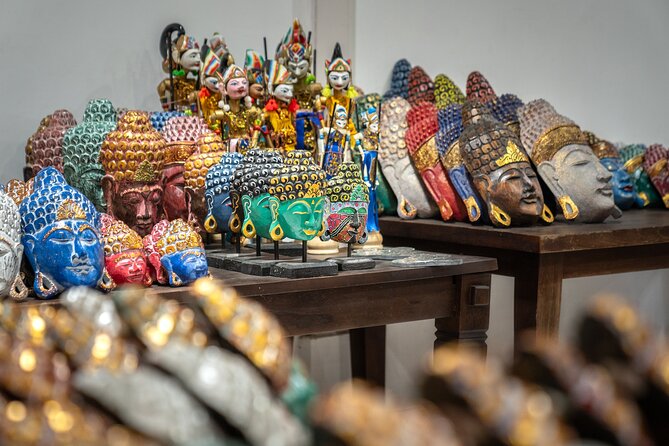
At Mengening, the tour includes an offering workshop where you’ll make a canang sari and learn its meaning in daily Balinese life.
This is one of the most valuable parts of the day because it turns you from a spectator into a participant. You learn why offerings matter in everyday practice, not just how a temple looks from the outside.
The workshop is included, along with bottled water and entrance fees, so you won’t get hit with surprise costs mid-day. And because it happens after you’ve already seen temple spaces in different styles, the lesson lands better. You’ve got real context for what you’re doing and why people repeat it.
If you like cultural experiences that don’t feel like a performance, this is the moment to pay close attention.
Guides, drivers, and that small-group difference
This tour runs with a maximum of 20 travelers, which changes the experience. You get a better chance to ask questions and hear explanations, and you’re less likely to feel lost in a crowd.
The guide quality is also a strong point. Reviews highlight guides such as Dan, Lara, Ariana, Gunawan, and Haris, with drivers named like Mariyasa, Juliantara, Nengah, and Gus Alit. Common themes: clear English explanations, patience, friendliness, and a focus on keeping things moving while still taking time to explain what you’re seeing.
That matters because Bali days can go sideways when someone treats the tour like a sprint. Here, the day is structured so you can take it in.
What you’ll actually spend your time on (and what’s included)
You’re looking at a full-day schedule from morning into late afternoon or early evening. Most stops land around 1.5 hours, with Mengening Temple at 2 hours, so the day has enough breathing room to absorb each place.
Included:
- Hotel pickup and drop off
- Air-conditioned vehicle
- English-speaking tour guide
- Entrance fees
- Bottled water
- Offering workshop
Not included:
- Personal expenses
- Gratuities (optional)
Value check: at $69 per person, the big win is that you’re not paying separate admissions and you’re not arranging transport yourself. For a day that covers multiple major sites, that adds up.
Who this tour suits best (and who might want to think twice)
This is a strong match if you:
- want a full Ubud day without piecing together tickets and driving yourself
- like temple visits that also teach you something about daily practice
- enjoy nature views but still want cultural context
- prefer small-group tours (max 20) with an English-speaking guide
Think twice if you:
- don’t enjoy longer days on the go (it’s about 12 hours)
- get overwhelmed by places with free-roaming monkeys and lots of movement
If you can handle a busy schedule, this tour gives you a well-rounded Ubud snapshot without feeling like you missed half the story.
Should you book the Ubud Monkey Forest, Rice Terraces & Sacred Temples tour?
I’d book it if you want the classic Ubud hits plus one meaningful ritual moment, all wrapped into a single guided day. The mix of Monkey Forest, Goa Gajah, Tegalalang, and a purification temple with a canang sari workshop makes it more than just sightseeing.
If your top goal is only beaches or only one type of attraction, you might prefer a slower, more focused trip. But for most first-time or second-time Ubud visitors who want a smart itinerary and included admissions, this is a solid value.
One more reason to lean yes: free cancellation up to 24 hours before start time makes it easier to lock in your schedule without overthinking it.
FAQ
What time does the tour start?
The tour start time is 9:30 am.
How long is the Ubud temples and Monkey Forest tour?
It runs for about 12 hours.
Is hotel pickup and drop-off included?
Yes. Hotel pickup and drop-off are included.
Are entrance fees included in the price?
Yes. Entrance fees are included.
What is included in the offering workshop?
The tour includes an offering workshop where you make a canang sari and learn its meaning in daily Balinese life.
How many people are in the group?
The tour has a maximum of 20 travelers.
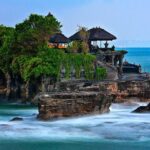
Temples & Shrines Around Ubud


Into the Monkey Forest

Rice Terraces Worth the Walk
Just added around Ubud
- Ubud: White Water Rafting with visit Ubud Monkey Forest
★ 5.0 · 3 reviews - Private Guided Bali Car Charter
★ 5.0 · 3 reviews - East Bali and Lempuyang Temple Tour
★ 5.0 · 3 reviews - Bali Downhill Cycling and White Water Rafting
★ 5.0 · 3 reviews - Cave Tubing Adventure in Ubud
★ 5.0 · 3 reviews
Tegallalang Rice Terraces, compared.
 ★ 5.0Monkey Forest, Jungle Swing, Rice Terrace, and Water TempleFrom $317,160 reviews
 ★ 5.0Waterfalls, Water Temple & Rice Terraces Private TourFrom $295,484 reviews
 ★ 5.0Full-Day Rice Terrace, Monkey Forest & WaterfallFrom $232,634 reviews
 ★ 5.0Full-Day Tour to Water Temples and UNESCO Rice Terraces in BaliFrom $392,539 reviews
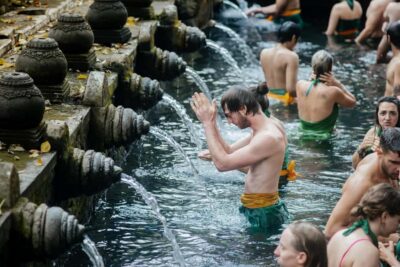 ★ 4.7Monkey Forest, Ceking Rice Terraces and More– Full DayFrom $37917 reviews
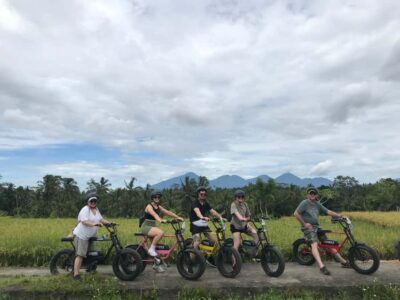 ★ 4.9Rice Terraces & Villages Half-Day Fat Tire E-Bike TourFrom $33602 reviews
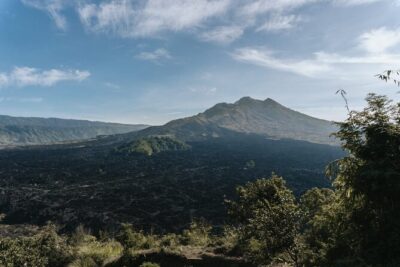 ★ 5.0Downhill Cycling with Volcano, Rice Terraces and MealFrom $36536 reviews
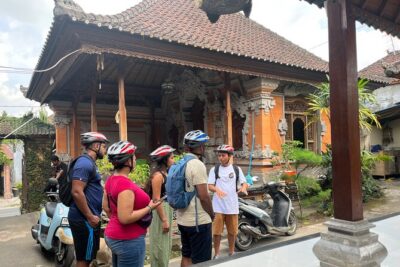 ★ 5.0Ubud eBikes Tour to Tegallalang Rice TerraceFrom $30507 reviews
Browse the lists this tour appears in