
Reviewed · KINTAMANI & VOLCANO TOURS
Ubud: Kintamani Downhill Cycling with small group & Private
If you can handle a downhill bike moment, you’re set. This Kintamani-to-Ubud ride mixes mostly downhill cruising with real village stops—like a local school and a family compound—so the day feels more personal than a typical sightseeing loop. I like that it stays beginner-friendly even though you’re starting in the cooler highlands, and I also like the guide-led conversation that turns the scenery into something you can actually understand. One thing to consider: you’ll need to make your way to the meeting point in Kintamani yourself, and there’s no lunch included.
You’re out for about 150 minutes, guided in English (and Indonesian too), with a small group option or a private setup. The route is built to keep things smooth and safe, and the bikes come with a helmet, water, and a cold towel after. The cycling is simple compared with big mountain rides, but you should still wear comfortable shoes and be ready for short stops and on-bike moments.
In This Review
- Key Highlights to Know Before You Go
- From Kintamani’s High Ground to Ubud’s Downhill Flow
- What Makes It Feel Safe: Bikes, Helmets, and a Good Route
- The Itinerary: Stop by Stop, What You’ll Actually See
- Starting Point at Pukuh Sari, Bayung Gede (Kintamani)
- Traditional Village Break and Photo Stops
- Local School Visit: Seeing Education in Real Context
- Traditional Family Compound: Meet the Homes Behind the Views
- Village Temple: Spiritual Significance Along the Route
- Rice Fields: Bali’s Farming Heritage as You Ride
- The Guide Makes the Day: English Support and Real Route Choices
- Small Group vs Private: Which One Fits Your Style?
- Price and Value: What $21 Covers and What You Should Plan for
- Who Should Book This Ride (and Who Might Think Twice)
- Small Practical Tips That Make the Day Smoother
- Should You Book This Kintamani Downhill Cycling Tour?
- FAQ
- How long is the cycling experience?
- Where is the meeting point?
- Is the ride difficult?
- What’s included in the price?
- What is not included?
- Does the tour offer private or small group options?
- What languages are the guides?
- What should I bring or plan for?
- Is there a cancellation policy?
Key Highlights to Know Before You Go
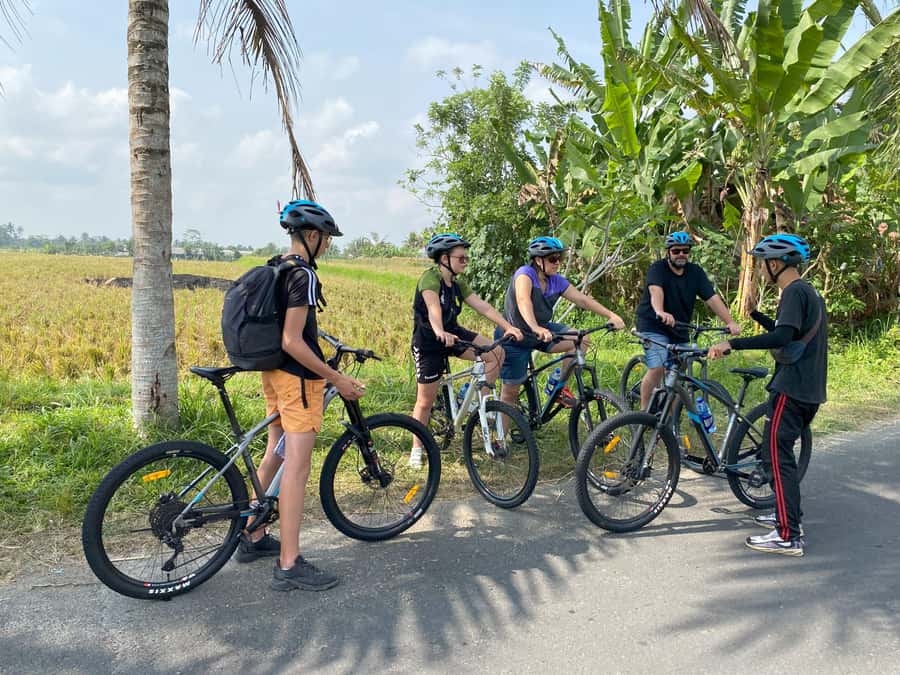
- 80% downhill route that keeps the effort low and the fun high
- Village visits beyond the usual photo stops: school, family compound, temple
- Bali views along the way as you travel from village to village
- Guide support and safety setup, including helmet and route guidance
- Small group or private option for a more comfortable pace
- Included water and cold fresh towel after the ride
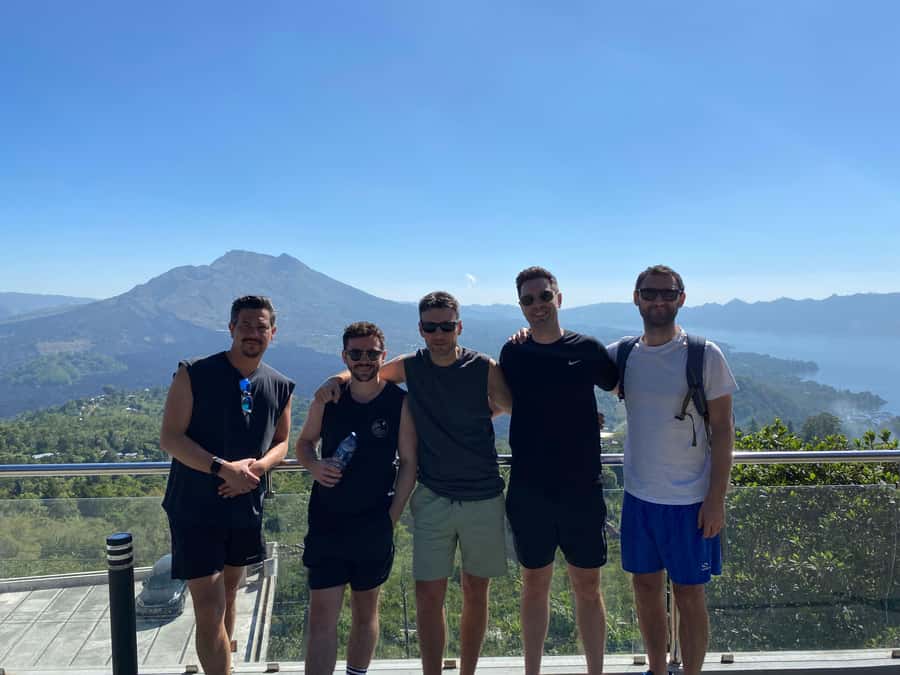
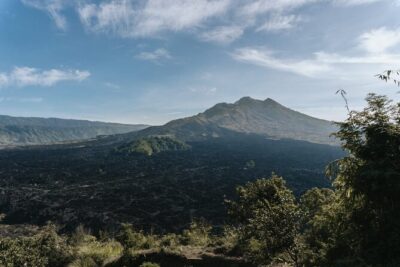
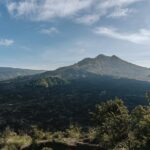
Caldera views over Lake Batur, and how to reach them.
- Highlights of Ubud & Mount Batur Volcano – Private Day Trip★ 5.0 · 274 reviews
- Ubud: Downhill Bike Tour with Rice Fields, Volcano and Meal★ 5.0 · 267 reviews
- Kintamani Cultural and Nature Cycling Tour ( Manual Bike )★ 5.0 · 257 reviews
- Ubud : Kintamani Downhill Cycling Tour with Lunch★ 5.0 · 171 reviews
From Kintamani’s High Ground to Ubud’s Downhill Flow
The ride starts at Pukuh Sari in Bayung Gede, Kintamani. From there, the whole point is momentum: you’re mostly going downhill—about 80%—as you move from village to village on the way toward Ubud. Even if you’re not a road cyclist, this style of route helps you focus on the experience instead of fighting your legs the whole time.
What I love about this format is that it respects different fitness levels. You still get that satisfying “we’re moving fast” feeling, but because so much of the route is downhill, you’re not forced into a grind. The gentle slopes that remain are usually enough for a normal person to keep balance and rhythm without feeling totally spent.
There’s also a nice mental shift. When you’re not struggling up hills, you can notice details—how houses sit along the road, how people move through daily routines, and how the landscape opens up as you descend. For many first-timers to Bali, that’s the real win: you don’t just arrive at a viewpoint, you watch the island change under your wheels.
What Makes It Feel Safe: Bikes, Helmets, and a Good Route
Safety here isn’t just a rule. You get a bicycle and helmet as part of the experience, and the guide handles the practical setup so you’re not figuring things out on the fly. You’ll also get a safety briefing before you start, which matters because you’re cycling on real roads, not a theme-park track.
One of the most reassuring parts is the way the guides manage the route. In real-life experience, riders have worried about traffic at first, but the guidance they received kept them on secondary roads away from heavier traffic. That’s the difference between an “okay” ride and a confident one.
You also get small comfort items that make a big difference when the weather and altitude shift. You’ll have mineral water, plus a cold fresh towel and refreshment included. It’s the kind of detail that signals the day is planned, not improvised.
Your comfort checklist is simple: wear breathable clothes, keep your hands relaxed on the bars, and don’t overthink speed. If you’re worried about keeping up, tell your guide your pace. The route is designed around easy downhill flow, and the schedule includes rest time now and then.
The Itinerary: Stop by Stop, What You’ll Actually See
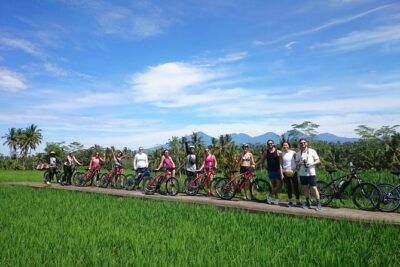
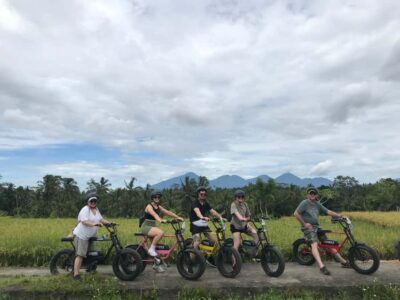
This ride lasts around 150 minutes, and the day has a clear rhythm: start, ride, stop, walk a bit, talk, take photos, and get rolling again. You won’t be trapped in one long stretch, and the breaks help you absorb what’s around you.
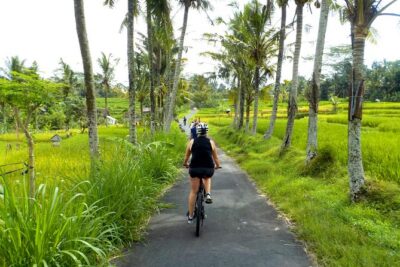
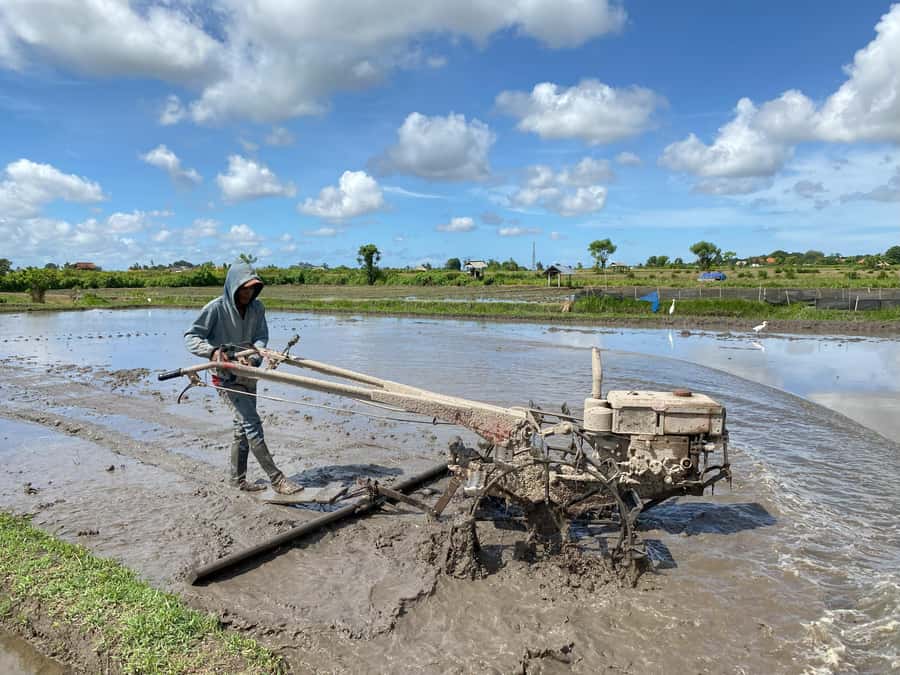
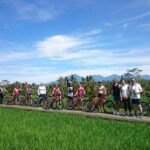
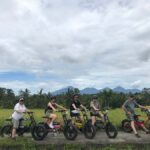
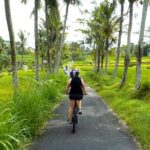
Freewheel down through the paddies on two wheels.
Starting Point at Pukuh Sari, Bayung Gede (Kintamani)
You’ll meet at Pukuh Sari in Bayung Gede, Kintamani (Kabupaten Bangli, Bali). Getting there is on you, so plan your approach early and give yourself time. If you’re using a taxi, or ride-hailing like Gojek or Grab, you’ll want to confirm the drop-off spot because start points in villages can look similar.
Once you arrive, the guide gets your bike ready and helps you settle in. This is where you’ll get your first taste of the tour style: practical, friendly, and focused on getting you comfortable with the route before you start moving.
Traditional Village Break and Photo Stops
After the initial cycling setup, the tour brings you into a traditional village area for a break. You’ll have a bit of time to reset, plus guided moments that can include photo stops and short walking. This part matters because it breaks the ride into human-scale segments.
A downhill ride is fun, but it’s easy to stay in “move mode.” Village breaks force you out of autopilot. You see how people use the road, where everyday conversations happen, and how homes and worship spaces connect to daily life.
Local School Visit: Seeing Education in Real Context
One of the most praised parts is the stop at a local school. You’re not just passing it; you get a chance to see how school life fits into village life and ask questions. That’s where the tour becomes more than scenic transport.
It’s also one of the best chances to understand Bali beyond the tourist rhythm. Education shows you what a community values, and you’ll likely notice how daily routines and priorities are organized in ways that are different from what you might expect at home.
If you’re the kind of person who likes learning from everyday people, this stop is for you. Even if your questions are simple, the interaction helps the rest of the ride make more sense.
Traditional Family Compound: Meet the Homes Behind the Views
Next comes a traditional family compound—an area tied to family life and local living patterns. This is often where you feel the difference between a “tourist stop” and a “life stop.” You might walk through areas and interact with residents, which turns the day into a conversation, not a checklist.
Keep your expectations respectful and calm. People are living their lives, not staging a show. If you’re curious, that curiosity is welcome, but keep it gentle—watch first, ask second, and follow your guide’s cues.
Village Temple: Spiritual Significance Along the Route
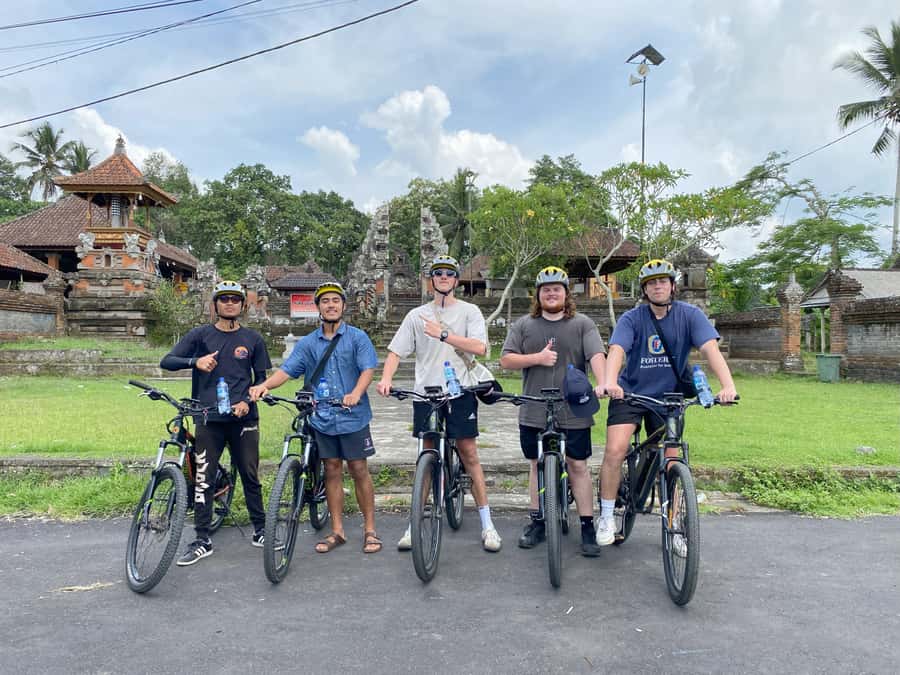
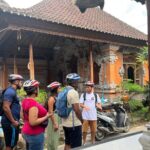
You’ll also visit a village temple, guided so you can understand what you’re seeing in a meaningful way. Temples are everywhere in Bali, but most visitors only notice the architecture. Here, the focus is on significance—how the place fits spiritual life.
You don’t need to be religious to appreciate it. It’s more about learning how people structure time, community, and respect through worship spaces. The temple stop makes the ride feel grounded in culture instead of just scenery.
Rice Fields: Bali’s Farming Heritage as You Ride
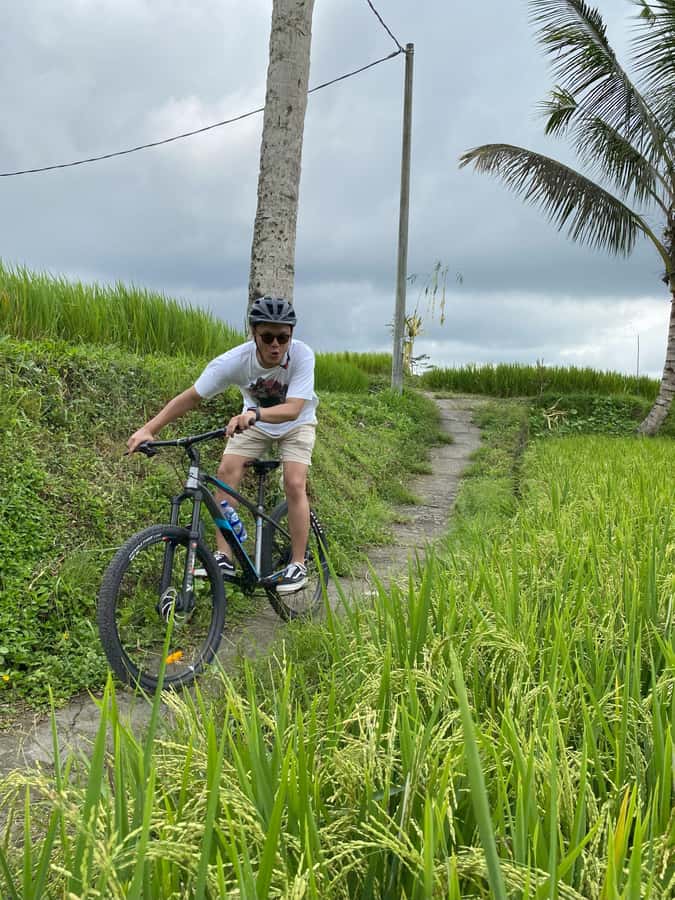
Finally, you’ll spend time looking at lush rice fields along the journey. This part is practical as well as scenic. Cycling through farmland and watching how the fields shape the route helps you understand why villages cluster where they do.
Also, rice fields change the feel of the ride. They add openness and depth to your view while you’re moving downhill. That’s why this section tends to land well for first-timers: it feels like Bali’s identity is literally in your line of travel.
The Guide Makes the Day: English Support and Real Route Choices
Your guide is the engine of the experience. The tour runs with an English-speaking guide (and Indonesian too), and they’ll explain the route, help you stay comfortable, and answer questions as you go.
In past rides, guides like Agus and Dode have been specifically mentioned for being ready with safety gear, water, and clear route guidance. Dode, for example, was described as having everything prepared at the start and choosing secondary roads to reduce traffic pressure. That kind of choice makes a big difference when you’re cycling where vehicles are also moving.
If you want the day to feel cultural, ask questions when the guide pauses. The tour gives you those moments—school, home compound, temple—and they’re easier to enjoy when you treat them like conversations rather than quick photo opportunities.
Small Group vs Private: Which One Fits Your Style?
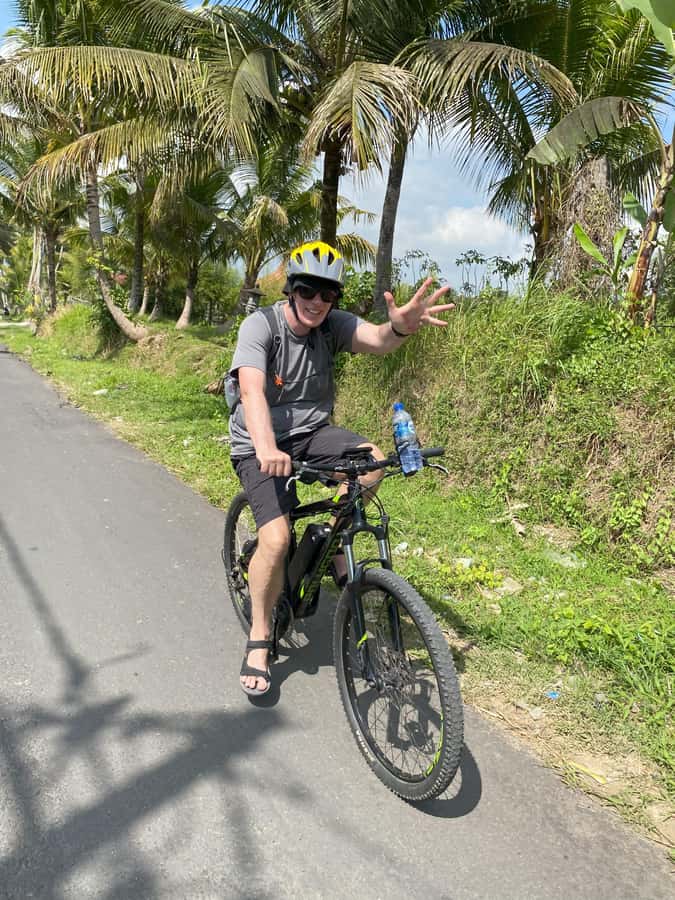
You’ll see an option for small groups and a private version. If you’re traveling with a friend or want quieter pacing, private can be a great fit. It usually makes it easier to ask more questions without worrying about group momentum.
A small group is also a strong choice if you like sharing the day with other people but still want a guided experience. In a small-group setting, the guide can still adjust pace, and you won’t feel like you’re stuck listening to one lecture for a whole crowd.
Either way, the tour is built for easy downhill cruising, so you’re not locked into a “race” mentality. Choose based on how much social interaction you want during those stops.
Price and Value: What $21 Covers and What You Should Plan for
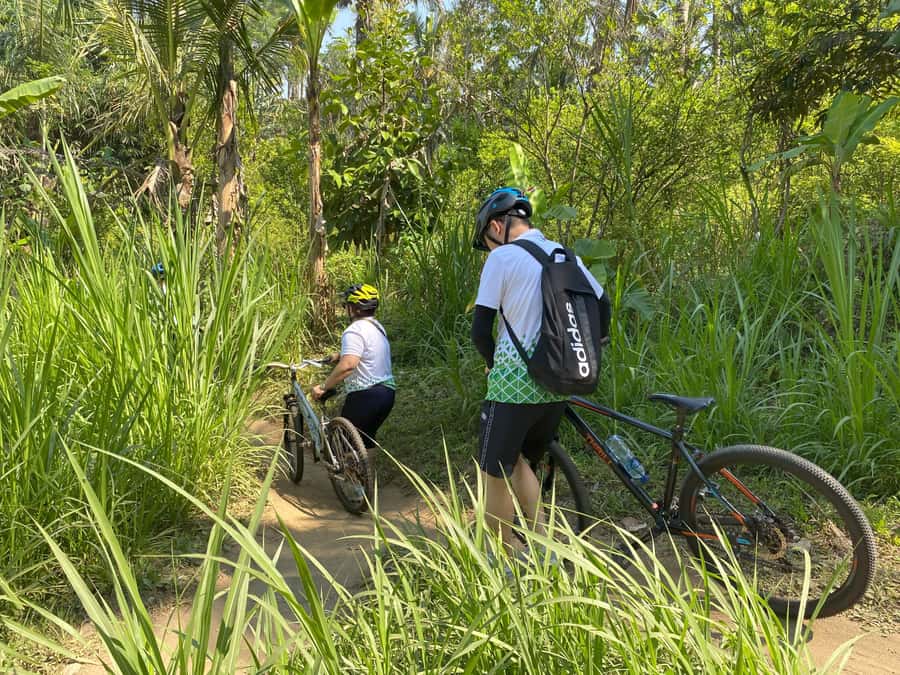
At about $21 per person for 150 minutes, the value is in what’s included, not just the length of the ride. You get the bicycle and helmet, an English guide, mineral water, refreshment, and a cold towel. There’s also insurance included for age 5 to 65, which adds a little peace of mind if anything goes sideways.
What isn’t included matters for your planning:
- Pick-up and return transport (you handle getting to the start)
- Lunch
- Entry or admission for Mount Batur
That last item might not be part of your route, but it’s listed as not included, so don’t assume. If you’re hungry, bring a snack to keep you comfortable before or after the ride. And because this is cycling, you’ll want something light and easy to digest.
Is $21 “cheap”? It can feel that way compared with full-day tours. But the real value is in the combination: guided downhill ride plus cultural stops plus basic comfort items. If you’re already thinking about using a driver to see villages and viewpoints, this can be a smarter use of time because it moves you through the area while giving context.
Who Should Book This Ride (and Who Might Think Twice)
This is ideal if you want a Bali experience that feels real and human-scale. You like cycling as a way to get around, not as a competitive sport. And you’re interested in culture that includes schools, family life, and worship spaces.
It’s also a great fit for mixed groups—people with different fitness levels—because the route is not difficult in the practical sense. The downhill-heavy design makes it approachable, and the tour pacing includes breaks.
You might think twice if you’re expecting a high-intensity cycling challenge or a long, multi-hour endurance event. This ride is about easy downhill movement and cultural stops, not athletic punishment. Also, if you hate the idea of handling your own ride to Kintamani, factor in that transport is on you.
Small Practical Tips That Make the Day Smoother
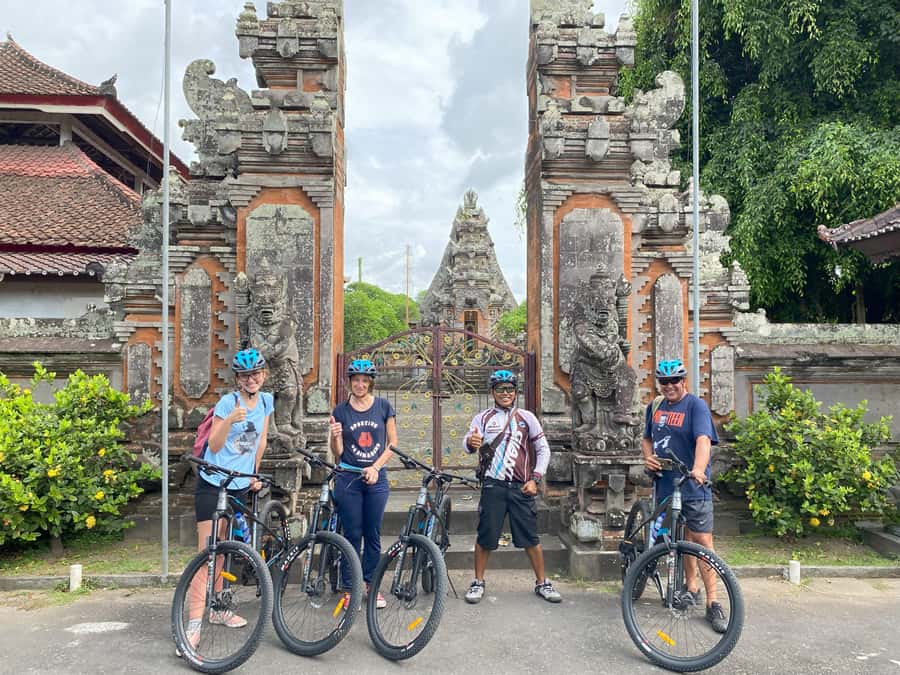
Go for comfort over style. You’ll be on a bike for part of the experience, so choose clothing that won’t snag and shoes that won’t slip.
Bring basic cash or a card if you want water or snacks beyond what’s included. Water is provided, and refreshment is included, but no lunch is listed.
Ask your guide about pace early. If you’re nervous—traffic worries, speed worries, keeping balance—say it. In good tours, the guide adjusts the route and cadence, and that’s exactly what has happened in real experience with guides like Dode.
Finally, be ready to slow down at stops. School, family compounds, and temples are not just scenic backdrops. Keep a respectful attitude, and you’ll get more from the conversation.
Should You Book This Kintamani Downhill Cycling Tour?
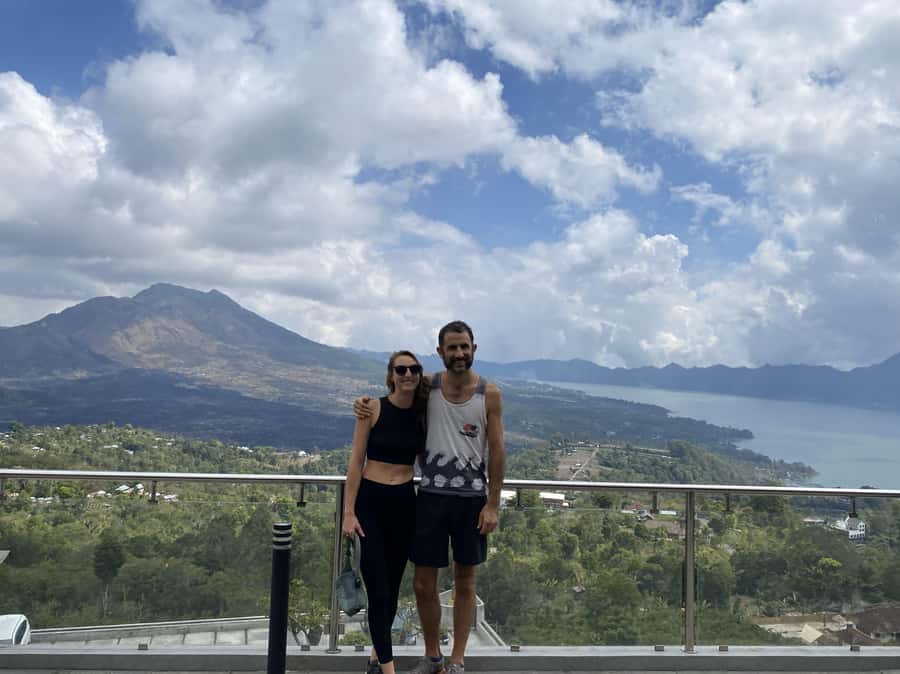
I’d book it if you want an easy, scenic ride with meaningful cultural stops and a guide who handles the route and safety. The mix of downhill cycling (about 80%), school and home visits, and temple time is a rare blend of movement and learning—and it’s set up for different comfort levels.
I wouldn’t book it if you can’t reach Kintamani on your own or you need a full day with lunch and long sit-down sightseeing. Also, if you’re chasing a serious uphill biking workout, you’ll likely find this too relaxed.
If you’re planning a Bali trip that includes Ubud anyway, this is a smart way to connect the highlands to village life while still getting the fun of riding.
FAQ
How long is the cycling experience?
It runs for about 150 minutes.
Where is the meeting point?
You meet at PUKUH SARI, Bayung Gede, Kintamani, Kabupaten Bangli, Bali 80652.
Is the ride difficult?
No. The route is about 80% downhill, and it’s described as not difficult.
What’s included in the price?
Included are the bicycle and helmet, mineral water, an English guide, refreshment, a cold fresh towel, and insurance (for ages 5 to 65).
What is not included?
Pick up and return transport, lunch, and entry/admission for Mount Batur are not included.
Does the tour offer private or small group options?
Yes. It offers small group available, and there is a private option.
What languages are the guides?
The guide works in English and Indonesian.
What should I bring or plan for?
You’ll need to arrange your own transport to and from the meeting point, and plan for food since lunch is not included.
Is there a cancellation policy?
Cancellation is free up to 24 hours in advance for a full refund.
More Ubud Tours We Rate


Downhill & E-Bike Rides
Kintamani & the Batur Caldera

Just added around Ubud
- Ubud: White Water Rafting with visit Ubud Monkey Forest
★ 5.0 · 3 reviews - Private Guided Bali Car Charter
★ 5.0 · 3 reviews - East Bali and Lempuyang Temple Tour
★ 5.0 · 3 reviews - Bali Downhill Cycling and White Water Rafting
★ 5.0 · 3 reviews - Cave Tubing Adventure in Ubud
★ 5.0 · 3 reviews
Kintamani & Volcano Tours, compared.
 ★ 5.0Highlights of Ubud & Mount Batur Volcano – Private Day TripFrom $60274 reviews
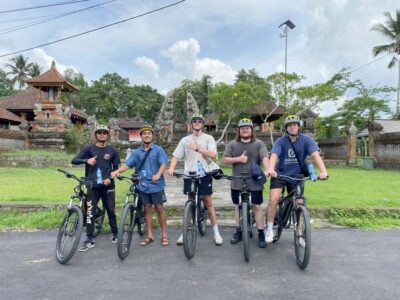 ★ 5.0Downhill Bike Tour with Rice Fields, Volcano and MealFrom $33267 reviews
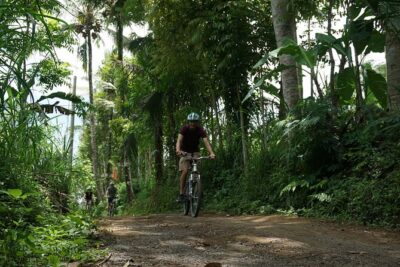 ★ 5.0Kintamani Cultural and Nature Cycling Tour ( Manual Bike )From $33257 reviews
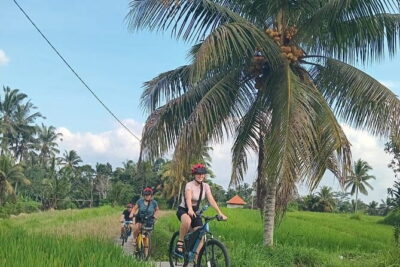 ★ 5.0Kintamani Downhill Cycling Tour with LunchFrom $29171 reviews
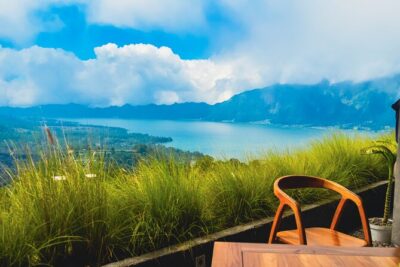 ★ 4.0Kintamani Lake & Volcano TourFrom $67104 reviews
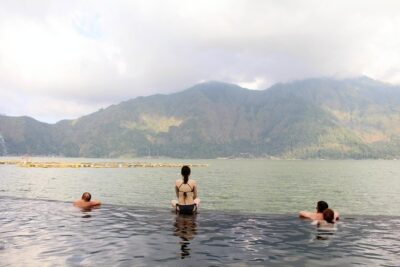 ★ 5.0Ubud Volcano Lake and Natural Hot Spring TourFrom $35101 reviews
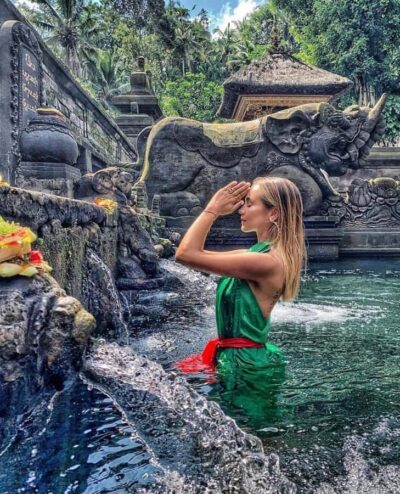 ★ 5.0Kintamani Cafe, Waterfall, Temple and Cretya Ubud TourFrom $35100 reviews
 ★ 5.0Sunrise Jeep Tour Mount Batur Kintamani BaliFrom $3224 reviews
Browse the lists this tour appears in